Dogs live in the moment and cherish every little detail of their day. From the early morning light, every moment in a dog’s daily routine is full of meaning and purpose. Here’s what your furry friend wishes you knew about their daily routine.
Table of Contents
Morning Moments: Kick-Starting a Pawsome Day

The start of the day sets the tone for your dog’s overall well-being. Dogs aren’t just excited to wake up; they crave the morning routine that gives them structure and comfort. Let’s explore the key components of a morning routine from your dog’s perspective.
Waking Up with Enthusiasm
Your dog wakes up with a gentle stretch and wagging tail, ready to embrace the new day. The early moments of waking up are vital because they signal the start of a day filled with adventure and care.
Morning Wake-Up Calls
- Dogs wake up early and expect engagement. Your dog’s internal clock is incredibly accurate, and they often wake up at the same time every morning. They rely on you for their first interaction of the day, whether it’s a walk, a meal, or simple cuddle time.
- They need a bathroom break first thing. Holding it overnight is tough for most dogs, and they need to relieve themselves as soon as they wake up. Delaying their bathroom break can cause discomfort or accidents, so it’s best to take them out promptly.
- They crave structure in their morning routine. A predictable start to the day gives them a sense of security. Whether it’s stretching, playing, or having their breakfast at the same time daily, dogs appreciate consistency.
Quick Walks and Outdoor Time
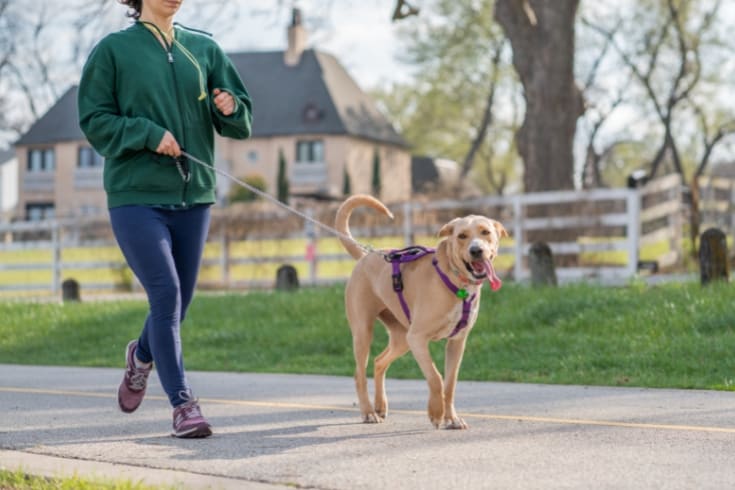
A quick morning walk is a full sensory experience for your dog, and, of course, a chance for them to relieve themselves. Dogs naturally love to explore and mark their territory, even if it’s just outside your home, to relieve themselves. Exploring is their way of interacting with the world and reinforcing their sense of place. It helps them stay alert and curious, preventing boredom and encouraging physical activity.
Healthy Breakfast Rituals
A well-balanced breakfast is the cornerstone of your dog’s day, fueling their energy levels and metabolism.
- Your dog’s breakfast should be nutritious and balanced. Feed them 100% human-grade, gently cooked fresh food from California Dog Kitchen for balanced meals. Their high-quality meats, certified organic vegetables, grains, and fruits are designed to meet the highest food standards. You can get grain-free and grain-inclusive options to satisfy your dog’s hunger and contribute to their overall health and longevity. Avoid processed foods, as they, as they can lead to sluggishness and digestive issues.
- They rely on you for portion control. Overfeeding or underfeeding can lead to long-term health issues. It’s important to measure their meals based on their weight, breed, and activity level.
- Water is just as important as food. Keeping fresh water available ensures they stay hydrated, which is essential for digestion and overall health.
Exercise and Playtime
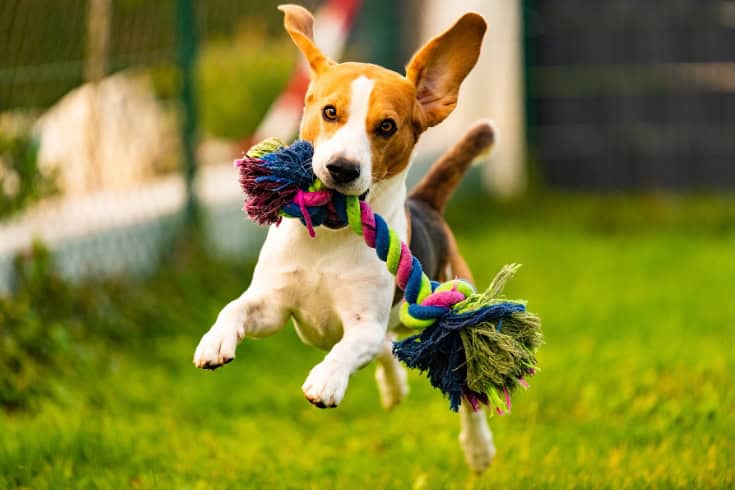
As the day progresses, dogs need mental stimulation and physical exercise to remain healthy. The midday period is about balance and engaging your dog in ways that keep them mentally and physically fulfilled.
- Dogs need exercise to stay happy. A morning walk or play session helps burn off excess energy and keeps their mind engaged. Without exercise, they may become restless or develop behavioral issues.
- Play strengthens your bond. Whether it’s fetch, tug-of-war, or running together, interactive playtime fosters trust and strengthens your bond.
- Exercise prevents obesity and health issues. Regular movement supports joint health and helps maintain a healthy weight.
Midday Rest and Mental Stimulation
While activity is important, rest is equally necessary in your dog’s routine. Scheduled rest times allow your dog to simply enjoy the moment, feeling secure in their surroundings. Balancing activity with rest helps maintain their overall energy levels and prevents burnout.
- Dogs need downtime. Just like humans, dogs require rest during the day. They often nap after morning activities to recharge for the afternoon.
- Mental stimulation is just as important as physical exercise. Puzzle toys, scent games, or obedience training keep their brains engaged and prevent boredom.
- They appreciate companionship. If you’re away at work, leaving interactive toys or arranging for a pet sitter can help them feel less lonely.
Routine and Structure
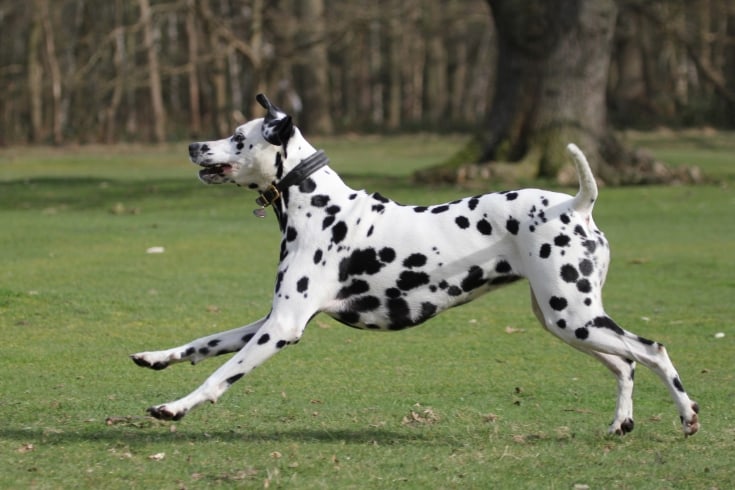
Familiar sights, sounds, and smells play a significant role in your dog’s sense of security. These cues remind your dog that everything is in its place, reducing feelings of uncertainty. Simple elements, such as a favorite toy, the sound of a door opening, or the aroma of your cooking, can provide reassurance throughout the day.
Having designated areas for eating, resting, and playing ensures that your dog feels comfortable in every part of your home. These changes also help prevent territorial disputes if you have more than one pet, as each dog can have a space that feels uniquely theirs.
Afternoon Exercise
- A second round of exercise is beneficial. Even a short walk or play session helps break up their day and maintain their energy levels.
- Training sessions are most effective when conducted in short bursts. Dogs learn more effectively with short, engaging training sessions rather than long, repetitive drills. Practicing commands keeps their minds sharp.
- Socialization is key. Visiting a dog park, meeting new people, or playing with other dogs helps build their confidence and reduces anxiety.
Dinner Time
- Dinner should be just as balanced as breakfast. A well-rounded meal in the evening replenishes their energy and prepares them for a restful night.
- They thrive on a consistent schedule. Feeding them at the same time every evening reduces stress and digestive problems.
- Watch for food sensitivities. If your dog shows signs of allergies or stomach upset, adjusting their diet or visiting a vet can help.
Evening Wind-Down

As the day comes to a close, the evening routine is crucial in helping your dog transition to a peaceful night. The final hours of the day are just as important as the morning and midday routines, as they set the stage for rest and recovery.
- Evening walks help with digestion. A light stroll after dinner aids digestion and helps them relax before bedtime.
- They enjoy unwinding with you. Snuggling on the couch, gentle petting, or quiet time reassures them and strengthens your bond.
- Dogs recognize bedtime cues. Dimmed lights, a cozy bed, and a calm atmosphere help signal it’s time to sleep.
Conclusion
Understanding your dog’s daily routine helps create a structured, fulfilling life for them. They depend on us for their physical, mental, and emotional well-being. By recognizing their needs and maintaining consistency, we can ensure they live happy, healthy lives, whether it’s providing nutritious food, regular exercise, or plenty of love, every part of their routine matters.