Whether your dog made the cut or you’re picking the one for the far end of the sofa, here’s how each of the most affectionate dog breeds shows its love, and what that love costs in health, size, grooming or years together.
Stay for #1: it’s the only dog here without a breed, and the reason it wins changes how you read the other sixteen.
The TV is murmuring, the lamp is on low, and somewhere in the second episode a warm weight settles against your leg. Nobody invited it. It lets out a long sigh, as if it has had a hard day, which, given the nap schedule, is a stretch.
That lean is why people go looking for the sweetest dog breeds. What nobody prints on the adoption card is that every kind of devotion comes with a catch, and the catch is different for each dog.
Table of Contents
#17 The Lab that forgives fast and shadows you
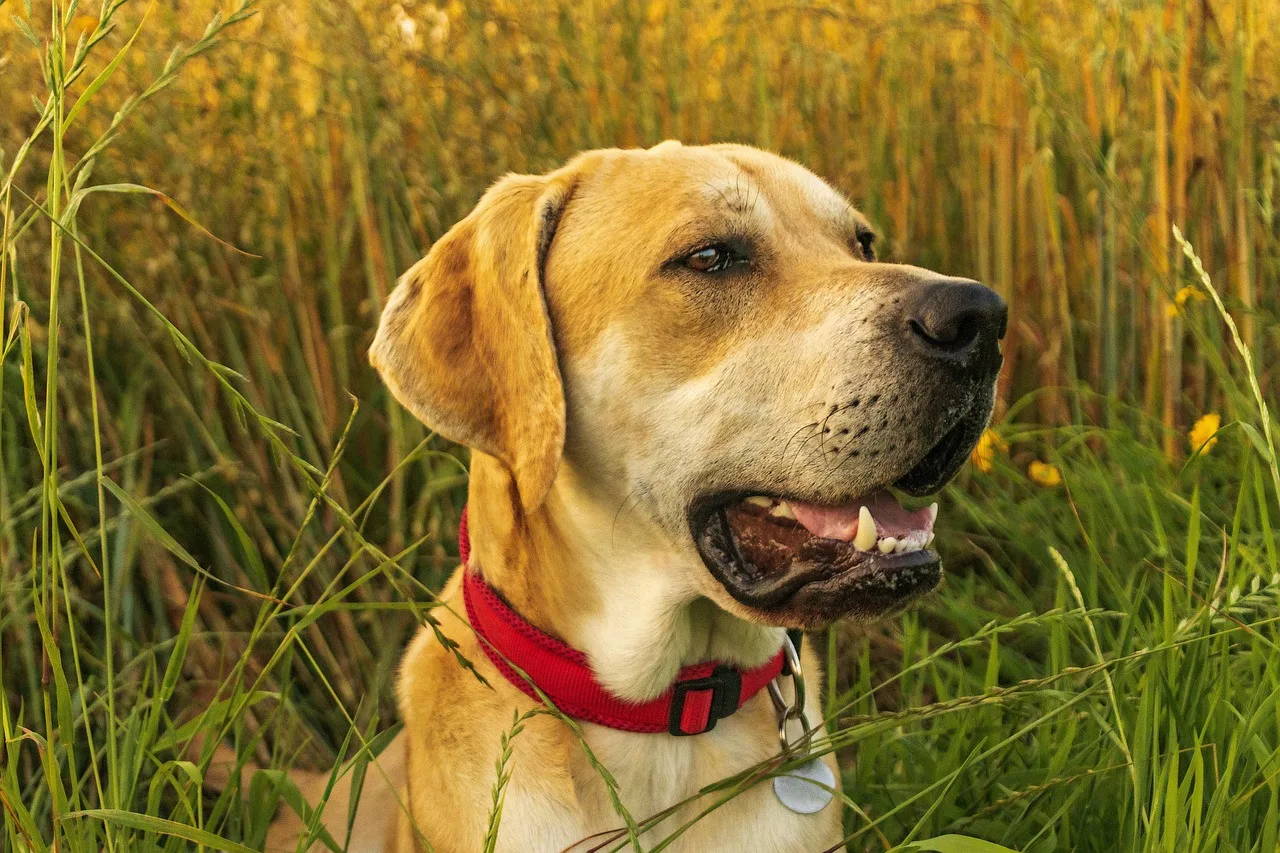
The Lab’s affection has one setting, and it’s forgiveness. Step on his paw, serve dinner twenty minutes late, leave him home for the grocery run, and he greets you like you’ve been away at sea. Casey Ray, a trainer with nearly 30 years of experience, sums up the breed this way: “Doesn’t hold grudges. Resets fast.”
We pulled together five “most affectionate” lists, from YouTube trainers to TikTok countdowns, and the Lab was the only breed named on all five. It’s also America’s #2 dog in the AKC’s 2025 registrations, right behind the French Bulldog.
He also follows you around like a shadow, and getting older doesn’t seem to cure it.
“Even as a senior dog now, he still insists on being my little (80-pound) shadow and will nudge my hand for pets if I stop for even a second.” (Owner of a senior black Lab, r/dogs)
That fits a University of Padua study that wasn’t limited to Labs. The senior dogs sought more physical contact with their owners at first than the younger adults did.
The catch is the food bowl. About 23% of Labs carry at least one copy of a gene variant tied to appetite, and each copy came with about 4 extra pounds, University of Cambridge researchers found. “People who live with Labradors often say they are obsessed by food, and that would fit with what we know about this genetic change,” said Dr. Eleanor Raffan, the study’s first author. So the stare at your sandwich is partly wiring.
Saying no pays you back in years. In Purina’s 14-year Life Span Study, 48 Labs were paired up, and one dog in each pair ate 25% fewer calories to stay lean.
| Measure | Lean-fed Labs | The other Labs |
|---|---|---|
| Median lifespan | 13.0 years | 11.2 years |
| First treatment for age-related disease | 12.0 years | 9.9 years |
| Arthritis in 2+ joints at age 8 | 10% | 77% |
That’s almost two extra years of a cold nose under your hand. The hard part is that you’re the one holding the treat bag while those eyes go to work.
#16 The golden that stays close but skips cuddles
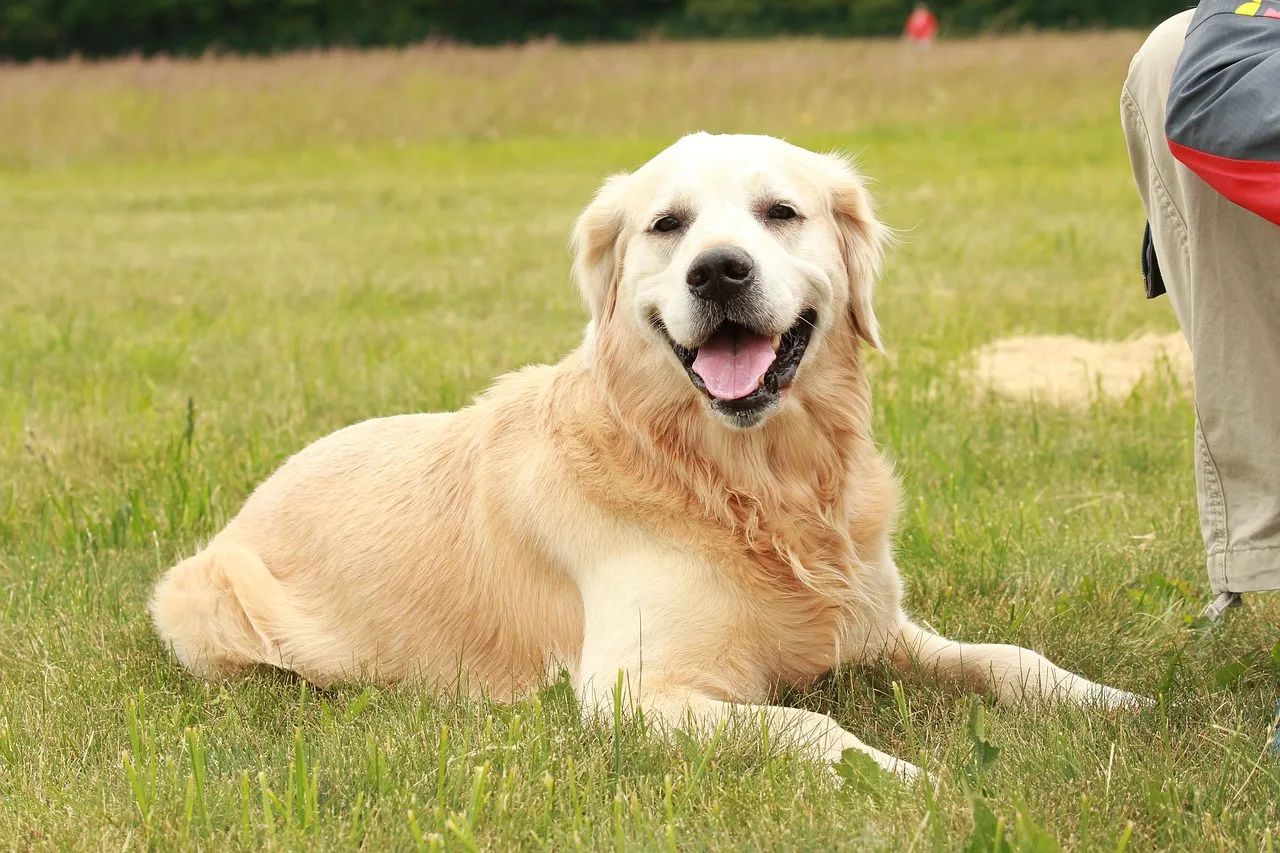
If you brought home a golden expecting a lap dog, you may have met a different animal. This one lies across the doorway, supervises the cooking, and gets up and moves to the rug the moment you pat the couch cushion.
“Our golden wants to be near us, but DOES NOT WANT CUDDLES.” (Golden retriever owner, r/goldenretrievers)
That owner has company. In r/dogs threads about cuddly breeds, owners keep putting goldens in the same group as hounds and German Shepherds: dogs that stay near you but don’t care for much physical contact. Plenty of goldens do climb aboard. Others show their love by being in the room, at a polite distance, forever.
The bigger catch is one sellers rarely mention. The Golden Retriever Lifetime Study enrolled 3,044 goldens. Of the 352 that had died by mid-2021, about 70% died of cancer. The most common one, hemangiosarcoma, stayed rare until age 6, then climbed steeply and became the most common cancer around age 8.
You can’t shop your way out of that, but you can shop carefully. “My only thing with this breed is just do your homework. Go to a reputable breeder,” Casey Ray says. The Golden Retriever Club of America spells out what that homework looks like:
- Both parents should have hip, elbow, heart and eye certifications, and you can check them yourself at ofa.org using each parent’s registration number.
- A breeder who won’t let you visit is a red flag.
- So is a guarantee that makes you return the dog before you see any compensation.
The club also warns that a golden puppy takes “about the same amount of time and energy in the beginning as caring for a 2-year-old toddler.” If you’ve raised a toddler, you know exactly what that means for your carpets.
#15 The French Bulldog that can’t even swim
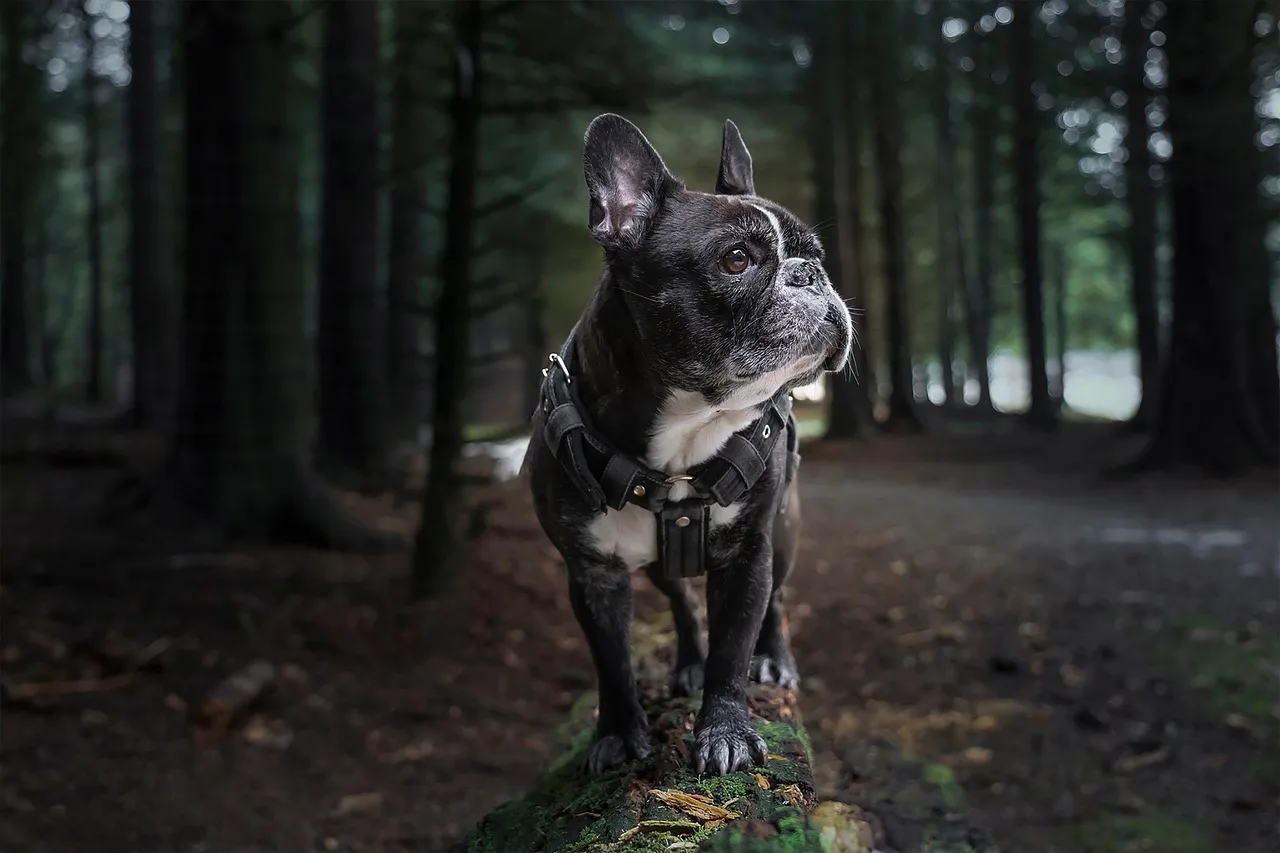
America’s favorite dog can’t be trusted near the pool. French Bulldogs “cannot swim well because of the uneven distribution of their muscle mass,” says PetMD’s vet-written profile, and should never be left alone near water.
The Frenchie has been #1 in the AKC’s registrations four years running. Under the “most affectionate” countdowns on TikTok, it’s one of the breeds owners complain got left off. PetMD puts the typical US price for a French Bulldog at $1,500 to $5,000.
Now set that beside the vet records. A Royal Veterinary College study of UK dogs compared 2,781 French Bulldogs with nearly 22,000 other dogs. Frenchies had higher odds for 20 of the 43 common problems tracked, including:
- Narrowed nostrils: about 42 times the odds
- Flat-face breathing obstruction, which vets call BOAS: about 31 times
- Skin fold infections: about 11 times
The researchers wrote that the breed’s health “has diverged substantially” from other dogs. A 2024 UK lifespan study put the Frenchie’s median at 9.8 years, and a separate UK study found heatstroke odds about 6.5 times a Lab’s.
So America’s most-registered dog carries some of the steepest health odds in those UK records. Even getting born usually takes help: a C-section is generally needed.
#14 The beagle bred to love a crowd

A beagle loves you the way a family reunion loves a cousin: you’re welcome, and so is everybody else. The breed was built to hunt in packs, and PetMD’s vet profile notes that a beagle’s temperament and behavior are influenced by its history as a hunting dog. That’s why a beagle will greet the mail carrier, the neighbor’s dog and the man reading the meter with the same wagging enthusiasm it saves for you.
It doesn’t always mean a lap. One owner on r/dogs who has lived with pit bull types and hounds summed up the hound style:
“Every hound I’ve had wants to be in the room with you but never touching you” (Owner of pit bull-type dogs and hounds, r/dogs)
You’ll also hear a beagle before you see one. The name may come from the French begueule, “open throat,” and anyone who has heard one bay at a squirrel at 6 a.m. finds that easy to believe.
The catch sits at the front of the face. That famous nose will lead a beagle away from you without a backward glance, which is why PetMD says it should always be on a leash or in a fenced yard. It’s the #7 breed in America, and it needs at least an hour of exercise a day. Plan on a dog that wants a job, even if the job is sniffing every inch of the block.
#13 The snoring pug glued to your side
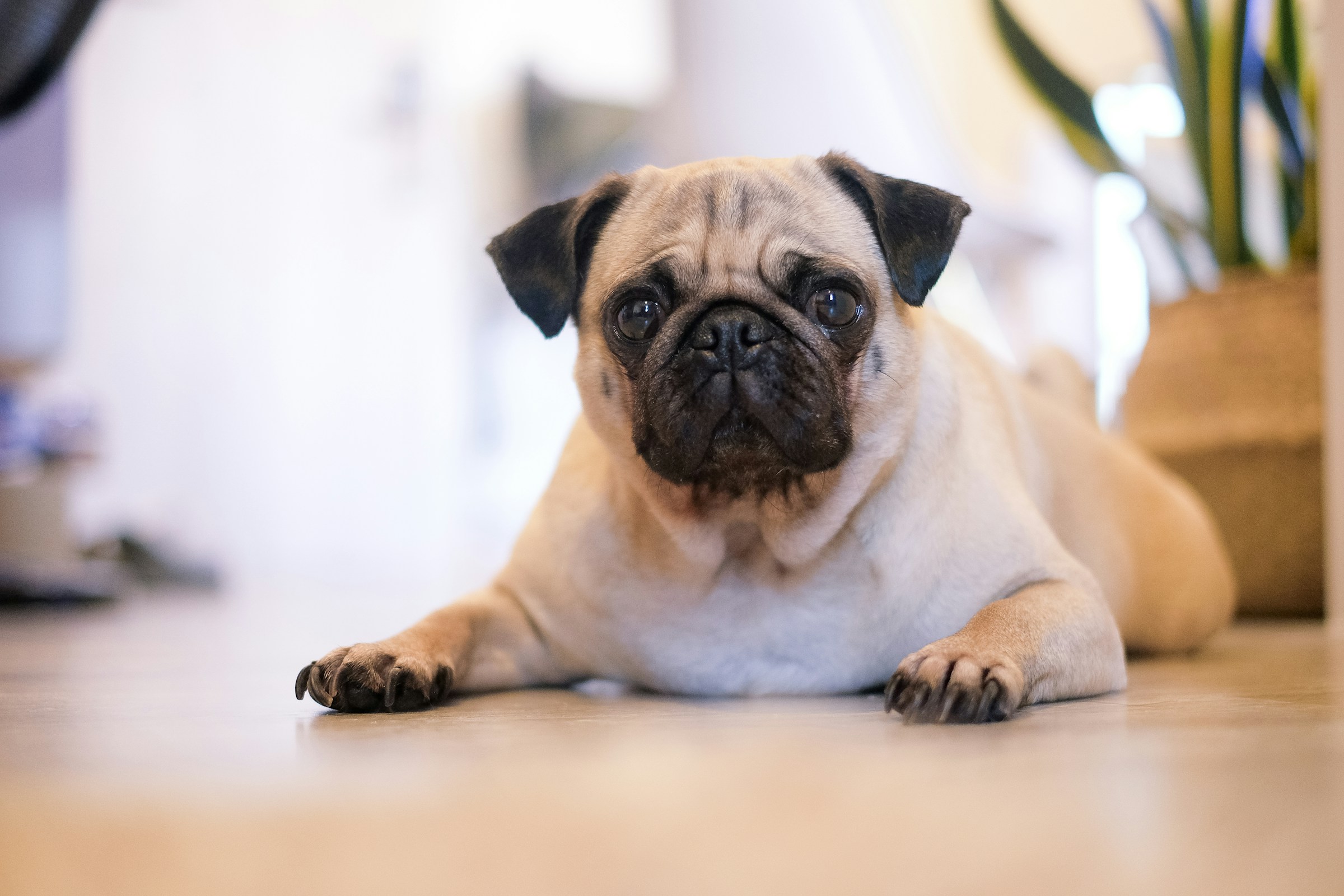
That snore coming from the pillow next to yours at 2 a.m. has a medical name. In a University of Cambridge study of 604 dogs, 64.6% of pugs had the flat-face breathing obstruction called BOAS. That’s a higher share than French Bulldogs or Bulldogs in the same study.
None of that dims the pug’s devotion. PetMD’s vet says pugs “enjoy cuddling and being close to their people,” which every pug owner who has ever tried to use the bathroom alone already knew.
The number to watch is the lifespan. Breed profiles often quote 13 to 15 years. The 2024 UK lifespan study found a median of 11.6. Pugs also had about three times a Lab’s odds of heatstroke in UK vet records.
The one lever you control: in the Cambridge study, being overweight raised the breathing risk in pugs. A lean pug still snores. It just has more room to breathe while doing it.
#12 The Chihuahua who loves you on its terms
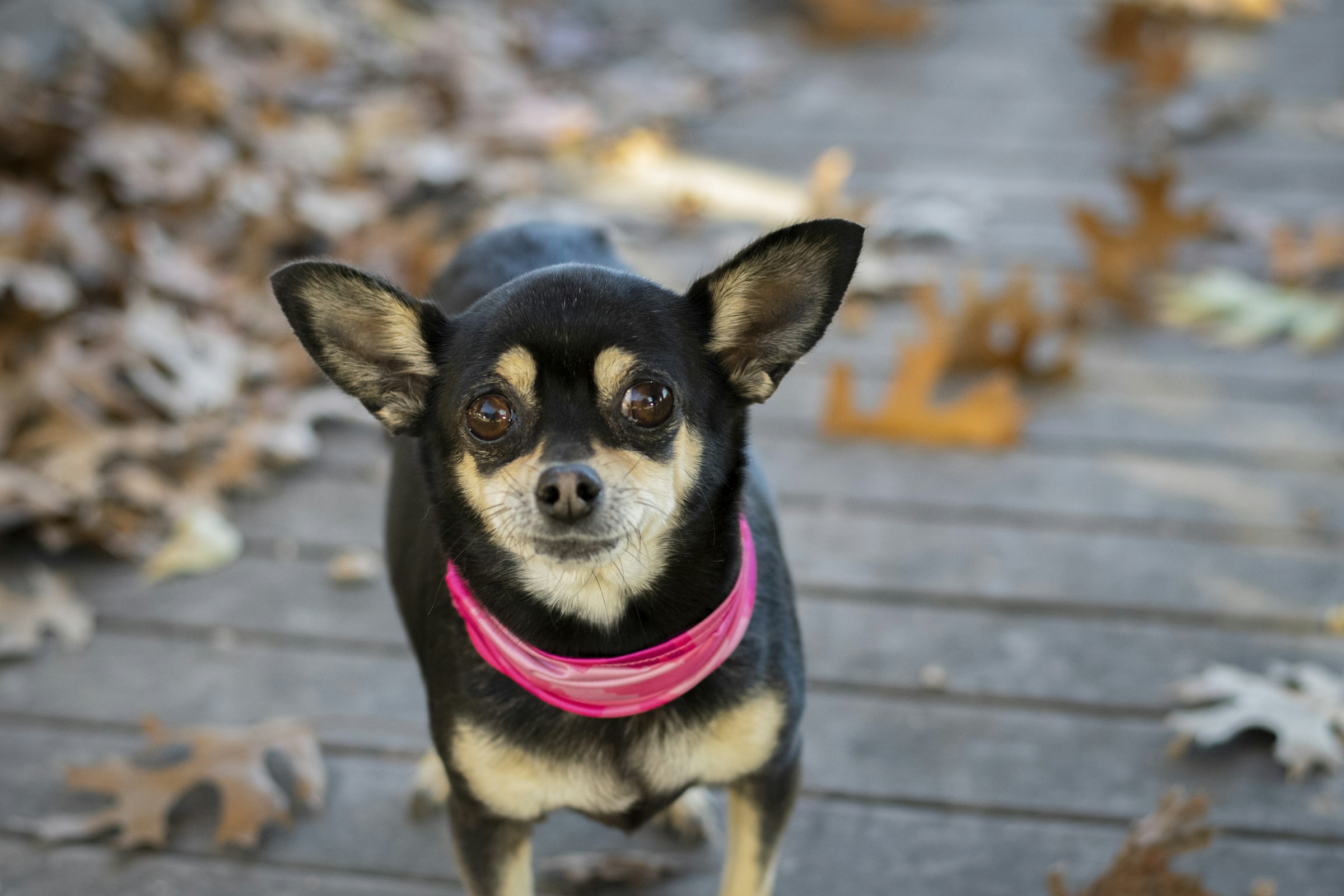
Ever reached down to scoop up a Chihuahua and been handed a look that could curdle milk? That’s the breed telling you how it likes to be loved.
Among the most affectionate small dog breeds, the Chihuahua is the one that sets the rules. PetMD’s vet says it bonds intensely with its family but can be anxious around strangers. Owners on r/dogs keep making the same point: these dogs turn into devoted little cuddlers once their size and their space are respected.
“Respecting the little dog’s wants and comforts is the key to having a really polite chihuahua.” (Chihuahua owner, r/dogs)
Here’s the part most people underestimate: the years. A Chihuahua weighs 6 pounds or less and typically lives 14 to 16 years. That’s longer than almost any other dog on this page.
The catch is in its mouth. Crowded teeth make gum disease common, and vets advise brushing daily. If small children visit, PetMD says they need to be “monitored closely” so they don’t hurt the dog by accident.
#11 The Newfoundland and Great Dane, gentle giants
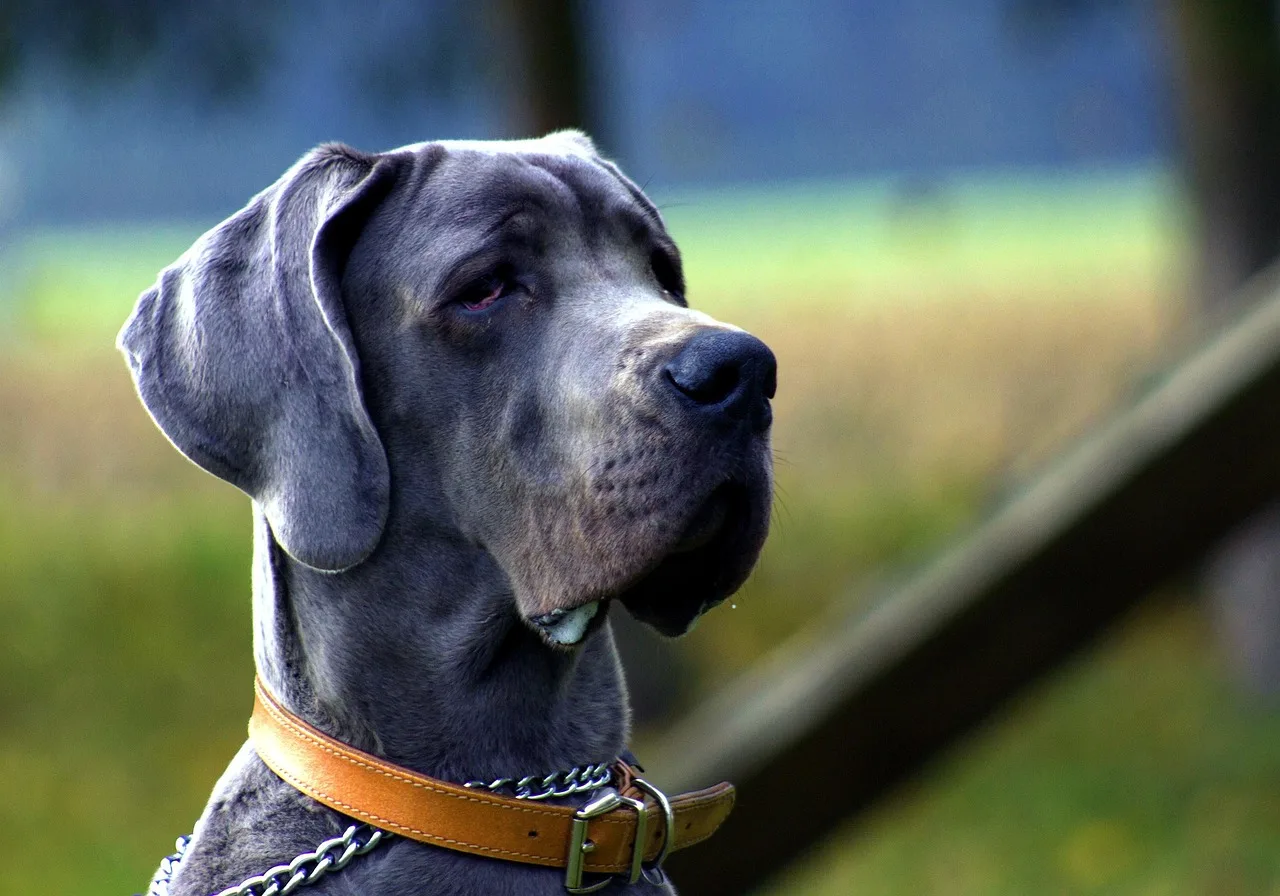
When a 150-pound dog decides to lean on you, you know it. You also know it when he shakes his head after a drink and the kitchen cabinets need wiping.
The gentle giant gets far more praise than homes. The Newfoundland showed up on three of the five “most affectionate” lists we gathered, yet it’s only #46 in the AKC’s 2025 rankings. PetMD’s vet calls it “patient around children,” and warns of serious drooling and shedding all year. The Great Dane sits at #22.
They’re two different dogs with two different timelines:
| Breed | Weight | Typical lifespan |
|---|---|---|
| Newfoundland | 100 to 150 lb | 9 to 10 years |
| Great Dane | 110 to 175 lb | 7 to 10 years |
Add those years to your own age and the sum gets sobering fast. A Great Dane puppy you bring home this year might be with you seven to ten years; the Chihuahua from #12 could be with you fourteen to sixteen.
Both breeds also face bloat, where the stomach fills with gas and can twist. Mar Vista Animal Medical Center names the Great Dane the #1 breed at risk, with incidence reported at 42%. It can kill quickly, so if you see the signs below, go to a vet immediately. A preventive surgery called gastropexy, which tacks the stomach in place, can significantly cut the risk. In dogs that have already bloated once, it cuts the chance of a repeat from 76% to 6%.
Bloat signs: get to a vet now
- A sudden, visibly swollen belly
- Obvious distress
- Retching again and again with nothing coming up
#10 The German Shepherd who follows without touching
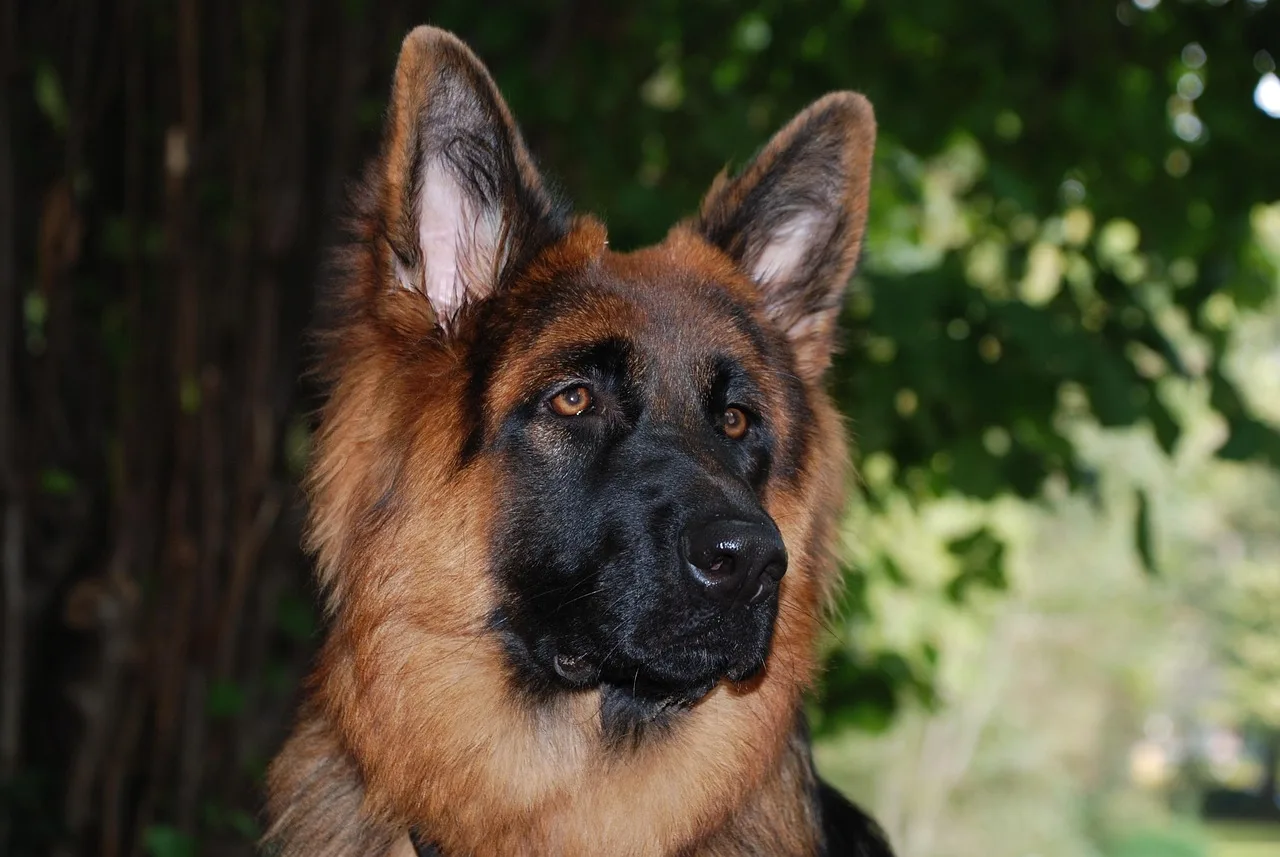
He’s in the hallway when you come out of the shower. He’s across the kitchen doorway while you cook. He’s at the foot of the stairs when you go up. And if you try to haul him onto the sofa for a snuggle, he gives you a polite, slightly offended look and lies down six inches away.
If you’ve ever searched for the most loyal dog breeds, this is probably the dog you pictured. Yet the breed’s own official description practically warns strangers off. The AKC standard describes “a certain aloofness that does not lend itself to immediate and indiscriminate friendships.” PetMD’s vet calls the breed “reserved around strangers.”
That reserve is aimed outward, and owners see the flip side at home. In r/dogs threads, German Shepherds keep getting named as dogs that follow you around like a shadow but don’t want much physical contact. That’s devotion measured in distance, and it never seems to go off duty.
The catch is time. Shepherds live 7 to 10 years, and hip dysplasia affects about 20% of the breed. They’re America’s #4 dog, so the good breeders and the not-so-good ones are both easy to find. Ask to see both parents’ hip results from the Orthopedic Foundation for Animals, the test the German Shepherd Dog Club of America requires for its health awards. A dog can’t get that hip grade until it’s 2 years old, so a breeder using younger parents won’t have one to show you.
#9 The retired greyhound couch potato
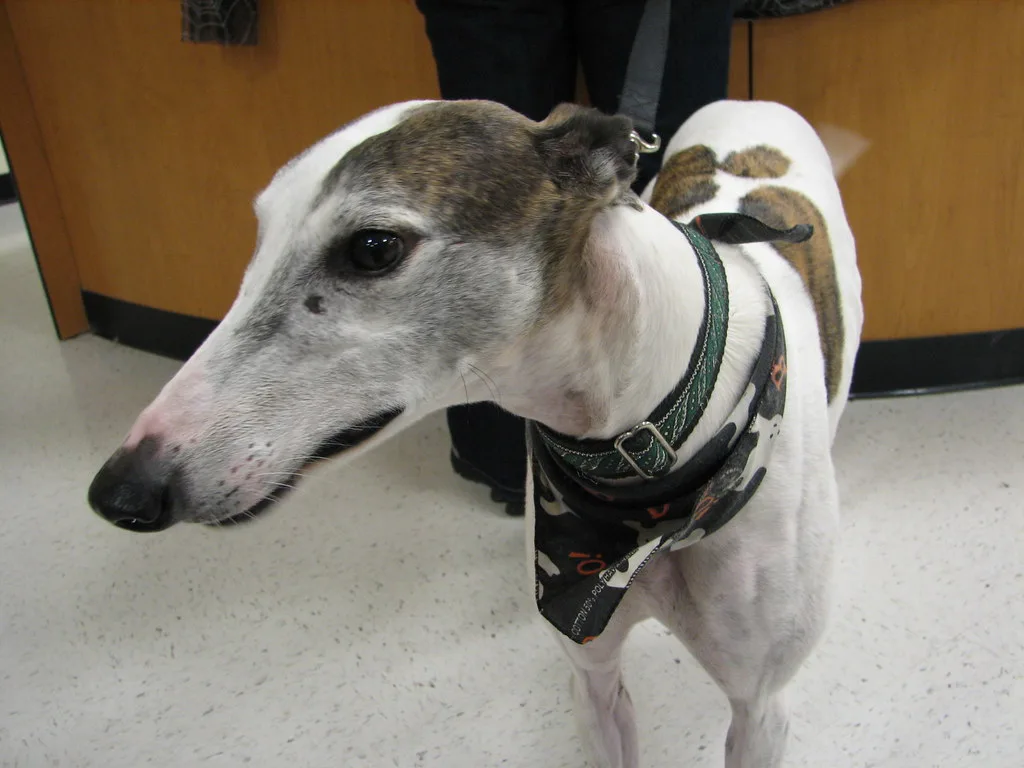
“Most greyhound people say that their dogs are couch potatoes in the house. They really just like to lounge around.” That’s Gail Miller Bisher, who describes herself as “the voice of the Westminster Kennel Club.”
It’s the oddest bargain in dogs. A greyhound can hit 45 mph chasing something it spots, yet Greyhound Pets of America Houston says its exercise needs come down to “potty walks (for apartment dwellers), meandering strolls and an occasional run in a totally fenced area.” Owners on r/dogs keep recommending greyhounds and whippets for small homes for exactly that reason: snuggly, low-exercise and easy on the coat brush.
Almost nobody buys one. The greyhound is #151 in AKC’s 2025 registrations. Most come through adoption, usually at 2 to 5 years old, which means you skip the puppy stage entirely. Greyhound Pets of America, founded in 1987, has placed more than 80,000 of them. With one of the last major US adoption agencies closing in 2022 and only two tracks left, both in West Virginia, some groups now bring dogs over from Ireland or Australia. Expect an adoption fee: most of American Greyhound’s are $750, which covers spay or neuter, vaccinations and a microchip.
The catches are specific. They must always be leashed or in a fully fenced area. PetMD’s vet says their hunting instinct makes them a poor match for homes with cats or small animals. If you have a cat, ask whether the dog has been cat-tested. American Greyhound, for one, tests its hounds and calls the ones that barely notice a cat, or are easily called off, “cat-tolerant.” And in a UK study, greyhounds had the highest rate of gum disease of any breed, about 32% diagnosed in a single year. Budget for teeth cleaning the way you’d budget for a car’s oil changes.
#8 The Pomeranian who’d rather walk than be carried
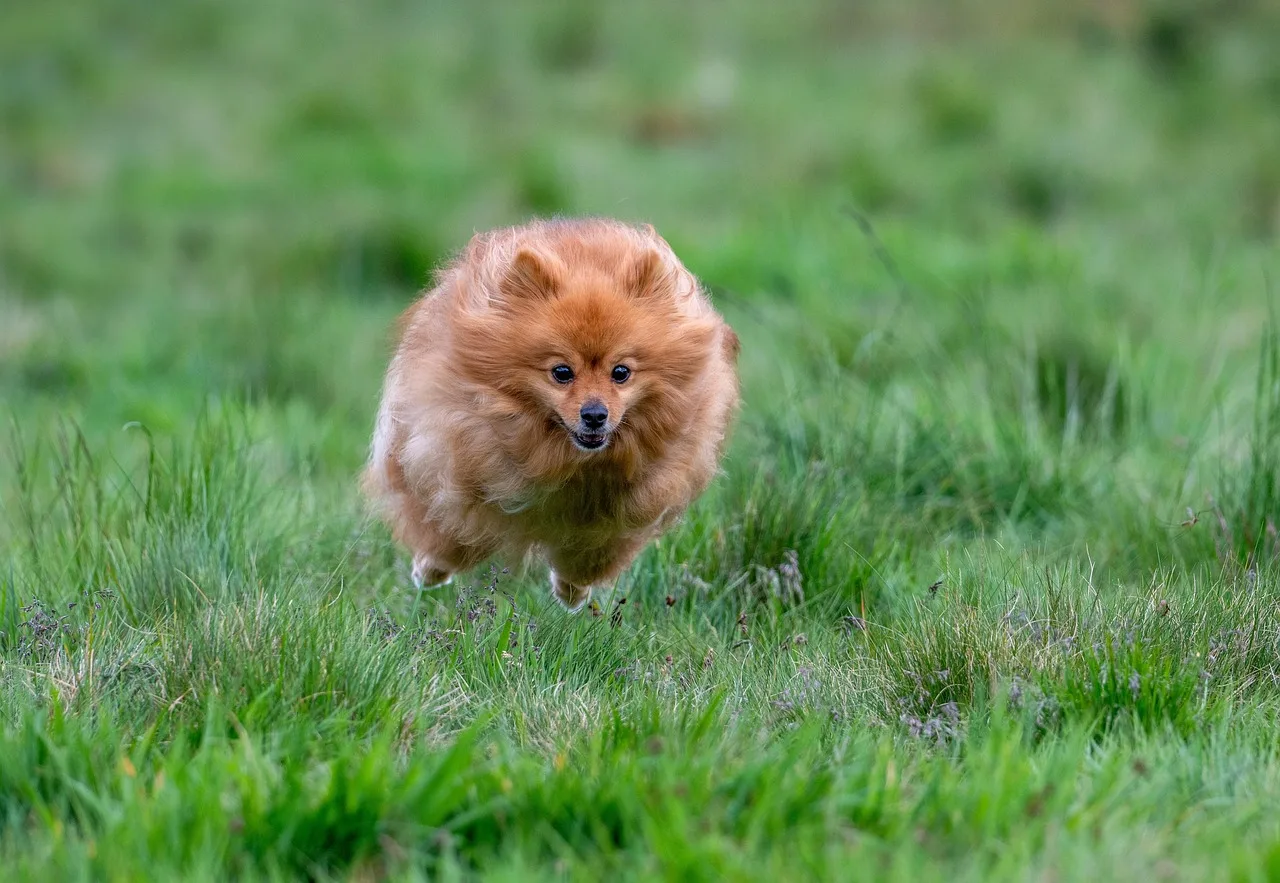
The cliché is a puffball riding in a handbag. The real Pomeranian would like to get down now, thank you. PetMD’s vet notes that it prefers walking to being carried, and it trots along on those tiny feet like it’s late for a meeting.
It still lands among the most affectionate small dog breeds. One pet sitter on r/dogs who cared for many small dogs found Chihuahuas and Pomeranians the cuddliest, though not everyone agrees.
That’s where the safety catch comes in. At 3 to 7 pounds, Poms are “rather fragile,” PetMD says, and a fall from someone’s arms or rough play can break bones. That’s why the breed may not be ideal with young children. If little ones visit, keep the dog on the floor and the petting supervised.
The upside for the patient owner is a long run together: 12 to 16 years.
#7 The Bichon that isn’t really hypoallergenic

If allergies in your house have ever narrowed the shortlist, you’ve probably heard that the Bichon is “hypoallergenic.” It sheds very little. That part is true.
The allergy part didn’t hold up when someone measured it. Researchers at Utrecht University compared 196 so-called hypoallergenic dogs, including poodles and Labradoodles, with 160 ordinary ones. The “hypoallergenic” dogs had higher levels of the main dog allergen in their coats, and their homes were no different. The researchers found no evidence for calling any breed hypoallergenic. PetMD’s vet says the same thing more briefly: no dog is allergen-free. Spend real time with the actual dog before you commit, rather than trusting the label.
What you do get is a born entertainer. The name was fixed in 1933 and, per the Bichon Frise Club of America, means “fluffy little dog.” After 1871, the club writes, the breed became “the circus dog, the dog of many tricks at the fair.” That explains the spins at dinnertime.
The catch is company and combing. A lonely Bichon may bark or chew too much, and that cloud of coat needs daily brushing plus regular trips to a groomer. In return you get 14 to 15 years of a dog that thinks you’re the audience it was born for.
#6 The Shih Tzu bred to warm royal laps

Some dogs were bred to herd or hunt. The Shih Tzu was bred to keep emperors company, and its history reads more like a thriller than a breed profile. Here’s the AKC’s account:
- Shih Tzus lived with Chinese royalty during the Ming Dynasty, 1368 to 1644.
- Centuries later, the Dowager Empress Cixi ran her own breeding program.
- After the 1949 revolution, every Shih Tzu in China was killed.
- Every Shih Tzu alive today descends from just 14 dogs.
- The breed entered the AKC Stud Book in 1969.
So the little dog snoring on your lap is the great-great-many-times-grandchild of a near-extinction. Breeds bred as companion dogs rarely get credit for toughness, but this one survived on 14 dogs.
The catch comes in two parts. The coat calls for brushing “preferably daily,” a bath every week and a professional groom every few weeks, according to PetMD’s vet. And the flat face matters: a 2026 University of Cambridge study of UK dogs placed Shih Tzus in the group where 50% to 75% have breathing trouble. Lifespans run anywhere from 10 to 18 years.
#5 The dachshund burrowing under your blanket
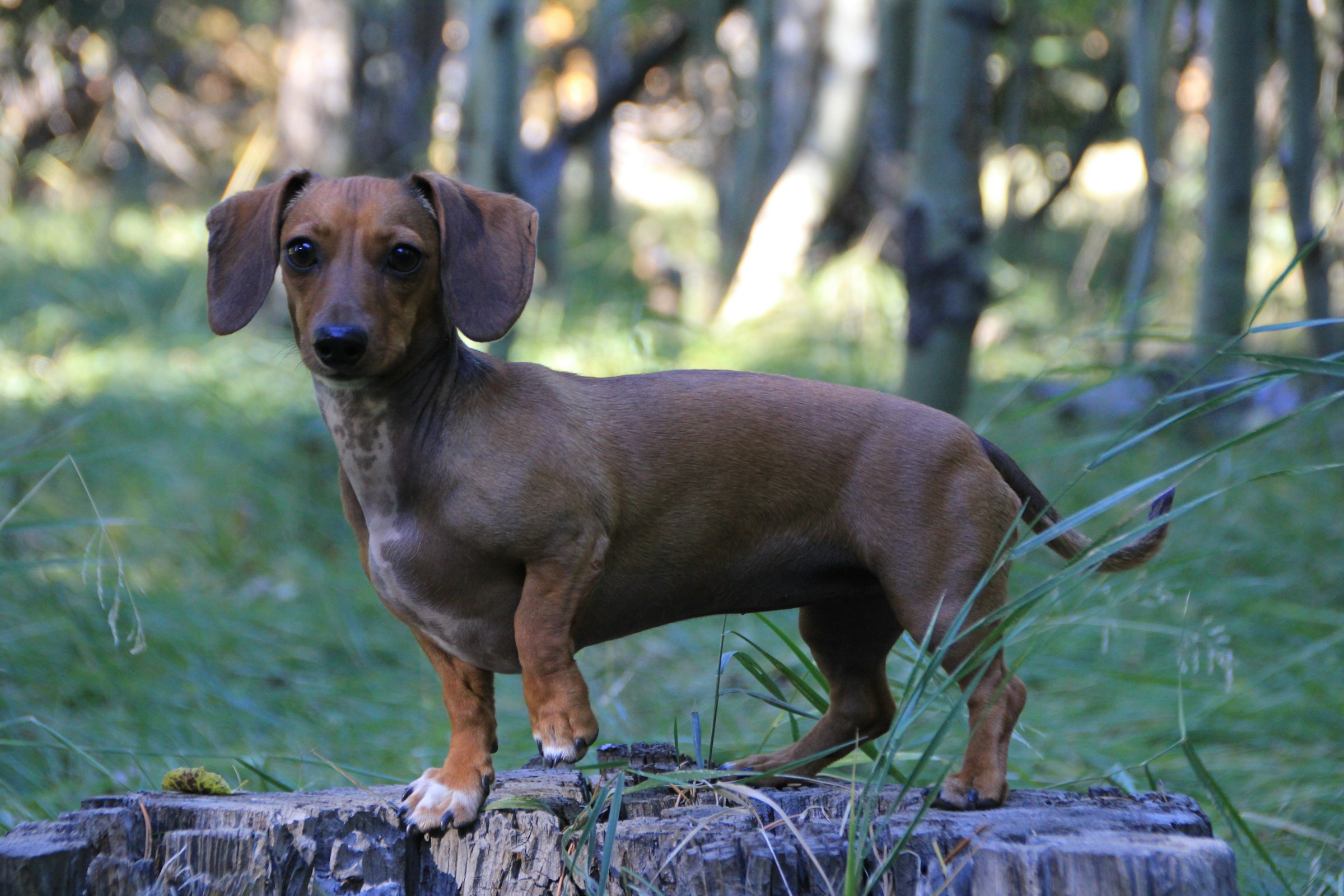
You make the bed, smooth the quilt, and turn around to find a lump in the middle of it, breathing. Dachshund owners on r/dogs describe the same thing: dogs that burrow under covers and sleep on top of them. If your idea of affection is a snuggle you can’t get out of, this is your dog.
Not every dachshund is equally clingy, though. Gail Miller Bisher breaks it down by coat: the wirehairs act more like terriers, the smooths are independent hounds, and the longhairs are the lap seekers. “And then the long hairs are a little sweeter, I would say.”
The catch is the back, and the coat matters there too. The DachsLife 2015 survey of 2,031 dachshunds found spinal disc disease in 15.7% overall, with big gaps between varieties:
| Coat | Standard size | Miniature |
|---|---|---|
| Smooth | 24.4% | 17.1% |
| Long | 12.6% | 13.3% |
| Wire | 7.1% | 17.7% |
Then came the surprise. The usual advice is to keep a dachshund off the furniture and away from stairs, and PetMD recommends ramps or pet stairs near beds and sofas. In the survey, though, dogs kept off furniture and away from stairs had higher odds of back disease, while dogs getting more than an hour of exercise a day had lower odds. It’s a link, not proof that stairs are good for backs, so keep the ramp. What it does suggest is that a dachshund wrapped in cotton wool isn’t automatically a safer one.
They’re America’s #5 breed for 2025, pushing the Poodle out of the top five. Clearly a lot of people have made peace with the lump in the quilt.
#4 The pit bull pressed against you all night
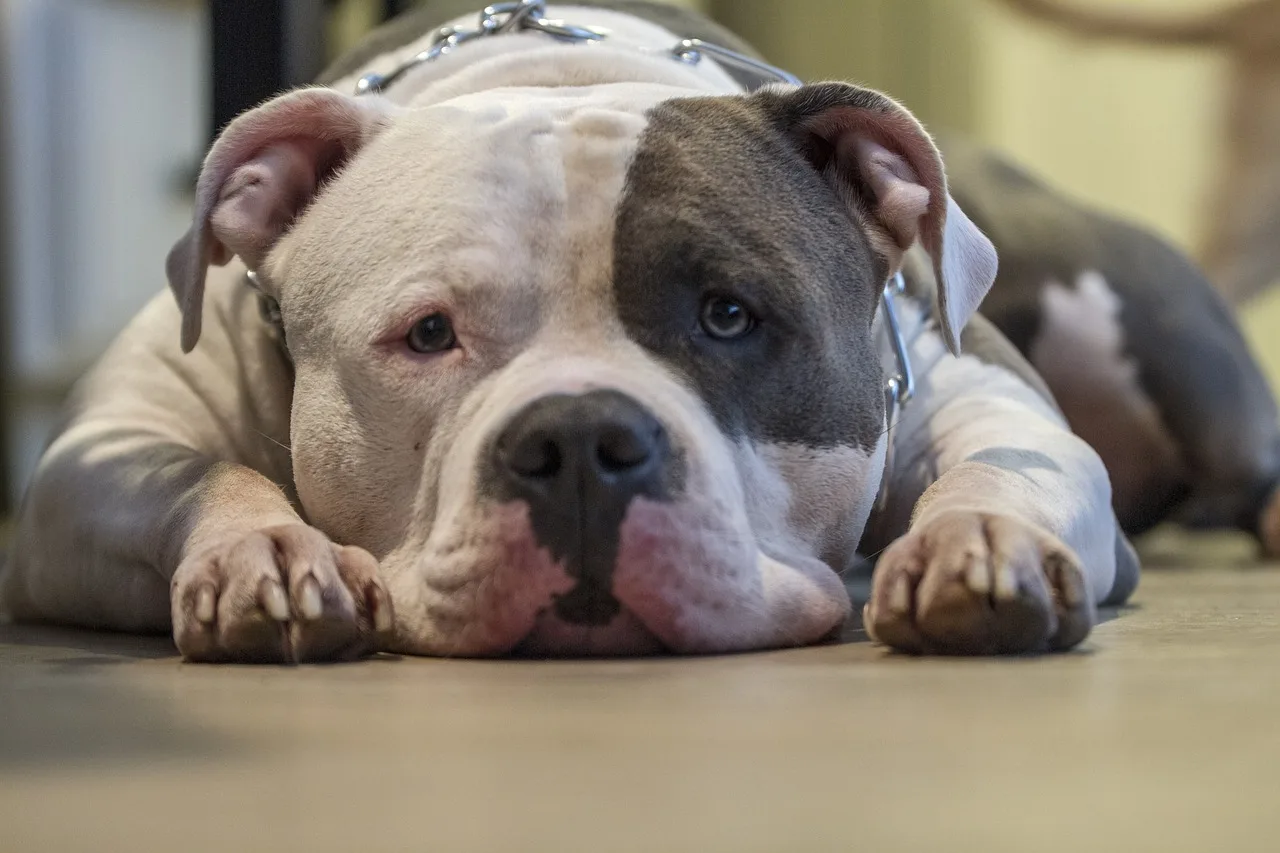
Read the comments under a “most affectionate” countdown and you’ll see the breed the list forgot. In two TikTok threads we went through, about 30 of roughly 38 comments named a dog the list had skipped, and pit bulls led by a mile.
The owners describe the same dog over and over in posts on TikTok and Reddit: one that has to be touching them, leaning into you on the couch, sleeping pressed against your back, climbing into the recliner for the whole nap. The data backs them up. In Embark’s owner survey, the American Bully, a pit bull type, earned a cuddle score of 4.52 out of 5, tied for fourth and fifth place across all breeds surveyed. PetMD’s vet calls the American Staffordshire Terrier “loving, cuddly, and loyal” with family, and says the Staffordshire Bull Terrier is “content napping on your couch.”
So why do so many lists leave it out? Partly because “pit bull” isn’t a breed name you’ll find in the kennel club books.
What “pit bull” actually means
- It’s a type of dog. The AKC doesn’t recognize “pit bull” as a breed at all.
- Breeds often called pit bulls include the American Staffordshire Terrier (AKC #97), the Staffordshire Bull Terrier (#61) and the American Bulldog.
- Shelters that guess a dog’s breed by looks get it wrong almost 90% of the time.
- The supervision rule below applies to every dog around children, not only this one.
Dr. Orion, a veterinarian and veterinary behavior specialist, says “Most of the pit bulls that I met were actually so loving, so nice, great with kids, great with families.” He follows it with the rule that matters most: “Never leave them unsupervised. You never know what’s going to trigger your dog, even if he’s the best dog in the world.” PetMD says the same about the AmStaff and children: supervision is always necessary.
One smaller catch: the 2026 Cambridge study of UK dogs put the Staffordshire Bull Terrier in its “mild” breathing-risk group, with thicker necks and shorter tails linked to higher risk.
#3 The Cavalier, the original Velcro lap dog

Pat your knee once and a Cavalier is already there, chin on your wrist, eyes doing the thing. Owners on TikTok and Reddit call them Velcro dogs and say they’d be petted all day if you let them. In Embark’s survey, the Cavalier’s cuddle score of 4.54 was the third-highest of any breed.
This is the catch most “sweetest breed” lists skip, and it’s a big one. A 2020 heart study found that as many as 90% of Cavaliers develop mitral valve disease by age 10, a leaky valve that slowly strains the heart. Past 11, it involves almost all of them, and some dogs in the study were diagnosed as young as 6 months. PetMD’s vet calls it the breed’s leading cause of death.
“It pains me to do it because they’re the sweetest dogs you’ll ever meet” (Dr. Alex Crow, a vet who posts as Alex the vet)
His explanation is blunt: “Basically all of these dogs get heart disease at some point in their life because of decades of inbreeding.”
There’s a second condition, syringomyelia, where fluid-filled pockets form in the spinal cord because the skull is too small for the brain. The sign to know is what Science for Animal Welfare describes as “an apparently uncontrollable urge to scratch at ears, chest, neck and shoulders.” On scans it’s common: one MRI study found it in 70% of dogs aged 6 and up that showed no symptoms. Far fewer show it: a US owner survey found clinical signs in 3.4%. So a scan result and a suffering dog are different things, and the scratching is the part to watch for.
None of this means skip the breed. It means go in knowing your 13 to 18 pounds of devotion will probably need a cardiologist someday, and the UK lifespan study put the median at 11.8 years. If you’re buying a puppy, the Cavalier King Charles Spaniel Club, USA says both parents should have a heart clearance from a board-certified cardiologist, dated within the last 12 months.
#2 The Brussels Griffon who wants every minute with you

The face looks like a tiny, worried old gentleman with a beard, and the dog behind it wants exactly one thing: you. PetMD’s vet profile says Brussels Griffons are nicknamed Velcro dogs because they “want to spend all their time with you.”
The same profile says the breed suits pet parents who prioritize companionship. Its numbers fit a quieter household too: 6 to 14 pounds, a 12 to 15 year lifespan, and up to 30 minutes of exercise a day. That’s a dog that fits a slower morning without sulking about it.
It’s also rare. The Griffon is #82 in the AKC’s 2025 rankings, so you may wait or travel to find one.
The catch is the flip side of all that Velcro. Left alone for long stretches, PetMD warns, Griffons can develop problem behaviors. If you’re out most of the day, this dog will tell you about it with the curtains.
The flat face is the second catch. Griffons are sensitive to hot, humid weather, and the 2026 Cambridge study of UK dogs put them in the group where 50% to 75% have breathing trouble. In a muggy summer, the air conditioner becomes part of the dog’s care.
#1 The shelter mutt who cuddles anyway

Walk the kennel row at any shelter and you’ll see the cards on the doors: “Lab mix.” “Shepherd mix.” “Pit mix?” with the question mark doing a lot of work. Then one dog presses its whole side against the chain-link to get closer to your hand, and the card stops mattering.
The science says that dog’s breed tells you very little about its heart. A 2022 study surveyed the owners of 18,385 dogs and tested the DNA of 2,155. Breed explained only about 9% of the differences in behavior between individual dogs. It was more than five times better at predicting how a dog looks than how it acts. Elinor Karlsson, the study’s senior author at UMass Chan Medical School, put it plainly: “A golden retriever is only marginally more likely to be more friendly than a mixed-breed or another purebred dog, such as a Dachshund.”
That quietly undercuts every entry above. A Lab is likelier to forgive and a greyhound likelier to lounge, but the dog in front of you is its own creature. Emma Grigg, an animal behaviorist at UC Davis, gave the advice that makes the whole countdown useful:
“Choose the individual, not the breed. It is important to remember that all dogs are individuals.” (Emma Grigg, animal behaviorist, UC Davis)
You’re in good company if you pick one. Older surveys put mixed breeds at somewhere between 44% and 53% of the dogs in American homes. A survey of 15,391 dogs in Germany found that many of the supposed differences between mutts and purebreds shrank once researchers accounted for how old each dog was when adopted and how much training it had. And a DNA kit that says your dog is 30% boxer has limited value for predicting whether she’ll sleep on your feet.
The mutt has its catches too. One you may not expect: in the 2024 UK lifespan study, crossbreeds didn’t outlive purebreds, with a median of 12.0 years against 12.7. The other is past baggage. A University of Helsinki survey of 13,715 dogs found separation-related behavior most often in mixed breeds, and the researchers suggested many were rescues with hard early lives. So ask the shelter staff what they’ve seen when the dog is left alone.
Then do the one thing no breed chart can do for you. Sit down in the meet-and-greet room, keep your hands still, and see which dog comes over and leans.
The bottom line
Think about the dog you have now, or the last one you loved. Was it a leaner, a shadow, a burrower or a dog that loved you from the doorway? Most people never name it, and naming it tells you what to look for next time far better than any breed chart.
Then look at the catch you’re best set up for. A Velcro dog needs someone home. A giant needs space and a shorter goodbye. A flat face needs cool rooms. A greyhound needs a fence. You probably already know which of those your life can carry.
If you’re shopping, ask the shelter or breeder one question before any other: “Which of these dogs comes looking for people?” Then watch which one walks toward you.
Bonus: more cuddlers to look up, and one change to plan for
- Look at the Maltese if you want a lap dog without the snoring. In the 2026 Cambridge study of UK dogs it was unaffected by flat-face breathing trouble, and PetMD’s vet says it suits apartments and doesn’t need vigorous exercise. Budget for daily brushing and dental care.
- Ask about the Havanese, which PetMD’s vet calls a “shiny-coated shadow.” It needs about 30 minutes of exercise a day, split into 10-minute bits if you like, and lives 14 to 16 years. It dislikes being left alone.
- Consider a whippet if a greyhound sounds right but too tall. PetMD’s vet says whippets are calm indoors and suit apartments, though their prey drive means leashed walks.
- Watch your clingiest dog through big changes. The ASPCA lists a move, a sudden schedule change, a new guardian and the loss of a family member as triggers for separation anxiety. If one is coming, keep an eye out for new distress when you leave.
Questions people also ask
How can you tell if a dog truly loves you?
A dog that seeks out your eyes and cares about your praise as much as its dinner is showing real attachment. In a 2015 study led by Miho Nagasawa of Azabu University in Japan, a dog’s gaze raised its owner’s oxytocin, a bonding hormone, and the owner’s attention raised the dog’s in return. Hand-reared wolves showed no such loop. In brain scans by Emory neuroscientist Gregory Berns, most of the 13 dogs valued their owner’s praise as much as food or more.
Why do dogs lay on top of you?
Mostly for warmth, comfort and security. Embark noted that many of the cuddliest breeds in its survey have short coats and may handle cold less well, so their snuggling may be about your body heat. UK vet Dr. Lily Richards, quoted by PetsRadar, says the habit is especially common in smaller breeds and older dogs.
What are the least affectionate dog breeds?
In Embark’s owner survey, the lowest cuddle scores went to the Shiba Inu (3.30), Chow Chow (3.48), Anatolian Shepherd Dog (3.51), American Foxhound (3.63) and Akita (3.65). Even these breeds averaged above the middle of the 1 to 5 scale, so “least affectionate” still means fairly fond of you. Individual dogs within any breed vary widely.
Is a dog’s affection down to breed or how it’s raised?
Mostly the individual dog and how it’s raised, with breed playing a small part. A 2022 study of more than 18,000 dogs found breed explains only about 9% of the behavior differences between individual dogs. A German survey of 15,391 dogs found that many mutt-versus-purebred differences shrank once age at adoption and training were taken into account.
What’s the best affectionate dog breed for an apartment that doesn’t need much exercise?
Vet-written profiles point to small or naturally calm dogs: the Maltese, the Havanese and the Brussels Griffon, each needing modest daily exercise. Greyhound Pets of America Houston says retired greyhounds need little more than potty walks and gentle strolls, though outside they must always be leashed or in a fully fenced area. The catch with the Griffon and Havanese is that they dislike being left alone for long.
Are affectionate dog breeds more prone to separation anxiety?
No study has tied the most affectionate breeds specifically to separation anxiety. A University of Helsinki survey of 13,715 dogs from 264 breeds found separation-related behavior in only about 5% to 6% of dogs, most often in mixed breeds and Soft-Coated Wheaten Terriers. PetMD’s vets do flag the Havanese, Brussels Griffon and Bichon Frise as breeds that dislike being alone.