The dog breeds that bite the most, checked against New York City’s own bite and license records, with the reason behind each one and what to watch for in the dog on your couch.
Stay for #1. It’s the number that changes how you read every bite chart, including ours.
The form on the vet’s clipboard asks it plainly: Has your dog ever bitten anyone? The pen stops over the box. There was the snap at the mail carrier’s glove. There was the day a small visitor reached past the food bowl. Do those count? Most lists of dog breeds that bite the most can’t help you answer, because they count bites and never count dogs. So we counted both, breed by breed, using New York City’s public bite reports and its dog license file. The numbers below aren’t a bite ranking (the full table, breed by breed, is at #10). We start with the breed everyone expects and count down to the one that undercuts every chart.
Table of Contents
#17 Pit bulls, the breed everyone names first
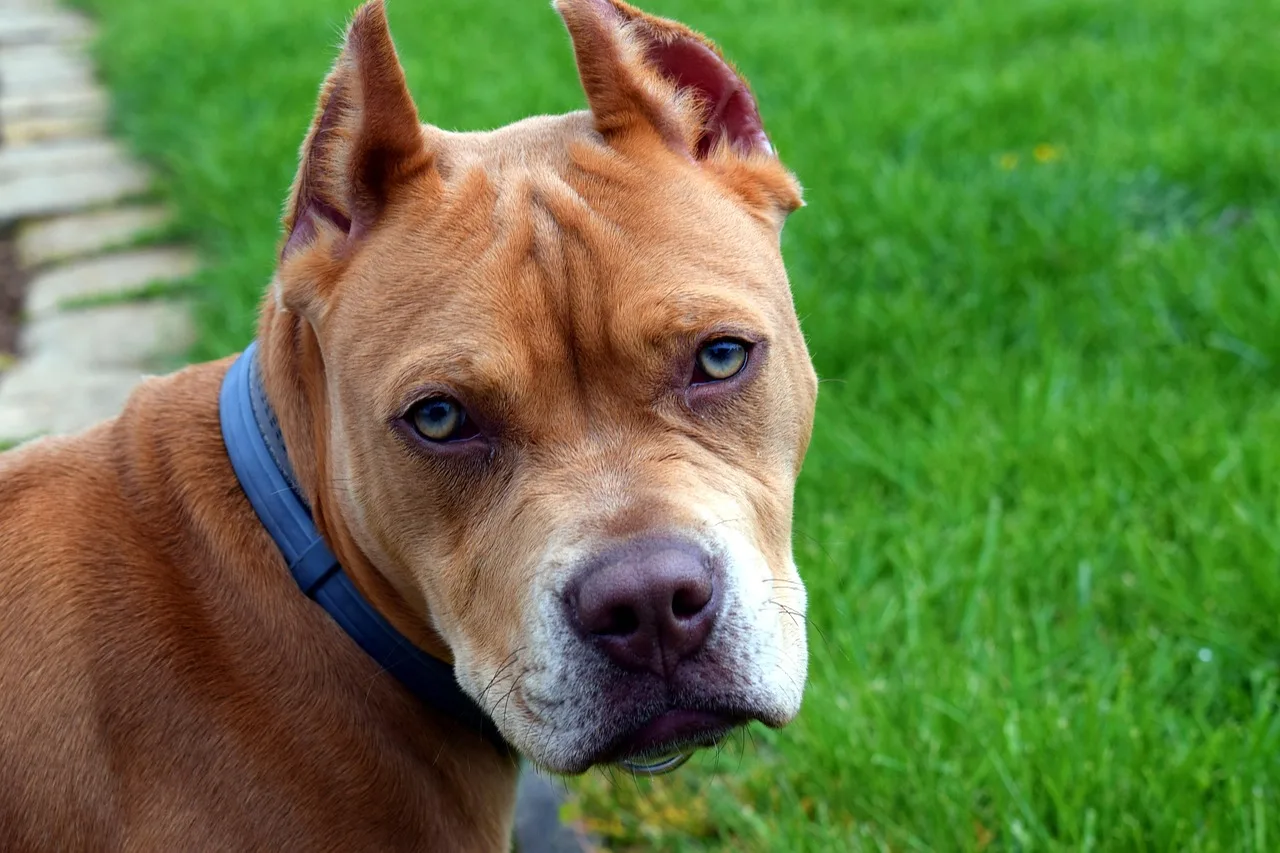
Yes, pit bulls top the list. They stay on top even after you allow for how many of them there are, and that’s the part most bite lists never check.
In our analysis of NYC’s public bite records from 2015 through 2025, pit bull-type dogs had 7,837 reported bites against 33,799 license records. That works out to 231.9 bites per 1,000 licensed dogs. Labs come in at 16.9. In New York, a pit bull was about 13.7 times as likely as a Lab to end up in a bite report.
The fatal dog attacks point the same way. DogsBite.org, a victims’ advocacy group that campaigns against pit bulls, counted pit bulls in 284 of 433 U.S. deaths from 2005 through 2017. Its tally comes from news reports and doesn’t adjust for how many dogs of each breed exist.
The next part tends to surprise both the people who love the breed and the people who fear it. In a 2008 University of Pennsylvania owner survey, pit bulls scored average or below for hostility toward strangers. So the wagging dog at the fence and the bite numbers can both be true. Where pit bulls stand out is how much damage a bite does. At Children’s Healthcare of Atlanta, a four-year review of 1,616 young bite patients found pit bulls in 38.5% of the cases and half the operations.
Dog daycare staff see this side of the breed in the play yard. “Pit bulls are by far the most failed dogs out of any breed,” a boarding and daycare worker wrote on Reddit’s r/TrueUnpopularOpinion, talking about group temperament screening. A second daycare worker in the same thread pointed out that dogs of every breed fail that test.
If you own one, or you’re thinking of adopting one, call your homeowners insurance company before you sign anything. Some insurers won’t cover homeowners who own certain breeds, pit bulls among them. Pennsylvania and Michigan bar insurers from denying or canceling some policies over breed. New York, Illinois and Nevada go further: insurers there can’t refuse, cancel or raise your rate over breed alone.
State Farm said in 2021 that it keeps no breed-specific policies. If your insurer still says no, standalone dog liability policies start at $138 a year, though they don’t pay for injuries to people in your own household. Whatever your insurer tells you, get it in writing.
How our numbers work – 39,082 reported NYC bites from 2015 through 2025, set against 819,323 records in the city’s dog license file – The breed is whatever the person reporting the bite said, and the city hasn’t checked it – A renewed license adds another record, so the same dog can be counted more than once – Unlicensed dogs bite too, so read our figures as rough comparisons between breeds rather than exact bite rates
#16 German Shepherd, the trusted police dog
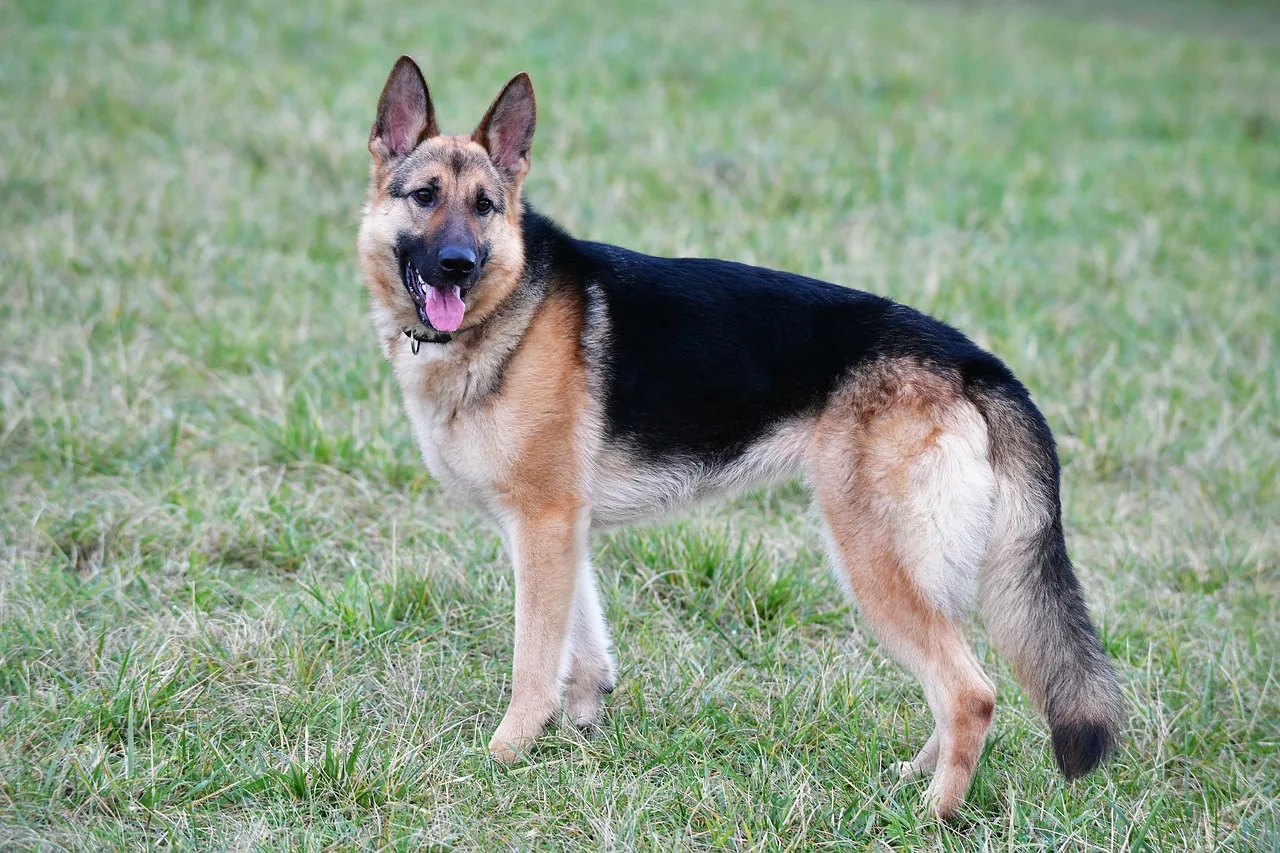
America’s fourth most popular breed in the AKC’s 2024 ranking sits third in our NYC table, at 91.7 bites per 1,000 licensed dogs. That’s a real number. It’s also just under half the Rottweiler’s rate and well under half the pit bull’s.
Vets aren’t surprised to see the Shepherd here. In a 2008 survey of nearly 2,000 U.S. small-animal vets, 47.3% rated German Shepherds a high bite risk, third behind Chows and Chihuahuas. A Finnish study of 9,270 purebred dogs put Shepherds among the breeds with the highest odds of aggression.
How often a breed bites and how badly are two separate questions, though. Will Atherton, a clinical canine behaviourist in the UK, says Shepherds are among the dogs he sees most often with bite histories, and that those bites usually aren’t severe.
On Reddit, a former Shepherd owner and a friend of one say the breed needs an experienced owner and steady mental work, and one describes a Shepherd that didn’t get enough to do and turned obsessive.
So watch for the dog that wears a path along the fence line or stares at the cat for an hour at a stretch. That dog needs a job: a short training session before breakfast, a treat hidden in a towel, anything it has to figure out.
#15 Rottweiler, the classic guard dog

Behind the exam-room door, some vet clinics have their own breed-by-breed habits. Veterinary workers on Reddit describe going slow with Akitas, calling in extra staff for pit bulls, and reaching for a muzzle when a Rottweiler comes in.
The numbers explain why. In our NYC analysis, Rottweilers come second only to pit bulls, at 186.2 bites per 1,000 licensed dogs. They’re second in deaths too. DogsBite.org, the victims’ advocacy group, counted Rottweilers in 45 U.S. deaths from 2005 through 2017, about one in ten. In that 2008 vet survey, 44.2% rated the breed a high bite risk.
Two fair caveats belong here. New York has fewer than 3,000 Rottweiler license records, so a handful of bites moves the rate more than it would for a common breed. And the Penn owner survey scored Rotts average or below for hostility toward strangers, the same as pit bulls.
So the Rottweiler is rarely the dog snarling at everyone on the sidewalk. It’s a big, strong guardian, and when one does bite, its size does the rest.
If you have one and your vet asks to muzzle it, say yes. It’s routine handling and says nothing bad about your dog. You can make that visit dull for everyone by practicing at home with a basket-style muzzle, which lets a dog pant, drink and take treats while wearing it. Hold it out with a spoonful of something tasty inside so your dog pushes its nose in, in sessions of 5 to 10 minutes, and leave the strap for later.
#14 Golden Retriever and Labrador, the safe bets

Even the dog that meets the plumber with a slobbery tennis ball turns up on bite lists. The reason is mostly arithmetic.
These two breeds are everywhere. The AKC ranked the Lab #2 and the Golden #3 in 2024. The Lab held first place for a run of thirty-one years until the French Bulldog took over in 2022. Put that many dogs in that many homes and some bites will follow.
Denver researchers saw exactly that. At Children’s Hospital Colorado, they looked at 537 children’s face bites from 2003 to 2008, and Labs were behind 13.7%, second only to mixed breeds. The authors wrote that Labs “were highly implicated in our study because they are the most popular dogs in the United States and Denver.”
Once you count the dogs, both breeds sink near the bottom of our NYC table: 16.9 bites per 1,000 for Labs and 16.5 for Goldens. They also had the lowest odds of aggression in the Finnish study. Only 4.6% of U.S. vets rated either one a high bite risk.
One more Denver finding is worth taping inside a cabinet door: 89.8% of those bites came from a dog the child knew. That means the family Lab, the neighbor’s Golden, and the easygoing dog at the cookout that everybody pets without asking.
#13 Jack Russell Terrier, small dog, big attitude
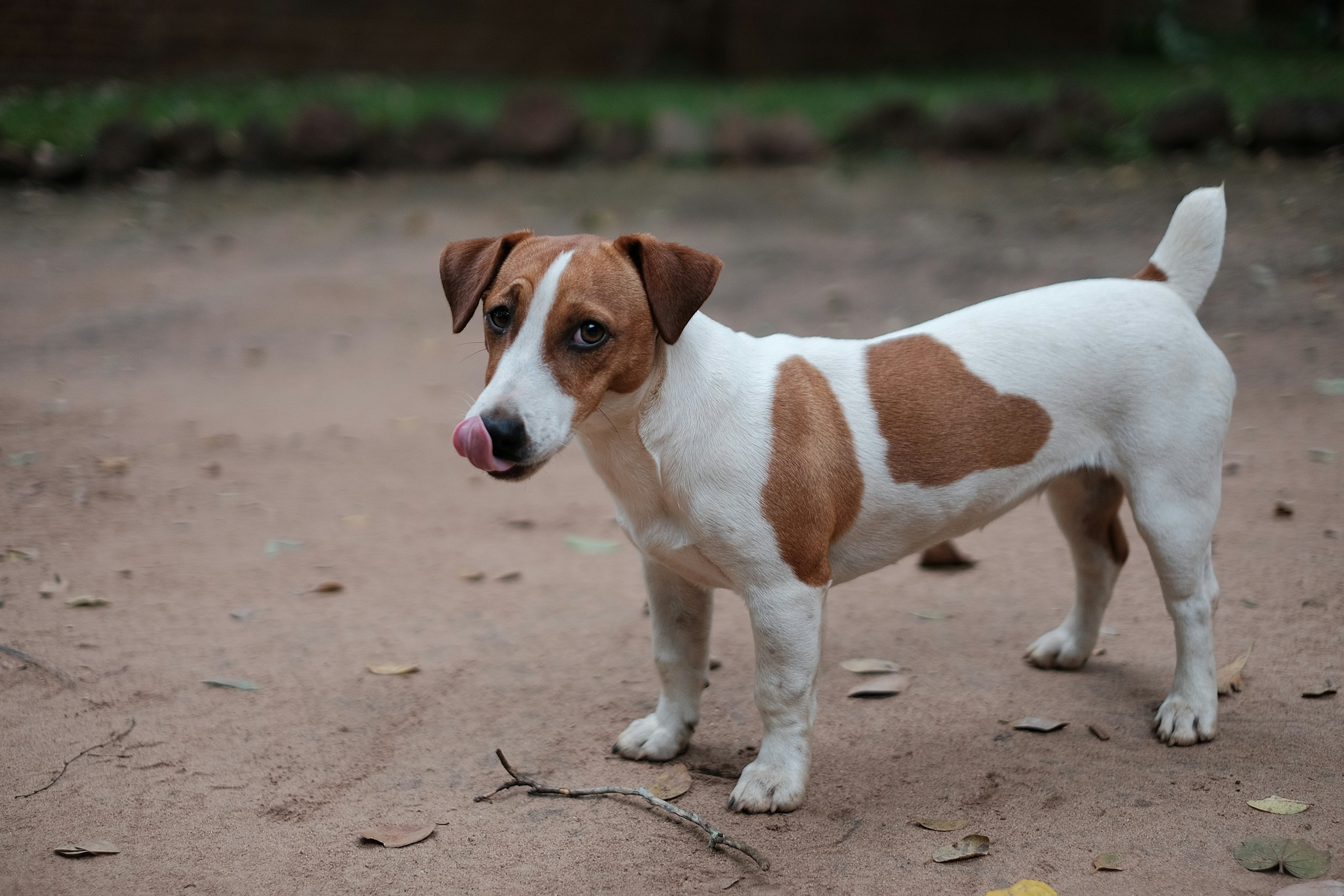
If your Jack Russell has ever launched off the couch at a leaf blowing past the window, you already understand its bite problem. Hill’s, the pet food company, says it bluntly: “The hunting instinct cannot be trained out of the breed.” The same guide says the breed “may not tolerate young children.” Royal Canin calls it “a bit ‘nippy'”, best suited to families with slightly older children.
Call it wiring more than temper. This is a dog built to grab fast-moving small things, living in a world full of them: squirrels, cats, a toddler’s waving hand.
Owners feel it more than the city records do. In the Penn survey, Jack Russells ranked third most aggressive, behind Dachshunds and Chihuahuas. Our NYC figure is milder, 27.5 bites per 1,000, right in the middle of the table.
The fix most owners underestimate is exercise. Royal Canin puts the need at one hour a day, minimum. On a cold, rainy Tuesday that’s a long hour, and a Jack Russell that doesn’t get it will find its own entertainment.
#12 Doberman Pinscher, the guard dog that mellowed
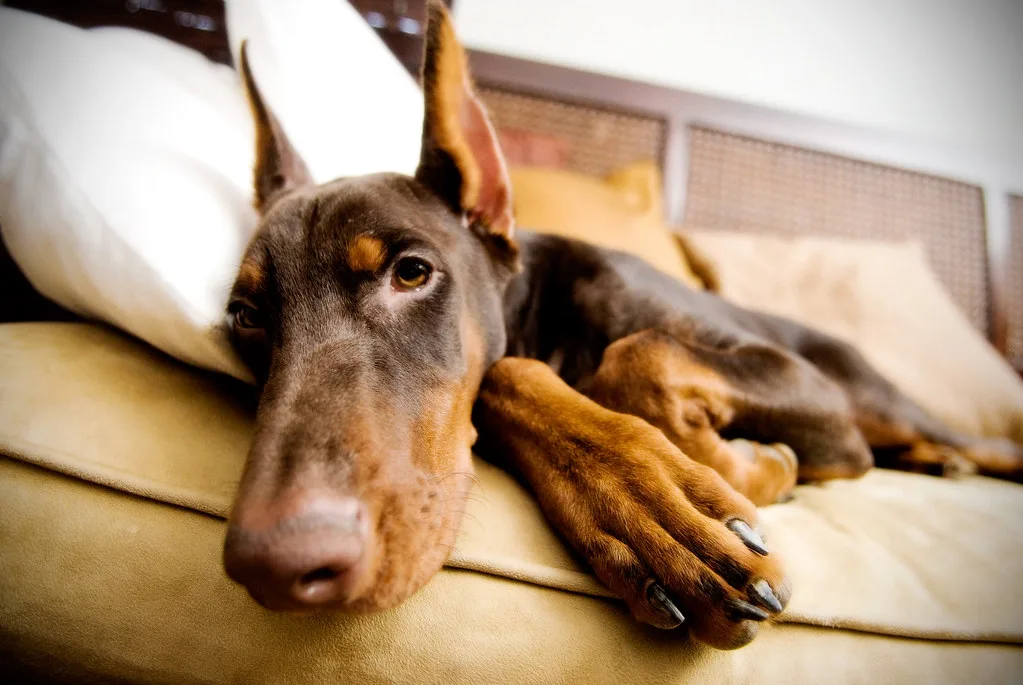
Most breed clubs would never admit this about their own dogs. The Doberman Pinscher Club of America writes that in the early days, “the temperament was very sharp and on the verge of being vicious.”
Today, the club says, the breed “has been tempered and mellowed” and is “not so ‘quick on the trigger.'” The numbers back that up. DogsBite.org, the victims’ advocacy group, counted 6 Doberman deaths over the 13 years from 2005 through 2017. Its count for Rottweilers over the same years was 45.
The club doesn’t oversell its dogs, either. A Doberman is still “a big responsibility,” it says, a dog “bred for guard and personal protection.” So if your picture of the breed is the snarling dog behind a junkyard gate, it’s out of date. If you want one, take the club’s own word, responsibility, at face value.
#11 Mastiffs and Bullmastiffs, the giant guardians
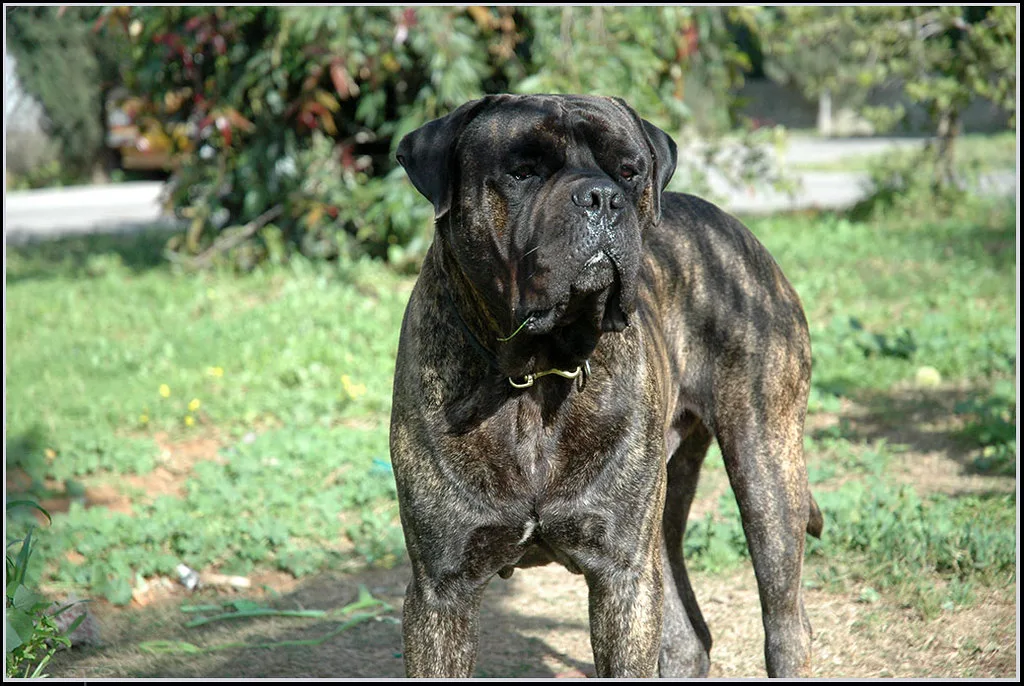
A mastiff doesn’t have to bite often to be a worry. It only has to bite once.
DogsBite.org’s count of U.S. deaths from 2005 through 2017 includes 14 involving mastiffs and bullmastiffs, about 3% of the total. That’s a small number of cases, and every one of them was as serious as it gets. These breeds aren’t in our NYC table.
Size is one part of the risk. Fear is the other. In the Finnish study, highly fearful dogs had over five times higher odds of aggression than other dogs. A frightened terrier is a nuisance. A frightened dog the size of a mastiff is a different problem.
A trainer at American Standard Dog Training, who says he has over 20 years of experience training police and pet dogs, put the size problem plainly. Talking about an Italian Mastiff with a poor temperament that had bitten a child, he said that with a dog like that in public, you stop asking whether someone gets bitten and start asking how badly.
Watch for the mastiff that backs up, hides behind your legs or freezes when company comes in. Give it a room of its own and don’t let visitors crowd it, however much they want to pat that enormous head.
#10 Yorkshire Terrier, big count, low rate
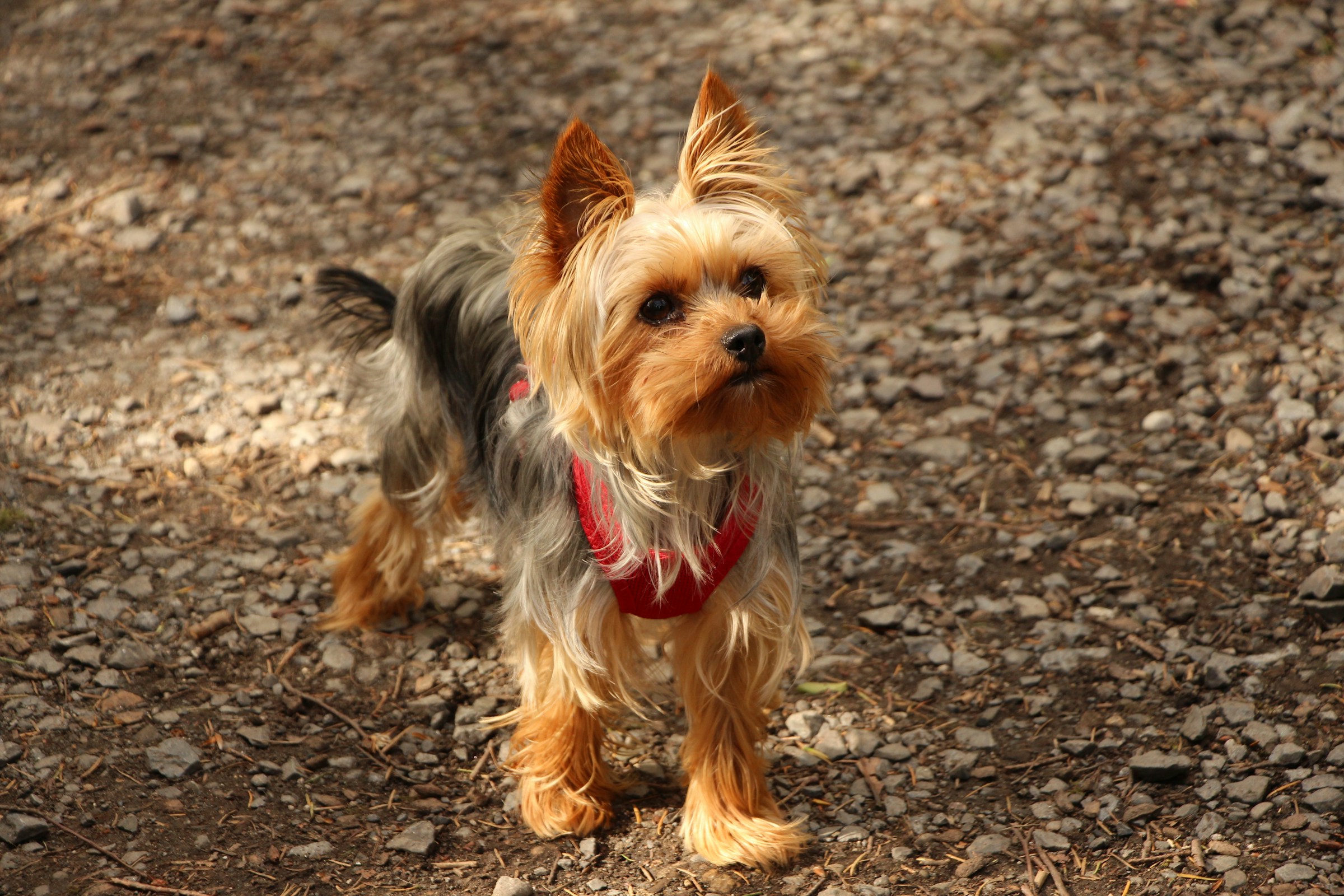
A dog that fits in a tote bag shouldn’t outscore a Rottweiler at anything. In raw bites, though, the Yorkie does: 725 reported NYC bites in our count, against 554 for Rottweilers.
Then look at how many Yorkies there are. New York has 44,249 Yorkie license records, more than any other breed we looked at. That brings those 725 bites down to 16.4 per 1,000, one of the lowest rates we found. Here’s the whole table, so you can find your own dog.
| Breed | Reported NYC bites, 2015 to 2025 | Bites per 1,000 licenses |
|---|---|---|
| Pit bull | 7,837 | 231.9 |
| Rottweiler | 554 | 186.2 |
| German Shepherd | 1,046 | 91.7 |
| Siberian Husky | 613 | 72.7 |
| Cocker Spaniel | 233 | 32.0 |
| Chihuahua | 968 | 30.9 |
| Jack Russell Terrier | 242 | 27.5 |
| Shih Tzu | 1,055 | 25.7 |
| Maltese | 526 | 23.0 |
| Shiba Inu | 203 | 20.7 |
| Beagle | 201 | 17.9 |
| Labrador Retriever | 415 | 16.9 |
| Golden Retriever | 206 | 16.5 |
| Yorkshire Terrier | 725 | 16.4 |
| Pomeranian | 208 | 13.3 |
This is the trap in any dog bite statistics by breed. A popular breed piles up bites just by being common, so a long count can hide a gentle average.
Yorkie owners shouldn’t get too smug, though. In the Finnish study, small dogs had higher odds of aggression than medium and large ones. The low rate tells you about Yorkies as a crowd. Your own dog is the one under the dining chair, guarding the spot where the bacon fell.
#9 Dachshund, the biter the city missed
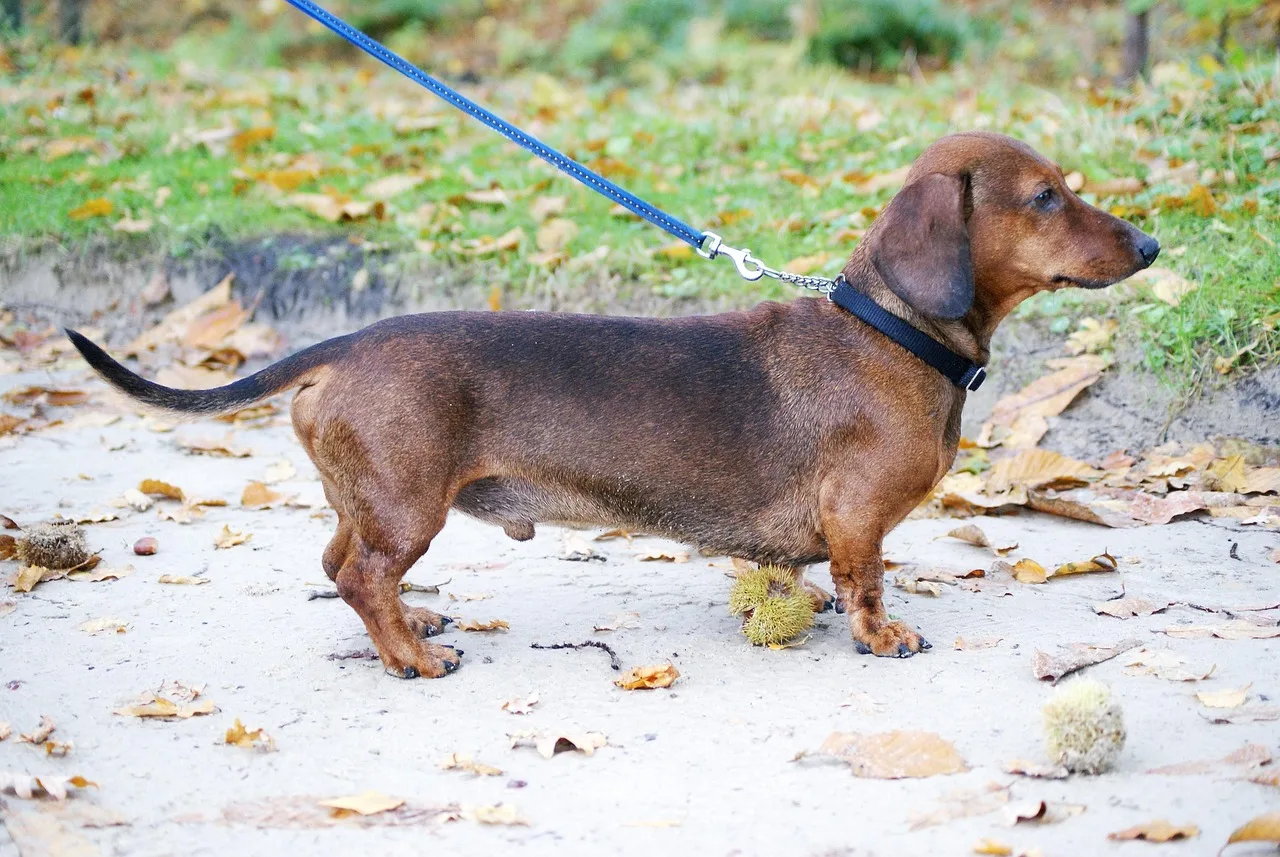
Ask Dachshund owners, and they’ll tell you something the city records don’t.
In the Penn survey, owners reported that “one in five dachshunds have bitten or tried to bite strangers, and a similar number have attacked other dogs.” That made the Dachshund the most aggressive breed in the study, ahead of Chihuahuas and Jack Russells. It’s a popular dog, too, sixth on the AKC’s 2024 list.
Yet Dachshunds don’t appear among New York’s most-reported biters in DogsBite.org’s breakdown of the city’s records. Pit bulls, Shih Tzus, Chihuahuas, German Shepherds and Labs all do.
The 2008 coverage of that research explained the gap: bites from big dogs get more medical attention, and small-dog aggression “is not necessarily considered as threatening.” A Doxie’s nip at the delivery driver’s ankle gets a yelp, a bandage and maybe an apology. It almost never gets a report.
So if your Dachshund owns the space under the bed and growls at anyone who kneels down to look, believe the owner surveys over the city files. The ankle it bites will hurt just the same.
#8 Border Collie, the busy dog’s nip
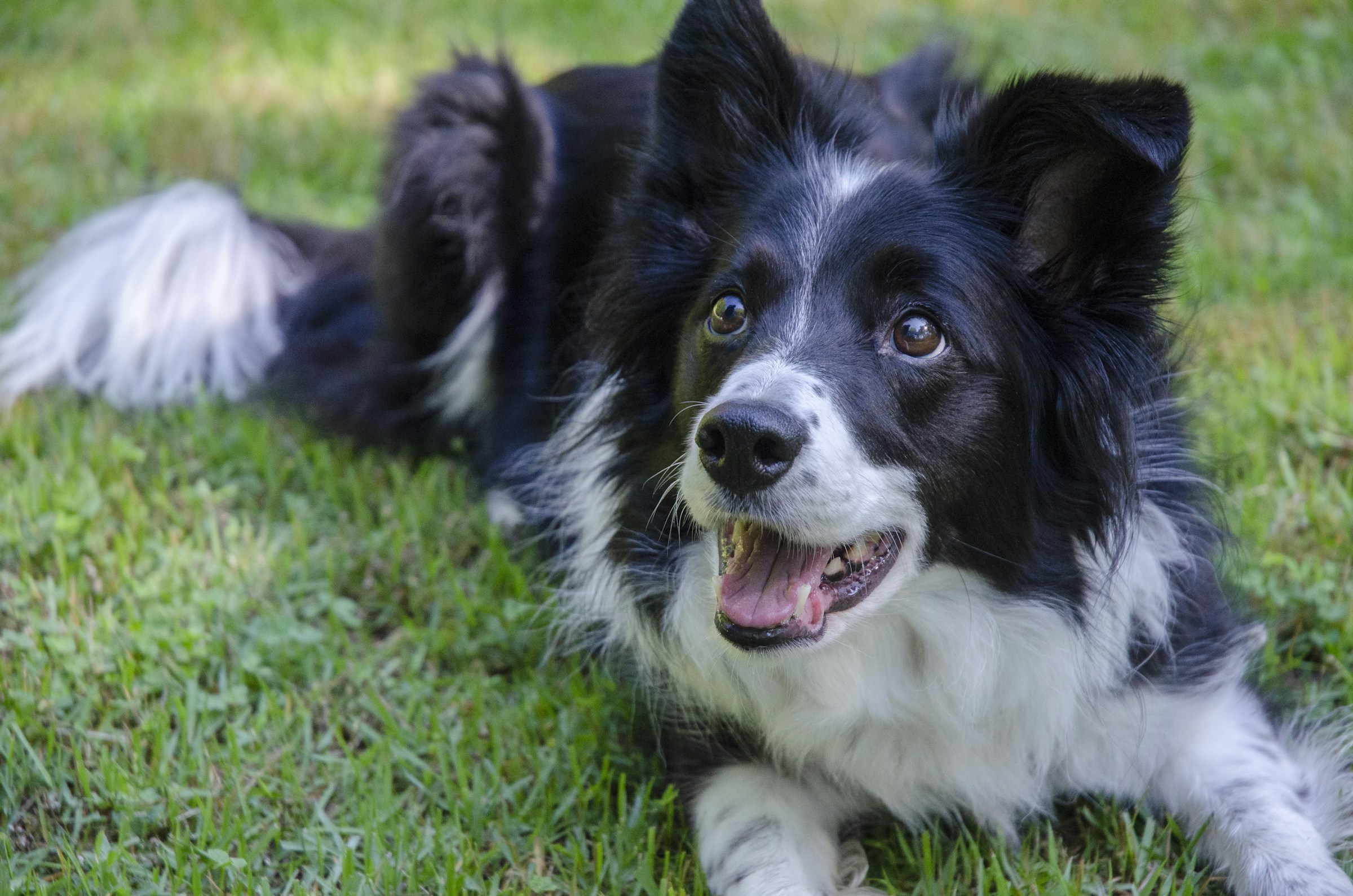
A Border Collie without a job will invent one, and you may not love the job it picks: rounding up visiting kids, the cat, the vacuum cleaner.
Even the AKC, which adores the breed, calls it “a remarkably bright workaholic.” It warns that the dog may be “maybe a bit too amazing for owners without the time, energy, or means to keep it occupied.”
Border Collies come up often in Will Atherton’s bite cases. As with the Shepherds he sees, he says, the damage from those bites is usually small.
How bad a bite is can be measured on a scale, and it’s worth knowing before you panic about any bite count.
The bite scale, Levels 1 to 6 – Level 1: the teeth snap but never touch skin – Level 2: the teeth touch skin without puncturing it. Together, Levels 1 and 2 make up “well over 99% of dog bite incidents,” according to Dunbar Academy – Level 4: at least one puncture deeper than half the length of the dog’s canine tooth – Level 6: the victim dies
Dunbar Academy calls dogs at the bottom two levels “wonderful candidates for immediate rehabilitation.” For a collie, rehabilitation mostly looks like work: a ball to chase, a trick to learn, sheep if you can find them.
#7 Chow Chow, the calm dog guarding something
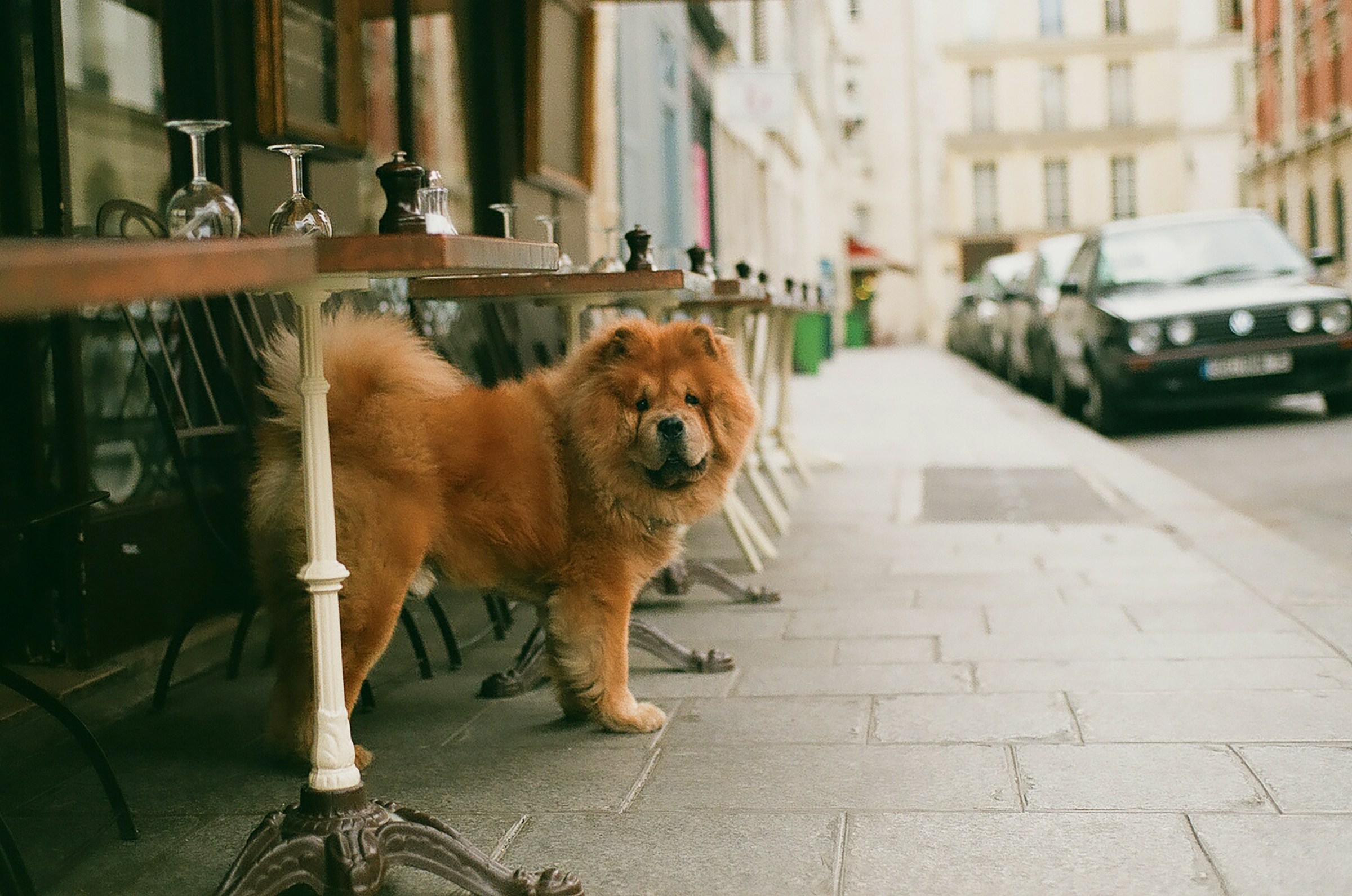
The Chow sitting by the door like a stone lion, not moving, not wagging, looks like the calmest dog on the block. Tom Davis, a US professional dog trainer who works with aggressive dogs, says that’s exactly how owners get caught out. In his words, owners “misread the dog’s stoic aloof nature as calm and relaxed right up until the moment where it isn’t.”
He also confirms the breed’s best-known habit, resource guarding, which means defending food, toys or a favorite spot: “Resource guarding and possessiveness are well documented in this breed and as a pro dog trainer I can confirm.” The breed’s own club describes the Chow as “aloof, reserved with affection, independent, dignified and stubborn,” and “naturally suspicious of strangers and very territorial.”
Vets in the 2008 survey rated Chows a high bite risk more often than any other breed, at 60.6%. DogsBite.org, the victims’ advocacy group, counted 3 Chow deaths over 13 years.
Bites that get called unprovoked dog attacks usually came with warning signs. “There are always warnings,” a dog trainer who specializes in behavior modification wrote on Reddit’s r/dogs. “A lot of behaviors that are scary to my colleagues and I don’t set off any alarm bells for the average person.” In the same thread, a friend of a family whose dog later bit their toddler in the face described what came first: “The parents just kept yelling at the dog for growling until it didn’t growl anymore.”
Cornell’s Riney Canine Health Center lists the signs in the order they usually come:
- Early: yawning, blinking, excessive nose licking, turning the head away
- Later: a stiff body and a hard stare
- Then: growling
Cornell’s warning is the one that matters most: “If they learn that growling leads to punishment, they may skip this warning altogether and go straight to biting.” With a Chow, the early signs are especially easy to miss, because the dog was already sitting still.
#6 Shih Tzu, the lap dog that out-bites Shepherds

That Shih Tzu asleep on the cushion with its tongue poking out belongs to a breed with more reported bites in New York than German Shepherds.
In our count of NYC records from 2015 through 2025, Shih Tzus logged 1,055 bites to the Shepherd’s 1,046. DogsBite.org, the victims’ advocacy group, ran its own count for 2015 through 2023 and got the same order, 1,077 to 996.
Before you move the dog off your lap, though, count the dogs. New York has 41,111 Shih Tzu license records, which brings the rate down to 25.7 per 1,000. The Shepherd’s rate is 91.7. Dog for dog, a Shepherd was about three and a half times as likely to land in a bite report.
So why does a dog bred for laps bite at all? Pain is one good place to look. A 2020 review of 100 dogs referred to behavior specialists found that around a third involved some painful condition, and in some groups nearly 80%. That kind of aggression typically happens “when the dog is approached and often when the dog is lying down.”
Now picture a lap dog’s whole day: lying down, getting approached, getting scooped up, getting set down. If yours has started snapping when you lift it off the couch, and it never used to, book the vet before the trainer.
#5 Chihuahua, mid-pack instead of top dog

“Where are the Chihuahuas?” turns up in the comments every time a bite list leaves them off. So here’s the real answer.
Casey Ray, a dog trainer in Lake Havasu City, Arizona, with 30 years of experience, says Chihuahuas have “the highest bite rate per capita.” Our numbers don’t back that up. Counted as bites per capita, Chihuahuas come in at 30.9 bites per 1,000 licensed dogs. That’s sixth of the 15 breeds in our table, just behind Cocker Spaniels.
Owners and vets still rank them near the top. The Penn survey named Chihuahuas the second most aggressive breed, “regularly snapping or attempting to bite strangers, family and other dogs.” In the 2008 vet survey, 48.5% rated them a high bite risk, second only to Chows. So among small dog breeds that bite the most, the Chihuahua’s reputation at home is worse than its record with the city.
Ray’s explanation is the part worth keeping: “They’re being picked up instead of trained. They’re not accessories.” A study of 1,276 dog owners in Vienna points the same way. Small dogs there were taken for walks less often, their owners were less consistent, and more punishment went with more aggression, a link that was stronger in small dogs.
Small-dog owners on TikTok describe exactly this at home: a Chihuahua that’s aggressive every day while the household’s pit bulls stay gentle, and a 10-pound Morkie with a vicious bite. The cheapest fix here is more walks for a Chihuahua on its own four feet.
#4 Siberian Husky, gentle until a baby’s near

On paper, the Husky is easygoing. The Penn owner survey put Siberian Huskies among the breeds scoring low for aggression. Our NYC figure is 72.7 bites per 1,000, fourth in the table, which is high but nowhere near the top two.
One number changes how a Husky owner should think about babies. Among the dog bite fatalities that DogsBite.org, the victims’ advocacy group, recorded from 2005 through 2017, Huskies were involved in 13, and 8 of those 13 victims were infants 11 months old or younger.
The risky moments are often set up by adults. Commenters on Reddit’s r/dogs describe parents letting toddlers wander up to strange dogs at the dog park, and a father who wrestled with a stranger’s big young dog right beside his small children and ignored the owner when asked to stop.
If a small child is ever in your care – 16% of U.S. dog bite fatalities from 2005 through 2017, 68 deaths, involved a babysitter, grandparent or relative watching the child, by DogsBite.org’s count – “We also see a lot of pediatric dog bites involving the grandparents’ dog,” says Dr. Anne Brayer of University of Rochester Medicine – The American Academy of Pediatrics puts it simply: “Never leave a small child and a dog alone together, no matter if it is the family dog.” – A visiting dog counts too, so a closed door or a baby gate does the job while you’re in the kitchen
#3 Cocker Spaniel and the sore ear

Of every reason a breed bites, this one is the easiest to fix, and almost no bite list mentions it.
Cocker Spaniels sit fifth in our NYC table, at 32.0 bites per 1,000. Casey Ray, the Arizona trainer, thinks he knows why: “Chronic ear infections equals pain-based biting.” He describes the moment itself: “When the pain kicks in from the infection, and then a little child comes and yanks on the ear, bam, there’s a bite, there’s a statistic.”
No study has tied Cocker bites to ear infections directly, but the pieces fit. A UK study of 10,313 English Cocker Spaniels at vet practices found outer-ear inflammation in about 1 in 10, and aggression in about 4%. Aggression ran highest in golden-coated dogs, at about 12%. Those were English Cockers in Britain. The American Cocker, more common here, has it worse: a Finnish survey found outer-ear inflammation in 27% of American Cockers, against about 16% of English ones. An ear infection like that, according to MSPCA-Angell, is “also usually painful when touched.”
Cocker people push back on the bad reputation, and they deserve to be heard. “Cockers getting a bad rap!! I’ve had 3 in 38 years, sweetest dogs ever!” a longtime owner wrote on TikTok.
Even the sweetest Cocker you ever owned would still snap if someone tugged a throbbing ear. So if yours is shaking its head, scratching at one side or has an ear that smells, get the vet to look before anybody else handles those ears.
#2 Cane Corso, the trainer’s headache, the owner’s softy
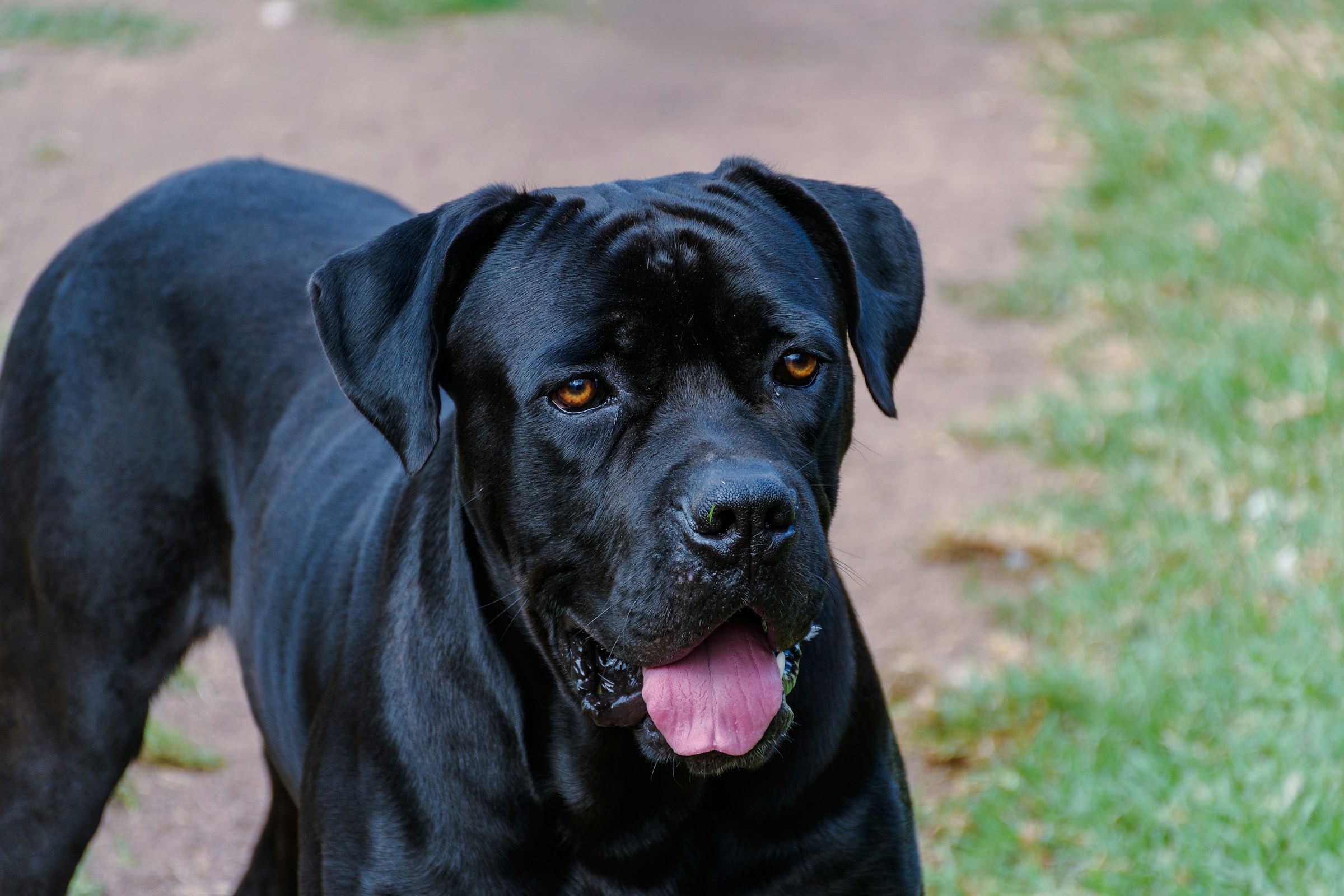
Tom Davis doesn’t hedge about this breed. “These are the three most aggressive dogs as a United States dog trainer that we see,” he says, and the Cane Corso leads his list, ahead of the Rottweiler and the German Shepherd. He’s clear that it’s what comes through his own facility’s door, not a ranking for the whole world.
He blames breeders chasing size and looks: “The dogs are big, they’re beautiful, but they’re unpredictable, they’re reactive, they don’t trust people, and they’re out of control.” The American Standard Dog Training trainer adds a line that’s hard to forget: “If things go wrong, they go very, very wrong.”
Now listen to the owners. On TikTok, Corso owners and their relatives describe dogs scared of shadows and bugs, dogs that would trade their owner for a toy, and one dog that leaks a little when greeted.
Who’s right? Probably both. A trainer sees the dogs that went wrong, and owners see their own. DogsBite.org, the victims’ advocacy group, counted only 3 Cane Corso deaths from 2005 through 2017, though the breed isn’t in our NYC table, so we can’t give a per-dog rate.
What tips the balance is temperament and training, which the American Standard trainer says count for more than the breed label. The AKC calls the Corso not recommended for first-time owners, a dog that “can stand close to 28 inches tall and often weigh more than 100 pounds.” Davis’s own summary fits on a fridge magnet: “Dogs aren’t really the problem; people are the problem.” If you’re shopping for one, ask the breeder about temperament before you ask about looks.
#1 The dog with no breed on record
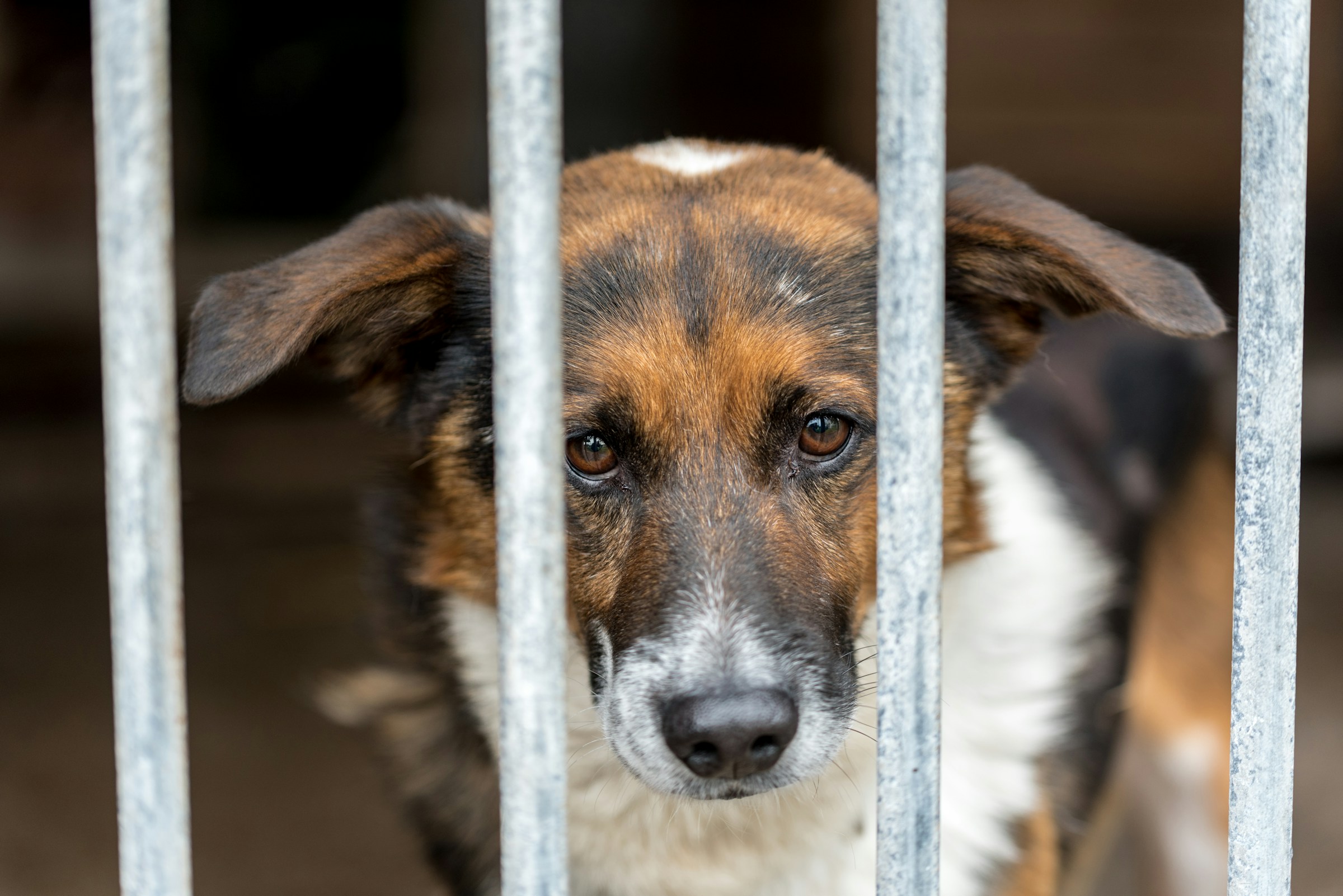
This is the one that undercuts every bite chart, ours included.
In our count of NYC’s bite file, 8,189 of the 39,082 reported bites list the breed as simply “UNKNOWN.” That’s one bite in five. It’s also more than the 7,837 bites credited to pit bulls. The biggest single “breed” in New York’s bite records is no breed at all.
And the breeds that are listed come with a catch. The city says the breed, age and sex in each report have not been verified. In practice, the breed is whatever someone said it was, often a person who just got bitten.
How good are people at naming a breed by sight? University of Florida researchers tested that on 120 shelter dogs, in a study published in The Veterinary Journal in 2015. Staff called 52% of them pit bull-type by looks alone, but DNA tests found pit bull ancestry in only 21%, and some dogs that did carry it were missed by every staff member. That’s breed misidentification by trained people who look at dogs all day.
“A dog’s physical appearance cannot tell observers anything about its behavior.” Dr. Julie Levy, lead researcher, University of Florida College of Veterinary Medicine
The problem goes back a long way. In the CDC’s data on U.S. dog-bite deaths from 1980 to 1996, the breed was unknown in 199 of 413 cases, almost half.
So treat every breed ranking, ours too, as a rough sketch made partly from guesses. However it’s counted, the breed on a shelter card or a bite report is a label someone wrote down. The dog in front of you is better evidence: what it does when a hand comes near its bowl, when it’s woken suddenly, when a small child runs past.
The bottom line
Your dog’s breed told you a few things before it ever came home: how big it would get, what it was bred to chase or guard, how much work it would want. It can’t tell you what your dog does when a strange hand reaches over its head.
Think back to the last time your dog went stiff, or yawned at an odd moment, or turned its face away from someone. What happened next? Did anyone notice besides the dog?
For the next week, keep a pen by the leash hook. Every time you catch a yawn, a lip lick or a turned head, jot down what was going on. By Sunday you’ll have a bite record that’s really about your dog.
Bonus: four quick checks for a bite-free visit
Pick up food bowls, chews and bones before any child comes over. Dr. Brayer says many of the children’s bites she sees are food-related.
If you’ve adopted a grown rescue, give guests the rule an owner of a large rescue guardian-breed mix posted on Reddit’s r/todayilearned: “You don’t hug rescue dogs from behind if they don’t know you.”
Ask your insurance agent for your dog liability limit. Standard limits typically run $100,000 to $300,000, according to the Insurance Information Institute, and insurers paid an average of $69,272 per dog-related injury claim in 2024.
Before a pet sitter or relative takes over, leave a note on the counter: where the dog eats, what it guards, and what its “back off” face looks like.
Questions people also ask
Which dog breed bites the most?
Pit bulls have the most reported bites, both in raw counts and once you adjust for how many dogs of each breed exist. In our analysis of New York City records, they logged 231.9 bites per 1,000 licensed dogs, with Rottweilers next at 186.2 and Labs at 16.9. There is no official national ranking. The CDC counts dog-bite deaths, an average of 43 a year from 2011 to 2021, but it doesn’t track breeds.
Do small dogs like Chihuahuas bite more than big dogs?
In owner surveys, yes: small breeds, including Chihuahuas, snap at people more often than big ones. A Finnish study found higher aggression odds in small dogs, and a Penn survey ranked Chihuahuas second most aggressive. Their bites are less likely to be reported, though, and in our NYC analysis Chihuahuas sit in the middle of the pack at 30.9 bites per 1,000 licensed dogs.
Are the “mixed” or “unknown” dogs in bite statistics really pit bulls?
Nobody can say for sure, because breed in bite reports is rarely checked. In a University of Florida study of 120 shelter dogs, published in The Veterinary Journal in 2015, staff judging by sight called 52% of them pit bull-type, but DNA confirmed pit bull ancestry in only 21%. In New York, one reported bite in five has no breed listed at all.
Did the CDC stop tracking dog bites by breed?
Yes. The last breed study the CDC did with the American Veterinary Medical Association (AVMA) covered U.S. deaths from 1979 through 1998 and was published in 2000. It found pit bull-type dogs and Rottweilers in more than half of 238 deaths. Stacey Coleman of the Animal Farm Foundation has said the CDC no longer asks the breed because it learned the data is unreliable.
What are the warning signs before a dog bites?
Most dogs warn before they bite, starting small and getting louder. Cornell’s Riney Canine Health Center lists early signs like yawning, blinking, nose licking and turning the head away, then a stiff body, a hard stare and growling. Never punish the growl. A dog that learns growling gets it in trouble may skip straight to biting.
What should you do if a dog attacks you?
Stay as still as you can, avoid eye contact and back away slowly. If you’re knocked down, the American Academy of Pediatrics says to curl into a ball and protect your eyes and face. Afterward, wash the bite with soap and water and get medical care, and call 911 for a severe bite.