See the one health or temperament risk behind each of the dog breeds vets don’t recommend, plus the exact test, habit or price tag that helps you handle it.
Stay for #1: it’s America’s favorite dog, and there’s one test to ask the breeder for.
Your dog is stretched across the couch with back legs flung out like a frog, snoring louder than the TV. You’re half-scrolling when a vet in scrubs pops up in your feed, counting off breeds she’d never own. Yours is on it.
Take a breath. When a vet says she’d never own your breed, she’s telling you what comes through her exam room. That’s useful, because most of what she sees has a test, a habit or a price tag attached. And several of these dogs sit near the top of America’s most popular breeds.
Table of Contents
#12 German Shepherd hips, spine and bloat
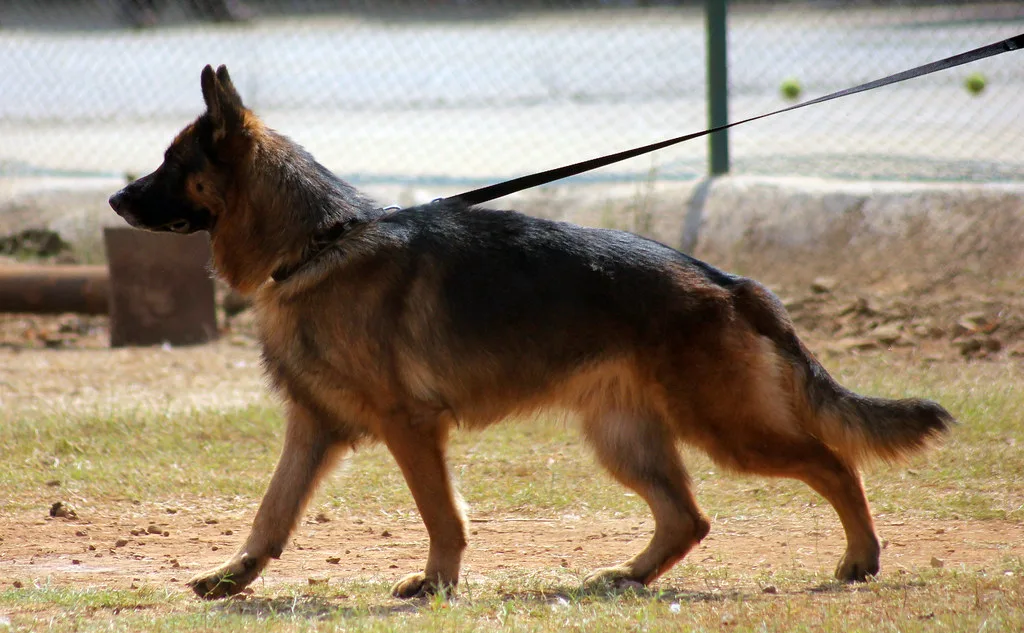
Ask the people who work in vet clinics which dog they’d never bring home, and the German Shepherd keeps coming up. In one TikTok video and another where clinic staff answered on camera, Shepherds were named about six times by roughly 25 people. That’s more often than any other breed, flat-faced dogs included.
Nobody’s knocking the brains or the loyalty. Final-year vet student Aisling Doyle puts the worry as a list of body parts: hips, spine, cancers and the stomach. Three of those come with something you can do.
Start with the hips. Hip dysplasia, a loose, badly formed hip joint, showed up in about 1 in 5 Shepherds screened by the Orthopedic Foundation for Animals (OFA), the US health registry, between 1974 and 2015. Owners send in X-rays voluntarily, so the real share may be higher. Parents with hip certification improve a puppy’s odds without guaranteeing anything.
The spine problem is degenerative myelopathy, a slow nerve disease that takes away the back legs. Signs usually appear around age 8, and the dog becomes paralyzed over 9 to 18 months. It’s tied to a gene called SOD1. In a UK check of 50 young Shepherds, 16% carried two copies and 38% carried one.
A DNA test for that gene exists, so ask to see both parents’ hip certification and their DNA results. If your Shepherd is already home, a test tells you where yours stands. Two copies isn’t a diagnosis, though: the OFA says not every dog with two copies ever shows signs of the disease.
Bloat is the one that can’t wait. The stomach swells and can twist, and the American College of Veterinary Surgeons lists the early signs as “an anxious look or looking at the abdomen, standing and stretching, drooling,” plus retching that brings nothing up. That’s an emergency: go straight to an emergency vet.
Shepherds were still America’s No. 4 breed in 2025, so those four signs are worth taping inside a kitchen cabinet.
#11 The doodle sold as allergy-proof
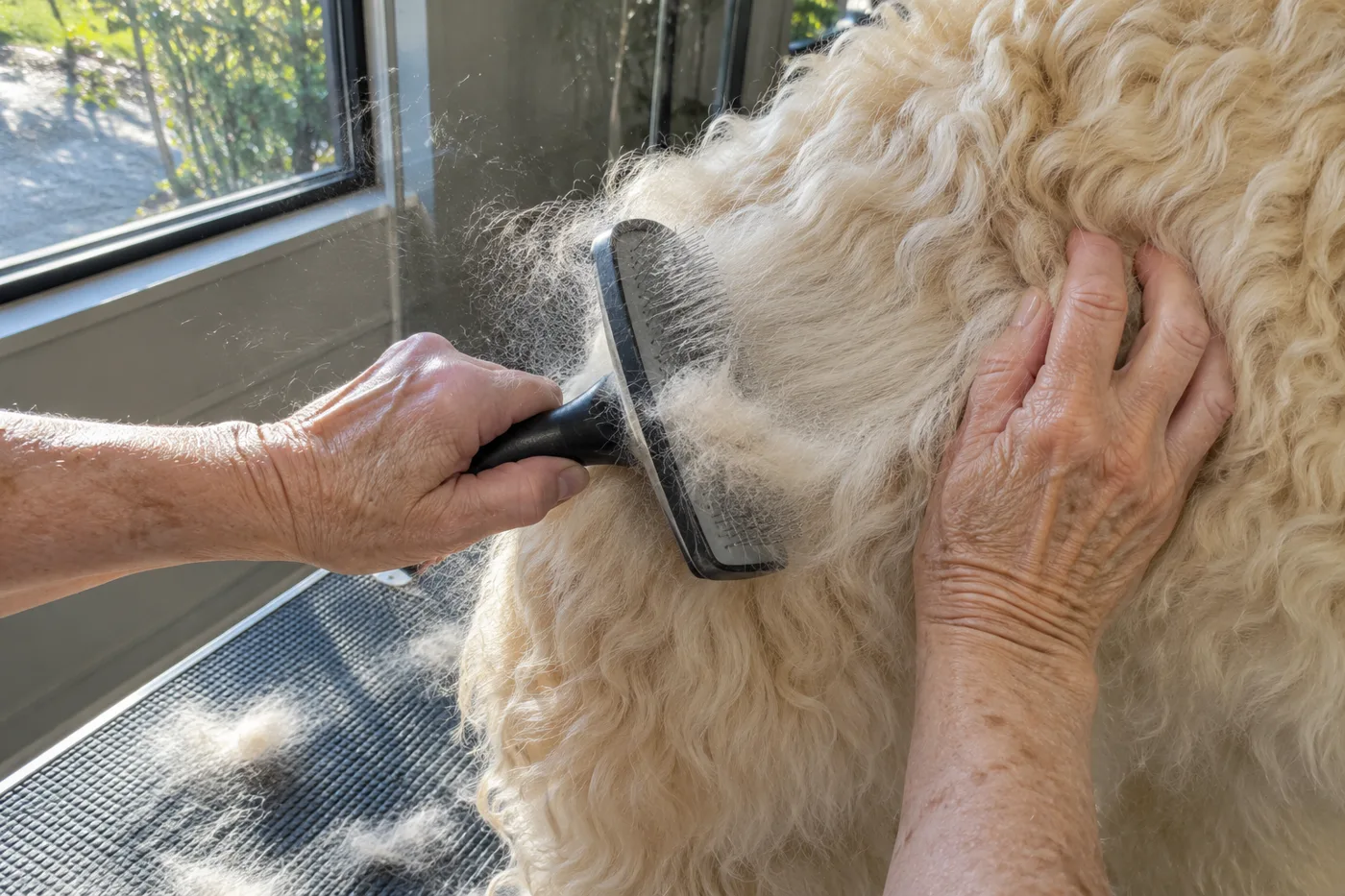
The Goldendoodle and the Labradoodle got famous on one promise, and Texas veterinarian Dr. Rachel Siu takes it apart in one breath: “A lot of people get them because they think they’re hypoallergenic and they don’t shed and they’re low maintenance and this couldn’t be further from the truth.”
The allergy doctors agree. The American Academy of Allergy, Asthma & Immunology says “no dog is truly allergen-free.” What makes you sneeze comes from saliva, dander, urine and skin oils. A bath helps for about two to three days, and then levels are back where they started.
Here’s the twist. The doodle look comes from the Poodle, and in a 2012 study cited by the AKC, Poodle coat samples carried some of the highest levels of the best-known dog allergen of any breed tested. A 2011 study found no real difference in allergen levels between homes with “hypoallergenic” dogs and homes with any other kind.
Dr. Siu’s own suggestion, if you love the look, is a Poodle with a doodle-style haircut. That gets you a predictable dog. It won’t solve an allergy, given those coat samples.
If allergies are the reason you’re shopping, the AKC suggests spending 15 to 20 minutes with the specific dog before committing. The actual puppy, not the cute one in the next pen.
Then there’s health. For dogs born after July 31, 2024, the Goldendoodle Association of North America requires breeders to have the parents’ hips graded Fair or better and their elbows, hearts and kneecaps checked. It also requires eye exams every two years and six DNA tests on the parents. One of those DNA tests is the same spinal-disease test from the Shepherd entry.
A breeder who can rattle off all six without looking is a good sign. One who says mixes don’t need testing has told you plenty.
#10 The Siberian Husky, born escape artist
In 2018, the shelters in Riverside County, California, were full of blue eyes. Husky intakes there went from 351 in 2013 to 1,027 in 2018, from under 2% of the dogs coming in to nearly 7%. Huskies were also the breed most often brought back after adoption, at nearly 13%.
Animal Services Chief Jaclyn Schart had a suspect: “We really do believe the series has caused our husky spike.” The series was Game of Thrones. Up north, a shelter in Martinez saw husky surrenders rise 300% after the show began.
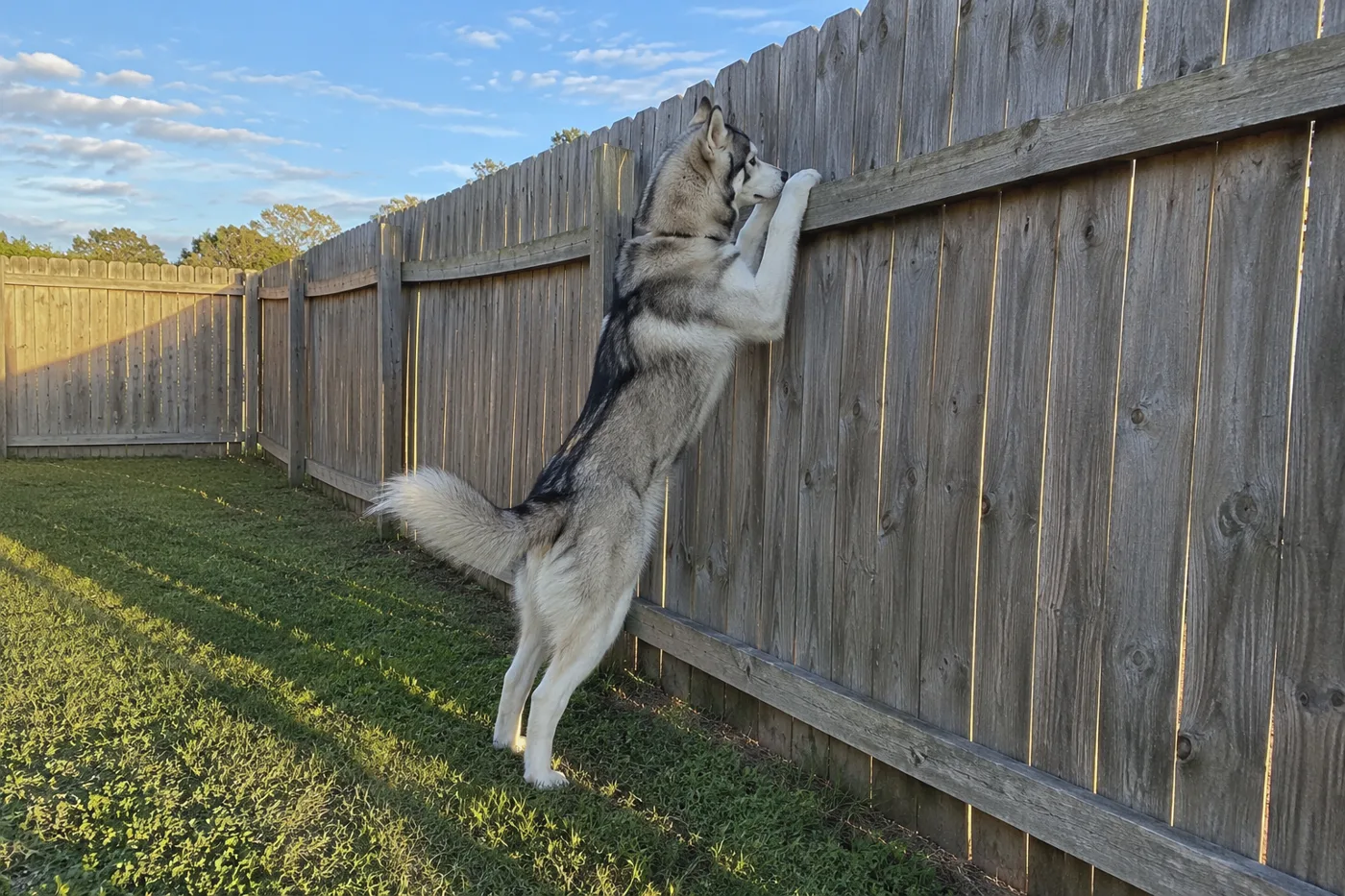
People wanted the dog from the TV. What they got was a dog built to run for miles, and it ran. Free Spirit Siberian Rescue puts it with capital letters: “If you don’t keep a Siberian on a leash or in a properly fenced yard (6-foot fence) or kennel, sooner or later they WILL run off.” Also: “Even trained Siberian Huskies, when off-leash, usually will not come when called.”
Huskies also made the list when 218 veterinary professionals picked the hardest breeds for new owners. The breed club says many Siberians land in rescue over problems that could often have been fixed, fence-climbing among them.
So the honest checklist is short: a 6-foot fence or a leash every single time, and no counting on recall. If your yard has a 4-foot picket fence, a Husky will see it as a challenge.
They’ve since slid from No. 12 to No. 30 on the AKC list, an 18-place fall. And Patty LaCava of the Bay Area Siberian Husky Club noted the punch line back in 2017: “‘Game Of Thrones’ uses Inuit dogs.”
#9 The Australian Shepherd’s hidden medicine gene
“I’ve seen so many Aussies end up re-homed or put down because of their frustration, because the families underestimated how much stimulation and structure these dogs truly require.”
That’s Tom Davis, a trainer with 13 years and thousands of dogs behind him, explaining why the Aussie is his No. 1 breed never to own. It’s a working dog that needs a job, often sold as a pretty family pet. It climbed to No. 14 in America in 2025.
The part vets worry about is quieter. About half of all Australian Shepherds carry a mutation in a gene called MDR1, according to Washington State University’s veterinary pharmacology program. Dogs with it can have “severe and life-threatening reactions to some common drugs.”
| Dog | Share estimated to carry the gene |
|---|---|
| Collie | 70% |
| Australian Shepherd | 50% |
| German Shepherd | 10% |
| Mixed breeds | 5% |
| Border Collie | under 5% |
That mixed-breed line matters if your dog is a shelter Aussie-something with a merle coat and a herding stare. You can’t tell from the outside.
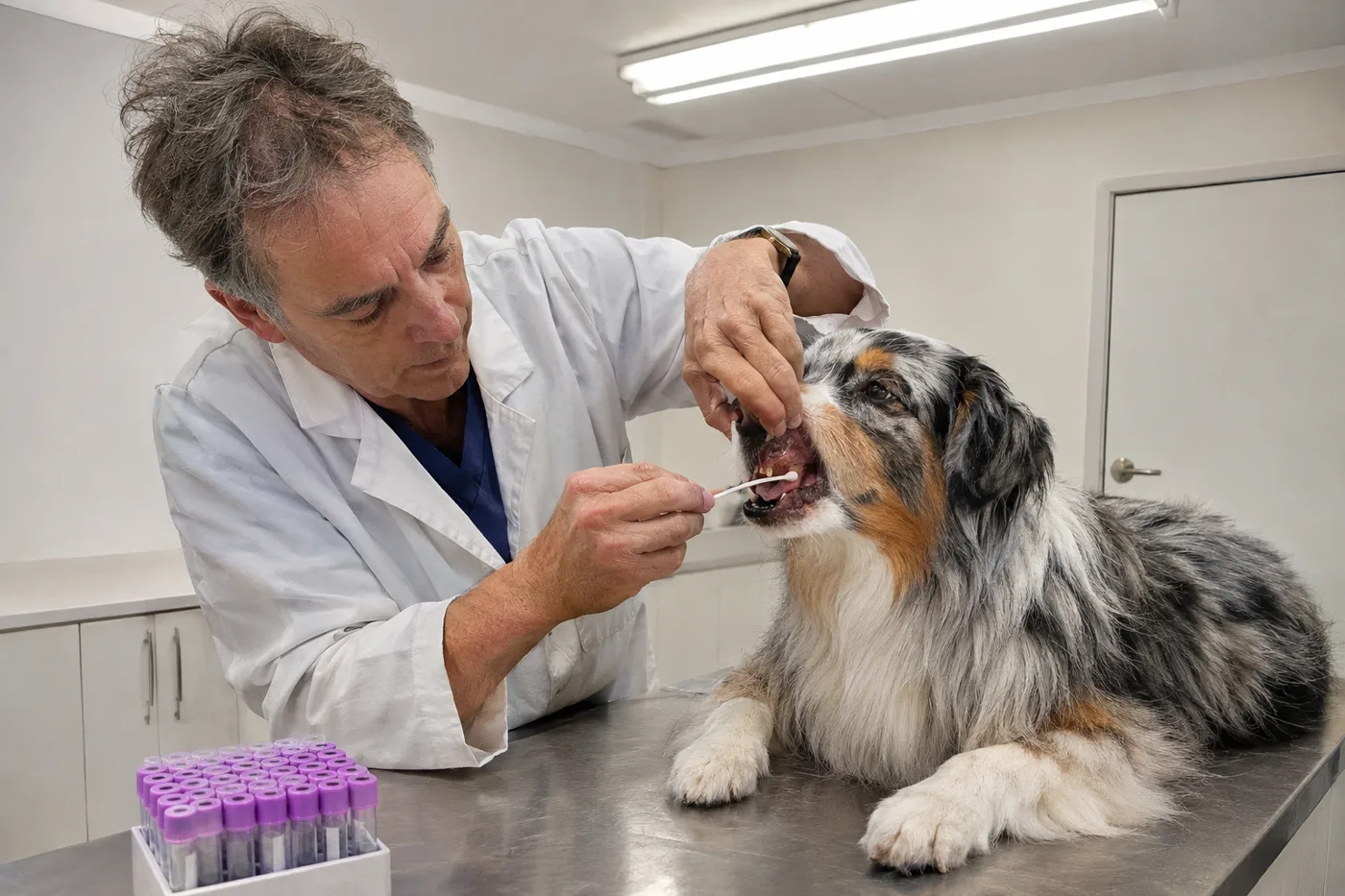
The fix is a one-time DNA test. WSU’s lab charges $70 and sends a cheek-swab kit you can use at home and mail back, or your vet can draw a blood sample and send that instead. The lab’s number is 509-335-9696. Until you know the result, keep the Imodium for yourself. WSU says loperamide, the anti-diarrhea drug in it, causes nerve toxicity in dogs with the mutation at ordinary diarrhea doses. Once you have the result, make sure every clinic that sees your dog has it in the file, including the emergency vet you’ve never visited. The reason to do it now is so nobody has to guess at 2 a.m.
#8 Chow Chow on the exam table
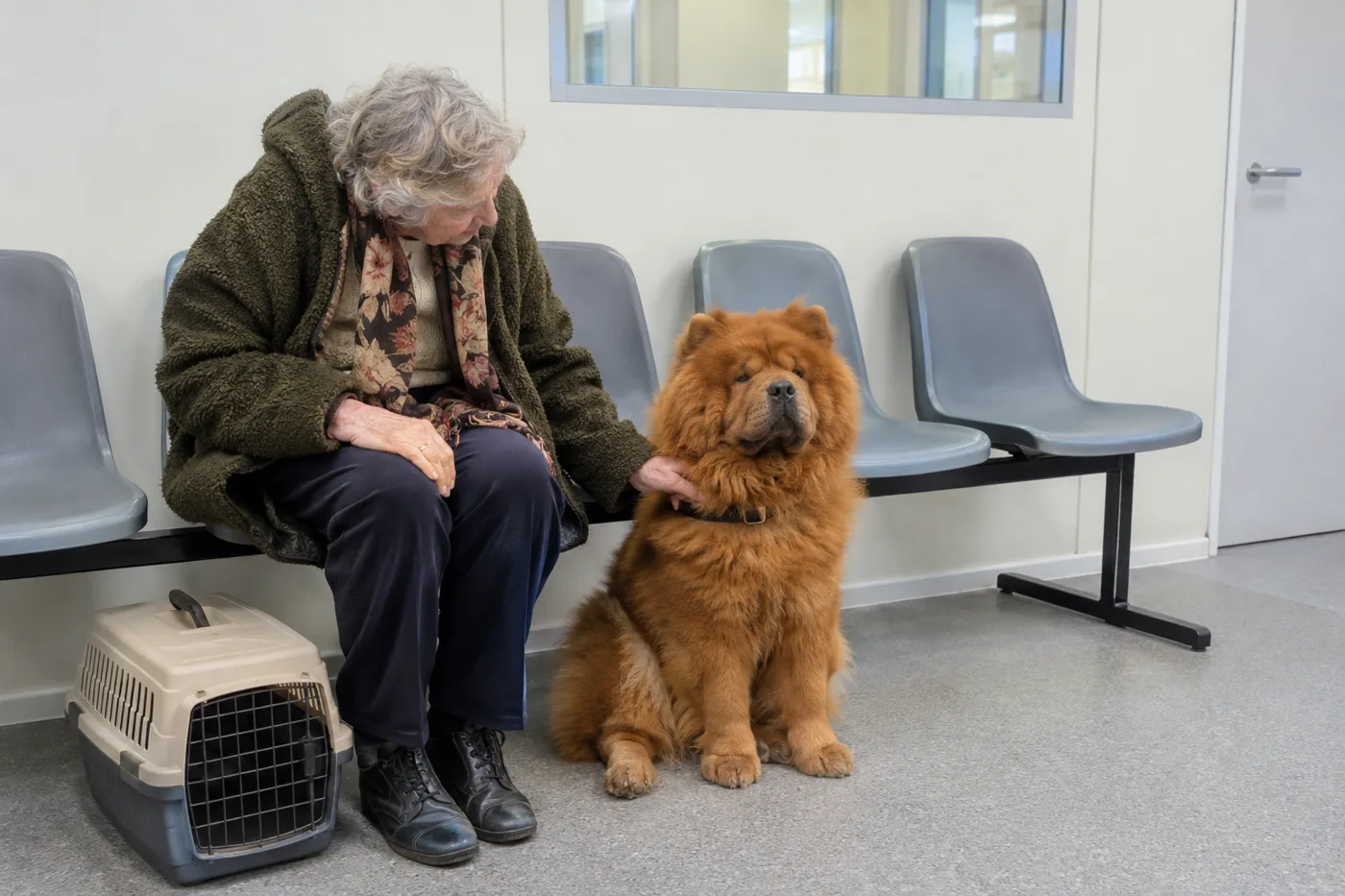
If the vet tech hesitates before reaching for your Chow, it isn’t personal. In a 2018 survey of 1,961 US vets, 60.6% rated Chow Chows a high bite risk, the highest of any breed.
When the vets rated how comfortable they’d feel with an unfamiliar dog walking up to them, a Golden Retriever scored 7.34 out of 10. A Chow scored 2.85.
Trainer Tom Davis explains how owners get caught out. Chows can guard food and toys, and people “misread the dog’s stoic aloof nature as calm and relaxed right up until the moment where it isn’t.”
Handling matters more with this breed than most, because Chows need their eyes looked at. In UK vet records from 2019, 9.28% of Chows had entropion, an eyelid that rolls inward so the lashes rub the eye. Only the Shar-Pei had more.
One more surprise from UK records: in 2016, Chows had 16.61 times the heatstroke odds of a Labrador, higher even than Bulldogs. All that fur on a summer sidewalk adds up.
If you have one, get the dog used to hands on the face, ears and feet early, and let the clinic know who’s coming before you walk in. If visits stay tense, ask your vet about an anti-anxiety medicine given a few hours before the appointment. Veterinary behavior consultant Dr. Sally J. Foote notes that one common choice, trazodone, isn’t a sedative on its own and won’t stop a dog from lunging to bite, so the careful handling still matters. Chows have slipped from No. 73 to No. 94 in America, so the staff may not see many.
#7 The Bernese Mountain Dog’s short life
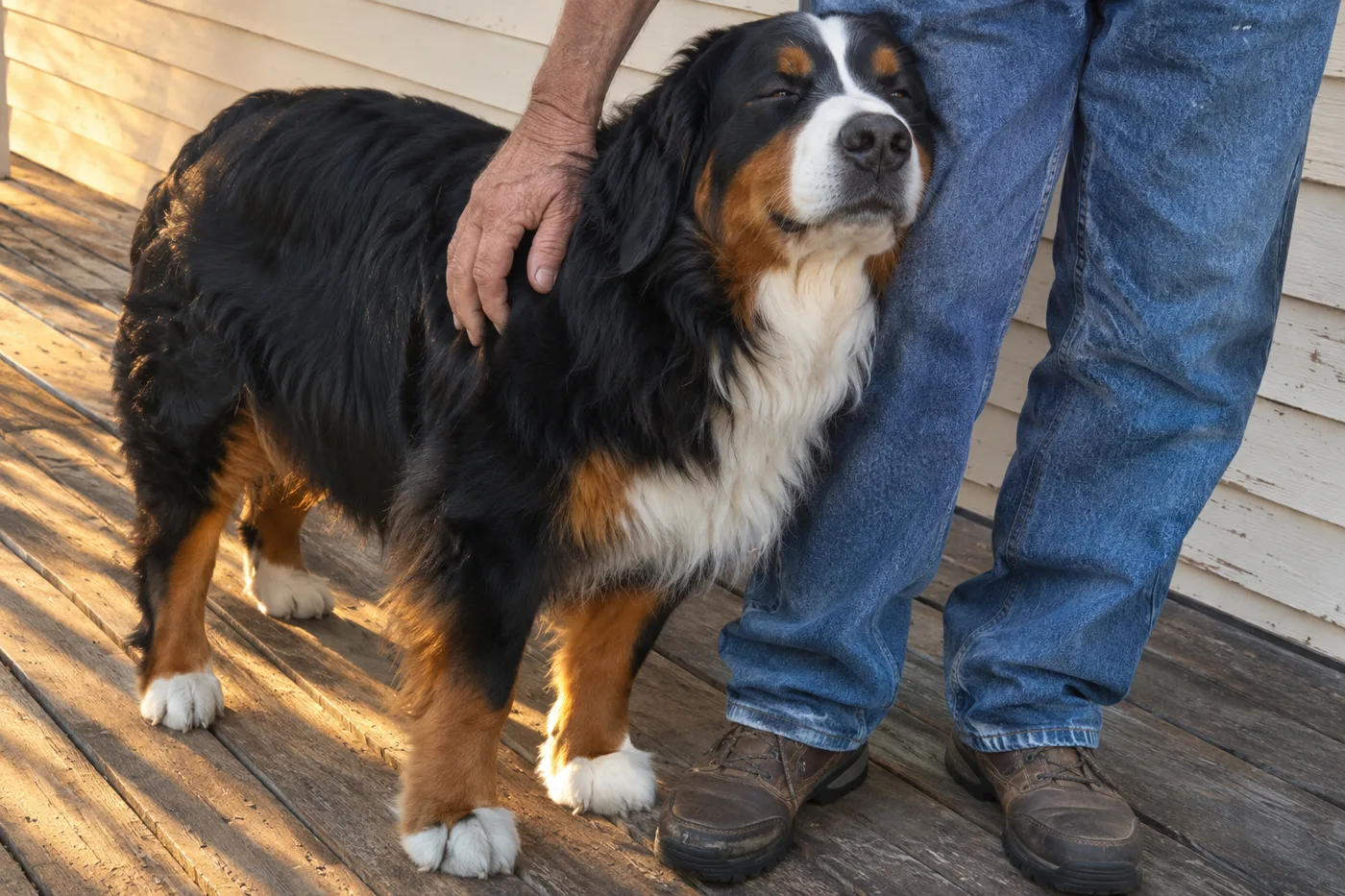
UK vet Ben Simpson-Vernon calls the Bernese a “heartbreak dog breed,” and one big reason has a name: histiocytic sarcoma, a fast-moving cancer.
A French study found it in about 25% of Bernese. It showed up at an average age of 6.5, and half the dogs died within 30 days of diagnosis. Bernese made up 1.8% of registered dogs in France but 80% of the cases.
In UK vet records from 2019, the median Bernese died at 7.7 years. That short lifespan hasn’t scared people off. The breed climbed from No. 29 to No. 20 in America over ten years, and if you’ve ever had a Berner lean its whole weight against your legs, you understand why.
If you’re choosing one, ask the breeder how old the dogs in the family were when they died, and pay attention to how comfortable they are answering. If you already have one, get pet insurance in place while your dog is young and healthy, since most policies won’t cover anything that showed signs before you enrolled.
#6 The Cane Corso, too much dog
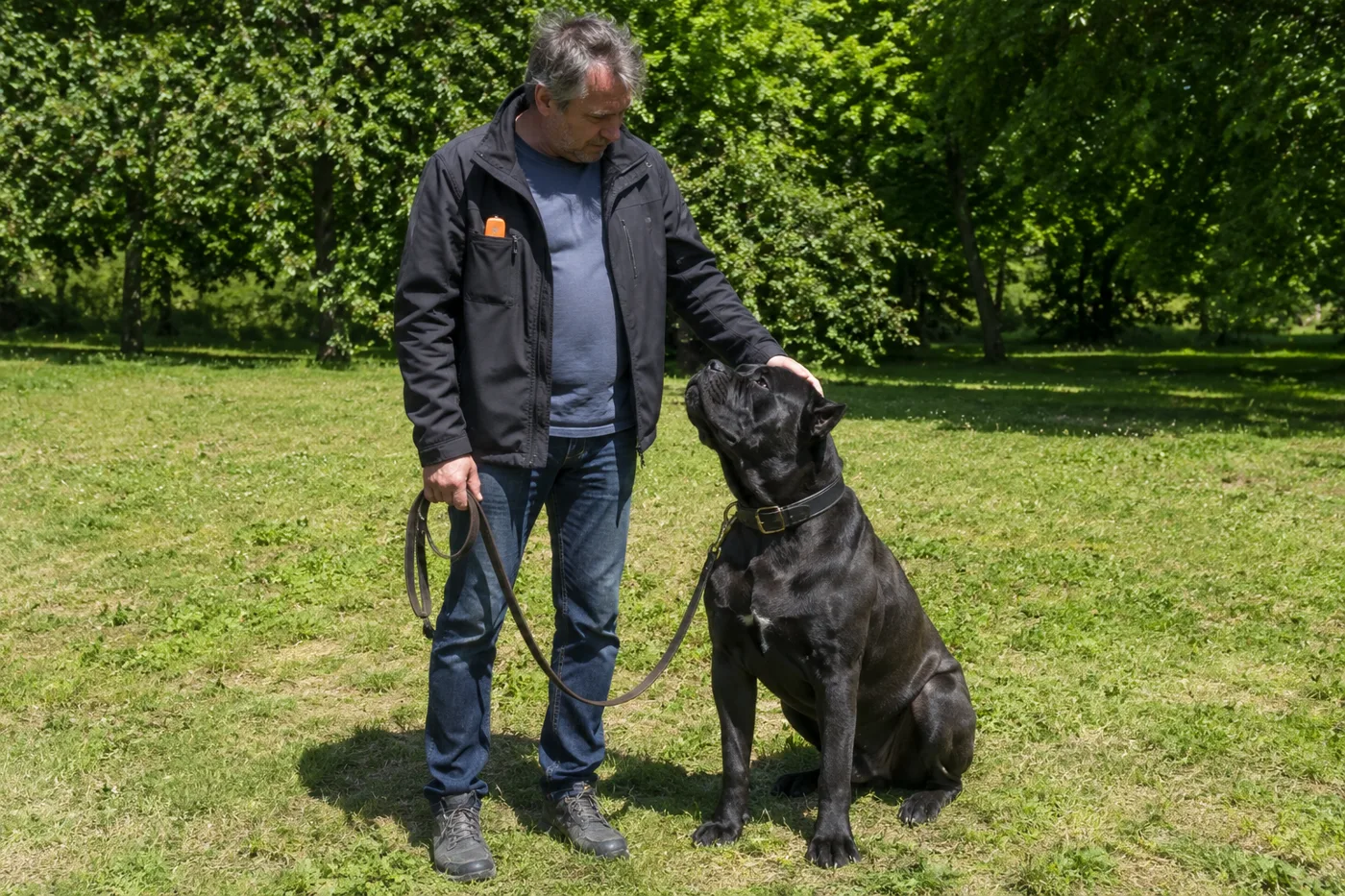
Among the breeds vets flagged in our research, none climbed more than the Cane Corso, which rose from No. 35 in 2015 to No. 11 in 2025.
It’s also on veterinarian Dr. Emily King’s list of “five dog breeds that I would actually never own.” And a trainer at American Standard Dog Training, who has worked police and pet dogs for more than 20 years and owns and loves the breed, puts the number high: “That is too much dog for about 99.9% of folks.”
What “too much” means is mostly size and strength. Must Love Corsos Rescue gives the typical Corso as 23 to 27 inches tall and 88 to 110 pounds. Its warning is gentle: “They are not for everyone….there are over 200 breeds of dog out there.”
Owners answer back, and plenty of them under those same videos describe gentle, even timid family dogs. The most useful comments do something better than argue:
“I own a Corso and the amount of work and training he has needed is ALOT. I am well equipped for him but not everyone is, and THATS OK.”
That’s a Corso owner commenting on Dr. King’s video. Another, under the trainer’s, wrote: “My cane corso is 6 now, absolutely amazing family dog if you’re prepared to put the effort in with training.”
For first-time owners, two things can stop a Corso plan cold. A 2025 report from Michelson Found Animals found that 64% of pet-allowing rentals set weight limits, so read the lease first. And the rescue says many Corsos come in after a divorce, an owner’s illness or death, or “impulsive decisions.” It’s worth knowing, before the puppy, who could take a 100-pound dog if life changed.
The Corso’s median life in a large UK study was 8.1 years, one of the shortest measured.
#5 The Cavalier’s failing heart valve
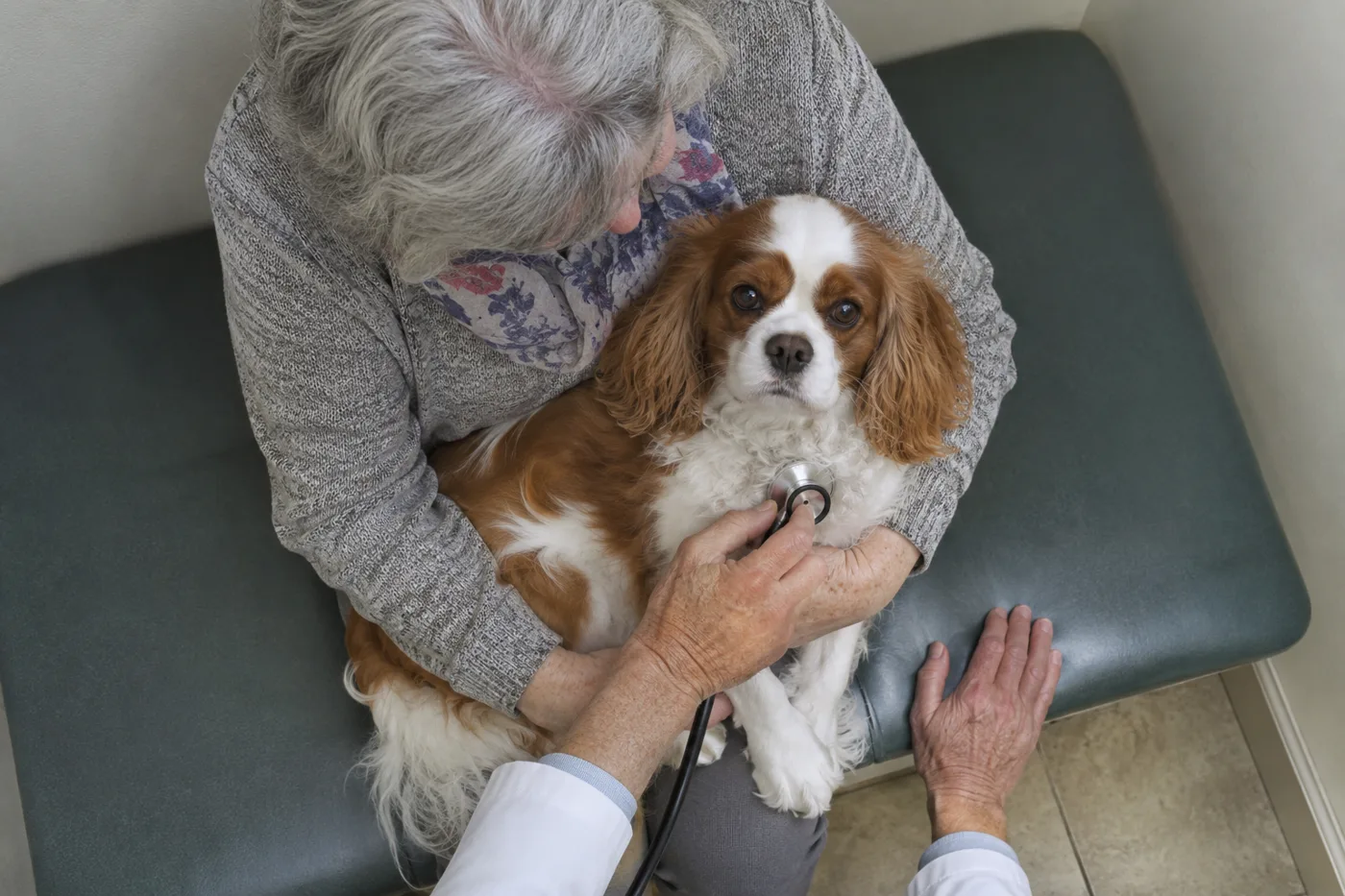
The vet presses the stethoscope to your Cavalier’s chest, and then holds it there a few seconds longer than usual. Cavalier owners learn to dread that pause.
Final-year vet student Aisling Doyle says the breed has a very gentle nature but is let down by its genes: “Mitral valve disease is so common in these dogs, which is a life-threatening heart condition.” According to CavalierHealth.org, murmurs from the failing valve show up in more than half of Cavaliers by age 5 and more than 90% by 10. That’s about 20 times the rate in other dogs.
Can breeders fix it? Two countries tried, and the results split.
Denmark’s program was mandatory and checked breeding dogs with a stethoscope plus an ultrasound of the heart. By 2010 and 2011, puppies whose parents had both been approved had a 73% lower risk of a murmur. Sweden’s program found “No improvement,” with murmurs in 53% of six-year-olds.
So the practical move is to ask for the parents’ heart results, including the ultrasound, the step Denmark’s program used.
The heart checks to ask for – A stethoscope heart check every year, starting at age 1 – An echocardiogram, an ultrasound of the heart, which the American Cavalier club recommends – Budget for the 5 mg tablets of the common heart drug pimobendan: about $163 a month if your vet prescribes it twice a day, an estimate to confirm with your vet
Cavaliers rose from No. 18 to No. 12 in America. That’s a lot of yearly heart checks to book.
#4 The Great Dane, giant in every way
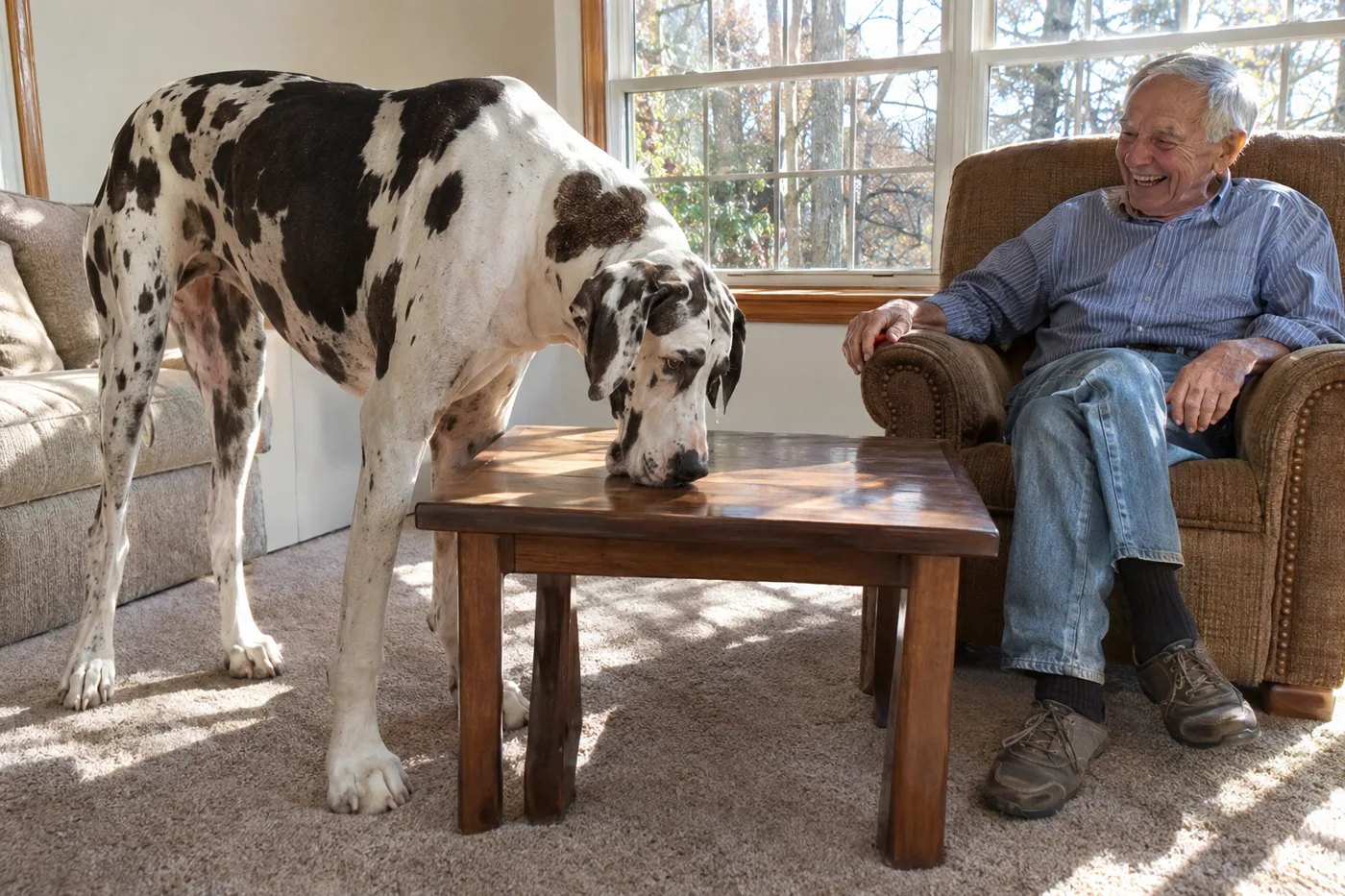
Great Dane owners say it in the comments under trainer videos: they rearranged the whole house around the dog. Tails clear coffee tables. Zoomies move the couch. The AKC’s own breed page calls the Dane “a commitment not to be entered into lightly” because of its size, weight and strength.
Size follows you to the vet’s counter, too. Vet student Alicia points out that many medicines are dosed by weight, and Danes can land at the very top of the dosing charts.
Here’s what that looks like with one common heartworm preventive, bought in six-month packs from an online pet pharmacy:
| Dog’s weight | A year of Heartgard Plus |
|---|---|
| Up to 25 lb | about $119 |
| 51 to 100 lb | about $181 |
Multiply that across flea, tick and every other weight-based prescription.
The harder number is time. Alicia puts a Dane’s life at about 6 to 10 years. In UK vet records from 2019, the median Great Dane died at 8.9 years, and giant breeds as a group lived about 25% shorter than dogs overall.
Bloat is the other giant-dog risk, and the surgeons’ college lists Great Danes first among the breeds it hits most. Many surgeons recommend a preventive gastropexy, which tacks the stomach in place so it can’t twist, often done at spay or neuter time. A 2003 Purdue-led analysis found the preventive surgery cost-effective for breeds with a lifetime bloat risk of 34% or higher, a bar the Great Dane’s estimated 36.7% risk clears, though the analysis’s $400 surgery and $1,500 treatment costs were assumptions from 2003. It’s still surgery, so ask your vet what it costs today and whether it suits your dog. Feeding two or three smaller meals a day helps, and the warning signs are the ones in the German Shepherd entry.
#3 The Dachshund’s long back
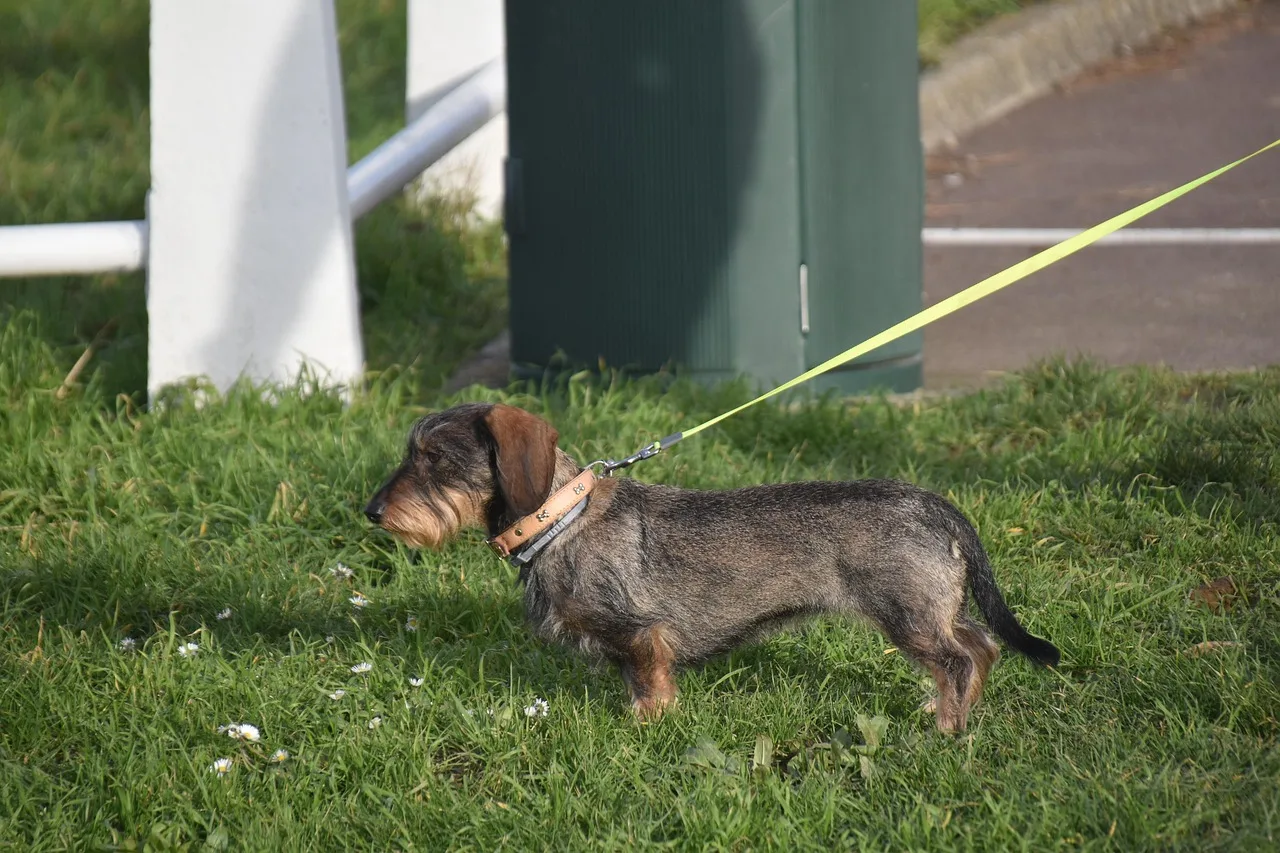
“Because of their long back they’re really prone to intervertebral disc disease,” Dr. Rachel Siu says. Intervertebral disc disease, or IVDD, is when the cushions between the bones of the spine bulge or burst. The UK’s Dachshund Breed Council says about 1 in 4 Dachshunds will have some degree of it, 10 to 12 times the rate in other dogs.
The usual advice, repeated all over the internet and by vets on social media, is to stop the jumping. Keep them off the couch, buy the ramp. A UK survey of 1,975 Dachshunds, called DachsLife, found something else:
| Habit in the UK survey | Odds of back disease |
|---|---|
| Over an hour of exercise a day | about half |
| Under 30 minutes a day | about 2.5 times higher |
| Not allowed on and off furniture | about 3 times higher |
Daily exercise is the habit with evidence behind it. The survey gives no sign that a ramp protects the back. If your Dachshund has already had a disc problem, get the exercise plan from your vet.
Coat type mattered too. Standard wire-haired dogs had the lowest rate in that survey, at 7.1%, and standard smooth-haired dogs the highest, at 24.4%. If you’re choosing, that’s a real difference.
Dr. Siu’s other tip is about money: “I would have a cash fund set aside for in case they need to have back surgery because that does get pretty expensive.” Timing helps there. In the Breed Council’s survey, 76% of cases were diagnosed between ages 4 and 8, and most insurance won’t cover a condition that showed signs before you enrolled. So the time to insure a Dachshund is as a puppy, before any back trouble shows.
Dachshunds hit No. 5 in America in 2025.
#2 The English Bulldog on a hot day
“This isn’t a dog problem, the dogs are suffering, this is a human problem.”
That’s Dan O’Neill of the Royal Veterinary College in London, an author of a big UK study of Bulldog health. His point: people chose the flat face, the folds and the short muzzle, and the dog lives with the bill. Dr. Emily King doesn’t bother sorting them out: “any Bulldog” is on her never-own list.
In UK vet records from 2016, English Bulldogs had 38 times the odds of skin-fold infections compared with other dogs, 27 times the odds of “cherry eye,” a red bulge in the corner of the eye, and 19 times the odds of the breathing disease covered at #1.
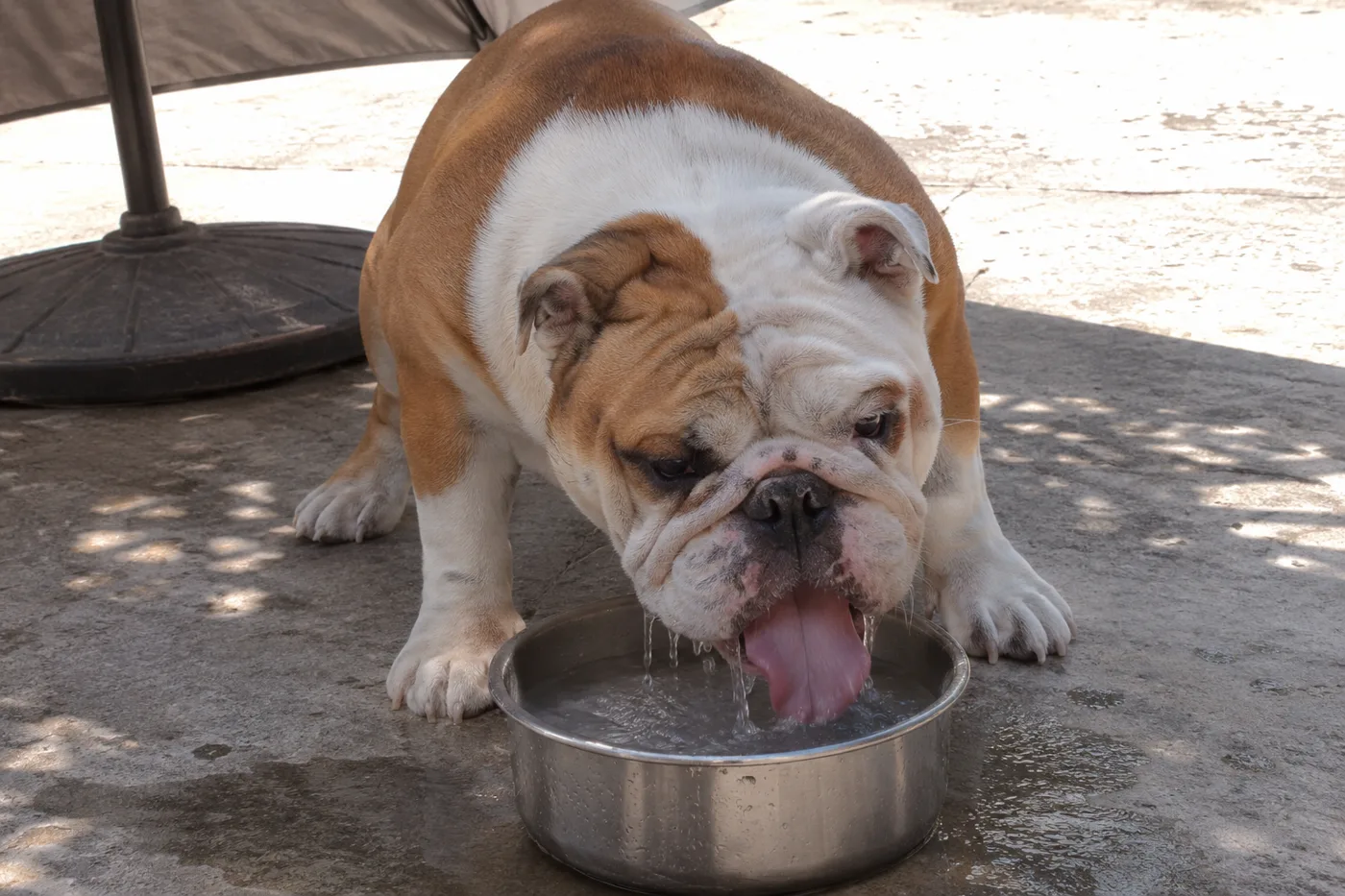
Heat is where it turns dangerous. In UK records, Bulldogs had about 14 times the heatstroke odds of a Labrador, dogs heavier than average for their breed were at greater risk, and about 1 in 7 heatstroke cases were fatal. The Bulldog Club of America’s rules are simple: never leave a Bulldog in a parked car in warm weather, give constant water outdoors, and stay with the dog when it’s out in the heat.
The same club says a well-bred Bulldog should have large, open nostrils. So look at the nose before you fall for the wrinkles. Then ask about the three checks the club requires before a dog gets its health number: heart, kneecaps and windpipe.
Bulldogs have slipped from No. 4 to No. 10 in America. In a large UK study, their median life was 9.8 years.
#1 The French Bulldog’s “normal” snore
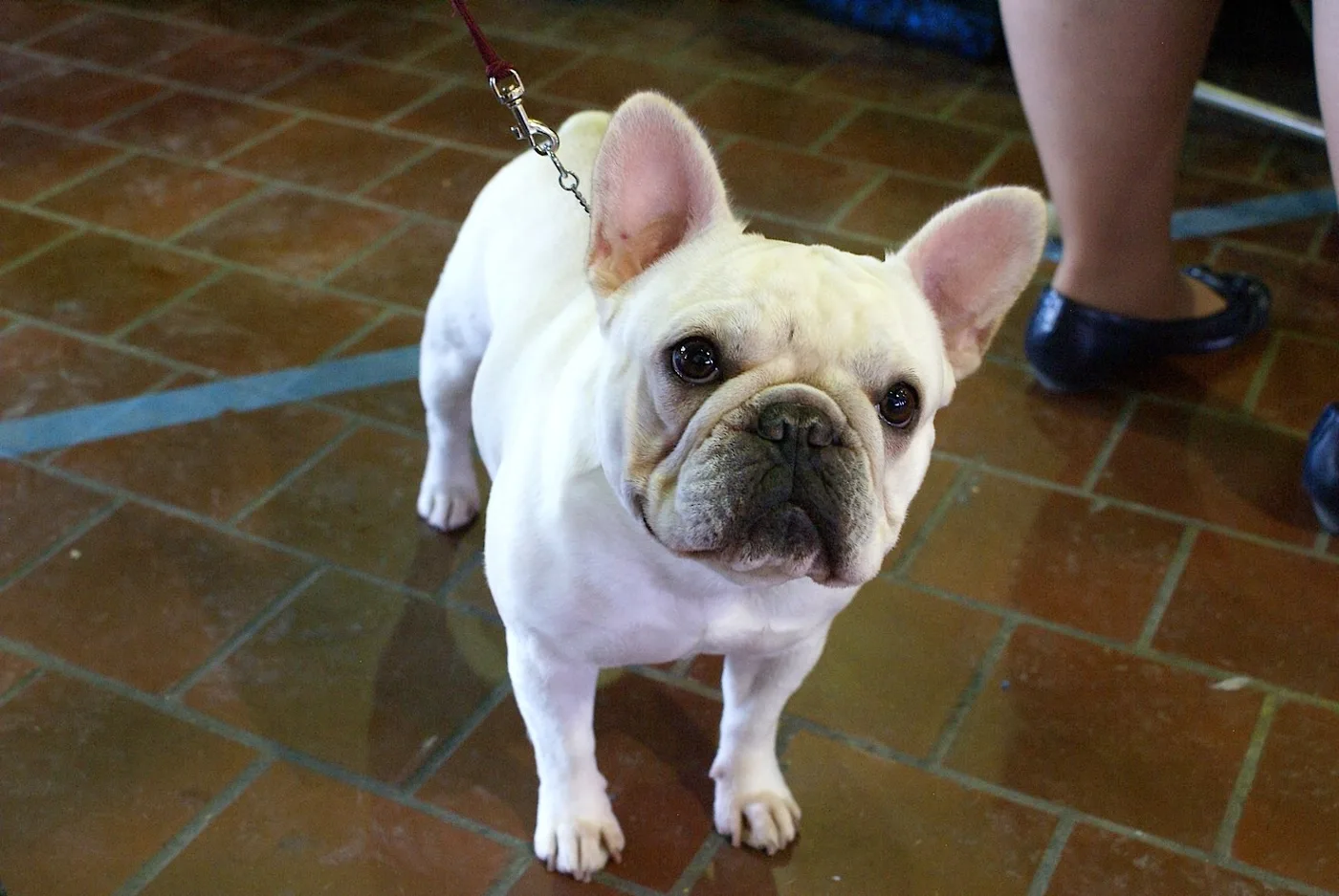
If you’ve shared a bedroom with a French Bulldog, you know the soundtrack: snoring, snorting, the little wet honk after a game of fetch. Most owners hear it as personality.
That’s the problem researchers found. In a 2025 survey of French Bulldog owners in Germany, about 64% of the dogs showed signs that fit brachycephalic obstructive airway syndrome, or BOAS, the breathing trouble built into flat-faced breeds. Only 13% had ever been diagnosed by a vet. The authors say owners often treat breathing difficulty as normal for the breed.
Vet student Alicia describes what that looks like from the operating room. Frenchies waking up from anesthesia want to keep the breathing tube in: “They love that tube because it’s the first time in their entire life that they’re able to breathe well.”
UK vet Ben Simpson-Vernon calls the health problems in flat-faced breeds like French Bulldogs and Pugs “a serious welfare problem.” Clinic staff named flat-faced bulldogs again and again in those TikTok videos. Across all the vets, vet students and researchers we drew on, flat-faced breeds like French Bulldogs are among the ones named most often.
It’s also America’s favorite. The Frenchie was No. 1 on the AKC list for the fourth year running in 2025. We checked every breed the vets and vet student in our research said they’d never own against the AKC’s 2015 and 2025 rankings, and 4 of America’s 15 most-registered breeds were on their lists: French Bulldog, Dachshund, Bulldog and Cane Corso.
Climbing the charts while the risk stays – French Bulldog: 6th in 2015, 1st in 2025 – Cane Corso: 35th, then 11th – Dachshund: 13th, then 5th – Bulldog: 4th, then 10th – Siberian Husky: 12th, then 30th, the one that fell hard
The craze may be cooling: the AKC registered about 54,000 Frenchies in 2025, half as many as in 2023. Its spokesperson, Brandi Hunter Munden, put it simply: “No matter how you acquire your dog, do your research and make sure that a dog fits in your lifestyle.”
The cost shows up two ways. In a large UK study, the French Bulldog’s median life was 9.8 years against 12.5 for dogs overall. And about 23% of the German owners’ dogs had had airway surgery or were booked for it. In the US, MetLife Pet Insurance puts nostril-widening surgery alone at $300 to $1,000, and the full fix of nostrils, soft palate and throat tissue at $3,000 to $5,000, before X-rays, bloodwork and aftercare. In one case, MetLife covered about $4,400 of a $4,800 French Bulldog BOAS bill, but coverage depends on whether the problem showed signs before you enrolled.
Now the test. Ask the breeder for both parents’ OFA Respiratory Function Grading. The French Bull Dog, Bulldog and Pug clubs of America asked for it, and OFA launched it in January 2023. A trained grader listens to the dog’s breathing at rest, then again after a brisk 3-minute walk.
- Grade 0 or 1: normal breathing
- Grade 2 or 3: BOAS
- Grade 3 dogs shouldn’t be bred at all, and two Grade 2 dogs shouldn’t be bred together
Parents graded 0 or 1 are the ones to look for. If your Frenchie is already asleep on your feet, ask your vet to listen to that snore with fresh ears at the next visit, and say the word “BOAS” out loud.
The bottom line
The vets in those videos were describing the dogs that end up on their tables. That makes them the right people to ask about yours, even if your breed made their list.
At your next checkup, try a different question: what does a dog like mine usually get first, and what should we check before it does? That’s why the clinic asks for the breed on the form in the first place.
If you’re still choosing, the parents’ paperwork will tell you more than the puppy’s face. Ask for it before you hand over a deposit, while you can still walk away.
Bonus: Four checks before you sign anything
Look the parents up yourself on ofa.org, and read the actual grades. A CHIC number only means the tests were done, and OFA says it “does not imply normal test results.”
Before you sign up for pet insurance, ask whether the policy excludes the other side of the body once one side has a problem, such as a second knee. Some insurers do.
Treat a shelter’s breed label as a best guess. In a University of Florida study, dogs with no pit bull DNA were labeled pit bull types up to 48% of the time, even by experienced staff.
If you rent, read the lease’s breed list as well as its weight limit. Michelson Found Animals found 80% of pet-allowing rentals enforce breed restrictions.
Questions people also ask
Which is the hardest dog breed to own?
There’s no single answer, but when 218 veterinary professionals were surveyed in 2013, they named the Akita the most challenging breed for new owners, followed by the Chow Chow and Shar-Pei. Huskies and Saint Bernards also made that list. In a separate 2018 survey of US vets, Chow Chows got the highest bite-risk ratings of any breed.
What dog breeds do vets actually recommend?
No formal survey ranks the breeds vets recommend, so lifespan is the best guide available. In a UK study of 584,734 dogs, the longest-lived breeds were the Lancashire Heeler at 15.4 years, the Tibetan Spaniel at 15.2 and the Miniature Dachshund at 14.0. Giant and flat-faced breeds had the shortest lives.
Are mixed breeds healthier than purebreds?
It depends on the disease. A UC Davis study of more than 90,000 dogs looked at 24 inherited disorders and found 13 equally common in both, 10 more common in purebreds and one, a torn knee ligament, more common in mixes. In a large UK study, crossbreeds actually had a slightly shorter median lifespan, 12.0 years against 12.7 for purebreds.
Are doodles really hypoallergenic?
No, and no dog is truly allergen-free, according to the American Academy of Allergy, Asthma & Immunology. Allergens come from saliva, dander and skin oils, and Poodle coats tested among the highest for allergens in one study. The AKC suggests spending 15 to 20 minutes with the specific dog before you commit.
How do I find a breeder who health-tests the parents?
Ask for both parents’ OFA results, then look them up yourself at ofa.org. A CHIC number means a dog finished every test its breed club recommends and the results are public. It does not mean the dog passed, so read the actual grades.
Does pet insurance cover breed-related problems like IVDD or BOAS?
Usually yes, as long as no signs showed up before you enrolled, but incurable pre-existing conditions are generally excluded, according to CNBC Select’s review of policies. AKC Pet Insurance is an exception: it covers incurable pre-existing conditions after 365 days of continuous coverage. MetLife says BOAS surgery may be covered if the condition isn’t judged pre-existing.