A countdown of the dogs Americans love and then regret, from the designer breed its own creator calls a mistake to the vet bills nobody warns you about.
The breed at #1 has a critic you’d never guess: the man who invented it.
The vet’s invoice is folded in thirds on the kitchen counter, and you’ve unfolded it twice. You love that dog. You’d also like to know whether you picked wrong, or whether the dog you’re eyeing next will hand you a bill like this one. Most dog breeds people regret buying are good dogs. They just went home with the wrong expectations, thanks to a movie, a meme or a breeder who skipped the hard parts. The real question is which part of the trouble passes with age, and which part is built in.
Table of Contents
#26 French Bulldog, America’s most popular dog
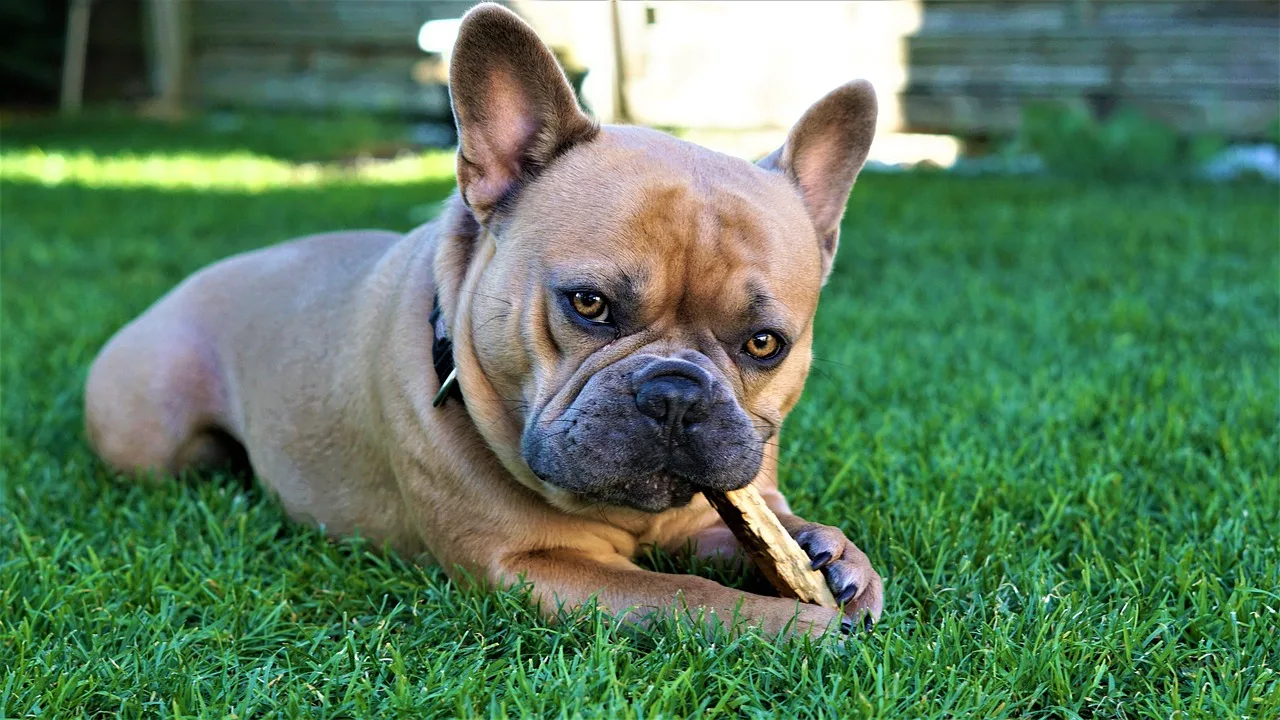
People buy a Frenchie for the face. The face is also the problem.
The French Bulldog has topped the American Kennel Club’s registration rankings four years running. In 2022 it ended the Labrador’s 31-year run at #1. What most new owners don’t hear is how many of those flat little faces struggle to move air.
Vets have a name for it: BOAS, or brachycephalic obstructive airway syndrome. Brachycephalic just means short-skulled. The squashed muzzle crowds the nose, throat and windpipe into too little room. In a UK study that gave flat-faced dogs an actual breathing test, 58.9% of French Bulldogs had breathing trouble serious enough to matter. The strongest warning sign was narrow, pinched nostrils.
The same build makes surgery riskier. An Ohio State University study found flat-faced dogs were 1.57 times as likely to have a complication during anesthesia and 4.33 times as likely afterward, most often pneumonia from breathing in fluid. Alicia, a fourth-year veterinary student who posts as Doctor Alicia, describes the breathing tube that goes down a Frenchie’s throat for surgery:
“They love that tube because it’s the first time in their entire life that they’re able to breathe well.” Alicia, fourth-year veterinary student, on YouTube
Then there’s summer. In UK vet records, Frenchies had 6.49 times a Labrador’s odds of heatstroke. Think of the parked car with the windows cracked, or the walk across blacktop in July.
None of this is a puppy phase. It’s built into the skull. If you’re shopping, look hard at the nostrils on the puppy and on both parents. Open beats pinched. That won’t guarantee a dog that breathes easy, but pinched nostrils were the clearest red flag the researchers found.
Popular isn’t the same as easy – Seven of the 10 most-registered breeds in 2025 appear on this list: the French Bulldog, Labrador, German Shepherd, Dachshund, Beagle, German Shorthaired Pointer and Bulldog. – For the Labrador and the German Shepherd, the catch is only in the field and working lines. – The rankings count new purebred registrations, and mixed breeds remain the most common dogs in American homes.
#25 Field-line Labrador, the athlete sold as a couch dog

Ask anyone for an easy first dog and they’ll say Lab. They’re right about the breed. They might be wrong about the puppy.
Labradors come in two broad types. Show lines are bred to look like the breed standard. Field lines are bred to retrieve birds all day. The AKC registers both under one name, so the papers say “Labrador Retriever” whichever one you bring home.
Lane Kjellsen judges AKC field trials and runs a detection-dog company. His description of field-bred Labs is short: “The field-line dogs have been bred for a long time, with a purpose to work.” The AKC adds that field and working lines produce dogs that can work all day without running out of gas.
A 2016 study of 445 Labradors scored by their owners backs up the difference. Working-line Labs rated noticeably more “responsive” than show-line Labs. That’s a gift on a duck marsh. In a kitchen it can be a handful.
Even the show-line Lab isn’t a lazy dog. The AKC says Labs need daily exercise “to prevent hyperactive or destructive behavior.” A field Lab just raises the bar.
The fix is one question to the breeder: do the parents hunt, run field trials or show? A litter out of hunting dogs is perfect if you hunt and a lot of dog if you don’t. One catch: plenty of litters mix the two lines, and some sellers can’t tell you which side the puppy takes after.
#24 Working-line German Shepherd, the drive people underestimate
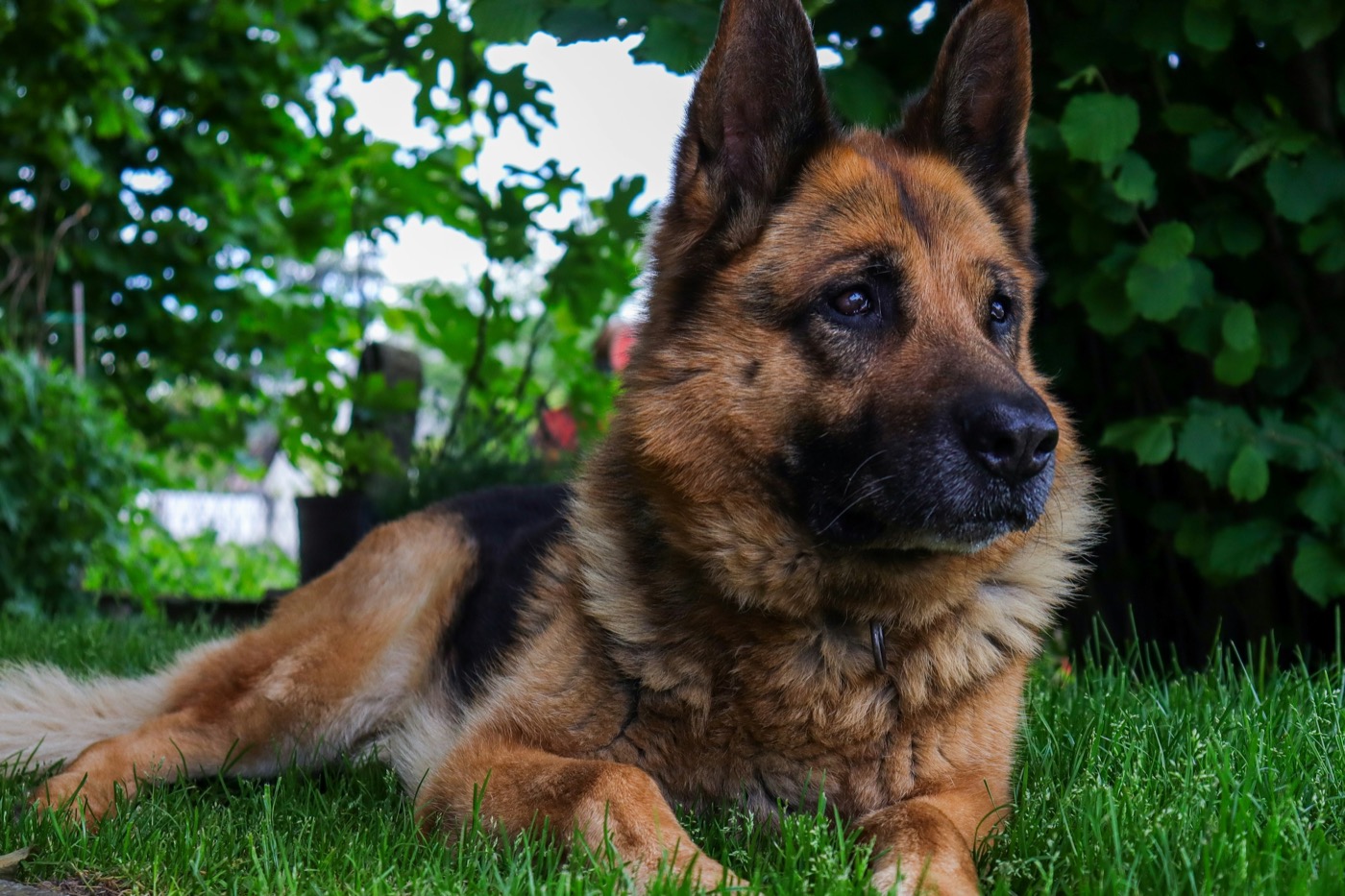
Casey Ray has trained dogs in Arizona since 1995. In a video, he describes a current client. Her husband went looking for a working-line German Shepherd, the kind bred for police and protection work. Now the couple is divorcing, and the dog has landed on her.
“Most people underestimate the drive and intensity and they just think a GSD is a GSD.” Casey Ray, dog trainer, on YouTube
GSD is breeder shorthand for German Shepherd Dog. The breed sits at #4 in the country, but working lines and show lines behave differently. A breeder who sells the calmer West German show lines says working lines are “on average much more driven and quite a bit sharper (easier to bite)” and “can bounce off the walls at home if not given proper exercise.” Keep in mind they have a horse in that race.
Either way, this is a people dog. Becky Slanker, a handler who works with breed rescues, told the AKC: “GSDs were bred to work with people and they do not do well being a yard dog.”
Now the hopeful part, because some of what you’re living through may pass. A study of 285 guide-dog puppies in the UK, including German Shepherds bred for calm trainability rather than protection work, found carers rated them less trainable at 8 months than at 5, then more trainable again by 12 months. The funny detail: the dip only showed up with the dog’s main carer. Like any teenager, the puppy tuned out the person who did the most for it.
Owners of other hard breeds report the same arc. A Rhodesian Ridgeback owner in r/puppy101 wrote, “she’s 20 months now & finally it all seems to have clicked & she’s an awesome dog.”
The teenage stage passes. The working drive doesn’t. Dr. Lucy Asher of Newcastle University, who led the guide-dog study, has one request for owners in the thick of it: “It’s very important that owners don’t punish their dogs for disobedience or start to pull away from them emotionally at this time.”
#23 Siberian Husky, the escape-artist sled dog
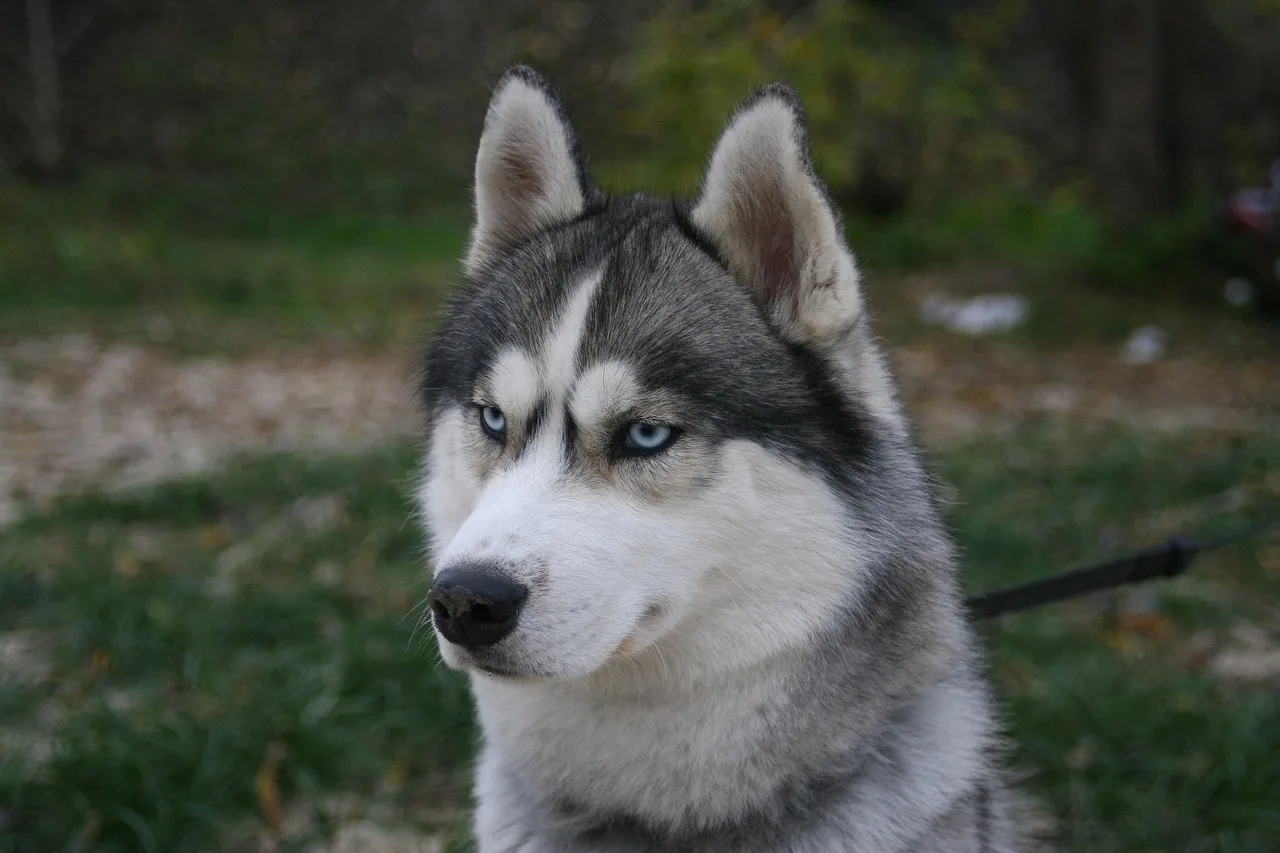
You can spot a Husky home from the curb. There’s a trench along the fence line and a cinder block wedged where the last trench was.
In 2017, Game of Thrones had everyone wanting a dog that looked like a dire wolf. Bay Area buyers were paying “upwards of $2,000”, the local Husky club’s treasurer said, when good breeders charged $800 to $1,000. Then the dogs came back. The club was rescuing four to five abandoned Huskies a month. In one January, a shelter in Burlingame, California took in twice as many Huskies as in the three years before combined.
Patty LaCava of the Bay Area Siberian Husky Club put it plainly: “They are very high-energy. And they’re not super trainable because they get very bored with training.”
The breed’s own US club doesn’t sugarcoat it either:
“If you feel that it is inconvenient or cruel to keep a dog thus confined, then the Siberian Husky is not the breed for you.” The Siberian Husky Club of America, on its breed page
The same club warns that cats and small pets are potential victims of the Husky’s strong predatory instinct. The AKC calls the breed notorious escape artists with a “deep-rooted instinct to run.” That’s no puppy phase. It’s the breed. Stubborn and independent is the point of a dog bred to pull a sled through snow without waiting for orders.
For a home, picture a 35- to 60-pound dog that sheds hard twice a year, the kind of shedding you sweep up in clumps. The Bay Area rescue took in three Huskies in a single year with broken legs from being let off-leash. In the AKC rankings, the breed slipped from #24 in 2023 to #30 in 2025.
#22 Dalmatian, the movie dog nobody could keep

Few dogs have been loved and dropped as fast as the Dalmatian.
Registrations boomed in the early 1990s, and Disney’s live-action 101 Dalmatians in 1996 brought one more wave of impulse buys. Then, the AKC says, “within a couple of years, registration numbers had fallen 97 percent.”
The fallout landed on rescues. Within nine months of the premiere, one rescue in North Miami Beach took in 130 Dalmatians. Pati Dane, who ran it, said: “These animals are paying with their lives because people aren’t informed about them.” Shelters in Los Angeles and Tampa Bay saw the same wave.
The breed club tried to warn people and overshot. Dr. Charles Garvin, president of the Dalmatian Club of America, admitted: “our message went from ‘Dalmatians aren’t for everyone’ to ‘Dalmatians aren’t for anyone.'”
The breed is #50 today, which may be about right for a high-stamina dog that suits fewer homes than the cartoon suggested. If you’ve got a young one wearing you out, the good news comes from owners in r/puppy101. A Dalmatian is among the hard breeds they say finally “clicked” somewhere between one year and 21 months.
Disney noticed too. When 102 Dalmatians came out in 2000, the credits included a note about responsible pet ownership.
#21 Belgian Malinois, the police-video impulse buy
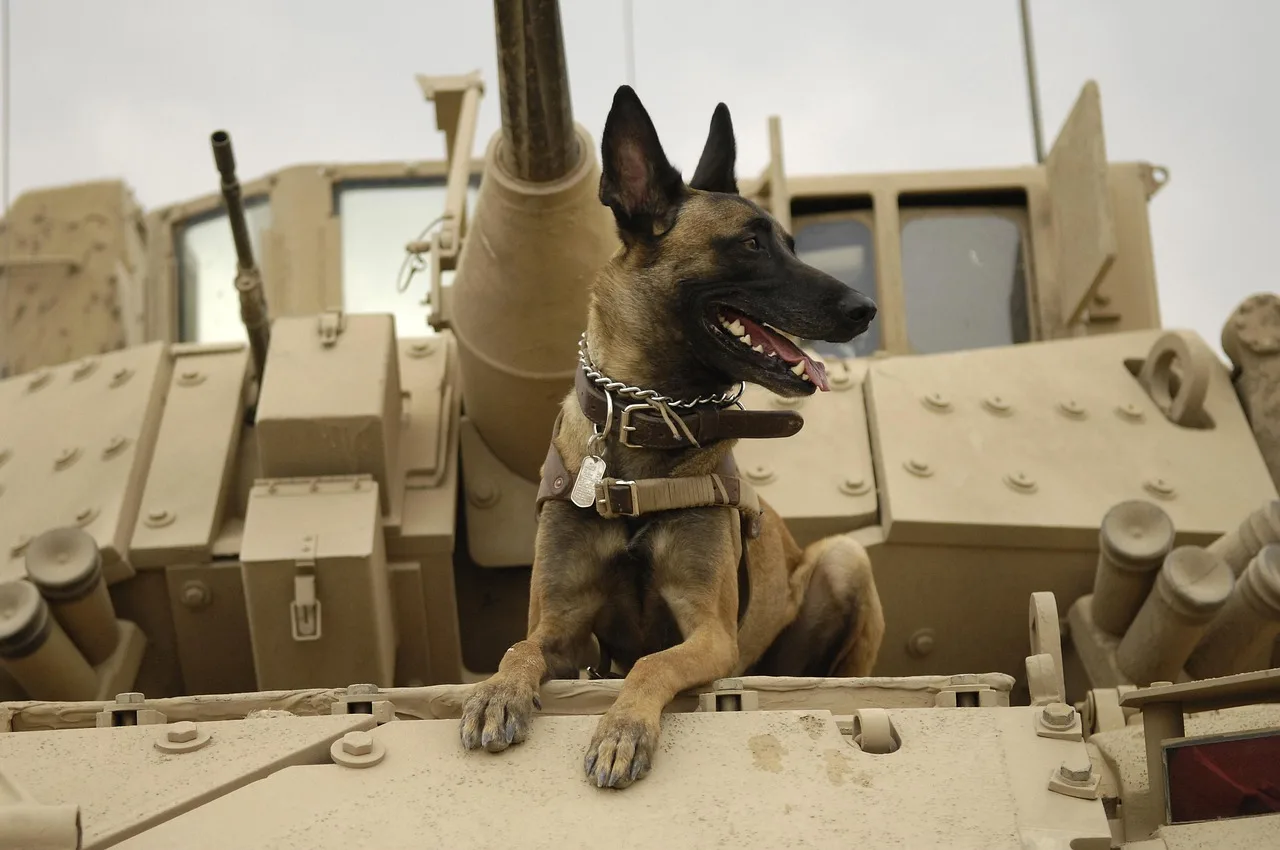
“People are calling and asking to adopt the Air Jordan of dogs.”
That was Taylor Updike Haywood of American Belgian Malinois Rescue, in June 2015, when the war-dog movie Max hit theaters. Today it’s police clips and military videos doing the selling.
The dog in those videos is real. So is what it takes to live with one. Paige Johnson, president of the American Belgian Malinois Club, says the dog “requires confident, experienced owners who understand the dog’s intense personality.”
The AKC is just as direct: the Malinois’s prey drive and boundless energy mean it is not suitable for beginners. It needs significant daily exercise, “much more beyond just one daily walk.”
Hard work is the breed. It doesn’t fade at two.
If the Malinois is still calling to you, the rescue’s president, Marcia Tokson, suggested first-timers “think seriously about adopting an older dog.” It’s sound advice, with one honest limit. An adult Malinois still needs the work every day. You just get to see who the dog is before you sign.
#20 Chihuahua, the tiny dog with a big bark

San Francisco’s animal shelter had a name for it in 2009: “We call it the Paris Hilton syndrome,” said Deb Campbell of the city’s Animal Care and Control.
Celebrity purse dogs, a movie called Beverly Hills Chihuahua, puppy mills and surprise vet bills all fed the wave. That year, Chihuahuas made up 30% or more of the dogs in many California shelters. Oakland’s shelter shipped about 100 of them to Washington, Oregon and Arizona, where people still wanted them.
What surprised buyers most was the noise. Dr. Lindsay Butzer, a small-animal vet in Boca Raton, Florida, doesn’t hedge: “The Chihuahua is known to be an obnoxious barker.” In a 2014 Vetstreet survey of 269 veterinary professionals, the Chihuahua ranked #4 among the noisiest breeds.
The upside is real. It’s a dog you can lift with one hand and fit in almost any home. Just think about who shares your walls. In a condo or an apartment, your neighbors hear that bark at the mail carrier as clearly as you do.
#19 Beagle, Snoopy’s breed who howls and wanders
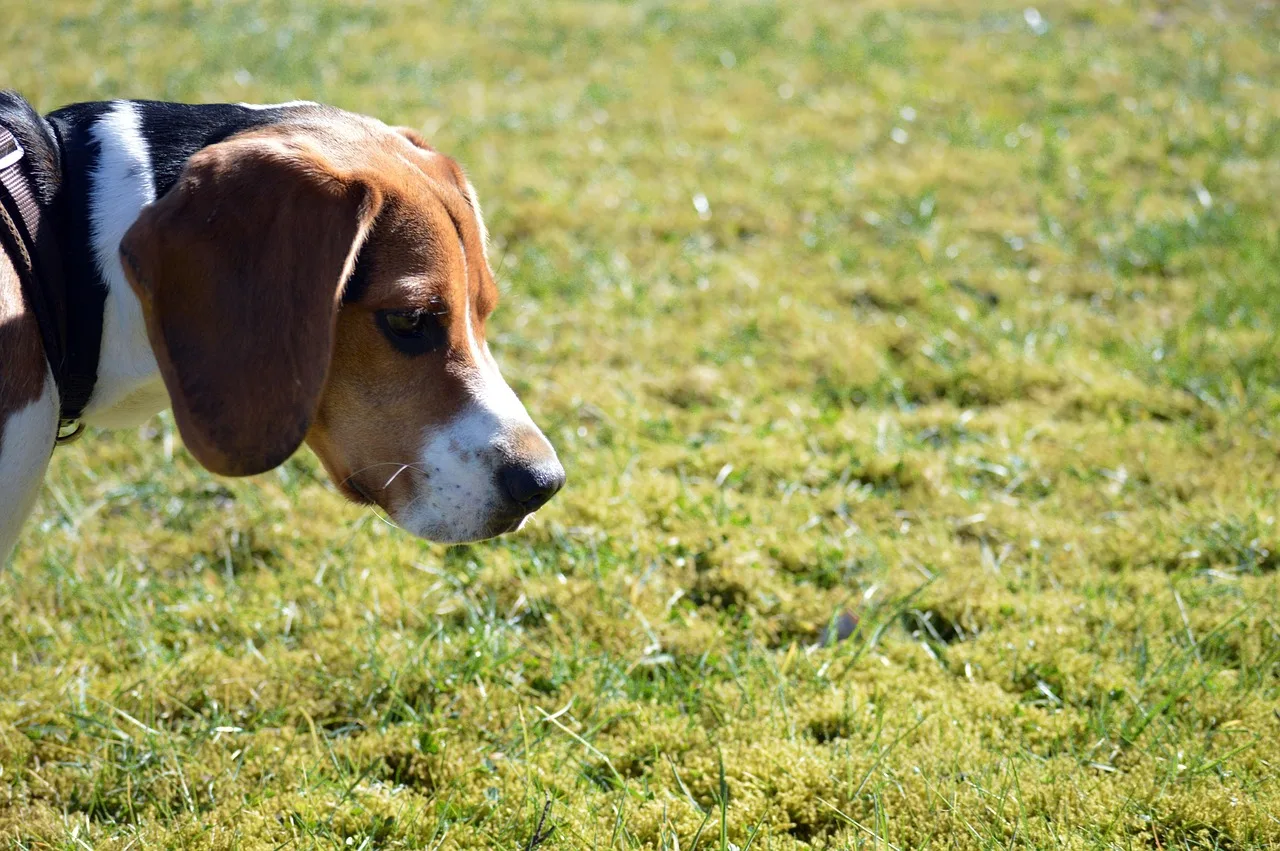
Snoopy lies on top of his doghouse and dreams. A real Beagle puts his nose to the ground and leaves.
The Beagle is America’s #7 breed and a lovely, friendly dog. It also took #1 on that Vetstreet noisiest-breeds survey. Dr. Butzer calls Beagles and Basset Hounds “big singers, howlers and barkers.” If you’ve heard a Beagle bay at a squirrel, you know “barking” undersells it.
Here’s the top of that survey, with several familiar names from this countdown:
- Beagle
- Siberian Husky
- Standard Schnauzer
- Chihuahua
- Yorkshire Terrier
- Jack Russell
- Basset Hound
Further down came terriers as a group, the German Shepherd, and a tie between the Miniature Schnauzer and the Dachshund.
The wandering is the part that catches good owners off guard. You trained the recall. You practiced with treats. Then a rabbit crossed the lawn. Hound Rescue in Austin, Texas sums it up: “When a hound’s nose is on a mission, everything else fades into the background.”
Their rule is the one to live by: “Even the best-trained hound shouldn’t be trusted off-leash unless in a fully enclosed space.”
#18 Cocker Spaniel, the bouncy “nice-sized” family dog

Medium size, silky ears, a tail that never stops: the Cocker looks like the dog you’d draw if someone asked for “a nice family dog.” For most of the 1980s, America agreed. The Cocker Spaniel was the most popular dog in the nation from 1983 to 1990. Today it sits at #33.
What the picture leaves out is the bounce. You know the moment: guests at the door, good slacks on, and a happy spaniel who greets everyone at chest height with both front paws.
The bigger surprise is under those ears. In Finnish vet records covering nearly 99,000 dogs, 27% of American Cocker Spaniels had ear infections, compared with 15.7% of English Cockers. About 13% of the affected American Cockers needed ear surgery (11 of 85 dogs). Ears are a lifelong trait of the breed, not a stage.
If you love the look, the English Cocker is worth a long look. It had the lower ear-infection rate, and it’s on the AKC’s own list of breeds for seniors.
Whichever you pick, start your ear budget early. Nearly half the affected American Cockers had their first infection before their first birthday, so the ear bills can arrive right alongside the puppy shots.
#17 Bull Terrier, Spuds MacKenzie’s stubborn breed
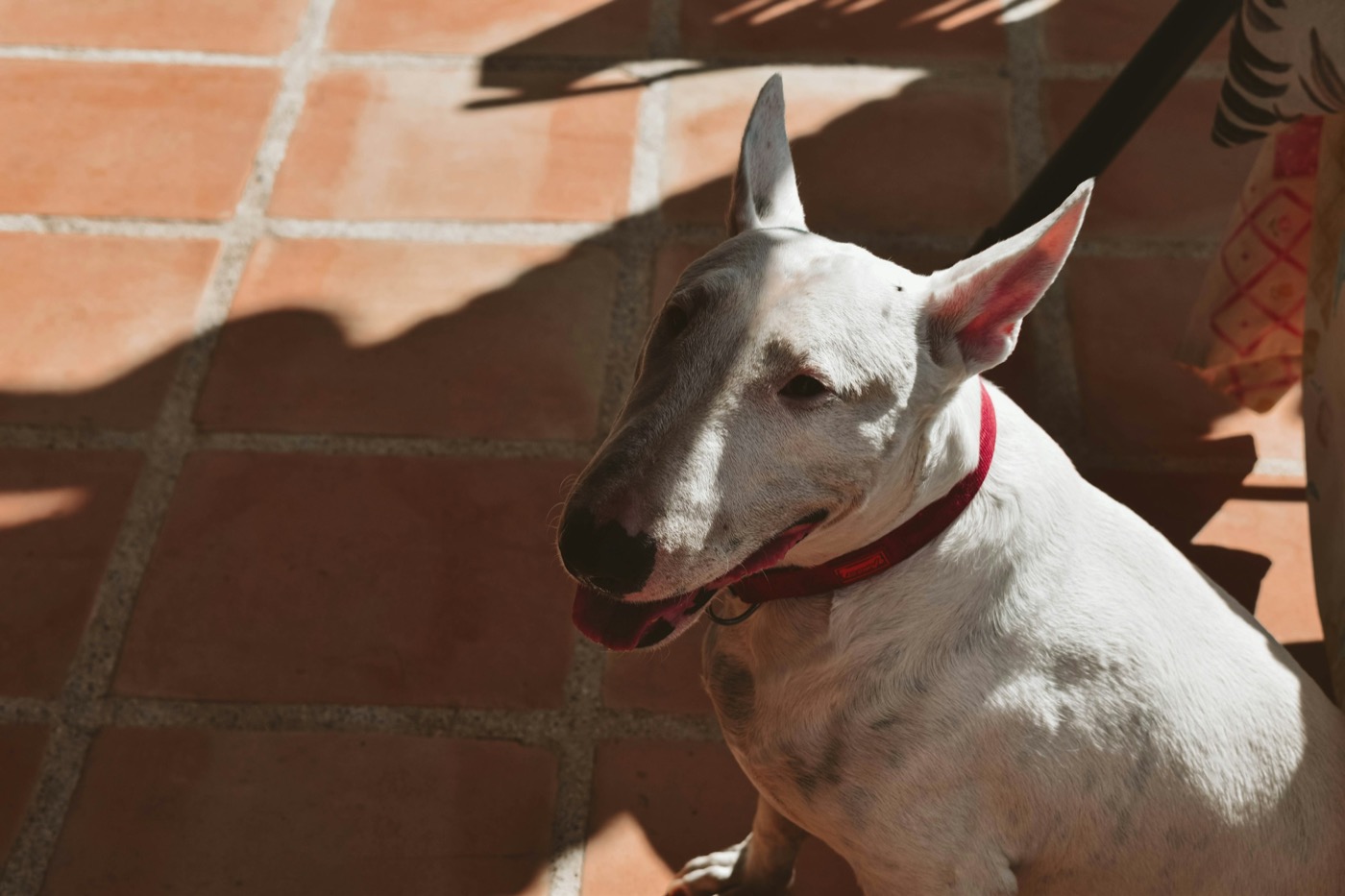
The party dog in those Bud Light ads was a girl.
Spuds MacKenzie debuted at the 1987 Super Bowl and helped push Bud Light sales up 20%. “He” was actually a female Bull Terrier named Honey Tree Evil Eye, Evie to her friends. Spuds retired in 1989. Target’s Bullseye took over the breed’s public image in 1999.
Neither mascot prepares you for the personality. The AKC calls Bull Terriers “an intelligent, free-thinking breed, which can make them a bit stubborn.” That egg-shaped head contains its own opinions.
Here’s the habit few buyers hear about. In a study of 368 dogs from four breeds in Finland and France, Bull Terriers had the highest rate of compulsive tail chasing. That means spinning after their own tail, over and over, well past the point of play. It started at 3 to 6 months, and the dogs that did it had left their mothers earlier, at about 7 weeks on average versus 8 for dogs that didn’t.
So ask the breeder one plain question: what age do the puppies go home? The study found a link, not a guarantee, but a puppy rushed out the door early is the one to pass on.
#16 Pomeranian, the fluffy dog that picks fights

Every dog park has one: a puff of orange fur marching straight up to a German Shepherd as if it owns the place.
That confidence is charming right up until the bigger dog takes it seriously. Dr. Patty Khuly, a vet, describes “BDLD,” short for big dog, little dog. These are the injuries a large dog can do to a small one, sometimes badly hurting them.
The vet bills don’t end in the exam room. Khuly warns that “expenses can get impressive after weeks of intensive wound care.”
Then there’s the coat. The AKC highly recommends a professional groomer every four to six weeks on top of frequent brushing at home. That’s a standing appointment about nine to 13 times a year, every year.
The Pomeranian is America’s #19 breed and on the AKC’s list for seniors, and it’s easy to see why. It’s light and portable, and it’s sure you’re the best thing in the world. Just pick the small-dog side of the park.
#15 English Bulldog, the sweet dog with big vet bills

Most dogs give birth on their own. Most English Bulldogs don’t.
In one UK study, 86% of English Bulldog litters were born by C-section, with French Bulldogs close behind at 81%. In some countries, the breed is excluded from insurance claims for birthing problems. That alone tells you where the heads and hips have ended up.
You probably won’t breed one, so here’s what lands on your bill. UK vet records on more than 2,600 Bulldogs found skin-fold infections in about 1 in 15 Bulldogs, against 1 in 500 other dogs. Those are the deep wrinkles that make the face. The same records showed big jumps in cherry eye, where a gland pops out of the corner of the eye like a small red bead, and in breathing trouble.
Heat hits them harder than almost any dog. Bulldogs had nearly 14 times a Labrador’s odds of heatstroke in UK records.
The Bulldog is still America’s #10 breed, and few dogs are sweeter on a lap. The researchers who studied all those records asked for “immediate redefinition” of the breed toward a more moderate build. If you buy one, the more moderate the face and folds, the better your odds.
#14 German Shorthaired Pointer, high energy all day
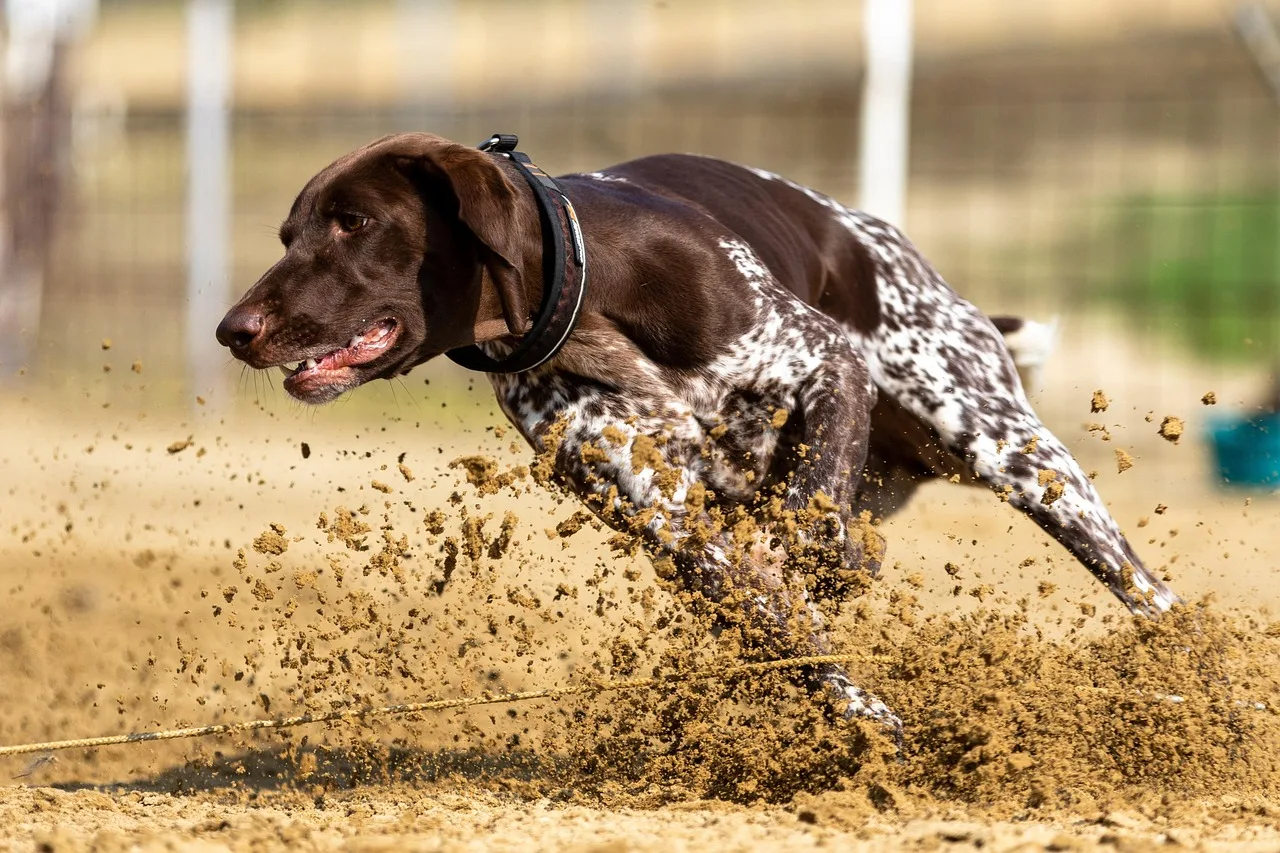
Plenty of buyers see a sleek, friendly, medium-size dog and think “manageable.” Casey Ray, the Arizona trainer, sees a dog bred to hunt from dawn to dusk:
“This isn’t high energy for an hour. This is high energy all day.” Casey Ray, dog trainer, on YouTube
The AKC recommends two daily sessions of real exercise, then adds: “with a GSP, there’s no such thing as too much exercise.” Their prey drive can make them bolt off-leash or go over a fence or wall.
PetMD’s vet-reviewed profile says a GSP that isn’t hunting needs at least one to two hours of intense exercise every day. Without it, the dog becomes troublesome and often destructive. In real life, destructive means the drywall, the deck railing, the garden hose. PetMD calls the breed a poor match for first-time owners.
Run that exercise number out over a year and it’s 365 to 730 hours. The top end is about 18 full-time work weeks spent running a dog.
That’s why a top-10 breed (#9 for 2025) keeps turning up on “not for beginners” lists. It’s a wonderful dog for someone who hunts, runs or hikes most days. For anyone else, it’s a 45- to 70-pound dog with a full tank and nowhere to go.
#13 Chow Chow, the teddy bear vets are wary of
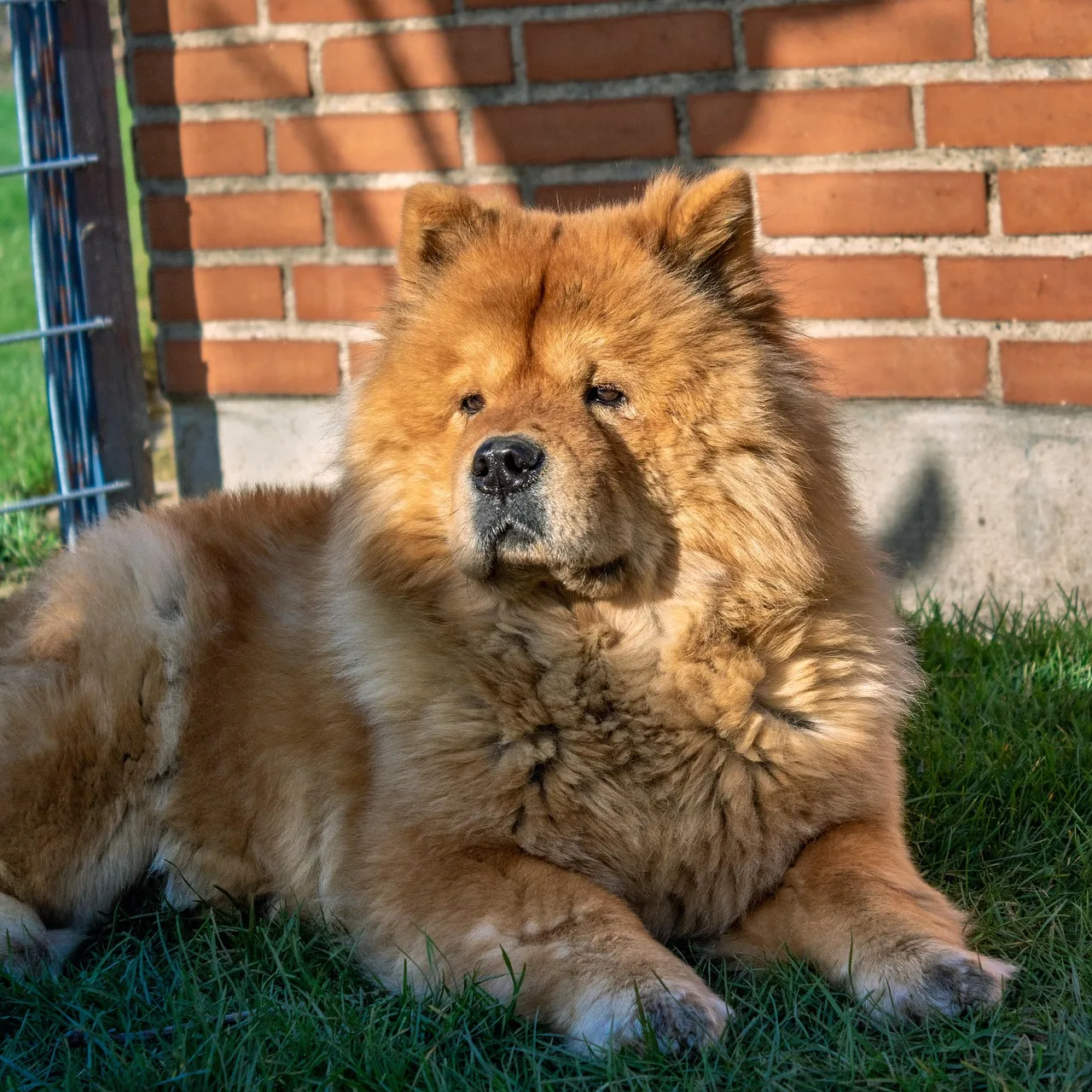
It looks like the stuffed bear on a child’s bed. It doesn’t want to be hugged like one.
VCA Animal Hospitals, a big US vet chain, says it plainly: the Chow “doesn’t particularly enjoy being petted, cuddled, or fussed over.” VCA says it suits confident, experienced owners. That’s the breed’s temperament, not a phase it grows out of.
The look-versus-personality gap has burned buyers before. Chow registrations went from about 11,700 in 1979 to more than 50,000 in 1988, when it was the sixth most popular breed. By 1996, they’d fallen back to about 13,600. A breed club blames “ill-bred, ill-tempered” puppies churned out during the boom. Today the Chow sits at #94.
Two health points matter for your budget. VCA notes that, like other short-nosed breeds, the Chow doesn’t handle anesthesia well. And of every breed in a UK study of more than 900,000 dogs, Chows had the worst heatstroke risk: 16.61 times a Labrador’s odds, the highest of any breed in this countdown.
Add brushing at least twice a week through that thick coat, on a dog of 50 to 75 pounds.
#12 Australian Cattle Dog, the heeler that nips
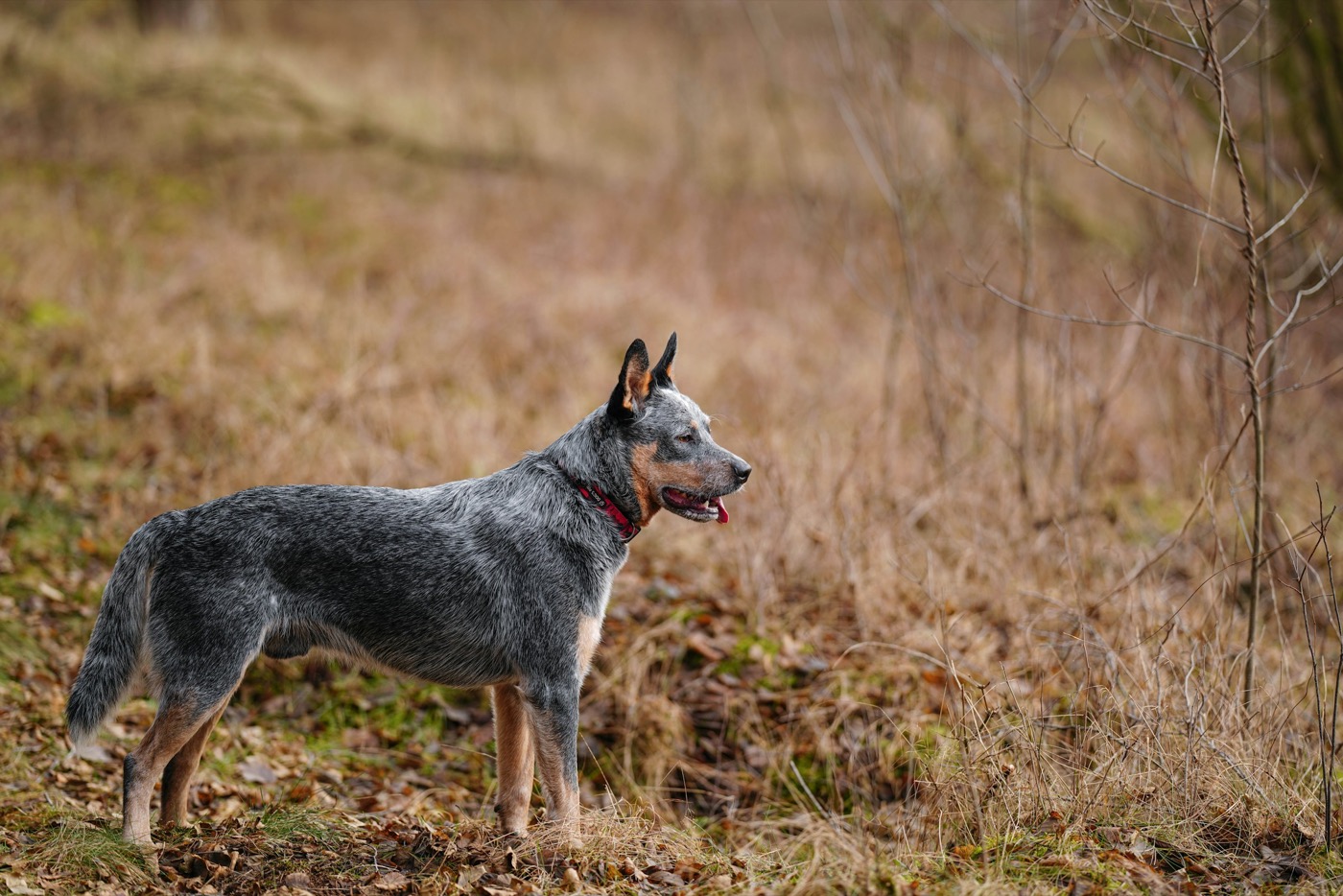
There’s a reason it’s called the Blue Heeler. These dogs were bred to move stubborn cattle by nipping their heels.
Stephanie Gibeault, a certified professional dog trainer writing for the AKC, explains the mechanism. “For Heelers, the predatory sequence stops at grab/bite.” The dog isn’t trying to hurt anyone. It’s trying to steer them.
The reaction that makes it worse is the natural one. If visiting kids run from a dog that nips their feet, Gibeault says, that “will only trigger the behavior to continue.” To a heeler, a running child is a calf that needs moving.
These herding instincts are bred in, so plan to manage the habit for life rather than wait it out. If kids come over, the first rule they need to learn is the hardest: don’t run. A trainer can help give that herding drive a better outlet.
The breed has climbed only modestly, from #52 in 2023 to #47 in 2025. It’s not a fad dog. It’s a ranch dog that ended up in a lot of suburbs.
#11 Weimaraner, the gorgeous dog that hates being alone
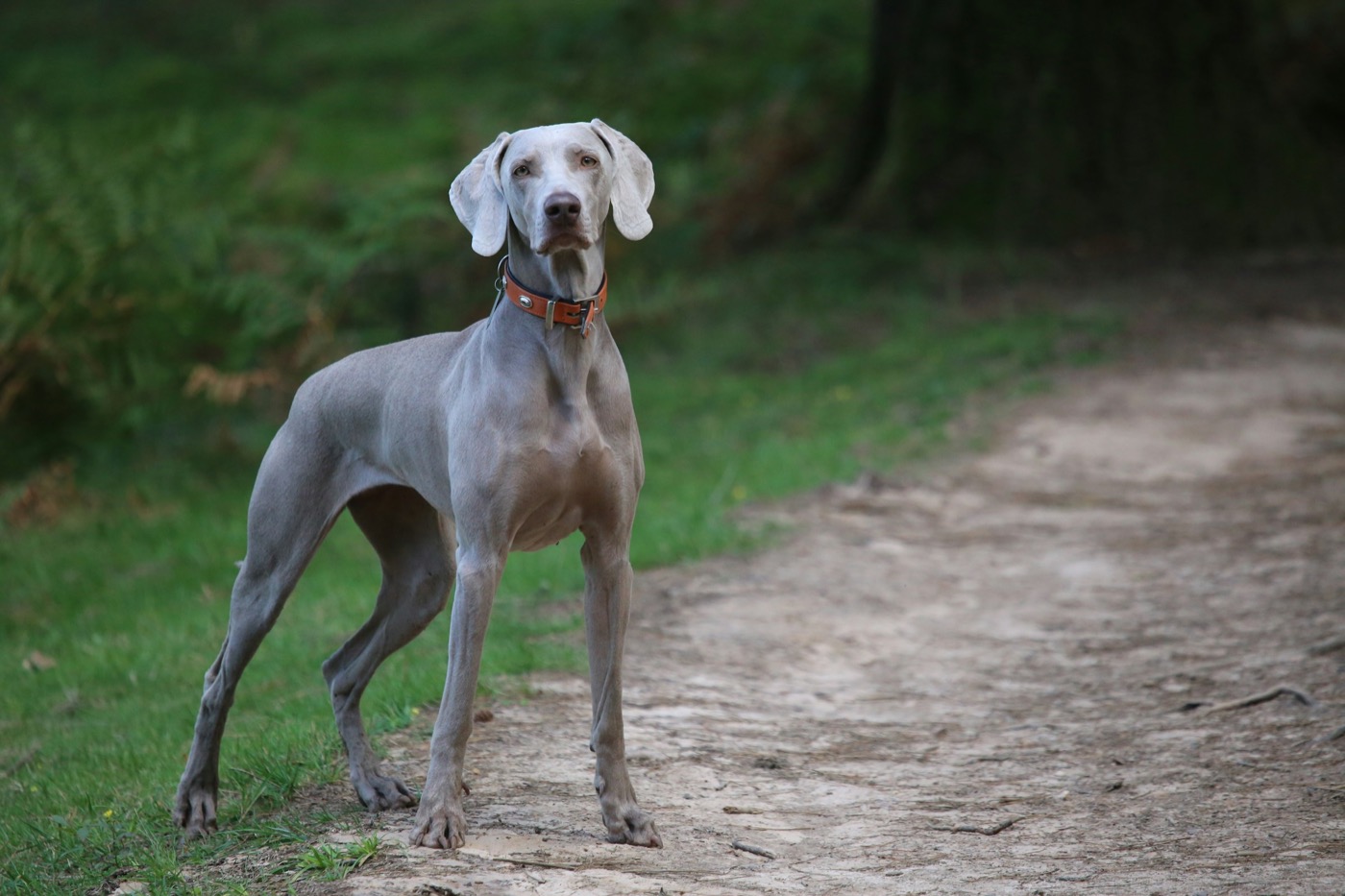
If you’ve ridden the New York City subway, you may have met William Wegman’s Weimaraners. The photographer’s gray, solemn-faced dogs appear in 11 mosaic murals in one station.
They look calm in tile. At home, they’re velcro.
The Weimaraner Club of America warns that these dogs “can get depressed and act out if they are ignored.” That can tip into separation anxiety: panic when the dog is left alone. PetMD’s vet-reviewed profile says an anxious Weimaraner may bark excessively or try to escape. It also wants at least two hours of activity every day.
What buyers expected was a sleek, silvery companion for quiet days. What they got is a big dog, with males at 70 to 90 pounds, that wants to be in the room with you, then outside with you, then in the car with you. That’s lovely if you’re home most of the day. It’s a hard fit if you travel, volunteer or spend long days out.
Ask yourself one question before you buy: how many hours a week is the house empty?
#10 Border Collie, the genius that needs a job
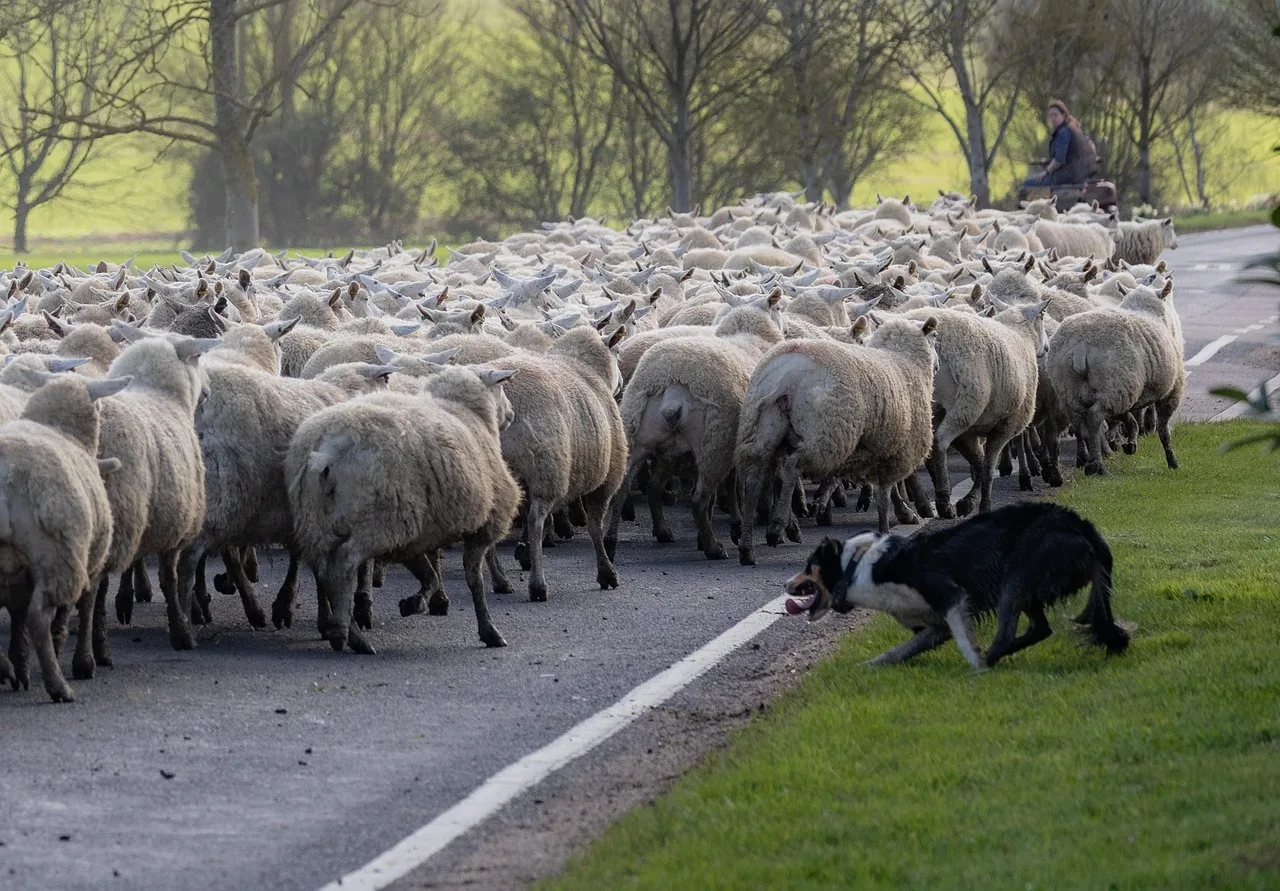
“Smartest dog in the world” sounds like a selling point. It’s actually a job description.
The Border Collie tops psychologist Stanley Coren’s famous ranking in The Intelligence of Dogs. It measures how fast a dog learns commands and obeys, not all-round intelligence. A dog that learns everything fast also learns the bad stuff fast.
Border Collie Rescue of Northern California, which takes these dogs in when homes give up, says a working Border Collie can run as much as 100 miles a day. That’s the rescue’s estimate, not a measured study, but its next line rings true to anyone who’s owned one: “A one or two mile walk… is barely a warm-up.”
The herding instincts don’t switch off indoors. The same rescue says one of the most common reasons people surrender a Border Collie is that it nips or snaps at children. It’s the same herding grab as the heeler at #12, aimed at whoever moves fastest.
None of that fades with age. A Border Collie is one of the longest-lived breeds in this countdown, so you’d be giving it that job for a long time.
#9 Boxer, exuberant enough to knock you over

You open the door with a bag of groceries in each arm. Your Boxer launches straight up to say hello, all of him at once.
The AKC doesn’t pretend otherwise: “When excited, which is every time they greet a beloved human, they are known for jumping up and down in exuberance.” It calls the Boxer a better fit for experienced owners and active lifestyles, and says that bouncy temperament makes it a poor match for small children.
Being knocked down is a risk with any big, bouncy dog. Across all breeds, the CDC found that about one in five dog-related falls involved being pushed or pulled by the dog, and emergency-department fractures from walking leashed dogs among Americans 65 and older rose from 1,671 to 4,396 a year between 2004 and 2017. The CDC’s fix is obedience training, so the dog learns to keep four feet on the ground and walk without hauling.
The Boxer is America’s #18 breed for good reason. It’s goofy, loyal and great company. If you’re looking at one, choose an adult whose greeting you’ve already met.
#8 Great Dane, Scooby-Doo’s short life

Scooby has been solving mysteries for about as long as most of us can remember. Real Great Danes don’t get that kind of run.
A vet-reviewed breed profile puts the Great Dane’s lifespan at 7 to 10 years. That’s a 110- to 175-pound dog who’s a gangly teenager for the first two years and a senior not long after.
The big threat is bloat. The stomach fills with gas and can twist on itself, and it’s an emergency. Purdue research ranked the Great Dane the #1 breed at risk. After a dog survives one episode, it comes back 76% of the time without surgery and 6% of the time with a gastropexy, where the vet tacks the stomach in place so it can’t twist. That’s why many owners have it done at the same time as spaying or neutering. It isn’t cheap: at NC State University’s veterinary hospital, the keyhole-surgery version cost $2,000 on its own in 2024, or $2,200 done together with a spay.
The same profile lists heart disease, hip dysplasia and Wobbler syndrome, a spinal problem in the neck, among the breed’s main risks.
The Great Dane is #22 in the country and one of the gentlest giants around. Ask about gastropexy at the first vet visit, while there’s still time to plan for it.
#7 Cane Corso, the guardian rising fast
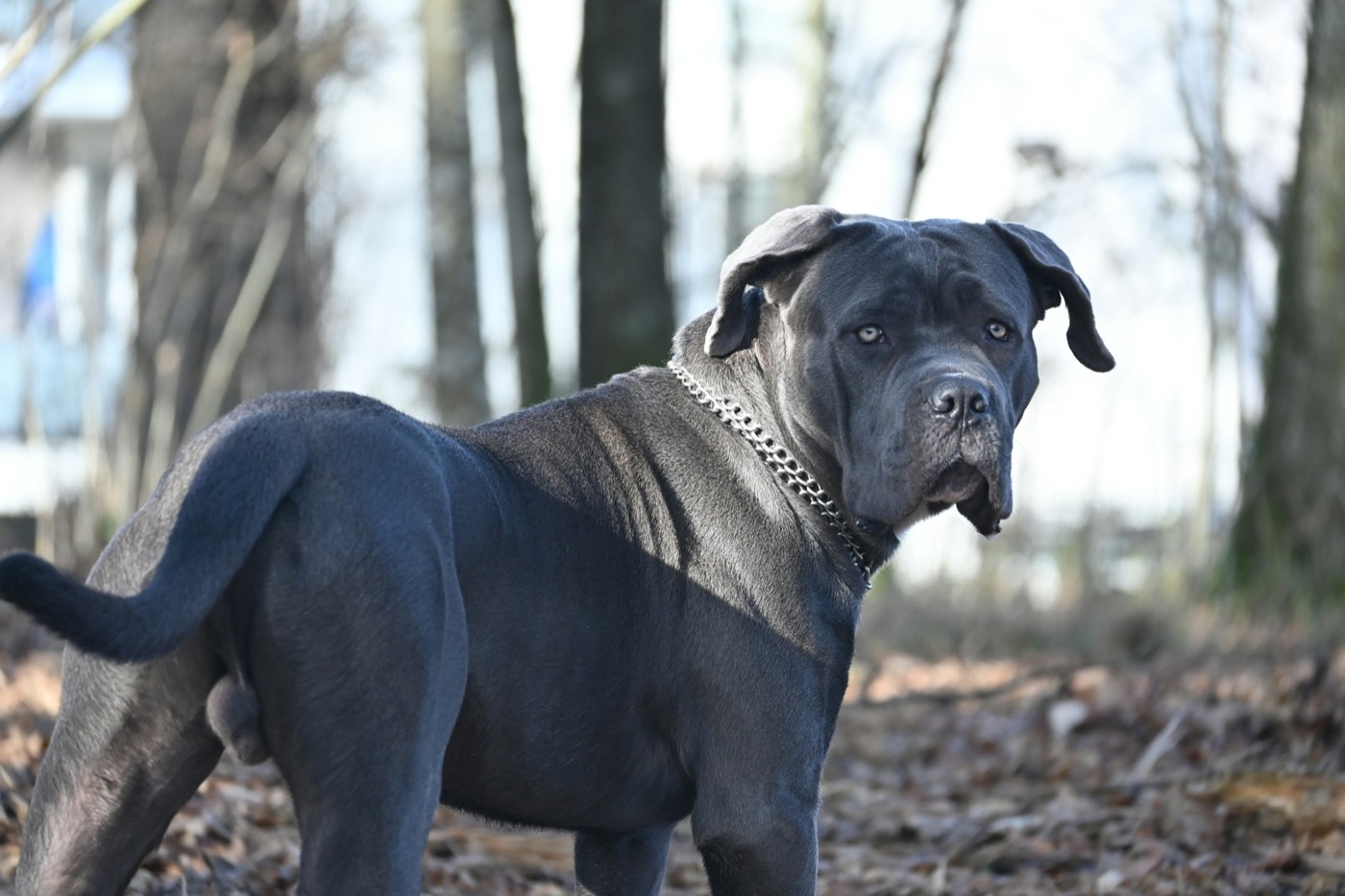
You may not have met one yet. You will.
The Cane Corso, an Italian breed, jumped from #14 to #11 in one year. It now ranks just ahead of the Cavalier King Charles Spaniel, and two years earlier it sat at #16.
The AKC’s own description should slow buyers down. These dogs “can stand close to 28 inches tall and often weigh more than 100 pounds.” The breed is “generally not recommended for first-time owners due to their size, strength, and need for structured training,” and it “may not be the best fit for households with small children.”
Guarding is what the breed was made for. Training shapes it. It won’t go away.
In plain terms: a dog that outweighs plenty of adults, built to be suspicious of strangers, needs an owner who has handled one before. If that’s you, it’s a loyal, serious companion. If it isn’t, this is the breed to admire at a friend’s house.
#6 Irish Wolfhound, the gentle giant with a short life
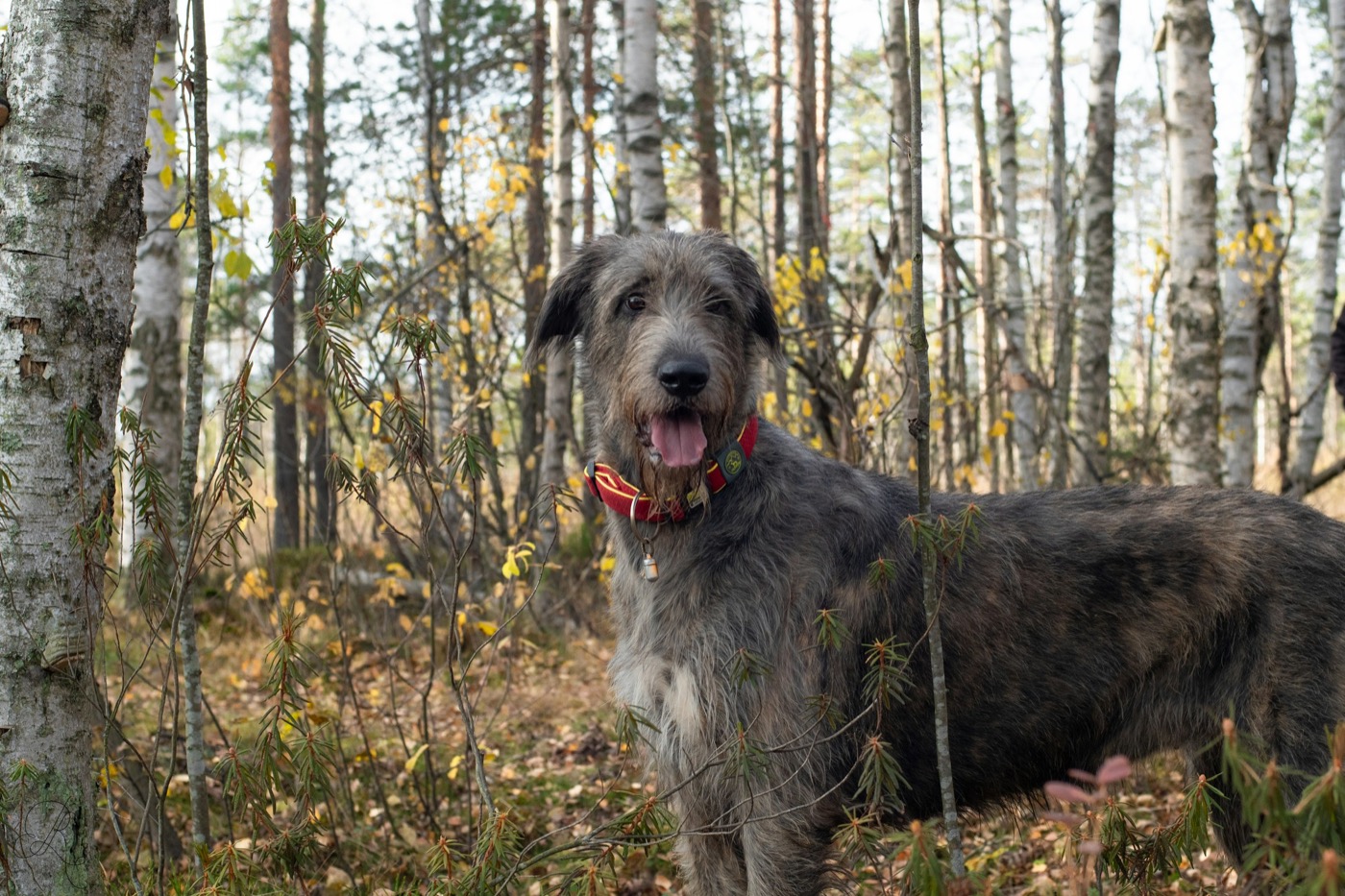
The tallest dog in the room is often the sweetest, and the Irish Wolfhound is famously gentle. The hard part is time.
The Irish Wolfhound Foundation tracks how long these dogs live in North America. The average age at death has held at 7.5 to 7.8 years from 2000 to 2025, with “minimal change.” Bone cancer still kills 20% of them.
Do the math on your own calendar. A wolfhound puppy you bring home now would, on average, be gone before its eighth birthday. Hold that up against your plans for the next eight years: moves, trips, a smaller place someday. Then decide.
Size shapes every cost. A six-month-old male “might tip the scales at about 100 pounds,” the AKC says. Medicines can run two to three times the amount an average dog needs, and the breed needs good-size, securely fenced running room. The AKC calls it “a fairly expensive dog to properly maintain.”
Here’s how the wolfhound stacks up against other breeds in this countdown. Only the wolfhound figure comes from North American dogs. The rest come from UK vet records.
| Breed | Average life expectancy | Where the figure comes from |
|---|---|---|
| Irish Wolfhound | 7.5 to 7.8 years | North America |
| Boxer | 10.04 years | UK |
| German Shepherd | 10.16 years | UK |
| Cavalier King Charles Spaniel | 10.45 years | UK |
| Labrador Retriever | 11.77 years | UK |
| Border Collie | 12.10 years | UK |
| Jack Russell | 12.72 years | UK, longest of 18 breeds studied |
#5 Jack Russell, Eddie from Frasier in real life

The most famous Jack Russell in American living rooms started out as a dog nobody could keep.
Moose, who played Eddie on Frasier from 1993 to 2000, was born in Florida and given up as a youngster. His early record reads like a list of every Jack Russell complaint: “He could not be house trained; he chewed everything; he dug and barked a lot; and he was constantly escaping and climbing trees.”
Then trainer Mathilde de Cagny took him on at about two and a half. Same dog, same energy, now with a job. He spent seven seasons staring down Kelsey Grammer and lived to 15.
That’s the breed in a nutshell. The AKC describes the closely related Parson Russell as “fearless enough to dig in and flush a fox from his lair” and calls these terriers “independent problem solvers” who “can have their own ideas.” The prey drive that sends one down a hole after a fox is the same one that sends it under your fence after a chipmunk.
One quirk if you’re shopping: the AKC doesn’t register a “Jack Russell.” It splits them into the Parson Russell Terrier (#121) and the shorter-legged Russell Terrier (#60).
If you have one, Moose’s story is your evidence: the dog didn’t change. It got something to do.
#4 Cavalier King Charles Spaniel, sweet but heart-prone

On paper, the Cavalier is the perfect retirement dog. The AKC’s list of breeds for seniors praises it as trainable and happy with either an active life or “snuggling in a big leather chair.”
All of that is true. The heart numbers tell you something else.
Mitral valve disease is a leaky valve in the heart, and it’s what most often kills Cavaliers. CavalierHealth.org, a breed health advocacy site, says it affects “over half of all cavalier King Charles spaniels by age 5 years” and “greater than 90% by age 10+.” A Swedish study backs up the early numbers: 53% of Cavaliers checked at about age 6 had heart murmurs. A breeding program started in 2001 hadn’t moved that figure by 2009.
So go in with eyes open. If you buy a Cavalier, you’re very likely buying a dog that will need heart care in middle age. The same advocacy site recommends a heart exam every year from age one.
That’s no reason to skip the breed. It’s a reason to budget for cardiology from the start. At NC State University’s veterinary hospital, a full heart workup, including an ultrasound of the heart, runs $600 to $1,400, plus a first cardiology exam fee of about $212.
#3 Dachshund, the long back and the stairs
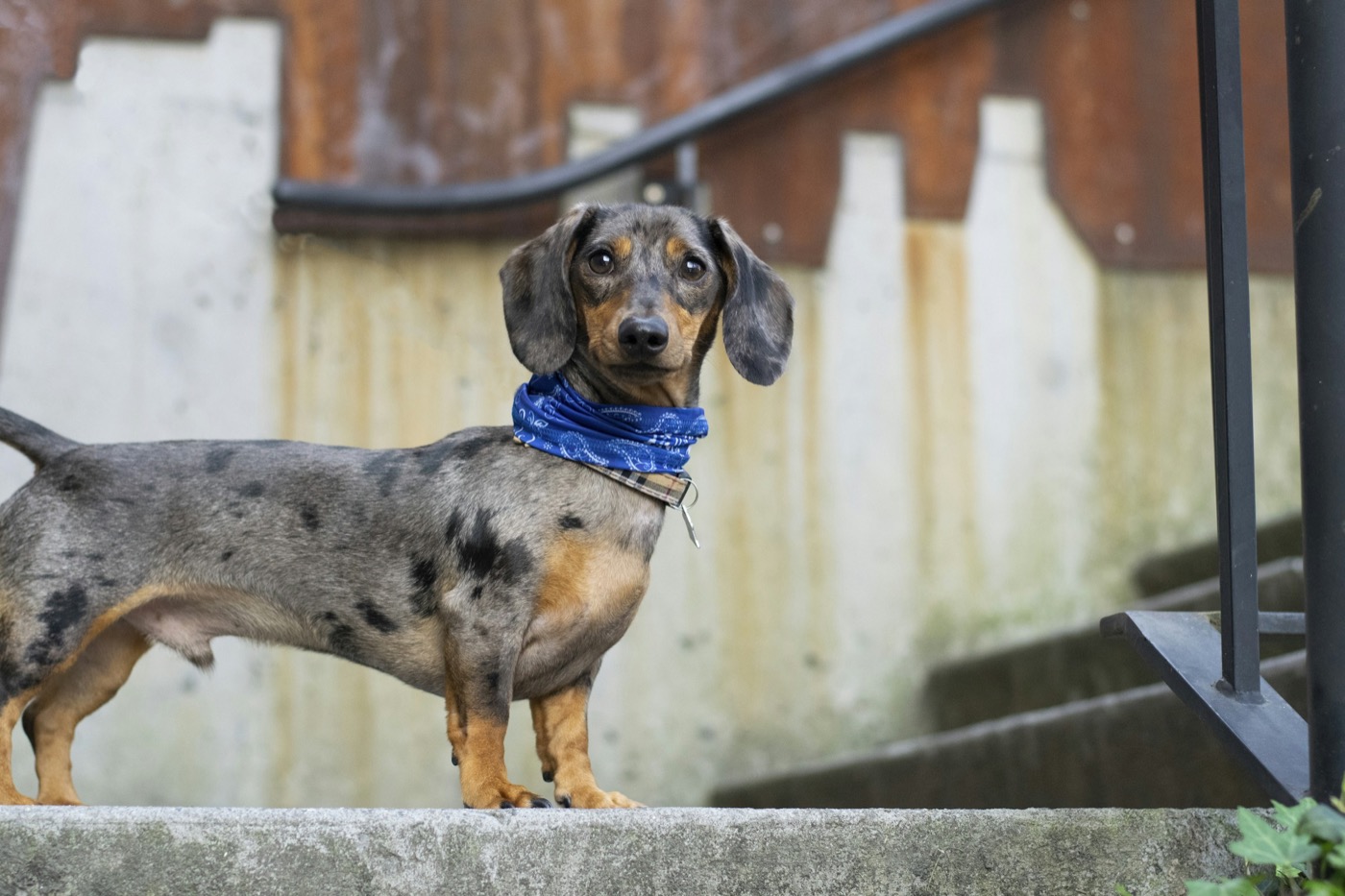
Everyone who’s ever owned a Dachshund has been told the same thing: no stairs, no jumping, or you’ll ruin his back. The best research on the question suggests that advice may be backwards.
First, the risk itself. Dachshunds are prone to IVDD, or intervertebral disc disease. A cushioning disc in the spine bulges or bursts, which can mean pain or even paralysis. YCA Dog Training, a UK trainer who owns two miniature Dachshunds, says it simply: “They’re prone to IVDD.”
A large owner survey of more than 2,000 Dachshunds, mostly in the UK, found a lifetime IVDD risk of 15.7%, peaking at 8 to 10 years old. Coat mattered a lot. Standard Wire-Haired dogs had the lowest rate, at 7.1%, and Standard Smooths the highest, at 24.4%. A 2026 study of 4,295 Dachshunds found small smooth-coated dogs had the worst spinal health of all.
Now the surprise from that same survey:
- Dogs that climbed a flight of stairs every day had lower risk than dogs that never did.
- Dogs exercised more than an hour a day had about half the odds. Dogs getting under 30 minutes had higher risk.
- Dogs that weren’t allowed to jump on furniture had higher odds, not lower.
The researchers call these links a starting point for more study, not proof that stairs protect a back. So a ramp is still a reasonable precaution. But a fit, lean, active Dachshund looks like a safer bet than a protected, sedentary one. The AKC’s own advice for this breed is weight control and “a couple of short walks a day.”
Stubborn and independent? Casey Ray, the Arizona trainer, puts the breed on his hardest-to-train list and says Dachshunds can be a pain to train. Still, this is America’s #5 breed for a reason. One owner who lost her first Dachshund at 11 wrote in r/Dachshund: “But you know what, 11 years of love was worth the pain.”
#2 Pit bull mixes, the shelter and insurance problem

Walk down the kennel row at most big-city shelters and you’ll see the same broad, smiling faces on card after card. People on Reddit point to those rows as the clearest evidence of regret, alongside Huskies, Shepherds and Malinois.
The numbers back them up locally. At Orange County Animal Services in Orlando, Florida, pit-bull-type dogs were 32% of the dogs coming in. No single US source tracks every shelter breed by breed, so there’s no national figure. Housing is a big driver, though. Across 21 shelters in 15 states, pit-bull-type dogs made up 27% of dogs given up over a landlord.
Then the Orlando shelter tried something almost too simple. It removed breed labels from the kennel cards. Pit bull adoptions rose from 52% to 64%.
Part of the reason may be this. DNA tests on 919 shelter dogs in Phoenix and San Diego found only 4.9% were purebred, with about three breeds per dog on average. Staff matched the full DNA result only 10.4% of the time. Often the “pit bull” on the card is a guess.
Commenters on Reddit say they skip bully-looking dogs because of rental rules and home insurance, and that worry is fair. Policygenius lists pit bulls and Staffordshire terriers among the breeds insurers most often exclude. As of 2024, though, eight states bar insurers from denying coverage on breed alone: Colorado, Connecticut, Illinois, Michigan, Minnesota, Nevada, New York and Pennsylvania.
Before you fall for a blocky-headed mix at the shelter, make two calls: one to your insurance agent and one to your landlord or HOA, if you have one. Those calls, more than the dog, decide whether a sweet shelter mix ends up rehomed a second time.
#1 Doodles, the designer dog its own creator regrets
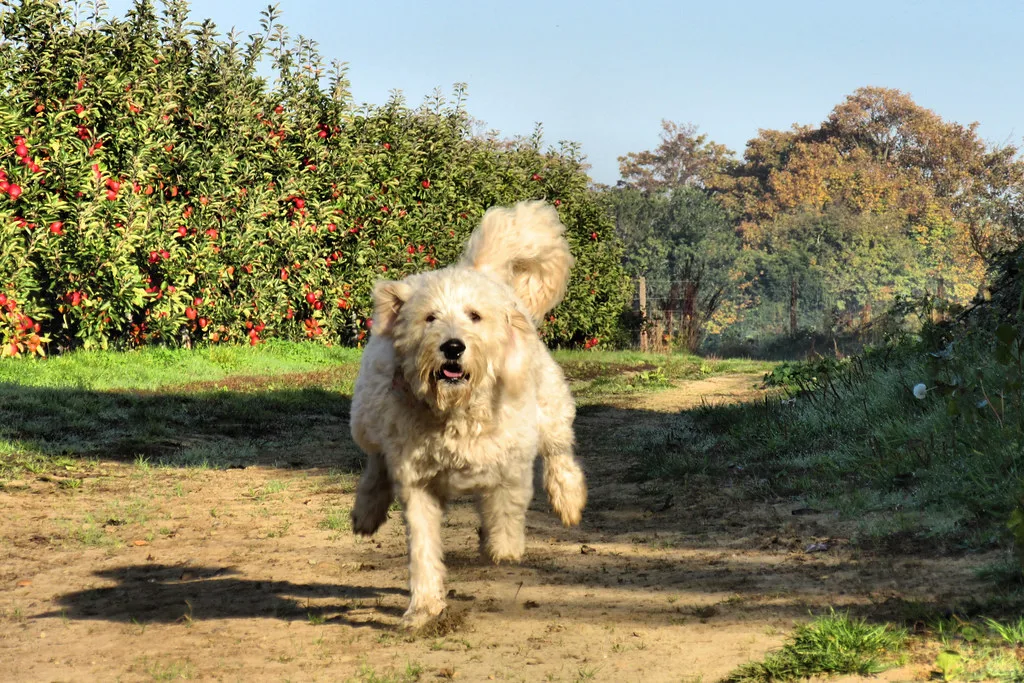
In 1989, Wally Conron bred the first Labradoodle at Guide Dogs Victoria. Thirty years later, at 90, he looked at what his idea had become:
“I opened a Pandora box and released a Frankenstein monster.” Wally Conron, creator of the Labradoodle, to CBS News
He went further: “I’ve done a lot of damage. I’ve created a lot of problems.” What he set loose was a gold rush of poodle crosses, bred by people with very different goals than his.
The main selling point doesn’t hold up either. A 2012 study compared 196 dogs sold as “hypoallergenic,” including Labradoodles and Poodles, with 160 ordinary dogs. The “hypoallergenic” dogs actually carried more of the main dog allergen in their coats, and the air in their homes was no different. Labradoodle homes had less allergen only in the floor dust. The researchers found no evidence for calling any breed hypoallergenic. If someone in your home is allergic, a coat label won’t settle it.
Then there’s the coat you did get. A low-shedding coat doesn’t drop hair on the rug. It holds it until it mats. For a Bernedoodle, Petful puts a professional groom at $75 to $150 every six to eight weeks, plus brushing at home three to five times a week. That works out to about $490 to $1,300 a year in grooming, before tips. Matting adds $10 to $30 per 15 minutes, and a badly matted coat often has to be shaved to the skin.
Alicia, the veterinary student from #26, has seen it walk into the clinic: “People get these dogs not realizing how much you have to groom them.” In her view, many doodles are also anxious dogs.
Doodles aren’t ranked by the AKC at all, because they’re mixes.
The bottom line
Pick almost any breed in this countdown and you’ll find people who wouldn’t trade theirs for anything. The dog rarely changes. What changes is whether the life around it has room for what it is.
Sometimes the regret has very little to do with the breed. The ASPCA estimates more than a million US households rehome a pet every year. Family changes and housing account for nearly half of those cases, alongside problems with the pet itself.
An owner in r/dogs put the quieter version better than any study: “I can’t say I regret it, but my social life has suffered. I really would just rather be home with her.”
If you’re choosing your next dog, picture a Tuesday three years from now, not the puppy. Who walks it in February? Who has it when you’re away? What does the coat or the heart or the spine cost by then? If the answers come easily, you’ve probably found your breed.
Bonus: Four calls to make before you bring a dog home
Price a trip before you need one. Pet Sitters International’s 2024 member survey put the average overnight pet-sitting visit at about $97, which makes a two-week trip about $1,360 in sitting alone.
Name your backup person out loud. The AKC tells seniors to weigh whether “you have someone committed to caring for a dog if you can’t”, so ask that person before you need them, not after.
Look up the breed’s rescue group first. The AKC Rescue Network has more than 450 groups covering 160 breeds, most run by the national breed clubs. Their volunteers will tell you, frankly, why dogs of that breed come back.
Check your liability limit. In 2025, the average dog-related injury claim cost insurers $65,450, and standard home policies usually cover dog-bite liability up to $100,000 to $300,000. Ask your agent which end you’re on.
Questions people also ask
Is it normal to feel regret after getting a dog?
Yes. A University of Helsinki study of more than 2,000 dog owners found that just under half reported significant negative experiences during their dog’s puppyhood, and the researchers say those feelings tend to fade fairly quickly. A second slump often comes in adolescence. In UK guide-dog puppies, it showed up around 8 months and had eased by 12 months.
What is the worst dog breed for a first-time owner?
No official body names one worst breed, but the AKC plainly steers first-time owners away from several, including the Belgian Malinois, the Cane Corso and the Giant Schnauzer. PetMD’s vet-reviewed profile adds the German Shorthaired Pointer, calling it a poor match for first-time owners. What these dogs share is high drive, great strength or both.
What dog breeds are most often given up to shelters?
No single US source tracks shelter intake breed by breed, so there’s no national ranking of the dog breeds most often rehomed. Local studies give a glimpse, though. Pit-bull-type dogs were 32% of intake at one Florida shelter, and Chihuahuas made up 30% or more of dogs at many California shelters during a 2009 surge.
Is a field-line Labrador different from a show-line Labrador?
Yes, though the AKC registers both as the same breed. An AKC field-trial judge says field-line Labs “have been bred for a long time, with a purpose to work,” and a 2016 study of 445 Labradors found working-line dogs scored higher for responsiveness than show-line dogs. Neither source measured daily exercise needs directly, so ask the breeder what the parents do.
What’s a good dog breed for someone over 50?
The AKC says there’s no single best breed for every senior, and its list includes the Havanese, Shih Tzu, English Cocker Spaniel and Yorkshire Terrier, among others. That same list also names the Dachshund, Cavalier King Charles Spaniel, French Bulldog and Pomeranian, four breeds that appear above for health or behavior trouble they can bring. The AKC suggests weighing the breed’s lifespan, whether you can walk and groom a dog that size, and who would care for it if you couldn’t.
Does home insurance cover all dog breeds?
No. Policygenius lists a dozen breeds insurers most often exclude or restrict, including Rottweilers, German Shepherds, Great Danes, Siberian Huskies and pit bulls. As of 2024, eight states bar insurers from denying coverage on breed alone: Colorado, Connecticut, Illinois, Michigan, Minnesota, Nevada, New York and Pennsylvania. Policies vary, so ask your own insurer before you bring a dog home.