From Rin Tin Tin’s straight-backed Shepherd to today’s French Bulldog boom, here’s what changed in the dogs you grew up with, and what to check before you bring one home.
The beer-ad star at #1 was a girl with a boy’s name, and that famous head was designed on purpose.
A German Shepherd is tied to the bike rack outside the hardware store. From the neck up it’s the dog you’d know anywhere: black saddle, tall ears, that steady look that takes your measure. Then it stands, and its hind end sinks low, like it’s parked on a hill that isn’t there. Same name. Different dog. Dog breeds then and now can be that far apart. A few never moved at all, and one went from 14th place to first in about a decade.
Table of Contents
#26 Rin Tin Tin’s straight-backed Shepherd
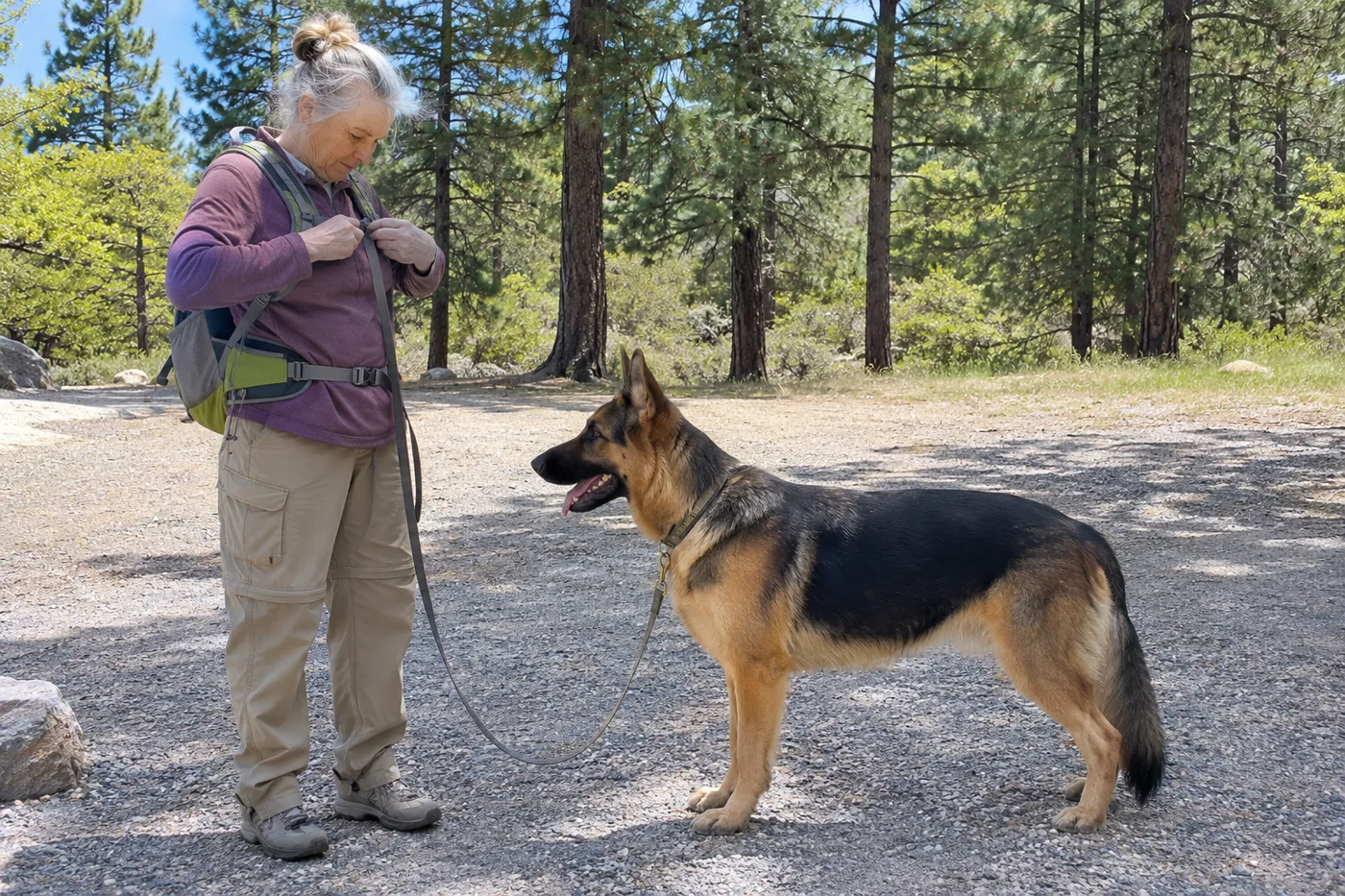
If you watched The Adventures of Rin-Tin-Tin on ABC between 1954 and 1959, you watched a Shepherd built level from shoulders to tail. Mostly you watched an understudy, too. A dog named Flame Jr. played the part most of the time, due to Rin Tin Tin IV’s “poor screen performance.”
A 1915 dog book described the breed as a “medium sized dog” of 55 pounds with a “deep chest, straight back.” The American Kennel Club (AKC), the main US registry for purebred dogs, now puts Shepherds at 50 to 90 pounds. The chest stayed. The topline moved.
Most puppy buyers never hear this part: two different German Shepherds are sold under one name. It’s the show line vs working line split, and a Shepherd breeder’s comparison of the two sums up the personalities.
| Show line | Working line | |
|---|---|---|
| Bred for | The show ring | Jobs and sport |
| Topline | Sloped | Flatter |
| A breeder’s take | “More forgiving on average” | “Much more driven and sharper” |
“Now the showline are bred for looks and they’re going to be prone more to elbow and hip dysplasia because of their slope backs.” Tom Davis, professional dog trainer, in his breed video
As for where the sloped back came from, a breeder’s history of the German show standard says it read “back straight” before 1976, then picked up “slightly sloping,” and by 1991 “very slightly sloping.” That’s one breeder’s reading of the record, and it points at the show ring, not at any job the dog was doing.
There’s a little good news, if preliminary. US screening found elbow dysplasia in Shepherds easing from 19.8% of dogs born 1990 to 1993 to 17.2% of those born 1998 to 2001.
The breed was No. 6 in the 1950s, No. 2 through the 60s and 70s, and is still No. 4 in the 2025 rankings. Before you bring one home, ask two things: show line or working line, and can I see both parents’ hip and elbow results? A working-line pup can be more dog than a quiet house wants. A pup from untested parents is a gamble you don’t have to take.
#25 Lassie’s collie, barely changed in America
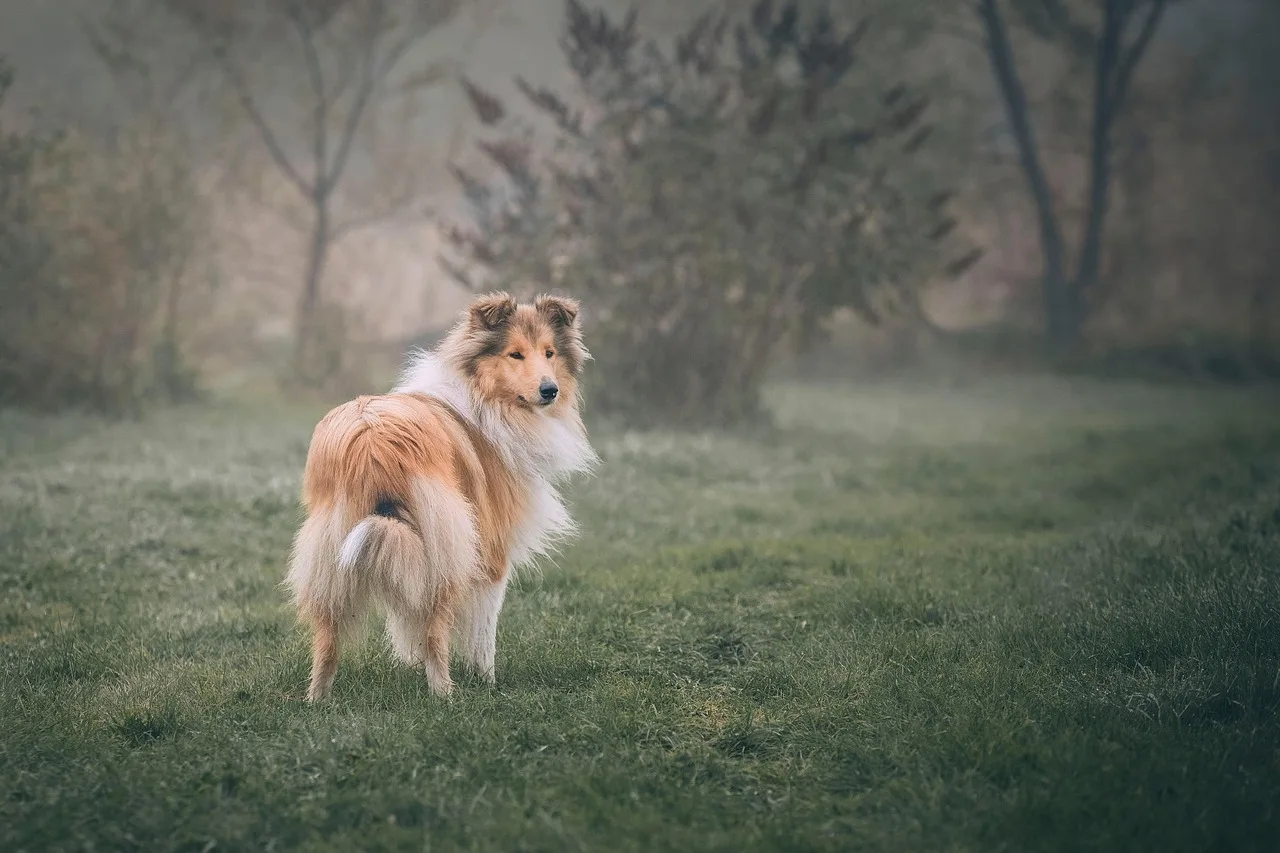
Timmy never fell in the well. Jon Provost, who played him from 1957 to 1964, called his memoir Timmy’s in the Well! because a well was the one place Timmy never fell into.
Lassie ran 591 episodes, from 1954 to 1973, and the American Collie has held still even longer. In Britain, the Rough Collie was “a much taller dog” in the 1960s than it is today. The US standard never came down, and American Collies stayed 24 to 26 inches at the shoulder. If the Collie down the road looks like Lassie, that’s because it pretty much is.
What changed was the crowd around it. After Lassie Come Home in 1943, Collie registrations jumped 40% within two years. The breed was top ten through the 50s and 60s. It sits at No. 39 in 2025.
One thing every Collie owner should know: many Rough Collies carry a gene change called MDR1 that makes them sensitive to ivermectin and related drugs. If you have one, make sure every vet who treats your dog knows the breed, and ask about it before any new medicine.
The black-and-white dog at the sheepdog trial is a different breed altogether. When the AKC voted in December 1994 to recognize the Border Collie, working-dog groups objected that the dogs would “change into a different breed.” By our count of the AKC’s lists, it has since climbed from No. 38 in 2015 to No. 26 in 2025.
#24 LBJ’s beagles, lifted by the ears
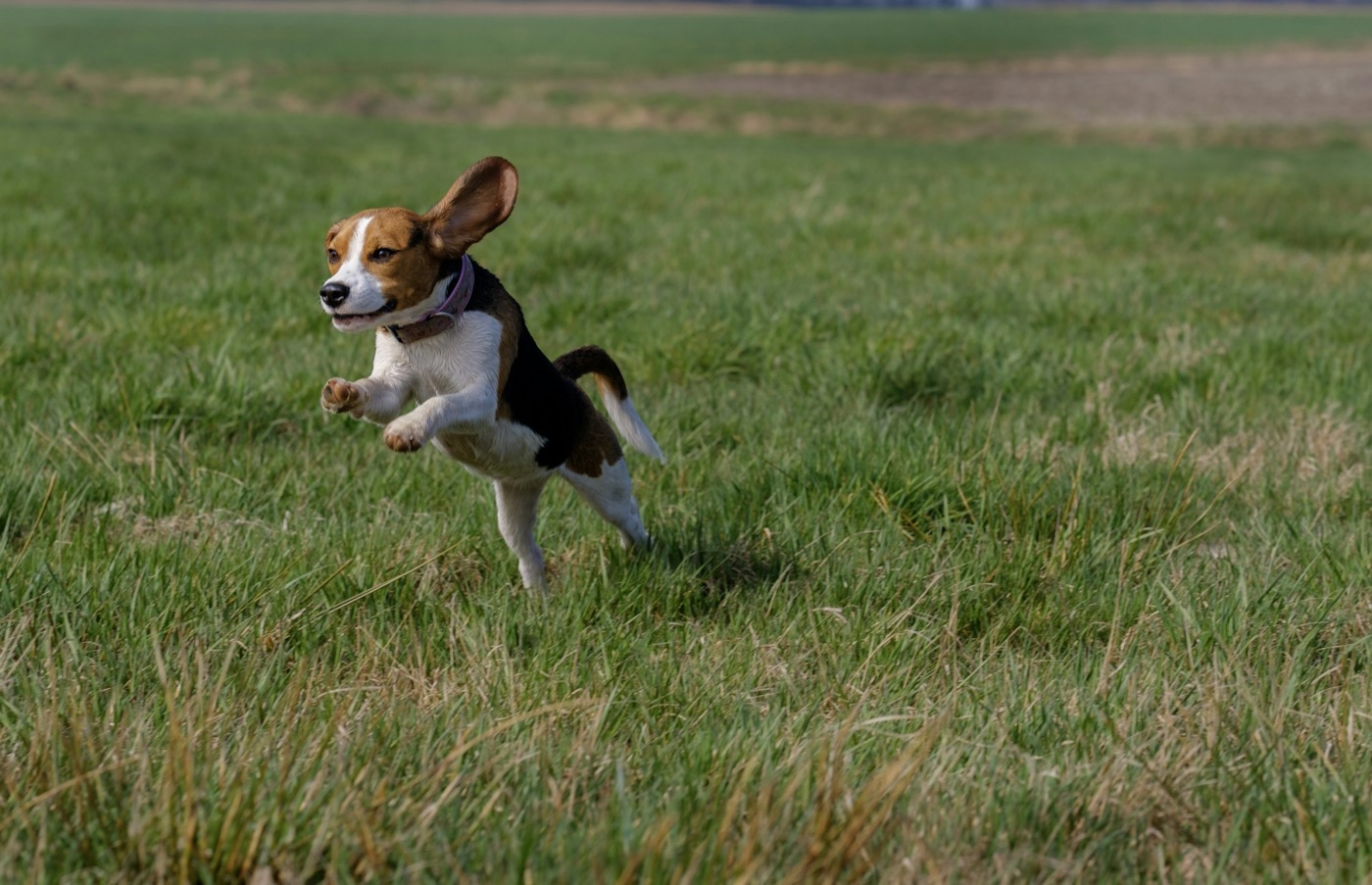
In spring 1964, President Lyndon Johnson picked up his beagle by the ears, and dog lovers all over the country had something to say about it. The dog’s name was Him. His sister was Her. They’d been born June 27, 1963.
Of all the dogs you grew up with, the Beagle is the one that stayed put. The AKC calls it “the only breed to rank in the top ten breeds every decade since the founding of the American Kennel Club.” Snoopy debuted in October 1950. By 1953 the Beagle was No. 1, and it stayed there through 1959. It’s No. 7 in 2025.
Why so steady? The AKC still recognizes the same two sizes, 13-inch and 15-inch, and modern Beagles keep their pack-hunting instincts. My guess is that a dog still bred around its nose had less room to drift.
That nose is also why a Beagle, if you have one, can follow a scent across three yards and a church parking lot and come home looking like it has no idea what you’re talking about.
#23 The vet trip for cropped ears
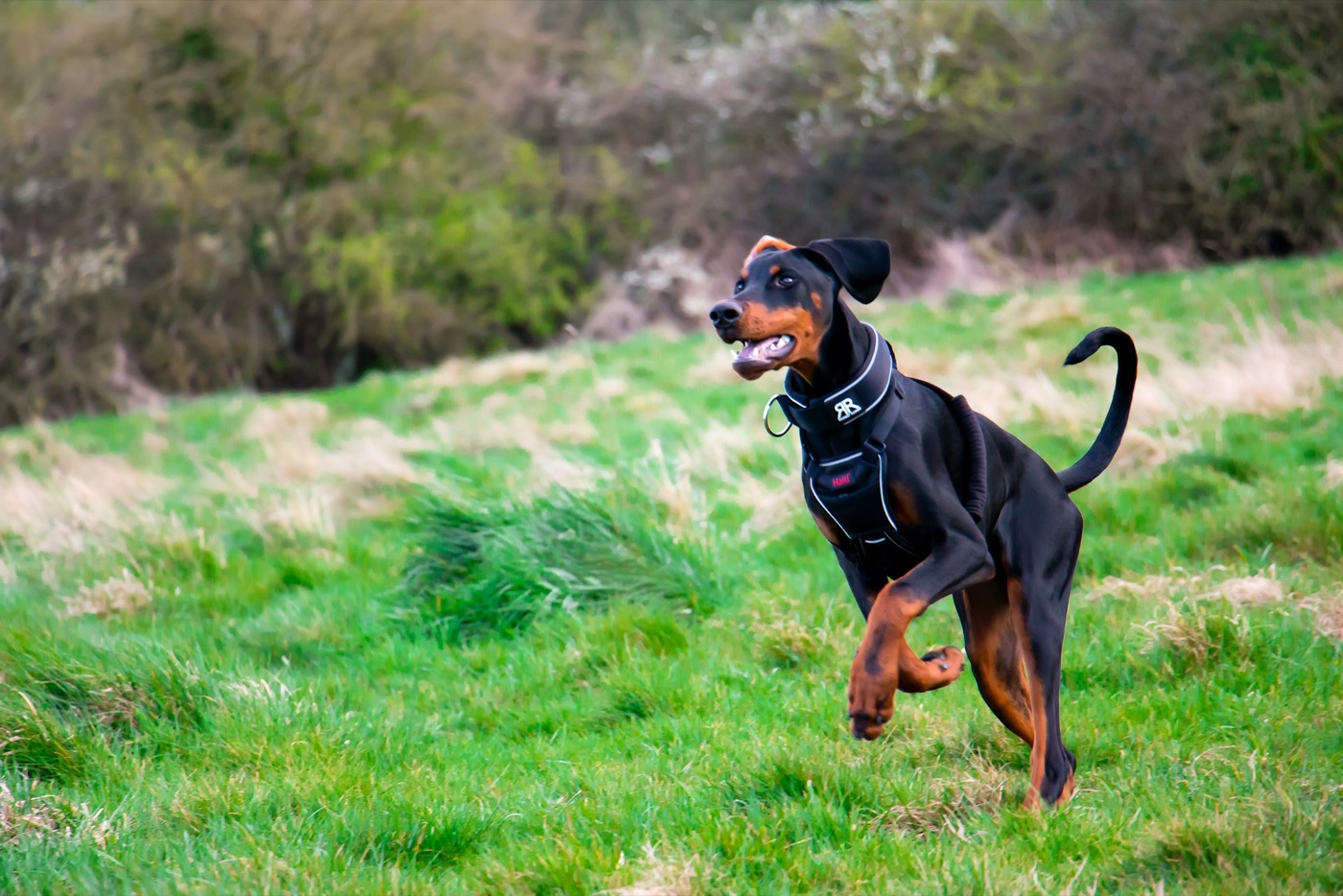
You may remember a Doberman or Boxer puppy coming home with its ears taped upright, and the weeks of re-taping before they stood on their own. A stubby docked tail came with the package. For a lot of breeds, that was simply what the dog looked like.
In November 2008, the American Veterinary Medical Association, the national group for US vets, said it “opposes ear cropping and tail docking of dogs when done solely for cosmetic purposes.” The AKC answered that the procedures are “acceptable practices integral to defining and preserving breed character.”
So is it still normal? It depends whose door you knock on. The vets’ national group is against it for looks alone. The registry behind the dog shows stands by it. The AKC’s Doberman standard still calls for ears “normally cropped” and a docked tail. The Boxer standard accepts natural ears but says “an undocked tail should be severely penalized.” That matters if you hope to show, not if you just want a dog on the couch.
If it matters to you either way, ask before you put down a deposit: cropped, docked or natural? Then nothing surprises you at pickup.
#22 Balto’s fame, Togo’s longer run
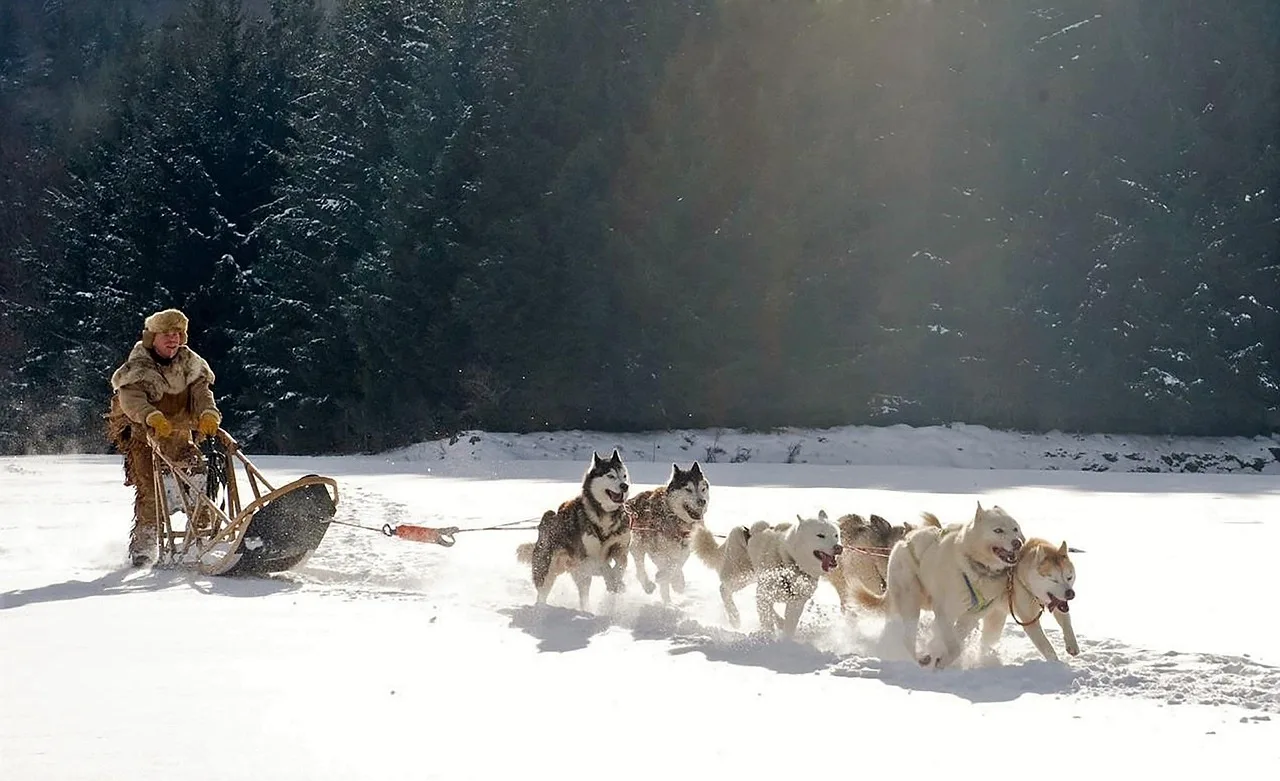
Balto got the headlines. Togo did the miles.
In the 1925 serum run, Togo’s team covered 264 miles. Balto ran the last 53. And every registered Siberian Husky today traces back to just two kennels, Seppala-Ricker or Harry Wheeler.
A TV show gave the breed its latest rush. A Bay Area rescue reported about a 20% rise in abandoned Huskies, which it tied to Game of Thrones. Randee McQueen of the Bay Area Siberian Husky Club said puppies sold online were going for “upwards of $2,000,” while reputable breeders asked “$800 to $1,000.”
By our count of the AKC lists, the Husky slid from No. 12 in 2015 to No. 30 in 2025. And look at those prices again. The riskier puppy was the pricier one.
#21 The 1970s guard dog, toned down
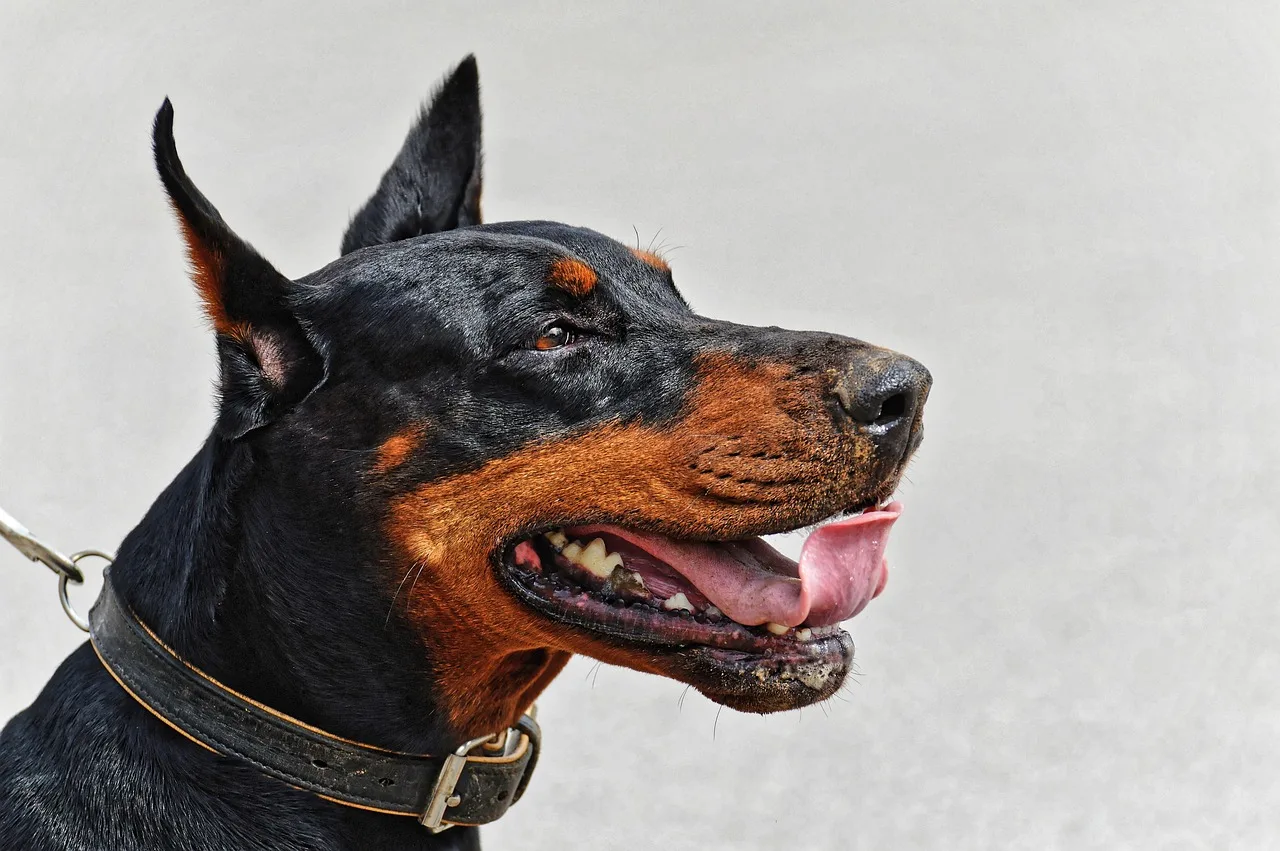
Was the Doberman you knew in the 1970s really that edgy? Its own breed club says yes. The Doberman Pinscher Club of America describes the early temperament as “very sharp and on the verge of being vicious” and says today’s dog is “not so ‘quick on the trigger’ as in yester year.”
The 70s were the breed’s big decade, its first time in the AKC top ten, at No. 3. Specialty shows drew “well over 100 Doberman entries,” writes Faye Strauss of the same club, and breeders answered the rush by discouraging breeding. Their motto: “Only breed to champions.”
So if yours was the sharp kind, you weren’t imagining the edge, and you weren’t doing anything wrong. Breeders spent the decades since sanding it down. The breed was No. 6 in the 1980s and is No. 15 in 2025.
#20 The Rottweiler almost nobody had yet
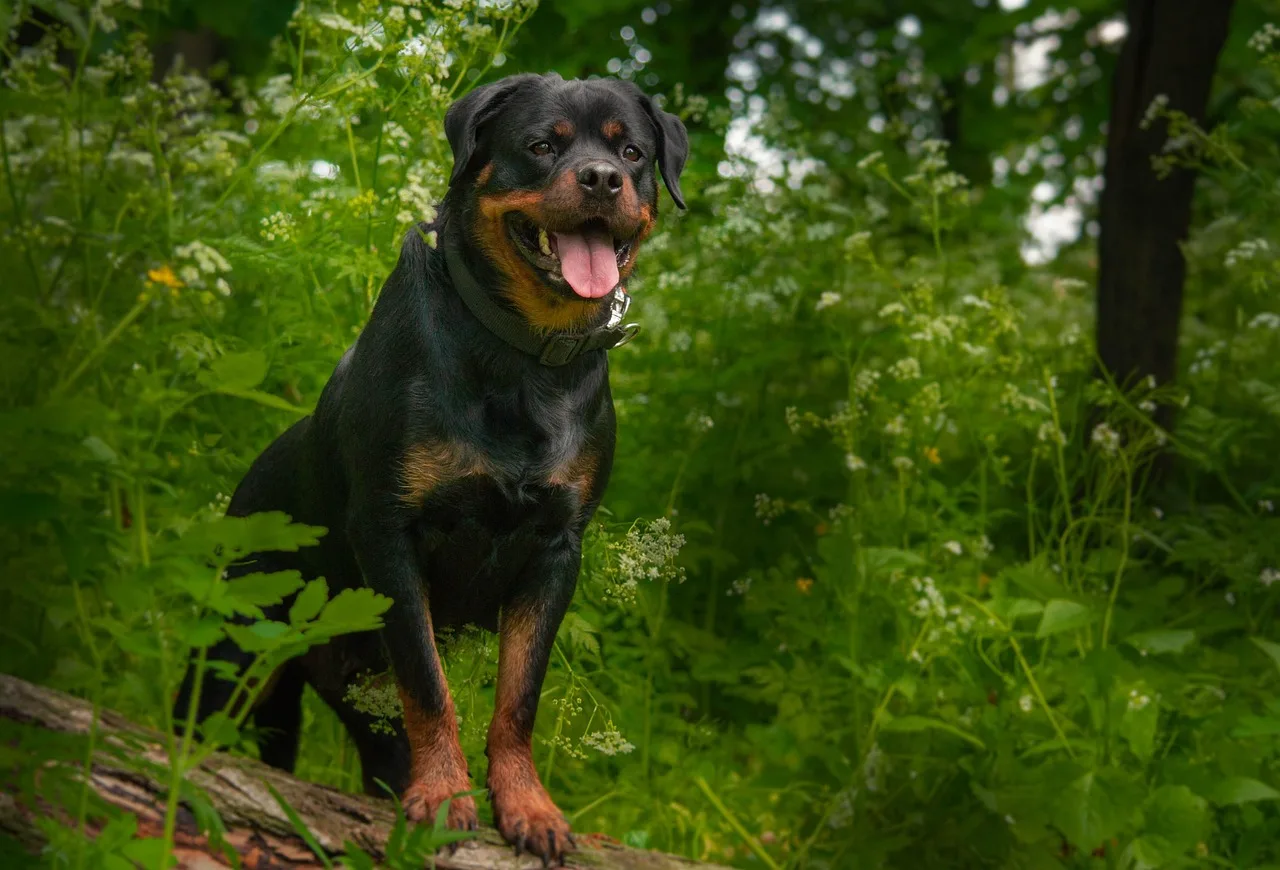
Picture the dogs on your block in the 1970s. A Rottweiler probably wasn’t one of them. The AKC had added the breed to its stud book in 1931, but it didn’t crack a single decade’s top ten from the 1950s through the 1980s.
Then the floodgates opened. In 1996 the Rottweiler was America’s No. 2 breed, with 89,867 new registrations that year, behind only the Lab.
A rush like that leaves marks. Of 2,349 Rottweilers born from 1990 to 1993 and screened by the Orthopedic Foundation for Animals, the US hip and elbow registry, 40.0% had elbow dysplasia. That’s four in ten dogs from the boom years with elbows that didn’t form right.
The breed is No. 8 in 2025. If you’re looking, ask to see both parents’ elbow and hip results from that same registry. It won’t give a final elbow rating before a dog is 2 years old, and only “Normal” counts as a pass, so a parent graded Grade I hasn’t passed. A breeder who can’t show you any has already answered.
#19 One Lab, two different builds
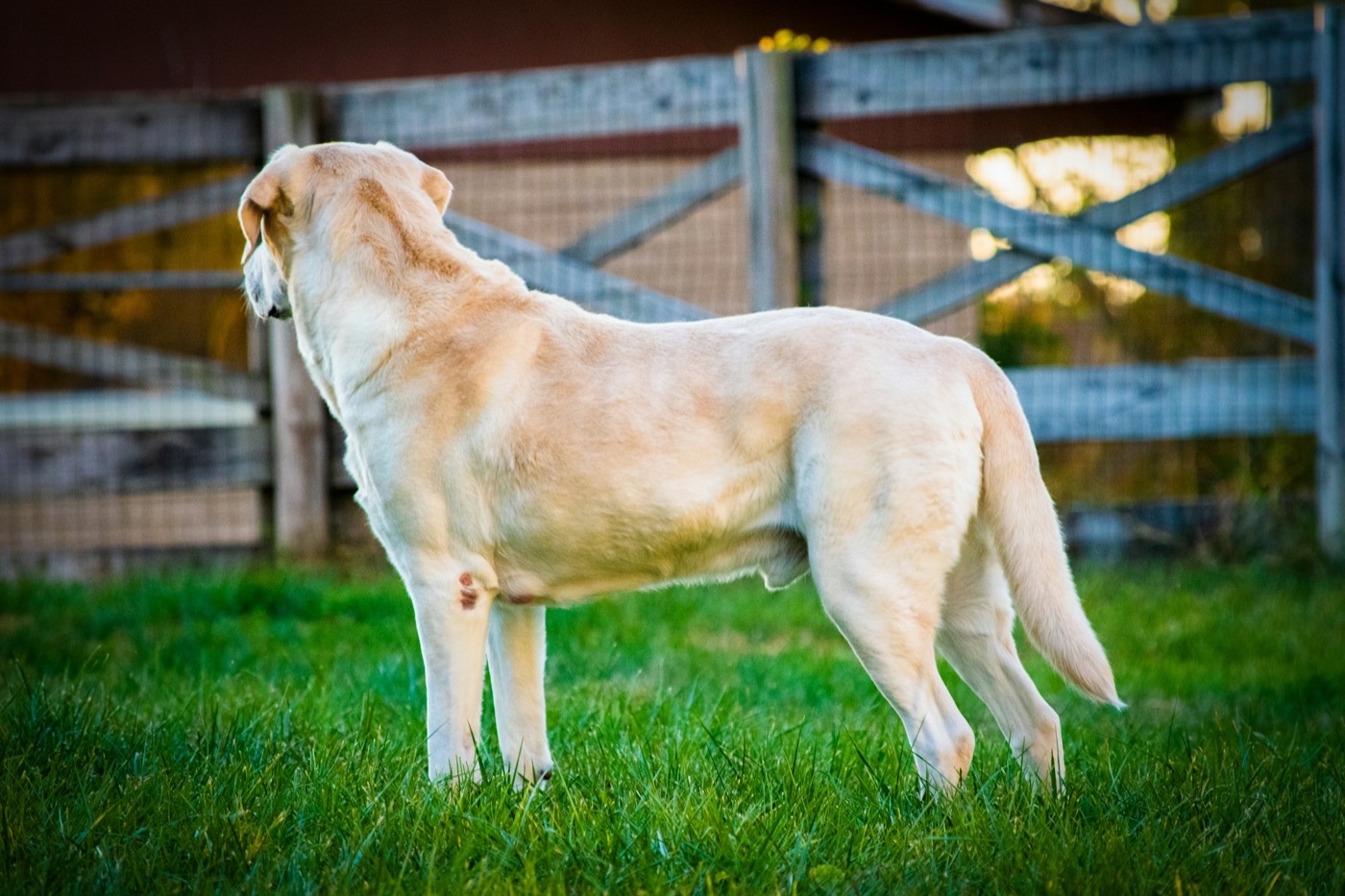
Stand a show Lab next to a field Lab and it looks like somebody mixed up the paperwork. Show-bred Labs got “chunkier bodies, heavier heads, and in some cases, shorter legs,” writes Pippa Mattinson of The Labrador Site, while field-bred Labs got “a leaner build, and more speed and focus.”
The Lab first made the top ten in the 1970s, then held No. 1 for 31 years, until 2022. The split happened under the most familiar dog in America, and hardly anyone noticed.
The good news nobody leads with: a study of 154,352 Labs’ hip scores found the breed’s hips got genetically better from 1970 to 2007. Decades of breeders choosing carefully did that.
Which Lab for you? Treat the build as a guide, not a guarantee: breed explains only about 9% of the differences in an individual dog’s behavior. If you want a dog content to snooze through a long afternoon, a show-bred Lab is the usual pick. If you want a partner who’d rather be doing something, go field-bred, and know that it may invent a job if you don’t hand it one.
#18 America’s forgotten No. 1 dog
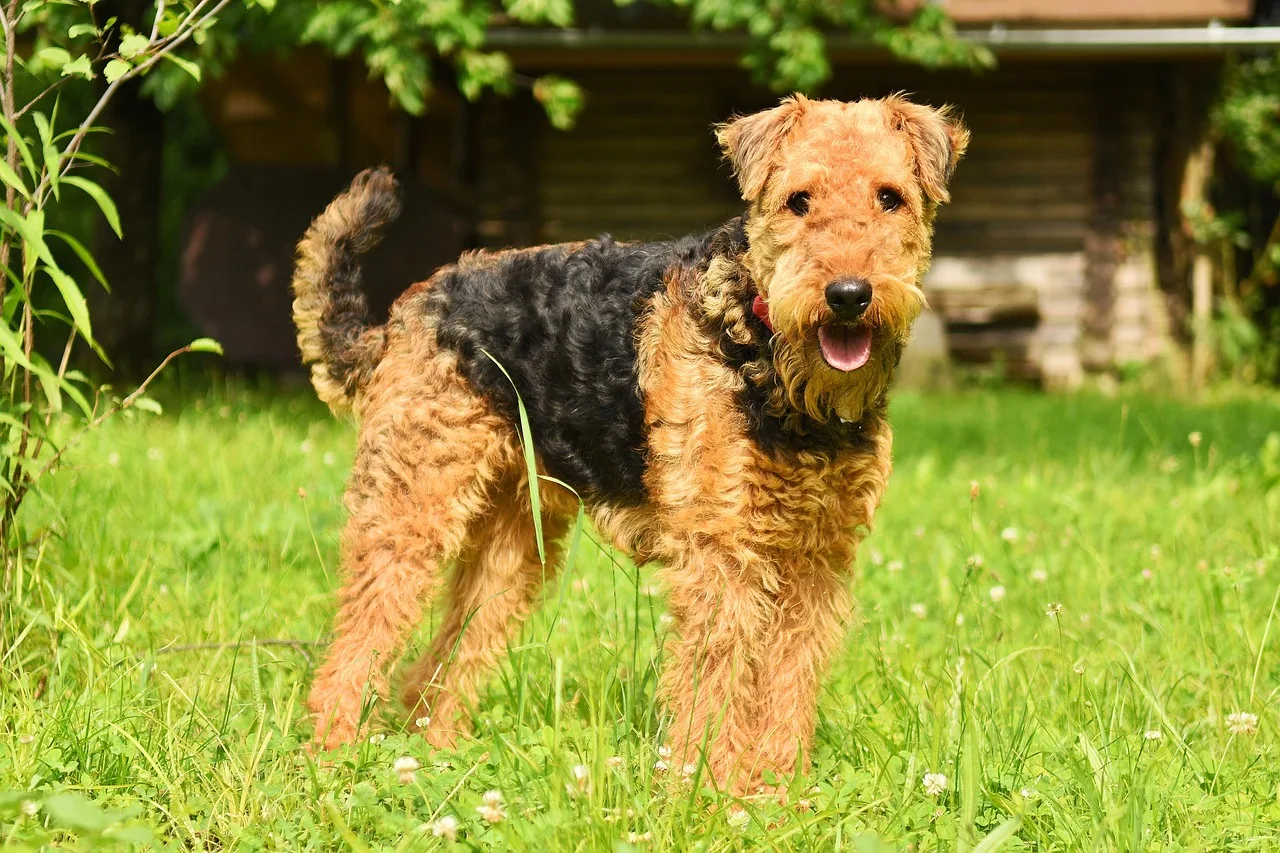
America’s favorite dog in 1920 wasn’t a Collie or a Shepherd. It was the Airedale, No. 1 with 6,386 registrations.
Eleven years later it had fallen to 18th, with 412. That’s about a fifteenth of its peak, and National Airedale Rescue puts the blame on “rapid, careless breeding.”
The coat drifted too. The 1915 Airedale’s was “hard and wiry”. Today’s is “longer and more ragged.” The breed sits at No. 70 in 2025.
Keep the Airedale in mind the next time a breed goes from nowhere to everywhere in a few years. It’s happened before.
#17 The dog that didn’t replace the Shepherd
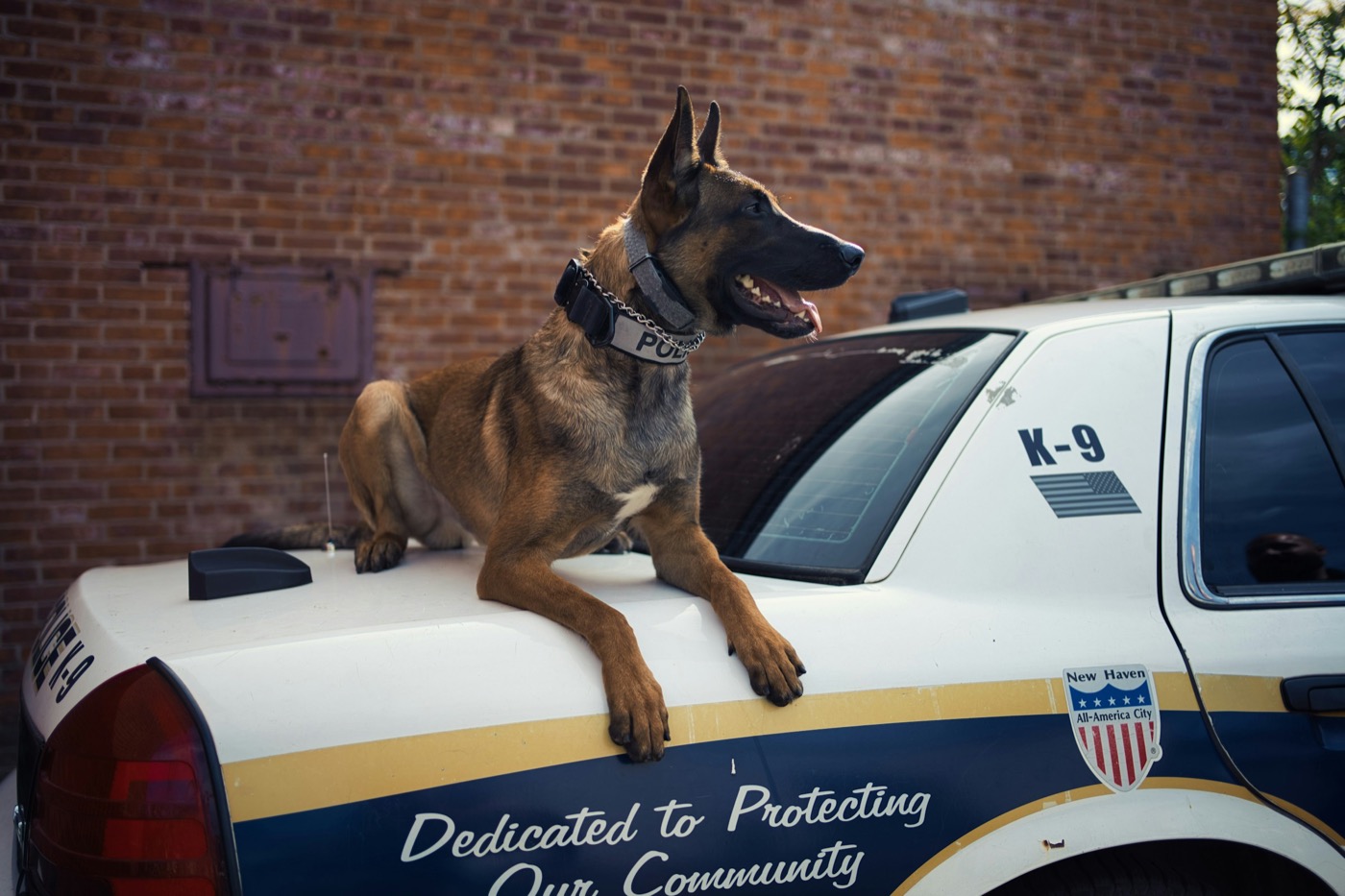
You’ve likely seen a Belgian Malinois in a police or military news story and figured the Shepherd’s working days were over. The numbers say it’s closer to a tie.
Of 1,230 US military working dogs discharged from 2019 to 2021, 45.6% were Malinois and 42.5% were German Shepherds. And the Shepherds were 65% less likely than the Malinois to be discharged for fear or anxiety.
The Malinois has climbed fast at home, too, from No. 51 in 2015 to No. 32 in 2025 by our count. Carilee Moran, writing for the AKC, is unusually blunt about who should own one: “their high prey drive and boundless energy levels don’t make them a good choice for first-time dog owners.”
If you’ve had dogs for decades, you’re no first-timer. The better question is whether you want that much energy in the house every single day.
#16 The firehouse dog’s hidden deafness
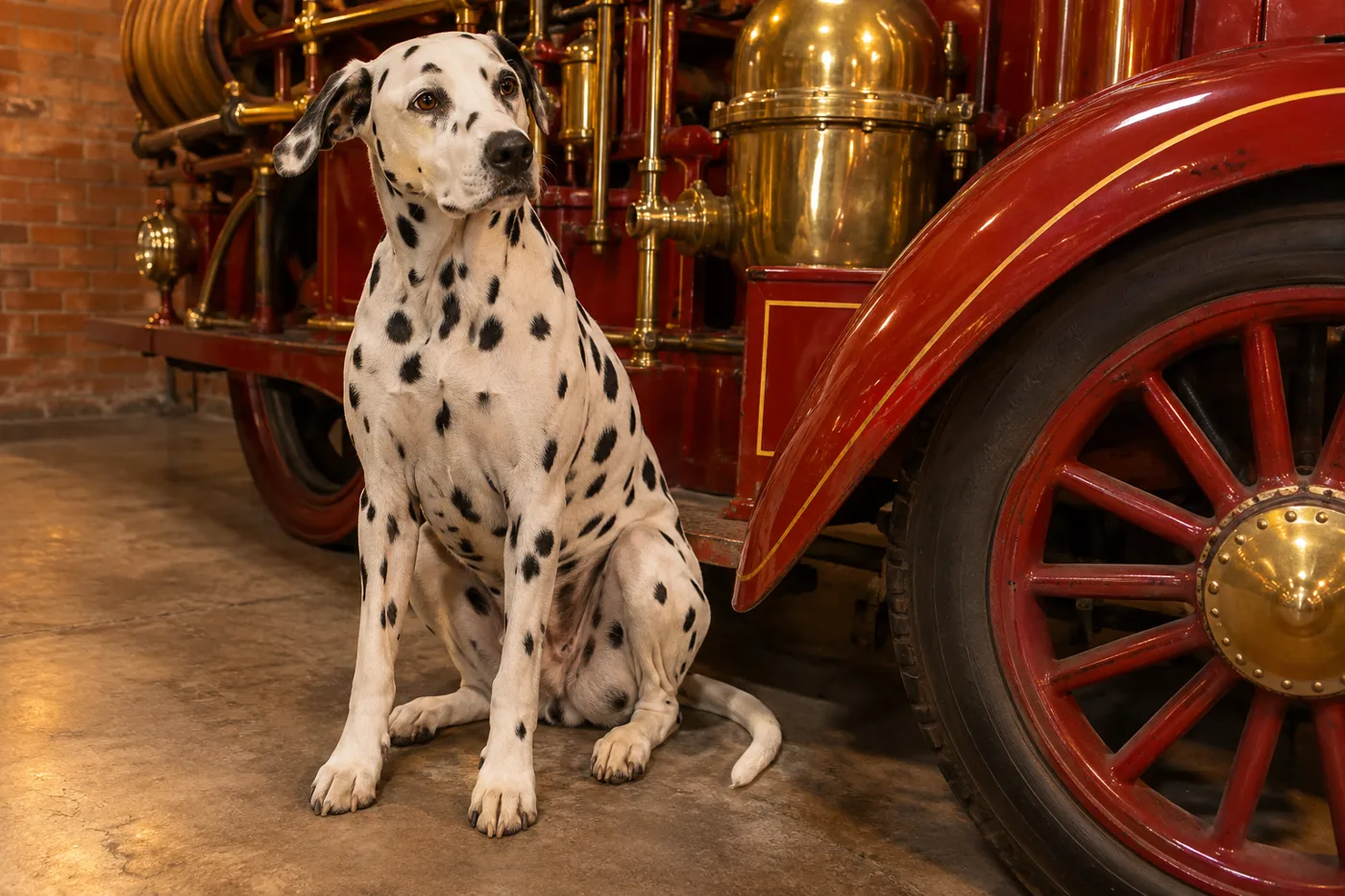
The Dalmatian came into the firehouse with the horses. Firefighters took up the breed when they began using horses to pull their water pumps, and the spotted dog became the firehouse dog.
Disney did the rest. The 1985 re-release of 101 Dalmatians brought “a huge spike in popularity.” The breed was 9th in 1993 and down to 15th by 1996. In 2025 it’s 50th.
Those spots come with a catch most families never knew to ask about. Among US Dalmatians, 8% are deaf in both ears and 22% in one, according to LSU’s George Strain. That’s close to three in ten with hearing loss on at least one side, and a dog deaf in one ear acts so normal that nobody notices.
If you’re getting a Dalmatian, ask for the puppy’s BAER hearing test result. And if yours seems to ignore you only when you call from one side, now you know what to bring up with your vet.
#15 Scooby-Doo’s deliberately wrong proportions
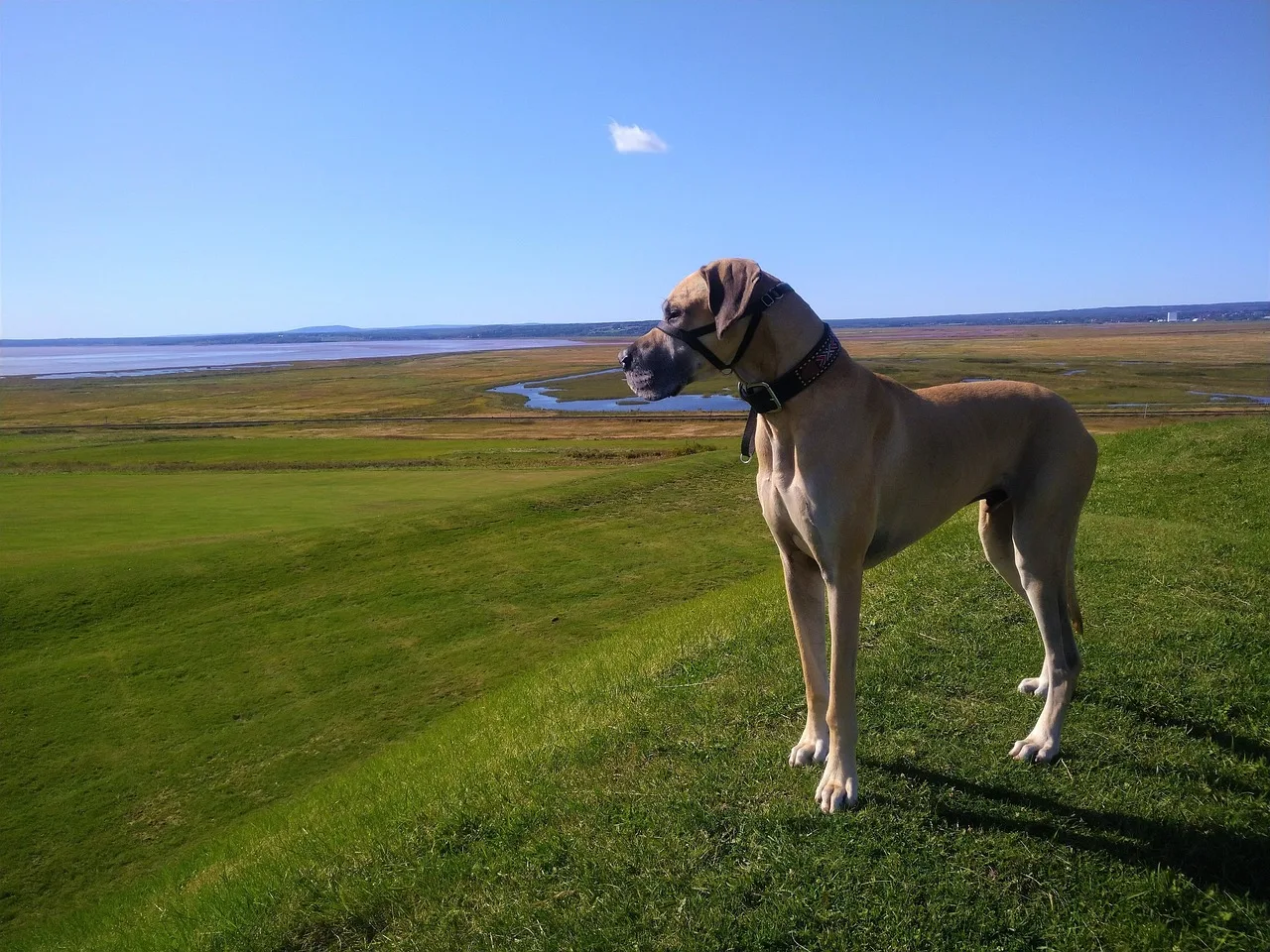
“I decided to go the opposite and gave him a hump back, bowed legs, small chin and such.” Iwao Takamoto, designer of Scooby-Doo, on how he drew the dog
Takamoto knew what a prize Great Dane was supposed to look like, and for Scooby’s debut on September 13, 1969, he drew the reverse on purpose. Scooby would have done worse in the show ring than in any haunted house.
A real Dane runs 110 to 175 pounds, and its biggest risk has nothing to do with chins. Bloat kills about 3 in 10 dogs it strikes, and in research led by Purdue’s Larry Glickman, Great Danes had an estimated 42.4% lifetime risk. The same research found raised food bowls more than doubled the odds, so if your Dane eats from one, ask your vet about switching. And if a Dane puppy is in your future, ask about a preventive stomach tack, which Cornell’s canine health center says is often done at the spay or neuter for at-risk breeds.
#14 Benji, the movie every studio turned down
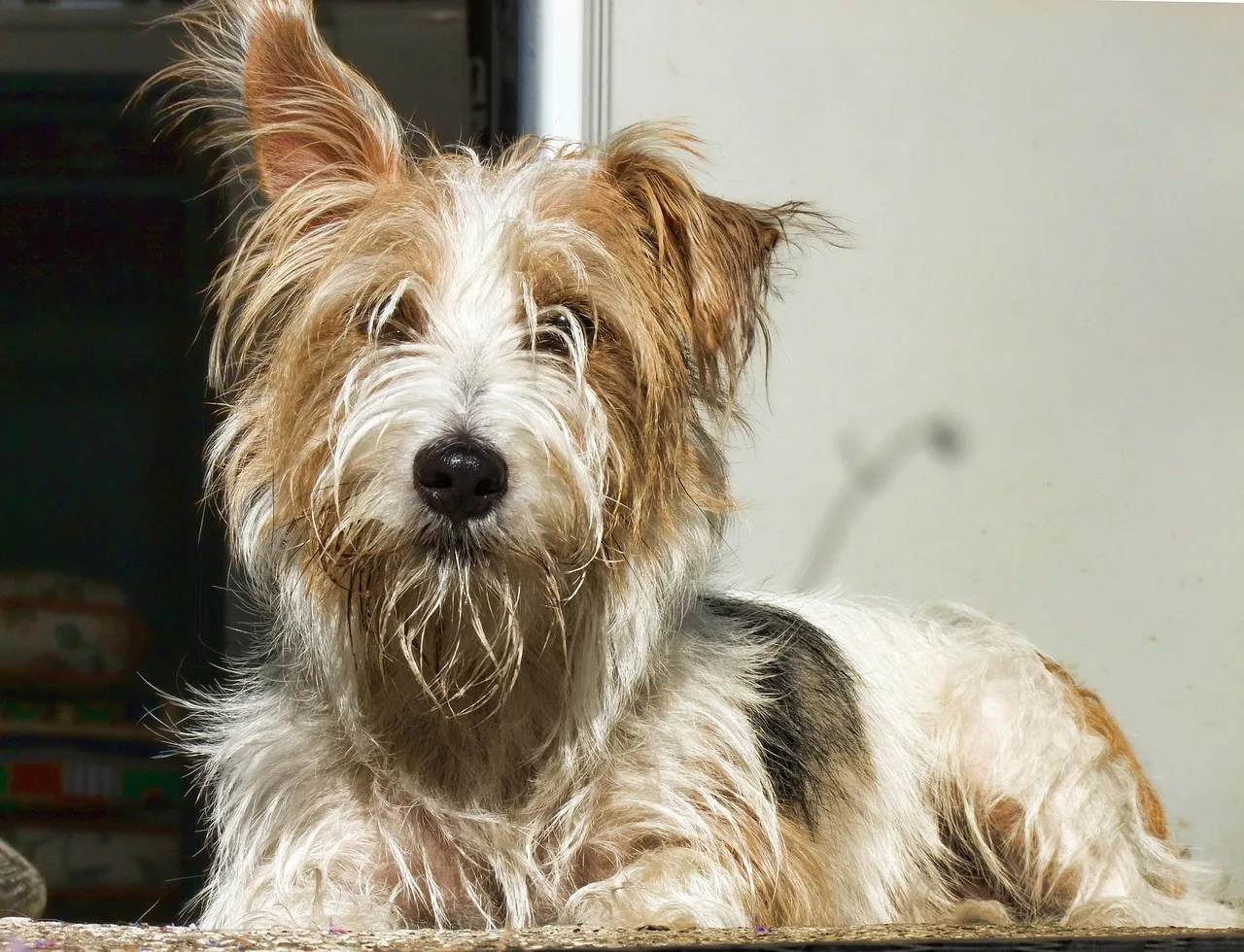
Every studio passed on Benji. It got made anyway in 1974 for $500,000 and grossed $45 million, with a scruffy hero and no pedigree to speak of.
Mutts never went out of style. A 2011 census built on more than 36,000 DNA samples found 53% of US pet dogs were mixed breed, and 46% came from shelters.
On the old purebred vs mutt argument, a mixed-breed fan on Reddit’s r/TrueReddit takes the mutt side: “That’s why I love mutts! You get more variation than you do by selective breeding, and the dogs are generally healthier by miles.”
Partly right, and not by miles. UC Davis looked at records for more than 90,000 dogs and found 13 of 24 inherited disorders equally common in purebreds and mixes. Ten were more common in purebreds. One, a torn knee ligament, turned up more often in the mutts.
#13 The poodle clip’s practical, wet-dog origin
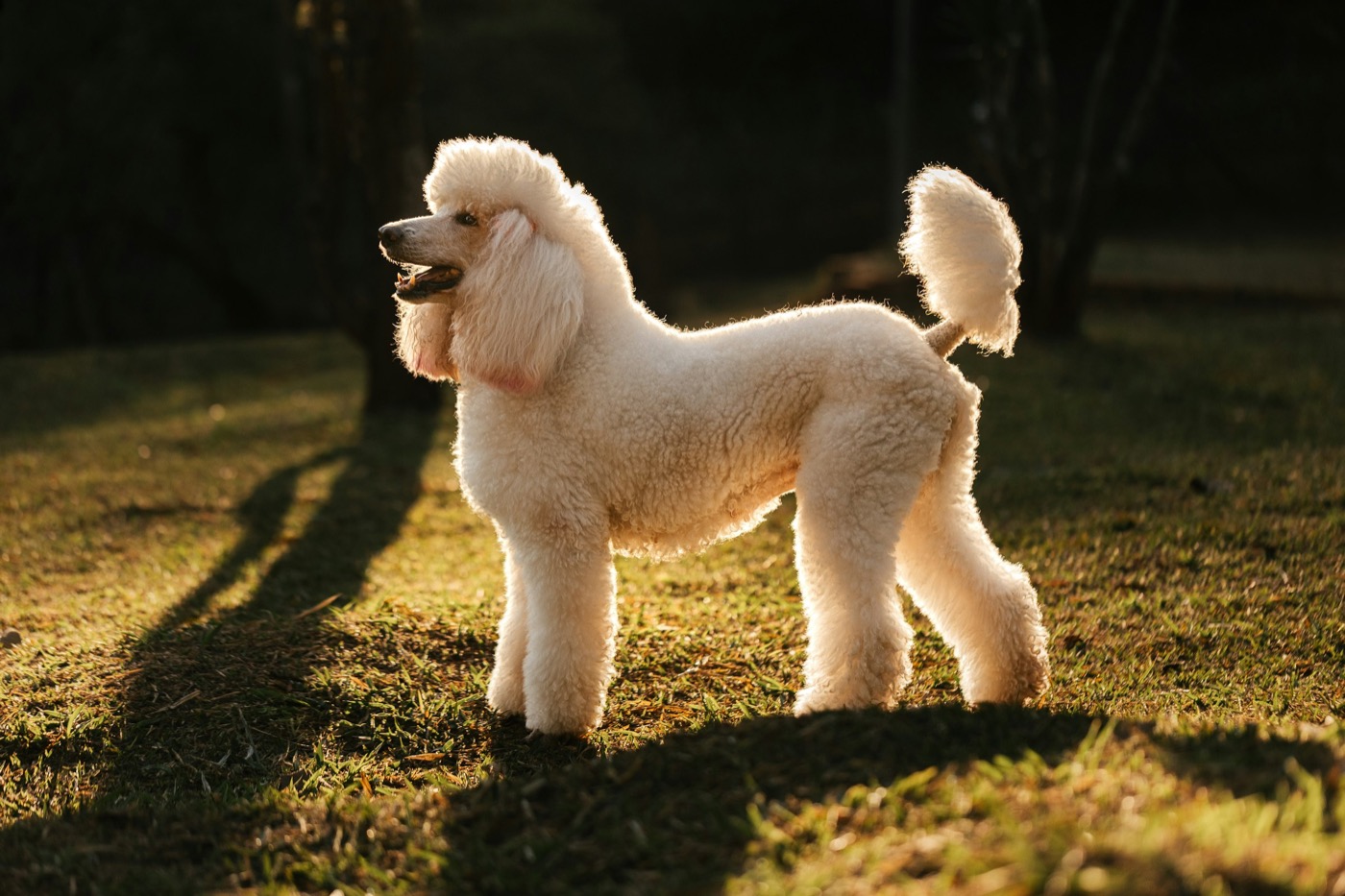
The pompoms started as a swimming trick. German water retrievers in the 1500s and 1600s were shaved to make them more buoyant, with hair left over the chest and joints for warmth. The fancy pompadour styles came later, in 18th-century France.
The 1915 Poodle wore something else again. Suzanne Clothier, a dog trainer who reviewed the 1915 book behind the viral “100 years of breeding” comparisons, sets its “splendidly corded” coat against today’s “canine topiary.”
Then came the reign. The Poodle was the AKC’s No. 1 dog through the 1960s and the 1970s, more than two decades in all, until the Cocker took over in 1983. Compare the 1960s to today and it has slipped only to No. 6. Television helped set the look: when Westminster first went on TV in 1948, the commentator was Hayes Blake Hoyt, whose Blakeen Poodles were “the last word in dog-show elegance.”
Corded Poodles nearly disappeared and have seen a modest revival. Their poster dog was England’s first champion Poodle, Ch. Achilles, who reportedly wore 30-inch cords while standing only 23 inches tall. His cords were longer than he was tall.
#12 The couch myth about dachshund backs
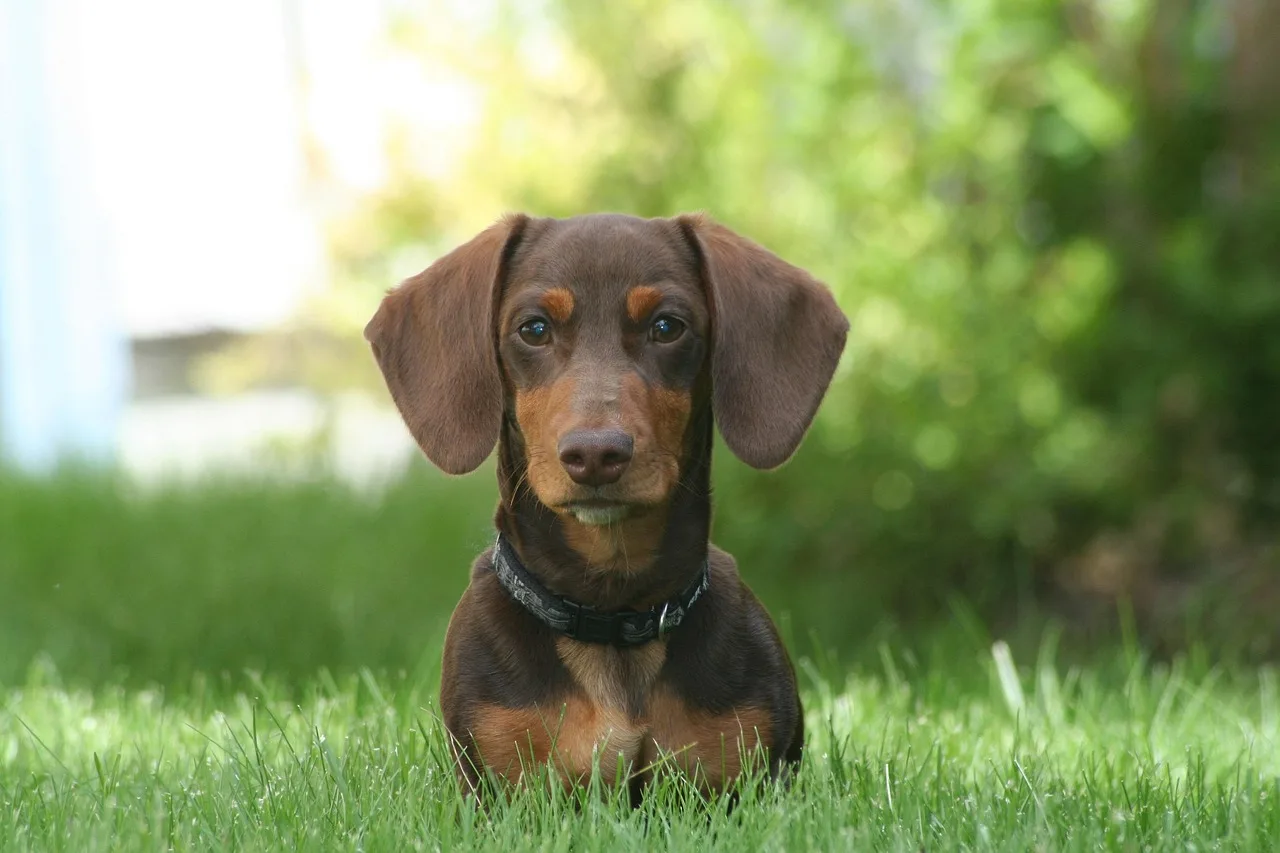
If you’ve had a Dachshund, someone has probably told you to keep it off the couch and away from the stairs. A big owner survey found the opposite.
The DachsLife survey ran online in 2015 with owners of 2,031 Dachshunds, most of them in the UK. It looked at which dogs developed intervertebral disc disease (IVDD). Dogs allowed on furniture and on stairs every day had lower risk, not higher. The dogs that stood out were the ones getting very little exercise.
What the survey found – Under 30 minutes of exercise a day: 2.49 times the odds of back disease – More than an hour a day: lower odds – Standard Smooth-haired: 24.4% affected – Standard Wire-haired: 7.1% affected
That’s a link, not proof that stairs are good for spines. And if your dog has already had back trouble, the rules your vet gave you win.
The shape matters too. The UK Dachshund Breed Council’s standard says height at the withers, the top of the shoulders, should be half the length of the body, with “enough ground clearance to allow free movement,” and it urges judges not to reward extremes. A tape measure will tell you where yours stands: about twice as long as tall is the target.
#11 The basset hound behind Hush Puppies
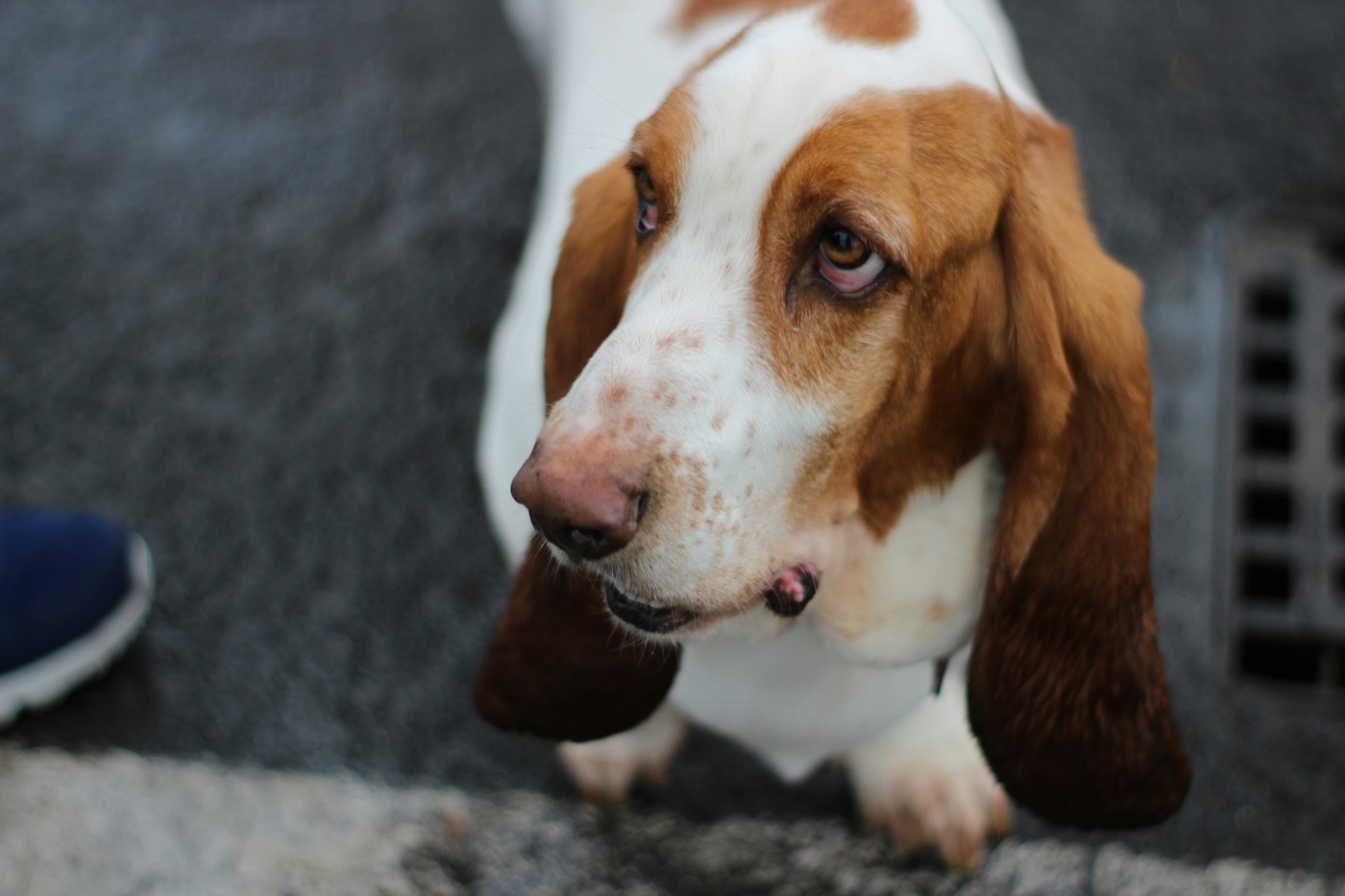
- A pair of Hush Puppies costs $9.95, about $116 in 2026 dollars, and the face selling them belongs to a basset hound: long ears, sad eyes, total patience. Five years later, one in ten American adults owned a pair. The dogs in the early ads belonged to Chuck Greb, grandson of the company’s founder.
Bassets made the 1960s top ten, at No. 10. In 2025 they’re No. 34.
The newest chapter is happening overseas. Starting January 1, 2025, Britain’s Kennel Club moved the Basset Hound into Category 3 of its Breed Watch list, its breed-health watch list, so a Basset that wins best of breed at a championship show must now pass a vet check. The French Bulldog went into the same category the same day.
That’s a British rule. Still, if you’re buying a Basset here, it’s a fair question for any breeder: have the parents had a vet’s once-over, and what did the vet find?
#10 The 1957 rewrite of the Cocker standard
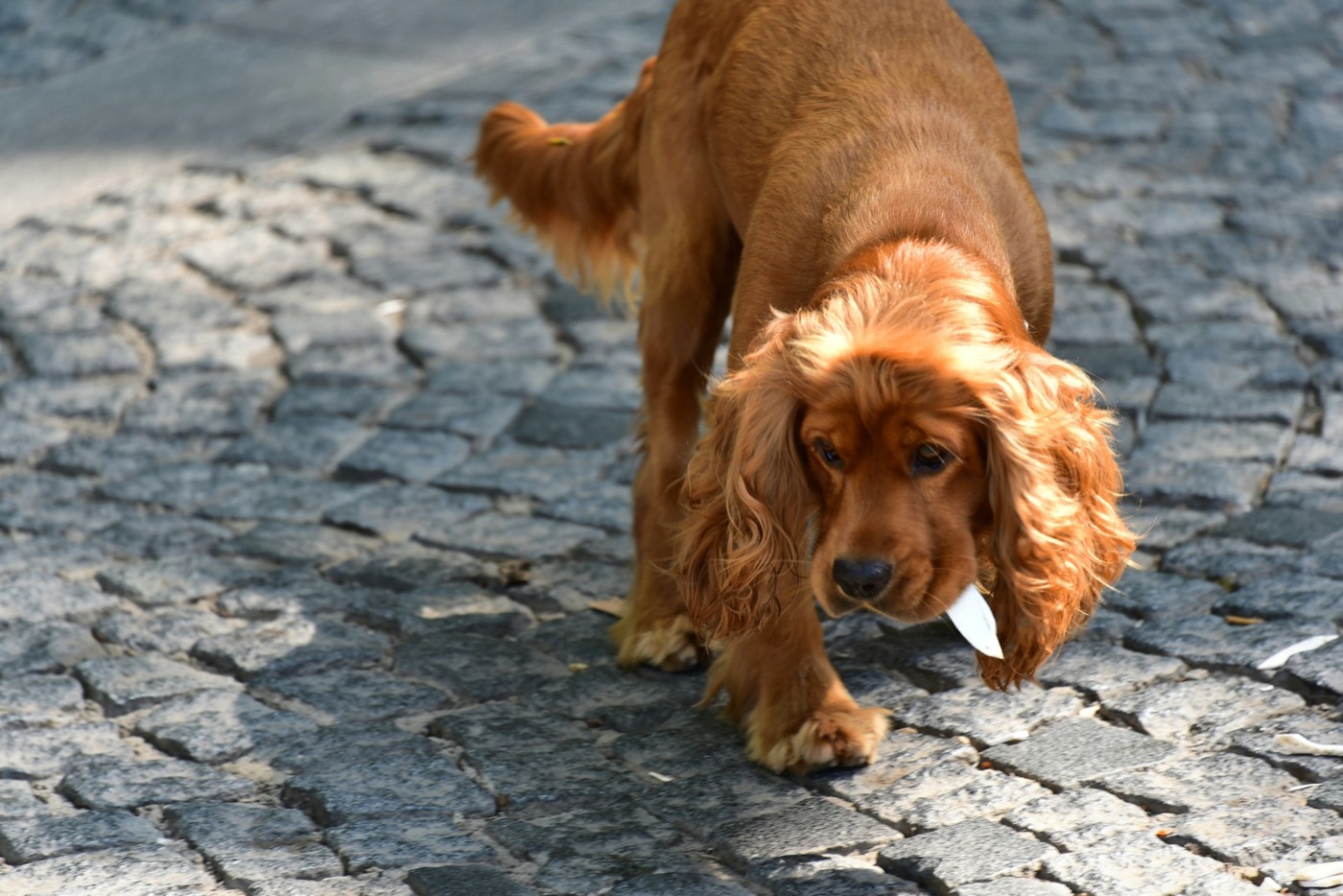
Writer Ruth Kraeuchi once asked whether the Cocker is bred to fit the standard, or the standard changed to fit the Cocker. The breed’s own record answers.
Two years after Lady and the Tramp put an American Cocker on movie screens in June 1955, the breed standard changed. The coat went from “well-feathered” to “well-feathered, but not so excessively as to hide the Cocker Spaniel’s true line,” as Canadian Kennel Club judge Jean A. Delisle records it. The coats had grown, and the rulebook caught up.
If your Cocker came home in the 1980s, you may remember a coat that swept the kitchen tile. The breed was No. 1 from 1983 to 1990, registrations peaked at over 118,000 in 1989 and 1990, and the AKC says the Cocker has been No. 1 a record 23 times.
Today’s standard has swung back: body coat “medium length,” and “excessive coat… shall be severely penalized.” The breed is No. 33 in 2025.
One more 1980s memory worth clearing up. The “rage syndrome” scare was rare and “sensationalised in the 1980’s,” according to the UK club for the English Cocker, a separate breed. That club adds a warning any popular breed earns: “not all puppies come from knowledgeable, reputable breeders.”
#9 The brandy keg that never existed
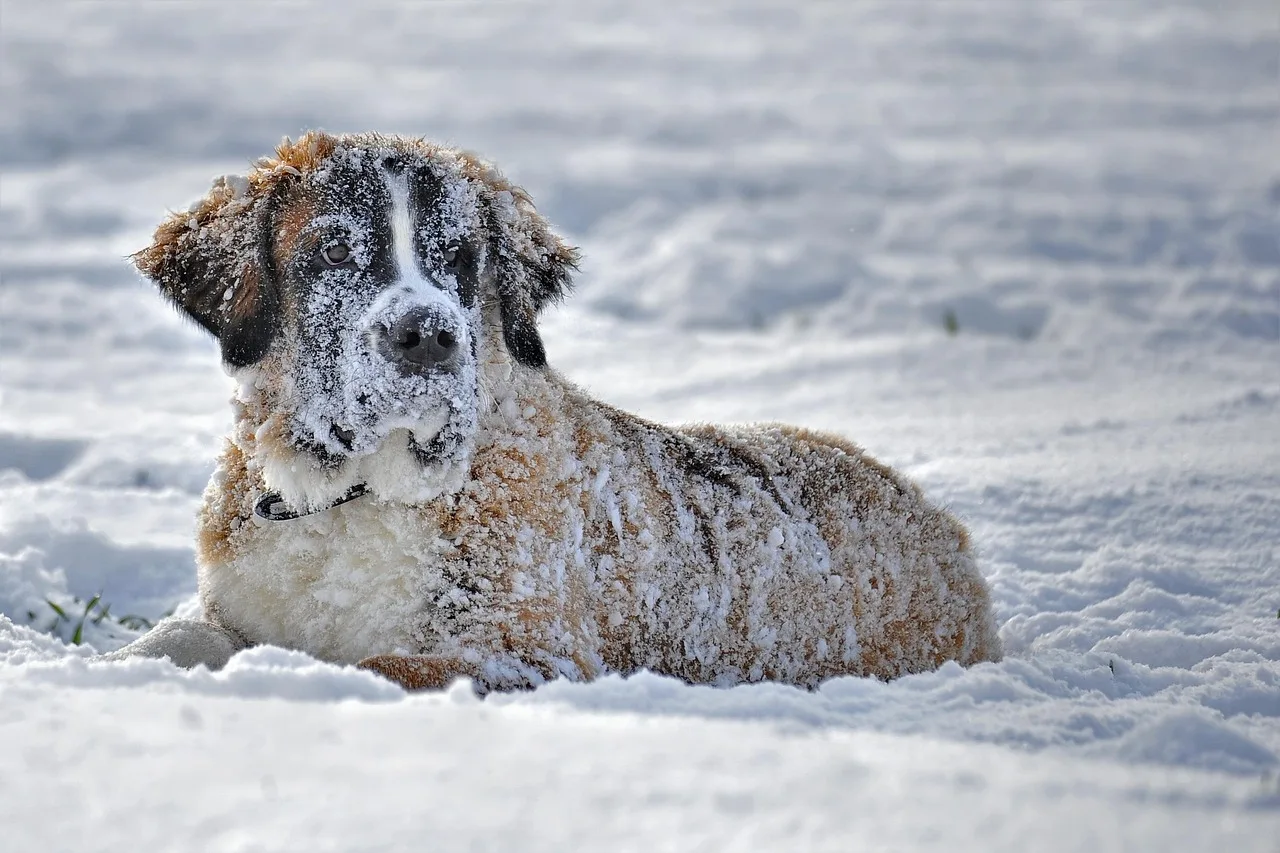
No Saint Bernard ever trotted through the Alps with a little barrel of brandy under its chin. The keg comes from one painting, Edwin Landseer’s 1820 Alpine Mastiffs Reanimating a Distressed Traveler, which he made at 17.
The real hero needed no props. Barry, who worked at the Alpine hospice from 1800 to 1814, is credited with saving 40 lives.
The dog’s shape moved too. One breeder recalls that her grandmother’s early champion was “practically swaybacked!” Today’s AKC chart lists the breed at 120 to 180 pounds, and the dog in 1992’s Beethoven weighed 200.
The Saint is one of nine breeds with big booms and busts in AKC registrations from 1946 to 2003, and in 2025 it’s No. 63. As for Cujo in 1983, that terrifying dog was four Saint Bernards, some mechanical dogs and a Labrador and Great Dane mix in a costume.
#8 A lifespan cut in half
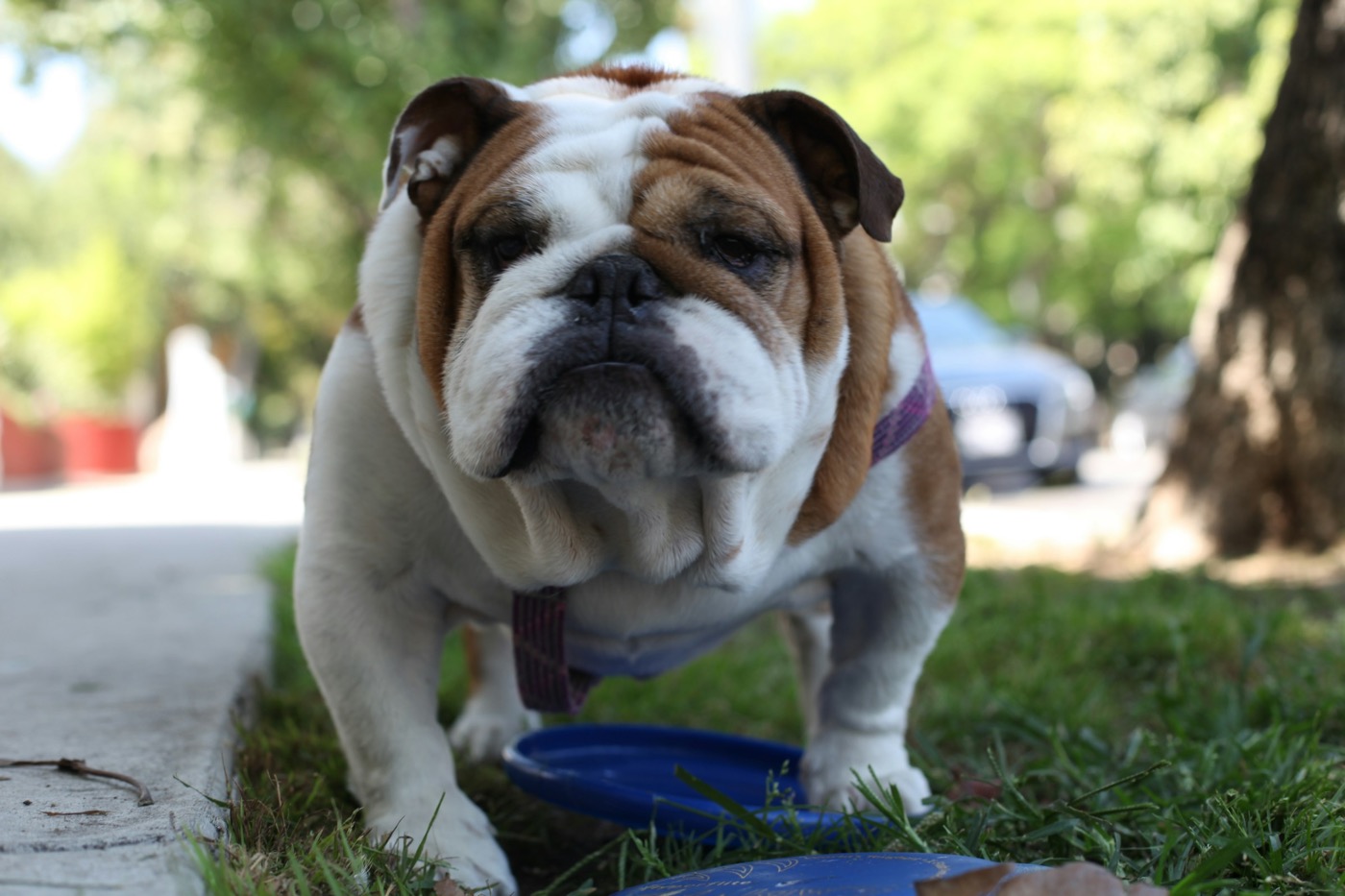
The Bulldog was already low and jowly in 1915, with “saggy jowls and a squat stance.” What came next was more of the same: deeper wrinkles and “an even thicker and squater body.”
Selective breeding pushed that look one generation at a time, and the cost showed up on the calendar. UC Davis’s Dr. Niels Pedersen told ESPN that bulldogs “have been bred into a corner” and that their average lifespan fell from 10 to 12 years to 6 to 8.
A large study of UK vet records spells out the rest, and its authors called for “immediate redefinition of the English Bulldog towards a moderate conformation.”
What the UK Bulldog study found – Sore, infected skin in the folds: about 38 times the odds of other dogs – Cherry eye, a red swelling in the corner of the eye: about 27 times – Breathing problems of flat-faced dogs: about 19 times – Lived past 8: 9.7% of Bulldogs, against 25.4% of other dogs
Two college mascots handled it two ways. Since 2017, Yale’s Handsome Dan has been an Olde English Bulldogge, bred out to a sturdier related type, which Yale’s Kevin Discepolo calls “the most athletic bulldog we’ve had.” Georgia went another way: Uga gets an air-conditioned doghouse on the sideline.
If the Bulldog’s face is the one you love, ask any breeder how the parents breathe on a warm day and how old the grandparents lived to be. In 2025 the Bulldog is No. 10, down from No. 4 in 2015 by our count.
#7 Liberty, the White House puppy litter
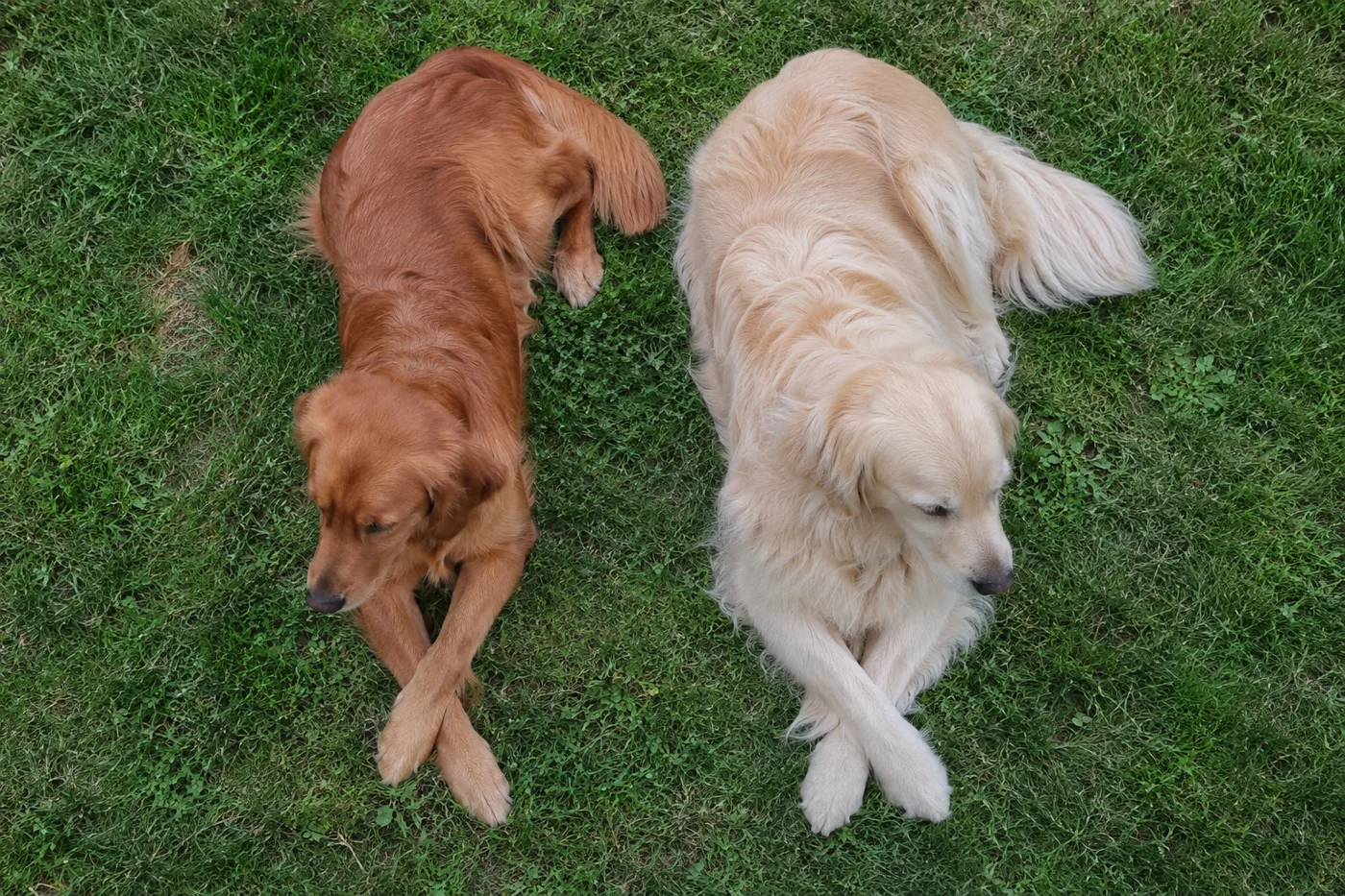
September 1975, and the First Lady is on the floor. “I sat on the floor and held Liberty’s head for eight hours,” Betty Ford said, while the family’s Golden Retriever had nine puppies. One of them went to Leader Dog School for the Blind.
Liberty had arrived the October before, a surprise for President Ford from David Hume Kennerly and Susan Ford. A few years later the Golden made its first appearance in the AKC top ten, at No. 5 in the 1980s. It’s No. 3 in 2025.
If two Goldens at the park look like different breeds, your eyes are fine. The standard asks for “rich, lustrous golden of various shades,” with extremely pale or dark coats undesirable, and males at 65 to 75 pounds, females at 55 to 65. Inside those lines, the breed has split.
Trainer Casey Ray, who says he has nearly 30 years of experience, explains in one of his breed videos that deep red, leaner Goldens are usually field lines, while beige or tan ones with heavier bone are usually show lines, with exceptions either way. The show type is the one he recommends for a family home.
#6 The world’s rarest dog, then the wrinkliest
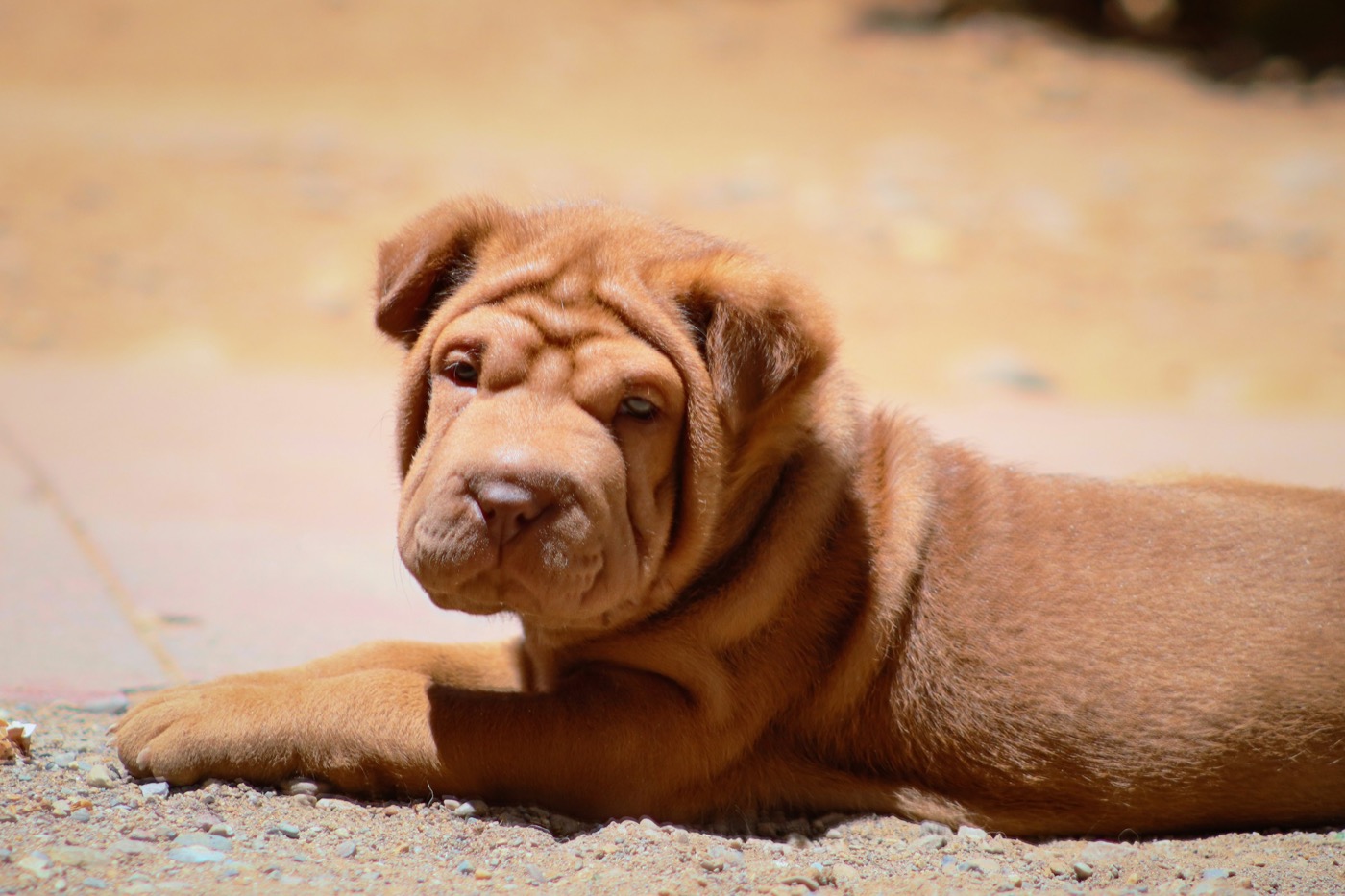
By 1978 the Chinese Shar-Pei held a title nobody wants. Guinness called it the world’s rarest breed, “with only 60 remaining.” A man named Matgo Law had appealed to the AKC on the breed’s behalf in 1973, and in 1992 the AKC recognized it, with a standard calling for the “meat-mouth” type.
Breeders leaned hard into those heavy wrinkles. A 2011 genetics study found the same gene duplication behind the wrinkles is tied to a periodic fever.
Shar-Pei fever brings fevers of 12 to 48 hours with swollen hocks, possibly “as often as every few weeks.” If yours runs fevers that come and go, tell your vet the breed; Cornell offers a gene test.
The breed is No. 80 in the 2025 rankings, a long way from 60 dogs.
#5 An ‘ancient’ breed, mostly rebuilt
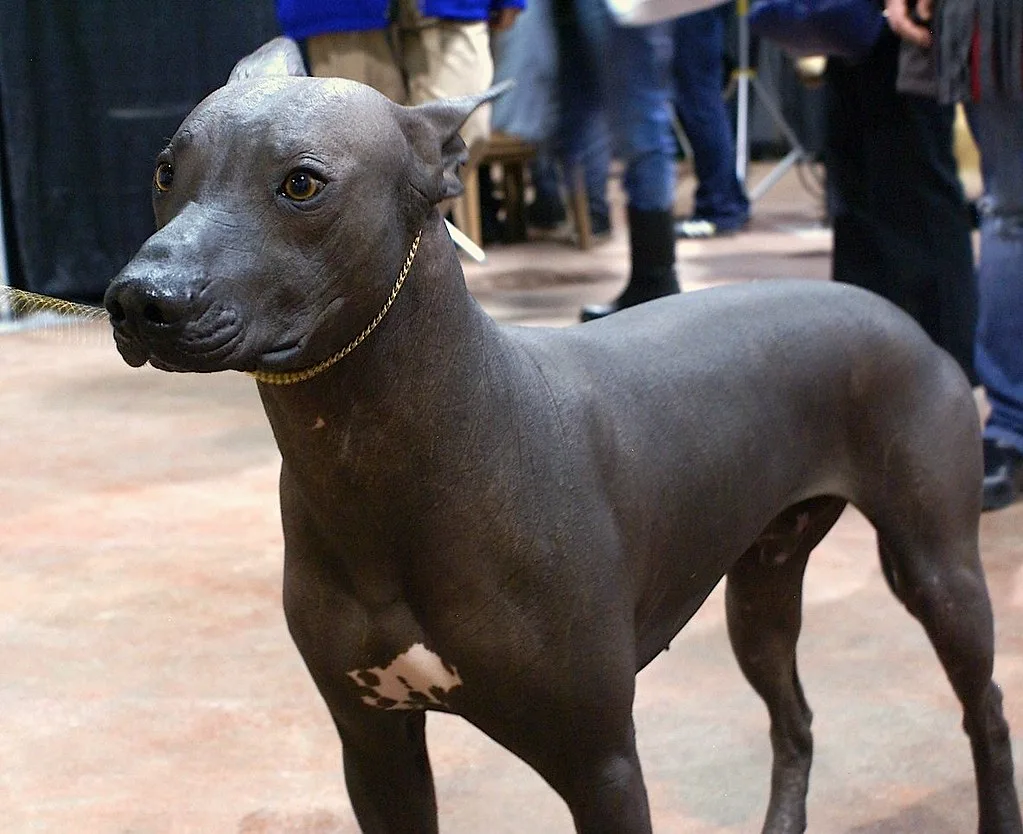
You’ll hear the Xoloitzcuintli, the hairless dog, sold as a 3,000-year-old breed. Its genes tell a shorter story. A 2020 genome study found modern Xolos carry about 3% pre-colonial ancestry, and Reddit commenters scoff at the “3,000 years” line for exactly that reason.
The breed also dropped out of the AKC’s records in 1959 and only came back on January 1, 2011, in the Non-Sporting Group. In 2025 it ranks No. 123.
Living with one is its own project. One owner describes using special shampoo, skin wipes and a more fish-based diet, calls it a hassle, and points to the payoff: no shedding. The owner of a half-Xolo explains the wardrobe on Reddit: “He’s comfy during our warm summers, but he curls up under blankets in winter so I put him in a sweater. He loves sweaters.”
And what’s it like to pet one? A Xolo owner on r/StrangeEarth has the answer: “It kind of feels like petting a seal though, not a dog.”
#4 110 pounds used to be plenty
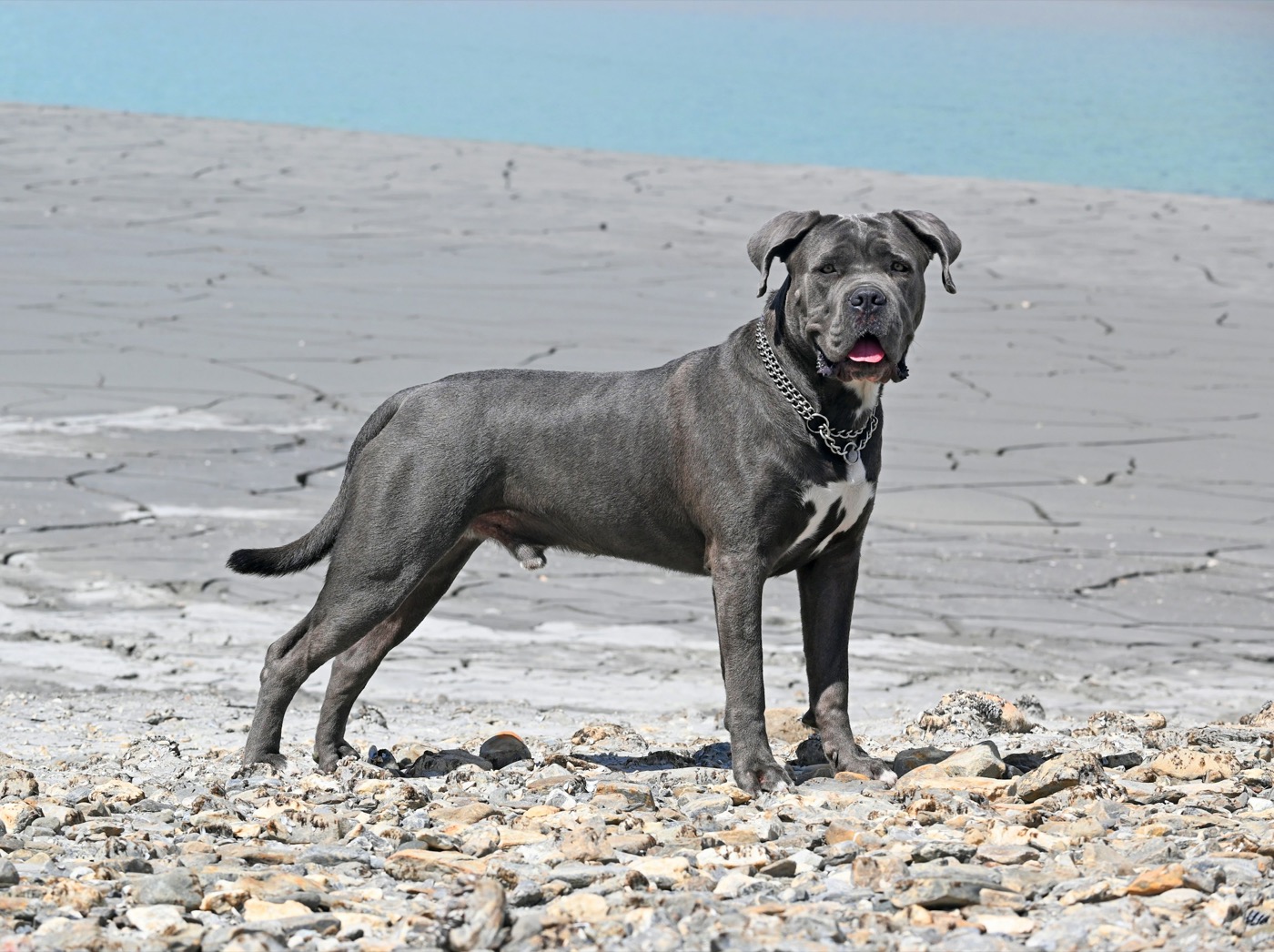
Garret Wing, a former police K9 handler who has trained police and pet dogs for more than 20 years, says the Cane Corso has bulked up fast: “It used to be a 110 lb Corso was what it was all about. Now, a 110 lb Corso is a little weakling.”
Then he keeps going: “Now, they’re 130, 150, 180. It’s getting crazy.”
The AKC sets the breed by height, males 25 to 27.5 inches and females 23.5 to 26, with “weight proportional to height.” There’s no number for the scale, so nothing in the rulebook stops the creep.
Demand keeps climbing, too: No. 14 in 2024, No. 11 in 2025. Tom Davis says the breed took off as a protection dog and that breeders chasing money over temperament did the damage. His verdict: “They’re overbred, especially here in the United States.”
When you call a Corso breeder, ask about the parents’ temperament before you ask about their size. A breeder who leads with the scale has told you what they’re breeding for.
#3 The doodle’s inventor regrets it
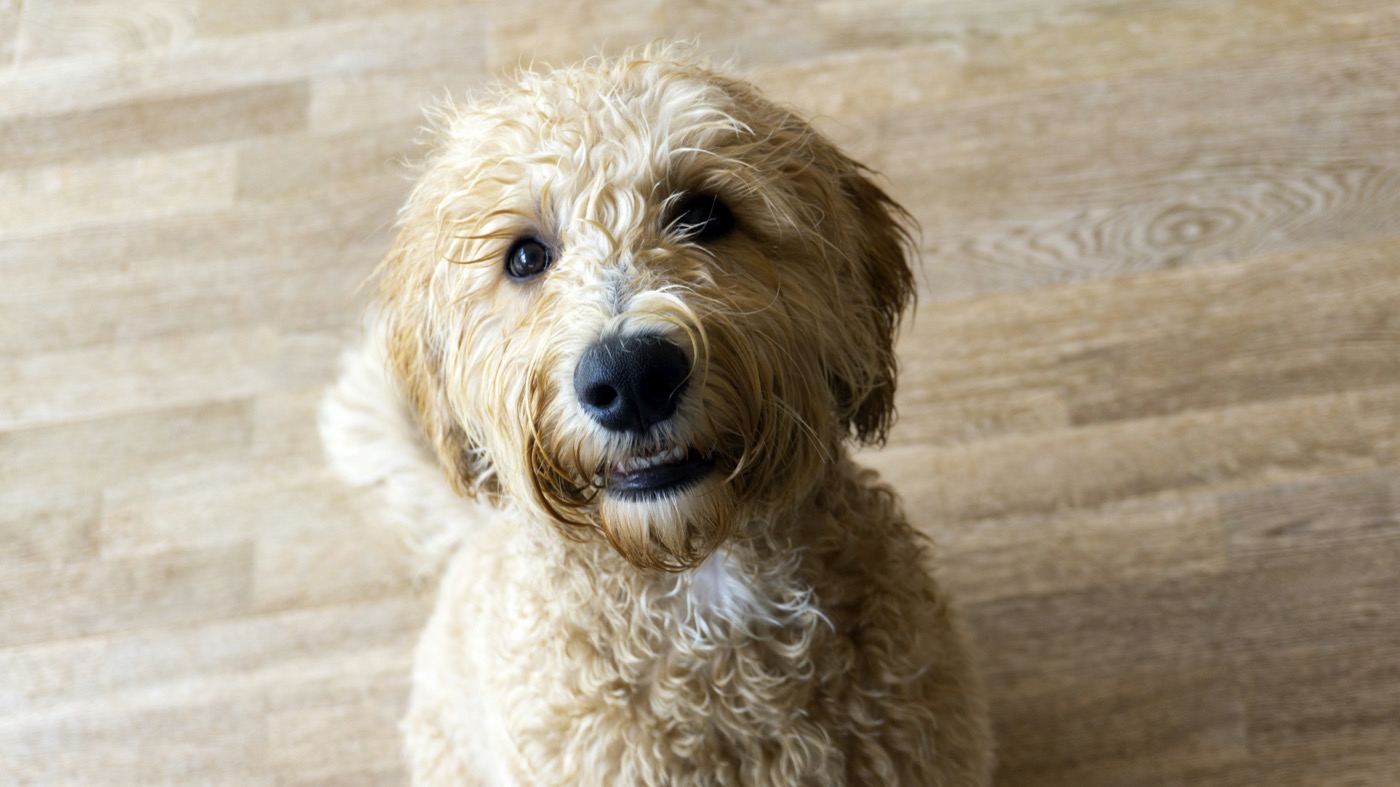
“I opened a Pandora’s box and released a Frankenstein’s monster.” Wally Conron, who bred the first Labradoodles, to ABC News Australia
If your first dog came before 1989, the doodle wasn’t even a word yet. That year Conron bred the first litter for a blind woman whose husband had allergies. He has since summed up what followed in four words: “It was a gimmick.”
The dog in front of you deserves better than a gimmick. A doodle carries two breeds’ worth of possibilities, the Lab and the Poodle, each with its own history of change. So ask for the tests each breed’s own club expects of the Labs and Poodles in your pup’s family. For Labs, that’s hips, elbows, a yearly eye exam and DNA tests, including one for exercise-induced collapse. For Standard Poodles, it’s hips, a yearly eye exam and one more test, such as thyroid or heart.
#2 14th place to America’s No. 1
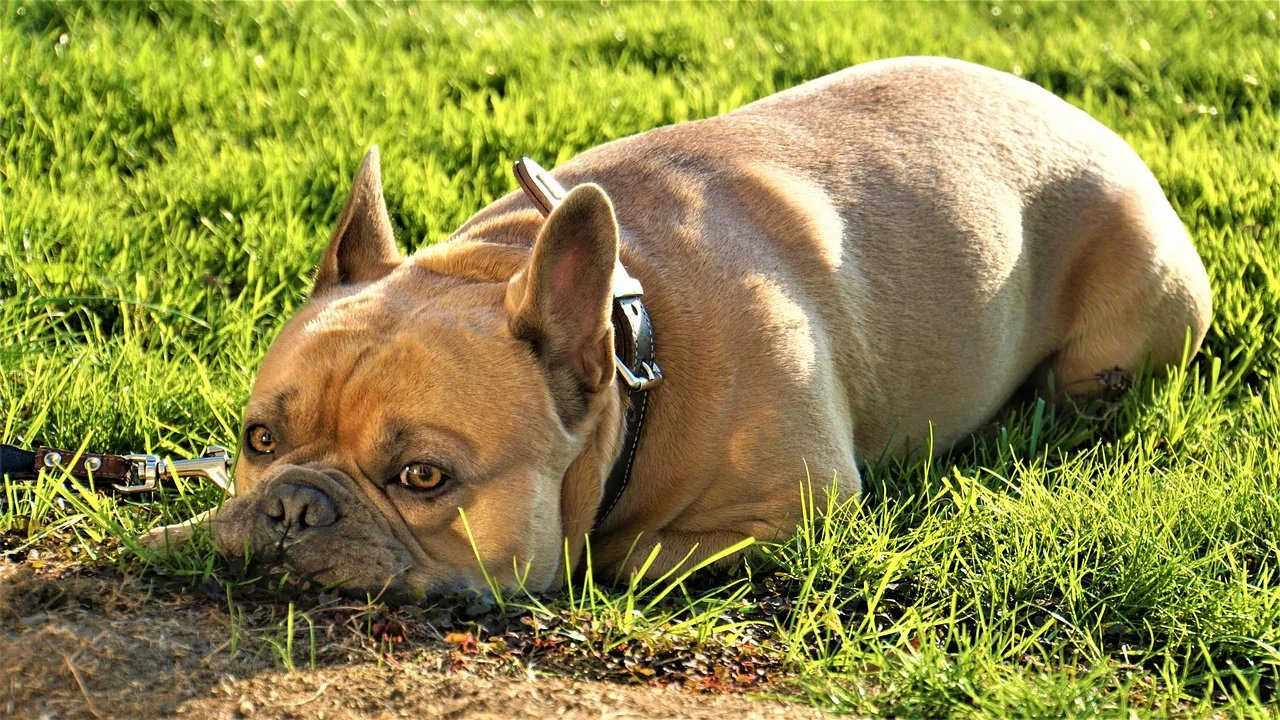
Not one decade’s top ten from the 1950s through the 1980s had a French Bulldog in it. Now it seems to be on every other leash.
In 2012 the Frenchie was the AKC’s No. 14 breed. Its registrations then rose more than 1,000%, and in 2022 it reached No. 1, where it has stayed through the 2025 rankings. We compared the AKC’s 2015 and 2025 rankings for 20 breeds, and the fastest climbers are exactly the ones trainers worry about. Keep in mind these are ranks among registered purebreds, not head counts.
How fast they moved (our count of AKC rankings) – French Bulldog: No. 6 in 2015, No. 1 every year since 2022 – Cane Corso: No. 35 in 2015, No. 11 in 2025 – Dachshund: No. 13 in 2015, No. 5 in 2025 – Pug: No. 33 in 2015, No. 38 in 2025, one flat face heading the other way
Casey Ray says Frenchies are now being bred in trendy variations that drift from the standard. His summary: “The farther you get away from the breed standard, it’s all about popularity.”
The price of that face is breathing problems. In a UK study of 214 French Bulldogs, 58.9% met the criteria for BOAS, the airway disorder common in flat-faced breeds, and narrowed nostrils were the strongest predictor.
So look at the nostrils, the puppy’s and both parents’. Narrow slits are a warning sign. Open nostrils are a good sign, though not the only factor, and not a guarantee.
If you plan to insure a Frenchie, read the fine print first. Nationwide, for one, lists that airway syndrome as a congenital disorder its policies don’t cover unless you add optional hereditary and congenital coverage.
#1 Spuds MacKenzie, once a ‘canine Gladiator’
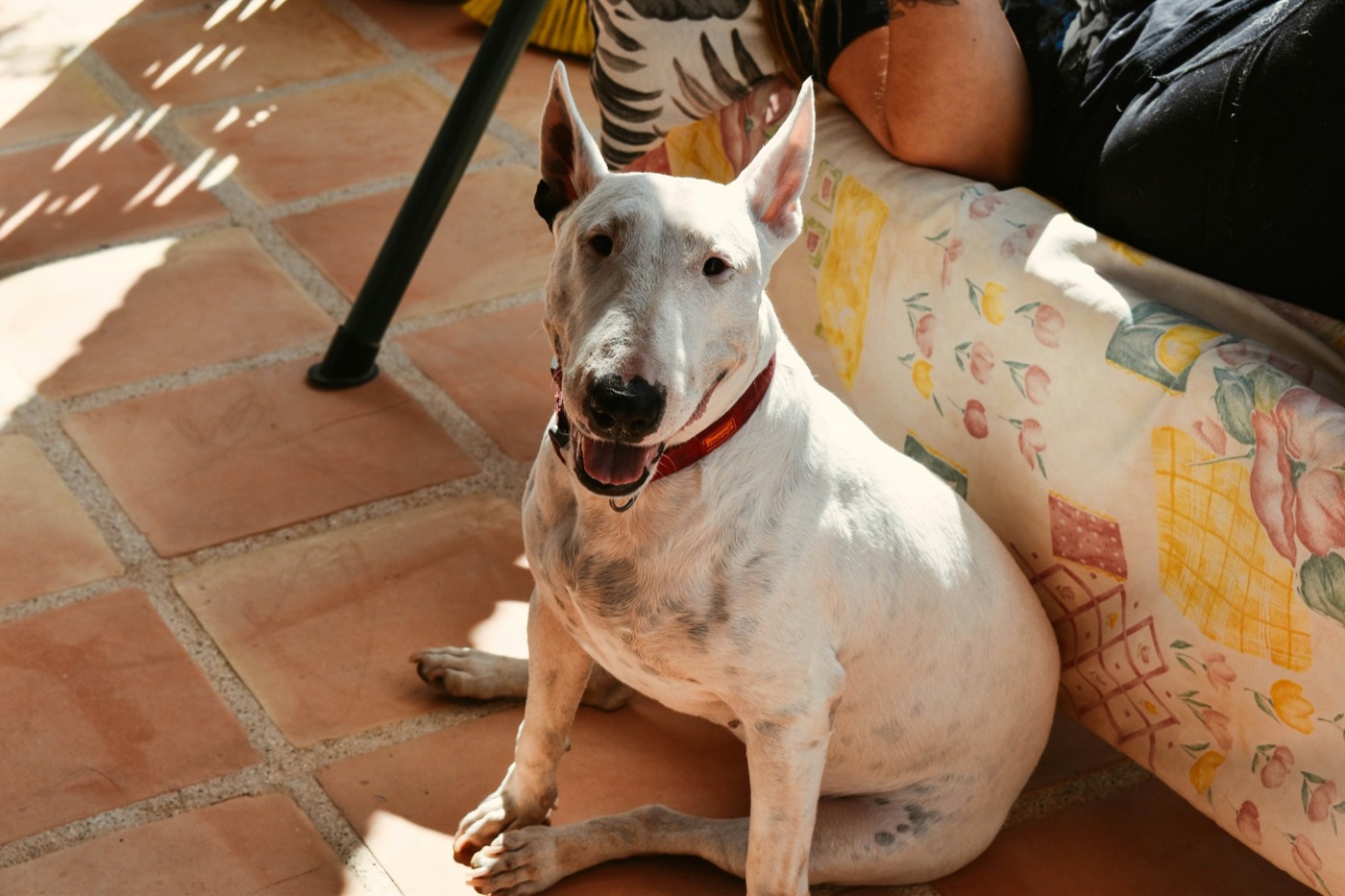
Super Bowl XXI, 1987. Bud Light introduces a party animal named Spuds MacKenzie, a Bull Terrier with a face like a stretched egg, and Bud Light sales rise about 20% from 1987 to 1988.
Spuds was a girl. Her registered name was Honey Tree Evil Eye.
The fame got big enough to reach the Senate. Strom Thurmond objected to “12-year-olds… wearing Spuds MacKenzie T-shirts.” The dog behind the whole uproar died in 1993.
Now the head. That smooth, egg-shaped head, the one that made Spuds look like a cartoon in real life, didn’t just happen. Bull Terrier history credits a man named Harry Monk as “the original designer of the down faced head.” Somebody designed it, and breeders kept it.
Go back to dog breeds 100 years ago and the gap is wide. The 1915 book Dogs of All Nations called the Bull Terrier the “canine Gladiator,” and Clothier says today’s dog is “hardly even recognizable.”
The famous face hasn’t kept the crowds. By our count, the breed slid from No. 55 in 2015 to No. 86 in 2025. More breeds are ranked now, but even allowing for that, it fell from under a third of the way down the list to just past four in ten.
So the next time someone calls that face natural, you can tell them its designer’s name.
The bottom line
The dog you grew up with hasn’t vanished from most of these breeds. It’s just rarely the first puppy in an online ad. It lives in a particular line, from a particular breeder, behind a particular pair of parents.
Before your next dog, try this. Write down what you actually loved about the first one. The level walk? The calm? The way it waited at the end of the driveway?
Then take that list to the breeder, ask which of their dogs still does those things, and ask to meet the mother.
Bonus: Five more things to watch, check or say
- Watch the 151st Westminster show on February 1 and 2, 2027, when Best in Show streams live on Netflix, and see how the winners compare with the dogs you remember from the TV broadcasts that started in 1948.
- If you’ve ever had a mixed breed DNA-tested, look for Chow Chow in the results; it was the No. 3 breed found in American mutts in the 2011 census.
- Look up where your childhood dog ranked in its decade on the AKC’s 1950s top ten page, then click through the 60s, 70s and 80s.
- Next time someone mentions a shaggy dog, tell them that after The Shaggy Dog came out in 1959, Old English Sheepdog registrations rose 100-fold.
- If you’re ever at the FDR Memorial in Washington, look for Fala, Roosevelt’s Scottish Terrier and the only presidential pet in a statue there.
Questions people also ask
How have dog breeds changed over time?
They changed through what breeders and show judges chose to keep, and the biggest shifts tended to come when a breed got popular fast. A study of 48.6 million AKC registrations from 1946 to 2003 found nine breeds, among them the Saint Bernard and Great Dane, with pronounced booms and busts. A separate study of movie dogs found popularity “appears unrelated to breed temperament and health.”
Why do German Shepherds have sloped backs now?
Mostly because the show ring rewarded the look, not because the dog’s work needed it. A breeder’s history of the German show standard says the wording changed from “back straight” around 1976 and again in 1991, though no official text confirms the dates. Working-line Shepherds still tend to have flatter backs.
Are mixed-breed dogs healthier than purebreds?
Sometimes, but not across the board. UC Davis records for more than 90,000 dogs showed 13 of 24 inherited disorders equally common in purebreds and mixes, 10 more common in purebreds, and one, a torn knee ligament, more common in mixes.
What are the most popular dog breeds now?
The French Bulldog is No. 1 in the AKC’s 2025 rankings, its fourth straight year on top. It’s followed by the Labrador Retriever, Golden Retriever, German Shepherd and Dachshund. The rankings cover AKC-registered purebreds only, not every dog in the country.
What were the most popular dog breeds in the 1960s and 1970s?
The Poodle was the AKC’s No. 1 breed in both decades, with the German Shepherd at No. 2. The Beagle and Dachshund stayed in the top five, and the Doberman, Irish Setter and Labrador entered the top ten in the 1970s.
Does a dog’s breed determine its personality?
Only a little. A 2022 study drawing on more than 18,000 owner surveys and DNA from more than 2,000 dogs found breed explains only about 9% of the differences in an individual dog’s behavior. Geneticist Elinor Karlsson of UMass Chan Medical School said such traits “predate our concept of modern dog breeds by thousands of years,” so the dog in front of you tells you more than its breed name does.