See the true story, the real breed and the 2025 American Kennel Club rank behind 28 famous dogs, from Lassie’s stand-in to a terrier few Americans own now.
The most devoted dog of all time belongs to a breed hardly anyone in America owns now. You’ll meet him at #1.
The dog is staring at the treat jar on the counter like it owes him money, and you already know he’s the finest breed that ever lived. Most of us feel that way about whatever dog we have now. Fair enough. But man’s best friend has a long record of famous dogs in history, and a lot of them weren’t the breed you’d guess. Some were strays. One was a $3 shelter mutt.
Table of Contents
#28 Lassie and the real dog who played her
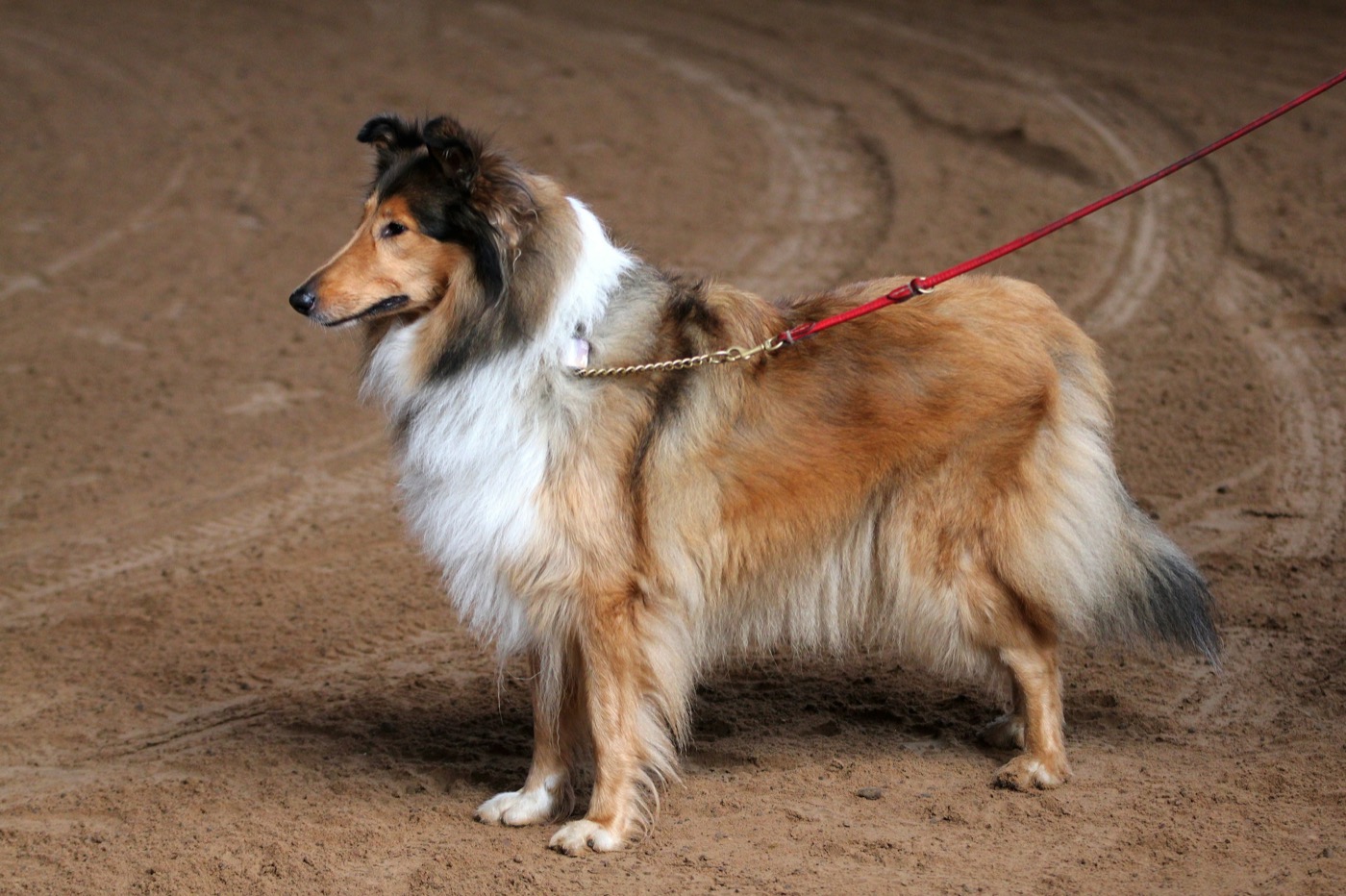
Lassie was a girl. Every dog who played her on screen was a boy.
It started in 1943, during filming of Lassie Come Home, when a male Rough Collie named Pal replaced the original female collie. Pal went on to star in seven MGM films through 1951. The boys kept the job for a reason any collie owner would guess: males grow the longer coat, and on a collie the coat is half the show.
Jon Provost, who played Timmy from 1957 to 1964, put it plainly to Fox News: “Lassie is a female dog. Always has been.” Then he added that “all Lassies have been males.” He worked with three of them over 249 half-hour episodes.
The TV show ran from 1954 to 1973, 19 seasons and 591 episodes, and six collies took turns in the role:
- Pal
- Lassie Junior
- Spook
- Baby
- Mire
- Hey Hey
If you can still whistle the theme, you’re whistling Muzzy Marcellino’s version, used from season five on. And if a can of soup comes to mind with it, Campbell’s says it sponsored highly rated shows “including ‘Lassie.'”
Now the line everybody quotes. Timmy never fell down a well.
“There was never an episode where I fell in a well.” Jon Provost, to Fox News
The American Kennel Club (AKC) calls Pal’s breed simply the Collie, and in its 2025 ranking of 202 breeds the Collie came in at #39. Pal’s family kept the part for generations. A 10th-generation descendant, also named Pal, is handled by trainer Carol Riggins.
The real dog, the fictional star – Lassie: played by Pal, a male Rough Collie – Toto: played by Terry, a female Cairn Terrier – Benji: played by Higgins, a shelter mutt – Old Yeller: played by Spike, a $3 shelter dog
#27 Rin Tin Tin, the World War I battlefield puppy
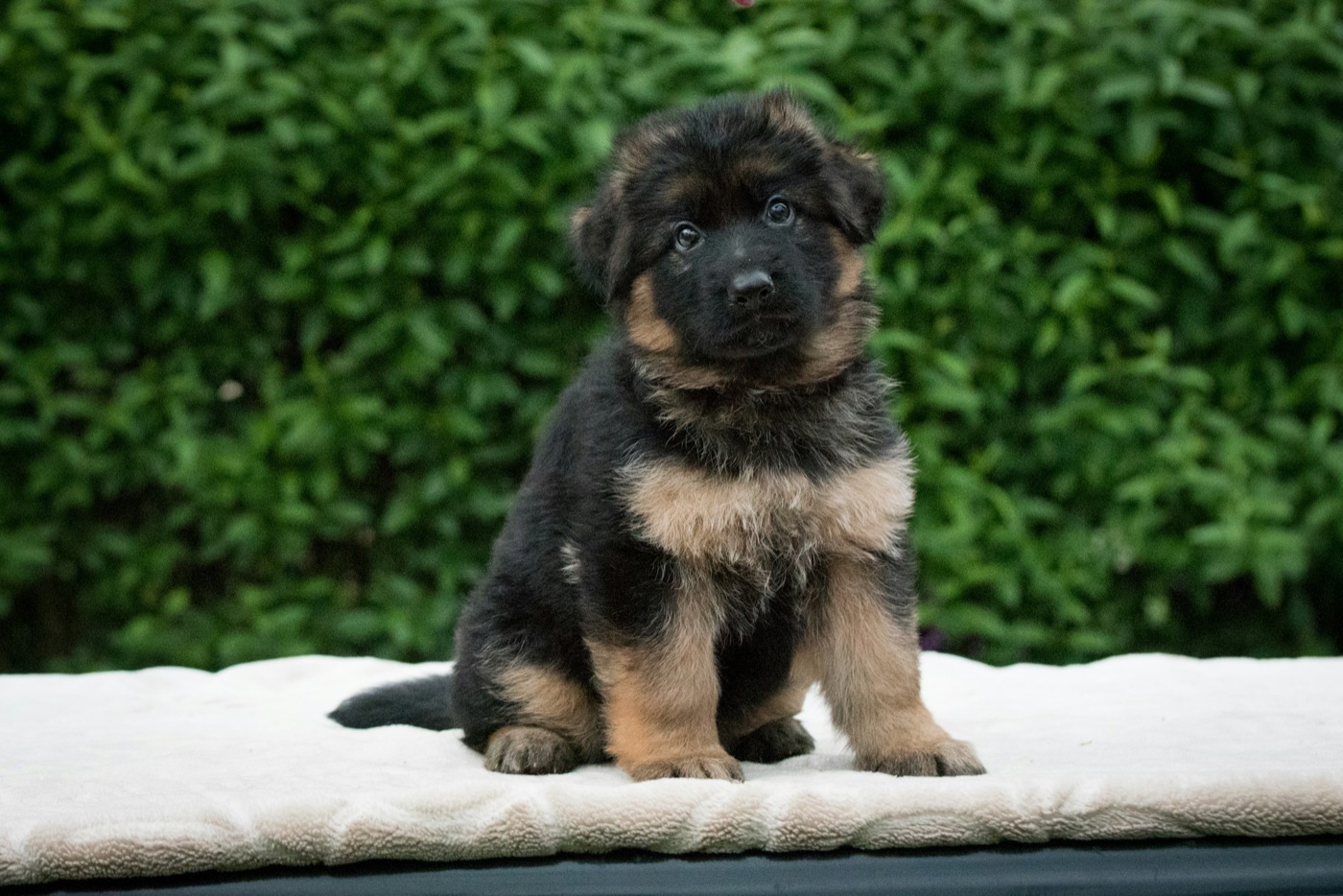
September 15, 1918, near the French village of Flirey. Corporal Lee Duncan of the Army Air Service is picking through a bombed German camp when he finds a mother dog and five newborn puppies.
He keeps two. The boy he names Rin Tin Tin, the girl Nanette, both after French good-luck dolls.
Once home, Duncan couldn’t stop thinking about getting his dog into pictures. “I was so excited over the film idea that I found myself thinking of it night and day,” he said, as quoted by Military.com. It worked. Warner Bros. paid $1,000 a week, and Where the North Begins (1923) earned $352,000.
The Rin Tin Tin you watched in the 1950s was someone else. The Adventures of Rin-Tin-Tin ran 164 episodes on ABC from 1954 to 1959, with Lee Aaker as Corporal Rusty, the orphan raised by soldiers at Fort Apache. The credits said Rin Tin Tin IV. But IV didn’t do well on camera, so most of the work went to Flame Jr., an unrelated German Shepherd.
The famous name stayed on the credits. The famous face, mostly, didn’t.
German Shepherds ranked #4 in America in 2025. The original’s star on the Hollywood Walk of Fame, added in 1960, is at 1627 Vine Street.
#26 Laika’s one-way trip to orbit

The first animal to orbit Earth was nobody’s show dog. Laika was a stray off the streets of Moscow, about 11 pounds, first called Kudryavka, “Little Curly.” Laika means “Barker.” She was likely husky or Samoyed crossed with terrier, and the American press nicknamed her “Muttnik.”
She launched aboard Sputnik 2 on November 3, 1957. The craft had no way to come home.
What the public didn’t learn until October 2002, 45 years later, was how she actually died. The cabin overheated, and she was gone within hours, on the fourth orbit.
Oleg Gazenko, one of her trainers, had said it four years before the truth came out: “We did not learn enough from this mission to justify the death of the dog.”
No breed chart has a line for her. Moscow gave her a monument in 2008, and her face has been on postage stamps. Not bad for a dog the American papers called a mutt.
#25 Hachiko’s long wait at Shibuya Station
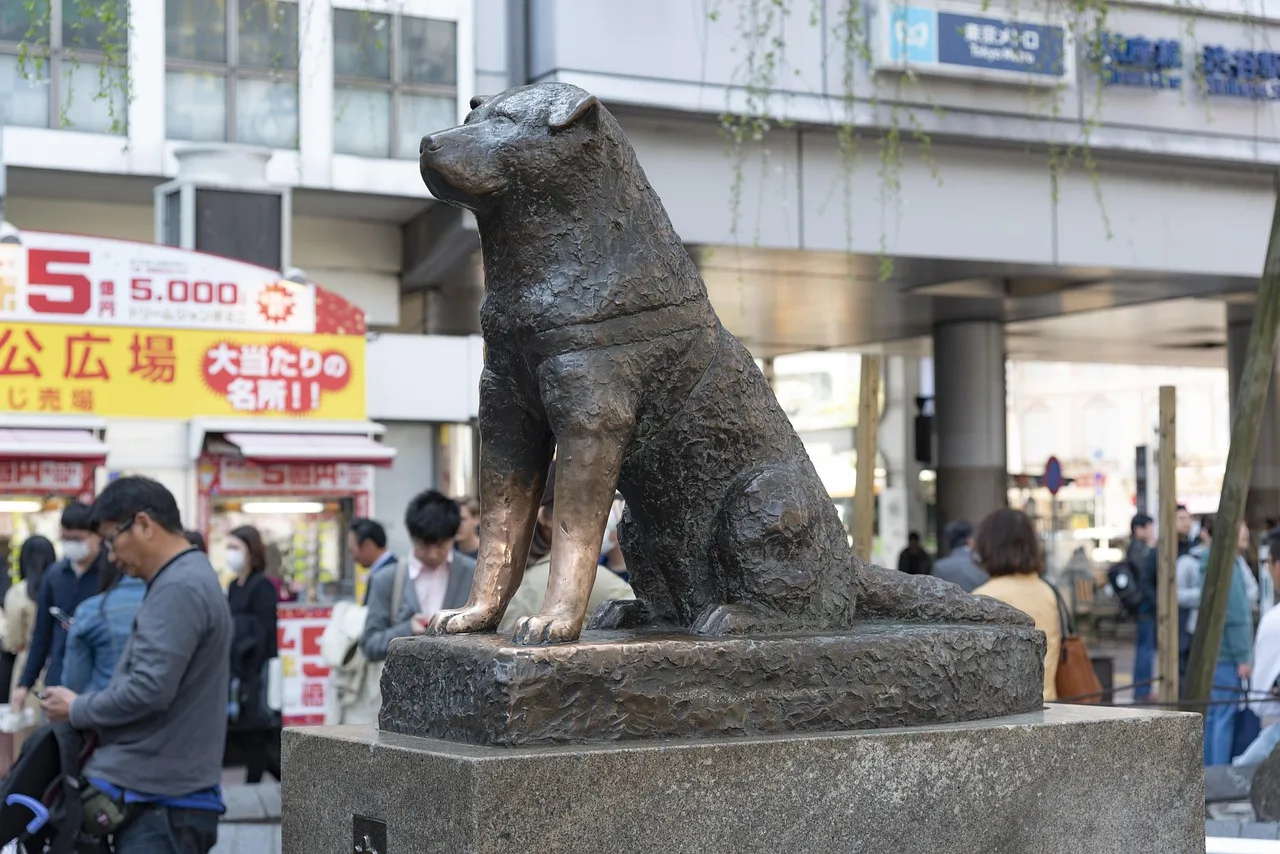
Nearly ten years. That’s how long an Akita named Hachiko kept going to a Tokyo train station after his person stopped coming home.
Hachiko was born in November 1923 on a farm near Odate, in Japan’s Akita Prefecture. Professor Hidesaburo Ueno brought him to Tokyo in 1924. In May 1925, Ueno died suddenly. Hachiko kept returning to Shibuya Station until his own death on March 8, 1935.
The part most retellings skip: the first Shibuya Station statue went up in April 1934, while Hachiko was still alive. The loyal Akita could have walked past his own bronze. That one was melted down in World War II. The one you’d see now, by Takeshi Ando, went up in August 1948, and Hachiko himself is preserved at the National Museum of Nature and Science in Tokyo.
So the story is true. The breed needs one footnote. In 1999, international kennel clubs split the Akita into two breeds, the American Akita and the Japanese Akitainu. Hachiko lived long before that, so he was simply an Akita. The AKC’s “Akita,” #62 in 2025, is mostly the American type.
He belongs on any list of the most famous dogs of all time, and he has one more surprise attached. According to the AKC’s history of the breed, Helen Keller received the very first Akitas in America, in the late 1930s.
#24 Balto, Togo and the 1925 serum run
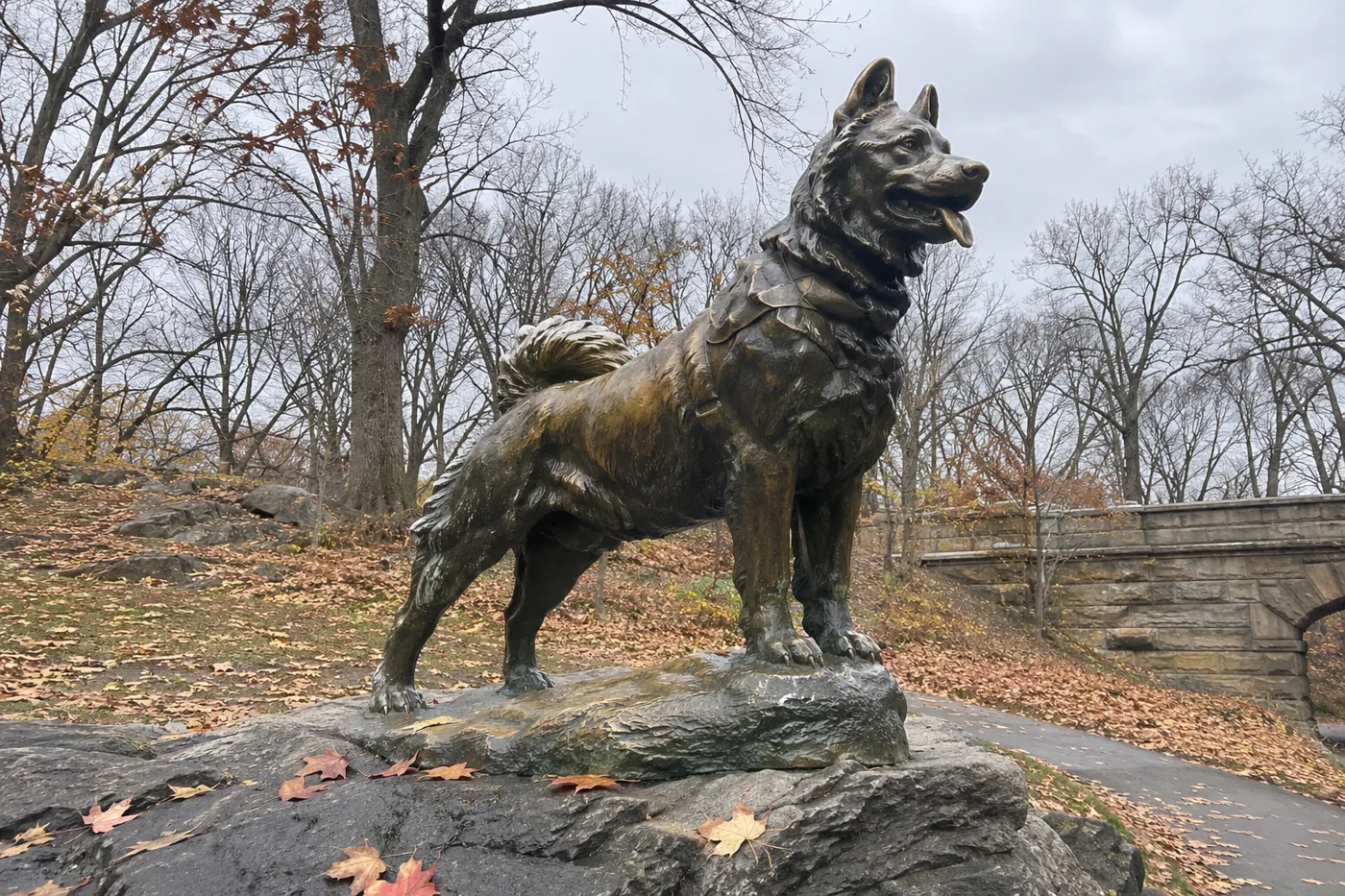
Balto got the statue. Togo got the hardest miles.
The 1925 serum run to Nome, Alaska, carried diphtheria antitoxin, a medicine for the disease, 674 miles in about five and a half days. Twenty mushers and about 150 dogs did it as a relay, in temperatures down to 62 below zero.
| Dog | His leg of the run | What he got |
|---|---|---|
| Togo, with Leonhard Seppala | 261 miles, the longest and most dangerous | Named the most heroic animal of all time by Time in 2011 |
| Balto, with Gunnar Kaasen | 55 miles, the last one into Nome | A Central Park statue in 1925 |
Togo was 12 years old and about 48 pounds when he ran it. Seppala never wavered on him: “I never had a better dog than Togo. His stamina, loyalty and intelligence could not be improved upon.” Balto he called a “scrub dog.”
That’s a little hard on Balto. Kaasen’s leg was no stroll: “Many times I couldn’t even see my dogs, so blinding was the gale.” They pulled into Nome around 5:30 a.m. on February 2.
Balto’s statue in Central Park was dedicated on December 17, 1925, and Balto was there for the unveiling. The Central Park Conservancy calls it “a destination for children who like to climb over its surfaces,” so if you ever sat on that bronze dog, you had plenty of company.
Togo’s credit came late: a 2019 Disney+ film with Willem Dafoe, and then his bones. On September 1, 2026, his skeleton came home to Alaska from Yale’s Peabody Museum in a trade for more than 1,000 Cambodian mammal specimens, and it’s planned for display in Fairbanks. Curator Link Olson told Alaska’s News Source: “He’s probably one of the most beloved dogs in the history of humankind.”
Both dogs were Siberian Huskies, #30 in 2025.
Where to see them today – Balto, mounted: Cleveland Museum of Natural History, in the Visitor Hall, which is always free – Balto’s statue: Central Park, New York City, near East 67th Street – Togo’s mounted hide: Iditarod Trail Committee headquarters, Wasilla, Alaska – Stubby, preserved: Smithsonian’s National Museum of American History, Washington, D.C., free, no passes needed
#23 Old Yeller and the shelter dog Spike
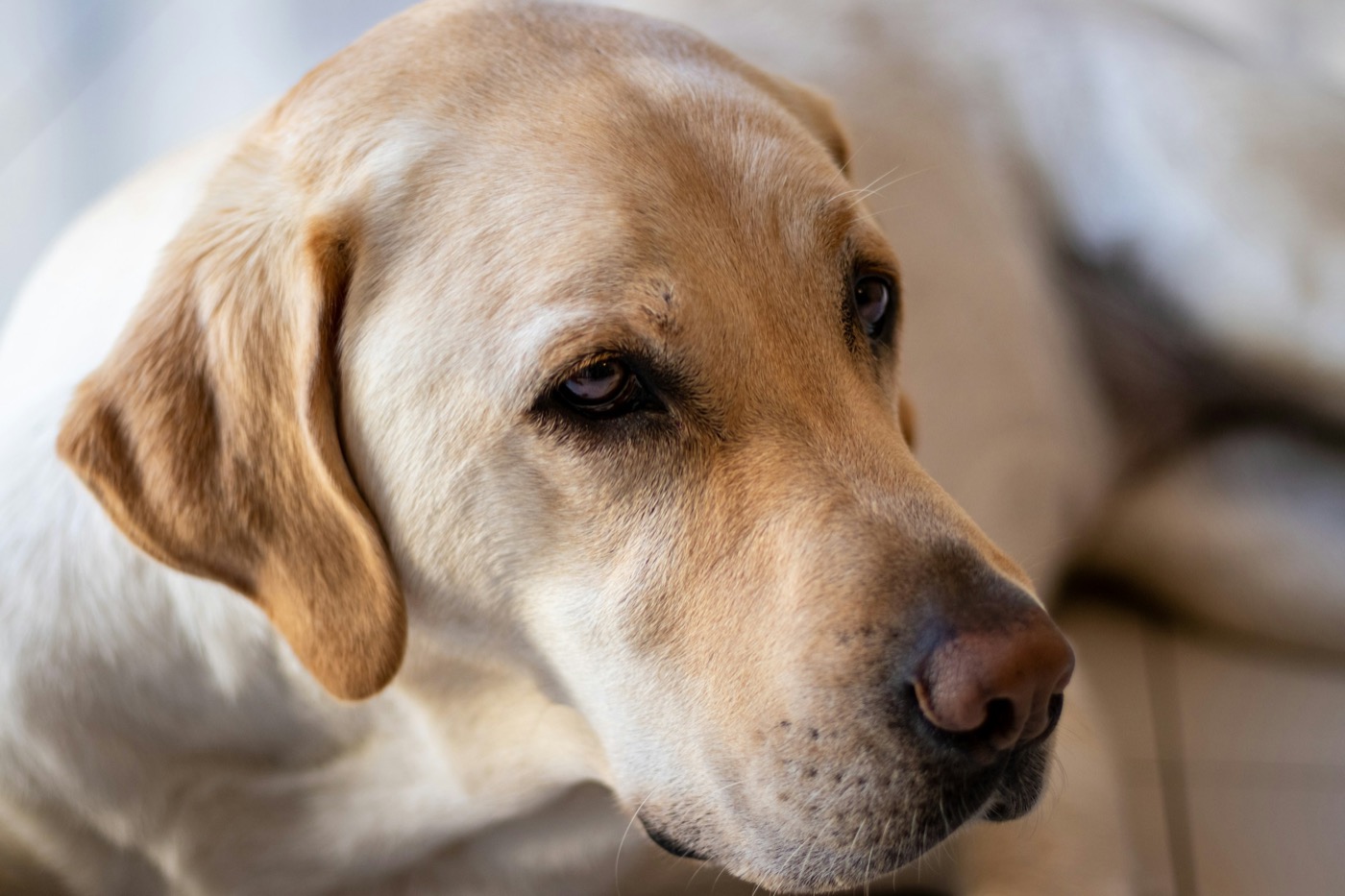
A trainer named Frank Weatherwax walks into the Van Nuys Animal Shelter in California and leaves with a big yellow dog for $3. That dog became Old Yeller.
Spike was a big Labrador and mastiff mix, and he was a softie. He was so gentle he had to be trained to snarl for the rabies scenes, the ones some of us still can’t sit through.
In Fred Gipson’s 1956 novel, the dog is a Black Mouth Cur. Disney’s film opened December 25, 1957, with Tommy Kirk as Travis, and it earned $6.25 million in the US, fifth-highest of the year. In 2019 it joined the National Film Registry. Spike kept working, too, including Island of the Blue Dolphins.
A mix like Spike doesn’t get an AKC rank. His Labrador side comes from the #2 breed in America. The rest of him, the part that had to learn to look mean, came from a shelter for three dollars.
#22 Benji and the mutt from Burbank
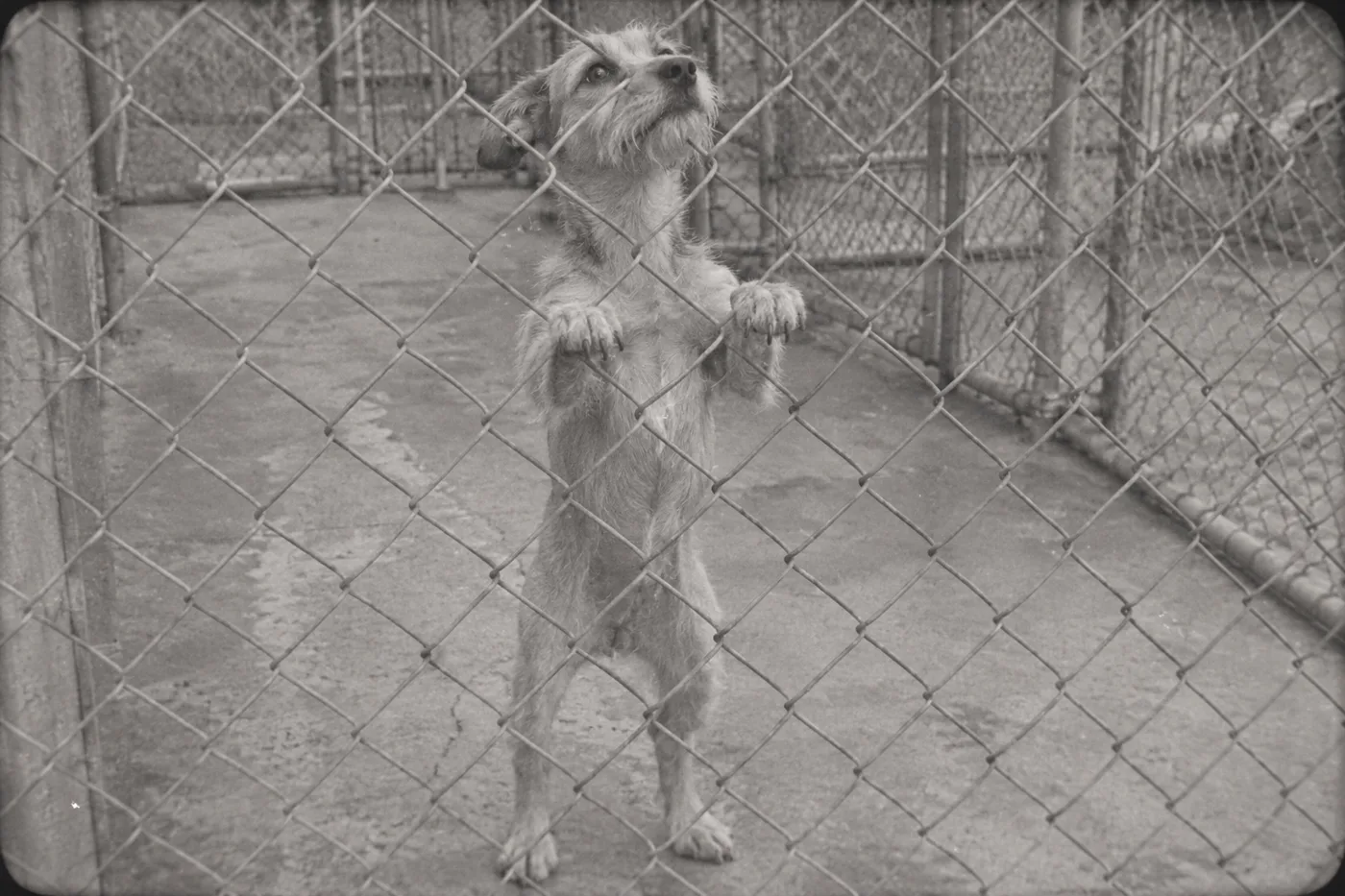
If you watched Petticoat Junction, you met Benji before he was Benji.
Trainer Frank Inn found Higgins at the Burbank Animal Shelter in 1960, and Higgins worked on the show from 1963 to 1970. He was part schnauzer, part cocker spaniel and part poodle, and he was 14 years old when he filmed Benji in 1974.
That old shelter dog delivered:
- $45 million worldwide
- #3 movie of the year, by Variety‘s count
- A Golden Globe for “Benji’s Theme (I Feel Love),” sung by Charlie Rich
Then came the part nobody planned. American Humane credited the news that Benji came from a shelter with “a million additional adoptions” in the 1970s.
In 1975, Higgins entered the American Humane Association Hall of Fame as only its second honoree. The first was Lassie.
#21 Toto and the terrier named Terry
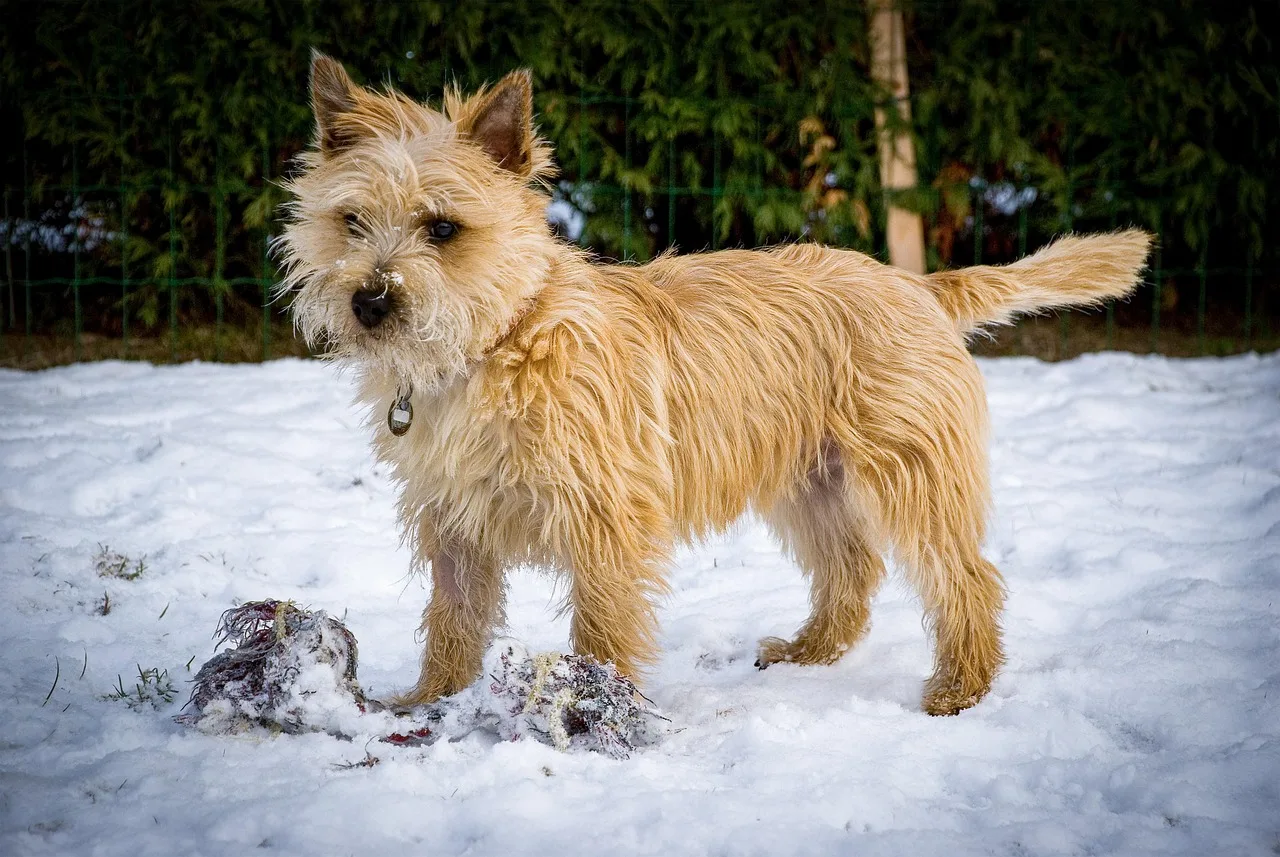
Toto had a better contract than a lot of the people in Oz.
Terry, a female Cairn Terrier born in Chicago in 1933, was paid $125 a week on The Wizard of Oz. That’s about $2,900 a week in 2025 money, and more than many of the film’s human actors made.
She didn’t start as a star. When she came to trainer Carl Spitz, she was a shy, anxious “carpet-wetter”. On set, a Winkie guard sprained her paw, and Judy Garland offered to buy her. She made about two dozen films before she died in 1945.
For perspective, Rin Tin Tin had pulled down eight times her weekly pay back in the 1920s. Even in Hollywood, German Shepherds got the corner office.
You probably met Terry on TV. The film first aired on November 3, 1956, and became a yearly event from 1959 through 1991. It skipped one year: 1963. If you remember waiting for Oz one year and it never came on, that’s your answer.
Cairn Terriers ranked #68 in 2025. Terry got a memorial at Hollywood Forever Cemetery in 2011.
#20 Checkers and Nixon’s 1952 speech
“Regardless of what they say about it, we’re gonna keep it.”
Richard Nixon said that about a dog on September 23, 1952, to about 60 million Americans, the largest TV audience up to that time. The speech has been called by the dog’s name ever since.
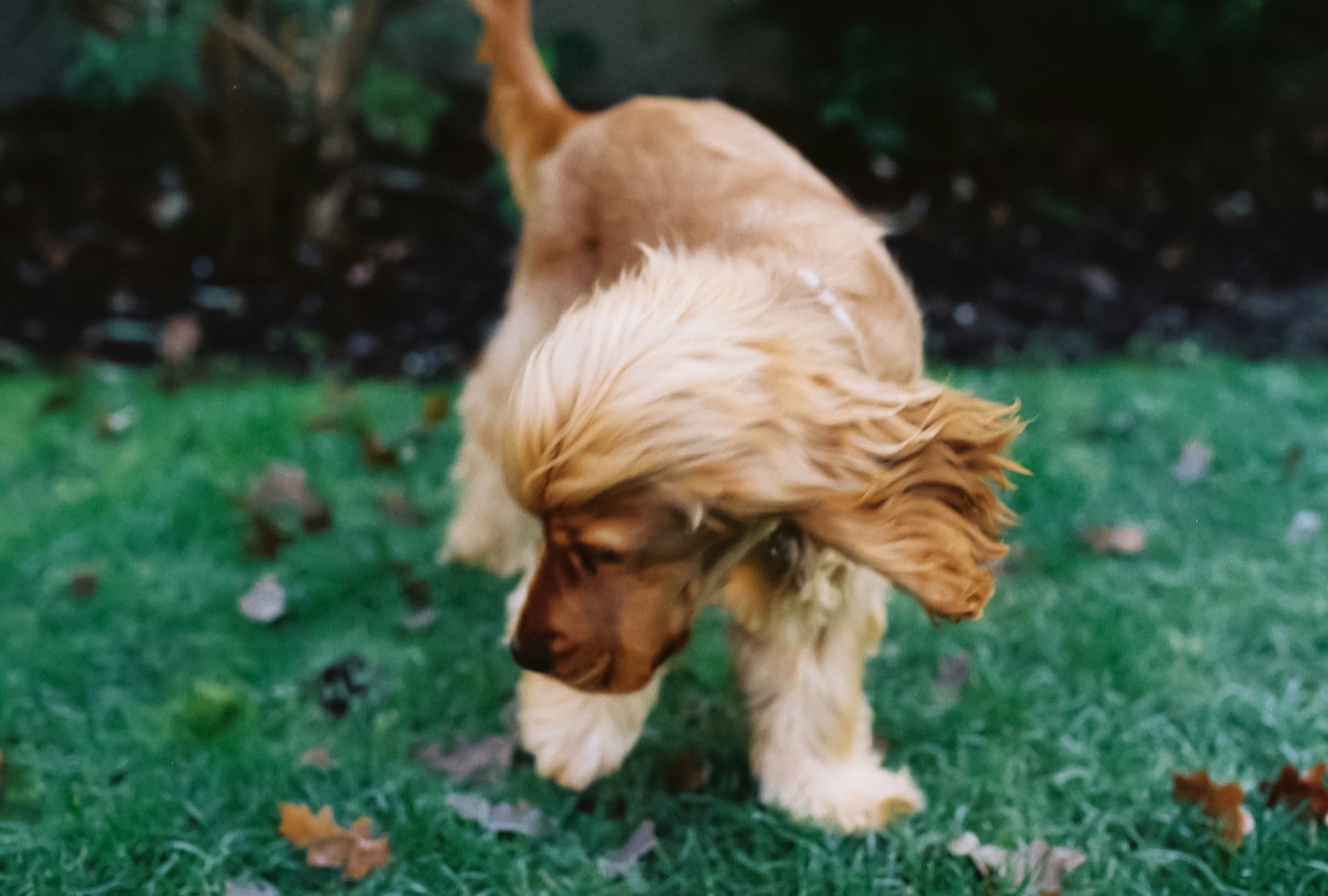
Checkers was an American Cocker Spaniel sent by a Texas salesman named Lou Carrol and named by six-year-old Tricia Nixon.
Was Checkers a boy or a girl? Accounts disagree, so if that argument ever broke out at your table, nobody wins it. The dog died in 1964 and is buried at Bide-A-Wee Pet Cemetery in Wantagh, Long Island.
The AKC’s Cocker Spaniel ranked #33 in 2025, two spots ahead of the English Cocker Spaniel at #35.
#19 LBJ and his beagles’ ears
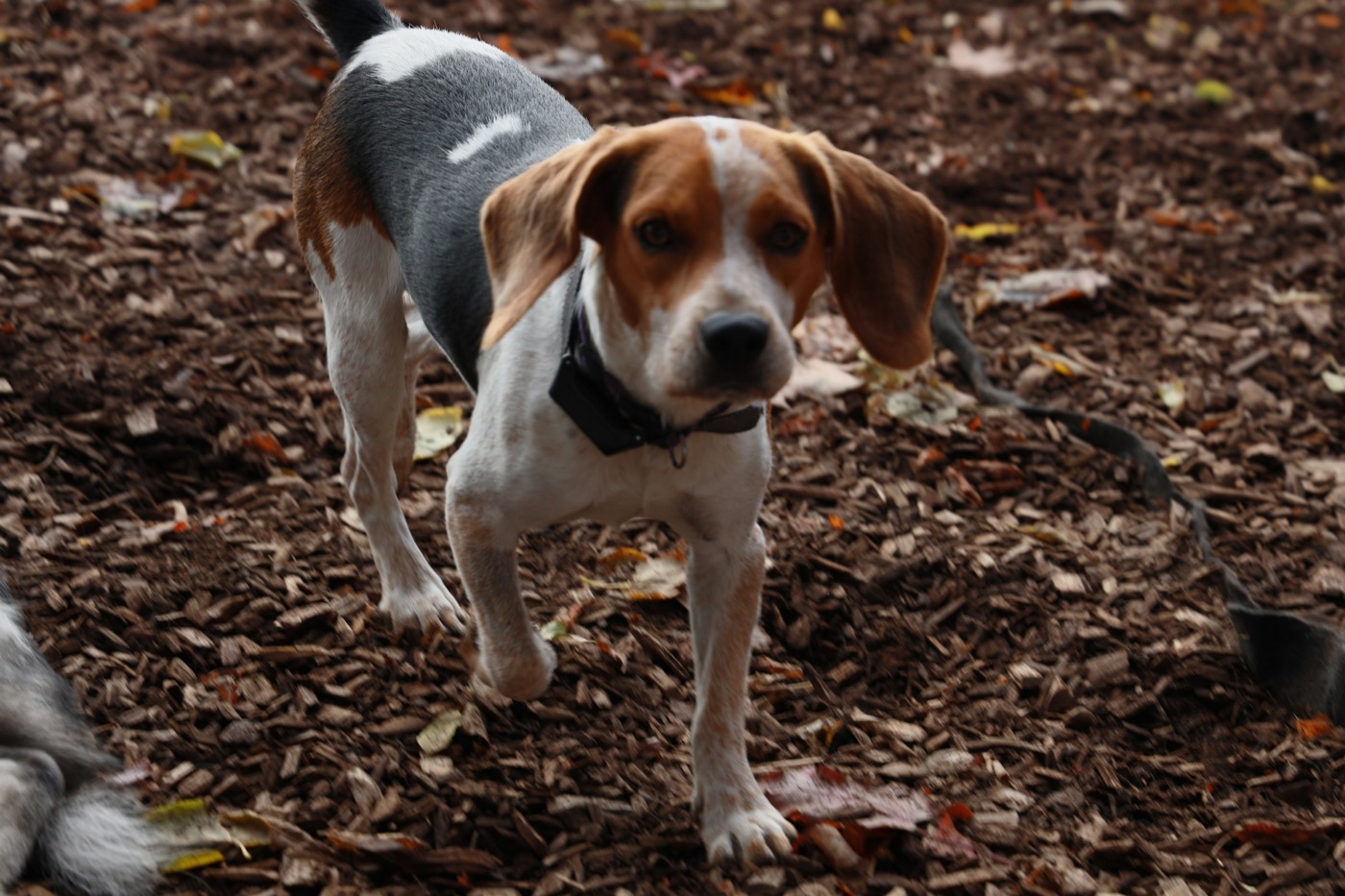
The White House lawn, spring 1964. President Lyndon Johnson is greeting a group of visitors when he reaches down and lifts his beagle, Him, by the ears.
Him and Her, both born June 27, 1963, got nationwide attention in 1964. Once Life ran the photo, the Humane Society of Texas answered: “Ears are for hearing, not for pulling.”
Johnson said it was how hunting dogs were handled in rural Texas, and that the dog “seemed to like it.” He apologized publicly. If you were reading Life that year, you may remember it as the presidential dog picture of the decade.
Beagles ranked #7 in America in 2025. Her died in November 1964 after swallowing a stone. Him lived until June 1966, when he was hit by a car while chasing a squirrel.
#18 Stubby, the World War I mascot
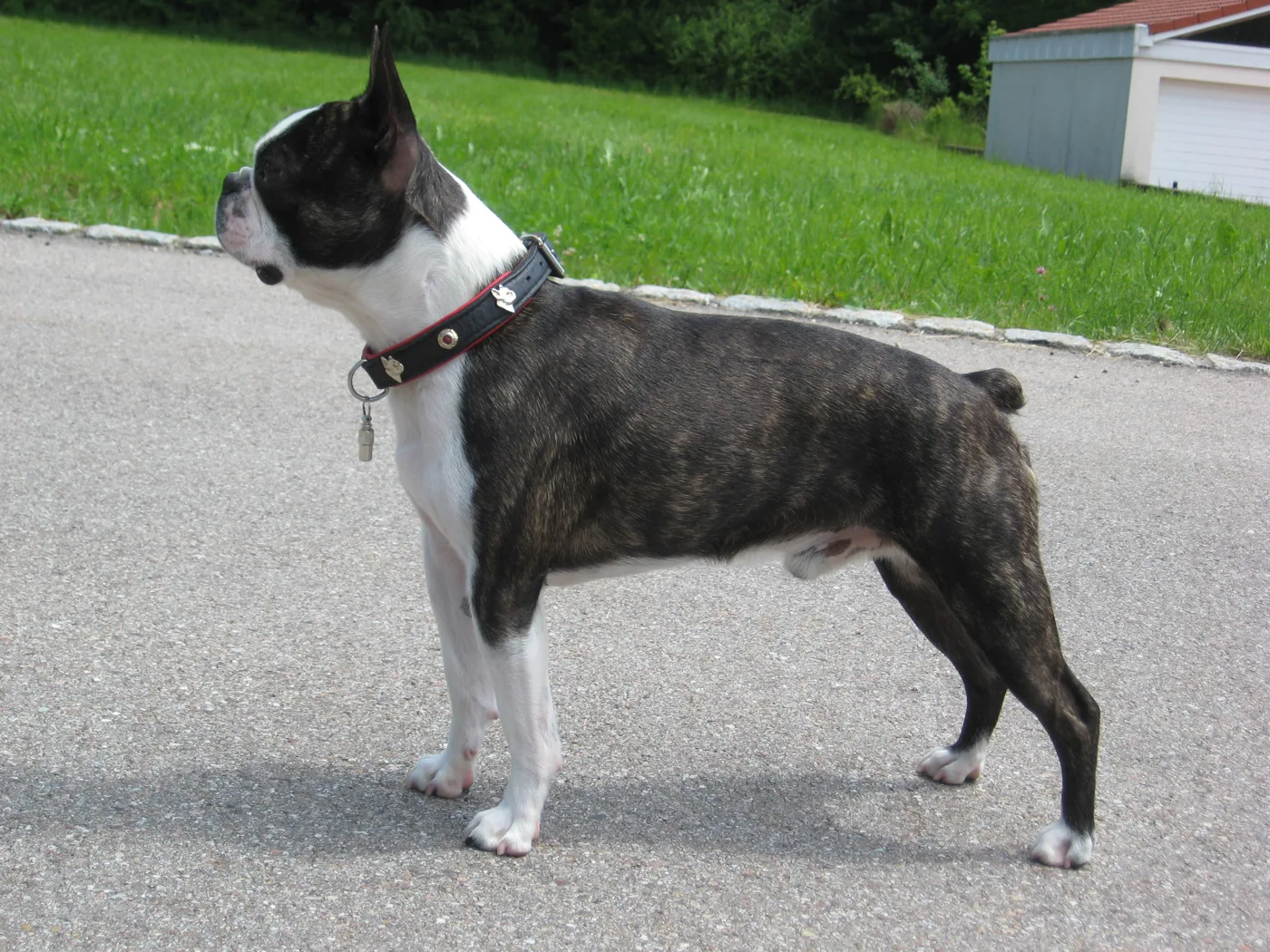
Before you call Stubby the most decorated war dog in history, hear from the historian who dug into his story.
“I’m quite convinced that he was promoted by the internet.” Historian Ann Bausum, to Military Times
She found no articles from his lifetime calling him “Sgt. Stubby.” The three chevrons on his coat marked overseas service rather than rank.
His breed is a puzzle, too. Bausum calls it a “Rorschach blot,” like the inkblot test where everyone sees something different. He looked like what was then called a Boston terrier, and if that’s what you see, Boston Terriers ranked #23 in 2025.
What stands up: the National WWI Museum’s account names him mascot of the 102nd Infantry, 26th Yankee Division, and says he was hurt by shrapnel and mustard gas, warned of gas attacks, found wounded soldiers and caught an enemy spy.
After the war he became Georgetown University’s mascot while his owner, James Robert Conroy, studied law there. When Stubby died in 1926, the New York Times gave him a 15-paragraph obituary. His remains are at the Smithsonian’s National Museum of American History.
#17 Petey’s painted eye ring
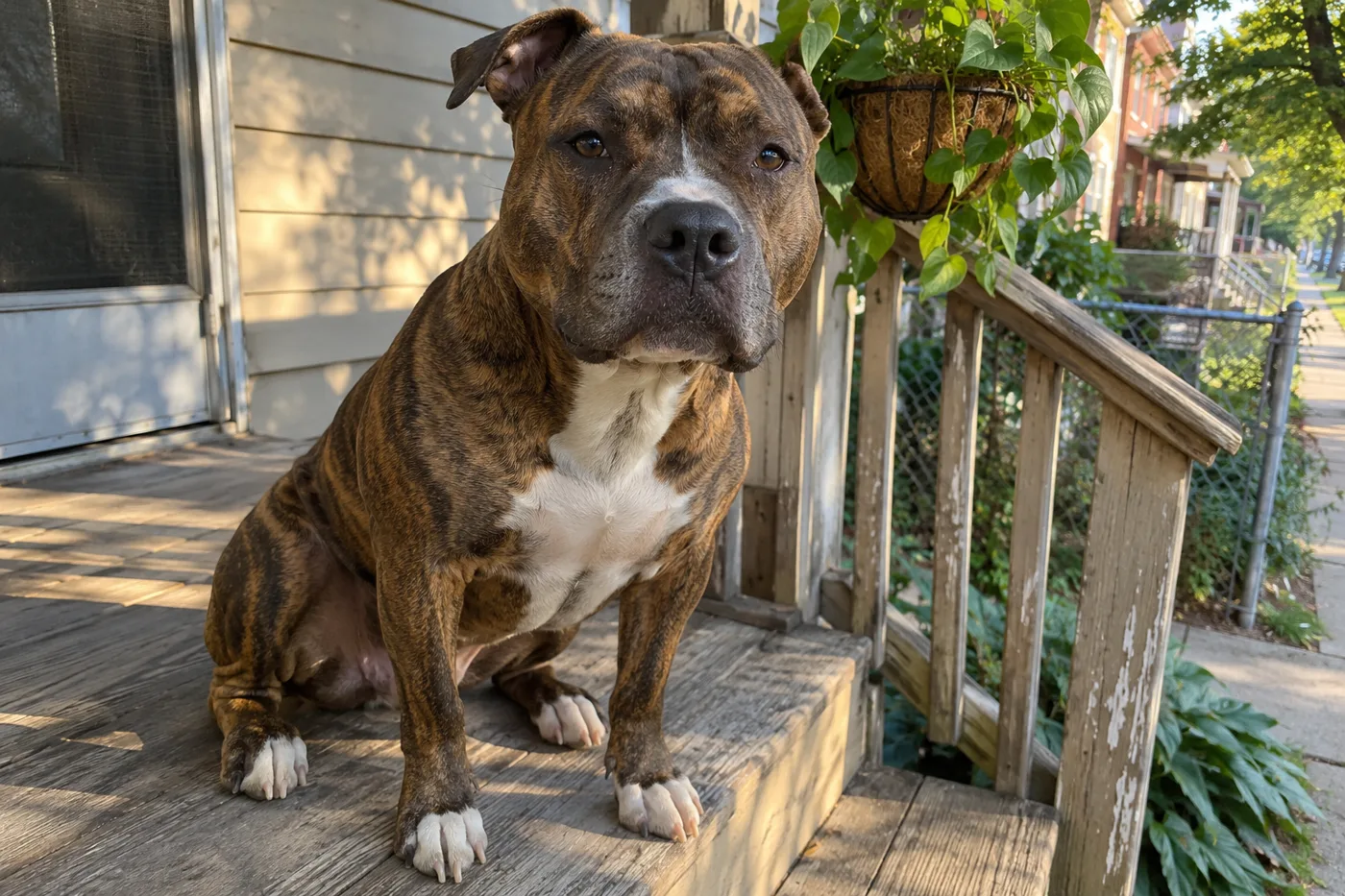
The ring around Petey’s eye was partly paint on the first dog and all makeup on the second.
The first Pete was Pal the Wonder Dog (a different Pal from Lassie’s), an American Pit Bull Terrier who debuted in 1927’s The Glorious Fourth. Pal had a natural ring that was finished with paint. His son, Lucenay’s Peter, took over after Pal died in 1930, and Peter had no ring at all. Hollywood makeup artist Max Factor put it on him.
You most likely saw him when Our Gang came around again as The Little Rascals. Peter lived to 16 and is buried at Los Angeles Pet Memorial Park in Calabasas.
If you love one of the related breeds, the Staffordshire Bull Terrier ranked #61 in 2025 and the American Staffordshire Terrier #97.
#16 Spuds MacKenzie, the party dog
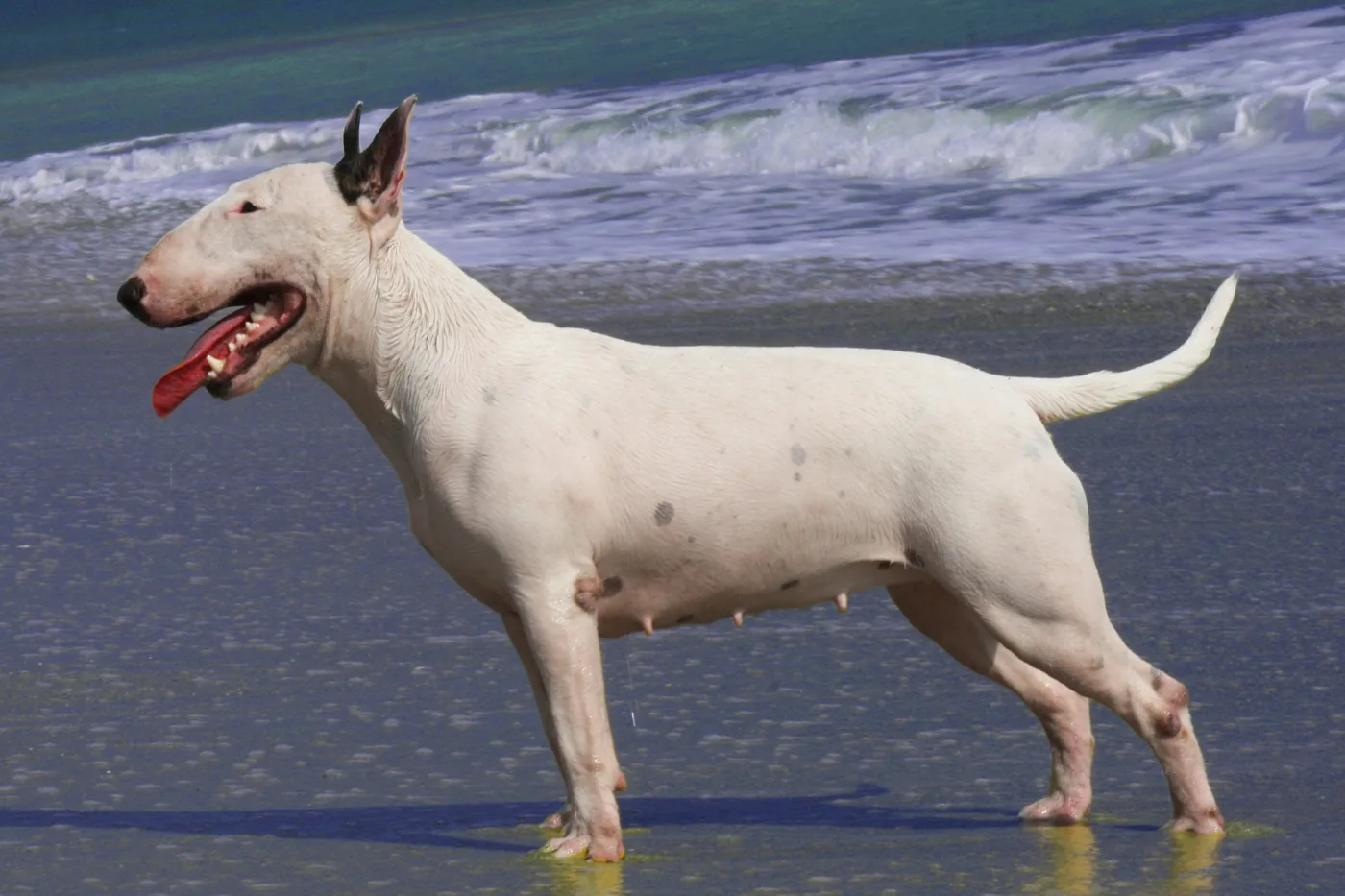
Spuds MacKenzie was Lassie in reverse: a boy on screen, played by a girl.
Bud Light introduced him during Super Bowl XXI in 1987 as “The Original Party Animal,” a character dreamed up by a 23-year-old art director named Jon Moore. The dog was a female Bull Terrier named Honey Tree Evil Eye, “Evie” to her family, Stan and Jackie Oles of North Riverside, Illinois.
Senator Strom Thurmond charged that the dog was being used “to appeal to children,” and the campaign was retired in 1989. Evie lived four years into retirement and died in 1993, at about 10.
Spuds came back for one more Super Bowl ad in 2017. Bull Terriers ranked #86 in 2025, well down the chart for a dog who once had his own T-shirts in every mall in America.
#15 Nipper, the dog on the record label
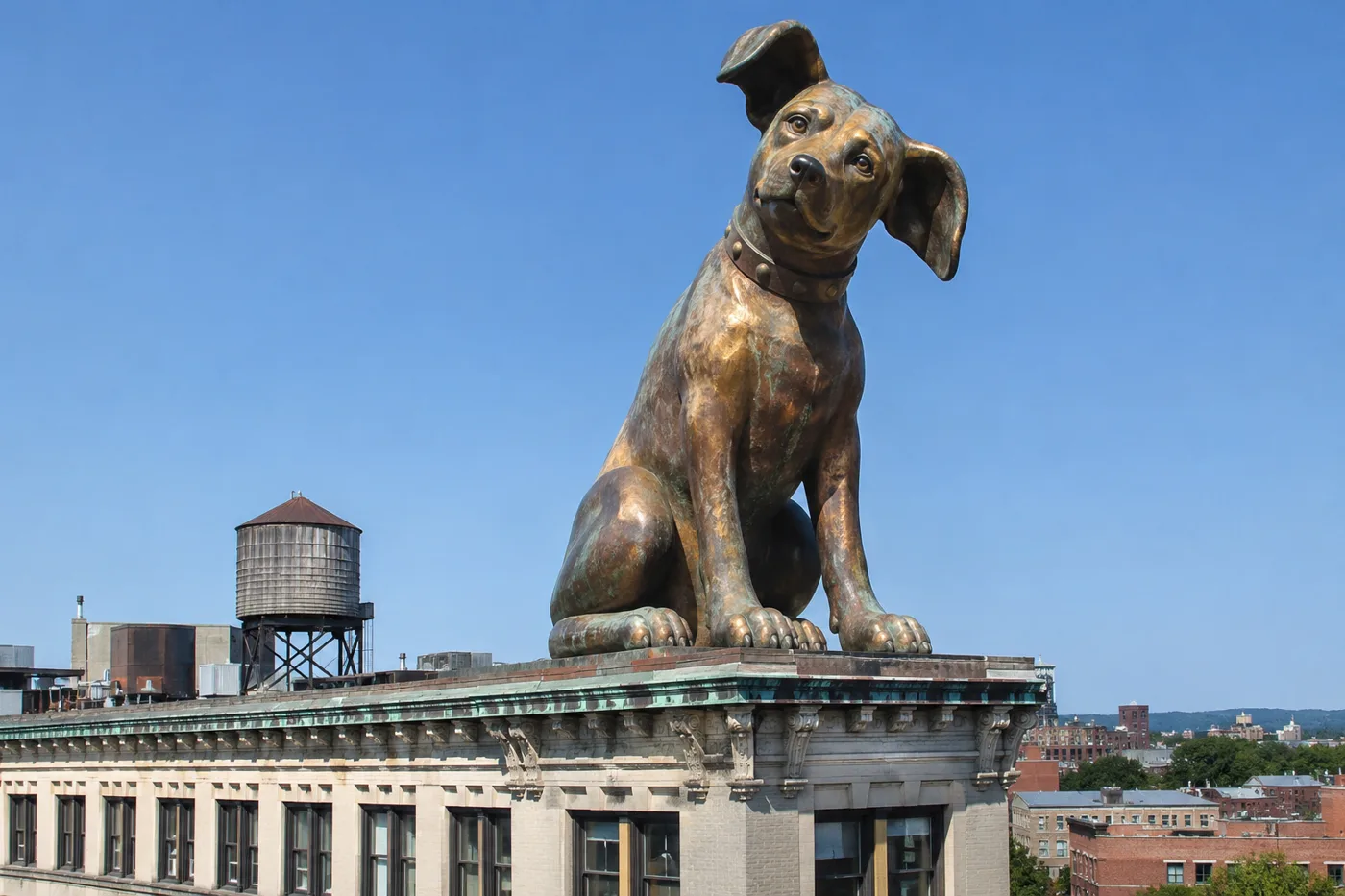
You knew him from the record labels and the TV sets: a little dog with his head tipped toward the horn of a gramophone. RCA bought the American rights to him in 1929.
Nipper was a real dog, born in Bristol, England, in 1884. He was a mixed breed with, as the AKC puts it, significant bull terrier heritage. He died in 1895. Francis Barraud painted him in 1898, three years later, and in 1899 the Gramophone Company paid £100 for the painting and trademark, about £10,627 in 2025 money.
In 1991 RCA gave him company: a Jack Russell puppy, named Chipper through a contest.
And the number worth a detour: a 26-foot, four-ton Nipper still stands on a building at 991 Broadway in Albany, New York, billed as “The largest manmade dog in the world!”
Mixed breeds don’t get an AKC rank. But the bull terrier in Nipper puts him in the same family tree as Spuds.
#14 Pushinka, Khrushchev’s puppy for the Kennedys
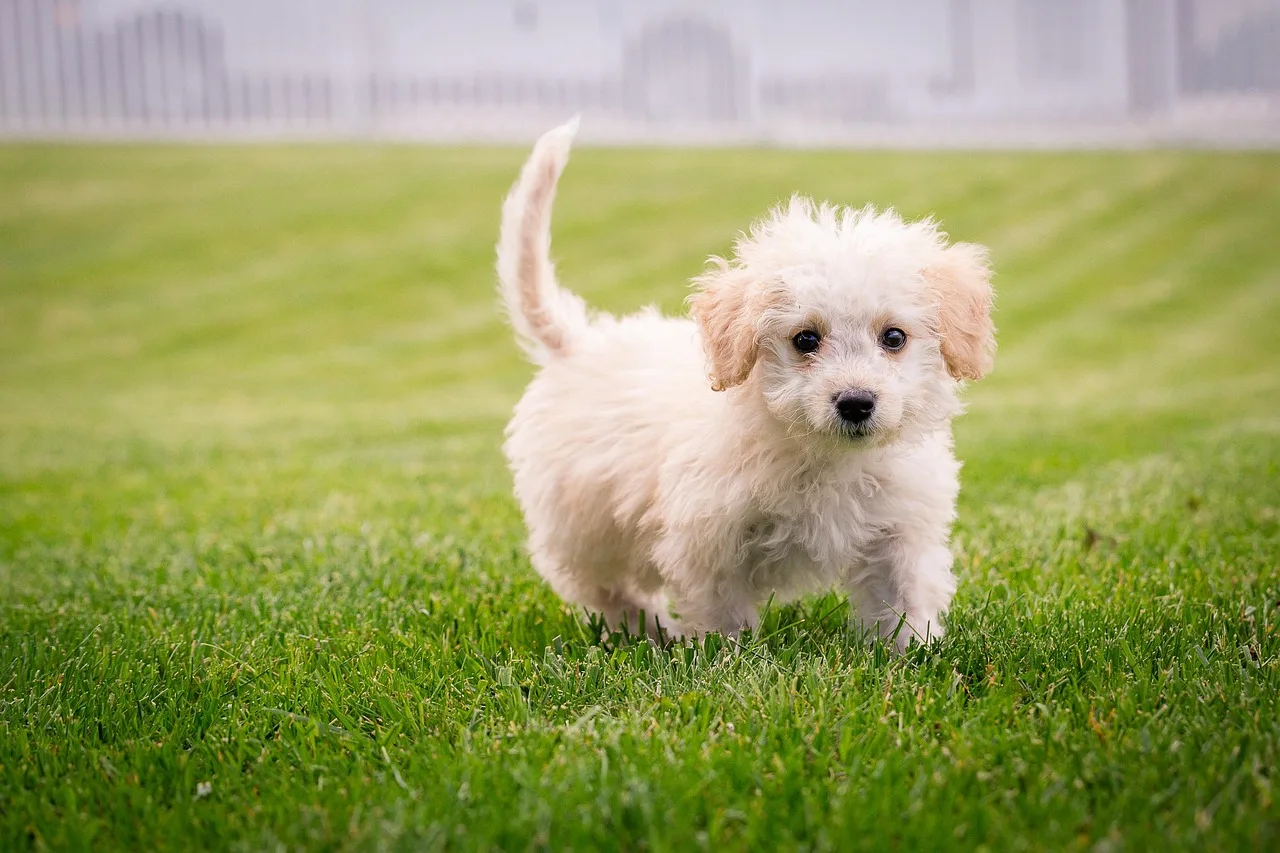
At a dinner in Vienna, Jacqueline Kennedy asks about the space dog Strelka’s puppies. Not long after, one of them is on her way to Washington.
Strelka had earned the attention. With Belka, she launched on August 19, 1960, made 17 orbits in 27 hours, and the two were the first higher animals to come back from orbit alive. Strelka later had six puppies.
Pushinka, born November 30, 1960, arrived at the White House in 1961. Before she got near the Kennedy children, she was x-rayed, screened with a magnetometer (a metal detector) and checked by sonogram for hidden microphones. She passed.
JFK wrote to Khrushchev that her trip “was a long voyage and she stood it well.”
Then she and the Kennedys’ Welsh Terrier, Charlie, had four puppies JFK called “pupniks”: Butterfly, Streaker, White Tips and Blackie. The White House got 5,000 requests for them.
The Smithsonian’s Air and Space Museum keeps an August 1963 photo of Caroline Kennedy with two of the pups. Its caption notes that “Soviet doctors proclaimed the birth of this first litter of ‘space pups’ as proof that spaceflight was possible for human beings.”
#13 Smoky, the tiny World War II hero
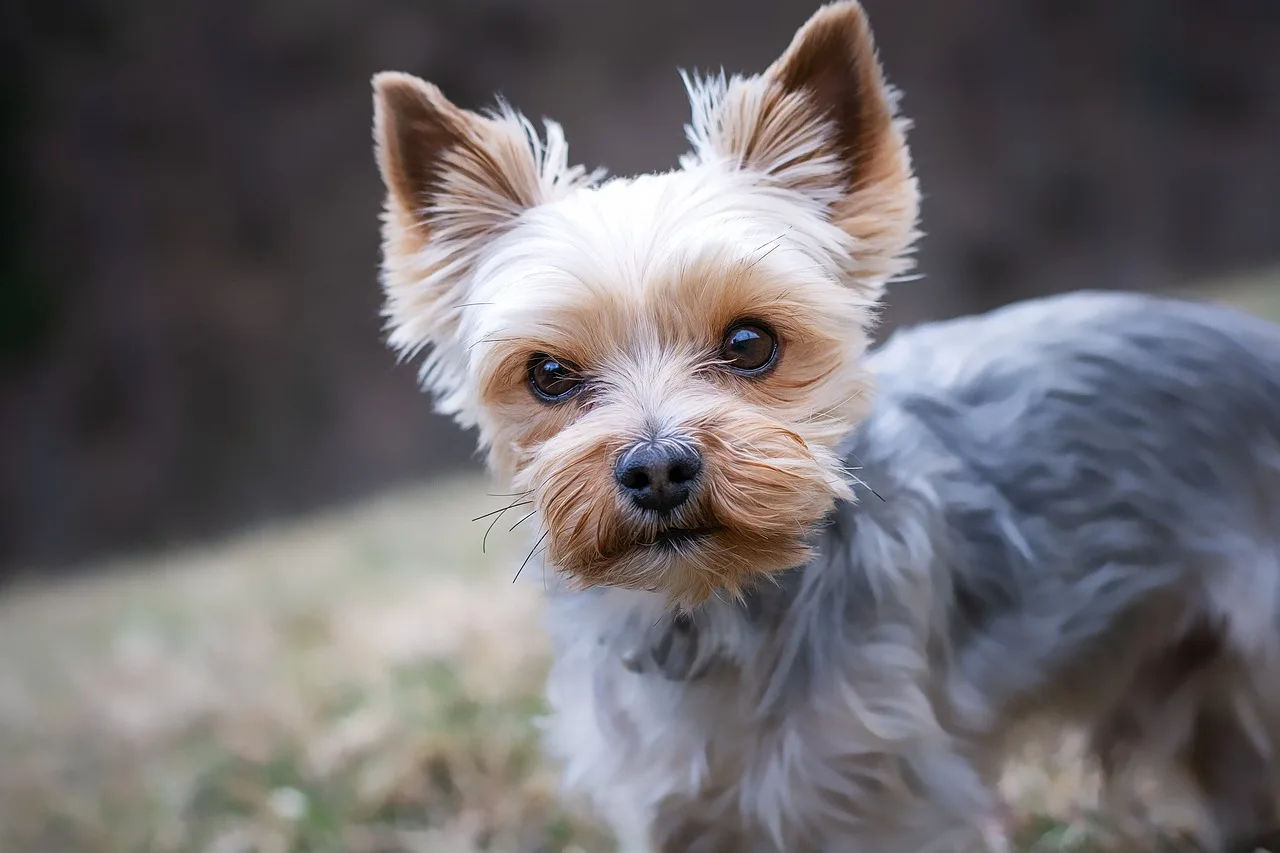
A foxhole in New Guinea, February 1944. A tiny Yorkshire Terrier turns up, and Corporal William Wynne buys her for two Australian pounds, about $6.44, so the seller can get back to his poker game.
That was the best $6.44 the Army never spent. At Lingayen Gulf, Smoky pulled telegraph wire through a 70-foot pipe, sparing about 250 ground crew three days of dangerous digging.
In July 1944 she started visiting the wounded at the 233rd Station Hospital. That’s why she’s credited as the first recorded therapy dog.
After the war she did 42 live TV shows without repeating a trick, which is 41 more tricks than some dogs will perform without a hot dog in sight.
Yorkies ranked #13 in 2025. Smoky is buried in Lakewood, Ohio, where a bronze statue of her was unveiled on Veterans Day 2005.
#12 Chips and his revoked medals
In 1943, Chips got a Silver Star and a Purple Heart. Then the Army took them back.
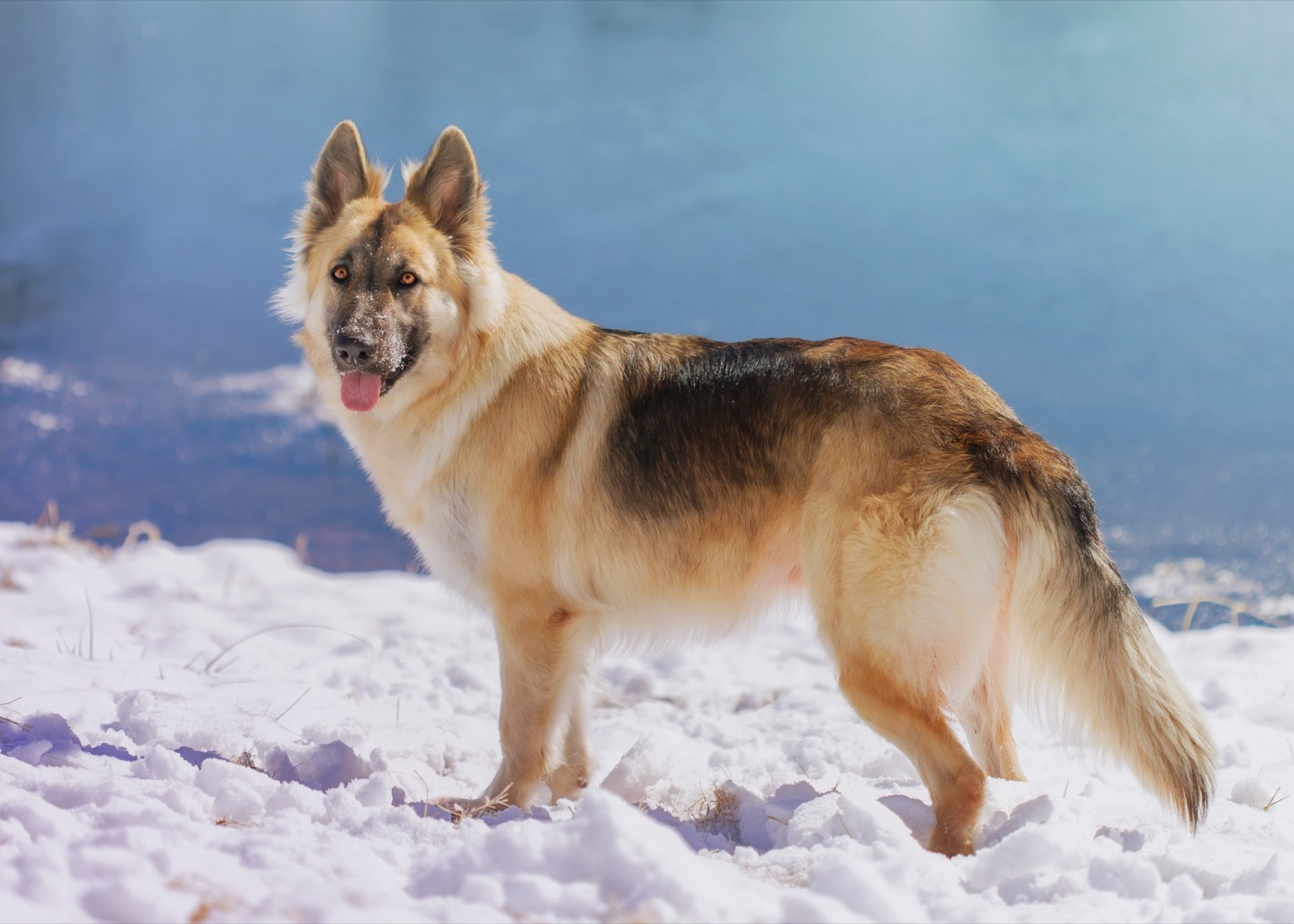
He’d been a family pet in Pleasantville, New York, donated to Dogs for Defense in 1942, and the Army describes him as a German Shepherd, Border Collie and Siberian Husky mix. In Sicily in July 1943, this war dog went after a machine-gun position. His handler, Private John R. Rowell, described it: “I saw one soldier come out of the door with Chips at his throat.”
His Distinguished Service Cross, Purple Heart and Silver Star were rescinded after complaints that the honors were inappropriate for animals. He went home to the Wren family in December 1945 and died about a year later.
In 2018 the British animal charity PDSA gave him its Dickin Medal, as its 70th recipient. John Wren, 76 at the time, remembered the homecoming: “Chips was something of a celebrity when he returned from the war but we were just pleased to have our dog back.”
#11 The dogs who served in Vietnam
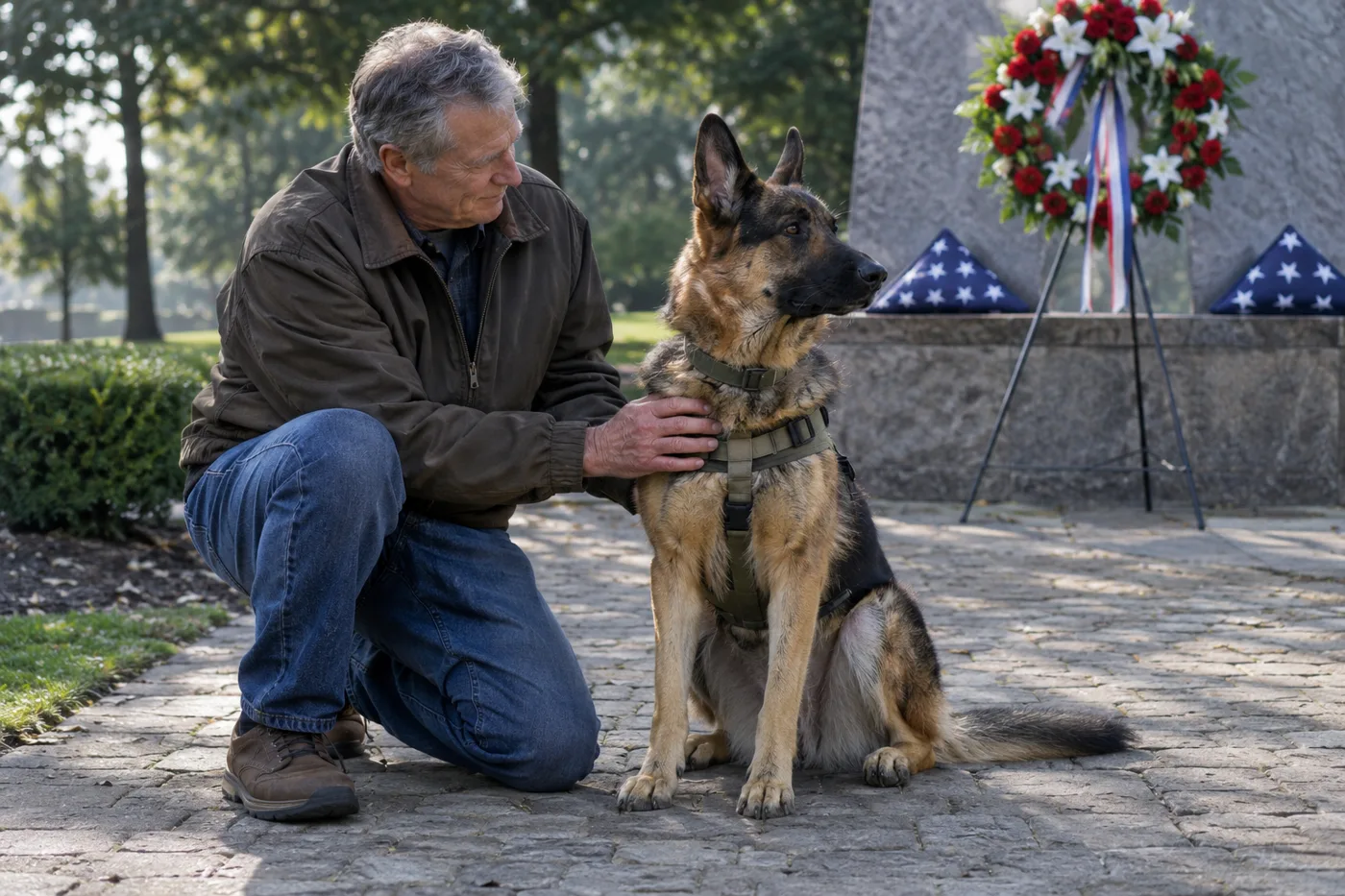
Most of the war dogs who went to Vietnam stayed there.
About 4,000 served. 281 were officially listed as killed in action, and only 190 came home. Around 10,000 service members worked as their handlers.
One dog who made it out was Nemo, a German Shepherd. On December 4, 1966, he was on patrol with Airman Robert Throneburg at Tan Son Nhut Air Base when a bullet entered under his right eye and exited through his mouth. He kept protecting his wounded handler anyway. Nemo became one of the first military dogs retired from service and lived at Lackland Air Force Base in Texas until he died in December 1972.
The rule that kept most dogs from coming home to families changed in 2000. Robby’s Law, signed by President Clinton, ended the required putting-down of military working dogs at the end of service and let them be adopted. A 2016 change gave former handlers first pick. Congressman Richard Hudson put it simply: “We shouldn’t make our war heroes jump through hoops to adopt their combat companions.”
If you’d like to adopt a retired one yourself, the Air Force’s adoption program puts former handlers and police agencies first. There’s no fee beyond travel and the dog’s future care, but the wait for the general public can run a year or more.
The first War Dogs Memorial was unveiled on February 21, 2000, at March Air Field in Riverside, California. Nemo’s breed, the German Shepherd, ranked #4 in 2025.
#10 Fala, FDR’s Scottie
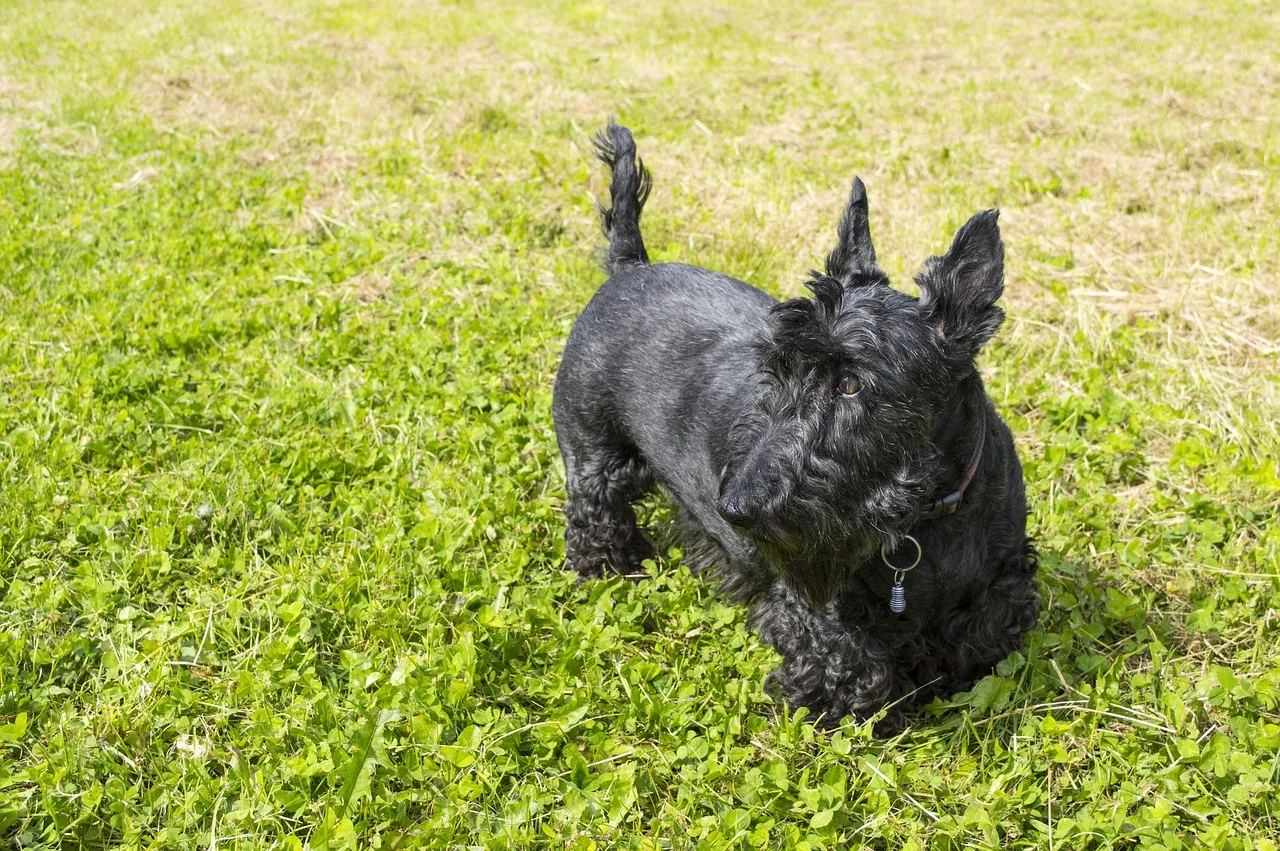
Two of the most famous political speeches about a dog were given on the same date, eight years apart.
Nixon’s Checkers speech was September 23, 1952. Franklin Roosevelt’s “Fala Speech” to the Teamsters was September 23, 1944, the one with the line “Fala does resent them.”
Franklin D. Roosevelt said he thought he had a right to object to libelous statements about his dog, as the National Archives recounts.
Fala’s full name was Murray the Outlaw of Falahill, and he arrived as a Christmas 1940 gift from FDR’s cousin Daisy Suckley. His fan mail filled five document boxes at the Roosevelt Library. U.S. soldiers reportedly used his name as a password.
He lived with Eleanor until 1952 and is buried at Hyde Park, near Franklin and Eleanor. Neil Estern’s bronze of him sits in the third room of the FDR Memorial in Washington, the only presidential pet honored that way.
Scottish Terriers ranked #57 in 2025.
#9 Millie and her bestselling book
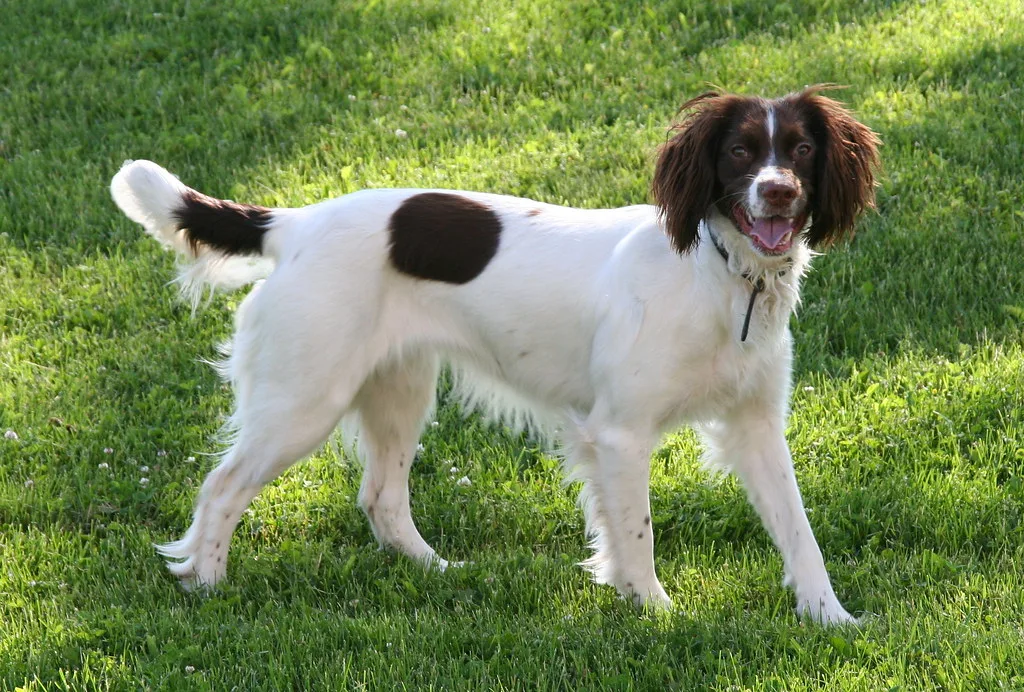
The best-selling author in the Bush family had four legs.
Millie’s Book came out in August 1990, sold 400,000 copies and spent 29 weeks on the bestseller list. It earned $900,000. President Bush’s own biography earned $2,700.
That’s more than 300 times as much for the dog. Guinness lists it as the best-selling book by a canine author.
Millie’s legacy didn’t stop at the bookstore. One of her puppies, Spot, later lived at the White House with George W. Bush. English Springer Spaniels ranked #27 in 2025.
#8 Roselle, the guide dog from the North Tower
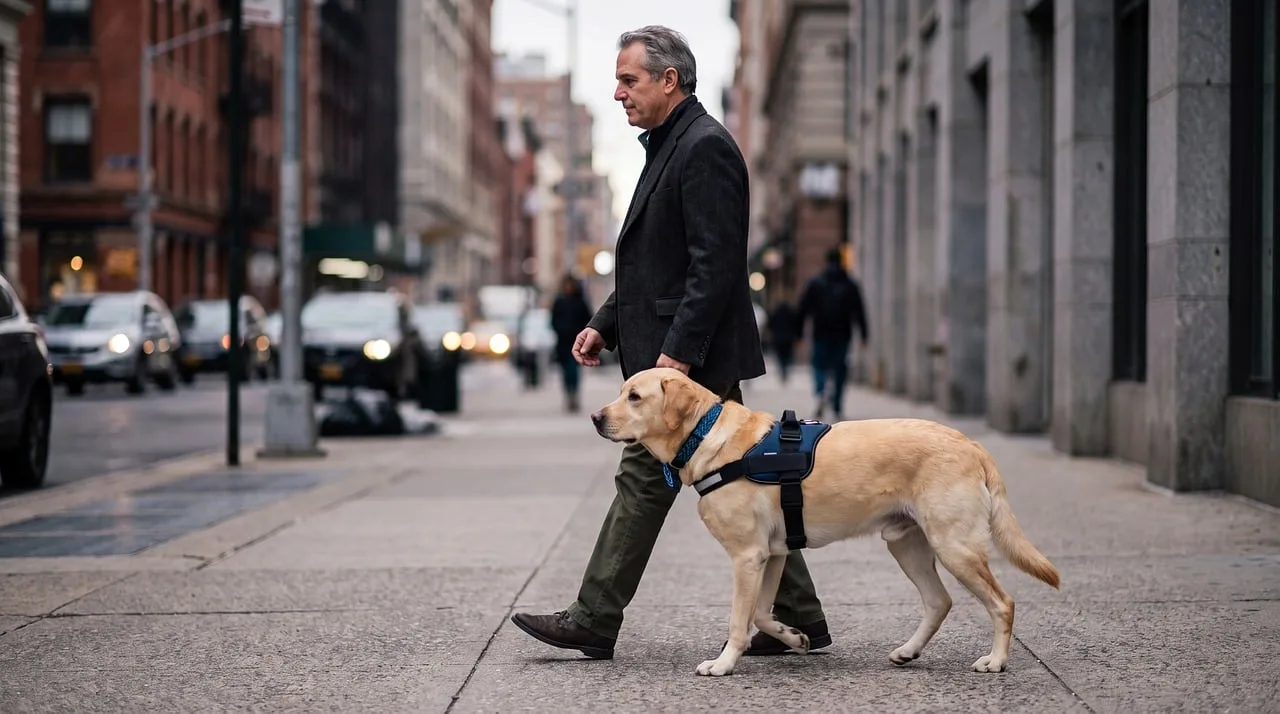
Among heroic dogs in history, Roselle did her work one step at a time.
Michael Hingson worked on the 78th floor of the North Tower. His guide dog Roselle, a Labrador, led him down 1,463 steps.
The AKC honored her with its Humane Fund Award for Canine Excellence in 2002. Labradors ranked #2 in America in 2025, so a lot of people are living with her breed and may never see it work like that.
Roselle died on June 26, 2011. On October 1 that year, she was named the top American Hero Dog after 400,000 public votes, cast for a dog who was no longer there to hear the result.
#7 Buddy, America’s first guide dog
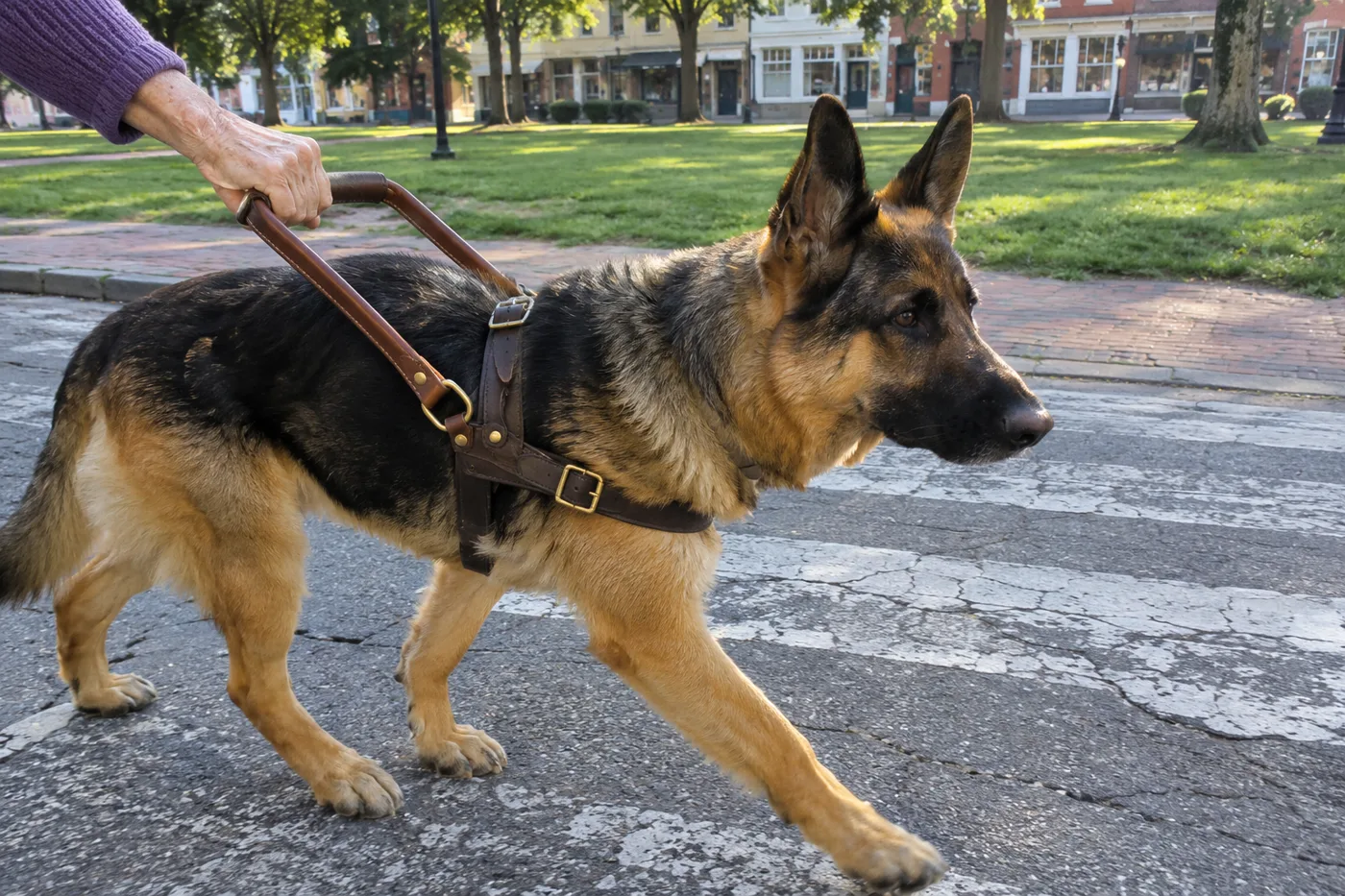
America’s first guide dog started life with the name Kiss.
Buddy was a female German Shepherd. Her story began with a magazine article, “The Seeing Eye,” by Dorothy Harrison Eustis, in The Saturday Evening Post on November 5, 1927. A young blind man named Morris Frank told her: “Mrs. Eustis, to get my independence back, I’d go to hell.”
On June 11, 1928, he came home to New York with Buddy and showed her off on West Street and Broadway. The Seeing Eye, the guide-dog school that grew out of it, was incorporated in Nashville on January 29, 1929, moved to Whippany, New Jersey, in 1931 and to Morristown in 1965.
Frank’s own summary: “Buddy delivered to me the divine gift of freedom.”
Buddy died on May 23, 1938. A statue, “The Way to Independence,” stands on the Morristown Green, unveiled in 2005. Her breed is #4 in America: the same breed as the movie star at #27 and the Vietnam dog at #11.
If you’d like a hand in the next Buddy, The Seeing Eye uses volunteer puppy raisers, who keep a pup from about 7 weeks old until it’s 13 to 16 months. The school covers food and vet bills, but you have to live in its service area, New Jersey and parts of nearby states, and go to the puppy club meetings.
#6 Gidget, the Taco Bell Chihuahua
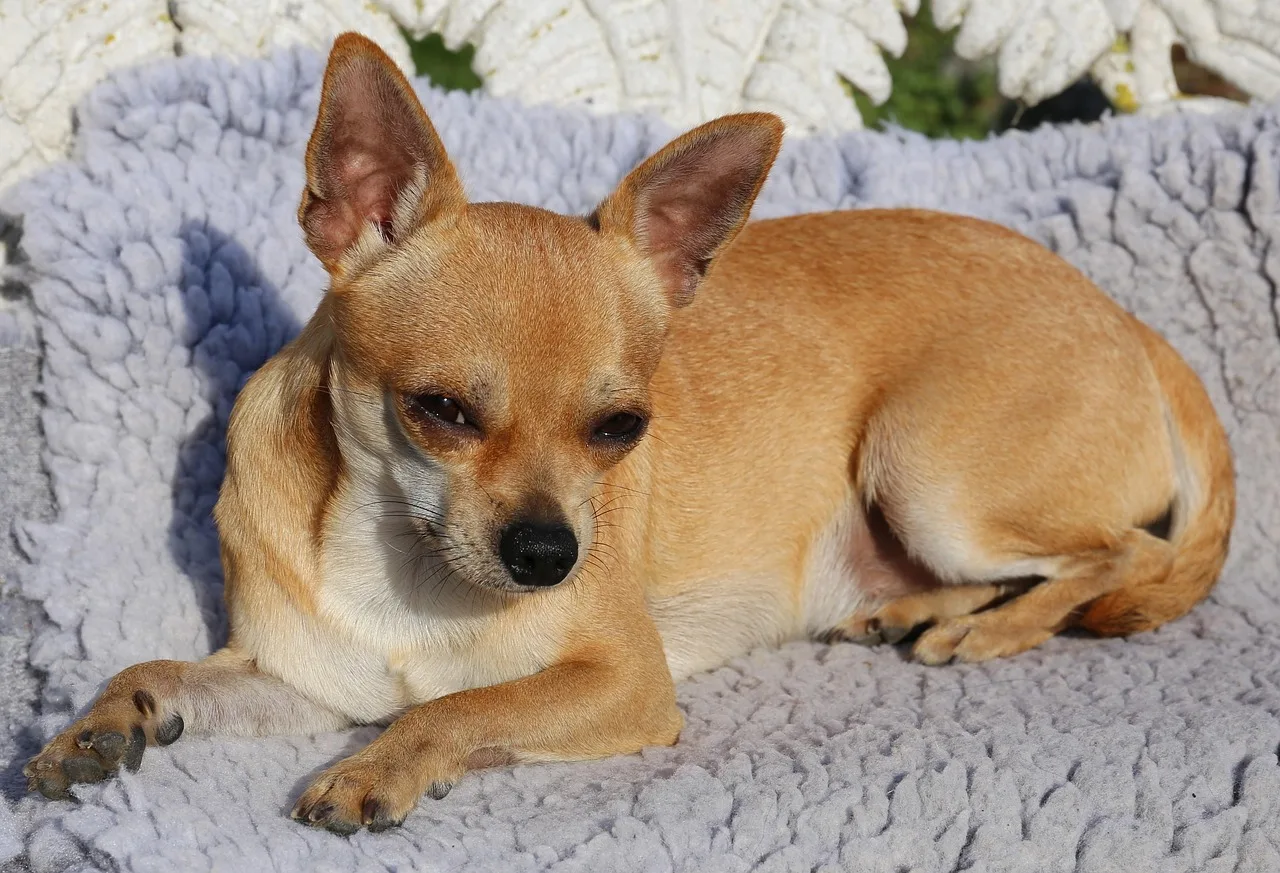
“¡Yo quiero Taco Bell!” If you can hear it in a tiny gravelly voice, you were watching TV between August 1997 and July 2000.
The dog was Gidget, a female Chihuahua. Taco Bell sold talking toy figures of her in 1998 and 1999, and if one is still in a kitchen drawer somewhere, press the button.
The campaign ended up in court. In 2003 a jury awarded two creators from Michigan $30.1 million, plus about $12 million in interest.
Gidget landed on her feet. She went on to play Bruiser’s mom in Legally Blonde 2 (2003) and died on July 21, 2009, at 15, at her trainer’s home in Santa Clarita. Chihuahuas ranked #24 in 2025.
#5 Barry and the brandy keg myth
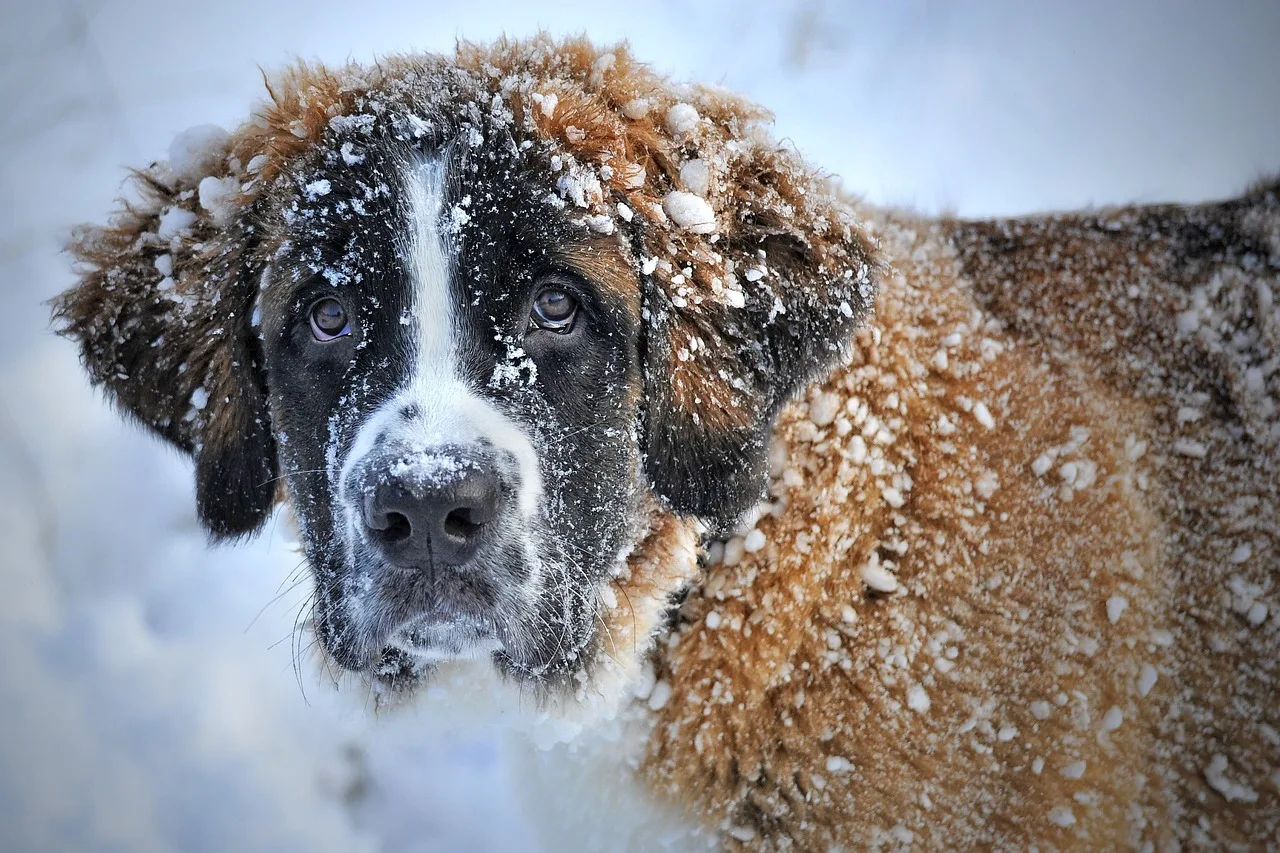
The keg was never there.
In 1956, a clergyman from the Great St Bernard Hospice said plainly that “the dogs never carried one.” The picture everyone knows may have started when “a resourceful photographer strapped such a barrel on the animals for fun.” A keg would only get in the way in deep snow, and alcohol speeds up heat loss in someone already freezing.
Barry himself was real. He worked at the hospice from 1800 to 1812 and is credited with saving more than 40 lives. The other legend, that a soldier killed him, isn’t true either. He retired to Bern and died peacefully.
The surprise is in the museum. Barry’s preserved body at the Natural History Museum of Bern was reshaped in 1923 to match the modern breed. So the Barry on display looks more like a Saint Bernard of the 1920s than the dog who actually did the rescues.
The hospice dogs are credited with more than 2,000 rescues over 200 years, and their kennel moved to Martigny in 2005. Saint Bernards ranked #63 in 2025.
#4 Chaser, the dog who knew 1,022 words
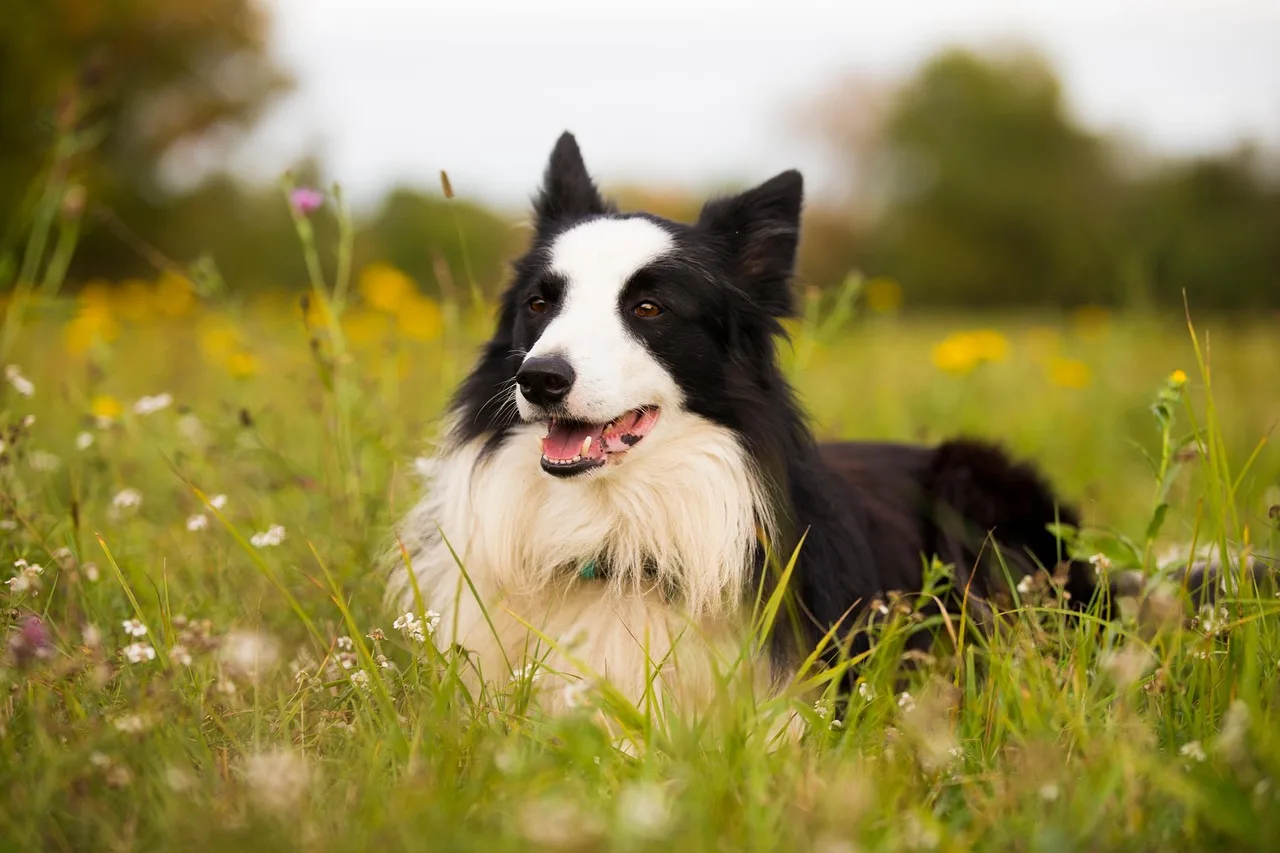
John Pilley taught his Border Collie like a small child, and he meant that literally.
“My best metaphor is this is a two-year-old toddler.” John Pilley, retired psychology professor, on 60 Minutes
Chaser learned to identify and fetch 1,022 toys by name, and the results were published in a scientific journal in 2011. The reward was play, never food, for about five hours a day spread across sessions. Around her fifth month, something clicked. Pilley confirmed on 60 Minutes that at a certain point she realized objects have names, and after that she learned faster and faster.
Brian Hare, an evolutionary anthropologist at Duke University, wasn’t treating it as a novelty act: “This is very serious science. We’re not talking about stupid pet tricks.” Hare’s point is that Chaser was picked at random from a litter. What made her different was the teacher, who, as Hare put it, spent so much time playing word games with her.
And in case you’re picturing a robot, the family said Chaser “was not an obedient dog.”
Could yours do it? Probably not to 1,022, and that’s normal. A 2023 study of 41 “gifted word learner” dogs in nine countries found the most any of them knew was 86 toy names, and more than half were Border Collies. Most picked the names up through play, without formal lessons.
Those 41 dogs were a self-selected group found through social media, not a random sample of pet dogs, so their results aren’t a guide to what any given dog can learn. Border Collies ranked #26 in 2025.
#3 Skidboot, the farm dog who later went blind
Skidboot nearly got given away.
He came to David and Barbara Hartwig of Quinlan, Texas, in November 1992, and neighbors complained about his mischief. Then David, a farrier who shoes horses for a living, spent five minutes playing with him on the living-room floor and saw that the dog would stop on command. That changed everything.
His first big break was Letterman’s “Stupid Pet Tricks.” After that came:
- Leno, twice
- Oprah, twice
- The first season of Animal Planet’s Pet Star, which he won
- Shows in 38 states
Here’s what owners of older dogs will want to hear. Skidboot was diagnosed at 10 with progressive retinal atrophy, a condition that slowly takes a dog’s sight, before he won Pet Star. Hartwig didn’t treat the blindness as an ending. He talked about it as more time together.
He saw his role as doing right by the dog, and in a video interview he said he deserves credit only for driving Skidboot to his appearances. And he understood the dog’s real motive: “His goal was not so much to do what I said, but to prove to me I couldn’t trick him.”
His mother was a Blue Heeler and his father’s breed is unknown. The AKC calls the heeler the Australian Cattle Dog, #47 in 2025. Skidboot died in 2007, at 14, and he’s in the Texas Rodeo Cowboy Hall of Fame, a dog among the cowboys.
#2 Bretagne, the last 9/11 search dog
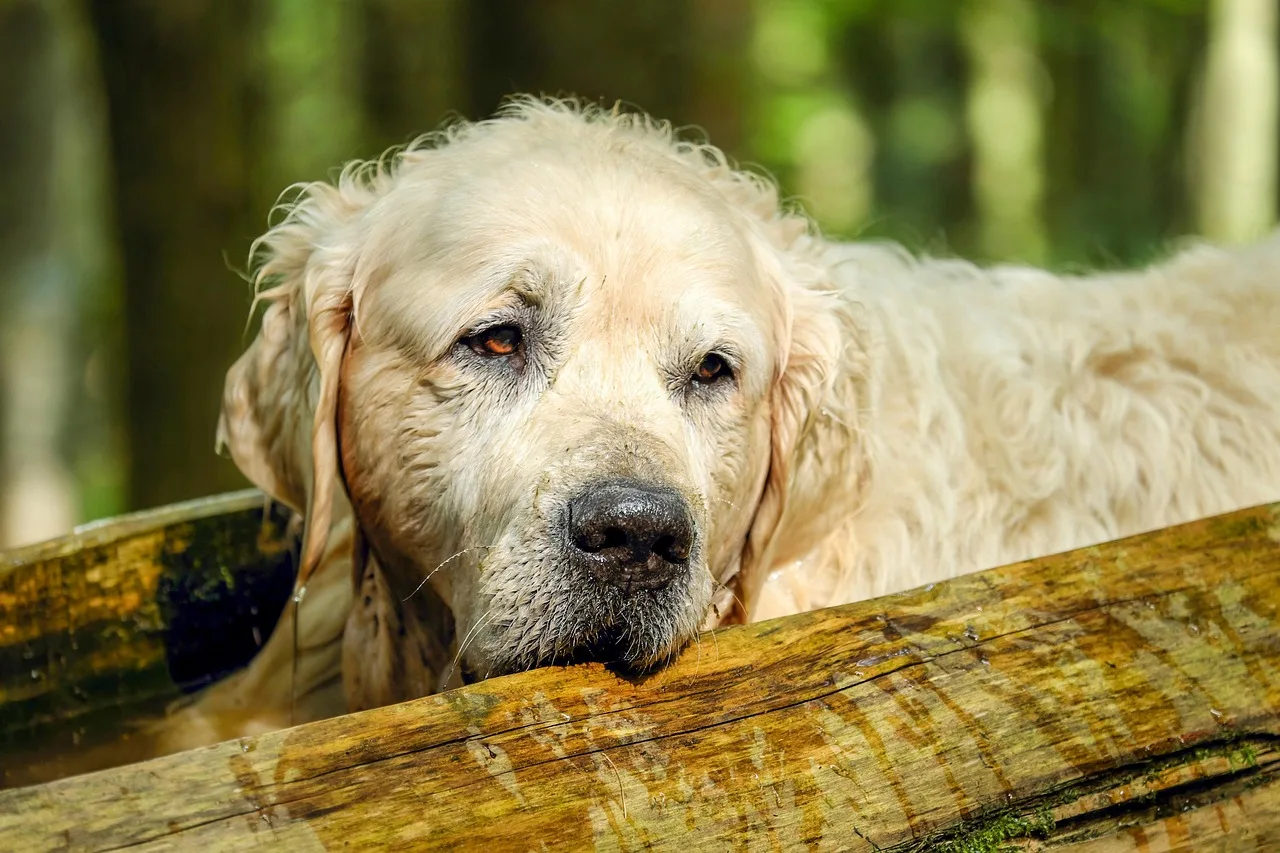
June 6, 2016, at Fairfield Animal Hospital in Cypress, Texas. Members of Texas Task Force 1 and the Cy-Fair Volunteer Fire Department line up and salute as a 16-year-old Golden Retriever walks in. When she comes out, she’s under a flag.
Bretagne was the last known search dog from Ground Zero. In 2001 she was one of about 300 search dogs at the World Trade Center, working 12-hour shifts. She went on to Hurricanes Katrina, Rita and Ivan. After she retired at 9, she spent her later years at a Texas elementary school, helping kids practice reading out loud.
Her handler, Denise Corliss, on their last night together: “She was really anxious last night and she just wanted to be with me.”
Golden Retrievers ranked #3 in America in 2025. Under a TikTok video counting down famous Goldens, viewer after viewer says the moment that gets to them is the firefighters’ salute at the end.
#1 Greyfriars Bobby and his rare breed today
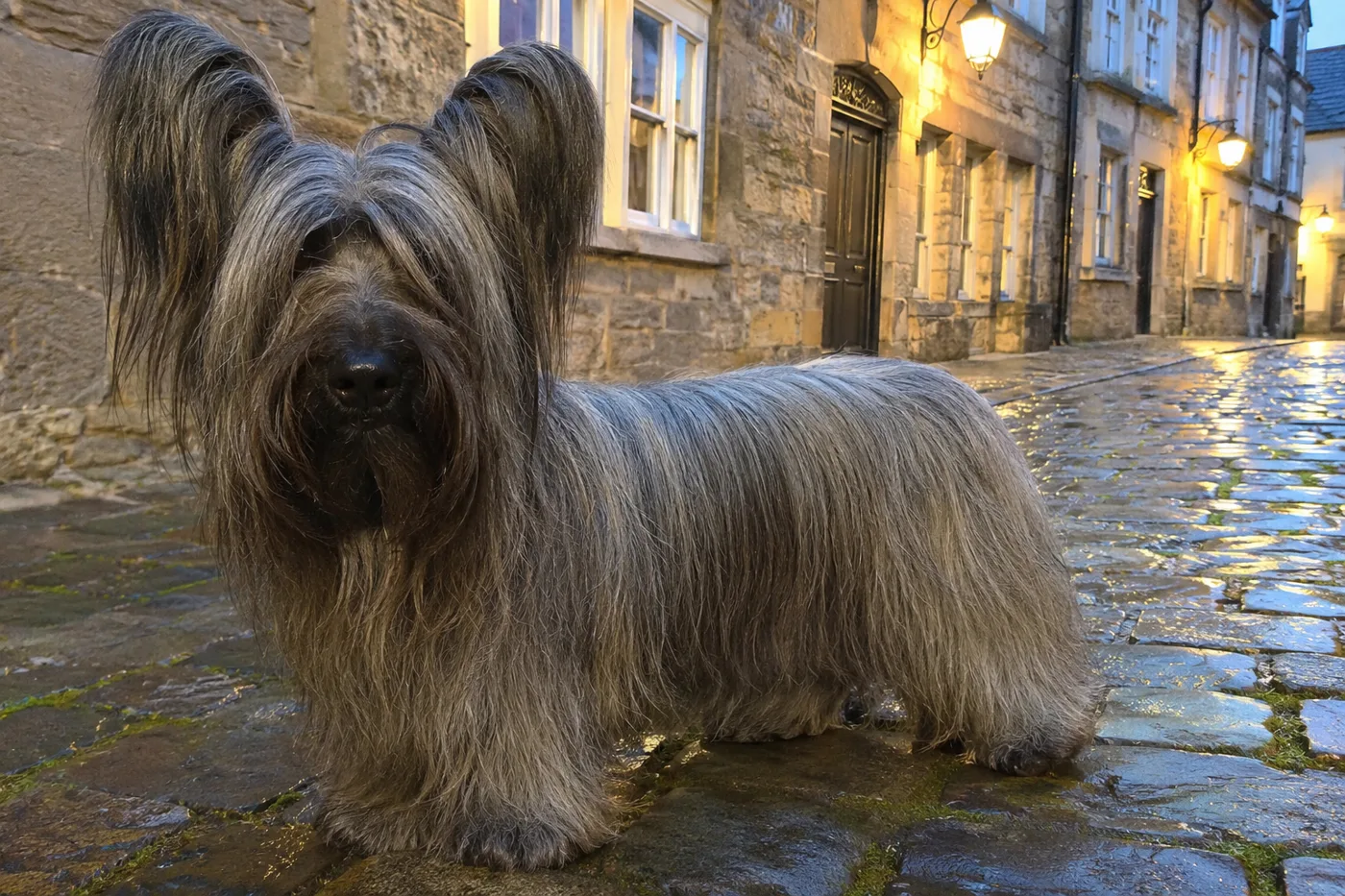
John Gray died in Edinburgh on February 15, 1858. His little terrier, Bobby, stayed.
He was still there 14 years later, when he died on January 14, 1872, at 16. In 1867, the Lord Provost (the city’s mayor), Sir William Chambers, paid for Bobby’s dog licence and gave him a collar, which is now in the Museum of Edinburgh. In 1873 a statue and fountain by William Brodie went up at George IV Bridge and Candlemaker Row.
If you saw Disney’s Greyfriars Bobby when it came out in 1961, or later on TV, you saw him as a Skye Terrier, and that’s the breed history remembers. One 2022 look at the records by Mike Macbeth suggests he may have been a Dandie Dinmont, since Edinburgh had “some 60 breeders” of those while Skyes stayed mostly on their island.
Now the number. In the AKC’s 2025 ranking, only 21 of 202 breeds registered fewer dogs than the Skye Terrier. Line up the breeds behind every famous purebred from Lassie to Bretagne and the next lowest is the Bull Terrier at #86. The Skye sits 95 places below that.
The Labs, Goldens and Shepherds of history are everywhere you look. The dog who waited longest belongs to a breed most Americans have never met.
If that makes you curious, the AKC says a Skye’s long coat needs only weekly brushing, and the breed is reserved with strangers but devoted to its people.
Famous dog, rare breed – Golden Retriever (Bretagne): #3 of 202 – German Shepherd Dog (Rin Tin Tin, Buddy): #4 of 202 – Collie (Lassie): #39 of 202 – Skye Terrier (Greyfriars Bobby): #181 of 202, near the very bottom
The bottom line
Look at who made these dogs famous. Almost every time, it was one person paying close attention: a corporal in a bombed camp, a professor with a thousand toys, a farrier who almost gave his dog away.
The dog in your house has habits nobody else on earth has noticed. That’s usually the only difference between a famous dog and a beloved one.
So take notes. Write down the one thing your dog does that no other dog you’ve known has done, and the date you first saw it. Tuck it in wherever you keep the dog’s papers, in your own handwriting.
Bonus: four more famous dogs to visit or spot on TV
See Hachiko in Rhode Island. A bronze copy of his statue was dedicated at One Depot Square in Woonsocket on May 19, 2012, at the depot that served as the main set for Hachi: A Dog’s Tale (2009) with Richard Gere. Students from Beacon Charter High School for the Arts donated it.
Find Sallie at Gettysburg. She was a brindle bull terrier type who joined the 11th Pennsylvania as a four-week-old puppy in 1861 and stayed on Oak Ridge for three days watching over the dead and wounded. Her figure is on the regiment’s monument on Doubleday Avenue, about 280 yards south of Mummasburg Road, dedicated in 1889 or 1890. It’s the only one there representing a dog who was actually in the battle.
Stop in Silverton, Oregon, for Bobbie the Wonder Dog. He got lost at a gas station in Wolcott, Indiana, in August 1923 and walked into Silverton in February 1924, at least 2,551 miles. The town has a mural and a statue of him, and Rin Tin Tin once laid a wreath at his grave at the Oregon Humane Society.
Next time The Beverly Hillbillies comes on, watch Duke in the truck. He was played by a Bloodhound named Stretch, trained by Frank Inn, the same man who found Benji. After Stretch died at 16, his son took over, and one account notes that in part of the series the dog is lying down in the truck and in others he’s sitting up. Bloodhounds ranked #59 in 2025. MeTV, free nationwide with an antenna, runs the show on weekend mornings, at times that vary by station.
Questions people also ask
Who is the most famous dog actor?
Pal, the male Rough Collie who played Lassie in seven MGM films, and Rin Tin Tin, the German Shepherd Warner Bros. paid $1,000 a week, have the strongest claims. There’s no official title, but The Saturday Evening Post called Pal’s run “the most spectacular canine career in film history.” Pal’s descendants carried the Lassie role on TV for years, while Rin Tin Tin’s Where the North Begins (1923) earned $352,000.
Was Lassie a boy or a girl?
Lassie is written as a girl, but every dog who has played her on screen has been a boy. Pal, a male, took over during filming of the first movie in 1943, and male collies kept the job because they grow longer coats. Jon Provost, who played Timmy, told Fox News that “all Lassies have been males.”
What was the first dog in space, and did she come back?
Laika, a stray from Moscow, was the first animal to orbit Earth, on Sputnik 2 in November 1957, and she did not come back. The craft had no way to return, and she died within hours from overheating, a fact made public only in 2002. The first dogs to return alive from orbit were Belka and Strelka, in August 1960, and Strelka’s puppy Pushinka later lived at the Kennedy White House.
What breed was Hachiko, and is his story true?
Hachiko was an Akita, and his story is true: he kept going to Shibuya Station for nearly ten years after his owner died in 1925, until his own death in 1935. He lived before 1999, when kennel clubs split the breed into the American Akita and the Japanese Akitainu, so neither modern label strictly fits him. The AKC’s “Akita”, #62 in 2025, is mostly the American type.
Did Saint Bernards really carry brandy barrels?
No. A clergyman from the Great St Bernard Hospice said in 1956 that “the dogs never carried one,” and the image may come from a photographer who strapped a barrel on for fun. Alcohol would also speed up heat loss in someone already cold.
What are the most popular dog breeds in America today?
In the American Kennel Club’s 2025 ranking of 202 breeds, the top five are the French Bulldog, Labrador Retriever, Golden Retriever, German Shepherd Dog and Dachshund. The Poodle and Beagle come next at #6 and #7. Some famous breeds sit far lower, like the Collie at #39 and the Skye Terrier at #181. The ranking counts AKC registrations, not every dog in the country.