
Choosing the right Goldendoodle for your living space and lifestyle is crucial, and with Teacup, Toy, and Mini Goldendoodles available, you’re spoiled for choice. These affectionate hybrids come in various smaller sizes while still capturing the charming qualities of the standard Goldendoodle breed.
In this comprehensive guide, we define what sets each of these delightful Goldendoodle sizes apart, from the petite Teacup to the slightly larger Mini. You’ll learn not only about their size and weight distinctions but also the specific care considerations for each type. Understanding these differences will ensure you select the perfect furry friend to fit into your life seamlessly.
Dive into this article for a deep dive into the world of Teacups, Toys, and Mini Goldendoodles. By the end, you’ll be equipped with the breed insights necessary to make an informed decision and envision how your choice will grow alongside you in your home.
Table of Contents
What Are the Different Sizes of Miniature Goldendoodles?
Goldendoodles continue to win hearts with their teddy bear appearances and exuberant, affable natures, topping the popularity charts among Poodle mixes. The breed also boasts a versatile range of sizes, particularly the endearing miniature versions.
It’s important to note that individual sizes can vary, so checking with a breeder for the anticipated size based on the parent dogs can provide a more precise estimate.
Teacup Goldendoodle Size
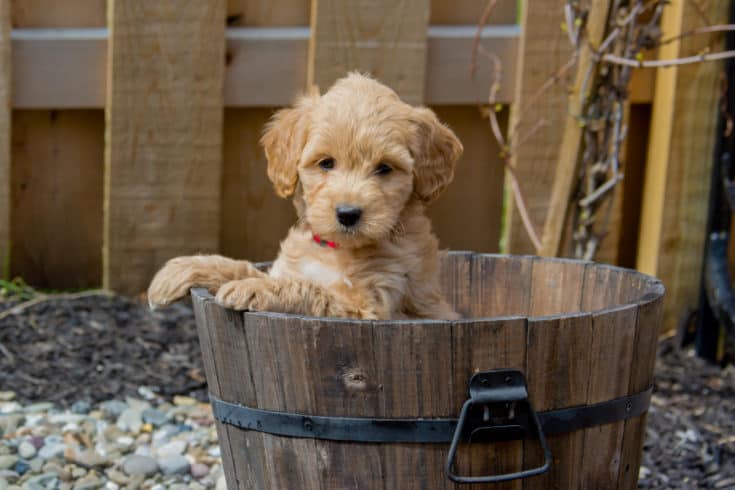
Teacup Goldendoodles are the smallest variety of Doodle.
Teacup Goldendoodles are the smallest variety of this mixed breed, typically weighing between 7 to 15 pounds and standing around 7 to 13 inches tall at the shoulder when fully grown.
Toy Goldendoodle Size

Toy Goldendoodles are sometimes called Petite Goldendoodles.
Toy Goldendoodles are a small-sized variant of the Goldendoodle breed, generally weighing between 10 to 20 pounds and reaching a height of about 10 to 15 inches at the shoulder when fully mature.
Mini Goldendoodle Size

Mini Goldendoodles are a larger option among the smaller varieties of Goldendoodles, with their weight usually falling between 15 to 35 pounds. They typically stand about 13 to 20 inches tall at the shoulder when they reach adulthood.
What’s the Best Way to Care for Your Miniature Goldendoodle?
Ensuring your Teacup, Toy, or Mini Goldendoodle thrives involves more than just love; it encompasses a tailored care regimen. These charming miniatures may vary in size, but they share a common blueprint for care that keeps their wagging tails and joyful spirits in peak condition.
Diet and Feeding
When feeding your Miniature Goldendoodle, selecting a balanced diet that’s rich in essential nutrients is key to their wellbeing.
For a deep dive into the dietary needs and proper feeding routines for your Miniature Goldendoodle throughout every life stage, check out our detailed nutrition guide here.
High-quality dog food should include:
- Protein: Essential for muscle maintenance and growth.
- Fats: A vital energy source.
- Omega Fatty Acids: Important for a shiny coat, brain health, and vision.
- Fiber: Necessary for digestive health.
- Vitamins and Minerals: Vital for overall health.
- Carbohydrates: Provide sustained energy.
Also, ensure your Miniature Goldendoodle always has access to fresh water, particularly important with dry food diets.
Food To Avoid
Large dry food pieces can cause choking and are difficult for petite pups to eat, so always buy micro kibble that’s specially formulated for tiny mouths.
Food to avoid include:
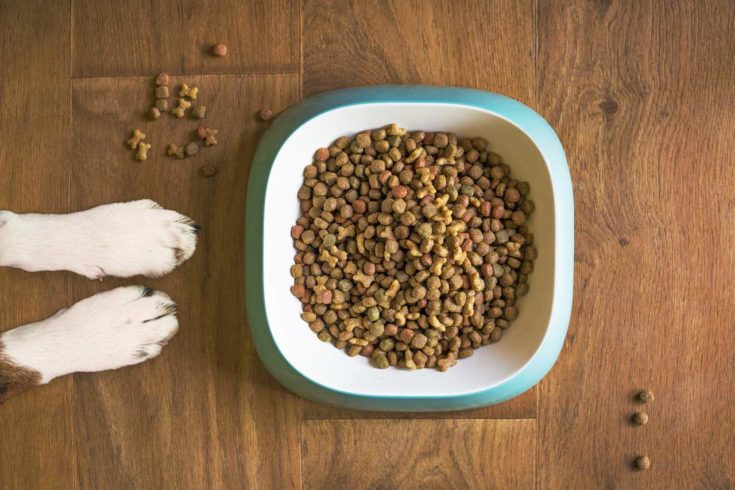
- Fillers, including cereals – have little nutritional value
- Artificial preservatives, colors, and flavorings
- Starchy grains – can cause bloat in deep-chested Goldendoodles
- Dairy products – Goldendoodles can be lactose intolerant
How Often Should I Feed My Miniature Goldendoodle?
The feeding frequency for your Miniature Goldendoodle depends on their age, activity level, and individual health needs. Puppies typically require more frequent meals—about three to four times a day—to support their rapid growth and development. As they transition into adulthood, usually around 6 to 12 months, their feeding schedule can be adjusted to twice a day.
Adult Miniature Goldendoodles, once they are fully grown, generally do well with two meals per day. This routine helps maintain their energy levels throughout the day and supports good digestion. However, if your Miniature Goldendoodle is particularly active or has specific dietary requirements suggested by your vet, this may vary.
Always measure their food to maintain an ideal weight and prevent overfeeding, and consult with your veterinarian to determine the exact portion sizes and feeding times best suited to your dog’s needs. Remember, a consistent feeding schedule not only aids in digestion but also provides a comforting routine for your pet.
Healthcare
All puppies should be vaccinated against common canine diseases, including:
- D.H.P.P. (distemper, hepatitis, parainfluenza, and parvovirus)
- Leptospirosis
- Rabies (if known to be present in your area)
- Lyme disease
- Bordatella (Kennel Cough)
Your Goldendoodle will need annual boosters for these conditions.
Parasite Control
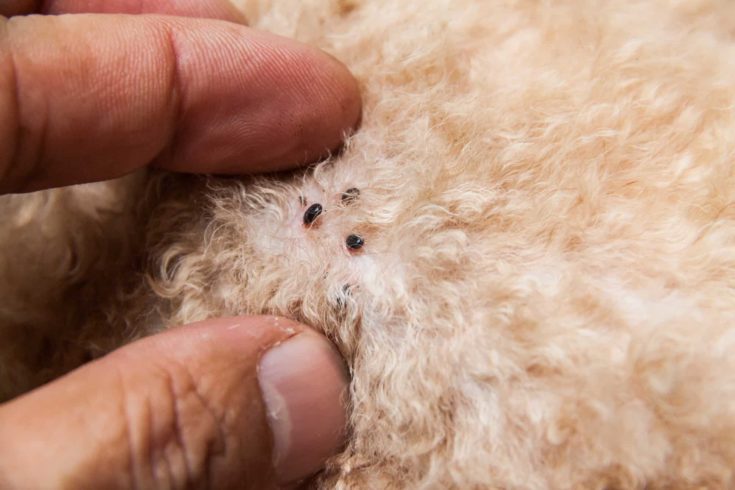
Fleas and ticks can find their way onto your dog, often from socializing with their canine chums in the dog park or through encounters with wildlife while out walking. Also, if your mini pooch decides to chow down on something that contains worm eggs or larvae, your pet could become infected.
Fleas, ticks, and worms can present a serious health hazard for you, your family, and your dog, so ask your veterinarian to recommend a parasite control regimen for your pint-sized pup.
Spaying or Neutering
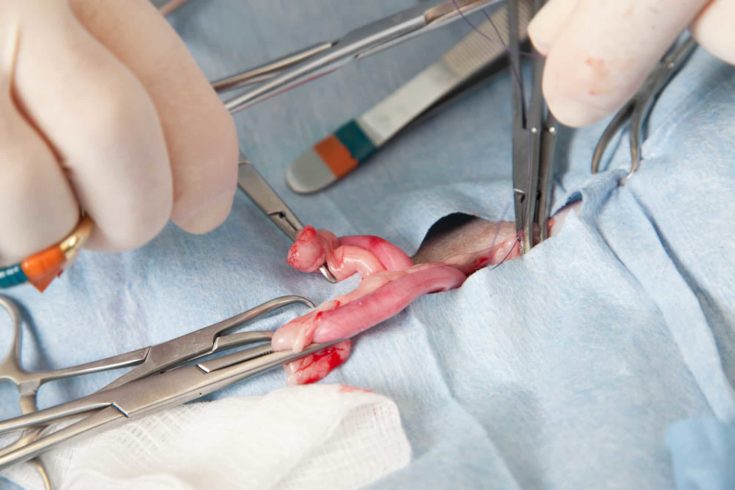
Spaying or neutering your Miniature Goldendoodle is a responsible step that’s often required for pet licensing. Beyond legal compliance, this procedure significantly reduces the chances of unexpected puppies and can diminish behaviors associated with the natural instinct to roam in search of a mate.
Additionally, it can have long-term health benefits, including the reduction of certain cancers and health issues related to the reproductive system. Always consult with your veterinarian to determine the best time for spaying or neutering your pet.
Genetic Health Conditions
Although hybrid dogs are generally healthier than their purebred counterparts, tiny crossbreed dogs can be susceptible to health problems. We’ll explain why that is later in this article, but here are a few of the common issues that can affect teacup and toy dog breeds:
- Breathing problems
- Hypoglycemia (low blood sugar)
- Heart disease
- Arthritis
- Liver shunts
- Hydrocephalus
Mini dogs tend to have tiny teeth that are very crowded in their mouths. That can lead to a build-up of bacteria, causing plaque to form, ultimately developing into gum disease (gingivitis) and then canine periodontal disease.
Pro Tip
You can help to prevent that by cleaning your dog’s teeth every day with a doggy toothbrush and pet toothpaste.
Exercise
Miniature Goldendoodles are energetic and playful dogs that require regular exercise to maintain their health and happiness.
A daily routine should include at least 30 to 60 minutes of physical activity, such as walks, play sessions, or training games. This not only keeps them fit but also stimulates their intelligent minds, helping to prevent boredom and behavioral issues.
Remember to tailor the intensity of the exercise to your dog’s individual energy level and health condition.
Grooming
Grooming a Miniature Goldendoodle typically involves regular brushing several times a week to prevent matting and tangles in their curly or wavy coat.
Depending on the coat type, professional grooming may be required every 6-8 weeks for a trim. It’s also essential to keep up with their ear cleaning, nail trimming, and dental care to ensure overall health and wellbeing.

Consistent grooming sessions are not only vital for maintaining their appearance but also provide an opportunity to check for any skin issues or irregularities.
What Impacts the Weight and Height of a Goldendoodle?
A Mini Goldendoodle’s weight and height are primarily determined by the genetics inherited from their Golden Retriever and Miniature Poodle parents. The specific genes they inherit can influence their final size more than any other factor. Nutrition also plays a critical role, especially during their growth stages, as a balanced diet is necessary for proper development.
What Breeding Methods Produce Tiny Goldendoodles?
There are three ways to breed a tiny Goldendoodle:
- Cross a standard-sized dog with a smaller breed
- Introduce the dwarfism gene (achondroplasia)
- Crossbreed from runts (the smallest dog in a litter)
Creating Tiny Goldendoodles By Crossbreeding
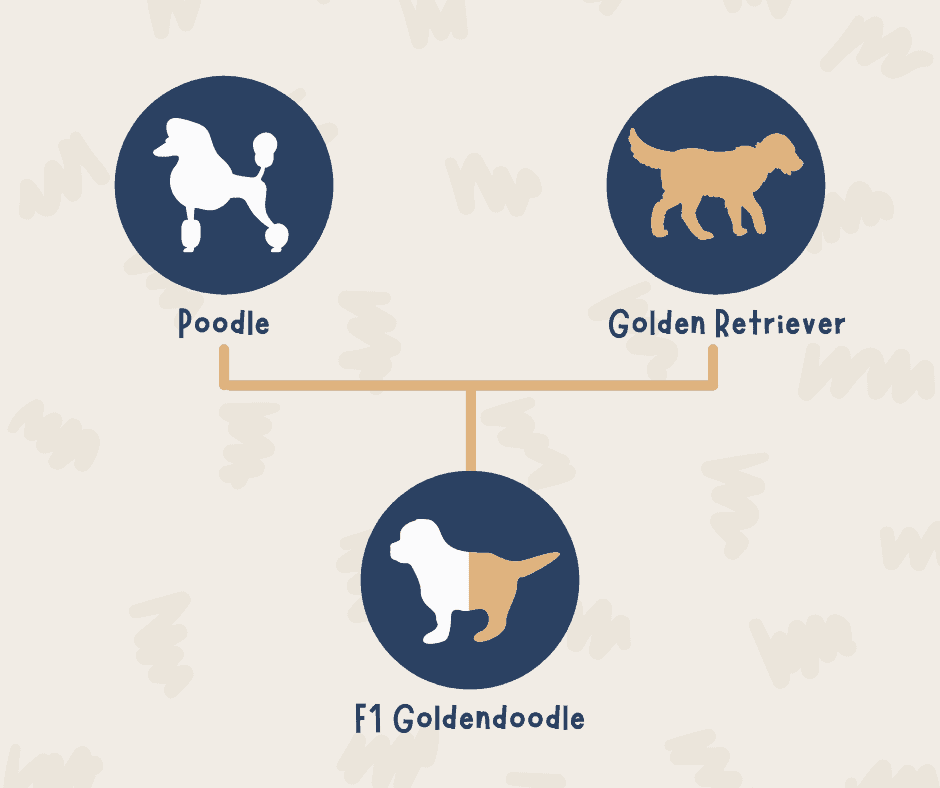
Teacup and Toy Goldendoodles can come from any generation: F1, F1B, F1BB, F2, or even F3.
Goldendoodles are created by crossbreeding a Poodle with a Golden Retriever. Golden Retrievers are large dogs, so to make a smaller pup, you need to use a Toy or Miniature Poodle as the other parent. However, that cross usually produces a Mini Goldendoodle.
To obtain an even smaller variant, breeders often mate an F1 Mini Goldendoodle (the first generation offspring of a Poodle and a Golden Retriever) with another F1 Mini Goldendoodle, producing what is known as an F2 Goldendoodle.
Smaller and Smaller!
However, the more usual process is to breed an F1 Mini Goldendoodle with a Toy Poodle to produce a Toy Goldendoodle. The puppies from that cross would be F1B Toy Goldendoodles.
Finally, to create a Teacup Goldendoodle, you would breed an F1B Goldendoodle with a Toy Poodle. The result would be an F1BB Teacup Goldendoodle.
Breeding Using The Dwarfism Gene
While technically feasible, using the dwarfism gene to breed Teacup Goldendoodles is often considered unethical due to the potential health implications.
This gene primarily affects the limbs, causing them to be short while the rest of the body grows normally, which can lead to disproportionate growth and serious spinal and joint issues.
Dogs with the dwarfism gene may also experience hormonal imbalances and have a reduced life expectancy.
Additionally, finding two compatible dogs that both carry the gene is challenging, making this practice rare in the responsible breeding of Teacup Goldendoodles.
Crossbreeding From Runts
Breeding Teacup Goldendoodles by selecting the smallest puppy, or “runt,” of the litter can be fraught with challenges.
These runts may be diminutive due to underlying congenital issues or health problems that can contribute to their small size. Such health concerns can carry over to their offspring, resulting in Teacup Goldendoodles that may inherit congenital defects, respiratory issues, fragile bones, and in some cases, organ dysfunction.
This practice can carry significant ethical and health implications for the dogs produced.
At What Age Do Miniature Goldendoodles Reach Full Size?
Miniature Goldendoodles typically stop growing and reach their full adult size by 12 to 18 months of age. However, some may continue to fill out in muscle and coat thickness up to the age of 2 years.
The exact timing can vary based on individual genetics and the size of their Poodle ancestry. Regular check-ups with a veterinarian can help you track your Mini Goldendoodle’s growth and ensure they are developing properly.

Where Can I Buy A Mini Goldendoodle?
The best place to buy a Mini Goldendoodle puppy is from a reputable, licensed breeder.
A responsible breeder will be happy to allow you to visit their kennels so that you can meet your puppy’s parents and siblings and have a look around their operation. Good breeders will provide buyers with veterinary certificates confirming that both the puppy’s parents are free-from congenital diseases that might be passed on to their offspring.
Ask your vet to recommend a breeder, or check out breeders advertising on official Goldendoodle society websites.
Don’t Buy From A Puppy Farm!
Goldendoodles are typically quite expensive, especially if the puppy is well-marked or a particularly desirable color.
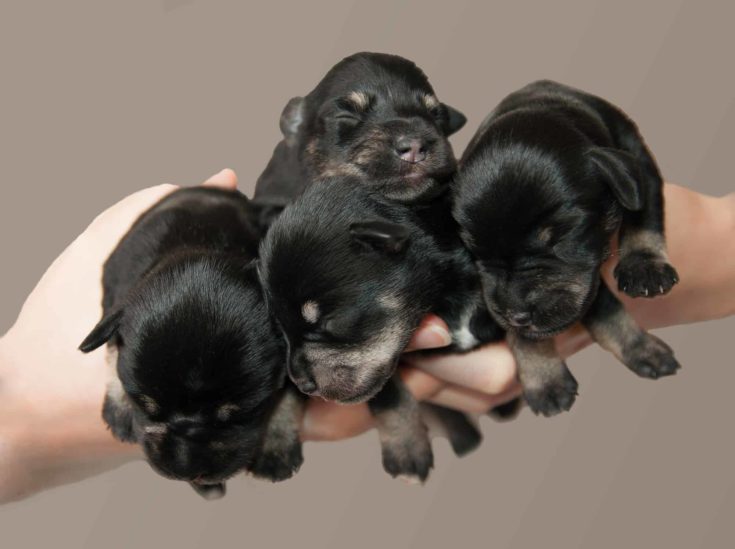
If you spot a puppy advertised online that seems cheap, don’t buy it! The chances are that the advert has been placed by a “puppy farm.”
Puppy farms produce huge numbers of puppies as cheaply and quickly as possible, solely as commercial cash-generating operations. The breeding dogs in puppy farms are typically kept in squalid conditions. Puppies are often sold unvaccinated, and many are already seriously sick before the unsuspecting buyer even gets their little furbaby home.
Rescue Centers
Despite the beloved nature of the breed, many Mini Goldendoodles find themselves in rescue centers seeking second chances for a forever home.

Adopting a rescue Mini Goldendoodle is a commendable choice! It’s important to remember, though, that these dogs may have experienced early life challenges and could require extra patience and dedicated rehabilitation to help them adjust to their new life with you.
Final Thoughts
We trust this guide has given you valuable insights into choosing between a Teacup, Toy, or Mini Goldendoodle for your home and lifestyle. Even without the space for a larger canine, the joy of Goldendoodle companionship is still within reach through these adorable, smaller variations.
From understanding the subtle size differences and care needs of each variant to recognizing the importance of responsible breeding practices, we’ve covered what you need to know to make an informed decision. And let’s not forget the importance of a suitable diet, exercise, and grooming to ensure your Goldendoodle’s health and happiness.
We’d be thrilled to hear your stories and experiences with your Teacup or Toy Goldendoodle. Your anecdotes provide invaluable real-life insights, so please share them in the comments below! If this article has enlightened or aided you in any way, we encourage you to spread the knowledge and joy by sharing it with fellow dog lovers. Your support helps others discover the delight of Miniature Goldendoodle ownership.

My wife and I have currently sold our home and moved into an apartment complex for Seniors 55+. We had to give our Golden Retriever to our daughter, as he is too big for which the complex will allow weight wise. Obviously, we need a small dog to be at or under the 40 pound limit. I’ve had a Golden all of my life, and it broke my heart to have to give him away, even to my daughter. I miss him so very much. Can a Golden Doodle be a service dog as well, and how do we make that happen? Is there a size that meets the criteria of our complex. We had to sell our home because I just don’t have the stamina to keep it up. I spend the first half of this year either in a hospital or rehabilitation center due to a very serious illness. The time frame was from mid-January to mid-May. I survived this ordeal, however, I have a hole in my heart because of having to give Theo away. Besides, we just could not meet his needs due to lack of stamina. I was wondering if you might respond to me!!!
Look at toy or mini golden
Doodle puppy’s.
In California—had teacup poodle years ago! Loved him!
Looking as I have taken rescues in since now no shedding sounds good!
Much older less work.❤️