The grooming bill, the tug on the leash and the health problem owners really run into, breed by breed, from the snoring Pug to the little spaniel everyone recommends.
If you’ve already fallen for the spaniel so many senior lists put on top, #1 has the exact questions to ask a breeder before you hand over a deposit.
The dog has found it again: the one square of kitchen floor where your foot lands when you turn from the stove, and he’s asleep on it like he pays rent. Calm is lovely. Calm is also 15 pounds of warm dog exactly where you’re about to step. Lists of the best dog breeds for seniors tend to stop at “calm” and “affectionate.” What you live with for the next decade is the clipping bill, the tug at the first squirrel and the vet visit nobody mentioned.
Table of Contents
#12 The Pug snoring on the sofa

On your body, a Pug asks almost nothing. At 14 to 18 pounds it can’t tow you down the street, and it treats the sofa as a full-time job.
What it asks for is attention to that snore. Pugs have “narrow nostrils, and narrow airways,” veterinarian Emily A. Fassbaugh writes in PetMD’s Pug profile. That’s the flat-faced build vets call brachycephalic, and the breathing trouble that comes with it gets worse when the dog is hot, stressed or exercising.
Extra weight makes it worse again. A chubby Pug breathes harder and overheats faster, so the part of the problem you control sits on the counter in the treat jar.
Breed profiles give the Pug 13 to 15 years. A bigger count is less kind: a 2024 UK study found flat-faced dogs lived a median of 11.2 years, with a 40% higher risk of shorter lives than dogs with medium-length snouts.
So the snore you fall asleep to is the sound of a little dog working for every breath. On a muggy August afternoon, the walk goes to the mailbox and back.
#11 The Golden Retriever, once it’s grown

Read the Golden’s vet profile slowly and one word jumps out: “but.” VCA calls the breed “a calm housedog, but only if given adequate exercise,” which is a polite way of saying the calm comes after the walk. That’s 55 to 75 pounds of dog, from a breed VCA says tends to put on weight, so skipped walks add up to a heavier dog at the end of the leash.
The puppy is the hard part. Researchers at Newcastle University in England found Labs, Goldens and other breeds got harder to train around 8 months old, the canine teenage stretch. Dr. Lucy Asher said: “It’s very important that owners don’t punish their dogs for disobedience or start to pull away from them emotionally at this time.”
That’s the clearest case anywhere here to adopt an adult dog instead of a puppy. A grown Golden has already done its teenage years on someone else’s sofa.
Then there’s the number nobody prints beside the photo of the Golden in the bandana. When the Golden Retriever Lifetime Study began in 2012 with 3,000 dogs, its researchers planned around about 60% of them getting cancer, a figure from the national breed club’s own survey of owners.
The Golden was the AKC’s No. 3 breed in 2025, and it earns every fan. If one is in your future, plan your budget around the vet, not the leash. Cancer treatment can run up to $10,000, by one pet insurer’s count, so it’s worth pricing a policy early.
#10 The Bichon Frise, the cotton-ball lap dog
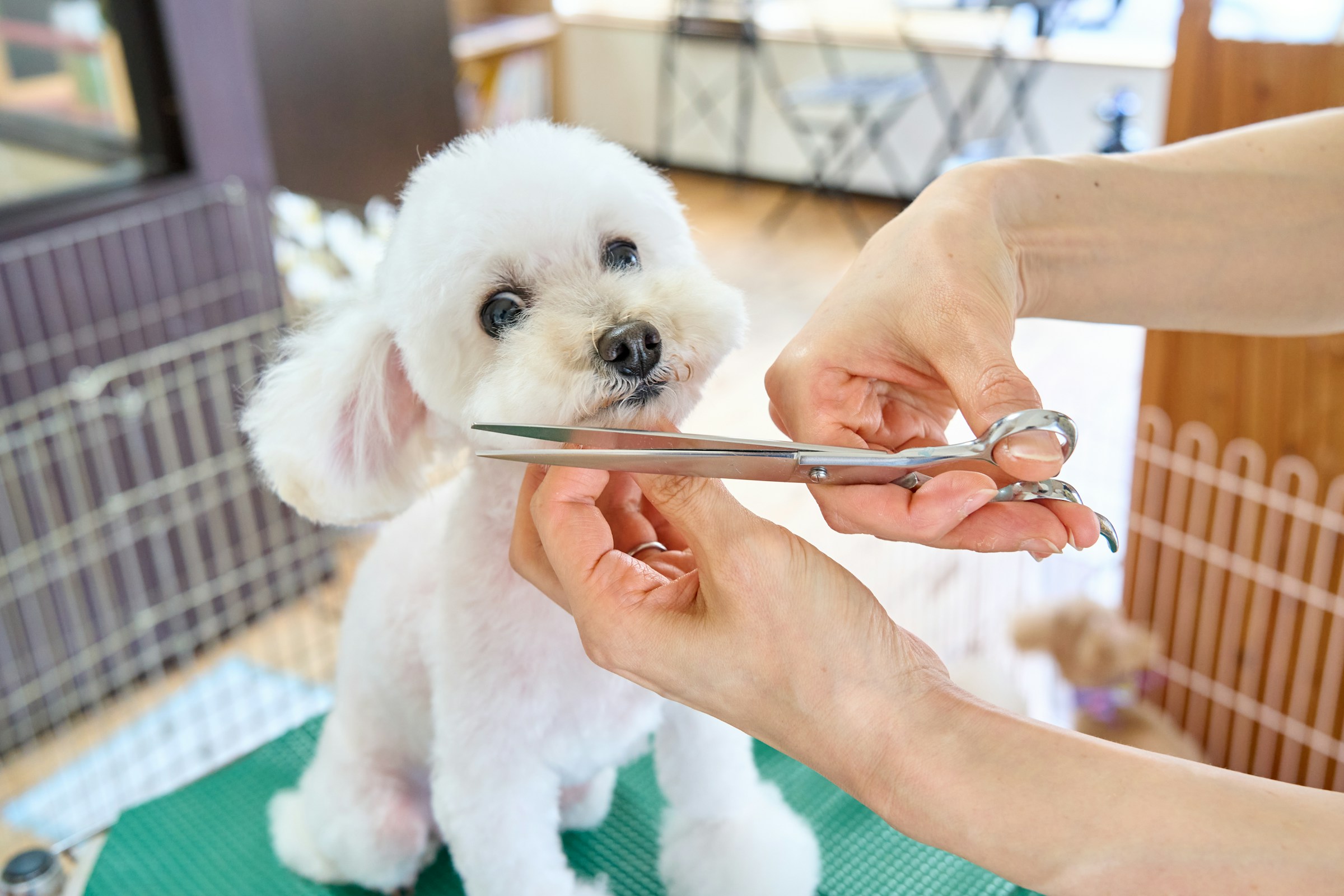
How much does a cloud cost to keep? Rather more than it looks.
The Bichon turns up on lists of low maintenance dogs for seniors because the rest of it really is easy: 10 to 16 pounds, happy as a lap dog, with shedding VCA rates “below average.” The coat is where the work hides. VCA says “Most people have their dogs professionally clipped every month,” with brushing every other day in between.
We priced that out using small-dog rates of $30 to $60 a visit from a 2025 to 2026 grooming price guide by QC Pet Studies, a grooming school. A monthly clip comes to about $360 to $720 a year, before tips or nail trims.
Let the brushing slide and the groomer adds a de-matting fee, $20 to $60 or more in the same guide. On a fixed income, the comb is cheaper than the surcharge.
One more thing the “hypoallergenic” label won’t tell you. VCA puts it flatly: “No breed is actually non-allergenic.” If anyone in your house sneezes around dogs, spend an afternoon with a Bichon before you bring one home.
#9 The French Bulldog, America’s No. 1

Here’s the paradox. The French Bulldog was the AKC’s most popular breed in 2025, its fourth year running at the top, after climbing from No. 14 in 2012. It’s also one of the shortest-lived dogs you’ll meet here.
Physically, it’s easy on you. PetMD puts it under 28 pounds and says “Short walks (around 15 minutes at a time) are ideal.” No marathons, no dragging.
The cost lands on the dog. A 2024 UK study of 584,734 dogs found French Bulldogs lived a median of 9.8 years. A 2024 German survey of 574 Frenchie owners found:
- 64% showed signs of the flat-faced breathing syndrome
- about 1 in 4 had malformed bones in the spine
- nearly 1 in 5 had disc disease
Hold that 9.8 up against the ten or twelve years you’re planning for. It’s the honest number for the most popular dog in the country.
If you already have one, PetMD’s back advice is simple: put pet steps by the sofa and the bed, so the dog climbs up instead of launching.
#8 The Shih Tzu in a short puppy cut

The groomer hands back a dog half the size it was that morning, ears and all, and it trots straight to its bed for a nap. That short shave is the puppy cut, and PetMD says owners reach for it because the coat “grows continuously.”
Under the haircut is one of the easiest companions on four legs. A Shih Tzu owner on r/Dogowners put it plainly: “All my Shih Tzus do is sleep and cuddle. True companion breeds after the puppy crazies subside.” Casey Ray, a dog trainer in Lake Havasu City, Arizona, says the breed has low exercise needs and is content with short, gentle walks.
So why isn’t it higher among low maintenance dogs for seniors? The coat still wants brushing every other day, per VCA, and professional grooming every few weeks, per PetMD. At a groom every four to six weeks and the same small-dog prices, we figure about $270 to $780 a year. The puppy cut makes the brushing in between far easier. It doesn’t retire the groomer.
The other catch is heat. VCA rates the Shih Tzu 1 out of 5 for warm weather, because that sweet flat face overheats easily. In a Phoenix or Florida summer, the short, gentle walks happen at sunrise or not at all.
#7 The Newfoundland and other gentle giants
“At least a big dog won’t get under my feet.”
Maybe you’ve thought it while choosing your next dog, and it sounds sensible. Ray, the Arizona trainer, sees it the other way around: a larger dog is the one that can knock you down.
“The smaller the better. They’re easier to manage.” (Casey Ray, dog trainer, on his YouTube channel)
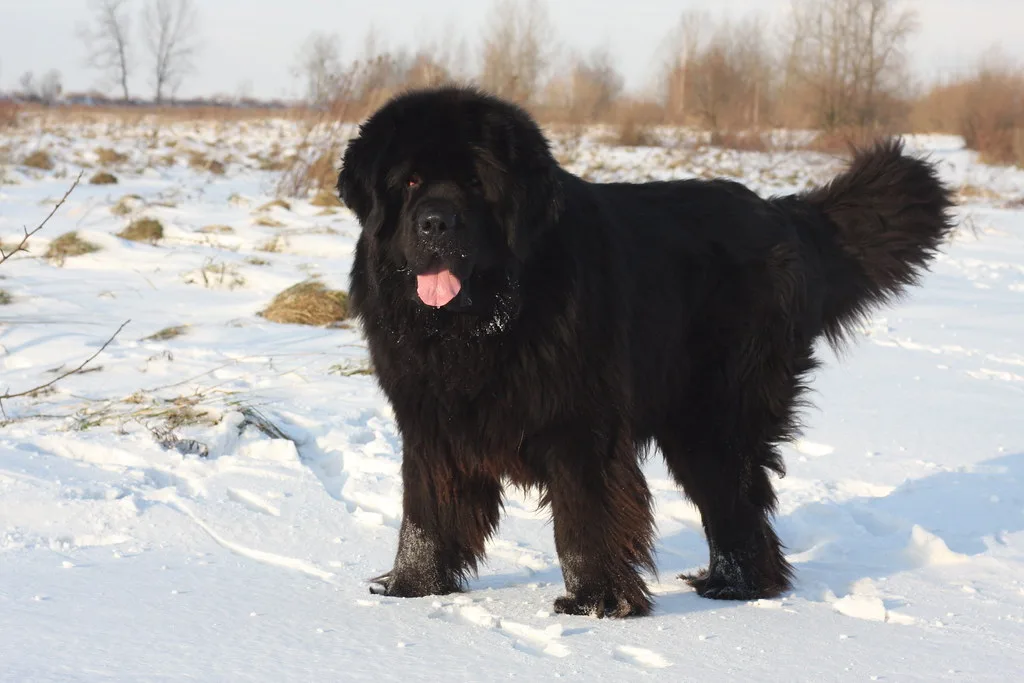
The Newfoundland is as sweet as its reputation. It’s also, per the Newfoundland Club of America, 130 to 150 pounds for a male and 100 to 120 for a female, and “They are puppies until close to two years old.” Picture a two-year-old with the weight of a grown man who still thinks every visitor came to see him. The club adds, with real honesty: “Newfoundlands drool.” VCA rates the shedding above average and puts the lifespan at 8 to 10 years.
Trainers split on giants. Vinny of Say It Once Dog Training, which says it has trained more than 20,000 dogs and people, includes the Newfoundland among his picks for owners who want an easy dog. Both trainers can be right. A Newfie needs little from you most days, until the one day it pulls on the leash. For a puller, the American Veterinary Society of Animal Behavior suggests a front-clip harness, which turns the dog slightly as it pulls, or a head halter. With a halter, VCA’s behaviorists warn, never jerk the leash, and never pair it with a retractable leash.
The trip hazard underfoot is real too, for any size. CDC emergency-room data from 2001 to 2006 found that about half of dog-related falls came from tripping over the dog or being pushed or pulled by it, and the CDC’s own suggestion was obedience training for the dog.
If you’re choosing fresh, pick a dog you can hold back with one hand. And if a Newfie is already yours, keep a towel by the door. You’ll need it after every drink of water.
#6 The Miniature Poodle, the clever middle size

First step, before you look at a single puppy photo: ask the breeder whether they follow the Poodle Club of America’s code of ethics. It says: “If at any time the owner cannot keep the poodle, the breeder will take the dog back.”
That’s a lifetime safety net, written into a breed club’s rules, and almost nobody mentions it. Ask for it in your sales contract too, in writing.
Know where it can fail. It only covers breeders who follow the code, so a pet-store puppy or a backyard litter won’t come with one. A breeder can also retire or move away in twelve years, so it’s worth asking who takes over if that happens.
The dog itself sits in a sweet spot: 12 to 18 pounds, big enough not to vanish under a chair, small enough to lift. VCA says a walk around the block once or twice a day plus play is enough, and gives a lifespan of 13 to 15 years.
The coat is the expensive part. Nancy Palauskas, a Poodle Club of America member, told Chewy: “Poodles require grooming every four to six weeks.” The QC Pet Studies guide charges $80 to $150 or more for a poodle groom, well above a plain small dog. At about nine visits a year, we figure about $720 to $1,350, the highest grooming bill of any breed here.
#5 The Cavapoo, the trendiest cross

The Cavapoo is sold as the best of both parents: Cavalier sweetness, poodle coat. A 2026 study suggests the cross may also pick up some worries neither parent shows as much.
Researchers at the Royal Veterinary College surveyed owners of 9,402 dogs. Cavapoos scored worse than both parent breeds on 11 of 24 behavior traits, including “excitability, separation problems, and dog-directed fear.” Lead researcher Gina Bryson called for “wider awareness of potential crossbreed behavior issues.”
That finding is about Cavapoos. It says nothing about mixed breeds in general, and it describes averages, not your neighbor’s lovely one.
What it means for you depends on your week. If you’re home most days, separation problems may never come up. If you volunteer, travel or spend long afternoons out, ask the breeder or foster family how this particular dog copes alone, and how its energy level holds up by evening.
The coat is a coin toss too. Cavapoo coats run from poodle-curly to Cavalier-straight, and Petful’s warning is worth taping to the fridge: “Low shedding does not mean low maintenance.” Plan on professional grooming every six to eight weeks, which Petful puts at about $400 to $800 a year.
#4 The cocker spaniel: show line or working line
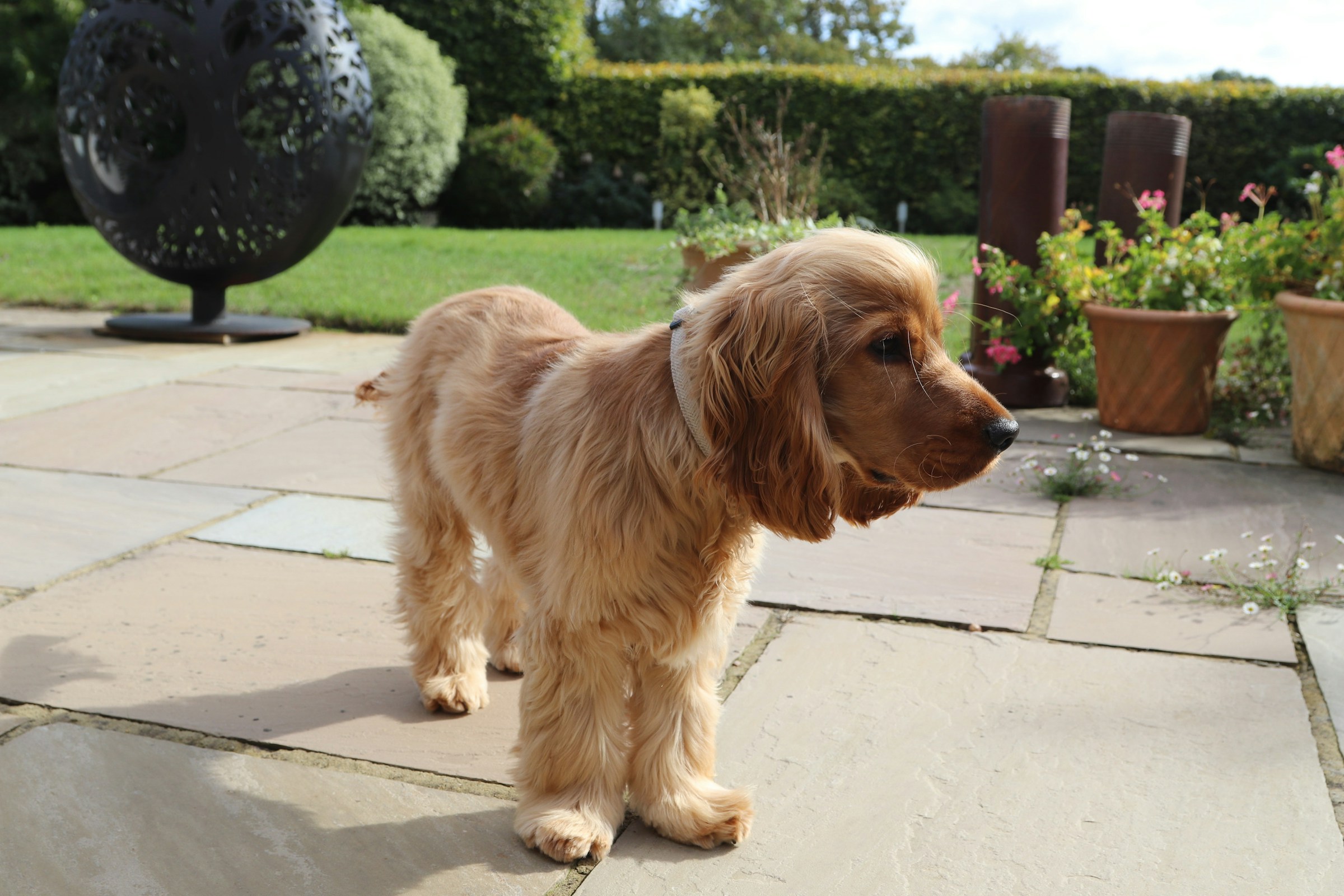
Tom Davis, who founded Upstate Canine Academy in upstate New York, picks the cocker as a breed he’d own himself, for his own busy home. “These dogs have an incredible, stable, chill demeanor that makes them such a joy to have around,” he says. “They’re not bouncing off the walls. Sometimes they are, but they have an off switch, too.”
Owners on Reddit’s pet forums argue hard about whether that’s true. Usually they’re describing different dogs, because “cocker” covers three:
| Type | Size | What it asks of you |
|---|---|---|
| American Cocker | 20 to 30 lb | Daily brushing, trim every 6 weeks |
| English Cocker (show) | 26 to 34 lb | Monthly trim, two 30-minute walks a day |
| English Cocker (working line) | Varies | Shorter coat, bred to work in the field |
The size and grooming come from the AKC’s comparison, where a breeder-judge says American breeders “have selectively bred for more coat.” Working-line English cockers are “bred exclusively to perform in the field,” and the two English strains have drifted so far apart they’re rarely crossed.
One Reddit commenter finds a show-line cocker calmer than a working one, so it’s worth asking the breeder which line the puppy comes from.
The coat divides owners too. A former groomer on r/Pets said: “An ideal owner for a cocker spaniel would be able to do at least some of the grooming themselves, even if money was not an issue.” The owner of a 3-year-old in the same thread said hers needs plenty of exercise and play time, brushing every other day, bathing every one to two weeks, and grooming every seven weeks.
For an American cocker trimmed every six weeks at medium-dog prices, we figure about $450 to $720 a year at the groomer.
#3 The Dachshund with a stubborn streak

Should you carry a Dachshund up every stair for the rest of its life? A big owner survey says probably not, and the reason is the most useful thing to know about this breed.
The real issue is the back. The American College of Veterinary Surgeons says Dachshunds account for 45% to 70% of all disc ruptures, the slipped or burst discs that press on the spine, and that in short-legged breeds the signs usually show up between ages 3 and 6.
The 2015 DachsLife survey of 2,031 Dachshunds found some surprises:
- About 1 in 6 had disc disease.
- Standard smooth-haired dogs had it most (24.4%), standard wire-haired dogs least (7.1%).
- Dogs exercised more than an hour a day had lower risk.
- Dogs that used stairs every day didn’t have higher odds.
Coat type is a real choice here. And the breed that looks built for a pillow does better with real walks.
Training is its own project. VCA says the Dachshund “Learns quickly, but tends to have a stubborn streak,” which every Dachshund owner reads and laughs at. Standard Dachshunds run 11 to 32 pounds.
The good news is time: Miniature Dachshunds lived a median of 14.0 years in the 2024 UK study. If you insure one, do it before any back trouble shows. Embrace’s policy terms, for one, won’t cover disc disease in a dog that showed signs before its waiting period ended, six months on the standard policy. Just know that if a disc does go, you’re the one lifting a long, unhappy dog in and out of the car for every vet visit.
#2 The retired racing greyhound, the 45-mph couch potato
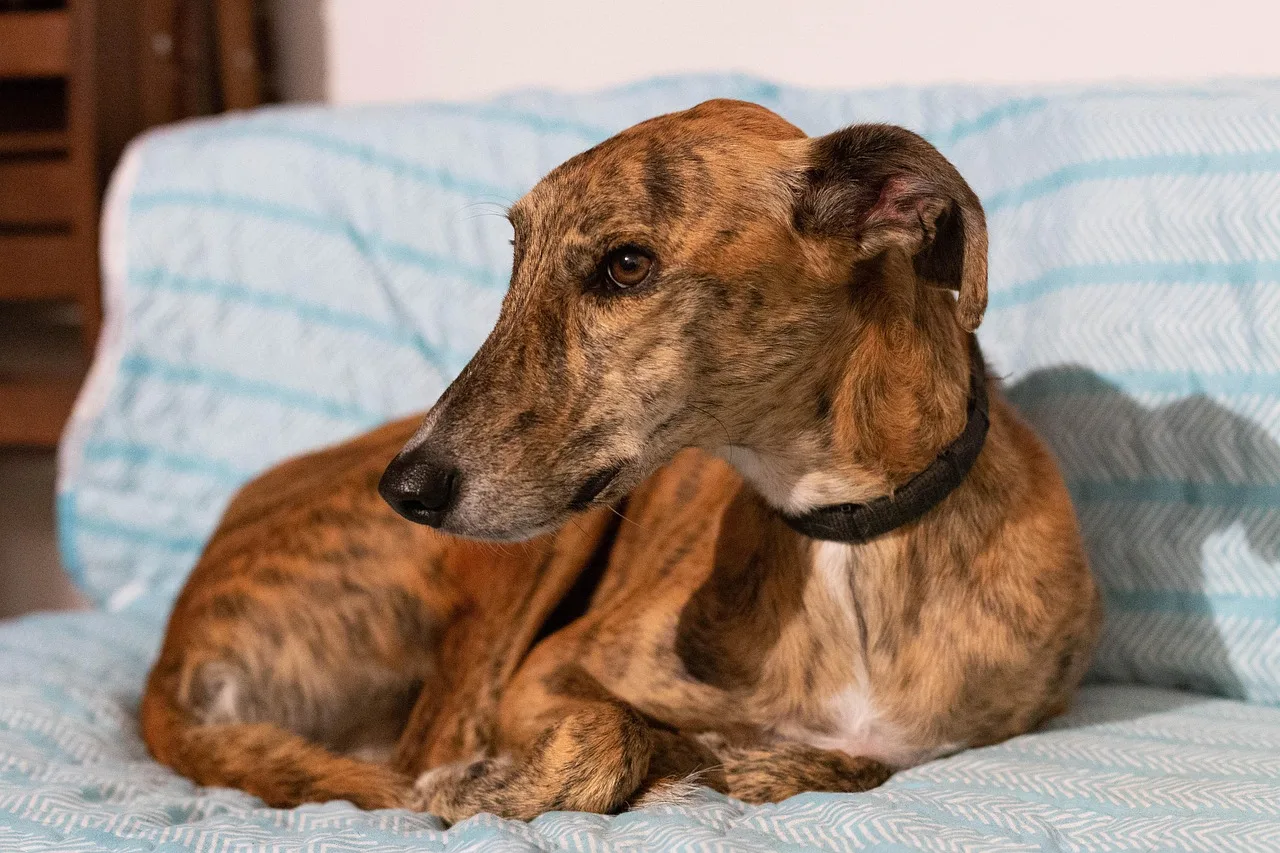
Denise Schumitz, who runs a Greyhound Pets of America group in Taunton, Mass., calls the breed “the 45 mph couch potato.” Vinny of Say It Once Dog Training puts it more bluntly: “Super fast but they really don’t do all that much.”
He means it. A retired racing greyhound sleeps about 18 hours a day by one Ohio group’s count, and about 20 by another group’s. It’s a sighthound that lives like a companion breed.
It’s also easier than it sounds. Racers retire at 2 to 4 and can live 12 to 14 years, which lines up neatly with the decade you’re planning. They grew up on strict kennel schedules, so Allies for Greyhounds says they’re “much easier to house break than a puppy.” An adopter on r/dogs said: “Adopted our girl at 7 straight off the track and she’s been perfect for apartment life.”
Here’s a fact most people don’t know: only two racing tracks remain in the US, both in West Virginia. Schumitz’s group gets about 10% of its dogs from there and most of the rest from Ireland and New Zealand.
What could stop it working for you? Size and instinct. These are big dogs, and Allies for Greyhounds tests every one with cats but says “every greyhound’s prey instinct varies.” Adoption groups recommend a martingale collar, the kind that tightens gently so a narrow head can’t slip out, and no retractable leashes.
Before you call a greyhound group – A male can weigh 60 to 88 pounds – A 4 to 6 foot fence is recommended; electric fences and anything under 42 inches don’t count – With no fence, plan on 4 to 5 leashed walks a day – Fees run about $500 to $600; at one group, $600 covers spay or neuter, a dental cleaning, vaccines, collar, leash and muzzle
#1 The Cavalier King Charles Spaniel and its heart

Ray, the Arizona trainer, ranks the Cavalier first for older owners. He says it “Adapts beautifully to slower lifestyles and quieter homes,” and on your body it’s the gentlest ask anywhere here: 13 to 18 pounds, and per PetMD, two 20 to 30-minute walks a day are plenty. A true companion breed, and the AKC’s No. 12 in 2025.
The question is its heart. PetMD names mitral valve disease, a heart valve that slowly starts to leak, as the breed’s leading reported cause of death. Vinny, who also calls the Cavalier an easy dog, mentions the heart problems in the same breath. People on Reddit who wanted one say it’s exactly what put them off.
How common is it? A University of Milan team gave 90 Cavaliers heart ultrasounds and found the disease in 90% of them. Every dog over 7 had it. So did half the dogs under 2, all at the mildest stage.
A clean check with a stethoscope doesn’t mean a clean heart. In the same study, 76% of the dogs with no murmur, the whooshing sound a vet listens for, still had the disease on ultrasound.
Ray’s answer to all this is that every breed carries something, and a reputable breeder versus a backyard breeder makes the difference. The heart doctors agree on that much. In 1998, cardiologists and a geneticist working with the Cavalier King Charles Spaniel Club, USA, wrote the MVD Breeding Protocol, which spells out which dogs should be bred at all. Commenters on Reddit’s dog forums add a fair point: 13 is a good age for a dog of any breed.
What to ask a Cavalier breeder – Were both parents at least 2.5 years old and free of murmurs when they were bred? – Were the puppy’s grandparents still murmur-free at age 5? – Can I look up both parents’ heart results myself in the public OFA/CHIC database? – Worth knowing later: in one trial, dogs already showing the disease went a median of about 15 months longer before heart failure on the drug pimobendan
A breeder who follows the protocol will answer all three questions without blinking. Ask them on the phone, before the puppy photos start arriving.
The bottom line
Every breed above is a guess about a dog you haven’t met yet. A good guess, once it comes with numbers.
Davis, the New York trainer, framed the real test well: find a breed whose energy, drive and needs actually line up with your lifestyle.
So before the next puppy photo, write down an ordinary Tuesday. How many times you’d honestly walk a dog, how far, and what’s left each month after groceries for the groomer and the vet. Then hold the dog you love up against that page.
If the dog you already have is snoring beside you, the same Tuesday tells you what to change: a shorter clip, pet steps by the bed, one more walk.
Bonus: four things worth sorting out first
Ask your local shelter, by name, about a “seniors for seniors” program. Muttville Senior Dog Rescue in San Francisco waives its $250 fee for adopters 62 and up and sends the dog home with a harness, leash, bed and starter food, plus a gate and stairs if needed. Salt Lake County Animal Services waives fees for adopters 55 and up who take home a pet over 5, with proof of age. Not every shelter does this, so ask.
Put a card in your wallet that says a pet is at home, and name a caregiver who has already said yes. The ASPCA recommends both, along with a folder of the dog’s vet records and routine.
Fix the floors before your dog’s legs need it. Veterinarian Krista Williams suggests non-slip runners with no raised corners, grip tape on stairs, and nails trimmed monthly with the fur between the toes clipped. Dog owners on TikTok debate replacing whole floors versus laying rugs and grip mats on the stairs.
If a Labrador is tempting, look for one past puppyhood. A California Lab rescue says “Labs don’t start ‘settling’ down until sometime between two and four years of age.”
Questions people also ask
Do small dogs live longer than big dogs?
On average, yes. A 2024 UK study of 584,734 dogs found median lifespans of 12.7 years for small breeds, 12.5 for medium and 11.9 for large. Flat-faced breeds of any size broke the pattern, with a median of 11.2 years. These are median lifespans across many dogs, not a promise for yours.
Is it better to adopt an adult or senior dog instead of a puppy after 50?
For most people, yes, because you can see the dog’s size, health and personality before you commit. The ASPCA notes that older dogs are often “already house-trained” and that “the personalities of adult animals are fully-formed, which makes them more predictable.” Popular family breeds have a hard teenage stretch too: in a Newcastle University study, Labradors, Goldens, German Shepherds and crosses got harder to train around 8 months old, and an adult has already finished that stretch.
Should a 75-year-old get a dog?
Many 75-year-olds can own a dog happily, if the dog’s size and leash manners fit and someone has agreed to step in if plans change. CDC data from 2001 to 2006 show that about half of dog-related falls came from tripping over the dog or being pushed or pulled by it. Small dogs underfoot and strong dogs on the leash both account for a large share, and the CDC’s recommendation is obedience training for the dog. The ASPCA also suggests naming caregivers in advance.
Are Cavalier King Charles Spaniels healthy?
Cavaliers carry an unusually high inherited risk of heart disease. An Italian study found mitral valve disease, a leaking heart valve, in 90% of the 90 Cavaliers examined, including every dog over 7. Breeders who follow the MVD Breeding Protocol breed only murmur-free dogs at least 2.5 years old whose parents were murmur-free at 5.
Do greyhounds need a yard?
Not always. A fenced yard helps, but isn’t required. Team Greyhound Adoption of Ohio calls a fence “highly recommended but not required,” asks for 4 to 6 feet if you have one, and without one expects 4 to 5 leashed walks a day. The group says greyhounds can live comfortably in apartments because they sleep about 18 hours a day.
What happens to my dog if I have to move into assisted living?
It depends on the community and on the backup care you’ve arranged. Assisted Living Magazine says about 75% of senior communities accept pets, usually with a weight limit somewhere from 20 to 50 pounds, deposits of $500 to $2,000 and monthly fees of $25 to $100, and most memory-care units don’t allow resident pets. The ASPCA recommends named caregivers, a pet folder, and a will or pet trust set up well before any move.