See which popular breeds turn risky when grandchildren visit, what sets each one off, and the baby gate, crate or closed door that fixes it, plus one danger that has nothing to do with breed.
Stay for #1. It’s the dog nearly every longtime owner ends up living with, if they’re lucky.
The car doors slam in the driveway. Before anyone reaches the porch, your dog has already made up its mind about small visitors: tail sweeping the hall rug, or tail very, very still.
Most dog breeds not good with kids aren’t mean dogs. They’re herders who see a running six-year-old as a loose sheep, guardians who take a shriek seriously, and tiny dogs with legs like pencils. Each one goes wrong in a particular way, so each one has a particular fix.
Table of Contents
#15 Rottweiler taking the wrestling match seriously
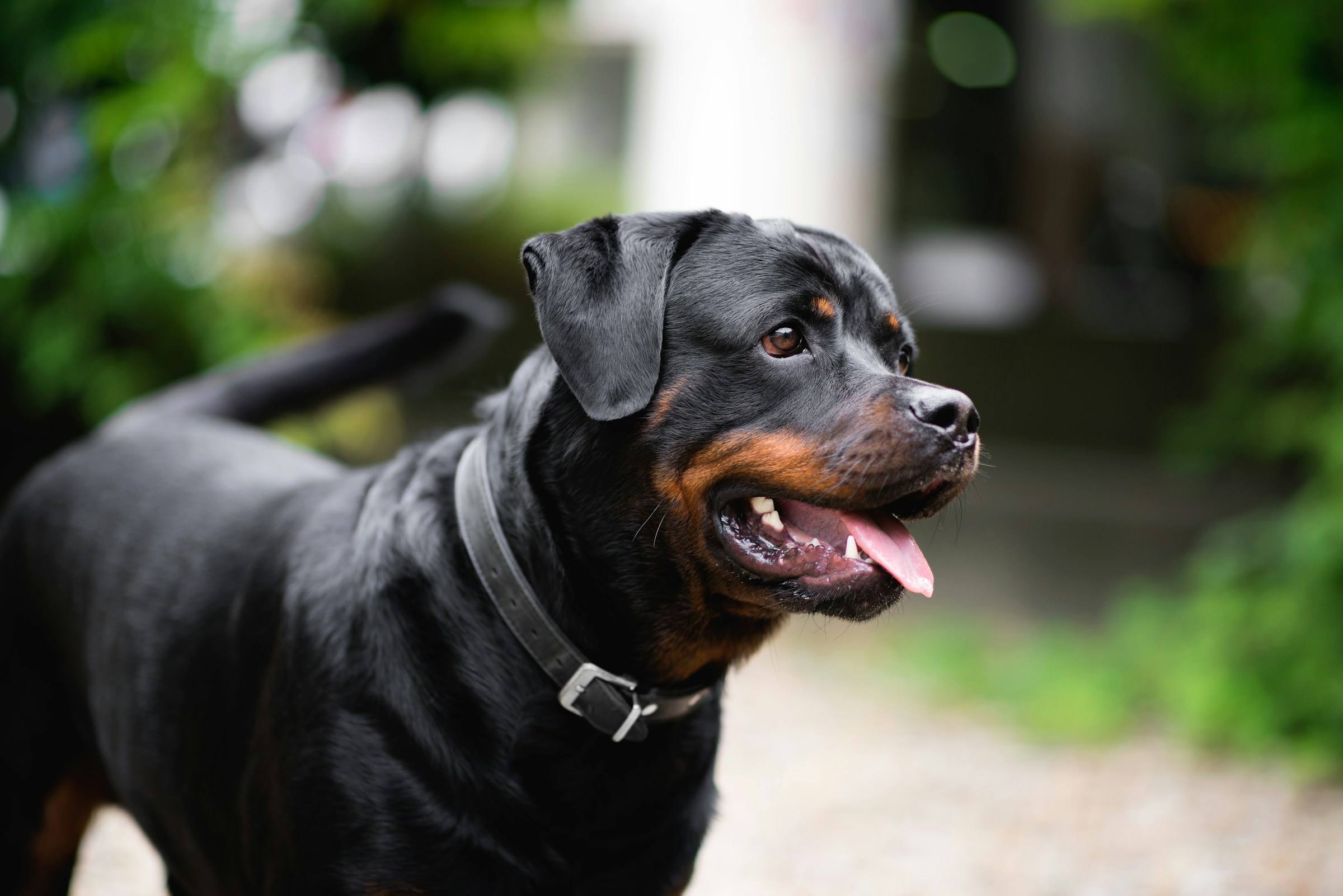
After dessert, two cousins end up on the living room rug, wrestling, one of them shrieking like a tea kettle. In the doorway, a black-and-tan dog watches every move.
Rottweilers weigh 80 to 135 pounds and were bred as working and guardian dogs, according to PetMD’s vet-written profile. The American Kennel Club calls the Rottie “a gentle playmate and protector within the family circle.” Both halves are true, and the second half is the one to watch on visit day. A dog with a strong protective instinct is built to notice when something in its family looks like trouble. Rough play between two kids can look exactly like trouble.
Then there’s plain size. A dog that heavy can hurt a child without meaning to. And small children are at face height: when kids under 5 are bitten, they’re the most likely to be hurt on the head and neck, a review of dog bite research found.
The setup is simple. When the wrestling starts, the Rottie goes to another room. Think of it as the end of its shift. The breed needs at least an hour of exercise a day anyway, so visit day is the day to make sure that hour happened before the car pulls in.
PetMD calls early socialization essential for this breed. If your dog grew up around children, you have a head start. If it didn’t, that closed door stays closed.
#14 Chihuahua snapping when small hands grab
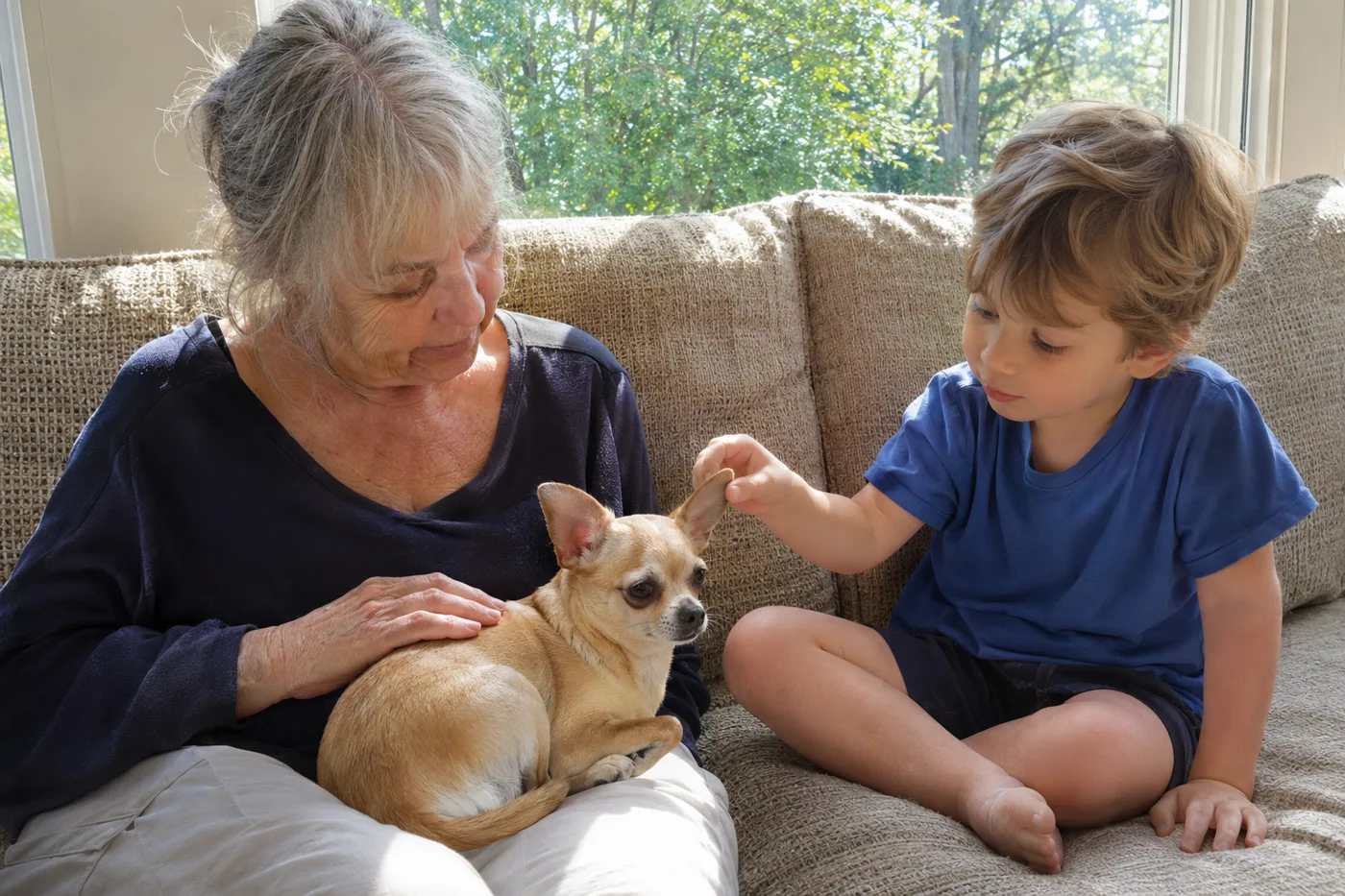
The Chihuahua has a reputation as the snappy one. Its vet bills tell the other half of the story.
PetMD says Chihuahuas “top out around 6 pounds” and stand 5 to 8 inches tall. To a dog that size, a toddler’s grab comes from a giant. The CDC says any dog can bite “especially when scared,” and a cornered Chihuahua is usually a scared one.
Now flip it around. Dr. Lucas Beierer, Director of Queensland Veterinary Specialists, writes that broken forearm bones from falls are “among the most common conditions that we as veterinarians encounter in toy dog breeds.” He describes toy dogs living “a high-rise existence, with large couches to jump off and children who cuddle them and let them leap from their arms.”
That’s a whole holiday afternoon in one sentence. A squirming dog, a child who can’t hold on, a drop from chest height.
Petting happens with the dog on the floor or on your lap, never in a child’s arms. Let the Chihuahua decide when to walk over. PetMD says children should be watched closely when playing with the breed “to avoid accidental injury.”
AKC counts the Chihuahua among the oldest breeds of the Americas. It deserves to keep all four legs in one piece.
#13 Dalmatian bred to run beside fire engines
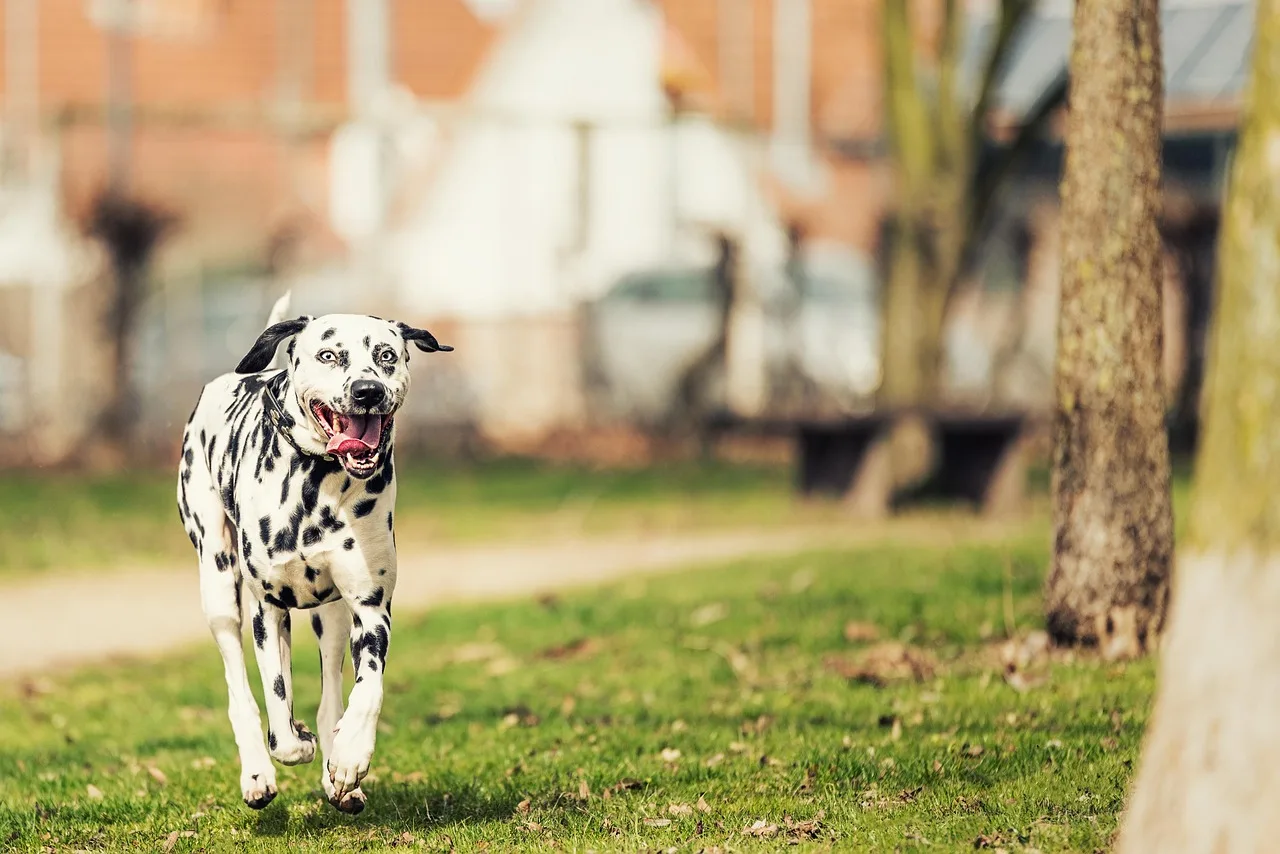
Tom Davis, a trainer who specializes in reactive dogs, warns that a Dalmatian’s energy has to go somewhere.
“And around small children, that excitability often translate[s] into jumping, knocking kids over, mouthy behavior, nipping.” Tom Davis, Tom Davis Dog Training
In the 1700s, Dalmatians ran beside horse-drawn fire engines. PetMD puts the modern version plainly: “A standard leash walk will likely not meet their exercise needs.”
Hearing is the part most owners never think about. In hearing tests on more than 5,000 Dalmatians, about 22% were deaf in one ear and 8% in both. That’s roughly 3 in 10 with some hearing loss. If your Dalmatian has never had a hearing test, ask your vet about a BAER test, the usual one for this. The Orthopedic Foundation for Animals recommends having a veterinary neurologist do it. At UC Davis’s veterinary hospital, it costs $201, with the exam and sedation included.
Owners do push back on the label. Under one UK behaviorist’s TikTok about the worst breeds for children, about eight commenters stood up for their gentle Akita or Dalmatian, while about five others described a Dalmatian that bit, chased, or had to wear a muzzle. Both groups are describing real dogs.
So the run happens before the visit, and nobody sneaks up on the Dalmatian for a surprise hug.
#12 Siberian Husky with sled-dog energy indoors
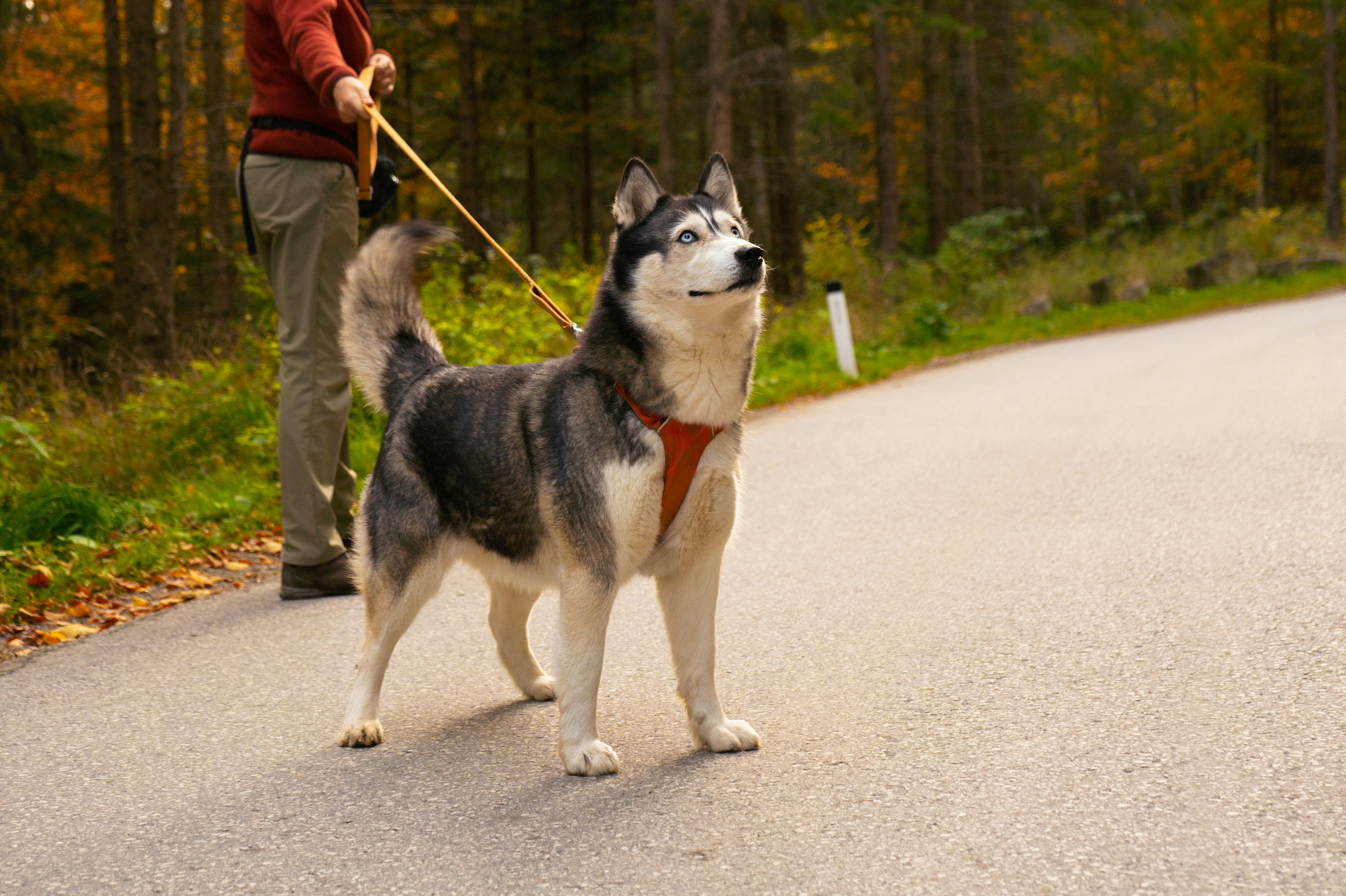
Anyone who has been towed down a sidewalk by a Husky has met the breed’s job description. AKC says the Siberian Husky “was developed to work in packs, pulling light loads at moderate speeds over vast frozen expanses.” Your hallway is not a vast frozen expanse.
PetMD says a Husky needs “at least 40 minutes of exercise every day.” That’s a lot less than the one to two hours a Border Collie needs. The catch is the word “at least,” and what happens when the 40 minutes don’t happen. You get zoomies at kid height. A Husky tops out near 60 pounds, and PetMD recommends supervision during play with kids.
Its bigger cousin is a different machine. The Alaskan Malamute runs 75 to 85 pounds and was relied on “to pull heavy loads,” rising to fame in the 1896 Klondike Gold Rush. PetMD says it “might be too much for young children.”
Get the walk in before the grandkids arrive, and keep dog-and-kid games in the yard with a grown-up watching. Rain, a late start or a long drive can wreck that plan. On those days, the dog gets the back bedroom and a chew while the kids get the living room.
#11 Border Collie herding the grandkids like sheep
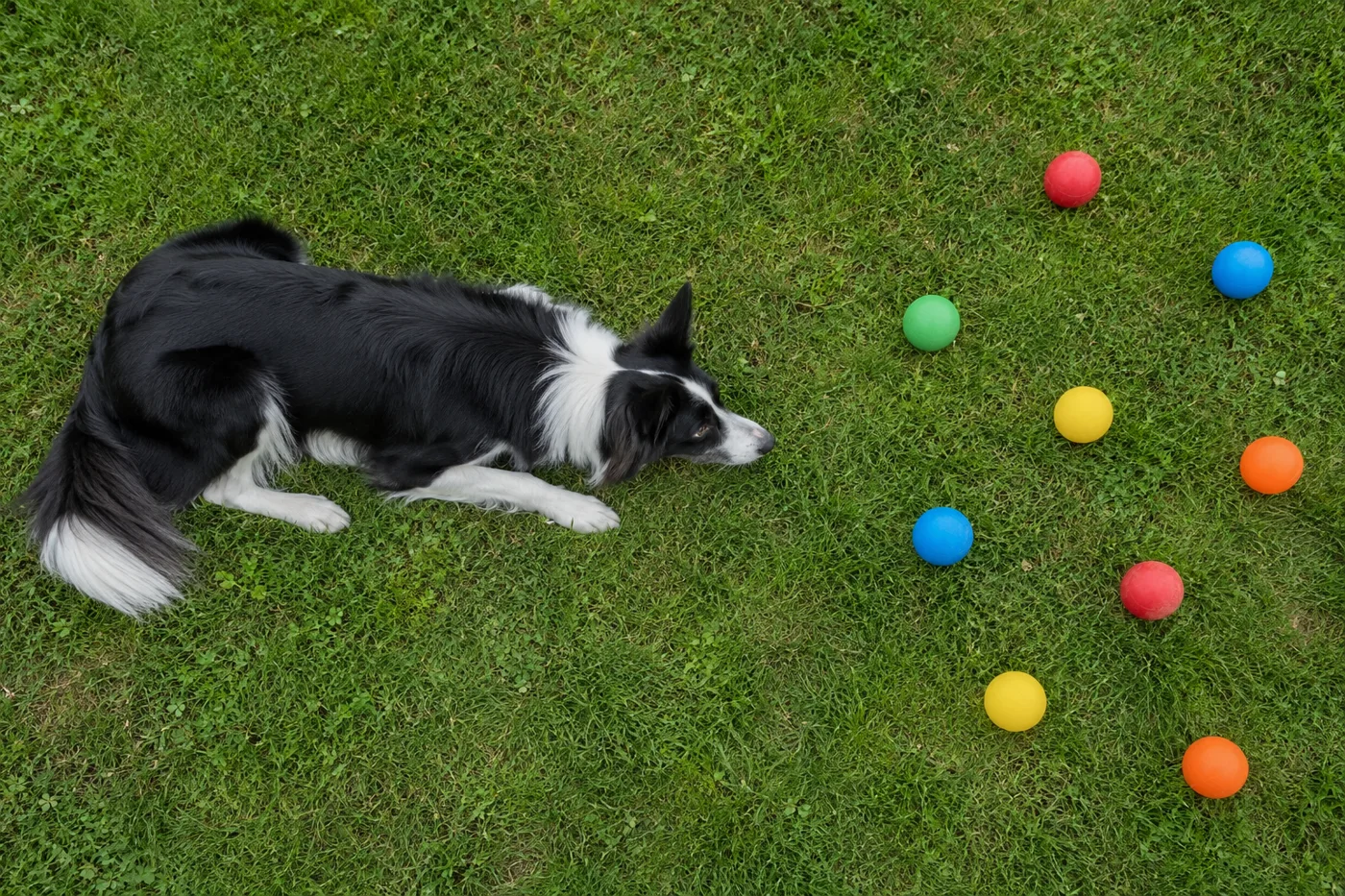
A commenter in Reddit’s r/childfree forum, of all places, summed up a whole category of dog in one line: “My parents are older and don’t really exercise, so their border collie runs in the yard.”
Around and around it goes, with nothing to herd. Until company comes.
AKC calls the breed “a remarkably bright workaholic,” possibly “a bit too amazing for owners without the time, energy, or means to keep it occupied.” PetMD says Border Collies need “at least one to two hours of exercise every day” and “have been known to herd other pets in the household or even children.”
Picture it from the dog’s side. Four kids tearing across the lawn, shrieking, scattering, regrouping by the swing set. That’s a flock, and a flock needs steering, which a herder does by circling and cutting in to keep the group together. Nothing about that is aggression. It can still startle or bump a small child.
The kids get the yard, or the dog gets the yard, in shifts. If two hours of real work a day isn’t how your days go, the grandchildren will become the work.
#10 Mini Aussie sold as the easy family dog

“Mini” sounds like less of everything. Less dog hair, less food, less to handle. With this breed, it isn’t less herding instinct.
The full-size Australian Shepherd weighs 40 to 65 pounds and may try to herd children. The smaller version, the Miniature American Shepherd, is now a separate AKC breed. It was bred down from smaller Aussies in California in the 1960s, joined AKC’s Herding Group in 2015, and keeps herding instincts in a 20 to 40 pound body.
Shrinking the dog doesn’t shrink the job.
In one Reddit thread about herding dogs and kids, the same story came from a daycare worker, from someone whose family brought home a “mini” Aussie when the kids were small, and from owners of collie mixes: these dogs herd small children by nipping, need more exercise than most families can give, and suit few households.
They’re also everywhere. In AKC’s 2025 rankings, the Aussie sat at #14 and the mini at #28.
If you’re picking a retirement dog and a smaller size appeals because it’s easier to lift into the car, that’s a fair reason. Just know you’re still bringing home a herder. A 25-pound dog nipping at an ankle is still nipping at an ankle.
#9 Belgian Malinois, always switched on
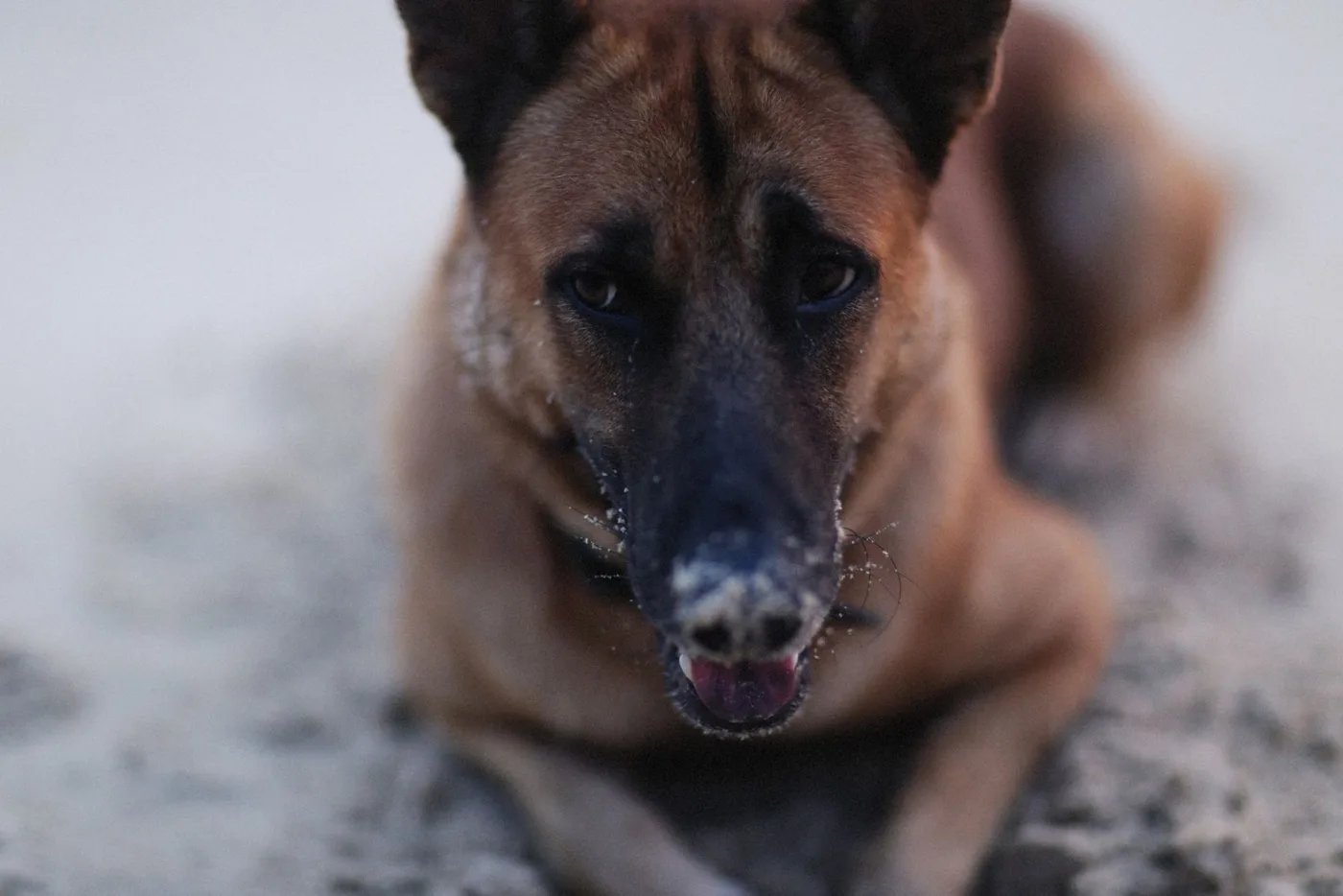
Police departments love this dog, and for the same reason it’s a lot for a house with visiting kids. The National Police Dog Foundation says “The most commonly used breeds are German Shepherds and Belgian Malinois.”
That drive doesn’t clock out. PetMD says the Malinois needs “high levels of aerobic exercise, like a five-mile run every morning,” may chase children or herd toddlers, and needs “a dedicated and experienced pet parent.” Every morning. Five miles. Before coffee, presumably.
Tom Davis owns a Dutch Shepherd, a close working cousin of the Malinois. Listen to how he talks about his own dog with his own children:
“She’s 11 years old. She does good with my kids, but I still have to watch her every moment she’s around them.” Tom Davis, Tom Davis Dog Training
That’s a professional trainer, a dog he raised, eleven years of good behavior, and he still doesn’t look away.
Eyes on, or the dog’s behind a door. If you’d need to turn your back to stir the gravy or answer the phone, the Malinois waits in another room until you’re free.
#8 Cane Corso, too much dog for most homes
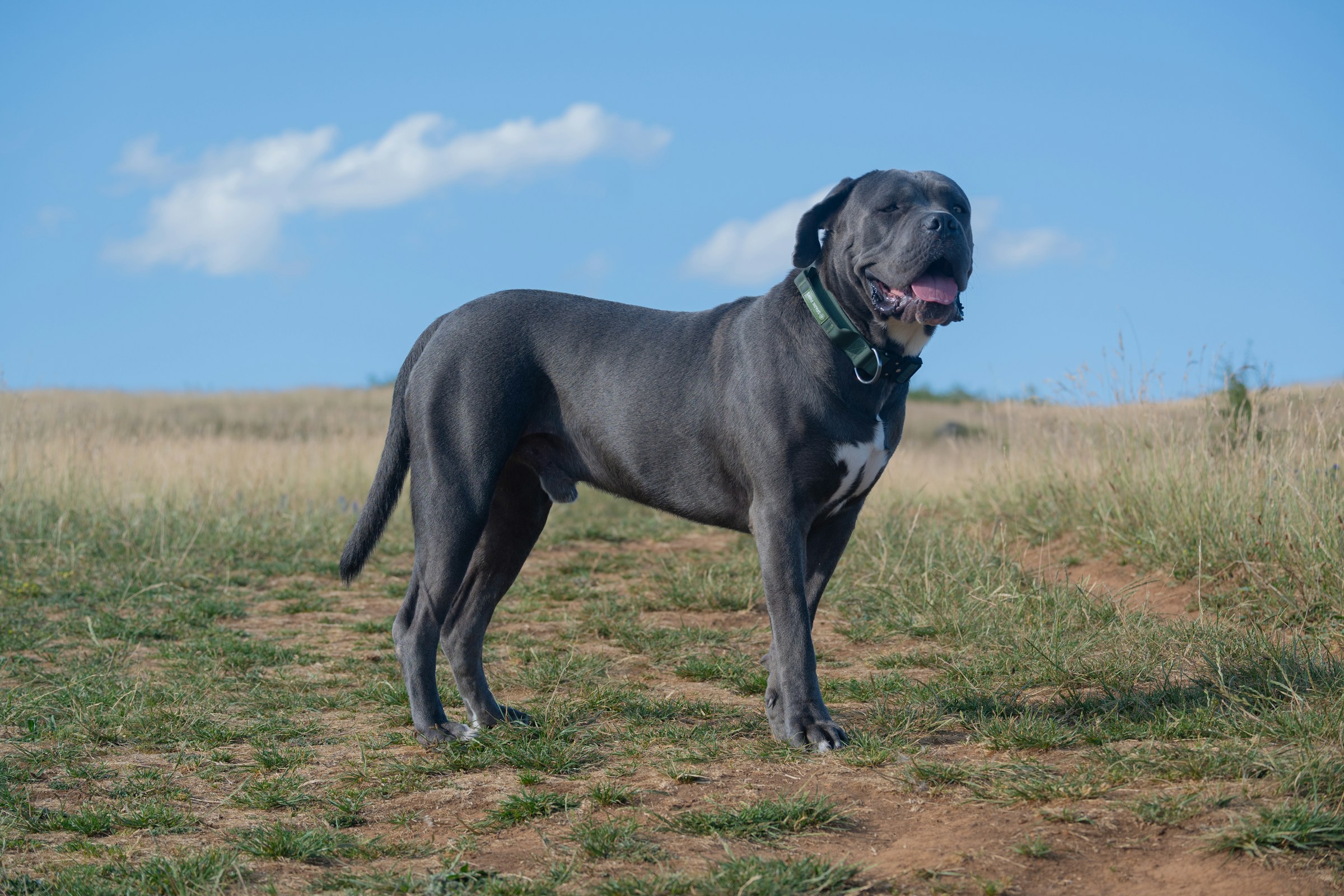
AKC didn’t even count the Cane Corso until 2010. In the ten years leading up to 2024, it climbed from 50th place to 14th, and in 2025 it rose again to #11, “nearly breaking into the top 10.”
This is a dog that can weigh over 100 pounds and stand 28 inches tall. It’s Italian and descends from Roman war dogs. AKC spokesperson Brandi Hunter Munden told CBS News the breed is “not for somebody that doesn’t know how to control a dog.”
A trainer at American Standard Dog Training, who says he has over 20 years training police and pet dogs, is blunter: “As much as these dogs are amazing, they’re too much dog for most people.”
The Corso’s rise says something bigger. We took the ten breeds the trainers and vets in our research warn about around kids and looked each one up in AKC’s 2025 rankings. Four of them are in the top 25.
| Breed | 2025 rank | Around kids |
|---|---|---|
| Labrador Retriever | 2 | Good pick |
| Dachshund | 5 | Think twice |
| Poodle | 6 | Good pick |
| Cane Corso | 11 | Think twice |
| Cavalier King Charles | 12 | Good pick |
| Australian Shepherd | 14 | Think twice |
| Chihuahua | 24 | Think twice |
| Havanese | 25 | Good pick |
The breeds to be careful with aren’t rare dogs you’ll never meet. They’re next door.
PetMD says the Cane Corso does best with older kids and may not suit inexperienced owners. If you already have one, the training happens before it meets small visitors. If you’re eyeing one, the same trainer said it best: “If things go wrong, they go very, very wrong.”
#7 Chow Chow, the teddy bear that isn’t cuddly
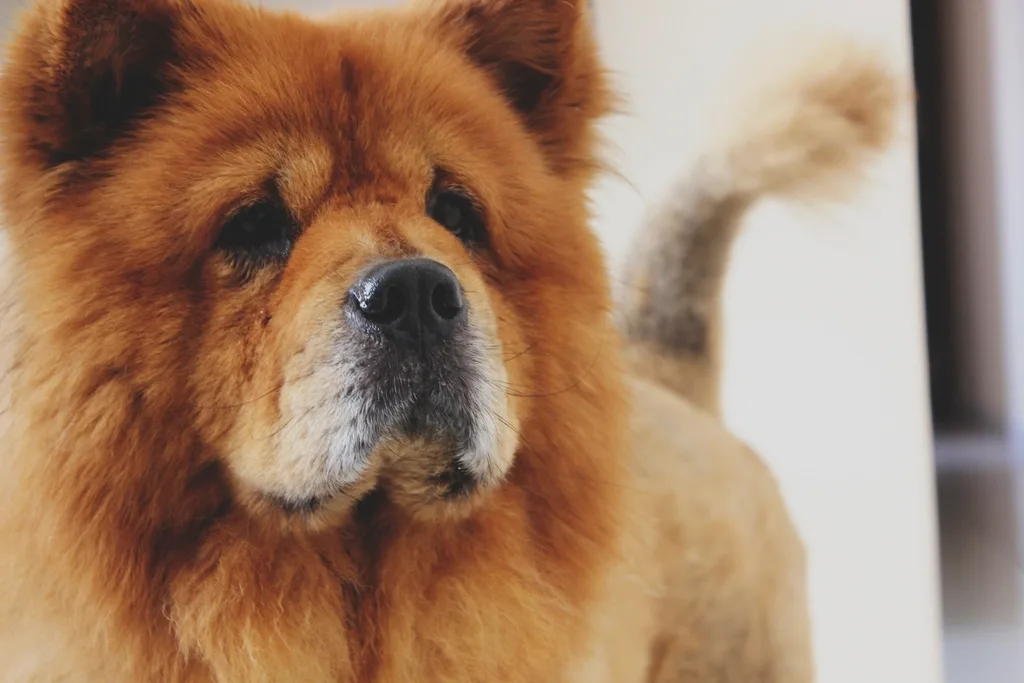
It looks exactly like the stuffed bear on a grandchild’s bed. It would like everyone to know it is not that bear.
The Chow Chow dates to China’s Han Dynasty, more than 2,000 years ago, where it worked as a guard, hunter and cart-puller. PetMD says “A Chow dog will typically have one person they are especially close with,” that Chows “are not known to be cuddly dogs,” and that they “tend to do better in families where children are older.”
Few breeds have a bigger gap between how they look and how they feel about hugs. A child sees a plush toy. The dog sees a stranger reaching into its personal space.
The visiting rule is look, don’t squeeze. The breed’s own club adds a tip worth passing on to the kids: Chows have limited side vision, so always approach from the front, never from the side or rear. And the Chow gets a room of its own with its favorite person’s old sweater on the bed.
#6 Akita guarding the house from visiting kids
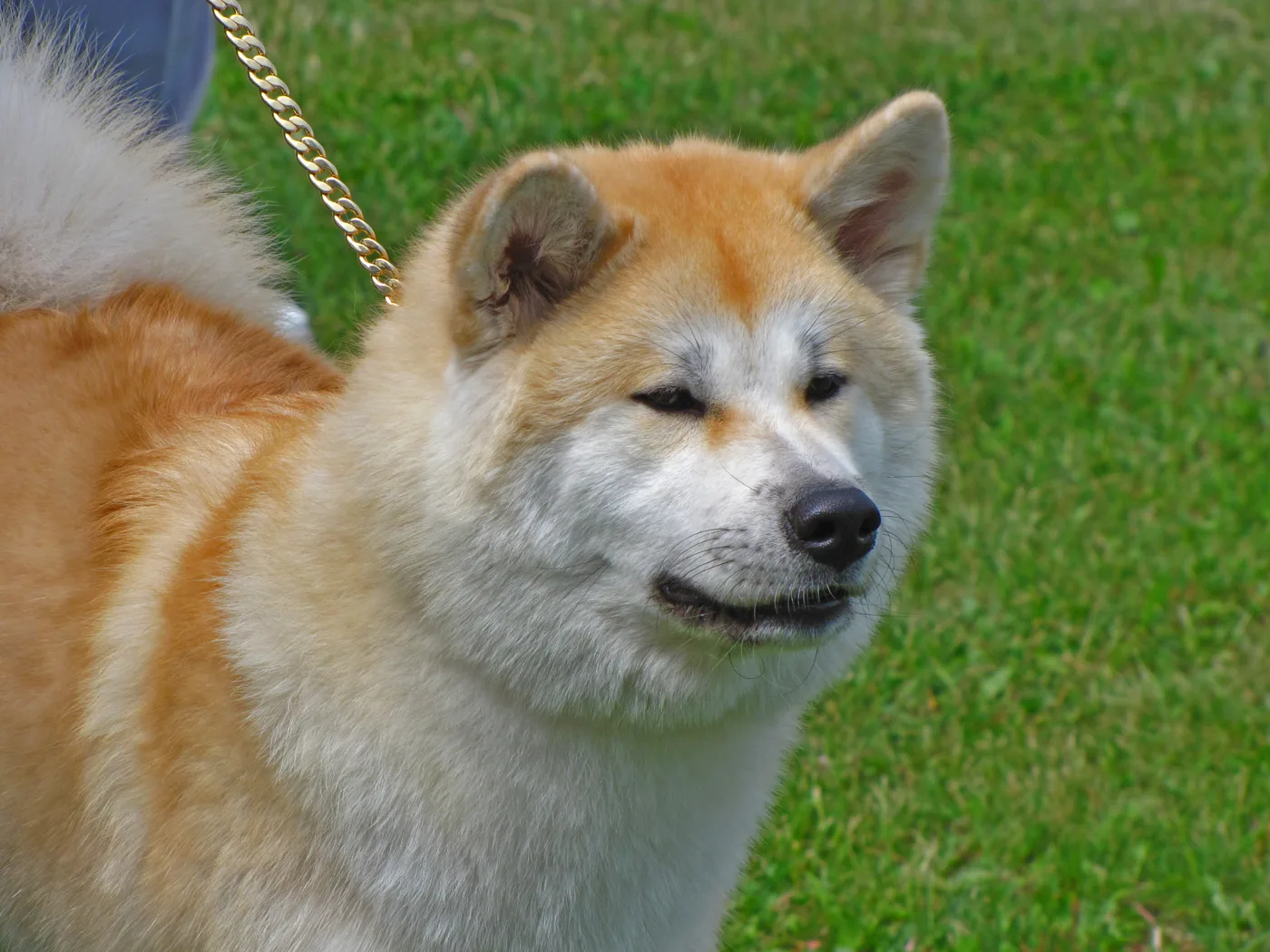
Hachiko, the Akita who “waited nine years at a train station” for an owner who had died, is the breed’s most famous story. Loyalty is the whole point of an Akita. The flip side is that it’s loyal to its own people, and grandchildren who visit twice a year aren’t its people.
AKC says the breed is regarded in Japan as a family protector. It was developed to hunt bear and boar, weighs 70 to 130 pounds, and PetMD says it “may not have much patience for young children.” A guard dog that takes its job seriously and a house suddenly full of loud, unfamiliar small people is the classic grandparent problem.
Akita owners push back, and the way they push back is the useful part. One commented under a TikTok about the worst breeds for kids: “My Akita is amazing with kids, but we did have her around them from when she was 10 weeks old”
That “but” is everything. If your Akita had that puppyhood, great. If it didn’t, you can’t go back and give it one.
Susan Nelson, a veterinarian at Kansas State University’s Veterinary Health Center, offers the fix: “If you know your dog is nervous around strangers or small children, keeping them safely in a crate or in a separate room when you have company is a good idea.” For most Akitas, visiting day is crate or bedroom day, with a good chew and the radio on.
#5 Doodle mix with an unpredictable temperament
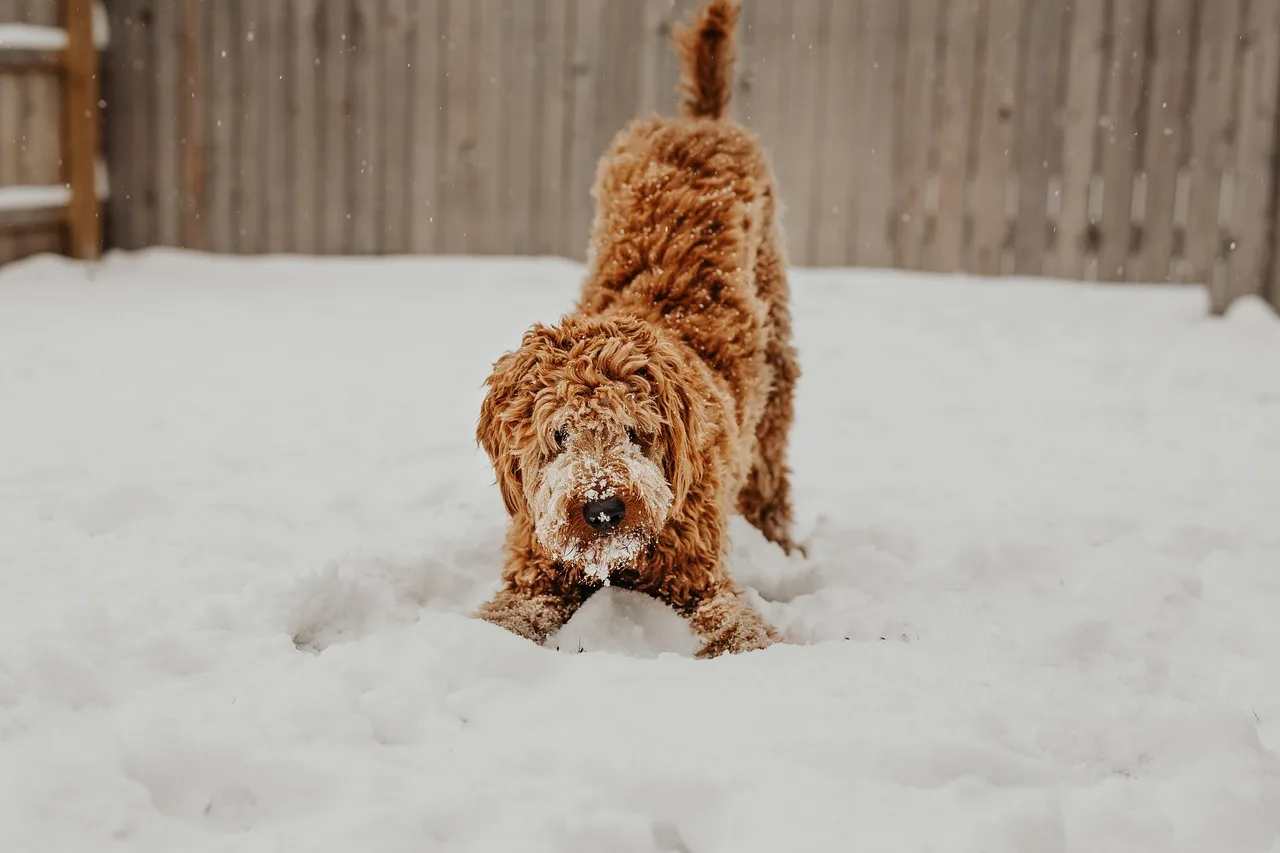
The doodle comes with two promises: great with kids, and won’t make anyone sneeze. Research has bad news about both.
First, temperament. A 2026 study of 9,402 dogs in the UK, all age 5 or under, compared Cockapoos, Labradoodles and Cavapoos with their purebred parent breeds. The doodles showed more problem behavior in 44% of the comparisons. Cockapoos did worst, differing from their parent breeds on 16 of 24 measures. The authors say it challenges the belief that doodles are “good with children.”
Dr. Rachel, a veterinarian who posts as Exotic Pet Vet, says you can’t know what a mix will give you. Plenty of her doodle patients are lovely. Then: “I’ve also had some with some serious behavioral issues, so it’s something to consider.”
Second, allergies. Researchers at Utrecht University in the Netherlands found Poodles and Labradoodles had the highest levels of a major dog allergen in their coats, and homes with “hypoallergenic” dogs had no less allergen in the air. Their verdict: “The term ‘hypoallergenic’ is a misnomer that is not evidence based.”
So judge the doodle you actually have, not the one in the breeder’s ad. If someone coming to visit has a dog allergy, don’t promise them the doodle won’t bother them.
#4 Shih Tzu underfoot in the busy kitchen
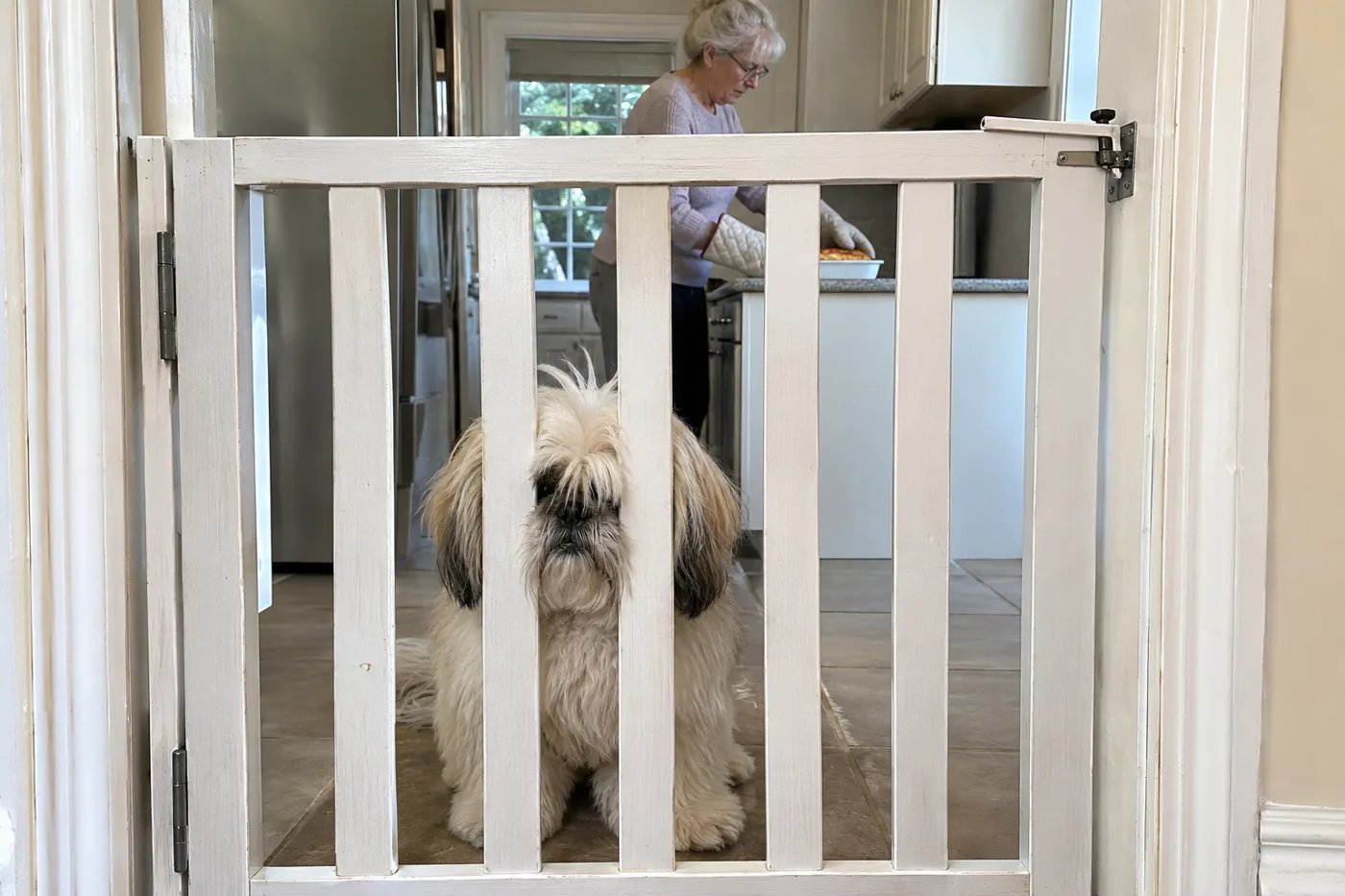
You’re backing away from the oven with a hot casserole in both mitts, and the Shih Tzu has parked itself right behind your heels, exactly where it parks whenever food is involved.
This sweet lap dog flips the whole question. It weighs 9 to 16 pounds, and PetMD says playtime with kids should be supervised. The bigger risk on a busy day is feet, everybody’s feet.
When the CDC studied emergency room visits from 2001 to 2006, it found about 86,629 fall injuries a year linked to cats and dogs, with dogs behind about 88% of them. Tripping over a dog was the most common way it happened, followed by being pushed or pulled by one. Kids up to 14 and adults 35 to 54 were hurt most often, and injury rates ran highest past 75. In other words, everyone at the gathering, from the kid racing down the hall to whoever’s carrying the dish.
Those numbers cover every kind of dog. A small one that shadows you is just the easiest to lose track of.
Gate the dog out of the kitchen during arrivals and while food is coming out. It can supervise the casserole from the other side.
#3 Golden Retriever from a careless breeder
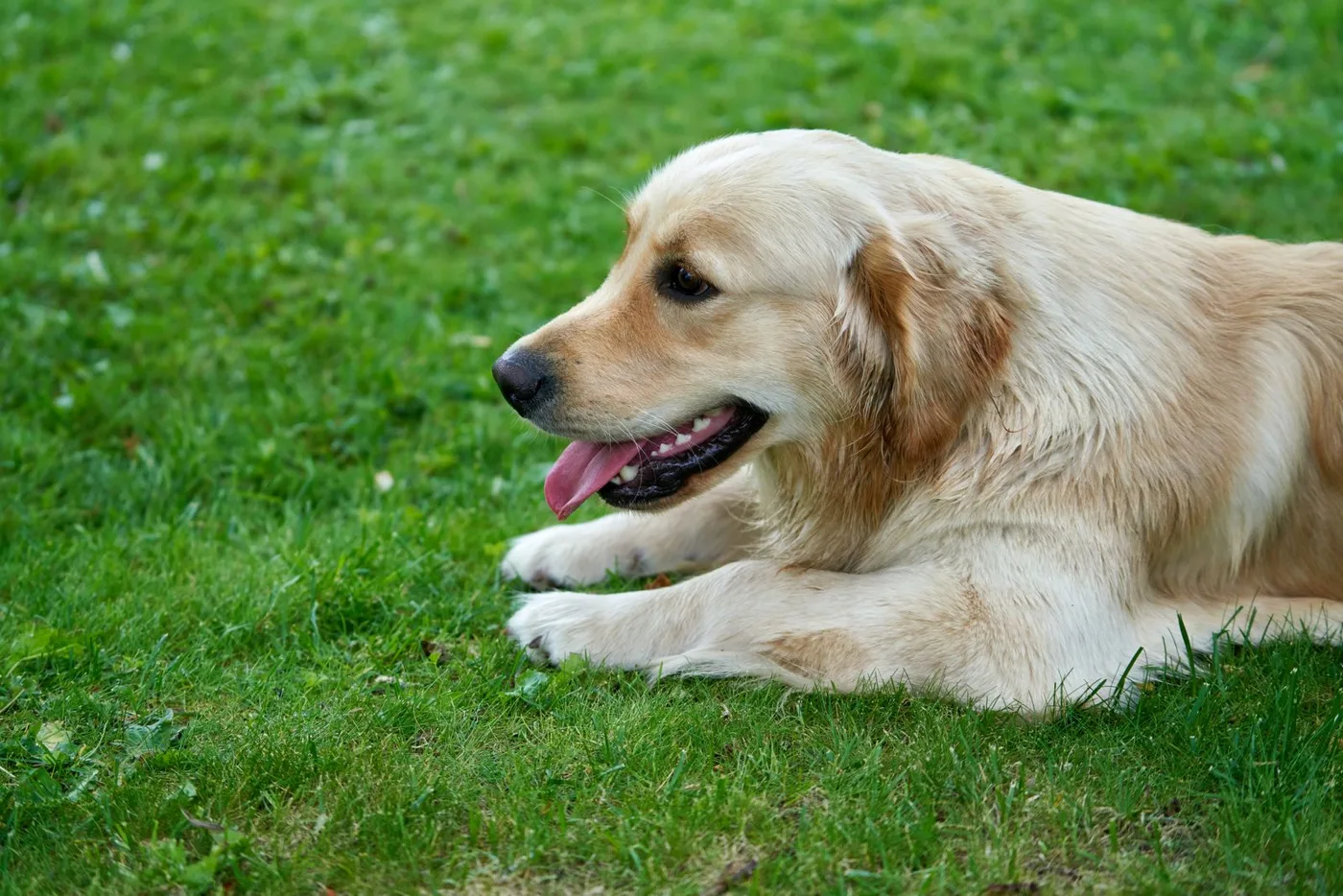
Under one TikTok about the worst dog breeds for kids, a popular comment asked why the Golden Retriever wasn’t on it. Fair question. Here’s the honest answer.
A well-bred Golden is about as good as family dogs get. PetMD calls the breed “great with young children and other pets when socialized from puppyhood,” and it was America’s #3 dog in 2025.
The words doing the work there are “well-bred.” Casey Ray, a trainer with close to 30 years of experience, doesn’t put the Golden Retriever among his top picks for grandkids. Those are Cavaliers, Poodles, Labs, Bernese Mountain Dogs and Havanese. He specifically warns that careless breeding is showing up as reactivity in Goldens: “I’m starting to see some reactiveness in these breeds.” Reactiveness means overreacting to people, noises or other dogs, which is the last thing you want next to a toddler.
The Golden Retriever Club of America’s code of ethics says breeding dogs should be “stable, friendly, trainable, and willing to work,” and requires hip, elbow, heart and eye checks before breeding. Its advice for buyers goes further. The club tells you to ask whether the parents and their close relatives have had “Temperament concerns (e.g., fearful, aggressive, timid, hyperactive, storm phobia, car sickness).”
Storm phobia, in the same breath as aggression. That tells you how seriously the club takes nerves.
It also admits “it can be difficult to tell the difference between a puppy mill and a reputable breeder based on a website.” So ask those questions out loud, and ask to see the health clearances. You can check them yourself, too: the Orthopedic Foundation for Animals lets anyone search its public database by the parents’ registration numbers. A breeder who changes the subject has answered you.
#2 Dachshund hurt when a child lifts it
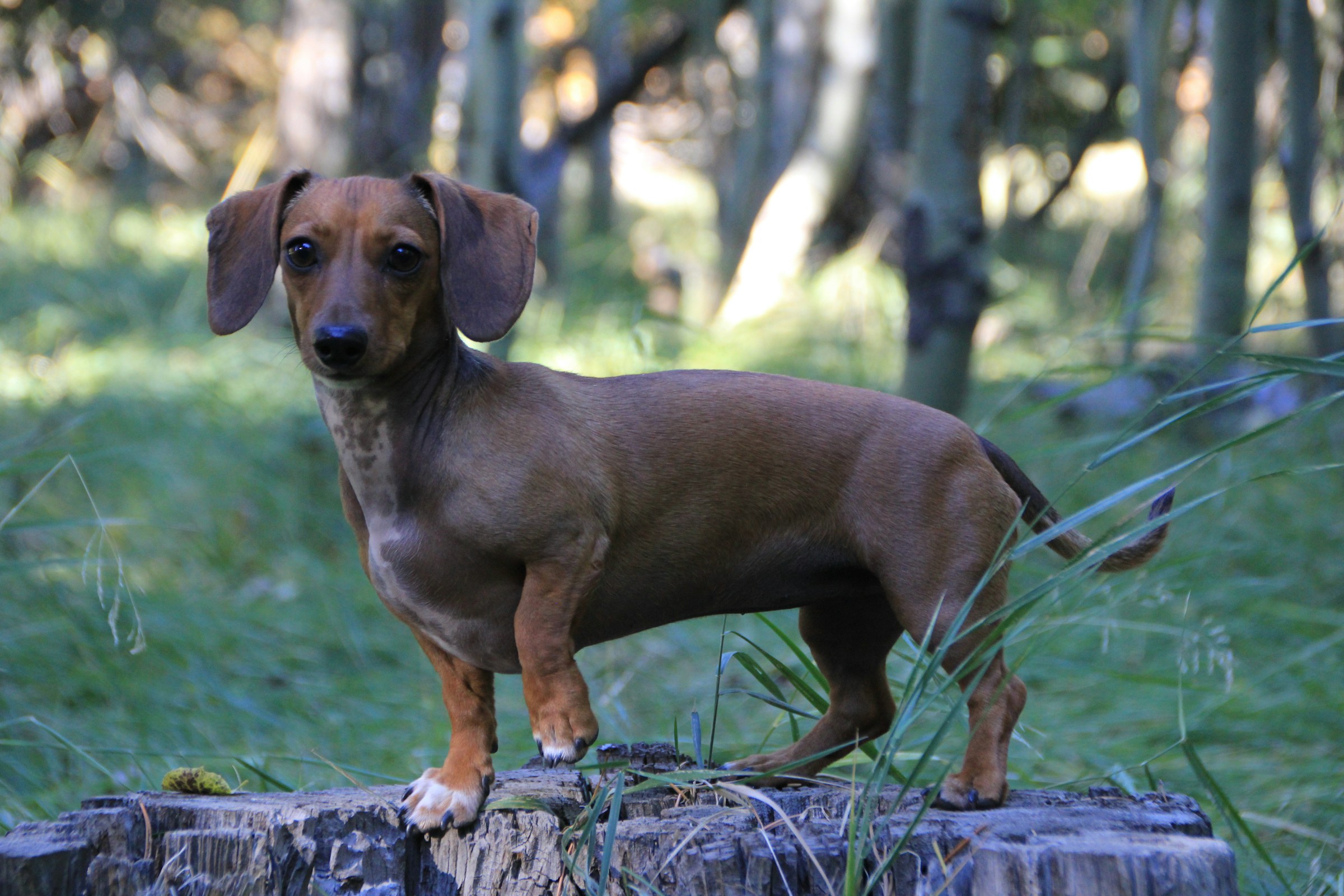
A Dachshund looks made for small arms. Its back would disagree.
This is America’s #5 breed in 2025, up from sixth the year before, and around grandkids the danger mostly runs toward the dog. Dr. Rachel says it plainly: “If you have these dogs, you have to be really careful and make sure they’re not jumping off of high places.”
The reason is disc disease, where the cushions between the bones of the back give out. PetMD says “As many as 25% of Dachshunds develop IVDD in their lifetime,” using the short name for intervertebral disc disease. A big owner survey of more than 2,000 Dachshunds, mostly in the UK, put their risk at 10 to 12 times higher than other breeds, with diagnosis coming at about 5.4 years old on average. This isn’t an old dog’s problem. It can hit in the prime of life. If a Dachshund suddenly won’t move, cries when its back is touched or starts walking like a wobbly drunken sailor, don’t wait: veterinary surgeons call a ruptured disc generally a true surgical emergency, and how fast it’s treated matters.
Experts split on everyday jumping. Cornell’s canine health center advises limiting furniture jumping and stairs, while that same owner survey found dogs never allowed on furniture actually had higher odds of disc disease, and dogs exercised more than an hour a day had lower odds. It’s a link, not proof of cause. Visit day isn’t the day to settle it anyway.
On visit days, the Dachshund keeps four paws on the floor. No carrying it around the yard, no hoisting it onto the bed, no passing it from cousin to cousin.
The breed was developed in 18th-century Germany to hunt badgers. “Dachs” means badger. It was built to go nose-first down a badger hole, not to be handed around like a dinner roll.
#1 The old dog who’s stopped liking hugs
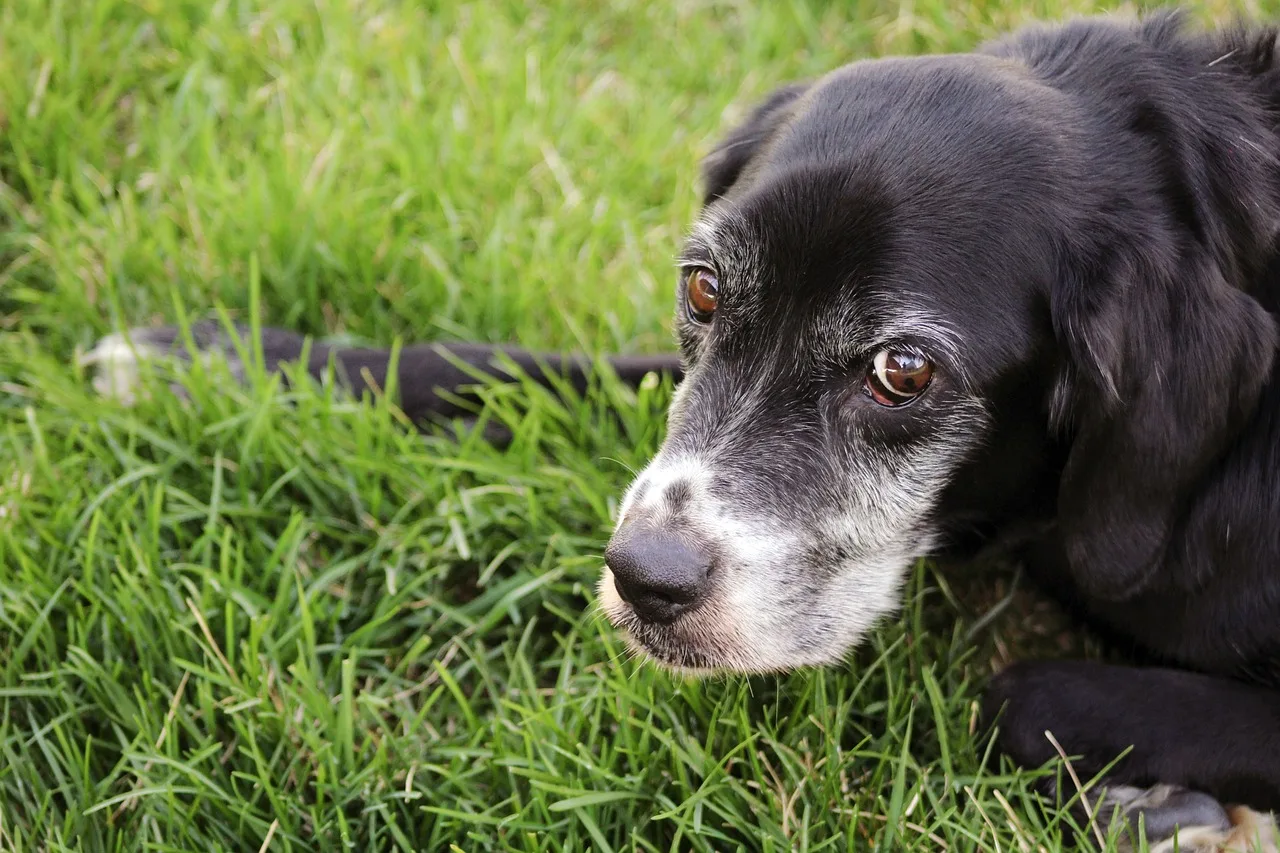
The dog who once let a baby tug its ears now gets up and walks away when that same child, three years taller, comes in for a hug. Or worse, it doesn’t walk away. It goes stiff.
This one can be any breed at all. Board-certified veterinary behaviorists at VCA Hospitals say older dogs “may not notice a person or pet approaching and, as a result, may startle more easily,” and that arthritis “may cause pain or a loss of mobility.” AKC explains what happens next: pain causes aggression when “the dog defends against touch or movement that might intensify that pain.”
Think of the hip that aches when a child leans on it, or the cloudy eye that doesn’t see a small hand coming from the side. The dog is protecting a sore spot.
If your old dog has started snapping, grumbling or going stiff, that’s a vet visit, before the next family gathering. VCA lists “irritability or aggressive behavior towards family people or pets” as a change to bring to your vet, because pain, sight loss and hearing loss can all be behind it. If pain is the suspect, ask about a trial of pain treatment, which pain management guidelines recommend, with the vet watching whether the behavior improves.
This matters more than any breed for one reason: the CDC says “Most dog bites affecting young children occur during everyday activities and while interacting with familiar dogs.” The trusted old dog everyone grew up with is exactly that.
Warning signs before a snap
- Whale eye: the dog looks away so the whites of its eyes show
- A head turn, a freeze, or a tail held stiff and high, or tucked
- Lip-licking when there’s no food anywhere
- A growl. AKC says never punish it; step in and ease the dog’s discomfort instead.
Give the old dog a bed in a quiet room, away from the front door and the toy pile. Tell the kids the dog gets to come to them. Then let it sleep.
The bottom line
Lists of dog breeds to avoid with children tend to skip the most useful fact of all: in 70% of dog bite cases, the dog is owned by a family member. The dog to plan around is the one snoring on your couch, whatever is printed on its papers.
A mother of a 12-month-old in a Reddit parenting group described the setup she relies on: “I’m in a position where I could intervene immediately, and we’re configured in a way that allows the dog to leave easily if he wants to.” Two questions, then. Could you step in this second? Can your dog get away from the noise whenever it wants?
If either answer is no, walk through the house and pick the dog’s room, the one with a door that shuts. Put its bed in there tonight, so the room already smells like home when the car doors slam.
Bonus: Four house rules to set before the car pulls in
Pick up the dog’s food bowl and chews before anyone sits down to eat, and sweep under the kids’ chairs as you go. In a review of dog bite studies, food guarding was blamed for 42% of bites where the dog already knew the child.
Give the grandkids one rule they can repeat back to you: leave a sleeping dog alone, and leave an eating dog alone. The Animal Medical Center in New York lists both.
Practice the baby gate weeks ahead, not the morning of. Dr. Nelson at Kansas State recommends teaching dogs to respect “baby gates and no-enter zones”, and a dog meeting a new gate on a loud day may just bark at it.
Tell every adult in the house which door stays shut, so no well-meaning uncle lets the dog out “to say hi.”
Questions people also ask
Which dog breeds love kids?
Cavalier King Charles Spaniels, Havanese and well-bred Golden Retrievers are the breeds most often recommended for children, as long as they’re socialized from puppyhood. PetMD calls the Cavalier “tolerant, patient, and good with other pets and young children,” and says the Havanese is usually well-behaved with children when supervised and trained. Even family-friendly breeds need watching. Labradors are popular family dogs, but PetMD warns a Lab’s energy and strong tail can knock toddlers over.
Is it safe to leave my grandkids alone with my dog?
No. The CDC says not to let young children play with dogs without supervision, even dogs they’ve met before, and adds “This includes your family pet dog.” The ASPCA agrees: “Never leave a baby or young child alone with a dog.” Never leave young children unsupervised with any dog, however gentle it has always been.
What is a red flag in a dog’s behavior before a bite?
A dog that freezes, stiffens, shows the whites of its eyes, licks its lips with no food around, or growls is warning you that it has reached its limit. AKC lists these early signs and says never to punish a growl. The ASPCA adds baring teeth, lunging, a stiff stance, or a fearful crouch with the tail tucked.
What should I do with my dog when the grandkids visit?
Decide before the children arrive where the dog will go, whether a crate, a separate room or a space behind a baby gate, and make sure it can retreat there whenever it wants. A Kansas State veterinarian recommends a crate or separate room for dogs nervous around small children. The Animal Medical Center says to use a door or baby gate whenever you leave the room. If your dog is possessive of food and toys, put both out of reach for the day.
Which dog breed is considered the least aggressive?
No breed is guaranteed gentle, so there’s no single least aggressive dog breed you can count on. A 2022 study that combined more than 18,000 owner surveys with DNA from over 2,000 dogs found breed explains only about 9% of an individual dog’s behavior. Animal behaviorist Emma Grigg’s advice: “Choose the individual, not the breed.”
Are small dogs safer with kids than big dogs?
Not necessarily, because small and big dogs carry different risks. Toy breeds are easily hurt, and a specialist who directs Queensland Veterinary Specialists says forearm fractures from falls, including leaps from children’s arms, are among the most common problems vets see in them, while PetMD says Yorkies “can be easily hurt during play.” Big dogs are more likely to knock a small child over by accident, so both sizes need a grown-up nearby.