See which famous cartoon dogs and comic-strip dogs came from a real breed, and whether it’s the same breed snoring on your couch.
Hold out for #1: one breed’s yearly numbers fell from 42,816 to 983, and the movie that usually gets the blame came along too late to start the boom.
The Sunday funnies are spread across the living room rug, and the newsprint is leaving gray smudges on your fingertips. Marmaduke has taken somebody’s armchair again. Snoopy is lying on his roof. Sandy is just Sandy, whatever Sandy was. Back then you never wondered what breed any of them were.
Then a real dog came into your life. One day you looked at him and thought: wait, is that the same dog?
Sometimes it is. Sometimes the cartoonist was drawing his own mutt the whole time.
Table of Contents
#23 Snoopy asleep on his doghouse
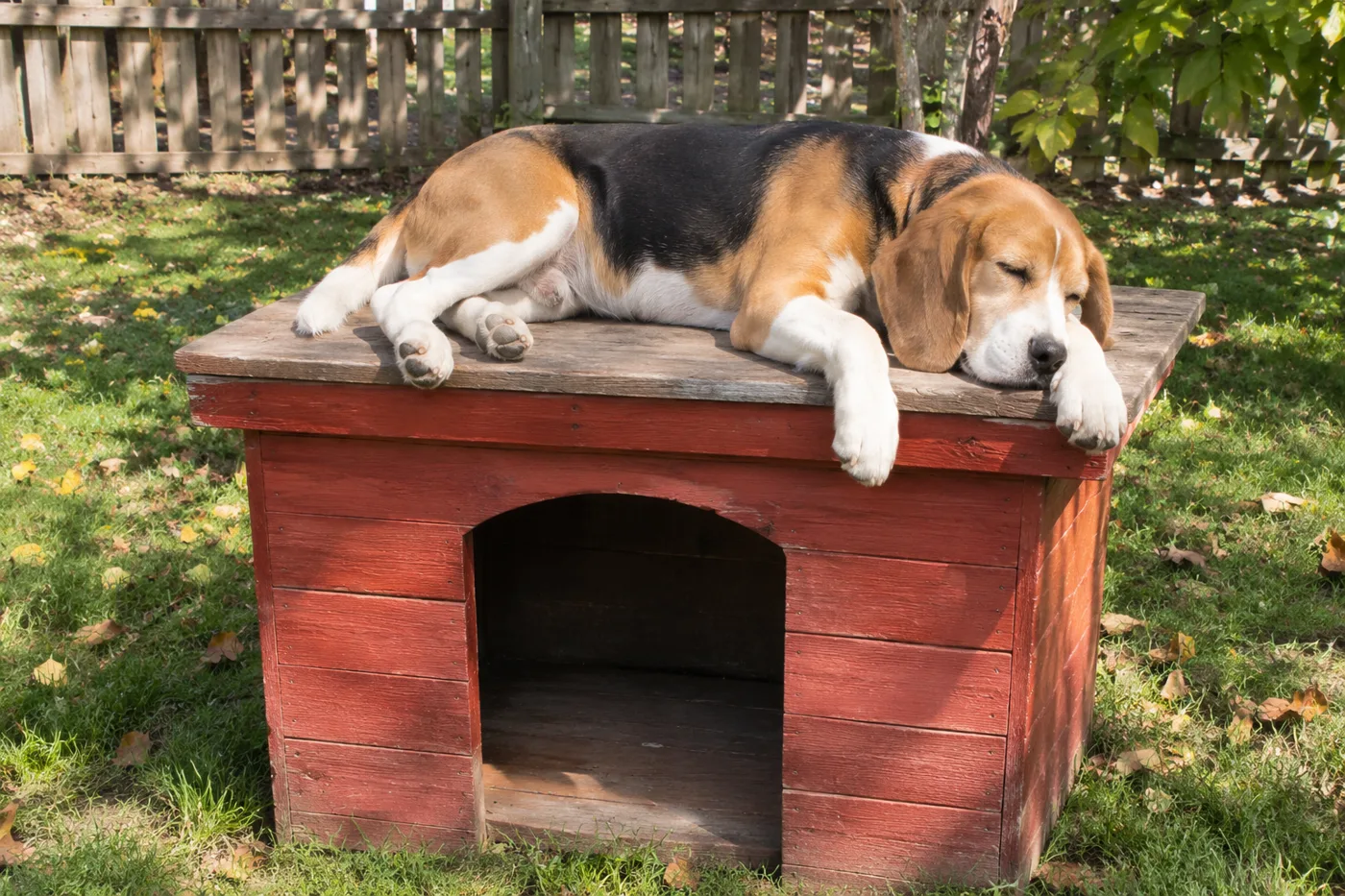
Snoopy is a Beagle on paper. The dog who inspired him wasn’t one.
Charles Schulz grew up with Spike, whom the Schulz Museum describes as “a black and white mixed breed dog.” Schulz claimed Spike “had a vocabulary of at least 50 words,” which every dog owner will recognize as a proud parent rounding up. Spike also gave Schulz his first published drawing. It ran in Ripley’s Believe It or Not! when Schulz was 14.
Snoopy made his debut on October 4, 1950, two days after the first Peanuts strip. He didn’t start sleeping on top of the doghouse until December 12, 1958. Schulz explained the daydreaming plainly: Snoopy “has to retreat into his fanciful world in order to survive.”
That fanciful world went a long way. Apollo 10’s lunar module was named Snoopy in 1969. NASA’s Silver Snoopy award, first given in 1968, is handed to workers by astronauts in person. Schulz designed the pin himself and let NASA use astronaut Snoopy at no cost. No more than 1% of eligible workers get one. By January 2016, nearly 15,000 people had.
The real Beagle ranks No. 7 on the AKC’s 2025 registration list. The larger size runs 20 to 30 pounds and needs at least an hour of exercise every day. PetMD also notes the breed is “known for their loud barking, baying, and howling.” Snoopy did his talking in thought balloons. Yours will use the porch.
Famous dogs who aren’t on here These were real dogs on screen, so they sit out a list of drawn ones: – Lassie – Rin Tin Tin – Benji – Asta from The Thin Man films
#22 Scooby-Doo almost a sheepdog
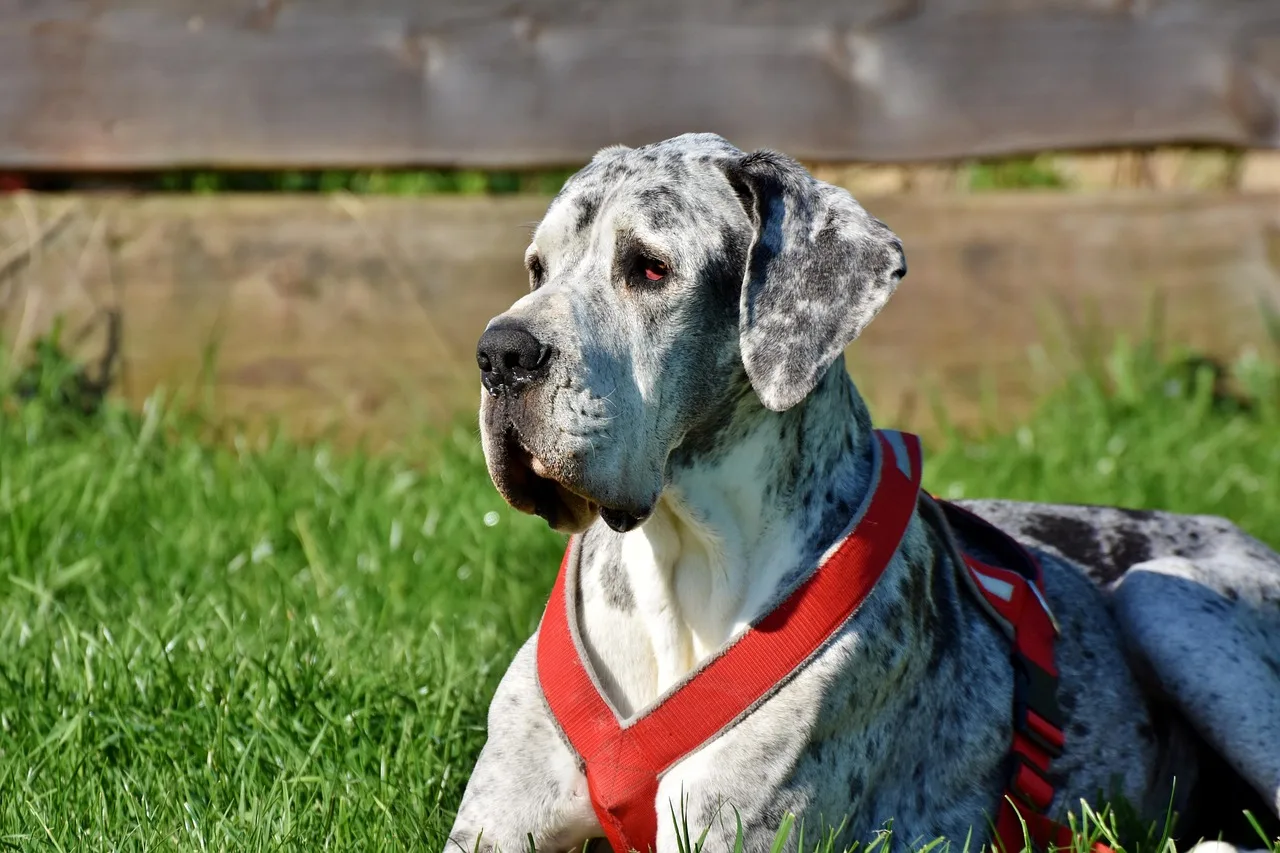
In early pitches, Scooby had a different name, “Too Much,” and a different breed: the show went back and forth between a Great Dane and a sheepdog. The Dane idea came from a Hanna-Barbera employee who bred them.
Then designer Iwao Takamoto, who also drew Astro for The Jetsons, got hold of him and broke every rule in the breed book on purpose.
“I decided to go the opposite and gave him a hump back, bowed legs, small chin and such.” Iwao Takamoto, Scooby-Doo’s designer (source)
So the slouch, the bowlegged run and the little chin were all deliberate. Scooby premiered on CBS on September 13, 1969, at 10:30 in the morning Eastern, and Don Messick voiced him for the next 27 years. You probably remember the “Ruh-roh” better than any plot, and you may still remember holding out a cracker like it was a Scooby Snack.
Here’s the part Takamoto didn’t change. PetMD calls Great Danes “very gentle and quiet companions.” A puppy typically costs $1,000 to $2,000. The breed sits at No. 22 in AKC’s 2025 registrations.
The cowardice is Hollywood. The gentleness is real.
#21 Lady and Tramp’s spaghetti dinner
Lady is an American Cocker Spaniel. Tramp is a schnauzer and terrier mix, Jock is a Scottish Terrier, and Trusty is a Bloodhound. That’s a whole dog park in one 1955 movie.
Lady, the on-screen Cocker Spaniel, was inspired by a real dog of a different breed: storyboard artist Joe Grant pitched the story in 1937, drawing on his own English Springer Spaniel, also named Lady.
Walt Disney first found the spaghetti scene “distasteful.” He kept it after he saw Frank Thomas’s animation, and “Bella Notte” has been stuck in heads ever since. The film kept coming back to theaters in 1962, 1971, 1980 and 1986, so you may have seen it more than once in your life without ever owning a copy.
The Cocker Spaniel has been AKC’s No. 1 breed 23 times, more than any other breed, including every year from 1983 to 1990. AKC still remembers Lady as “the film’s gentle heroine.”
Today the Cocker ranks No. 33. She’s 20 to 30 pounds with moderate exercise needs, which suits a lot of homes. The coat is the real commitment. PetMD says “frequent and regular brushing is required,” and she’ll still need professional grooming. Those long, silky ears are also prone to infection, which is one more reason regular grooming matters.
#20 Marmaduke taking over the house
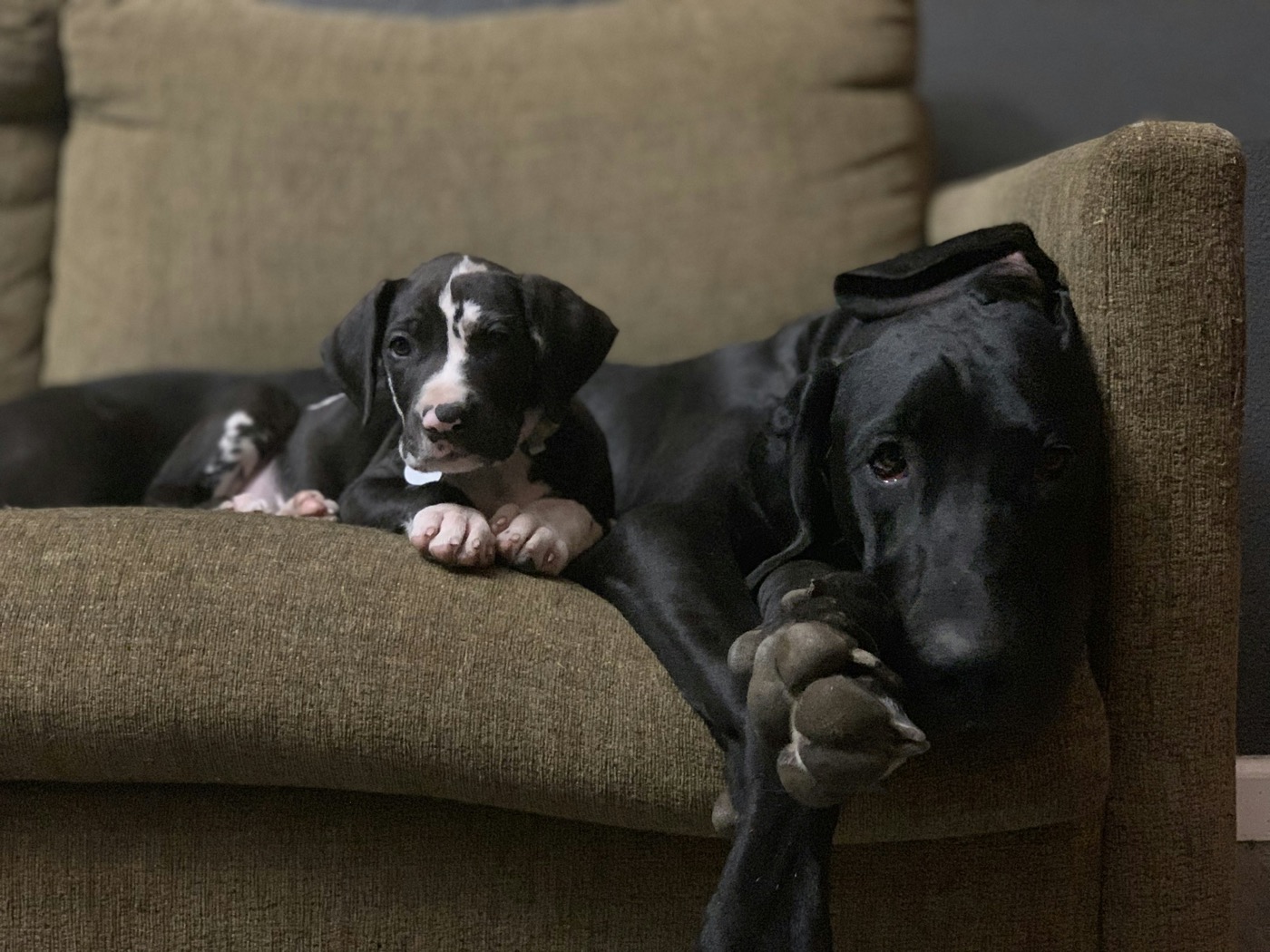
Every chair in the house was Marmaduke’s chair. So was the bed, the hammock and the lap of anyone foolish enough to sit down.
Brad Anderson started the comic strip dog in 1954, and at its peak Marmaduke ran in more than 600 newspapers in 20 countries. In 2015 he was still in over 500. Anderson knew exactly why the gags kept working:
“People who’ve had a pet in their lives, or wish they had, will identify with the antics of this loving dog. He doesn’t lecture or get political.” Brad Anderson, Marmaduke’s creator (source)
The joke only lands because of the size. A real Great Dane stands 28 to 32 inches at the shoulder and weighs 110 to 175 pounds, which is a grown man in a fur coat. Before you fall for one, measure your car’s back seat and think about who lifts him in if he ever can’t jump.
The other thing Dane owners should know going in: PetMD gives the breed a lifespan of 7 to 10 years. Marmaduke has stayed the same age since his 1954 debut. Real Danes don’t get that deal.
#19 Odie’s tongue that never goes back in
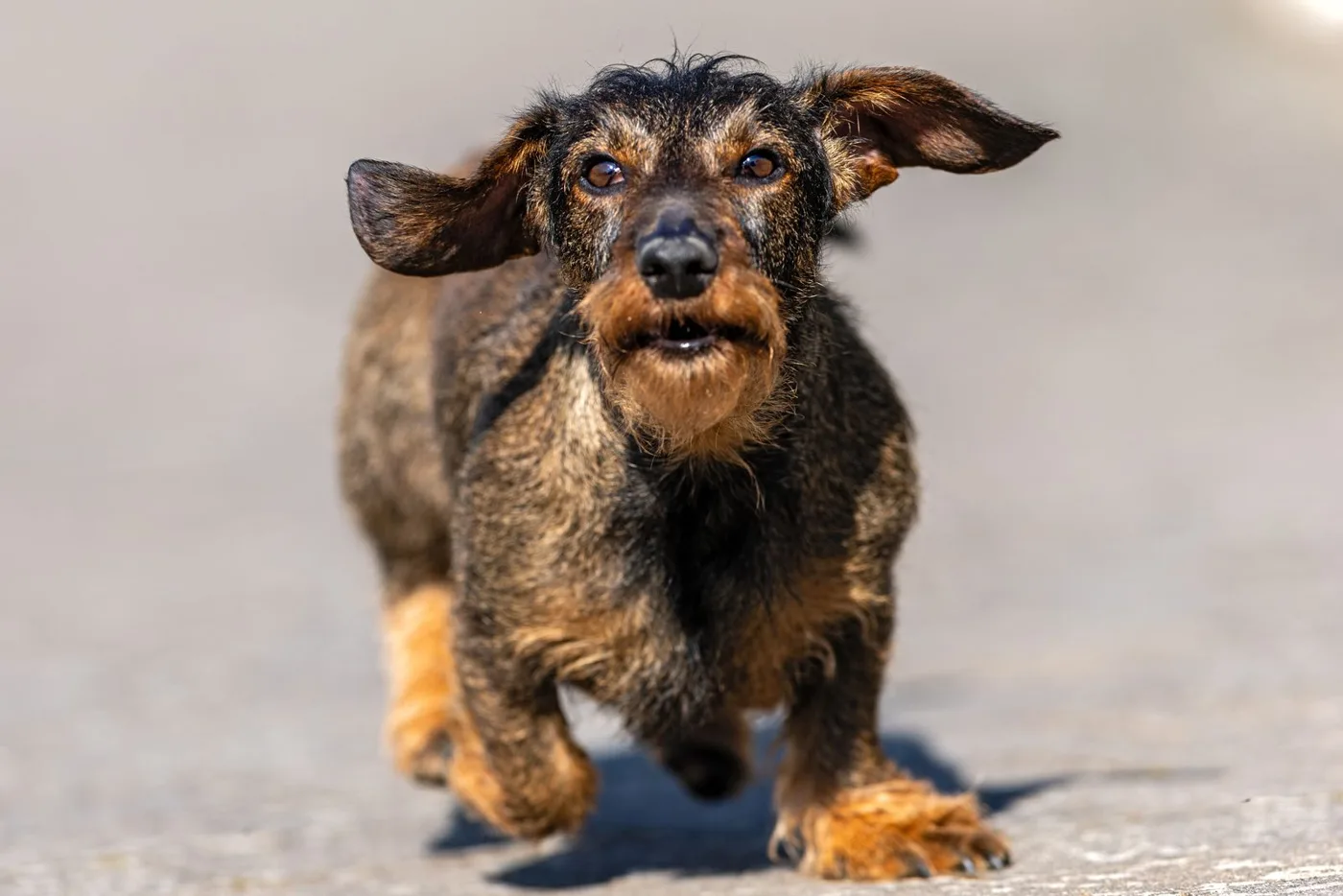
Odie walked into Jim Davis’s strip on August 8, 1978, brought along by Jon’s roommate, Lyman. Davis took the name from a commercial he’d once written about “Odie the Village Idiot.” Garfield, never one for kindness, calls him a “purebred clown.”
Davis seems never to have named a breed for the drawn Odie. The one time he talked breed, he was talking about the dog in the 2004 live-action movie:
“He’s half dachsund, half terrier. I don’t think he’s pure Jack Russell.” Jim Davis, Garfield’s creator, on the movie dog (source)
So when people tell you Odie is a Beagle and Dachshund mix, that’s a fans’ guess. It’s a reasonable one if your own dog has the same long body, floppy ears and cheerful lack of plans. Both parent breeds are hugely popular, with the Dachshund at No. 5 and the Beagle at No. 7 in AKC’s 2025 rankings. A mix like that doesn’t get a rank at all, which Odie would not notice.
#18 Spike guarding the yard
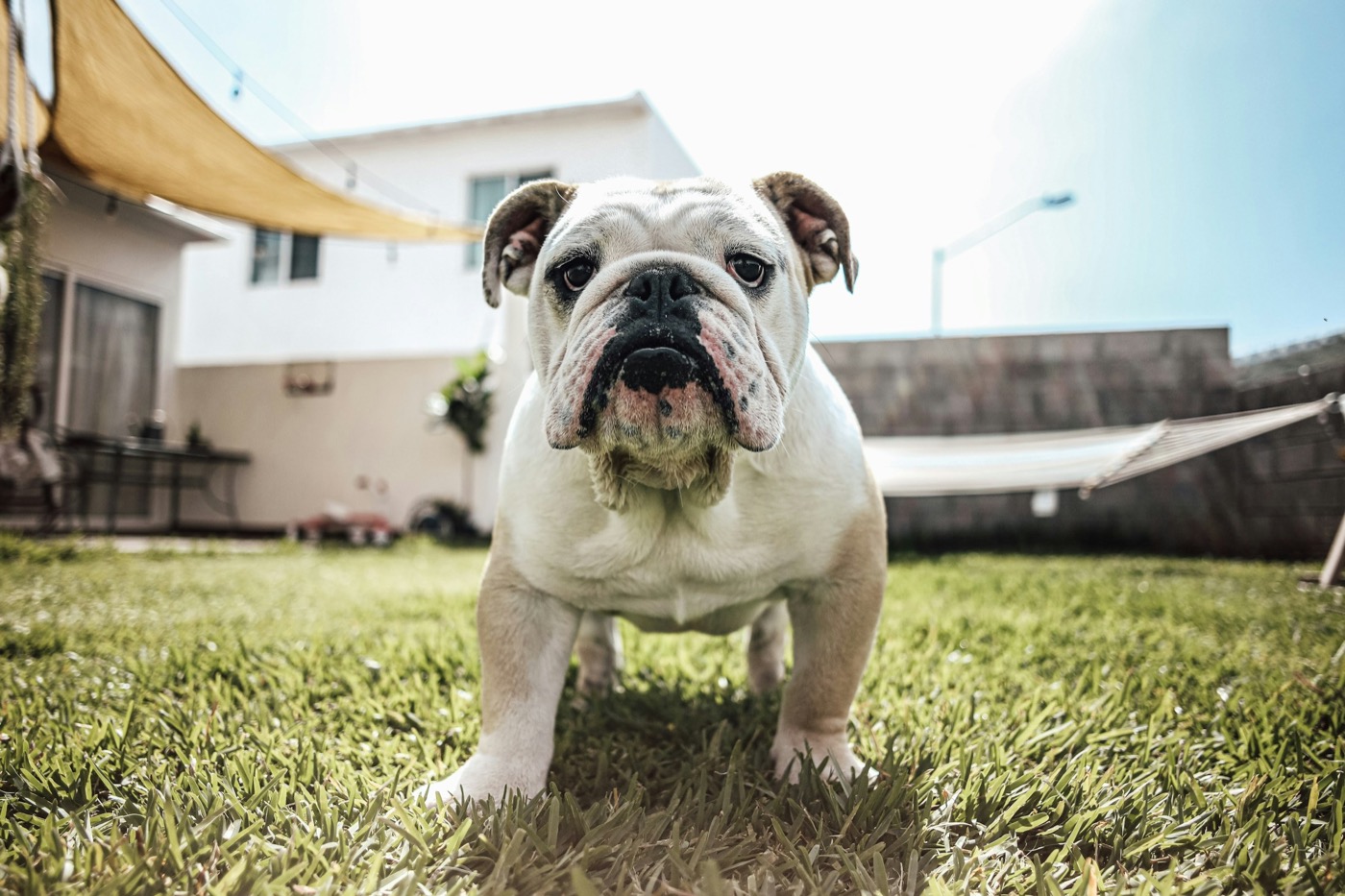
The bulldog in Tom and Jerry first showed up unnamed in Dog Trouble in 1942 and didn’t speak until The Bodyguard in 1944. Over the years he was billed as “Killer” in four shorts, “Butch” in two and just “Bulldog” in one, which explains why nobody on the playground could agree on his name. His son Tyke arrived in 1949. Daws Butler later voiced him in a style modeled on Jimmy Durante.
Spike spent whole summers on guard in a sunny yard. A real Bulldog shouldn’t. Cornell’s vet school says short-muzzled breeds like Bulldogs “cannot pant as efficiently and have a harder time keeping themselves cool.” The Bulldog is AKC’s No. 10 breed for 2025, so plenty of families now have a Spike of their own.
Is it too hot to walk? – The 10-second test: if you can’t hold your bare hand on the pavement, or stand on it barefoot, for about 10 seconds, it’s too hot for paws – Heavy panting is an early sign of overheating – So is seeking shade or not wanting to keep going – Watch for drooling, too
If a dog has trouble breathing, vomits, goes weak or collapses, that’s heatstroke, and he needs an emergency vet straight away. For Bulldogs with breathing trouble, PetMD suggests several short walks a day on a leash, somewhere cool, 10 to 15 minutes at a time.
#17 Droopy’s slow, flat deadpan
Of all the classic cartoon dogs, Droopy did the least and won the most. Tex Avery created him at MGM, starting with Dumb-Hounded on March 20, 1943, and the last MGM short came in 1958.
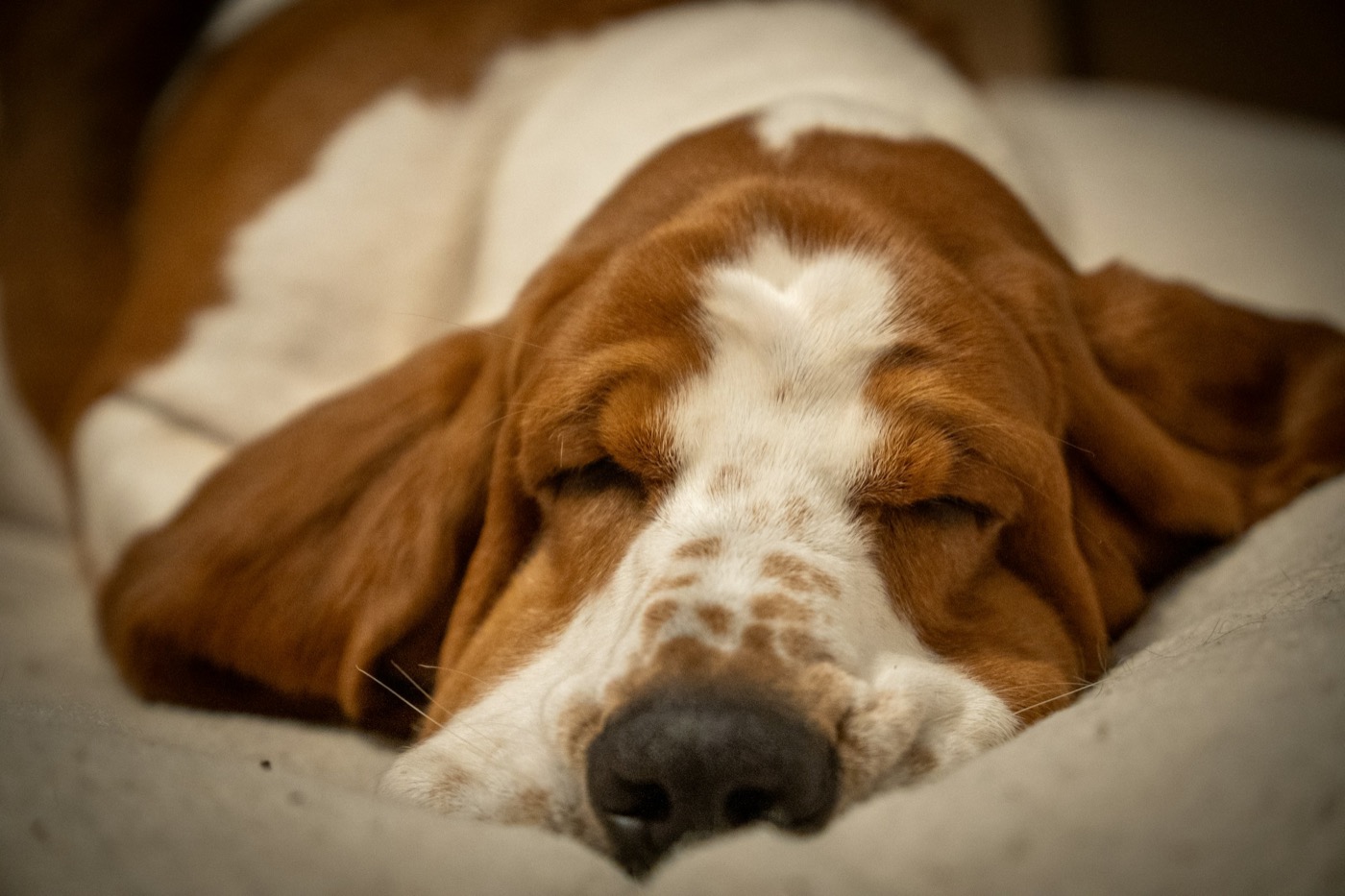
Wikipedia calls him “an anthropomorphic white Basset Hound with a droopy face,” which means a Basset drawn to walk and talk like a person. If that flat voice rang a bell even back then, there’s a reason. Bill Thompson based it on Wallace Wimple from the radio show Fibber McGee and Molly.
Real Bassets live up to the look. PetMD calls them “notoriously low-energy.” Here’s the catch: the same page says the Basset Hound Club of America still recommends at least one walk every day. A 40 to 65 pound dog who would rather nap can gain weight easily.
The Basset sits at No. 34 among AKC’s 2025 registrations. Expect a slow walk with plenty of sniffing stops.
#16 Underdog’s energy-pill ring
You can probably still recite it:
“The secret compartment of my ring I fill / With an Underdog Super Energy Pill.”
Underdog debuted on NBC on October 3, 1964, with Wally Cox as the voice of both the hero and his humble alter ego, Shoeshine Boy. Then came “There’s no need to fear, Underdog is here!” and you were set for the rest of your Saturday morning cartoons.
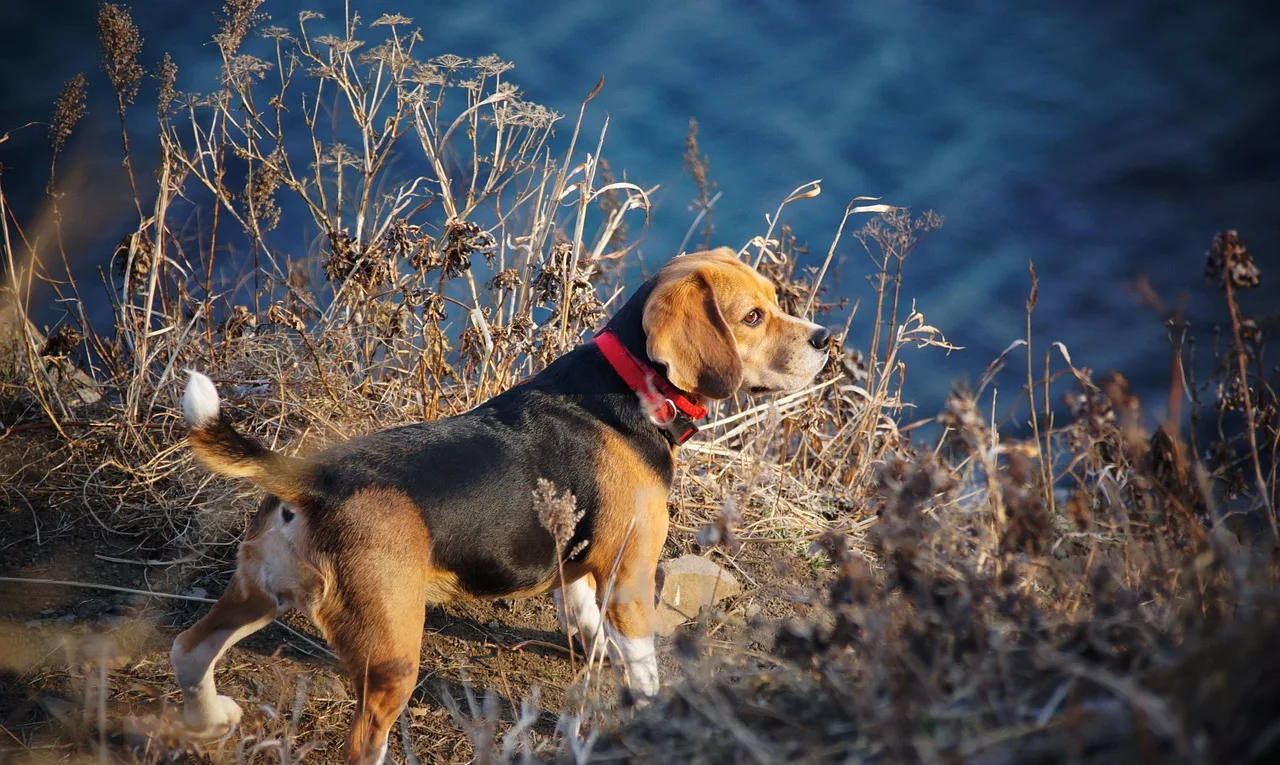
So what breed was he? Underdog was never given a breed at all. The 2007 live-action movie cast “a golden beagle named Leo,” but that was a casting choice, years later.
The only dog in the show with a breed in her name was his sweetheart, Sweet Polly Purebred. And nobody ever said what she was purebred of.
#15 Sandy’s rescue in the funnies
Sandy entered Little Orphan Annie in January 1925 as “a puppy of no particular breed which Annie rescues from a gang of abusive boys.” He came back in May 1925 and stayed beside her until the strip ended in June 2010.
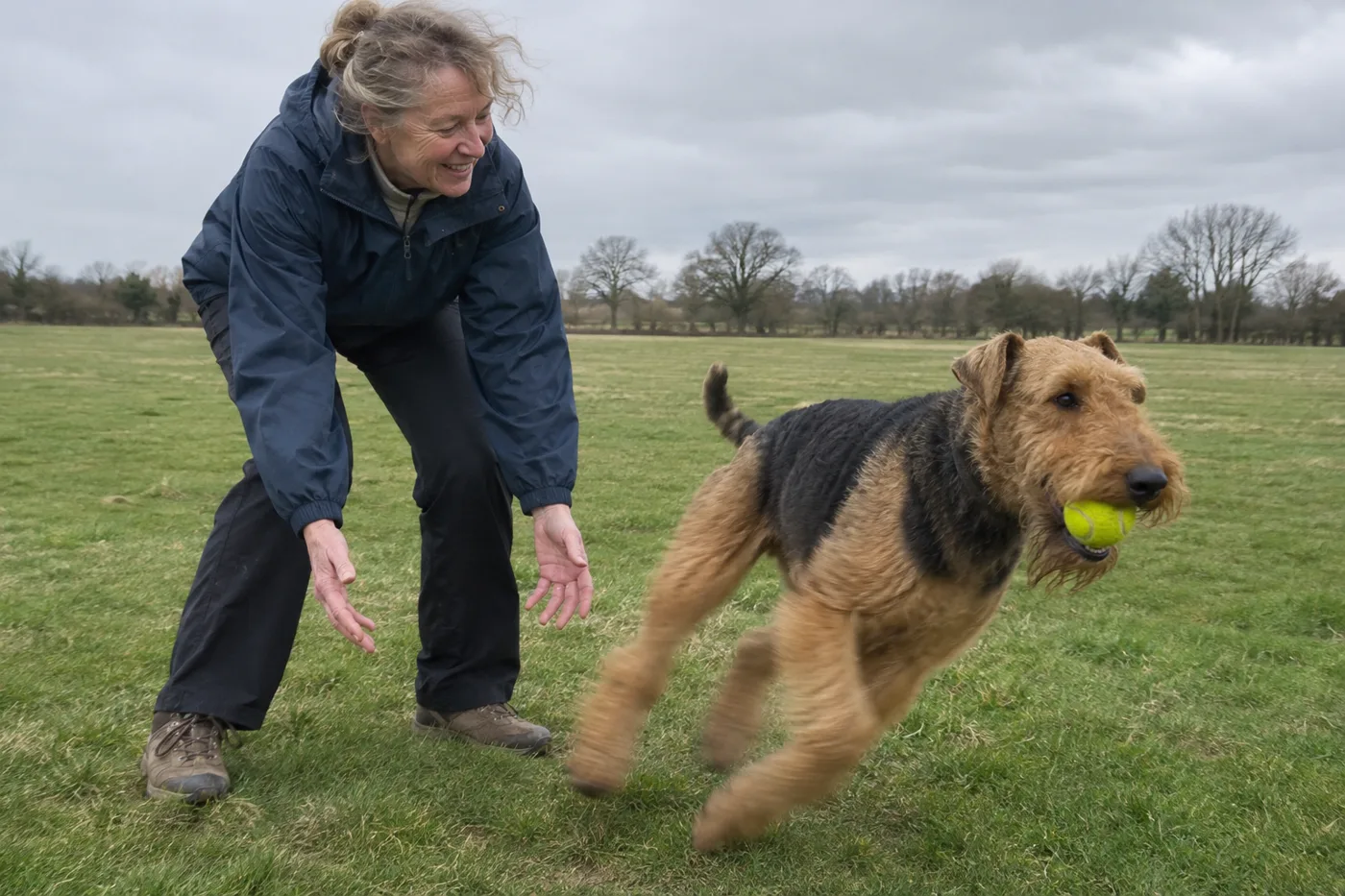
The Airedale look you may picture comes from how he was drawn. The Pet Historian notes he was drawn to resemble an Airedale, a popular breed in the 1920s and ’30s. But a 1936 radio promotional booklet, Radio Orphan Annie’s Book About Dogs, set the record straight in its own words. Sandy was a “real All-American dog” who “has about the most of every kind of dog in him.”
If you want the look in a dependable package, the Airedale today is 40 to 60 pounds and needs “several walks or games of fetch a day.” PetMD describes the breed as “smart, jolly, and loyal” and suggests professional grooming three or four times a year.
The Airedale ranks No. 70 in AKC’s 2025 rankings of 202 breeds.
#14 Ruff’s mixed-up family tree
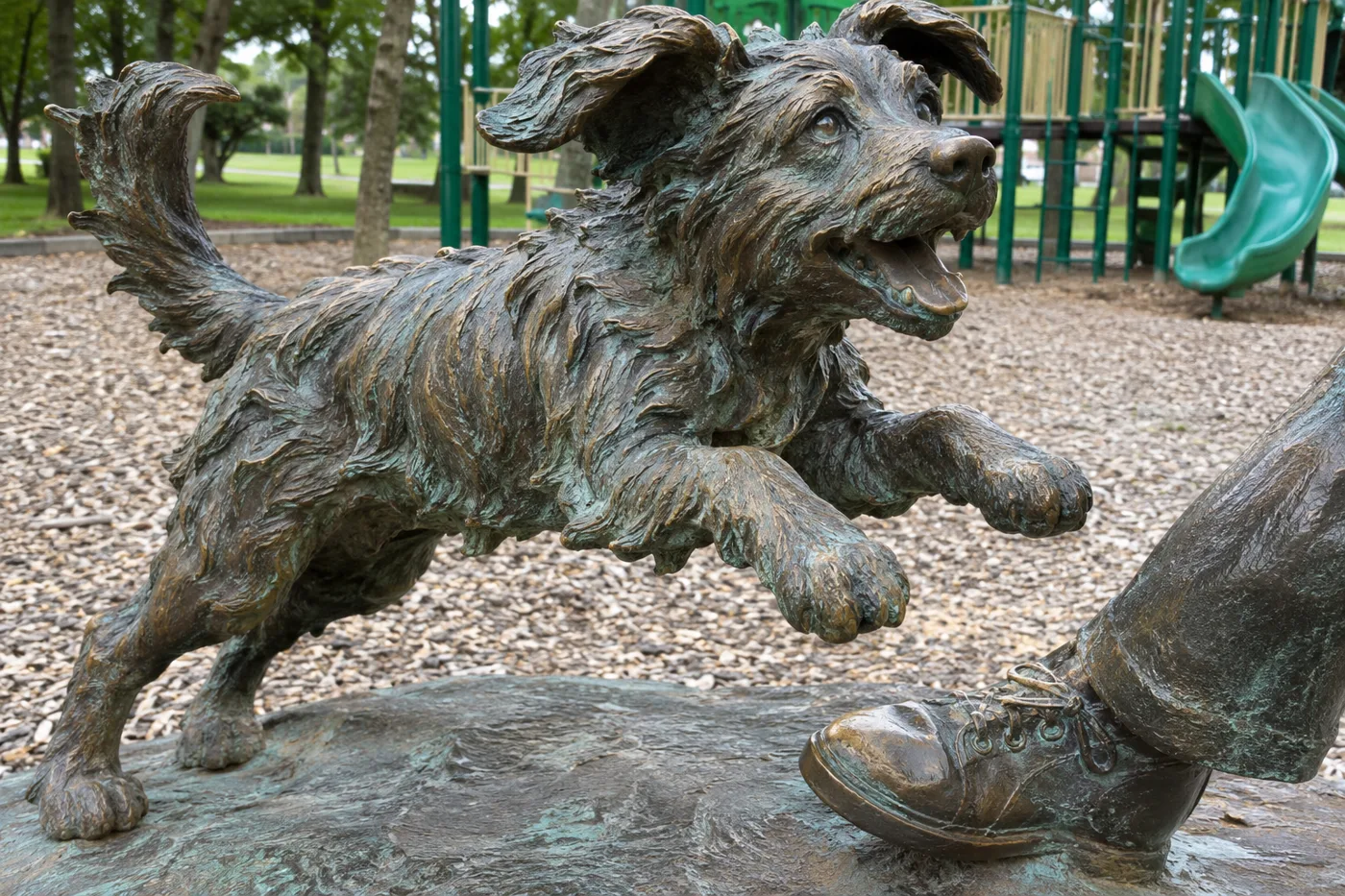
Most cartoonists dodged the breed question. Hank Ketcham answered it on a bronze plaque.
The plaque at the Dennis the Menace Playground in Monterey, California, which Ketcham designed and which opened in 1956, describes Ruff this way:
“Mutt – part Afghan, part English sheepdog, plus parts unknown (according to the cartoonist).” (source)
That’s as honest as a breed label gets. If your own dog came from a shelter with a card that said “shepherd mix?”, Ruff is one of yours.
#13 Sam Sheepdog punching the clock
The whistle blows, two lunch pails swing, and a wolf and a sheepdog stop at the time clock to say hello.
Then they spend the whole day trying to destroy each other. At quitting time they clock out like neighbors at the plant.
Chuck Jones started the joke in Don’t Give Up the Sheep on January 3, 1953, with Mel Blanc doing the voices. In that first short the sheepdog was called Ralph. The names settled down over six more shorts, the last one in 1963. This is one of the classic cartoon dogs that grown-ups enjoyed as much as kids, because by then plenty of them were punching a clock themselves.
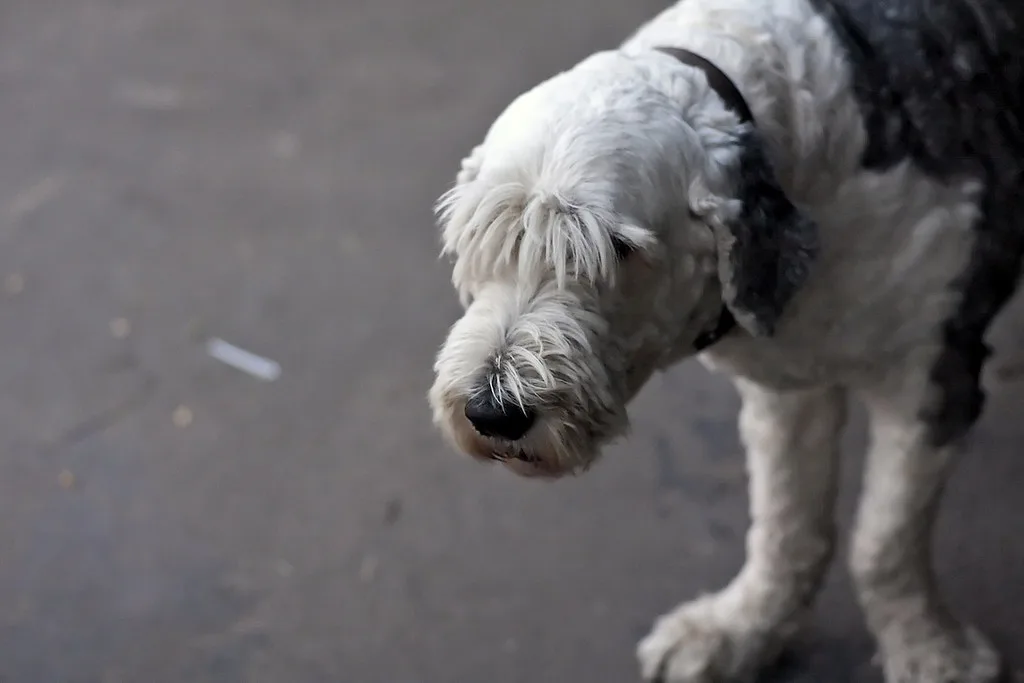
Wikipedia calls Sam “a large, burly Briard” with red hair over his eyes. If you want that mop of hair in a breed that’s easier to find, the Old English Sheepdog is the one to look at.
| Breed | AKC 2025 rank | Worth knowing |
|---|---|---|
| Briard | 172 | Among the rarest breeds AKC ranks |
| Old English Sheepdog | 87 | 60 to 100 lb, 3 to 4 hours of brushing a week |
That brushing figure is PetMD’s. It means a shift of your own every week.
#12 Marc Antony and his kitten
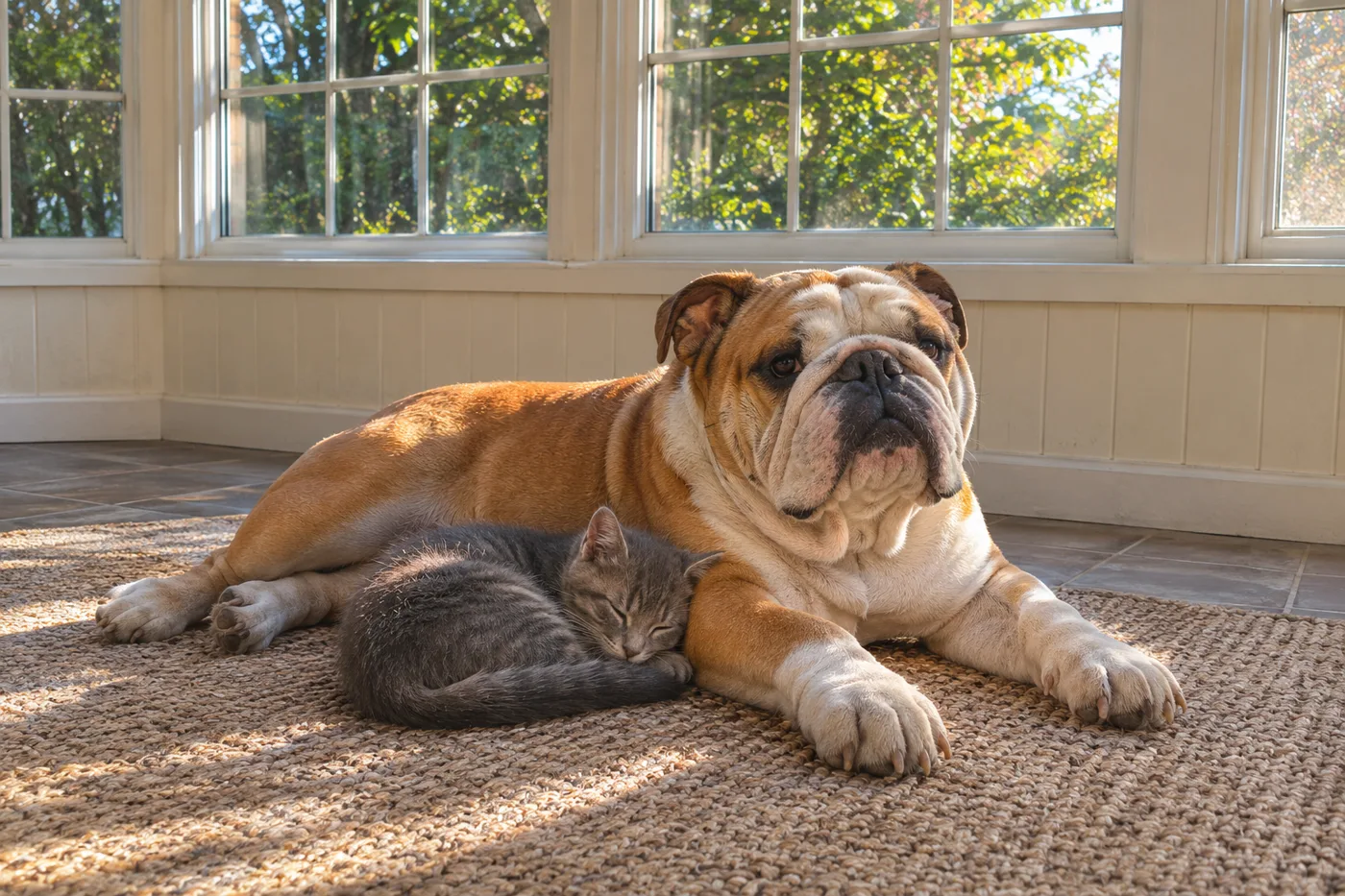
He was supposed to be the tough guy. Then a kitten climbed onto his back, and he melted.
Marc Antony first appeared in Cheese Chasers in 1951. The Chuck Jones site spells his name “Marc Anthony.” Jones summed the character up himself:
“Marc Anthony is your basic big bulldog, but in Feed the Kitty he falls in parental love with a little kitten.” Chuck Jones, director (source)
Of the cookie scene, Jones admitted: “Fool that I am, I feel tears slipping into my eyes every time I see that scene.”
The cartoon had the breed’s heart right. PetMD describes Bulldogs as “friendly, loyal, and good with other pets and children.” So if you’ve got other pets and you’re eyeing a Bulldog, the cartoon and PetMD’s vets agree. It’s the same No. 10 breed as Spike up at #18, with a very different personality.
#11 Muttley’s wheezy snicker
You can hear it the second you read the word: that wheezy snicker, then a mushy grumble under his breath while Dick Dastardly’s plan falls apart again.
Hanna-Barbera created Muttley in 1968 for Wacky Races, and Don Messick voiced him. That’s the same Don Messick who voiced Scooby-Doo. In the later Dastardly and Muttley in Their Flying Machines, he kept demanding medals.
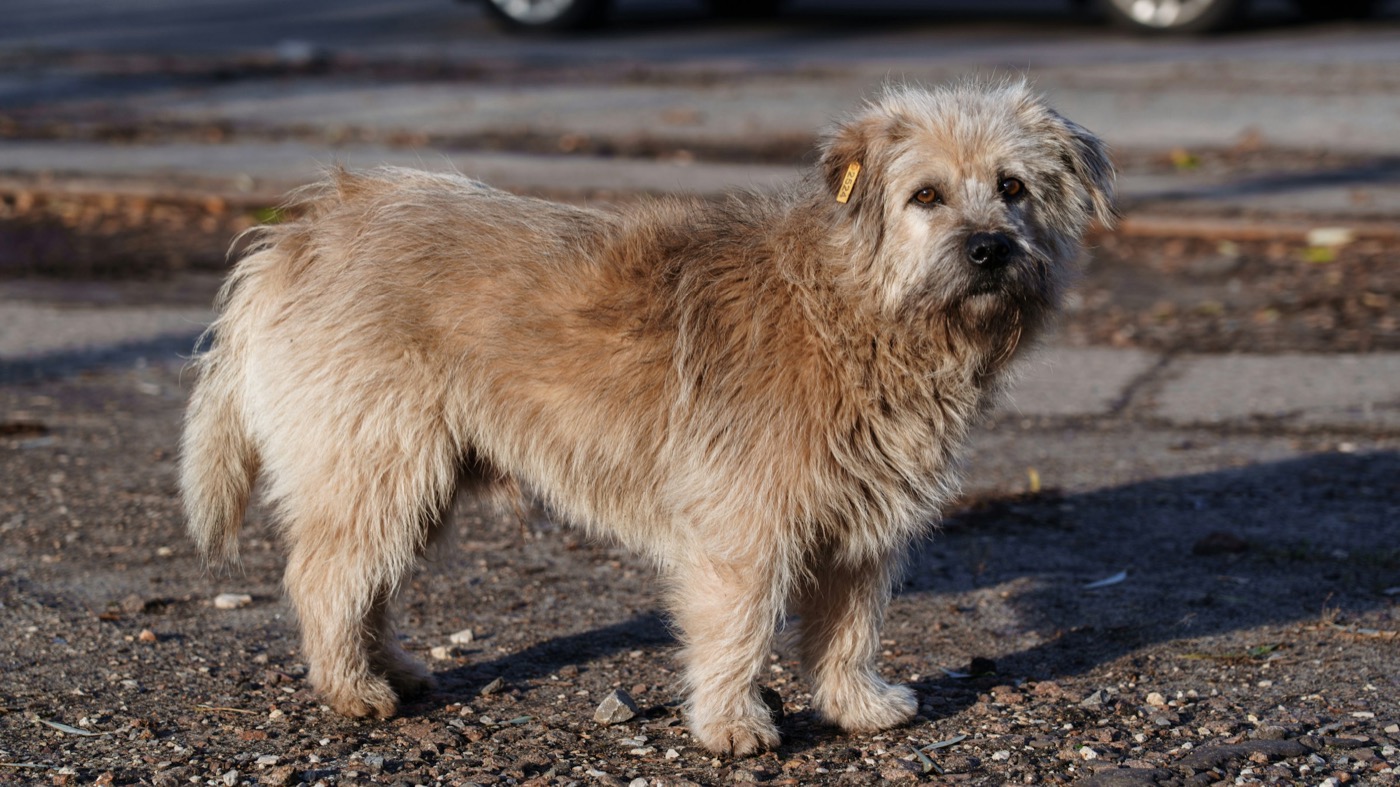
Unusually, the show said outright what he was. The episode “Dash to Delaware” calls Muttley “a mix of bloodhound, pointer, Airedale, and hunting dog.” “Hunting dog” sounds like the writers gave up partway through the list.
He’d fit right in today. About half of US household dogs are mixed breed, by the American Veterinary Medical Association’s estimate. Muttley was ordinary all along. He just laughed louder about it.
#10 Pound Puppies with their own care guide
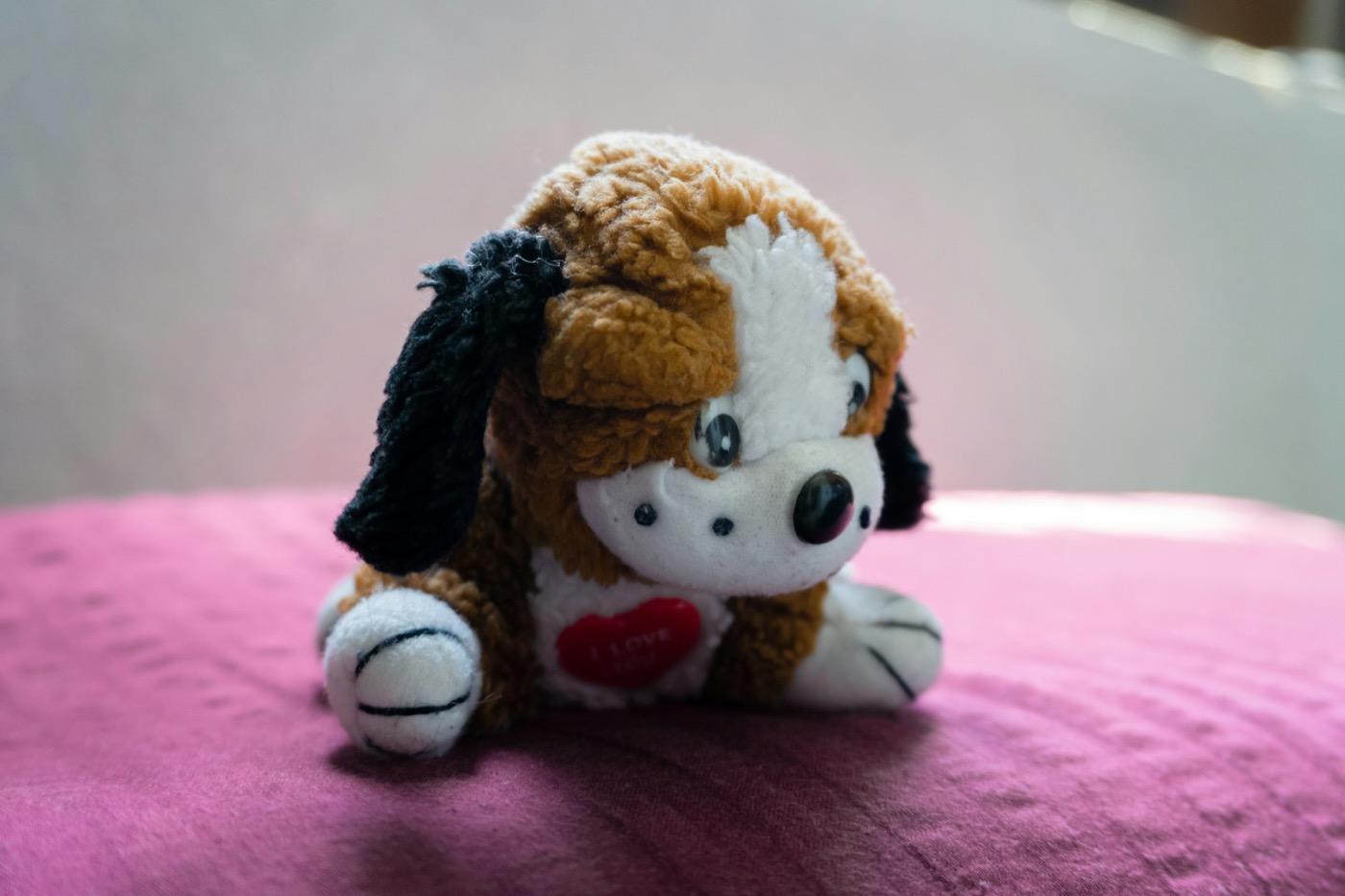
The droopy-eared plush pup came with a mock care guide promising he’d “had all the shots they need to stay healthy.”
Pound Puppies started in Canada in 1984 and came to the US through Tonka in December 1985. They cost $30, plus $3.50 if you wanted the stickers and a personalized dog tag. They were an instant hit, and the ABC cartoon followed in fall 1986. The man behind them, Mike Bowling, was a Ford assembly-line worker who got turned down 14 times before anyone licensed his idea.
Here’s the comparison that stops you. More toy Pound Puppies sold in 1985 than real dogs were adopted from US shelters and rescues in all of 2025, when the count was 2 million.
The real news is good, though. The dog adoption rate rose to 57% in 2025, up from 55% the year before. If the toy was the first “adoption” in your life, a real one costs less than you might think: Best Friends Animal Society’s adoption centers charge $100 for an adult dog, with spay or neuter surgery, shots, a microchip and a health check included.
#9 Barfy, the Family Circus Lab
The Family Circus started on February 29, 1960, which makes it a leap-day baby. The strip’s famous dotted-line wanderings through the neighborhood began on April 8, 1962.
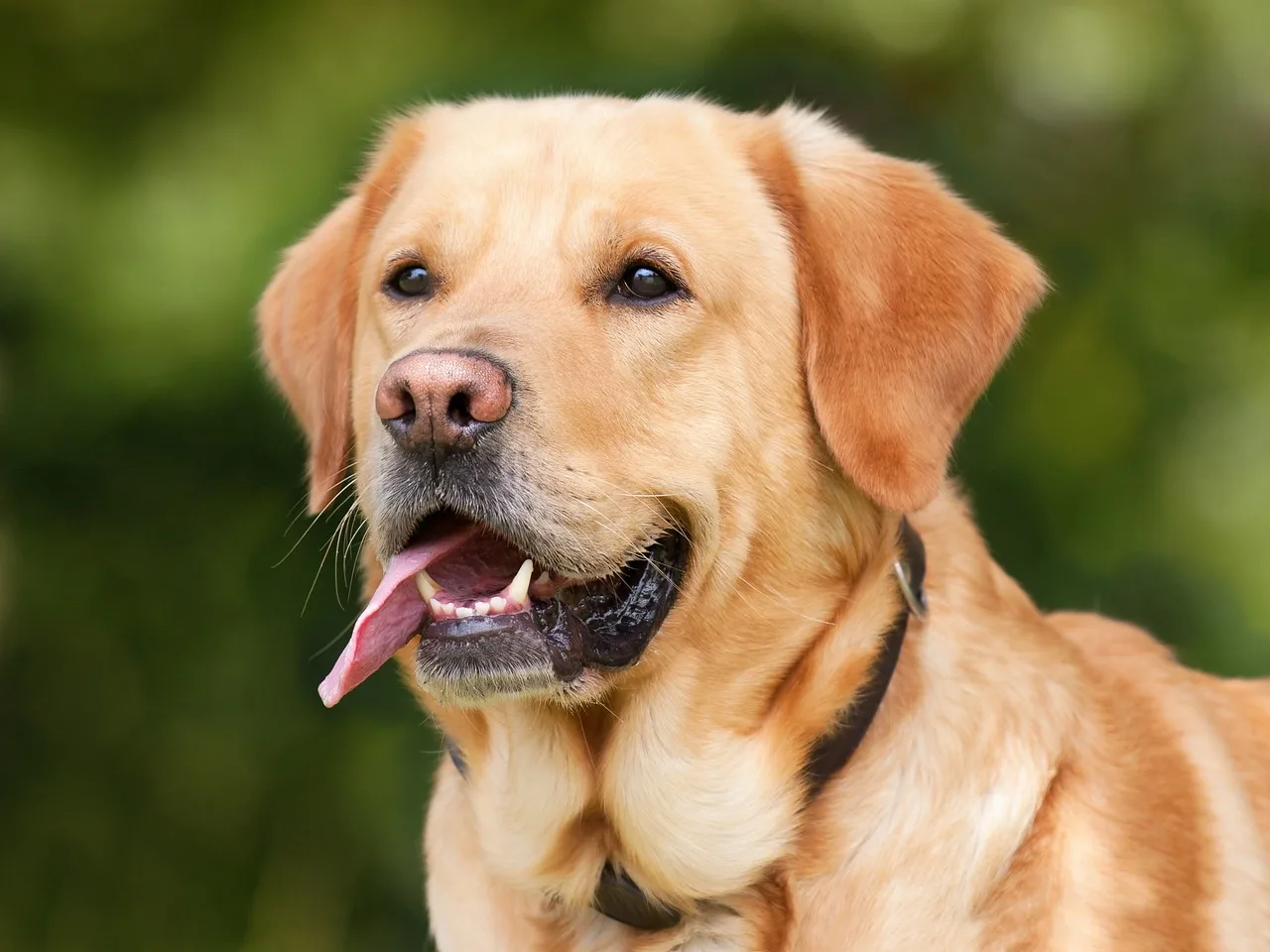
There were two dogs, and people mix them up. Wikipedia describes Barfy as “a Labrador”. The shaggy one is Sam, the mutt the kids brought home on January 26, 1970. So if you remember Barfy as the scruffy one, you’re picturing Sam.
Barfy’s breed is the most popular of the lot. The Labrador sits at No. 2 in AKC’s 2025 registrations, behind only the French Bulldog. A Lab is 55 to 80 pounds and, the AKC says, needs daily exercise to keep from turning hyperactive or destructive, so the dotted lines across your yard will be his. The strip still runs in about 1,500 newspapers, by King Features’ count.
#8 Snowy sniffing out trouble with Tintin
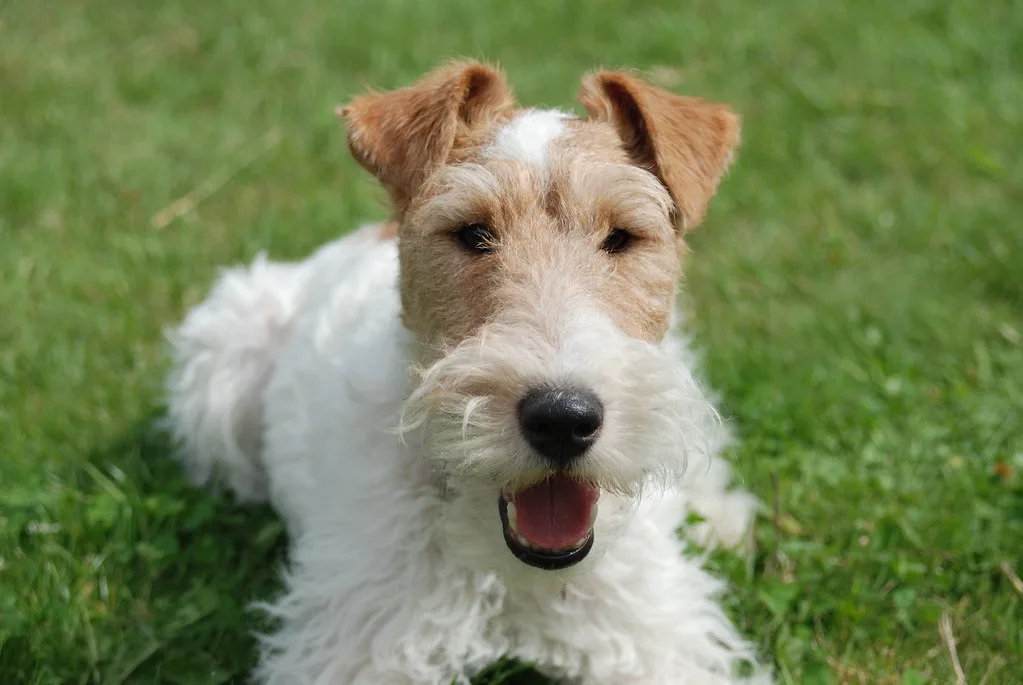
Snowy is a white Wire Fox Terrier who debuted on January 10, 1929, in Tintin in the Land of the Soviets. Hergé modeled him on a Fox Terrier at a café he used to visit. His French name, Milou, came from Hergé’s first girlfriend, Marie-Louise.
He also loves bones and whisky, which tells you plenty about where his adventures took him.
On January 1, 2025, Snowy entered the US public domain. It’s a strange honor for a dog who spent decades getting Tintin out of trouble.
The real breed is a handful in a small coat. PetMD lists the Wire Fox Terrier at 15 to 18 pounds, with a need for at least an hour of activity a day. It also “barks frequently” and does best with hand-stripping, which means plucking the dead hair out of the coat, three or four times a year. At No. 107 in AKC’s 2025 rankings, a real Snowy is harder to find than the drawn one.
#7 Bluey and her Heeler family
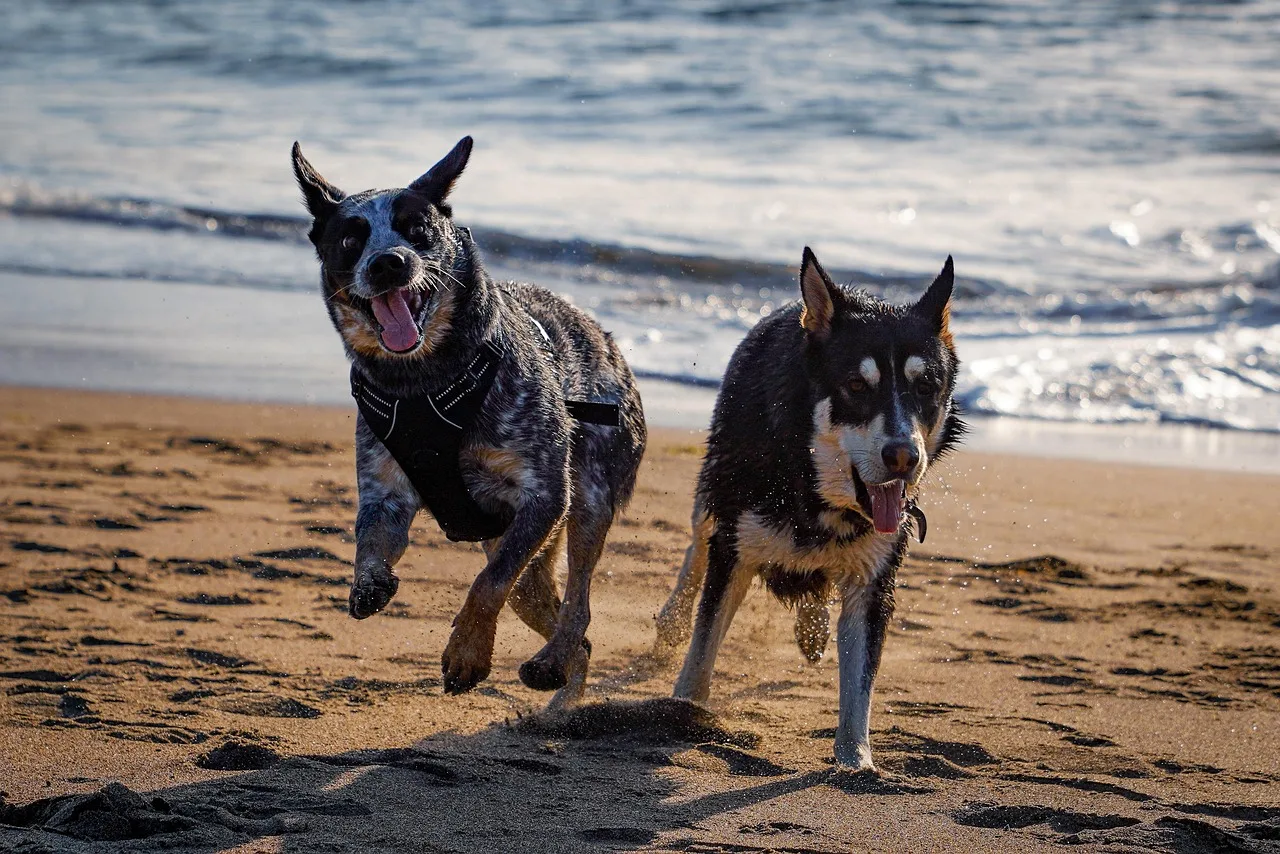
If a small child in your life has made you watch “just one more” episode, you’ve already met this family.
Bluey premiered in Australia on October 1, 2018. Creator Joe Brumm grew up with a Blue Heeler named Bluey. The show reached US screens in 2019, and by 2025 it was “the most watched show in the U.S. on all streaming platforms.” Bandit and Bluey are Blue Heelers, and Chilli and Bingo are Red Heelers, both colorings of the Australian Cattle Dog.
This is the one breed here that’s still a working herder at heart, and it shows. PetMD says the breed needs at least 45 minutes of running a day and isn’t suited to apartment living. Some will try to herd small children and nip, though PetMD says training can redirect that.
So the cartoon is perfect for a visit, and the real dog is a big daily job. The Australian Cattle Dog ranks No. 47 with the AKC for 2025. If what you mostly want is a dog for visiting kids to cuddle, Bluey on the TV may be the better fit.
#6 Clifford’s first sketch, before he turned red
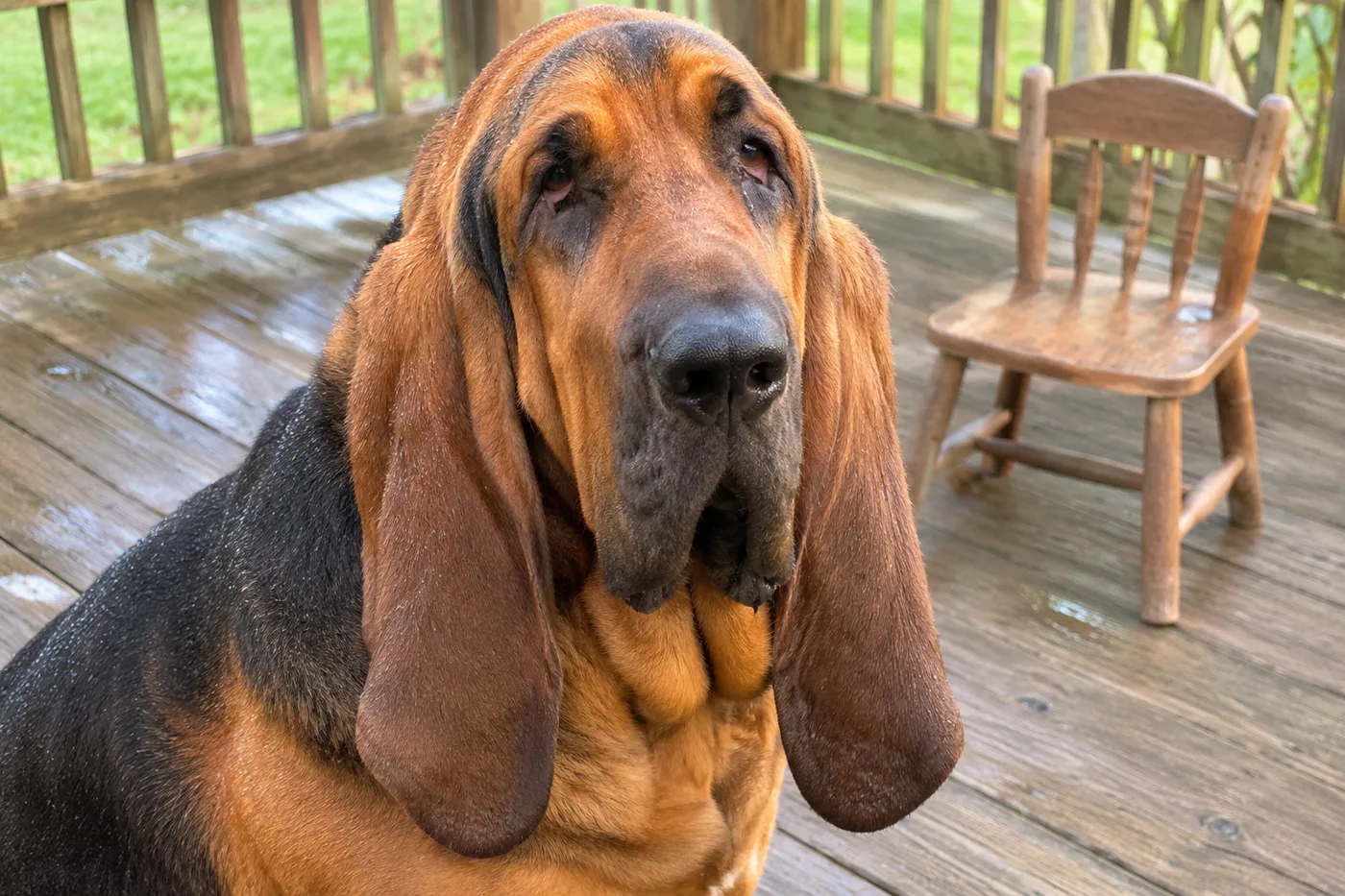
Clifford wasn’t a Vizsla to start with. He began as a giant Bloodhound.
Norma Bridwell, the creator’s wife, described the very first drawing:
“He made a sample illustration of a little girl, with a great big bloodhound. The very large dog was twice as high as the little girl.” Norma Bridwell (source)
Norman Bridwell remembered a woman pointing at his sample painting of “a little girl with a gigantic red dog,” and saying, “Maybe that’s a story.” The first book came out in 1963. Norma named him Clifford, after her imaginary childhood friend. By 2012 nearly 90 Clifford books had sold over 126 million copies.
Today you’ll often hear that Clifford’s real dog breed is a Vizsla. That’s a modern fans’ guess, and nothing we found shows Bridwell saying it.
For the record, the Vizsla ranks No. 36 in AKC’s 2025 rankings and the Bloodhound No. 59.
#5 Santa’s Little Helper, the 99-to-1 long shot
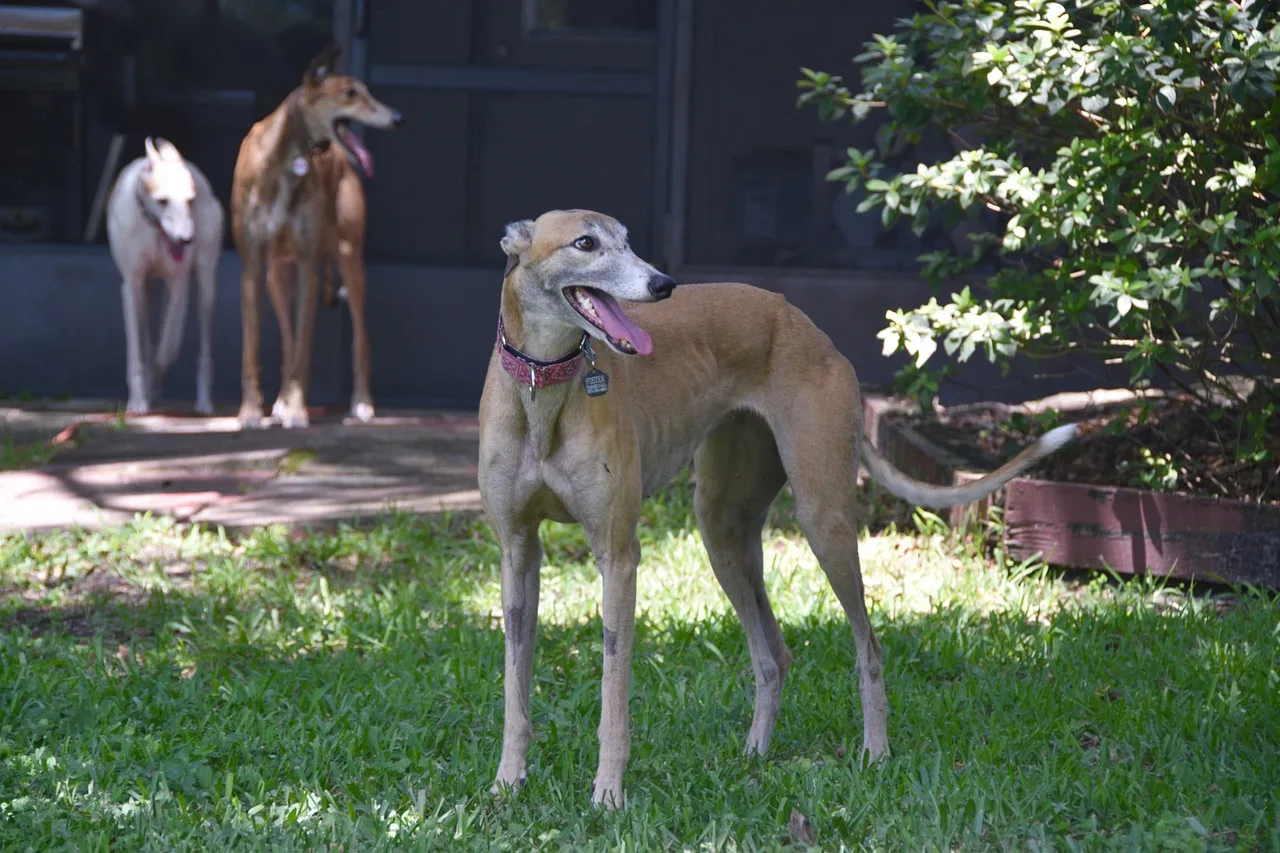
The Simpsons’ Christmas episode premiered on Fox on December 17, 1989, and about 13.4 million people watched Homer bet on “a 99-1 long shot” at Springfield Downs. The Greyhound came in dead last. His owner dumped him, and the Simpsons took him home.
That’s the cartoon. In real life, retired racing greyhounds go through adoption groups, and the people who place them describe a dog nothing like the one on the racetrack.
“40 mph couch potatoes.” Greyhound Pets of America, Charleston chapter (source)
The same chapter says they “need no more exercise than a Labrador or a lhasa apso,” and that the dogs it places are usually 2 to 5 years old, with a life expectancy of twelve or more years. That makes an adult Greyhound one of the easier big dogs to bring home already grown.
What could stop it: PetMD warns Greyhounds have “very high prey drives and are not great options for families with small pets.” If you have a cat, ask the adoption group whether it cat-tests its dogs before you fall in love. Greyhound Pets of America’s Wisconsin chapter tests every greyhound it takes in, and only about a third turn out to be cat-friendly. Plan on a fee, too: that chapter charges a $50 application fee plus $600 at adoption, which covers spaying or neutering, shots, a teeth cleaning, a microchip and a muzzle.
At No. 151 in AKC’s 2025 registrations, the Greyhound is rarer than every other breed here except Sam Sheepdog’s Briard.
#4 McGruff taking a bite out of crime
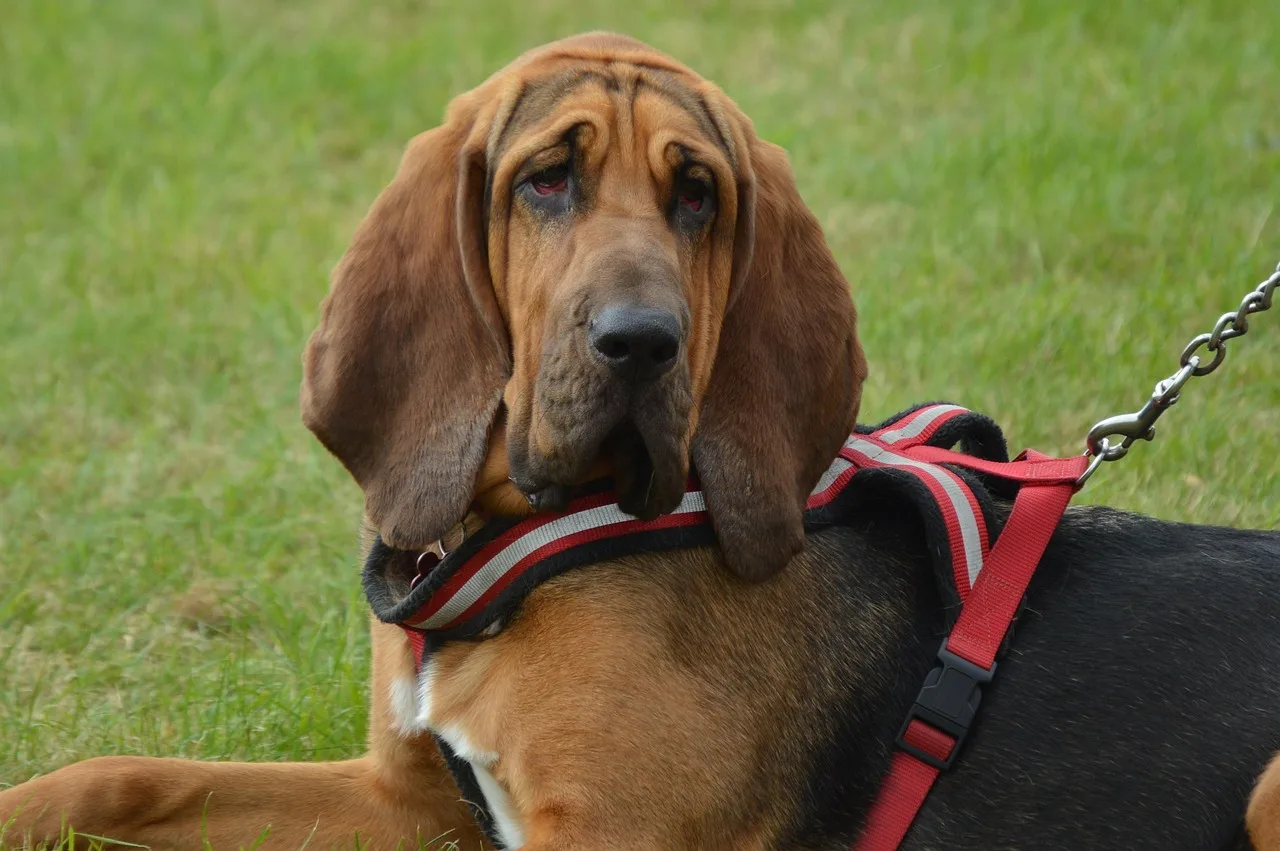
He wore a trench coat, he talked out of the side of his mouth, and he told you to lock your doors. Almost nobody files McGruff under cartoon dogs, but he’s one of the most recognized of them all.
He first appeared in a TV ad in February 1980 as “an unnamed dog in a trench coat who urged viewers to ‘Take A Bite Out Of Crime.'” Jack Keil of the ad agency Dancer Fitzgerald Sample created him in 1979 and did the original voice too. His name came from a national contest that July. The winning entry came from Officer John Isbell of the New Orleans police.
Wikipedia gives McGruff’s breed as Bloodhound. In a 2007 survey, nine in ten people recognized him by name. Most cartoon dogs can’t say that.
The real Bloodhound is 80 to 110 pounds, gentle and patient but vocal and independent. Translation: he’ll follow a scent into the next county and tell everyone about it on the way. The breed ranks No. 59 for 2025, and it’s the same breed as Trusty in Lady and the Tramp and Clifford’s first sketch.
#3 Gromit’s raised eyebrow
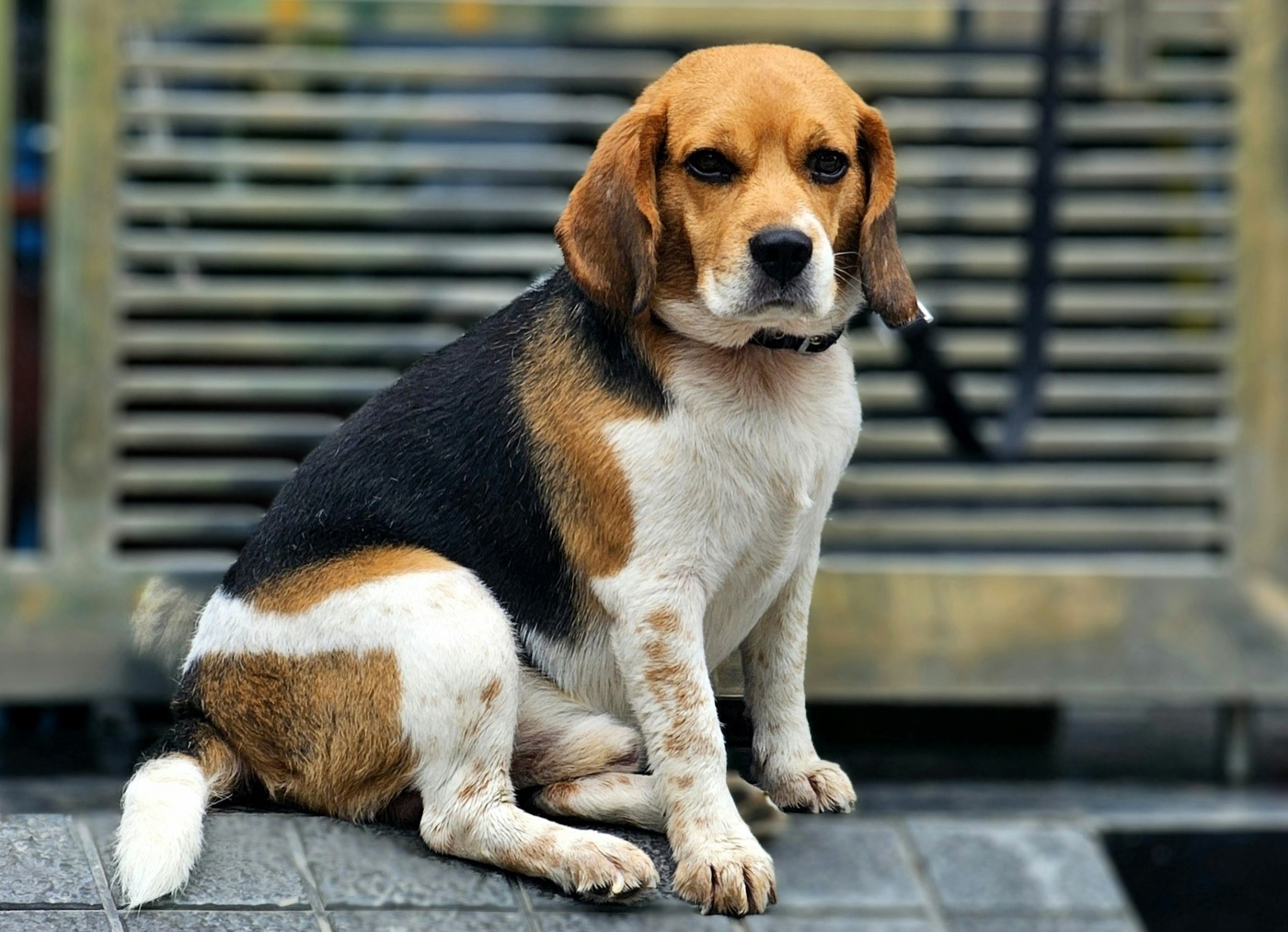
Gromit was nearly a cat.
Nick Park, Gromit’s creator, has explained how the plan changed:
“I was thinking he may have a pet, probably a cat… I started modelling the cat, and it was just very difficult. So, I thought I’d do a dog instead!” Nick Park
The dog he made never says a word. Still, Gromit and Wallace went from A Grand Day Out in 1989 to three Oscars on the strength of a brow and a pair of worried eyes.
People usually call him a Beagle. Aardman’s own page about the pair doesn’t name his real dog breed, so treat the Beagle label as a fans’ best guess. Look at your own dog’s face the next time you pick up the leash and announce a walk. Gromit’s whole act is in there.
#2 Courage curled up in Muriel’s lap
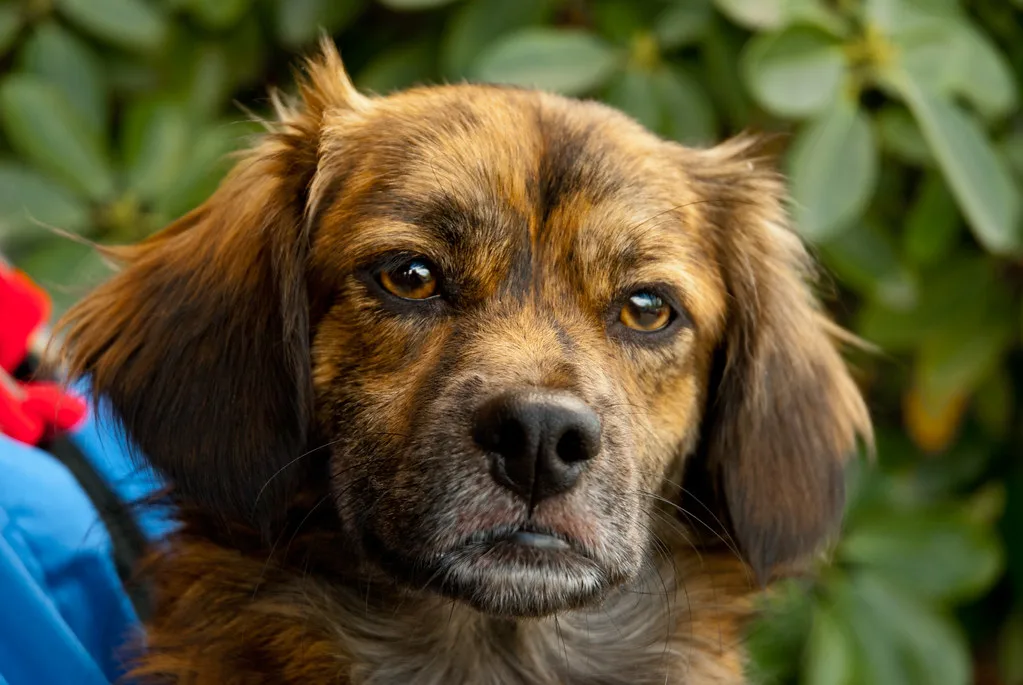
When fans on Reddit’s r/CartoonNetwork were asked which cartoon dog they’d actually want as a pet, several picked the most frightened one of the lot.
They said they just wanted him safe and comfortable, and called him a nervous little guy.
Courage the Cowardly Dog premiered on November 12, 1999, as Cartoon Network’s highest-rated premiere up to then. Courage lives with an elderly couple, Muriel and Eustace Bagge, in Nowhere, Kansas. Muriel found him as an abandoned puppy in an alleyway.
He’s a rescue, and that’s why people love him. He shakes at everything, and he saves Muriel anyway. The fans who picked him also point out that at home he’s calm and falls asleep in her lap.
No breed has ever been confirmed for Courage. Whatever he is, if your own rescue trembles at thunder and still plants himself between you and the vacuum cleaner, you already know what he’s like.
#1 Pongo, Perdita and the great Dalmatian boom
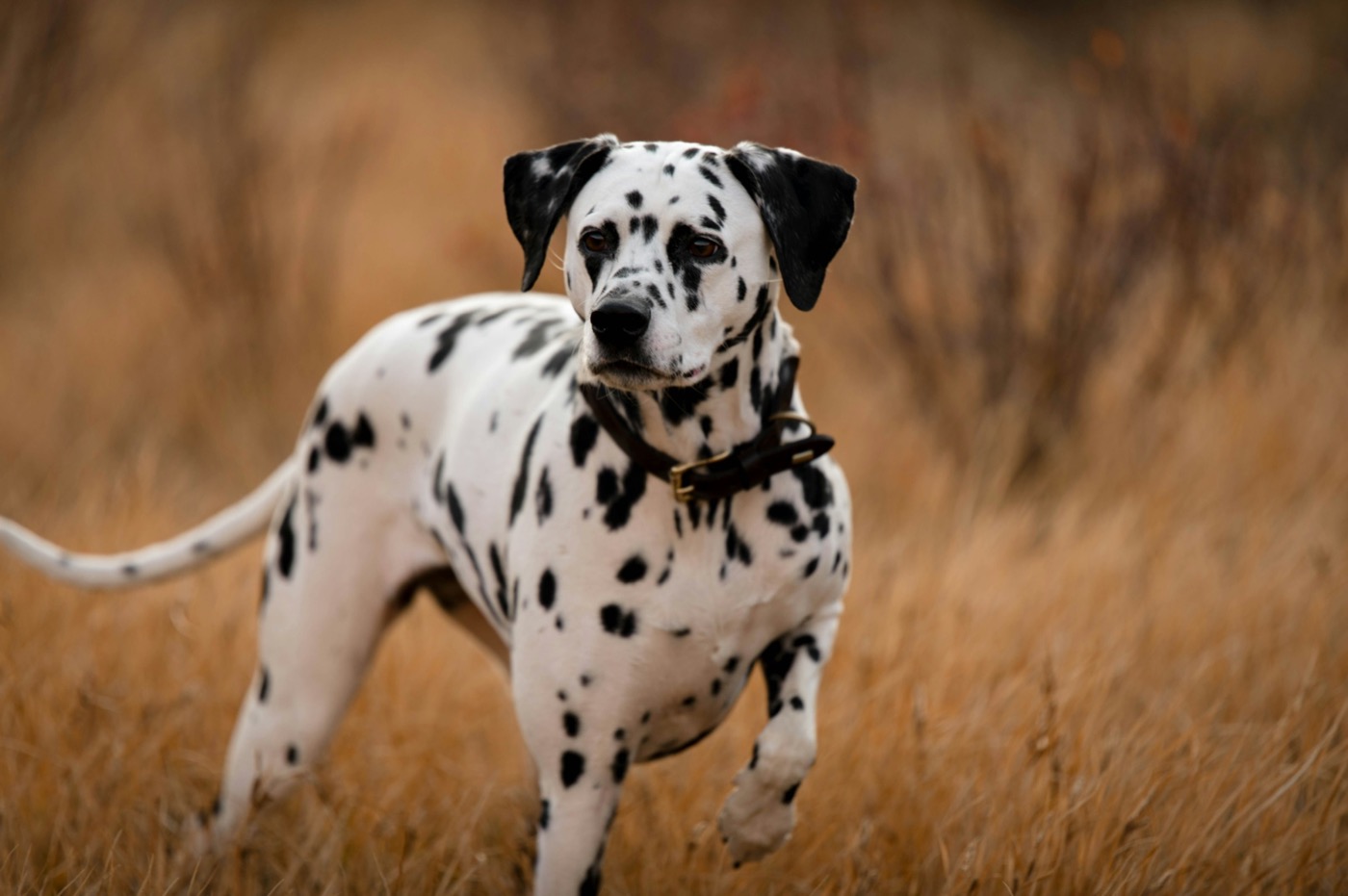
One Hundred and One Dalmatians premiered on January 25, 1961, and it never really left. Disney brought it back to theaters in 1969, 1979, 1985 and 1991. Each time, a new crop of kids, and maybe you with them, walked out wanting a spotted puppy. Those spots were copied onto the film using xerography, a photocopying process that put the animators’ drawings straight onto the cels.
Then the numbers swung hard. AKC Dalmatian registrations peaked at 42,816 in 1993. That was three years before the 1996 live-action film. By 2008 they had fallen to 983.
The people who loved the breed saw trouble coming. In November 1996, before the new film opened, the Dalmatian Club of America’s national rescue coordinator, Chris Jackson, said: “The Titanic is sinking; it’s going down. Now, let’s bomb it.” Within nine months of the film’s release, Pati Dane of Dalmatian Rescue in North Miami Beach had taken in 130 Dalmatians.
Then the warnings went too far the other way. Dr. Charles Garvin, president of the Dalmatian Club of America, described it like this:
“Our message went from ‘Dalmatians aren’t for everyone’ to ‘Dalmatians aren’t for anyone.'” Dr. Charles Garvin, Dalmatian Club of America (source)
What the movie posters never mentioned, the club now says plainly: “Dals ARE Active, especially during puppyhood (which can last until 18 months or more),” and one without enough exercise “may become noisy and destructive.” The club also says they should always be house dogs.
The Dalmatian boom, by the numbers – 42,816: AKC Dalmatian registrations in the peak year, 1993 – 983: AKC Dalmatian registrations in 2008 – 17.8%: puppies born deaf in one or both ears, in a UK study of nearly 9,000 Dalmatian puppies tested from 1992 to 2019 – 11 to 13 years: the breed’s average lifespan today, by the Dalmatian Club of America Foundation’s count, and many live well into their teens
There’s a happier ending inside that study. Puppies deaf in both ears dropped by more than half between the early 1990s and 2015 to 2018, which the researchers credit to careful breeding. Those were UK dogs, and US rates may differ. If you’re buying a puppy, ask to see its hearing test results. The Dalmatian Club of America’s Ethical Guidelines require member breeders to disclose each puppy’s BAER hearing result to the buyer.
The Dalmatian ranks No. 50 in AKC’s 2025 rankings. It’s much quieter now, and the breed may be in better shape for it.
The bottom line
We lined up every real breed named here against AKC’s 2025 rankings of 202 breeds. The most popular is Barfy’s Labrador at No. 2. The rarest is Sam Sheepdog’s Briard at 172. That means the cartoon you loved at eight doesn’t tell you much about how easy that dog is to find today.
The creators themselves were usually less sure of the breed than their fans are. Schulz drew a Beagle from a mutt. Ketcham wrote “parts unknown” on bronze. Bridwell started with a Bloodhound and ended up with something no kennel club has ever seen.
So here’s a question worth sitting with. If you could pick any dog off a Sunday comics page, would it be the breed you grew up wanting, or the one that’s actually lying beside you?
Bonus: four cartoon-dog things to watch, check or win a bet with
- Catch A Charlie Brown Christmas, with Snoopy dancing on Schroeder’s piano, during the free window Apple TV opens each December. Schulz worried that dance would distract from the story. It stayed in.
- Read Fred Basset, the Basset Hound strip that began in Britain in 1963. Alex Graham based him on his own dog, Frieda, and it still runs on GoComics.
- Look up your own dog’s breed on AKC’s 2025 list. It counts purebred registrations, so if yours is a mix, you’ve got a Ruff, and Ruff never needed a ranking.
- Win the next trivia argument with Mr. Peabody, the genius dog of Peabody’s Improbable History from 1959. Wikipedia lists his species as “Beagle,” so Snoopy was never the only famous cartoon Beagle on TV.
Questions people also ask
What breed is Snoopy?
Snoopy is a Beagle in the Peanuts strip. Charles Schulz based him loosely on his childhood dog Spike, whom the Schulz Museum describes as “a black and white mixed breed dog.” So the cartoon is a Beagle, but the real dog behind him was a mix.
What breed is Scooby-Doo?
Scooby-Doo is a Great Dane. Designer Iwao Takamoto drew him against the breed standard on purpose, giving him “a hump back, bowed legs, small chin and such,” according to his own account. Early pitches also considered making him a sheepdog.
What breed is Pluto?
Mickey Mouse’s dog Pluto is “officially a mixed-breed dog”. He first appeared in 1930 as an unnamed bloodhound chasing Mickey in The Chain Gang, was called Rover in The Picnic the same year, and became Pluto in The Moose Hunt in 1931.
What breed was Goofy, and is Goofy even a dog?
Goofy is a dog, but Disney has never given him an official breed. He’s described as “an anthropomorphic dog,” meaning a dog drawn to walk and talk like a person. He started out as “Dippy Dawg” in 1932 and was named Goofy by 1934.
What breed is Clifford the Big Red Dog really?
Clifford has no official breed, but his very first sketch was a giant Bloodhound, according to Norma Bridwell, the creator’s wife, in a 2008 interview. The Vizsla label you’ll often hear today is a fans’ guess. Nothing we found shows Norman Bridwell saying it.
Is a Great Dane or a Beagle a good dog for an older owner?
Either can be, and the AKC says the right dog for a senior “depends more on lifestyle and physical ability than age.” A Beagle is 20 to 30 pounds and needs about an hour of exercise a day, plus tolerance for baying. A Great Dane is 110 to 175 pounds and needs two long walks a day, but PetMD calls the breed “very gentle and quiet.”