See the dog everyone wanted, decade by decade, from the show-clipped Poodle to the Cane Corso, and how far each one has moved in the AKC rankings since.
Only two breeds made every top-ten list we checked, from the 1940s to 2025. Both are waiting at #1.
The old collar is still in the drawer. The leather has gone stiff, and the license tag clinks against the buckle when you lift it out. Every decade had a dog like the one who wore it: the dog in the magazine ad, the dog on Sunday-night TV, the dog at the end of the best-dressed leash in the park. Look at fashionable dog breeds through history and you see the pattern fast. Most of the dogs everyone wanted are hard to find now. A few never left.
Table of Contents
#27 The show-clipped Poodle’s grooming-parlor years
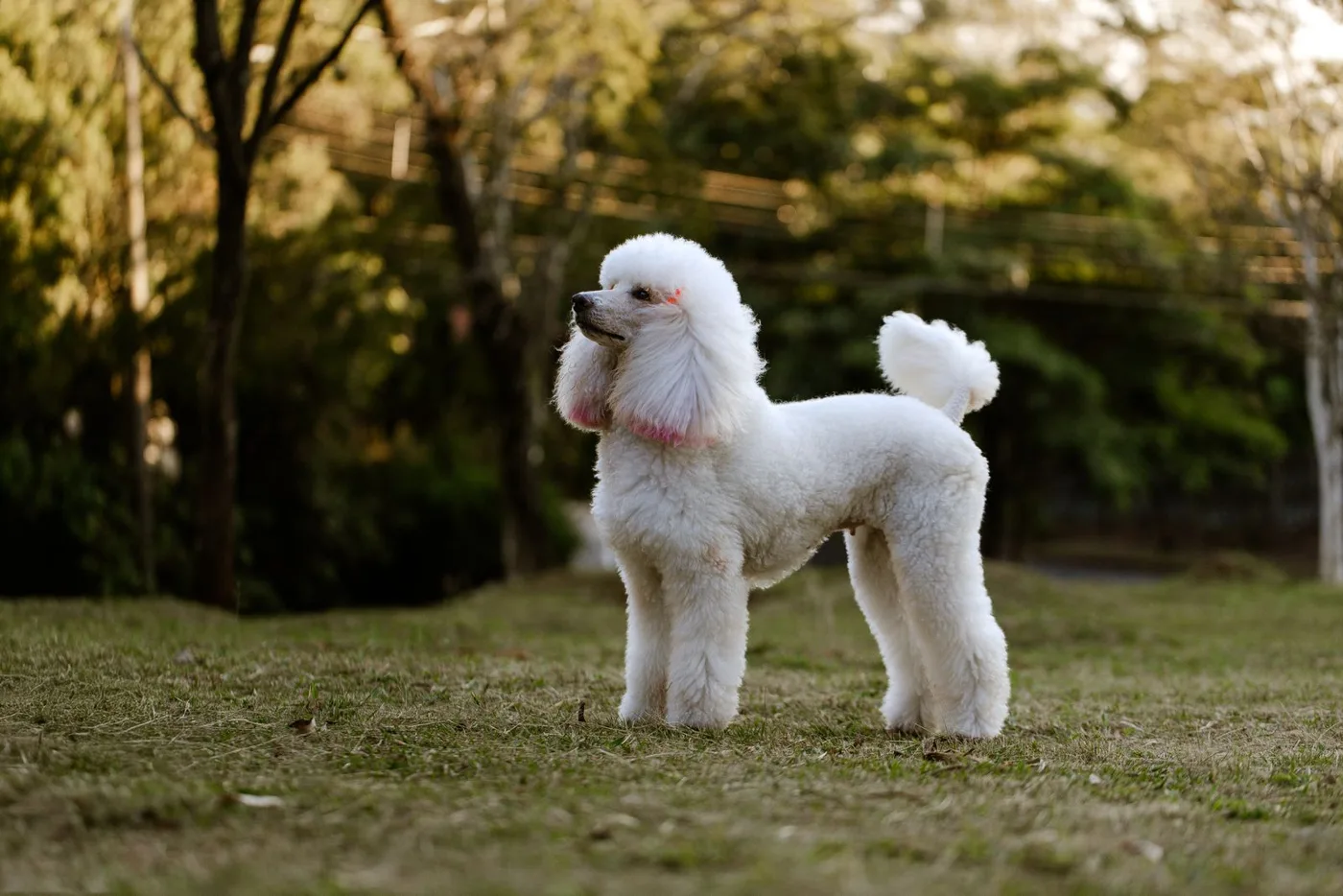
Every few weeks the Poodle came home looking like a hedge somebody had strong opinions about. It had a longer, fuller coat that nearly covered its front legs, a shorter topknot, and less product than show Poodles get today. In 1960, New York’s Yellow Pages listed 30 dog “beauty parlors”, and a third of the city’s dogs were purebred, up from a fifth five years earlier. That same year, a Manhattan dealer called Poodles, Inc. was selling dogs for as much as $3,000.
The boom came quickly. Poodle registrations went from 2,165 in 1949 to 58,000 in 1959. In 1960 it became America’s most popular breed. It kept the top spot until 1983. Teenage girls were wearing the dog by then too: Juli Lynne Charlot designed the poodle skirt in 1947, and by 1952 there were mail-order catalogs that sold nothing else.
The work never changed, though. Gail Wolaniuk, a handler and groomer who has shown Poodles for 40 years, says it plainly: “the Poodle has continually growing hair (like our own) and not fur.” AKC suggests a bath and trim every four to eight weeks for a Standard. You can skip the show clip. You can’t skip the appointments.
The Poodle is No. 6 in the 2025 rankings. It is still in the top ten and still on a first-name basis with its groomer.
#26 Lassie’s Collie and the Sunday-night spell
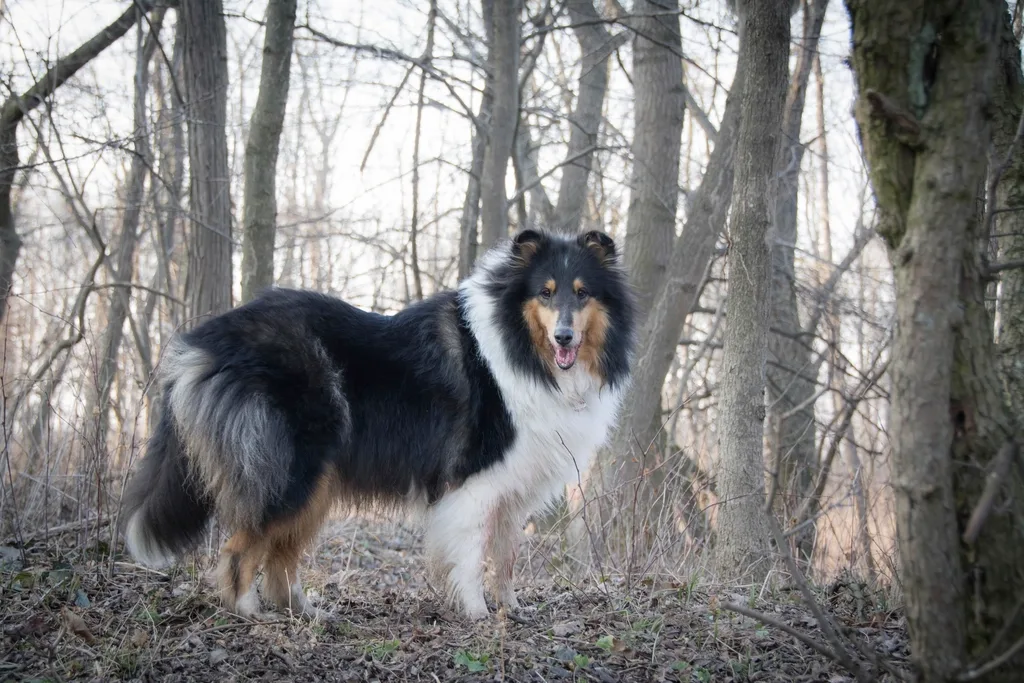
It aired Sunday at 7:00 p.m. Eastern on CBS. There was a farm, a boy, a whistled theme song and a Rough Collie who always seemed to know where the trouble was. Lassie ran from September 1954 to March 1973. Its best years came while Jon Provost played Timmy, from 1957 to 1964, and fans nicknamed the theme “The Whistler.”
The Collie rode along with the show. It was No. 8 in the 1950s, No. 7 in the 1960s and No. 10 in the 1970s. The show ended in 1973, and by the 1980s the breed had dropped out of the top ten.
If you walked one, you know what came with it. Emily Sowulewski, who owns a Rough Collie named Gus, writes that a passing driver once shouted “That’s LASSIE!” At a local fair, she and a friend gave up counting the “Lassie!” calls after fifty. On a Reddit thread about vanished family dogs, collie owners in the most upvoted comments said the name wore them down over the years.
They still miss the dogs, though. Two former owners on that thread call the collie the best dog they ever had, and one says hers herded her children and their friends.
The Collie is No. 39 today. That makes it less common, not gone. If you get one now, you’ll likely have the only one in the neighborhood, and someone will still yell the name.
#25 The Cocker Spaniel’s two separate reigns

Two different generations grew up thinking the Cocker was the dog to have, and both were right.
The first reign ran from 1936 to 1952. A Cocker named Ch. My Own Brucie won Westminster Best in Show in 1940 and 1941 and landed on Life magazine covers, and the 1940s belonged to his breed. Then in 1955 Disney’s Lady and the Tramp made a Cocker named Lady the heroine, and AKC says the film introduced the breed “to generations of moviegoers.”
The second reign came three decades later. The Cocker took No. 1 back from the Poodle in 1983 and kept it through 1990.
The drop after that is the part owners should know. Gun Dog magazine puts it bluntly: “The result of the excessive and careless breeding due to overall demand seriously diluted the gene pool and led to a litany of health issues.” It lists eye problems, hip dysplasia and temperament trouble. That demand came from families who loved the dog, and the breed paid for how much it was loved.
The Cocker fell to No. 5 in the 1990s and sits at No. 33 in 2025. If you want one now, ask the breeder what eye and hip checks the parents had. A good breeder will have that answer ready.
#24 Snoopy’s Beagle and its 1950s crown
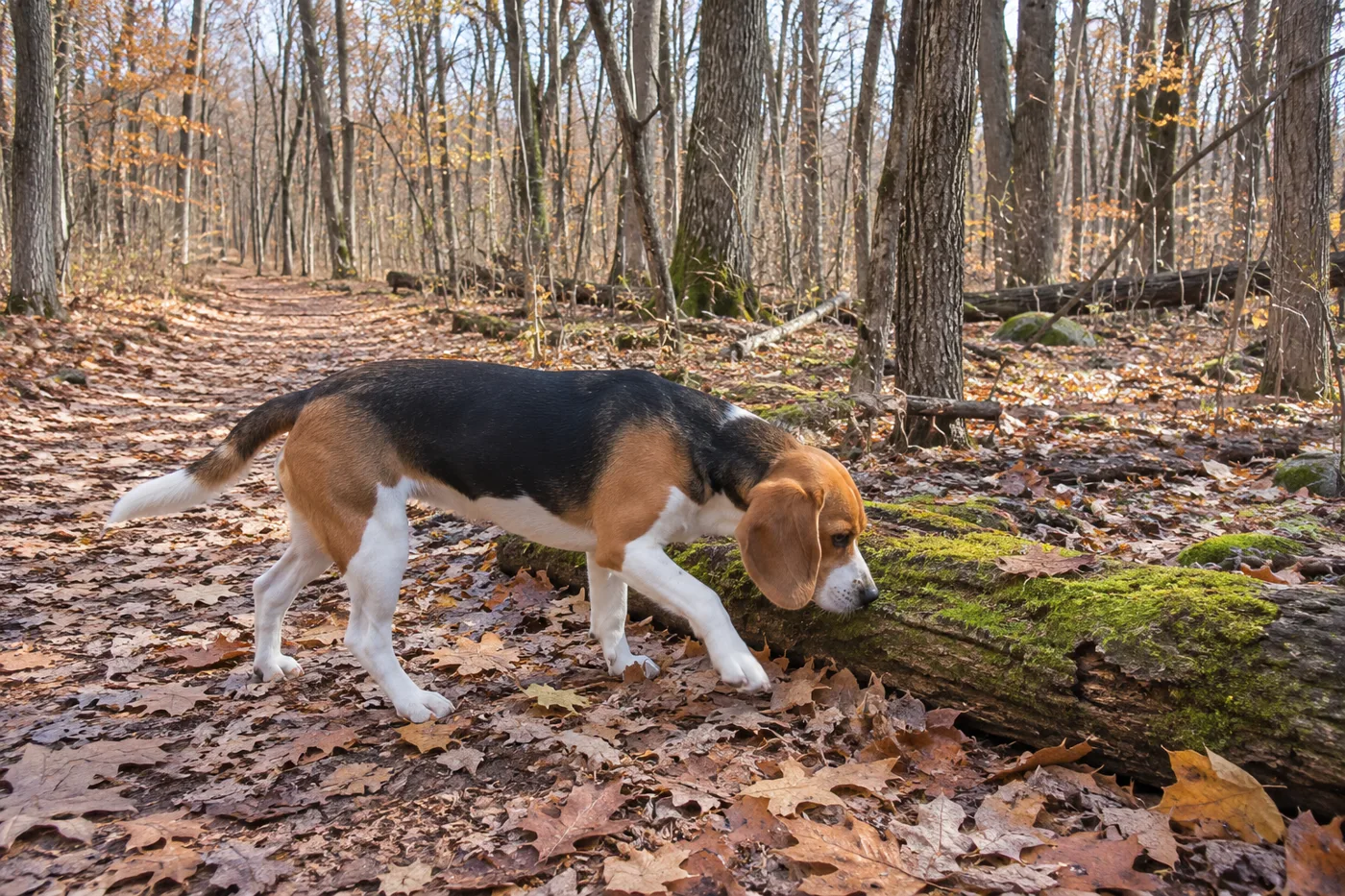
Snoopy got there first. He made his first newspaper appearance on October 4, 1950. Three years later the Beagle was America’s No. 1 breed, and it held that spot from 1953 through 1959.
Then it handed the crown to the Poodle in 1960, and it never got the crown back. It never got far away from it either. In 2006 it was still No. 5, with 39,484 registrations. Beagles won Westminster in 2008 and again in 2015, and the breed is No. 7 in 2025.
If you had one, you remember the nose doing all the planning while the rest of the dog just went along. A Beagle is still a good choice if you want a mid-sized dog that people smile at. The cartoon helped with that, and the cartoon is now more than 75 years old.
#23 Rin Tin Tin’s German Shepherd, screen to service
In October 1954, a month after Lassie began, ABC started The Adventures of Rin Tin Tin. For five seasons you could pick your hero dog by channel.
The real Rin Tin Tin was born on October 10, 1918, in Flirey, France, and an American soldier named Lee Duncan rescued him. His 1923 film Where the North Begins is often credited with saving Warner Bros. from bankruptcy. He made 27 films and got a star on the Hollywood Walk of Fame in 1960. The dog you watched on TV was mostly Flame Jr., trained by Frank Barnes.
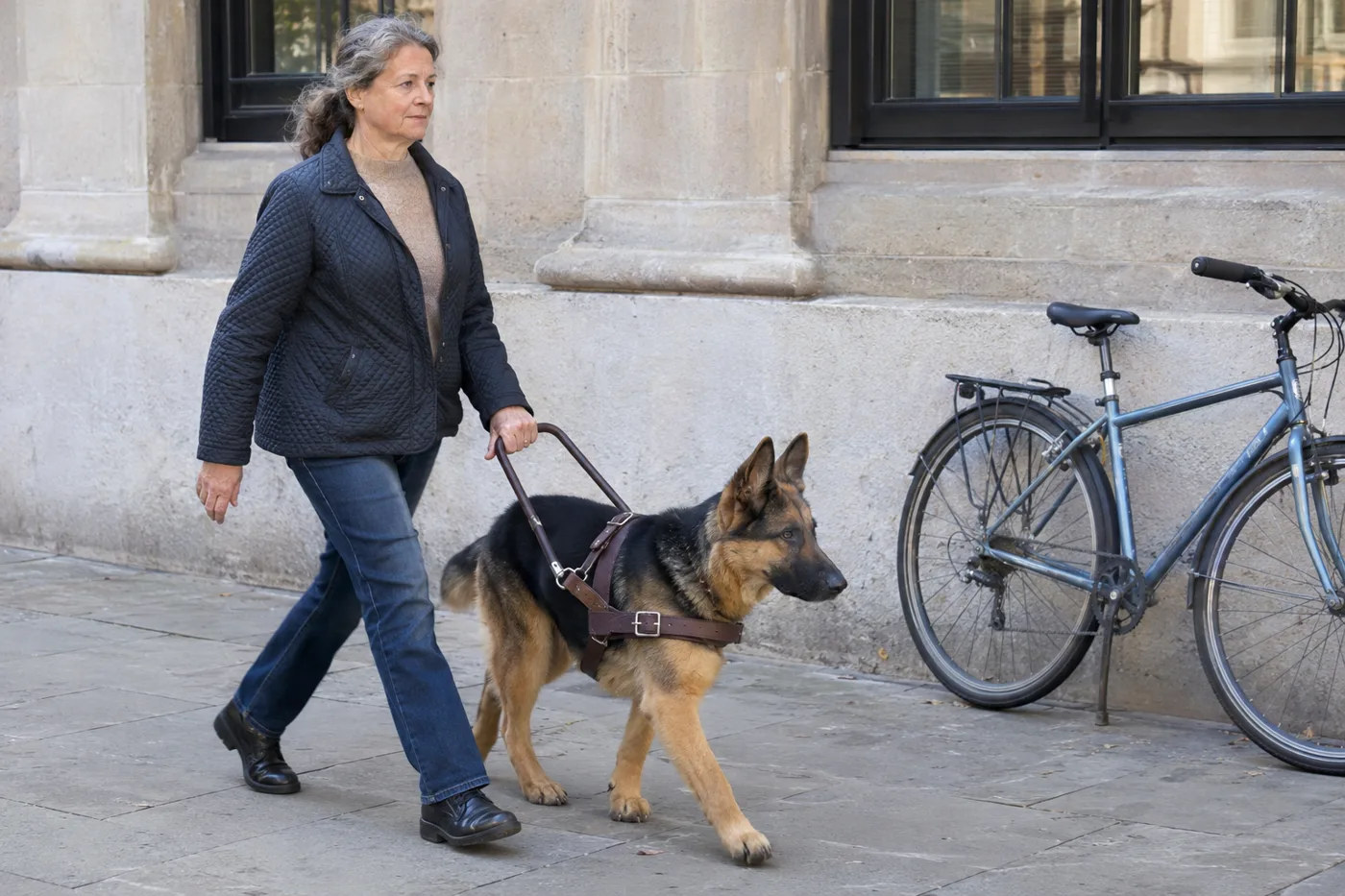
The breed had a second career that outlasted the movies. On June 11, 1928, a female German Shepherd named Buddy arrived in New York with Morris Frank. The next year The Seeing Eye was founded in Nashville as the first guide-dog school in the US. By the 1970s, AKC was pointing to the breed’s police and guide-dog work.
German Shepherds were No. 1 in the 1920s and No. 2 in the 1960s and 70s. They won Westminster in 2017 and are No. 4 today. A dog bred to work is happiest with a job, even if the job is carrying in the newspaper.
#22 Xavier Cugat’s Chihuahua, then the shelters
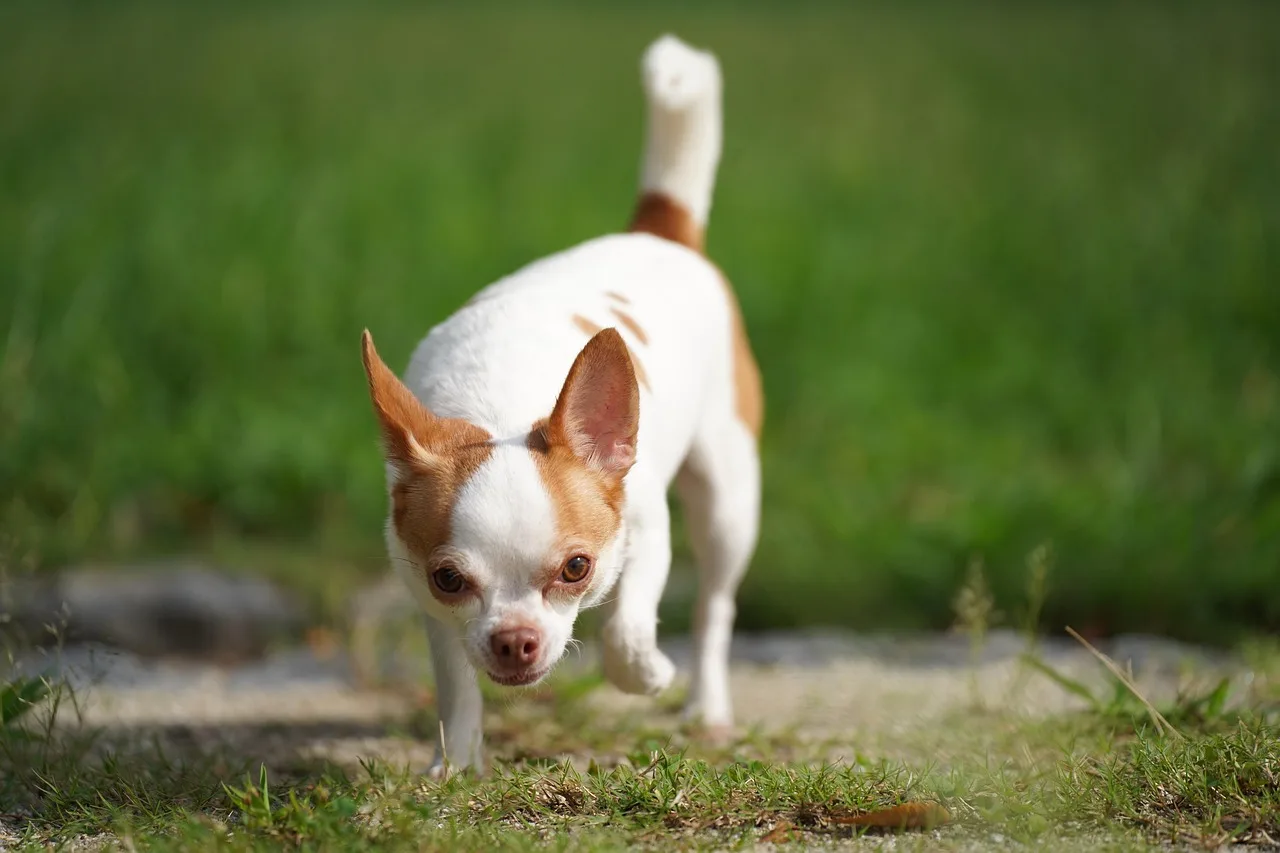
“We have plenty more where those came from.”
Kathy Davis said that in December 2009, when she was interim general manager of LA Animal Services. By then Chihuahuas made up 30% or more of the dogs in many California shelters. Los Angeles shelters took in 4,700 in twelve months, a thousand more than the year before. Katherine Heigl’s foundation paid to fly 68 of them to New Hampshire and New York.
The fame started long before. AKC says the bandleader Xavier Cugat did much to popularize Chihuahuas in the 1940s and 50s. The breed was No. 4 in the 1950s and No. 5 in the 1960s. Later, Legally Blonde, Beverly Hills Chihuahua and Sex and the City put the dog back in front of cameras and in handbags.
The Chihuahua is No. 24 in 2025. If a small dog is your plan, check the shelter before the breeder. California learned in 2009 just how many of these dogs end up there.
#21 The Labrador’s 31 years at No. 1
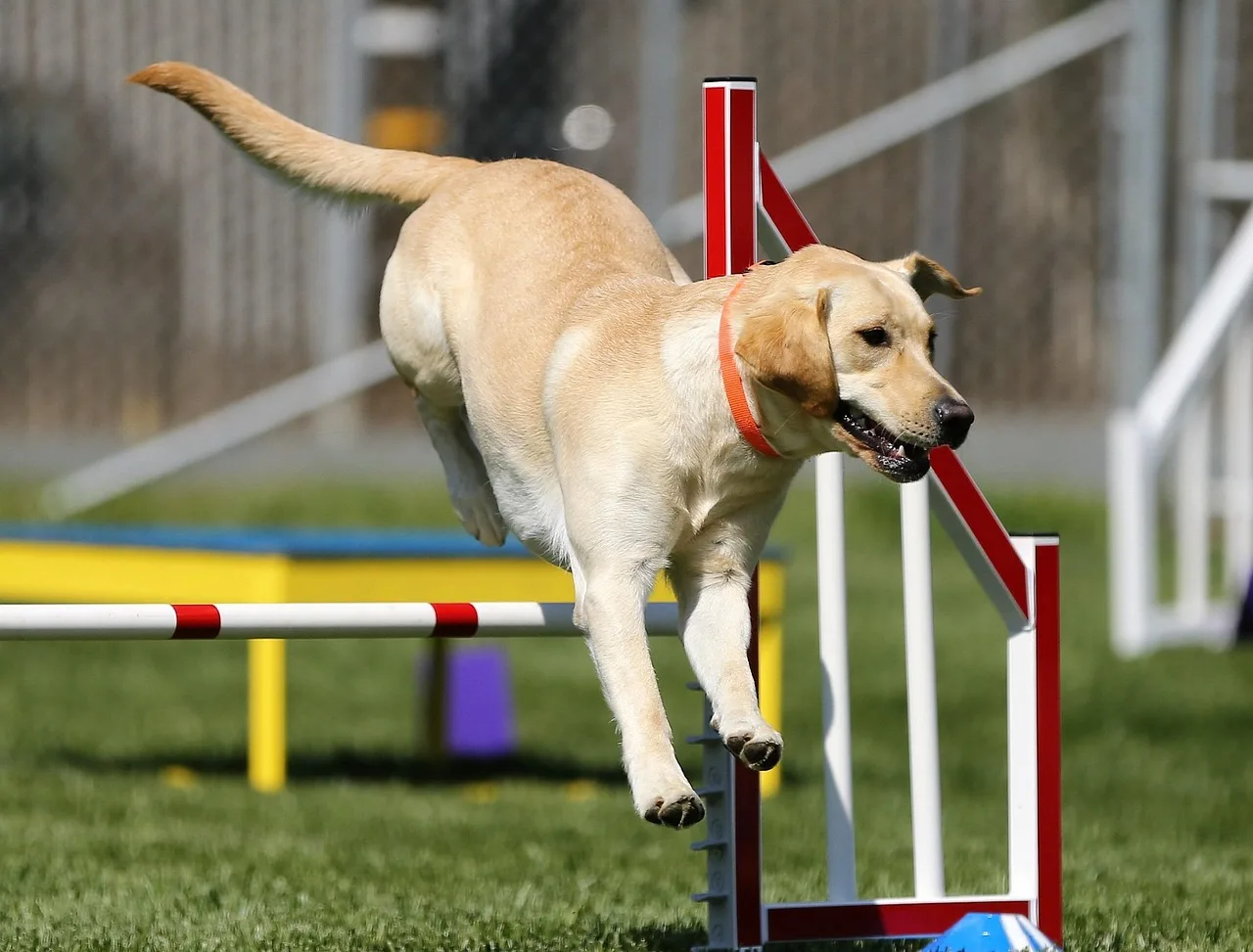
Here’s a fact for trivia night: the Labrador Retriever comes from Newfoundland, not Labrador.
The Lab was a latecomer too. It first reached the top ten in the 1970s at No. 9, climbed to No. 3 in the 1980s, then took No. 1 in 1991 and kept it through 2021. In 2006 the Lab had 123,760 registrations, more than double the No. 2 breed.
The French Bulldog ended the run in 2022, finally closing what AKC called “the Labrador Retriever’s 31-year reign.”
The Lab is No. 2 today. If you brought one home in the 1970s, you were ahead of the crowd by about twenty years.
#20 The Golden Retriever’s late arrival
It feels like Goldens have always been the dog asleep across the doorway. They haven’t. The Golden never made a decade top ten in the 1940s, 50s, 60s or 70s.
It broke in for the first time at No. 5 in the 1980s, rose to No. 4 in the 1990s, and sits at No. 3 in 2025, ahead of the German Shepherd.
So if you had a Golden before then, you had something unusual. The dog that now seems like everybody’s family dog was a fresh face in the 1980s. If you want one now, the breed’s national club asks breeders for hip, elbow, heart and eye reports on the dogs they breed, so ask to see all four for both parents.
#19 101 Dalmatians and the shelter surge after
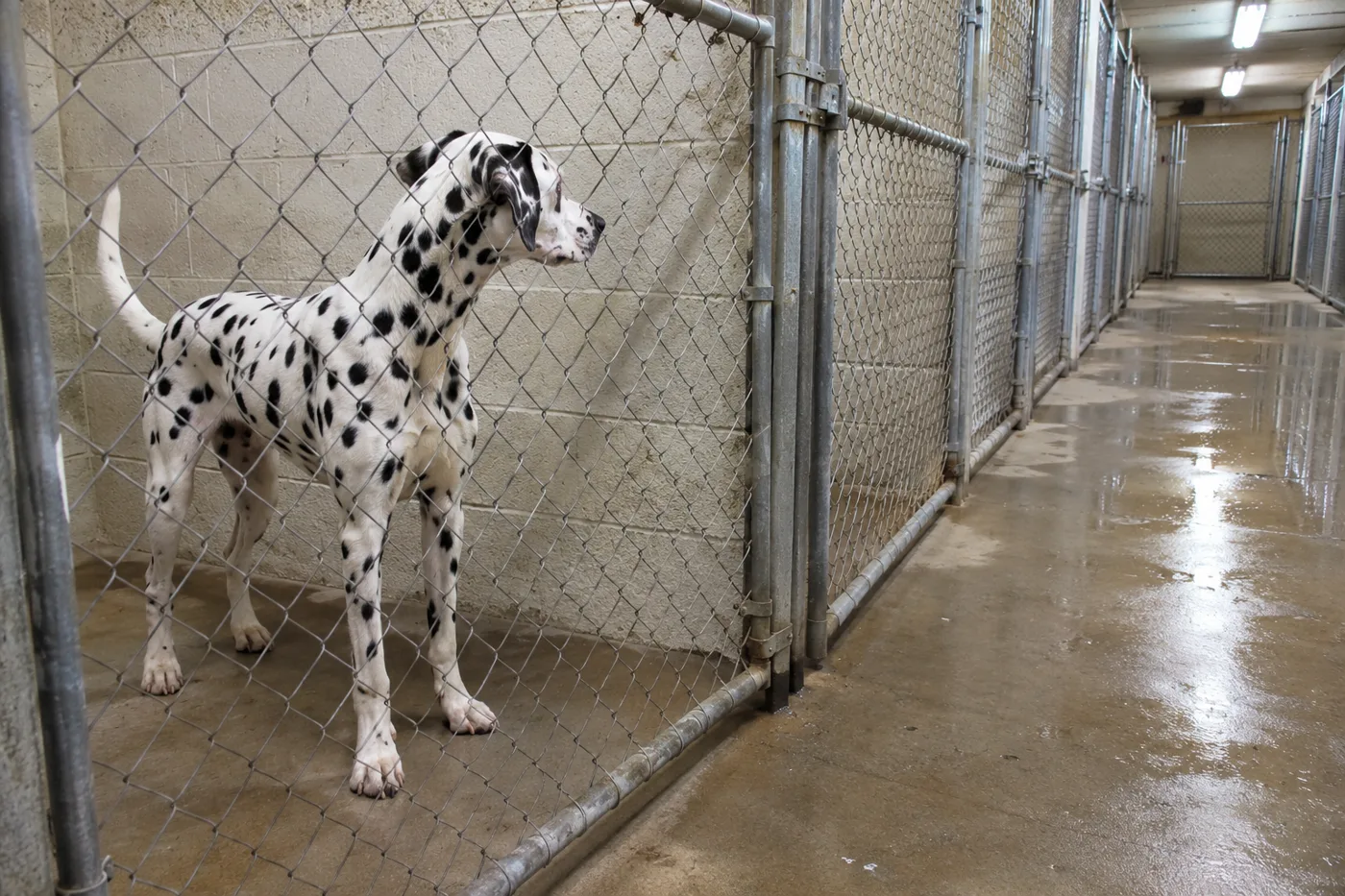
If you ever came out of a dog movie wanting the dog on the poster, you had a lot of company. A 2014 study matched 29 dog movies against AKC records from 1926 to 2005 and found that a hit film often lifted its breed’s popularity for up to ten years. The ten biggest films added more than 800,000 registrations beyond what anyone would have expected. 101 Dalmatians was one of the films studied.
You can see what that meant after Disney’s 1996 live-action remake. By September 1997, US shelters were reporting sharp rises in unwanted Dalmatians. Some saw the numbers more than double. Dade and Broward counties in Florida saw up to 35% more. A Dalmatian puppy sold for $200 to $250 that year. A puppy is easy to buy at that price, and an energetic spotted adolescent is much harder to keep.
Leslie Isom of the Humane Society of the United States said at the time: “This is exactly what we had feared.”
The Dalmatian is No. 50 in 2025. If you loved the cartoon as a kid, a fiftieth-place breed is a good place to be. The people breeding them now are the ones who stayed after the fad.
#18 The Afghan Hound’s 1970s glamour collapse
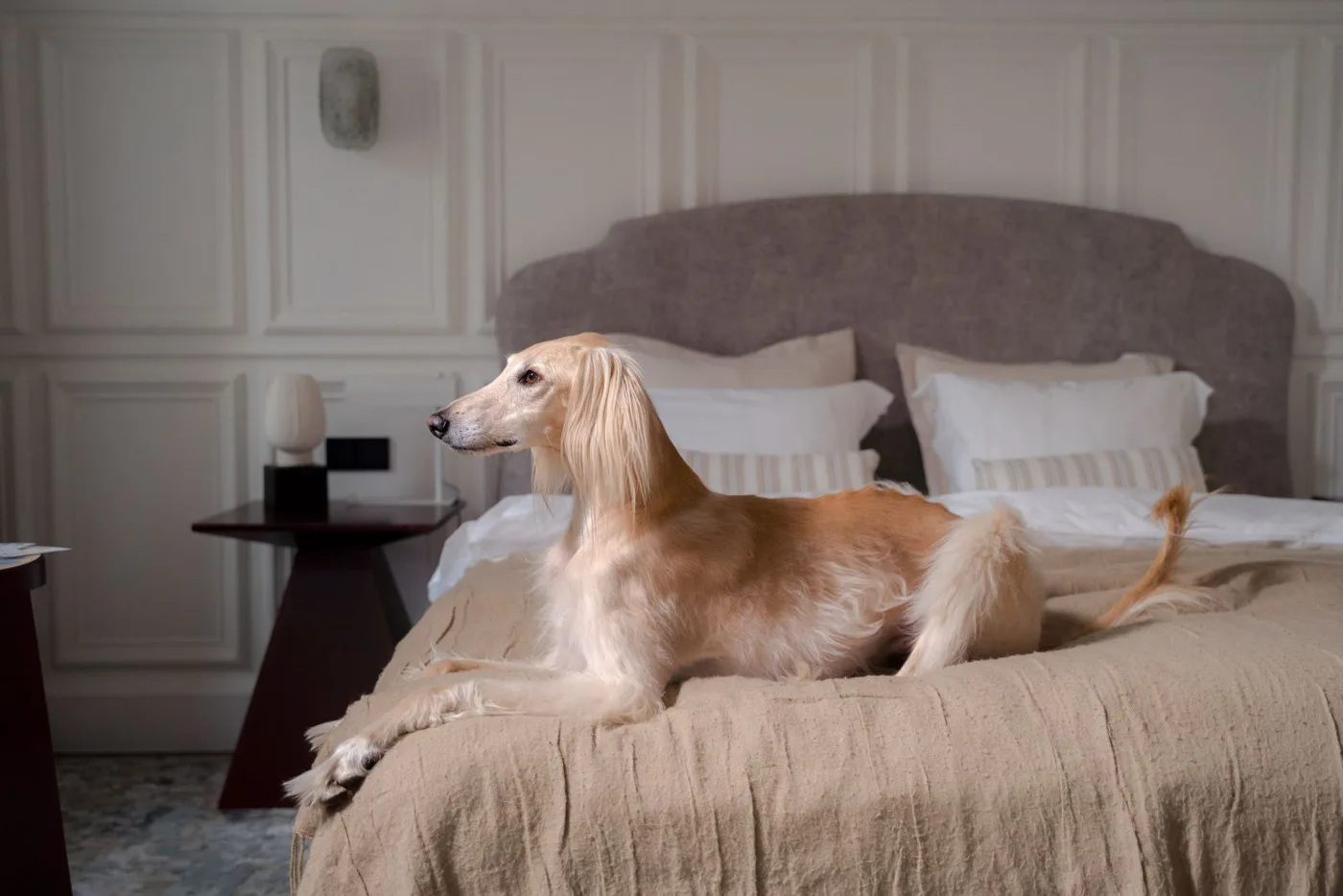
In the 1970s, the Afghan Hound was the dog you’d picture in a penthouse, with a coat like a fur stole that moved when the dog walked. Its rise and fall is one of the cleanest booms and busts in American dog history.
The registration numbers, from the breed club – 1965: 1,820 – 1974, the peak: 10,918 – 1990: 1,690 – 2022: 266, about one-fortieth of the peak
The slide had already started when the breed won its biggest prize. Registrations were down to 6,259 by 1980, and three years later an Afghan, Ch. Kabiks The Challenger, won Westminster. The ribbon came too late to bring the fans back.
The Afghan Hound Club of America keeps those figures. The breed is No. 117 in 2025. That famous coat still takes work: the club says most show coats need bathing and grooming twice a week. If you’ve wanted one since your bell-bottom days, you’ll be joining a small group of people who care about it a great deal.
#17 The postwar Boxer and its champion
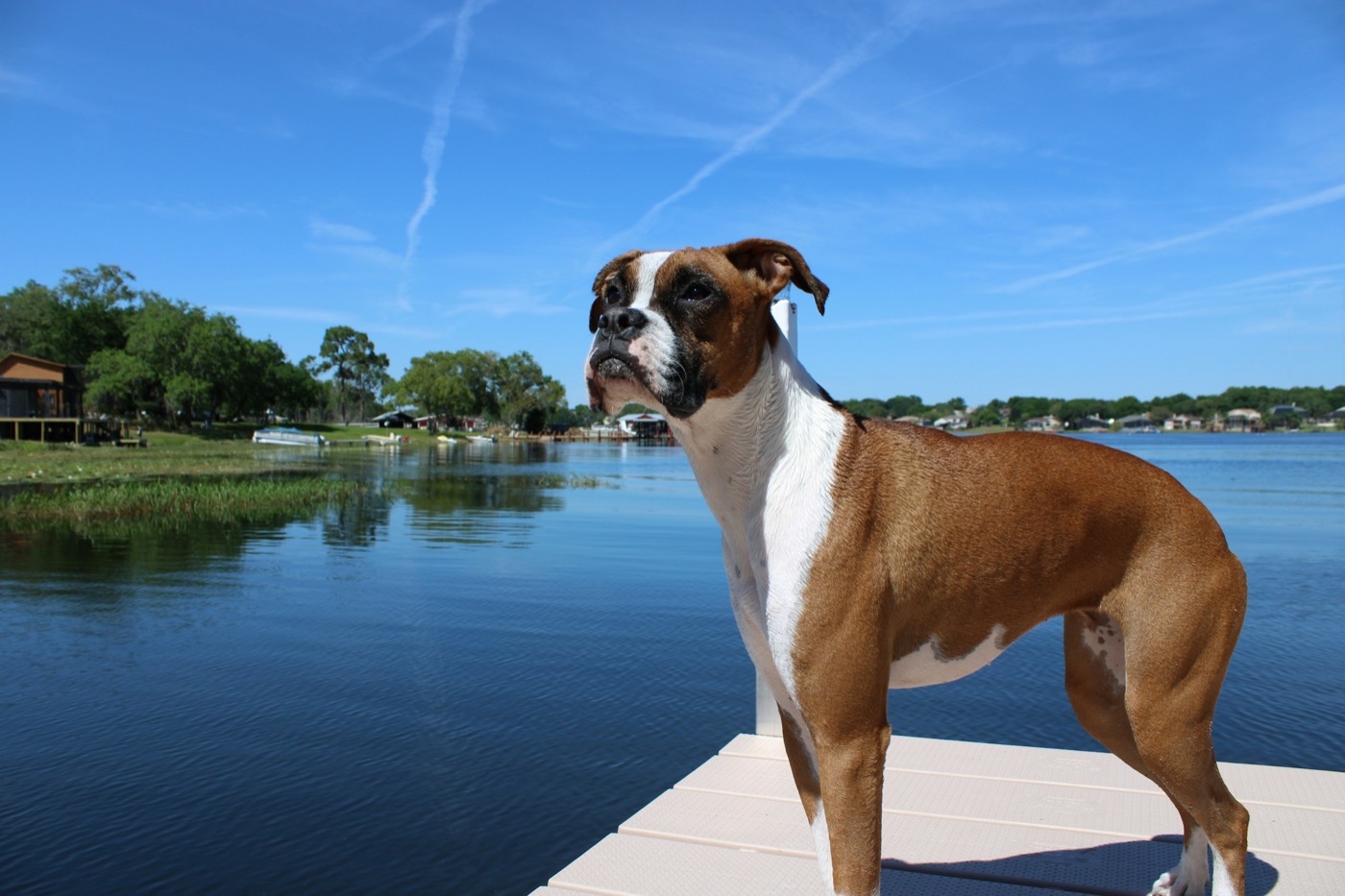
Most dogs are thrilled with a biscuit. Ch. Bang Away of Sirrah Crest won 121 Bests in Show.
He was a Boxer, the Westminster winner in 1951, and AKC says he was “the first dog of any breed to crack the ceiling of 100 Bests in Show.” Boxers had already won Westminster in 1947 and 1949. In the years after the war, if you wanted a dog that looked like a winner, everyone knew which one that was.
The breed was No. 5 in the 1940s and climbed to No. 3 in the 1950s, a rise AKC links partly to Bang Away. The family dogs bounding around postwar backyards owed some of their popularity to one show-ring celebrity.
The Boxer is No. 18 in 2025, well off its 1950s peak.
#16 The Pekingese on its palace cushion
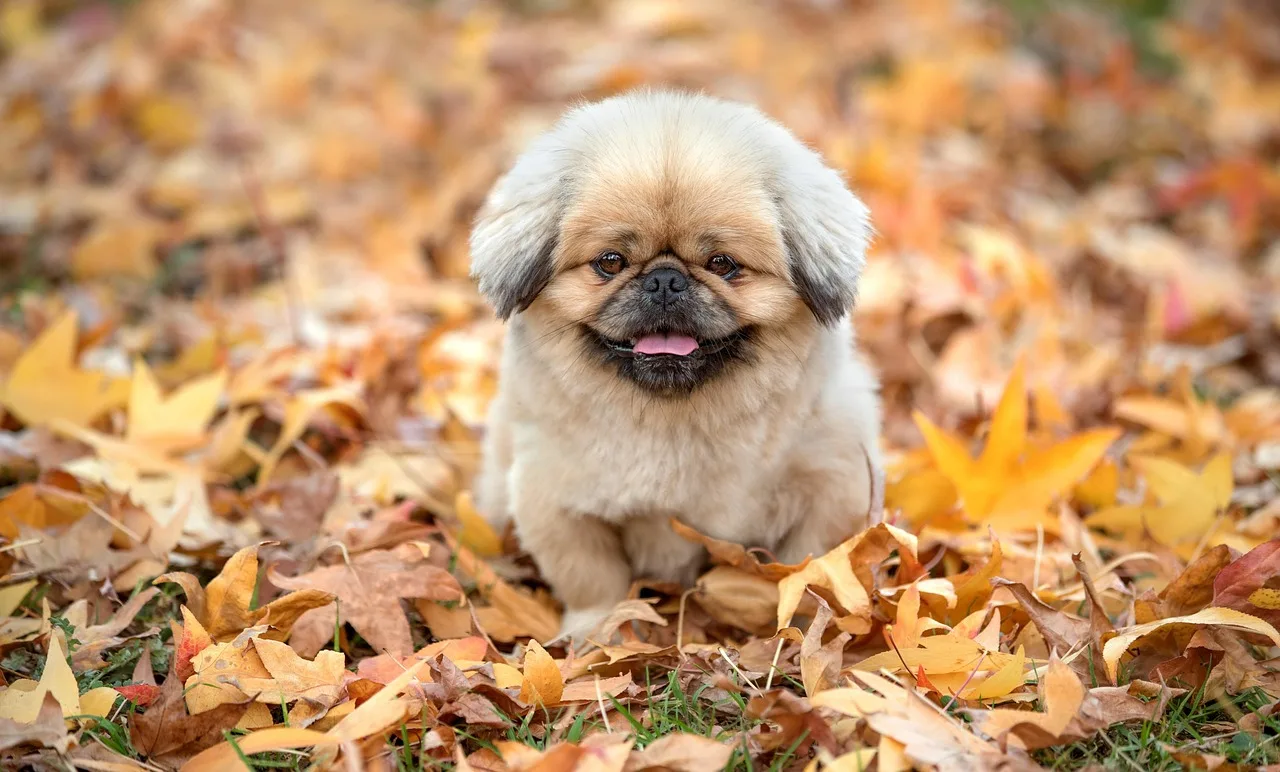
The Peke has the oldest status story on the list. AKC calls it the “Lion Dog”, with records reaching back to China’s Tang Dynasty. In 1860, five Pekingese were taken from Beijing’s Summer Palace, and one, named Looty, went to Queen Victoria. By World War I it was the breed of choice for smart British women.
Americans followed. The Pekingese was No. 7 in the 1940s, No. 10 in the 1950s and No. 6 in the 1960s. A royal dog that would allow you to share the sofa was hard to resist.
Tom Davis, a professional dog trainer, has a warning for anyone who expects obedience: “Asking a Pekingese to do anything can be very insulting.”
The flat face is what owners need to understand now. A University of Cambridge study of UK pet dogs found that only 10.9% of Pekingese tested free of airway disease. Noisy breathing, gagging and tiring quickly are signs to take to a vet, and heat or humidity makes them worse, so plan summers around the dog.
The Pekingese is No. 90 in 2025. It’s still a lapdog with a palace attitude, and it now has fewer subjects.
#15 The Chow Chow’s one wild decade
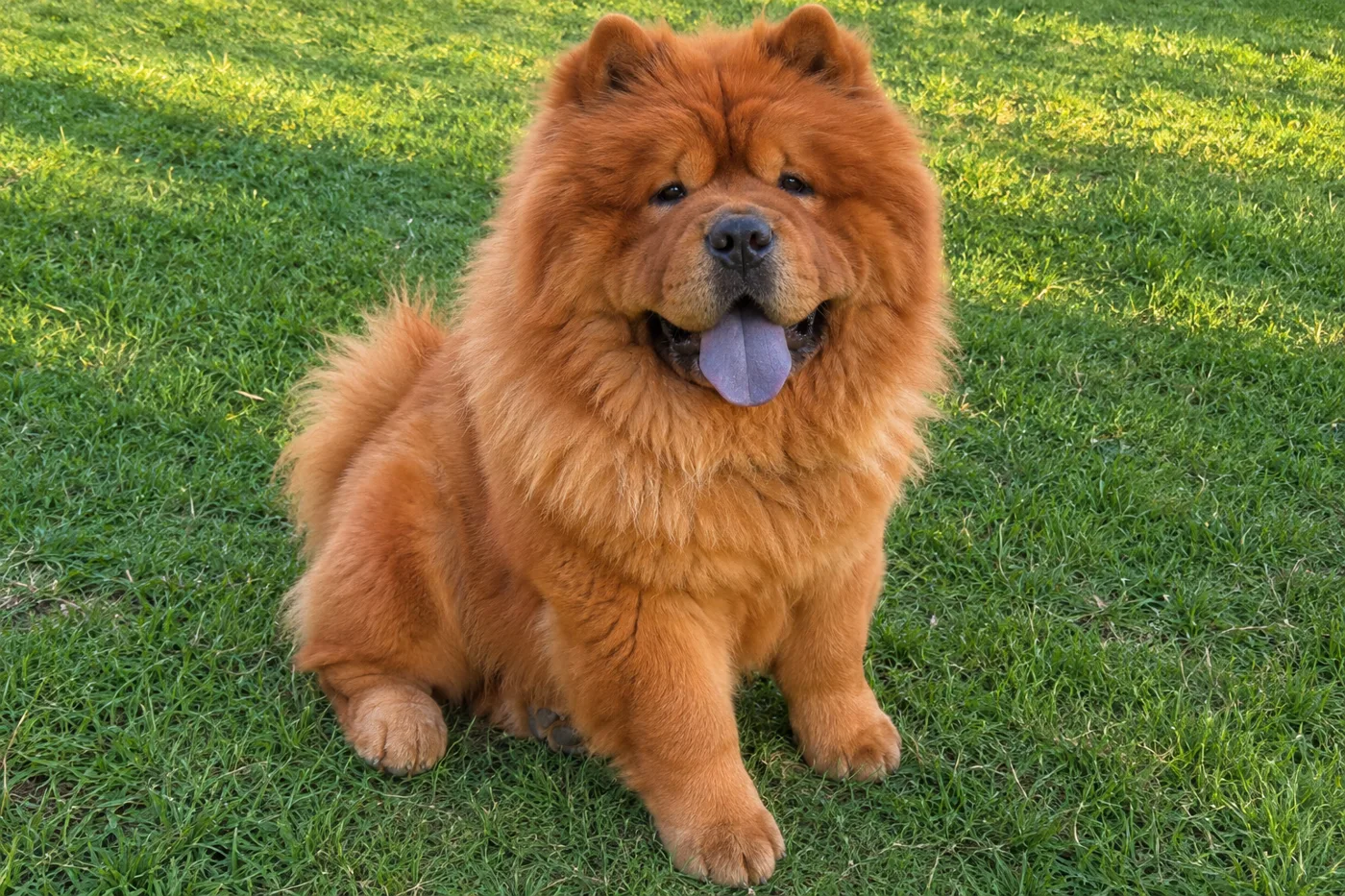
Calvin Coolidge had two Chows, Blackberry and Tiny Tim, and the breed hit No. 3 in the 1920s, its highest rank ever. Then it more or less waited sixty years for a second chance.
That chance came in the 1980s. A regional breed club’s figures show AKC Chow registrations going from 11,739 in 1979 to 50,781 in 1988, up 333%. The Chow made the 1980s top ten at No. 10. If you remember blue-black tongues and teddy-bear faces showing up all over your town around then, this is why.
The drop was just as quick. By 1996 registrations were down to 13,587, so about three of every four were gone in eight years. In 2005 there were 1,673.
The Chow is No. 94 in 2025. It went from a top-ten dog to the nineties in one generation, and now it’s mostly owned by people who picked it on purpose.
#14 The shaggy Old English Sheepdog’s single peak
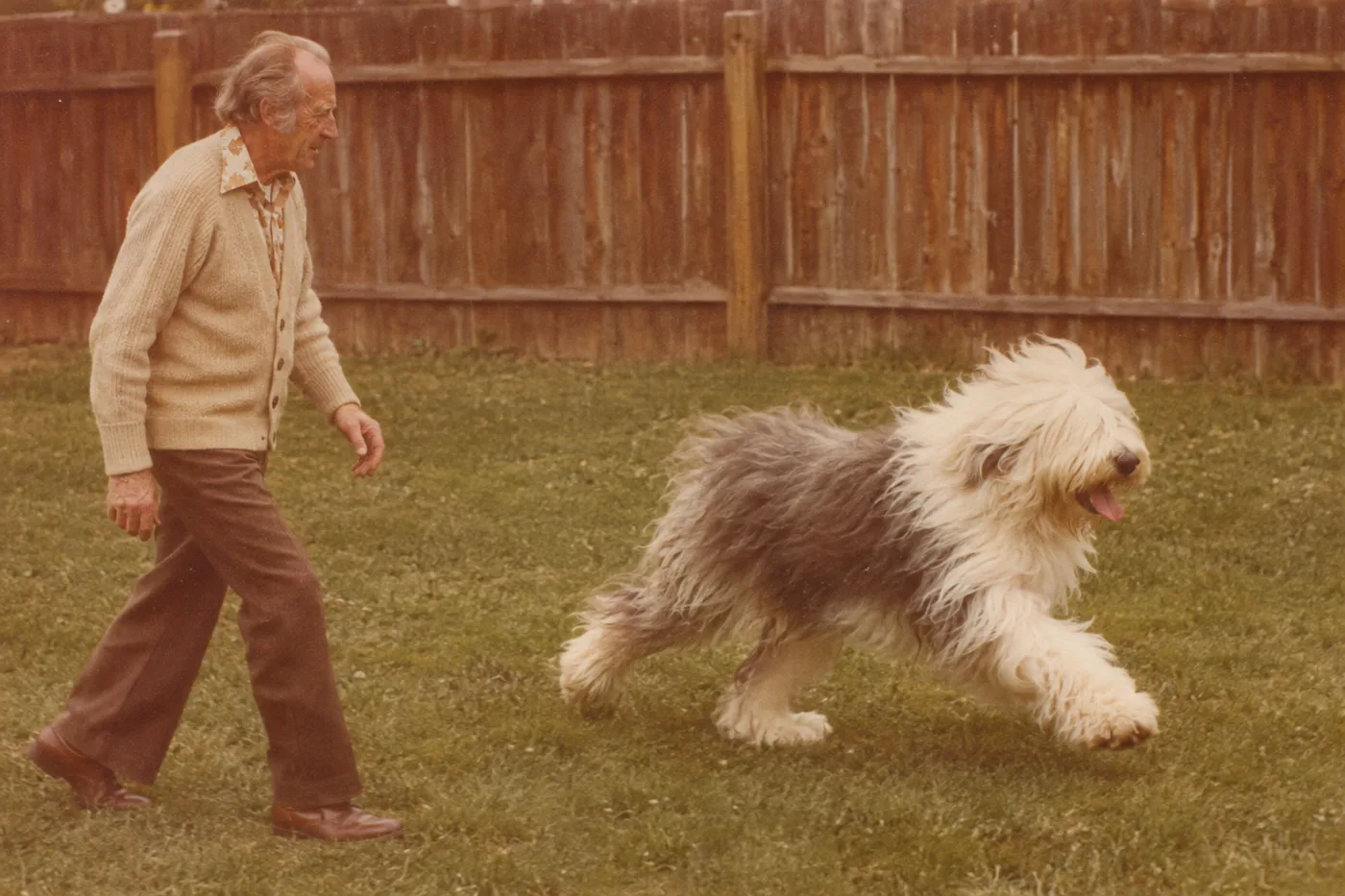
You could never see its eyes, and nobody seemed to mind. The Old English Sheepdog reached the apex of its popularity in 1975, when it ranked 21st in the country. That same year an OES, Ch. Sir Lancelot of Barvan, won Westminster.
It never made a top ten, yet in the 1970s it felt like it was everywhere. A big, shaggy gray-and-white dog bouncing across a lawn will do that.
Then the long fall began: 70th by 2017 and 87th in 2025. Here’s the surprise. In 1931 it ranked 47th, so the breed is less common today than it was before its fad started.
#13 The Weimaraner, built to be a status symbol

Most breeds turned into status symbols by accident. The Weimaraner’s own fans admit the price tag was the point.
A breed club history says it outright: “A Weimaraner was a status symbol and the more it cost to obtain the more status it afforded.” It also tells how the fad ended: “The once rare Gray Ghost ended up ‘free to good home’.”
The breed got a second, gentler kind of fame later. The photographer William Wegman worked first with a Weimaraner named Man Ray, who died in 1982. Fay Ray arrived in 1986, and two years later Wegman’s dogs debuted on Sesame Street.
The Weimaraner is No. 54 in 2025. That’s quiet enough that you probably won’t pass another one on your walk. One famous Weimaraner did make trouble at the White House, and you’ll meet her at #8.
#12 The Shar-Pei, from rarest dog to wrinkle craze
In 1978, Guinness named the Shar-Pei the rarest dog in the world, “with only 60 remaining.”
Five years earlier, a Hong Kong businessman named Matgo Law had made a public appeal to save the breed. People heard him, and they also got a look at the wrinkles. In less than twenty years the breed went from near-extinct curiosity to full AKC recognition in 1992.
Today the Chinese Shar-Pei is No. 80. That puts the world’s rarest dog of 1978 ahead of both the Pekingese and the Chow Chow, two of the most fashionable dogs of the 20th century. If you’re thinking of one, a 2024 UK study put the breed’s life expectancy at 10.6 years, against 12.7 for purebreds overall.
#11 The Miniature Schnauzer’s quiet three-decade run

The Miniature Schnauzer was never the dog people bragged about. It was the one riding calmly in the station wagon while the fad dogs came and went.
It was No. 8 in the 1960s, No. 8 in the 1970s and No. 8 in the 1980s. AKC notes the three straight decades. No movie or president drove that. It came from owners who kept going back to the same breed.
It was still No. 10 in 2006 and is No. 17 in 2025. AKC describes it as 12 to 14 inches, under 20 pounds and “more bark than bite.” It’s a sturdy dog that fits on your lap and has a beard that would impress a sea captain. If you want a small dog that has never been a fad, this is the one.
#10 The Shetland Sheepdog and that bark
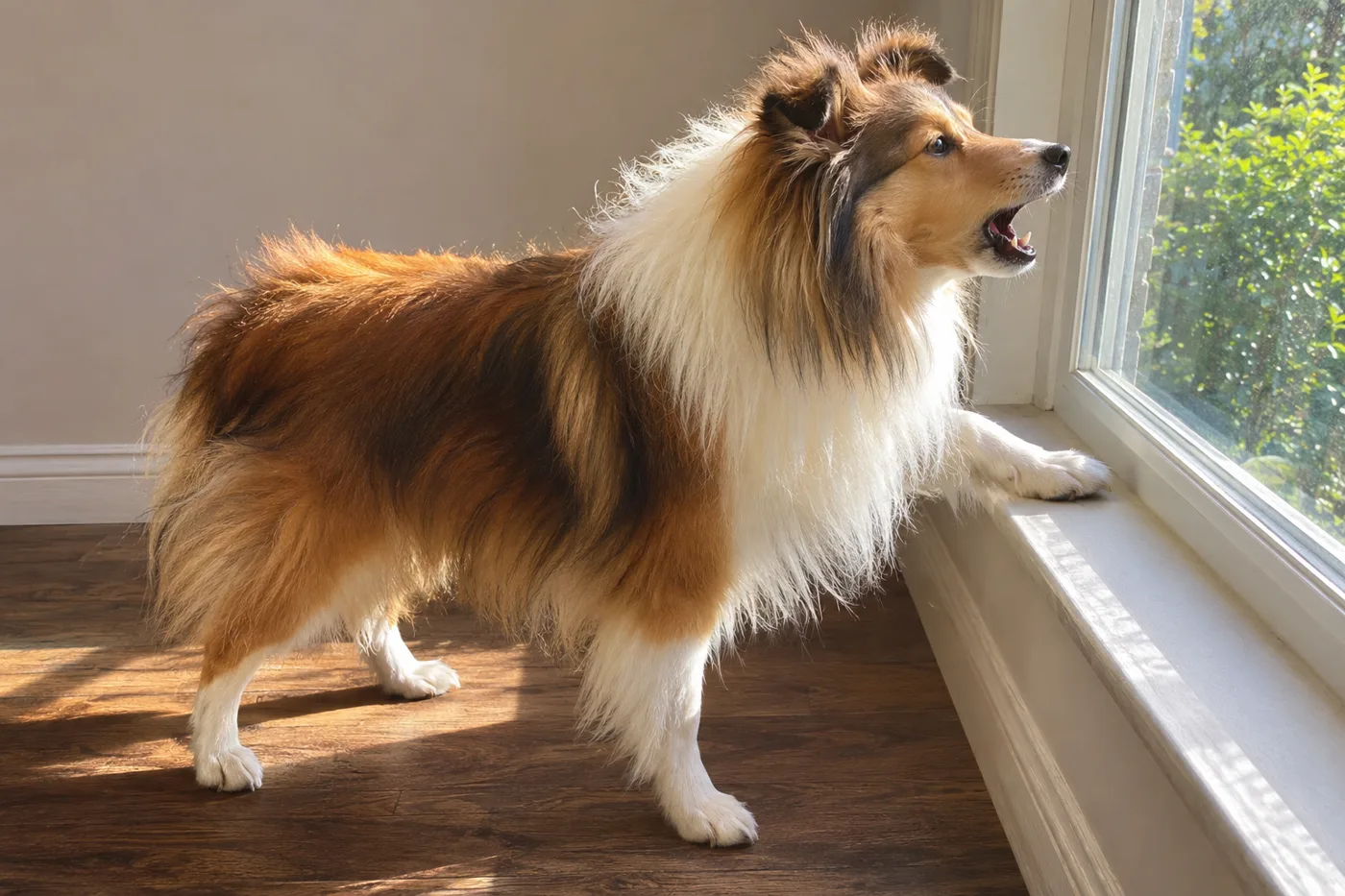
It looks like Lassie shrunk in the wash, and that was the attraction. Shelties stand 13 to 16 inches and weigh under 30 pounds, so you got all that coat in a size you could pick up.
A former Sheltie owner on Reddit’s r/Millennials names the deal-breaker: “It’s the ear piercing, window shattering barking that’ll keep me from having another Sheltie in my life.” Vetstreet says it in five words: “He is also a barker.”
If you have close neighbors or thin walls, take that seriously. Plan on a professional grooming about every six weeks too. The Sheltie is No. 29 in 2025, and the people who own one have decided the noise is part of the deal.
#9 The pet-shop puppy sold “with papers”
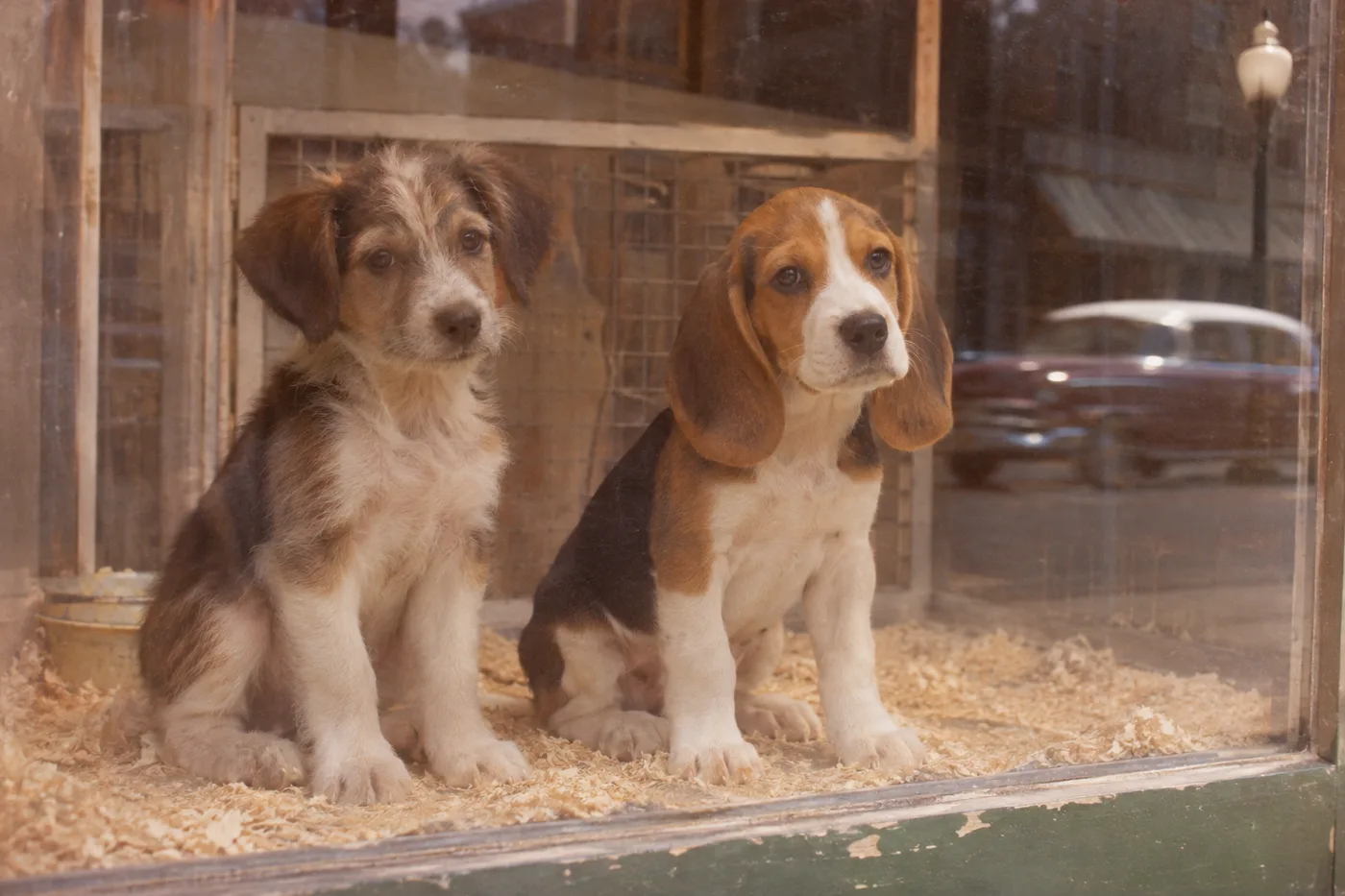
How much is that doggie in the window?
Patti Page’s song went to No. 1 on Billboard on April 4, 1953, stayed there eight weeks and sold more than two million copies. For a lot of families, the puppy behind the glass came with a bonus: papers. A registered dog meant a quality dog, or so the thinking went.
AKC itself says otherwise: “There is a widely held belief that ‘AKC’ or ‘AKC papers’ and quality are one and the same. This is not the case.”
What AKC papers actually prove – The dog’s sire, dam and birth date, and that’s all – Nothing about the dog’s health or temperament – AKC has about 14 field inspectors – Together they run roughly 4,000 inspections a year
That works out to close to 300 visits a year for each inspector. The papers matter for keeping a breed’s records straight. The questions that matter to you, like how the parents’ hips are or how the mother behaves, are things you have to ask yourself.
In 2009 Patti Page recorded a new version, “Do You See That Doggie in the Shelter,” for the Humane Society of the United States. She answered her old question this way: “Today, the answer is ‘too much.'”
#8 White House dogs that made the news
In 1955, Postmaster General Arthur Summerfield gave President Eisenhower a Weimaraner named Heidi. She settled in well, until she had an accident on a $20,000 rug in the Diplomatic Reception Room. After that she was moved to the family’s farm in Gettysburg.
Ike didn’t hold it against her. In 1958 he wrote: “Heidi is definitely an asset to life in the White House.”
Presidential dogs were celebrities in their own right. FDR’s breed, the Scottish Terrier, was No. 10 in the 1940s. The Bushes’ springer spaniel became an author. Millie’s Book sold 400,000 copies, spent 29 weeks on bestseller lists starting in August 1990 and earned $900,000.
#7 The Siberian Husky, today’s TV-driven fad

The old fashionable-dog story didn’t end with the 1980s. Huskies show how it plays out with modern TV.
In August 2017, Peter Dinklage teamed up with PETA to plead with Game of Thrones fans not to buy huskies on impulse: “make sure you’re prepared for such a tremendous responsibility.” When an actor has to ask fans to stop buying the dog, the fad is already well along.
Tom Davis, the trainer from #16, explains the problem in one line:
“If you don’t give a husky a job, they will invent one.” (Tom Davis, professional dog trainer)
He means digging, jumping fences and escaping. On Reddit’s r/dogs, dog people tracking the trend breeds in their own neighborhoods say young, poorly trained Huskies are the surest sign a fad has arrived. They say Malinois and Dobermans come next.
Climate matters too. In a 2019 to 2020 survey of 624 Brazilian husky owners, nearly all walked their dogs at cooler times of day, and owners felt the breed was poorly adapted to heat. If you live somewhere hot, that’s worth weighing before you choose a Husky.
The Husky is No. 30 in 2025.
#6 The Irish Setter’s rocket rise and crash
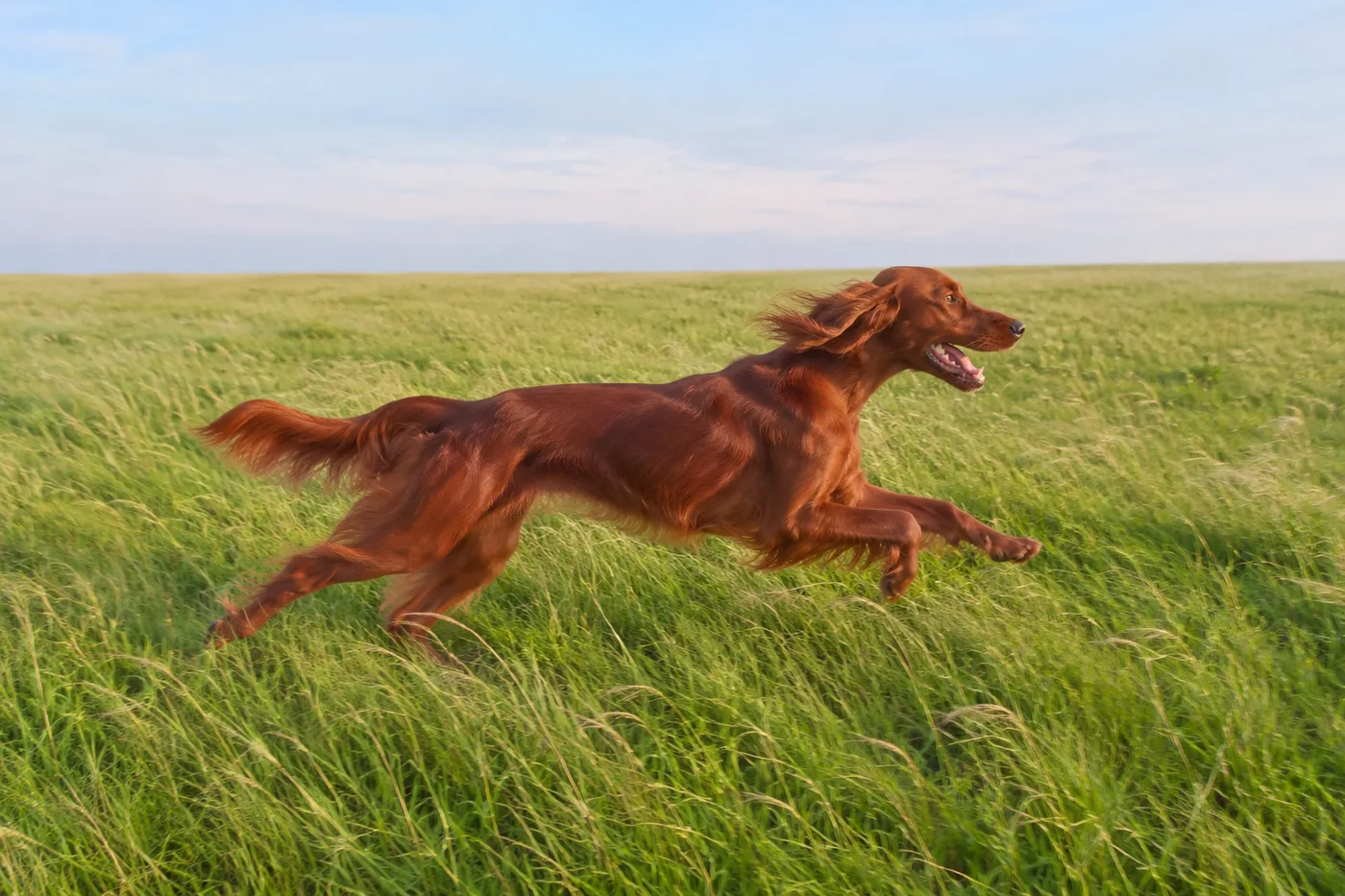
In 1961, about 2,500 Irish Setters were registered with AKC. By 1974, there were more than 60,000. By 1986, there were 3,000.
Those figures come from a 2013 study, and the researchers drew a clear conclusion: “fashion (social influence) has been more important than function.” The dog didn’t change and its job didn’t change. People just stopped wanting it in big numbers. Between 1974 and 1986 the breed lost about 19 of every 20 registrations.
1974 was a big year for fads. It was also the year the Afghan Hound peaked.
The same study found something that’s hard to read: “breeds with more inherited disorders have been more popular, rather than less popular.” Popularity has not reliably tracked with health. A broader look at nearly 49 million puppy registrations from 1946 to 2003 found nine breeds with booms lasting about 14 years on average, with rises averaging 3,200%, each “immediately followed” by an equally steep fall.
The Irish Setter was No. 6 in the 1970s. It’s No. 73 in 2025, red coat and all.
#5 The 1970s Doberman and its vanishing breeders
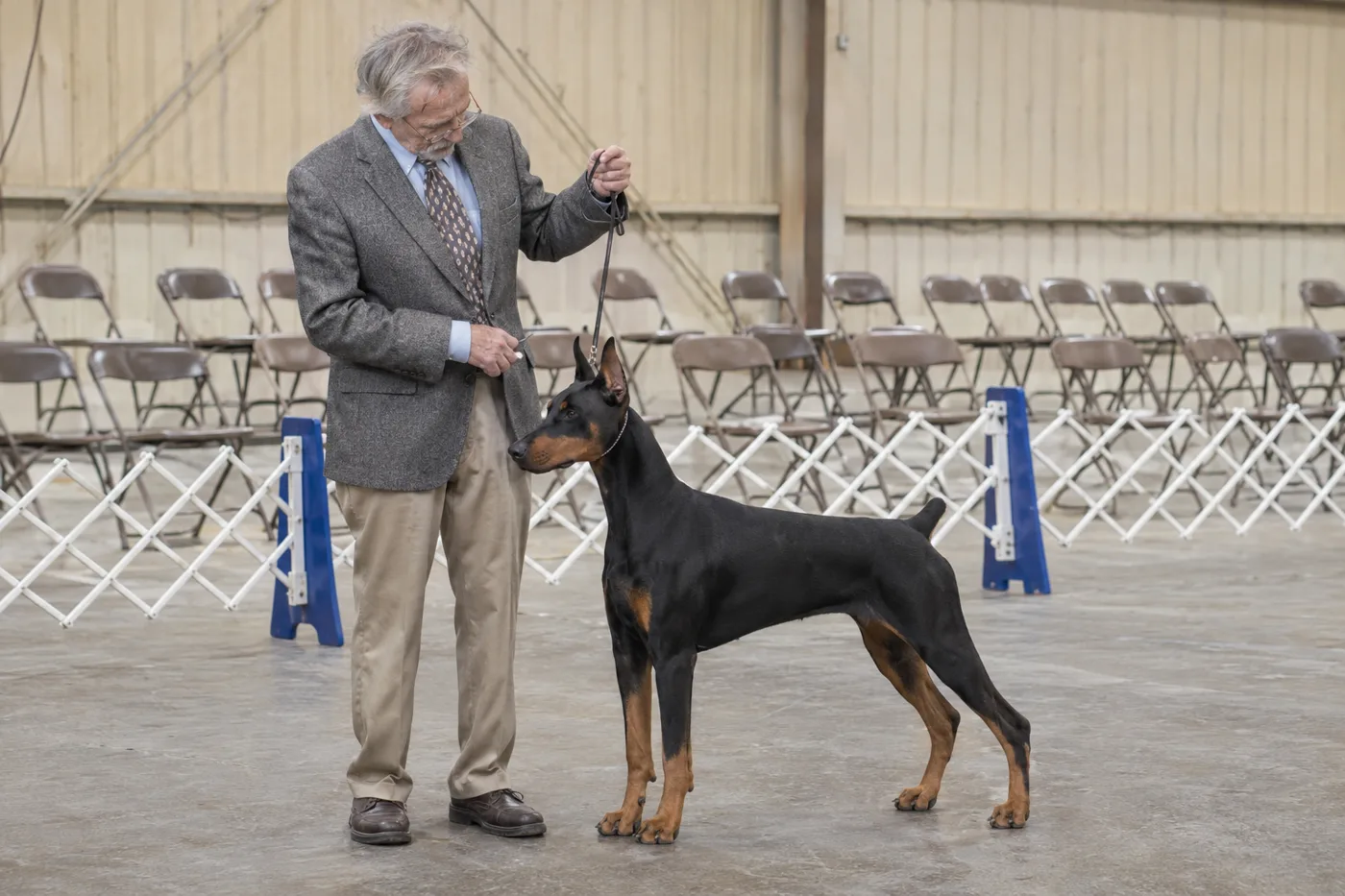
The Doberman entered the top ten in the 1970s at No. 3, right behind the Poodle and German Shepherd. It was the sleek, alert dog you wanted on guard. A Doberman, Ch. Rancho Dobe’s Storm, had already won Westminster back in 1952.
The surprise is what happened to the people who breed them. Faye Strauss, a Doberman Pinscher Club of America president, wrote in an AKC column updated in 2021 that specialty shows (shows for one breed only) used to draw more than 100 entries. Now they struggle to reach 40. National shows that once drew 700 to 1,000 dogs now draw about 300.
Her question for the breed: “Where would our breed be if all we have are rescue homes…and no people to breed our dogs?”
Would-be owners are running into that. On r/dogs, two people say they wanted a Doberman but gave up because they couldn’t find a decent breeder.
The Doberman is No. 15 in 2025. If you want one, expect a waiting list and a breeder who asks you as many questions as you ask them.
#4 The Cane Corso, today’s “too much dog”

Every decade gets its big, impressive dog. This decade’s is the Cane Corso, which is No. 11 in the 2025 rankings, just outside the top ten.
AKC describes it as close to 28 inches and often over 100 pounds. It also says the breed is “generally not recommended for first-time owners due to their size, strength, and need for structured training.”
A trainer on the American Standard Dog Training channel, who says he has over 20 years of experience training police and pet dogs, puts it more simply:
“As much as these dogs are amazing, they’re too much dog for most people.”
He doesn’t say never. He says do real research first, buy from a reputable breeder and commit to serious training and socialization. If you raised a 1970s Doberman or a Rottweiler, you have some idea what that involves. If you didn’t, a Cane Corso is a hard place to start.
#3 The French Bulldog, old lapdog turned No. 1

Before it was everyone’s apartment dog, the Frenchie belonged to the Gilded Age. The French Bull Dog Club of America was founded on April 5, 1897, after an argument about ears at Westminster. Its first specialty show was held at the Waldorf-Astoria in 1898, and its leaders included a Belmont, a Whitney, a Roosevelt and some Vanderbilts.
Then it went quiet for about a century. The Frenchie didn’t make a single AKC decade top ten. In 2012 it was 14th. Registrations then rose more than 1,000%, and in 2022 it became No. 1 for the first time in history. The 2025 list is its fourth straight year at the top.
The health side is what owners should know. In a Cambridge study of 214 French Bulldogs in the UK, 58.9% were graded clinically affected by breathing problems, and narrow, pinched nostrils were one of the clearest risk factors. The researchers also found that about 60% of owners don’t recognize the signs. The snoring that sounds cute can be the problem, so ask your vet to check the dog’s airway.
Dr. Orion, a veterinarian and veterinary behavior specialist, leaves every flat-faced breed off his own favorites list. About Frenchies he says: “They have so many potential medical issues. Not worth it.” Many owners disagree and love their dogs. If you’re one of them and your dog is young, ask your vet about its airway early: Cornell’s canine health center says surgery before age 2 leads to better outcomes.
#2 The doodle craze and the hypoallergenic myth
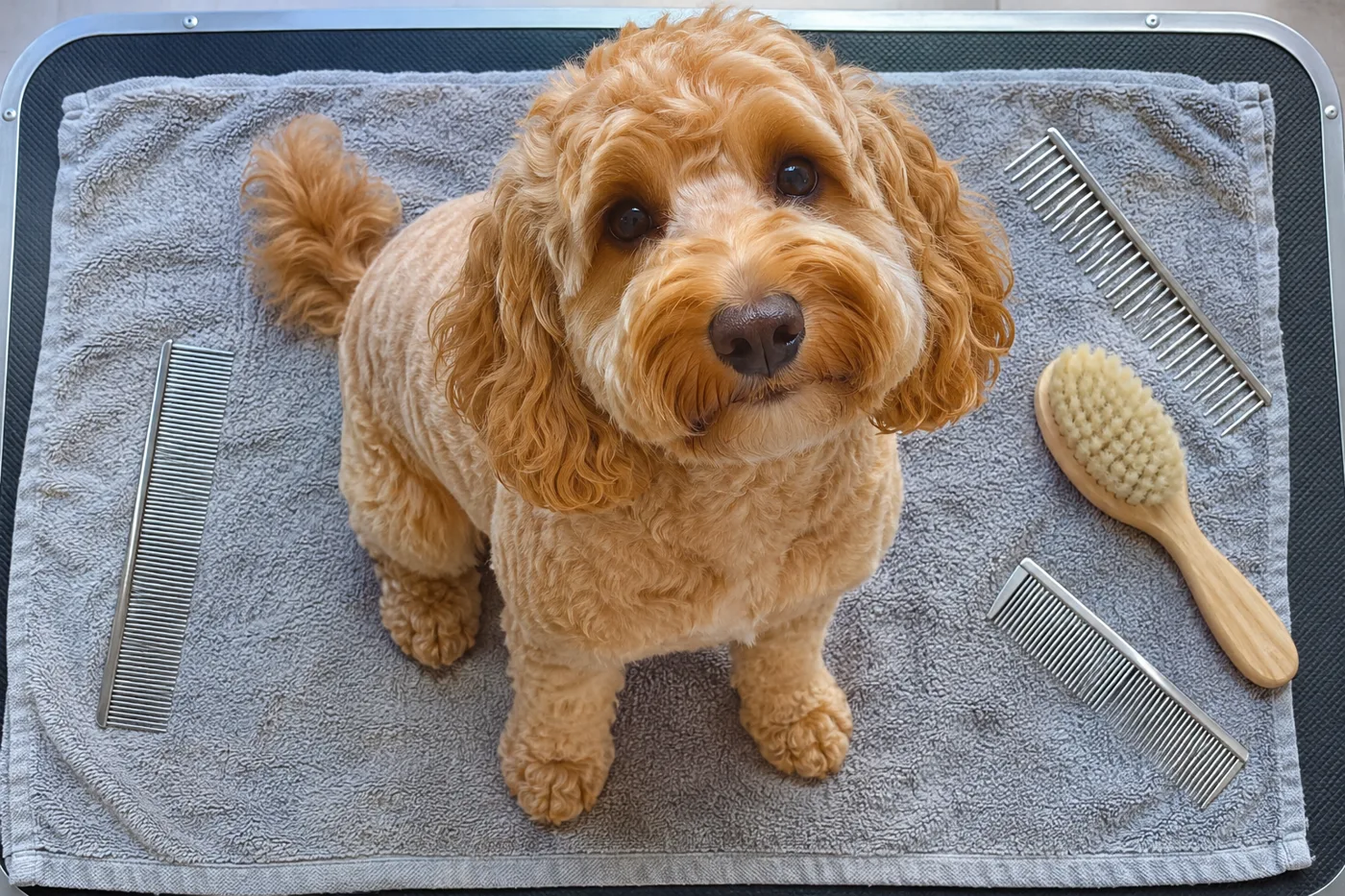
The cockapoo got there first. The Boston Globe says it was first bred in the 1950s and calls it “the original hybrid.” If you knew one in the 60s, you met the designer dog decades before anyone used the term.
The Labradoodle came along in 1989. Wally Conron, breeding manager for the Royal Guide Dogs Association of Australia, bred it for a blind woman in Hawaii whose husband was allergic to dogs. Thirty years later he regretted it: “I opened a Pandora’s box and released a Frankenstein’s monster.”
The promise is what made doodles a status dog: no shedding, no allergies, no fuss. Dr. Rachel, a veterinarian in Texas, doesn’t hold back: “A lot of people get them because they think they’re hypoallergenic and they don’t shed and they’re low maintenance and this couldn’t be further from the truth.”
Many doodles carry shedding genes, need frequent grooming and have temperaments that are hard to predict. As she says, “You really don’t know what you’re getting with the mix.”
Owners on Reddit’s r/dogs say the craze never ended and just moved on to rarer crosses.
You won’t find a doodle in the AKC rankings at all, because AKC only ranks its recognized breeds. If allergies are your reason for wanting one, spend time with the actual adult dog before you decide.
#1 The only two breeds that never left the top ten
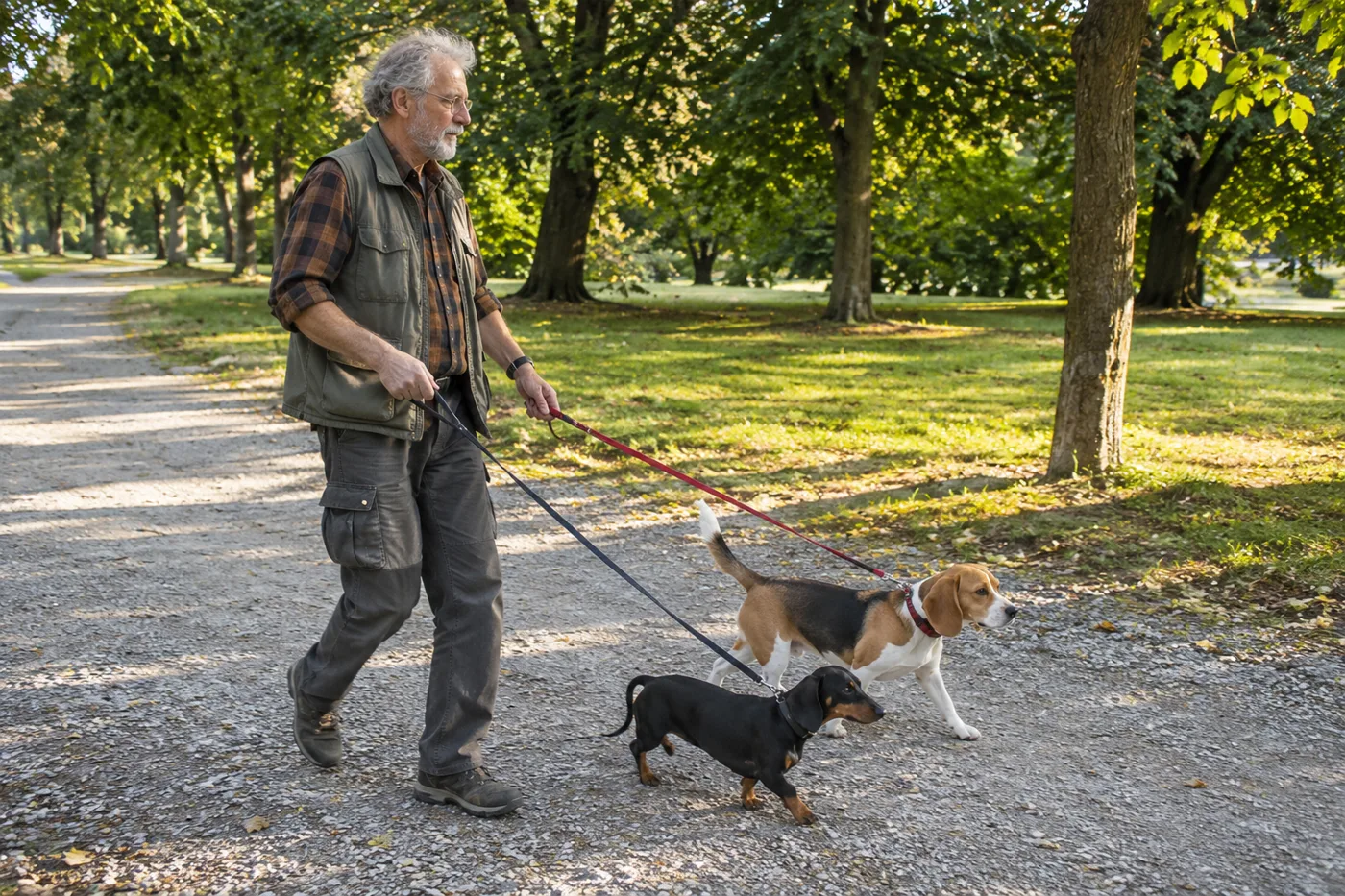
We lined up seven AKC top-ten lists: the decade lists from the 1940s through the 1990s, plus 2025. Collies, Pekingese, Chows, Irish Setters and even the 1990s Pomeranian came and went.
Only the Beagle and the Dachshund appear on all seven.
The Beagle you already know about from #24. The Dachshund is the bigger surprise, because it survived worse than a fad going out of style. During World War I, dachshunds were linked to the Kaiser and were “virtually driven off the streets of Cincinnati”. People mocked them as “liberty pups,” in the same years hamburgers were renamed “liberty sandwiches.”
The breed came back. It was No. 6 in the 1940s and No. 4 in the 1960s, and in 1972 a dachshund named Waldi became the first Olympic mascot, at the Munich Games. It’s No. 5 in 2025.
Then and now – Cocker Spaniel: No. 1 in the 1940s and 1980s, No. 33 today – Poodle: No. 1 in the 1960s and 1970s, No. 6 today – Labrador: No. 1 in the 1990s, No. 2 today – French Bulldog: in no decade top ten, No. 1 today
Being popular for a long time comes with its own homework. Dr. Rachel suggests keeping Dachshunds from jumping off high places and setting money aside in case the dog ever needs back surgery. The breed is prone to disc trouble, and the pet insurer Trupanion says surgery and recovery together can reach about $8,000.
If there’s a Beagle or a Dachshund at your house, you have one of the only two status dogs the country never got tired of. You can look up where your own breed stands on AKC’s full rankings page.
The bottom line
The dog you wanted most at fifteen probably isn’t the dog you’d pick today, and that’s fine. You’ve changed, and so has the breed.
The dogs that dropped from fame have something going for them now. A Collie at No. 39 or an Afghan at No. 117 isn’t being bred to meet a craze. The people who still breed them mostly do it because they love the breed.
So think about which dog you once wanted people to see you with, and which dog you’d want to spend an ordinary Tuesday afternoon with now. Then look up that second dog’s breed club and start reading.
Bonus: three checks before your next dog
Before you fall for a breed from a movie or a show, look at a picture of the adult dog at two years old, not the puppy.
Look up the breed’s national parent club and ask whether it places adult dogs whose temperament is already known.
If your breed is known for one costly problem, look at insurance early, because most policies won’t cover a condition that has already shown up.
Questions people also ask
What dog breeds are popular now?
The five most popular breeds in AKC’s 2025 rankings are the French Bulldog, Labrador Retriever, Golden Retriever, German Shepherd and Dachshund. The rest of the top ten are the Poodle, Beagle, Rottweiler, German Shorthaired Pointer and Bulldog, with the Cane Corso just outside at No. 11. The list covers AKC’s 202 recognized breeds, so mixes don’t appear. AKC’s 2025 rankings list every breed.
What was the most popular dog breed in the 1970s?
The Poodle was the most popular dog breed of the 1970s, keeping the No. 1 spot it had held through the 1960s. It stayed there until the Cocker Spaniel replaced it in 1983. The rest of the 1970s top five were the German Shepherd, Doberman, Beagle and Dachshund, according to AKC’s 1970s list.
Which dog breeds have stayed popular the longest?
The Beagle and the Dachshund have stayed popular the longest, appearing on every AKC top-ten list from the 1940s through 2025. Our count covers the decade lists from the 1940s through the 1990s plus the 2025 list. AKC says the Beagle has made the top ten every decade since the club’s founding.
Why don’t you see collies anymore?
You see fewer Collies because the breed dropped out of AKC’s top ten after the 1970s, but it is still No. 39 in 2025, so it’s less common, not gone. It left the top ten soon after Lassie, which ran on TV from 1954 to 1973, went off the air. Owners say strangers still call out “Lassie!” when they walk one.
What is a designer dog?
A designer dog is a deliberate cross of two purebred breeds, such as the cockapoo or the Labradoodle. The cockapoo dates to the 1950s, and the first Labradoodle was bred in Australia in 1989. Designer dogs never appear in AKC’s rankings, because AKC ranks only its 202 recognized breeds.
Are mixed breeds healthier than purebreds?
It depends on the condition, so mixed breeds are not automatically healthier. A UC Davis study of more than 90,000 dogs found that 13 of 24 inherited disorders were equally common in purebreds and mixes, 10 were more common in purebreds, and one, a knee ligament tear, was more common in mixes. Ask about the specific problems your breed or mix is known for.