If your dog spends more time pacing the floor, changing positions, or whining than actually sleeping, you’re not alone. Restlessness at night is common in dogs of all ages, but it can be especially frustrating when everyone in the house is ready to wind down for the evening. Fortunately, there are a few simple changes you can make to help your dog wind down and sleep more peacefully. One of the most effective starting points? Ensuring they have a proper place to relax, such as a comfortable dog bed from Dog Friendly Co. that supports their body and helps them feel secure.
Table of Contents
Why Dogs Get Restless at Night
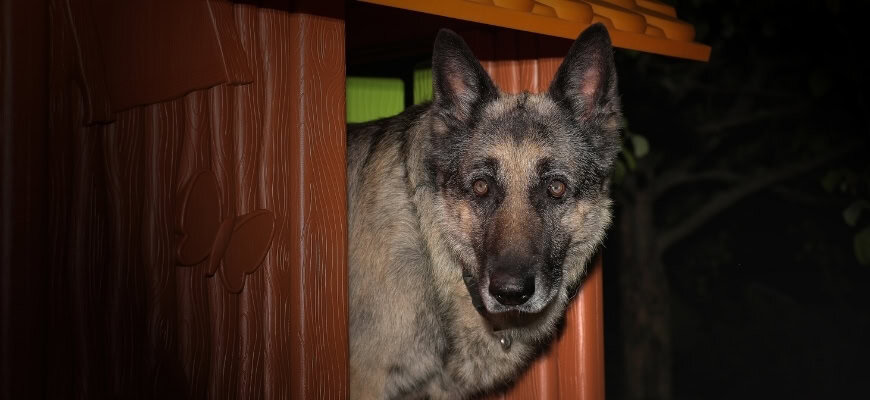
Dogs can become unsettled for various reasons, and the cause often depends on their age, breed, and environment. For puppies, it’s usually a combination of new surroundings and missing their littermates. For adult dogs, it may be pent-up energy or an overstimulating evening routine. Older dogs may experience joint pain, anxiety, or cognitive decline that affects their sleep cycle.
Even healthy, well-behaved dogs can become restless if their sleeping space is uncomfortable or located in a busy part of the house. That’s why the first step to better rest is understanding what’s triggering their behavior, and investing in a comfy dog bed from Dog Friendly Co. can make a significant difference.
Create a Consistent Bedtime Routine
Just like us, dogs benefit from routine. Going to bed at the same time each night helps them anticipate rest and naturally start to wind down. Try establishing a gentle evening rhythm that cues relaxation, such as taking a short walk, using the bathroom, and spending a few minutes in calm bonding time.
Avoid high-energy games or stimulating toys right before bed. Instead, focus on soothing interactions, such as brushing, belly rubs, or quiet time in a dimly lit room. If you feed your dog at night, make sure they have at least an hour between their last meal and bedtime to digest comfortably.
Set the Scene for Rest

A dog’s environment plays a big role in how well they settles. Ensure your dog’s sleeping space is quiet, dark, and free from disruptions such as TV noise or foot traffic. If they sleep in your room, try to limit distractions like bright phone screens or movement during the night.
The sleeping surface matters too. If your dog has been sleeping on the couch, the floor, or an old bed that’s lost its shape, it might be time for an upgrade. Look for beds that are not only soft but also supportive, especially for older dogs or breeds prone to joint issues. Memory foam or orthopaedic beds can make a significant difference, while calming designs with raised sides provide anxious dogs with a cocoon-like space to curl up in.
Burn Off Excess Energy (But Not Too Late)
One of the most common causes of nighttime restlessness is simply that your dog isn’t tired enough. Active breeds and young dogs require plenty of stimulation throughout the day, both physical and mental. Try incorporating puzzle feeders, training exercises, or scent-based games throughout the afternoon and early evening.
That said, avoid intense exercise right before bedtime. A long walk or backyard play session a few hours earlier is ideal. It lets your dog expend energy, but also gives them time to wind down before the house goes quiet.
Don’t Reinforce Restless Behaviour

It’s tempting to give your dog extra attention when they’re pacing or whining at night, especially if they seem upset. But if the restlessness is rooted in habit or attention-seeking, responding can unintentionally reinforce the behaviour.
Instead, try calmly guiding them back to their bed or sleeping area with a gentle command or a soft-spoken cue. Avoid turning it into play or offering treats unless you’re actively training them to stay in bed. Over time, this helps them learn that nighttime is for resting, not socialising.
Consider Health and Age-Related Changes
If your dog’s restlessness is new or has worsened recently, a check-in with your vet is a smart idea. Pain, discomfort, digestive issues, or anxiety can all disrupt sleep. Older dogs, in particular, may develop age-related conditions that make it more challenging for them to settle, such as arthritis or canine cognitive dysfunction (similar to dementia in humans).
Your vet may recommend joint supplements, calming aids, or other adjustments to support better rest. In the meantime, a quality, supportive bed can offer immediate comfort and stability.Helping a restless dog settle at night isn’t just about finding the right bed (though that’s a great place to start). It’s about understanding what your dog needs to feel safe, calm, and comfortable — and making small changes that add up to a more peaceful night for everyone. With consistency, the right environment, and a little patience, your dog can learn to love bedtime as much as you do.