The most popular dog breed by year from 1936 to 1990 in one birth-year table, plus the TV dogs, songs and dog food that went with it, and where that breed ranks today.
Somewhere in your memory a dog’s ears just went up, because somebody reached for the can opener. Maybe that dog had papers and a fancy show name. Maybe it came from a hand-lettered “free puppies” sign at the grocery store. Either way, America was keeping score. If you were born any year from 1936 to 1976, the nation’s No. 1 dog that year was a Cocker Spaniel, a Beagle or a Poodle. Two of them are still in the top 10. The other one fell all the way to No. 33.
Table of Contents
#30 Lassie and the Collie on TV
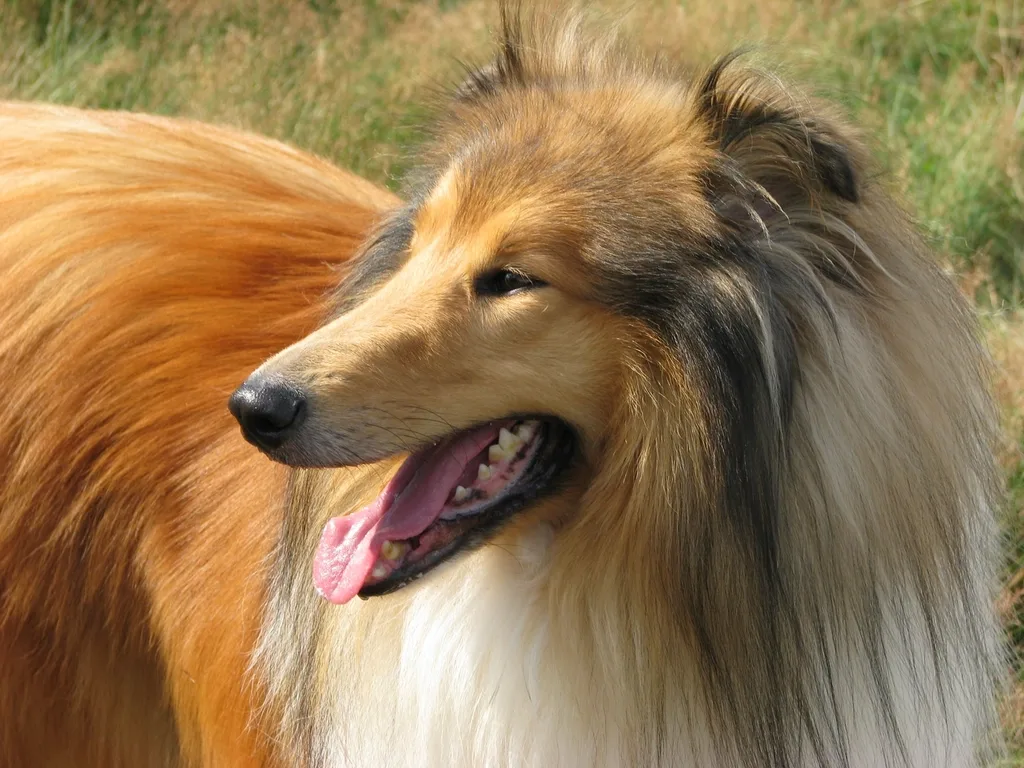
A Collie tears across a field, skids up to the porch, barks twice, and the grown-ups understand every word. Somebody’s trapped, hurt or lost, and Lassie already knows where.
Lassie came on CBS in September 1954, Sunday evenings from 7:00 to 7:30, and stayed on the network until September 1971. Then it kept going in syndication until fall 1974. That’s twenty years of a dog solving problems faster than the adults around her.
She was all over the dime store, too. The AKC traces Lassie’s name and face onto comic books, Big Little Books, View-Master slides, watches and Halloween costumes, and its write-up calls her the birth of modern marketing.
The surprise is the scoreboard. The Collie was No. 4 for the 1940s, before the show ever aired. Then it slid: No. 8 in the 1950s, No. 7 in the 1960s, No. 10 in the 1970s. In 2025 it ranks No. 39.
America loved the Collie on the screen and, by the numbers, brought home something else for the yard.
#29 Snoopy Arrives Before the Beagle’s Reign
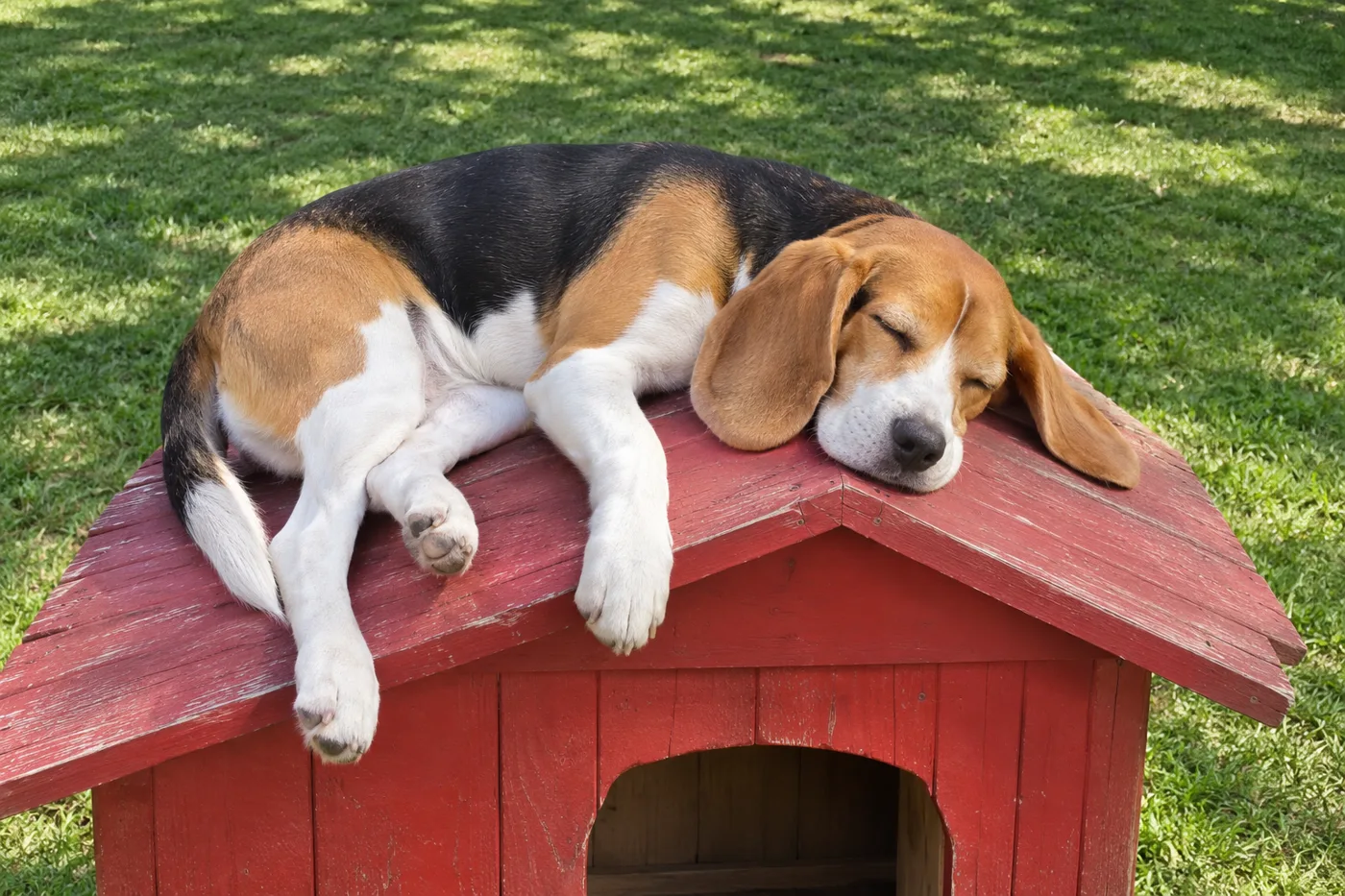
Snoopy was a Beagle before America was. He first turned up in Peanuts on October 4, 1950, got his name in the strip that November, and was inspired by Spike, one of Charles Schulz’s childhood dogs. In 1953 the Beagle became America’s No. 1 breed.
A lot of the Snoopy you picture came later. He first slept on top of his doghouse on December 12, 1958, and the World War I Flying Ace didn’t take to the sky until October 10, 1965. The pup who arrived in 1950 hadn’t done any of that yet.
The AKC doesn’t treat the timing as a fluke. Its own magazine puts it this way: “Not coincidentally, Snoopy makes his first appearance…“
The club also gave him something no flesh-and-blood Beagle can get: an honorary registration number, Beagle-1.
#28 Old Yeller Breaks Your Heart
You knew it was coming the moment somebody on screen said “hydrophobia.” That’s the old word for rabies, and by the last reel the whole theater was sniffling.
Disney released Old Yeller on December 25, 1957, which is a lot to do to families over the holidays. It grossed more than $8 million on its first release and came back to theaters in 1965 and 1974, so a fresh batch of kids got their turn to be wrecked.
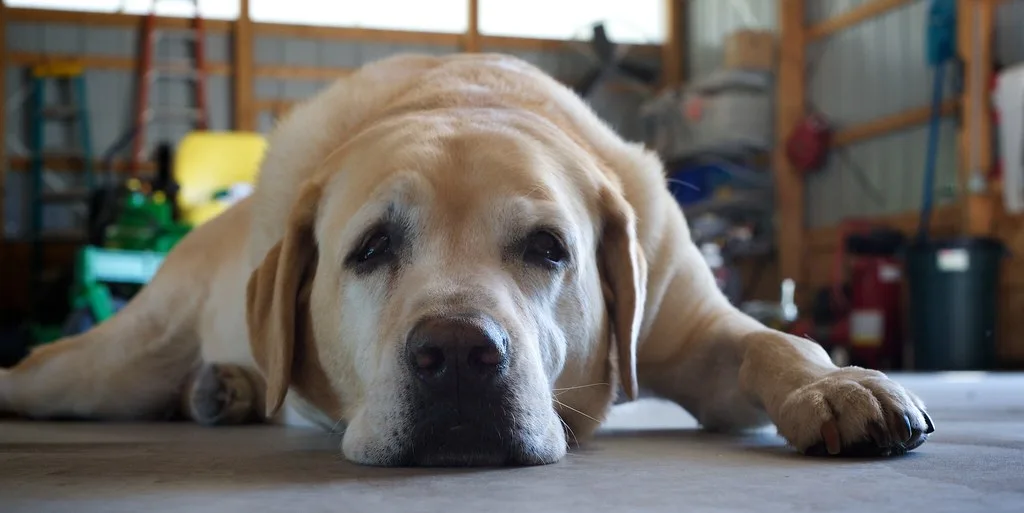
What most of those crying kids never knew: Yeller was played by a big yellow mongrel named Spike, not a purebred. (Yes, another Spike. Dog history is full of them.)
Spike had the hardest acting job in the picture.
#27 The Cocker Spaniel’s First Reign, 1936 to 1952
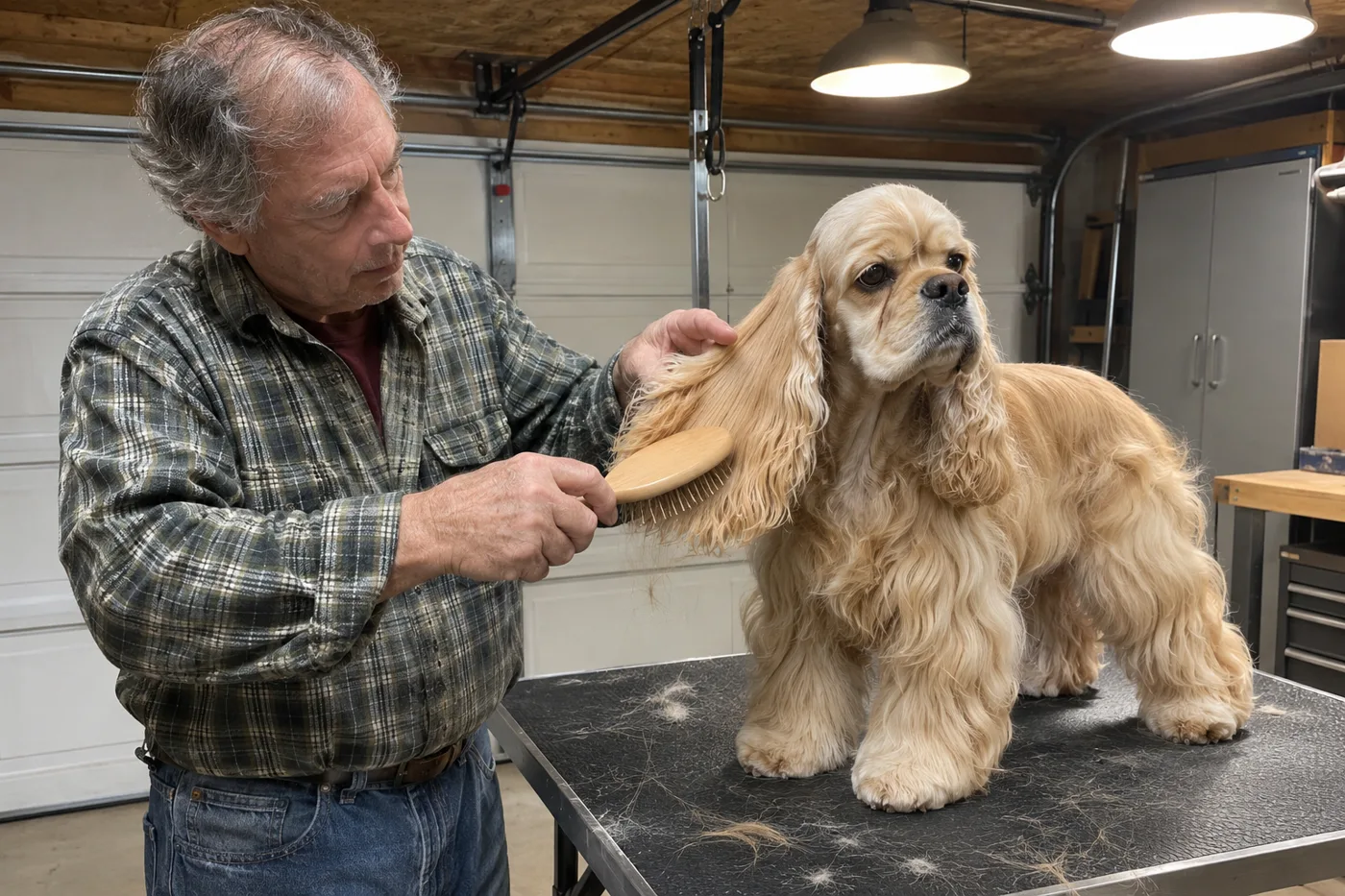
If you were born any year from 1936 through 1952, America’s favorite dog the year you arrived had long ears, soulful eyes and a coat that always needed brushing.
The American Kennel Club (AKC), the country’s purebred registry, ranks breeds by how many dogs are registered each year. Its pages give us the most popular dog breed by year back to 1936, and the AKC says the Cocker Spaniel was No. 1 from 1936 to 1952.
Find your birth year:
| Born | America’s No. 1 dog | Its rank in 2025 |
|---|---|---|
| 1936 to 1952 | Cocker Spaniel | No. 33 |
| 1953 to 1959 | Beagle | No. 7 |
| 1960 to 1982 | Poodle | No. 6 |
| 1983 to 1990 | Cocker Spaniel | No. 33 |
| 1991 to 2021 | Labrador Retriever | No. 2 |
| 2022 to 2025 | French Bulldog | No. 1 |
The 2025 ranks come from the AKC’s full list of 202 breeds. Take every birth year from 1936 to 1976, which covers anyone turning 50 to 90 in 2026, and the Cocker and the Poodle get 17 years each. The Beagle gets 7.
So why the Cocker? The AKC credits a show dog with a name only a breeder could love, “My Own Brucie,” who won Best in Show in the early 1940s and landed on the cover of Life. It calls the 1940s “a pivotal decade for dog ownership,” when families wanted “comfort and stability post-WWII.” A friendly, family-size spaniel fit the bill.
The 1940s top 10, as the AKC lists it:
- Cocker Spaniel
- Beagle
- Boston Terrier
- Collie
- Boxer
- Dachshund
- Pekingese
- Smooth Fox Terrier
- English Springer Spaniel
- Scottish Terrier
In 2025 the Cocker sits at No. 33. If you remember a slightly bigger “Cocker,” it may have been an English Cocker Spaniel, a separate breed since 1946. It ranks No. 35.
#26 The Beagle Years, 1953 to 1959
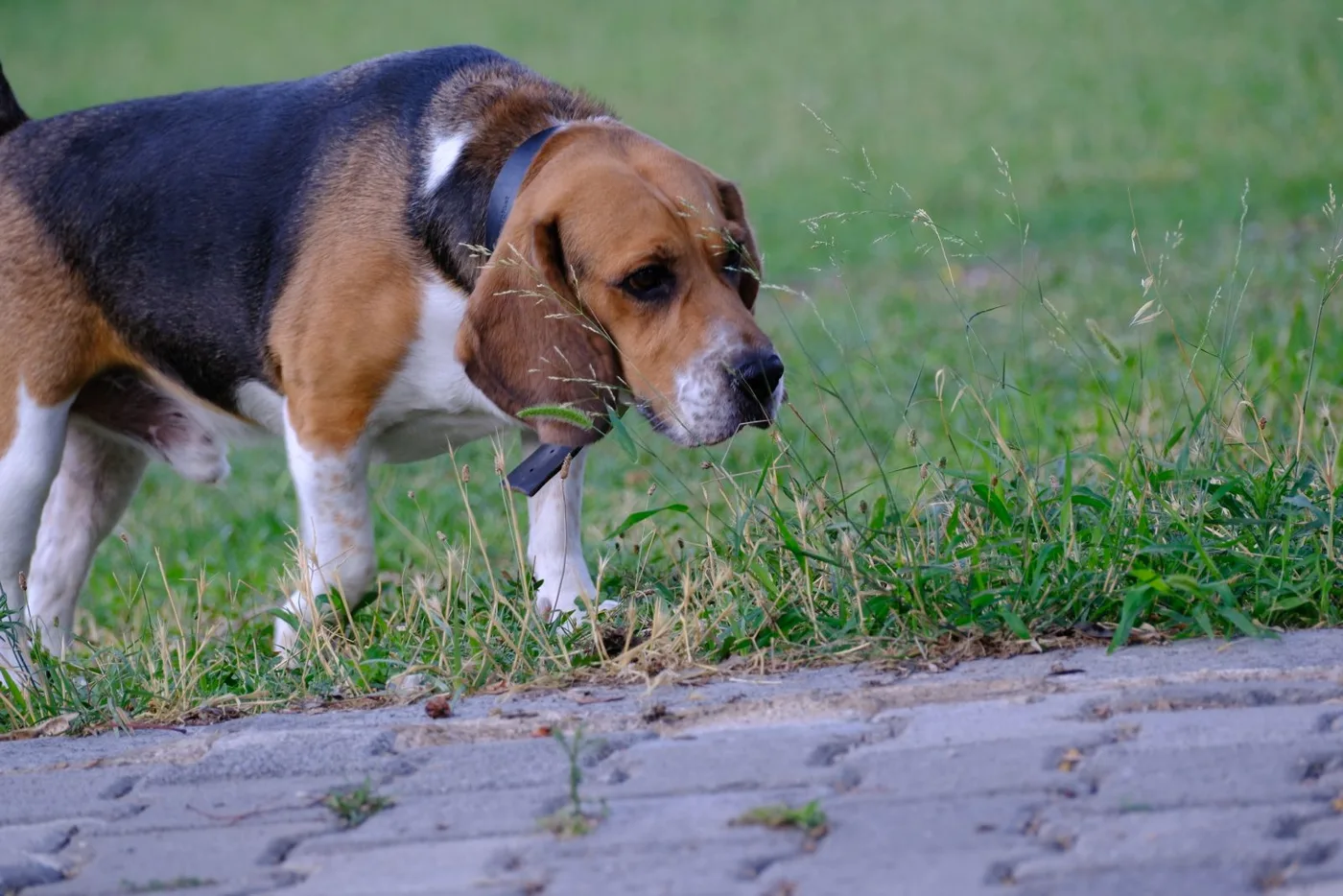
The Beagle waited its turn. It spent six years trailing the Cocker Spaniel, then took over in 1953 and, in the AKC’s words, “reigned as number-one from 1953 to 1959.”
If you grew up anywhere near fields, you know the appeal. The AKC describes the Beagle’s nose as “always on the ready to track… a rabbit in a field,” and anybody who has tried to call one off a scent knows how little else matters to that nose.
The top ten breeds of the 1950s, with a few 2025 ranks for comparison:
- Beagle (No. 7 in 2025)
- Cocker Spaniel (No. 33)
- Boxer
- Chihuahua (No. 24)
- Dachshund (No. 5)
- German Shepherd Dog (No. 4)
- Poodle (No. 6)
- Collie (No. 39)
- Boston Terrier
- Pekingese (No. 90)
Two names on that list came with stories. The Boxer’s climb to No. 3 owes a lot, the AKC says, to Ch. Bang Away of Sirrah Crest (“Ch.” means champion), who won Westminster in 1951. And the Poodle had just cracked the top 10 for the first time. Nobody yet knew what it was about to do.
The steadiest dog of the bunch is the Dachshund: No. 5 in the 1950s and No. 5 again in 2025. The Pekingese went the other way, from No. 10 to No. 90.
The Beagle sits at No. 7 in 2025, still close enough to the top to bay at it.
#25 Nixon’s Cocker Spaniel, Checkers
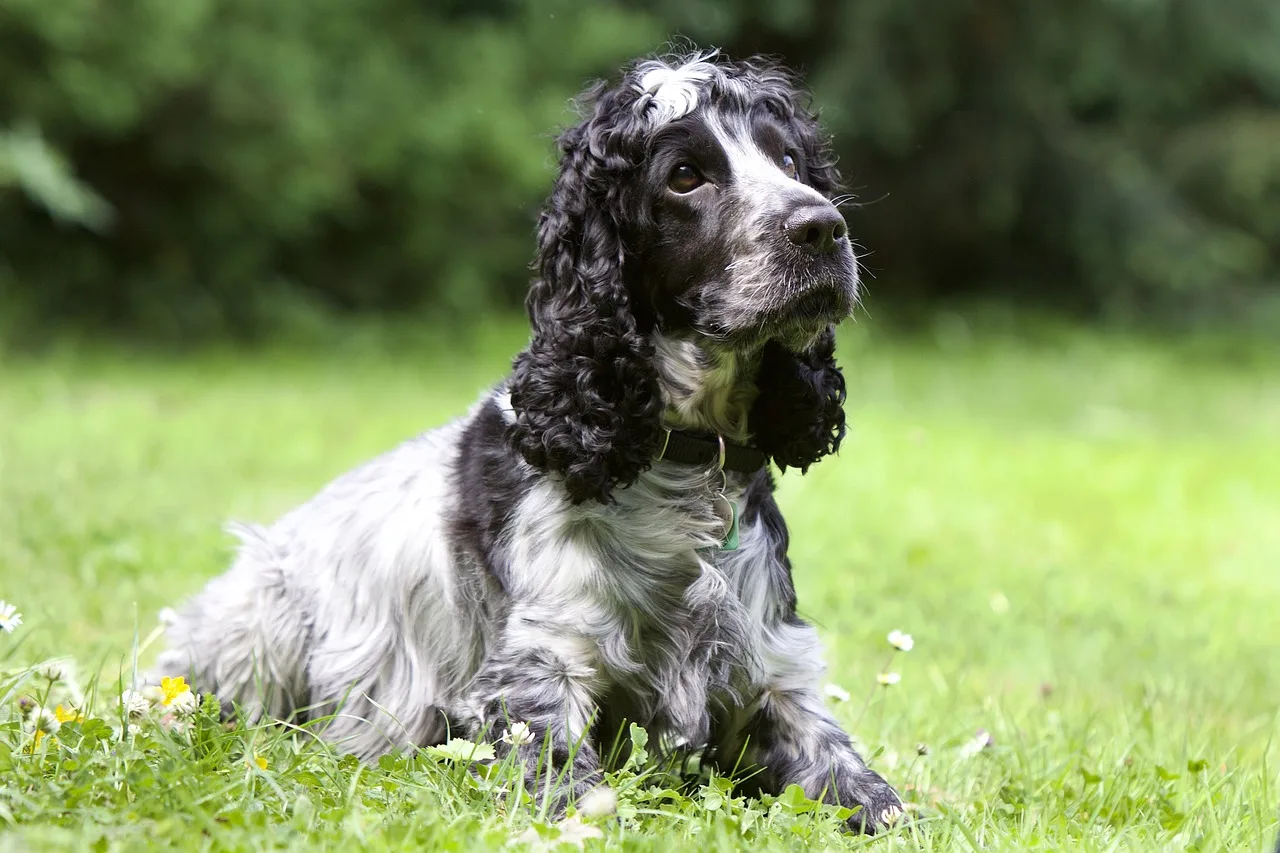
“A little cocker spaniel dog… black and white, spotted, and our little girl Tricia, the six year old, named it Checkers.”
Richard Nixon said that in a televised speech on September 23, 1952.
The timing is almost spooky. 1952 was the last year of the Cocker Spaniel’s first run at No. 1. The very next year the Beagle took the crown, so America’s best-known Cocker showed up on the final page of the breed’s first chapter.
More than seventy years later, people still call it the Checkers speech, after a spotted little dog a six-year-old named.
#24 The Poodle Takes Over in the 1960s
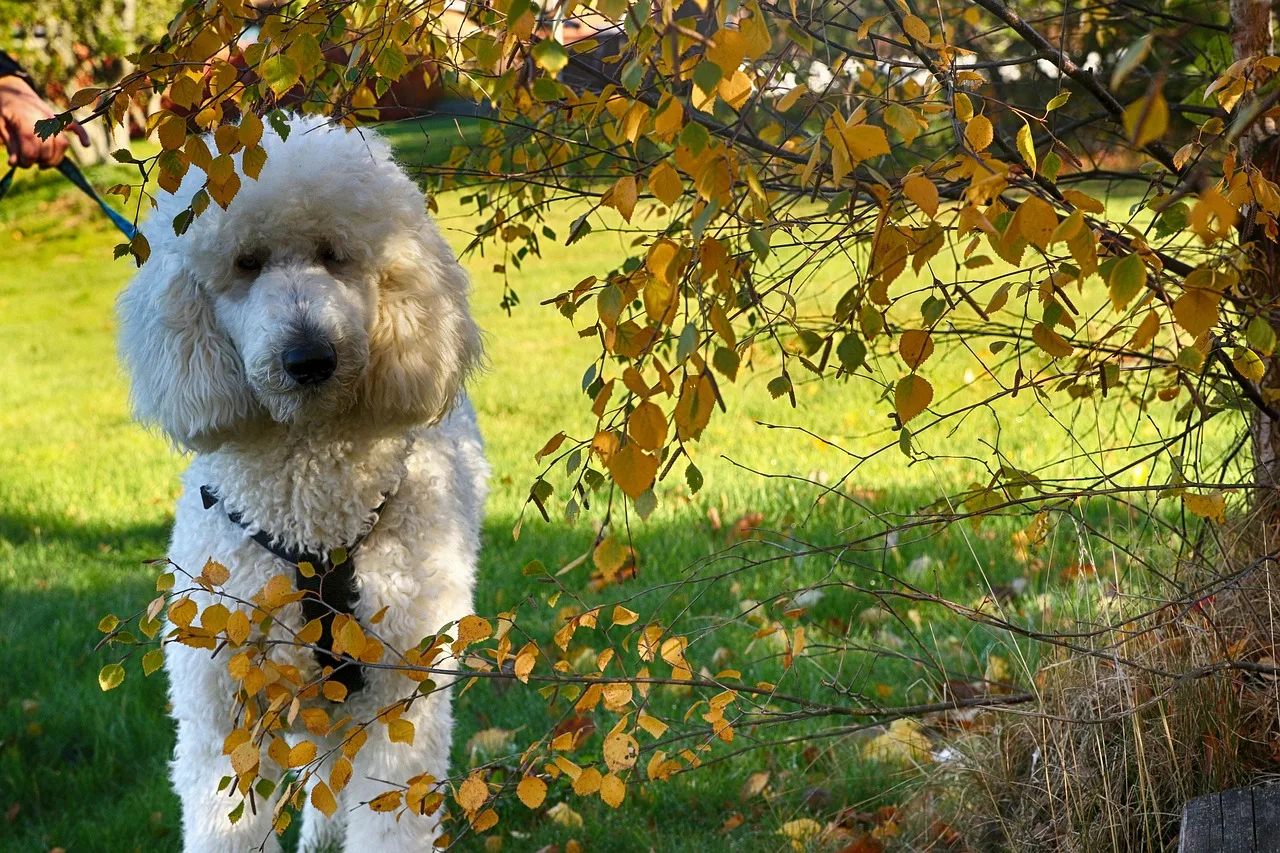
The Poodle went from seventh place to first in a single decade. It sat at No. 7 for the 1950s and No. 1 for the 1960s, and the AKC calls it “the first breed to hold the number-one crown for two consecutive decades.”
The AKC’s own magazine dates the reign from 1960 to 1982, the longest unbroken stretch at the top until the Labrador came along.
The top ten breeds of the 1960s, in order: Poodle, German Shepherd Dog, Beagle, Dachshund, Chihuahua, Pekingese, Collie, Miniature Schnauzer, Cocker Spaniel and, squeaking in at No. 10, the Basset Hound. The Cocker, king of the 1940s, had dropped to ninth.
If the Poodle in your memory is a powder puff on somebody’s lap, the AKC would gently correct you. It calls Poodles “very active dogs who need a lot of stimulation,” and it still recognizes three sizes:
- Toy: under 10 inches, 4 to 6 pounds
- Miniature: 10 to 15 inches, 10 to 15 pounds
- Standard: over 15 inches, 40 to 70 pounds
#23 Rin Tin Tin and the German Shepherd
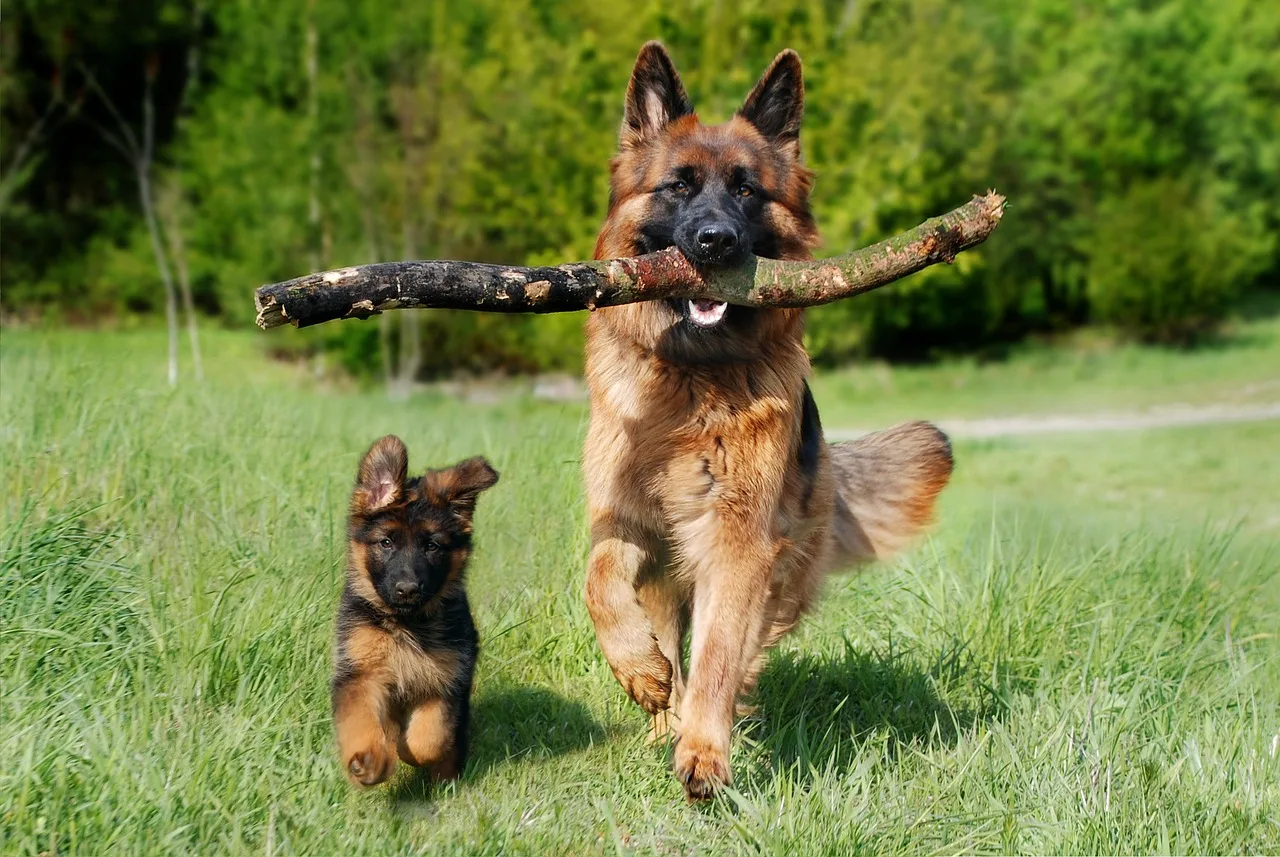
On September 15, 1918, near the village of Flirey, France, an American corporal named Lee Duncan found a puppy on a World War I battlefield.
That puppy became Rin Tin Tin. He debuted on screen in 1922 and made 27 films through 1931. Where the North Begins (1923) cost $100,000 and earned $352,000, and the dog was paid $1,000 a week. He died on August 10, 1932.
So the Rin Tin Tin you watched in the 1950s was carrying a famous name forward. The Adventures of Rin-Tin-Tin hit ABC on October 15, 1954, about a month after Lassie, which meant that fall TV handed you two dog heroes in a matter of weeks.
The show put him at Fort Apache, Arizona, with the 101st Cavalry, made each episode for under $50,000, and ranked 23rd among all TV shows in its first season. It ran 164 episodes, through May 8, 1959.
The German Shepherd climbed in those years, from No. 6 for the 1950s to No. 2 for both the 1960s and the 1970s. The dates line up; whether Rin Tin Tin had a paw in it is anybody’s guess.
In 2025 it sits at No. 4, the same spot it held in the 1980s.
#22 The Poodle Stays on Top Through the 1970s
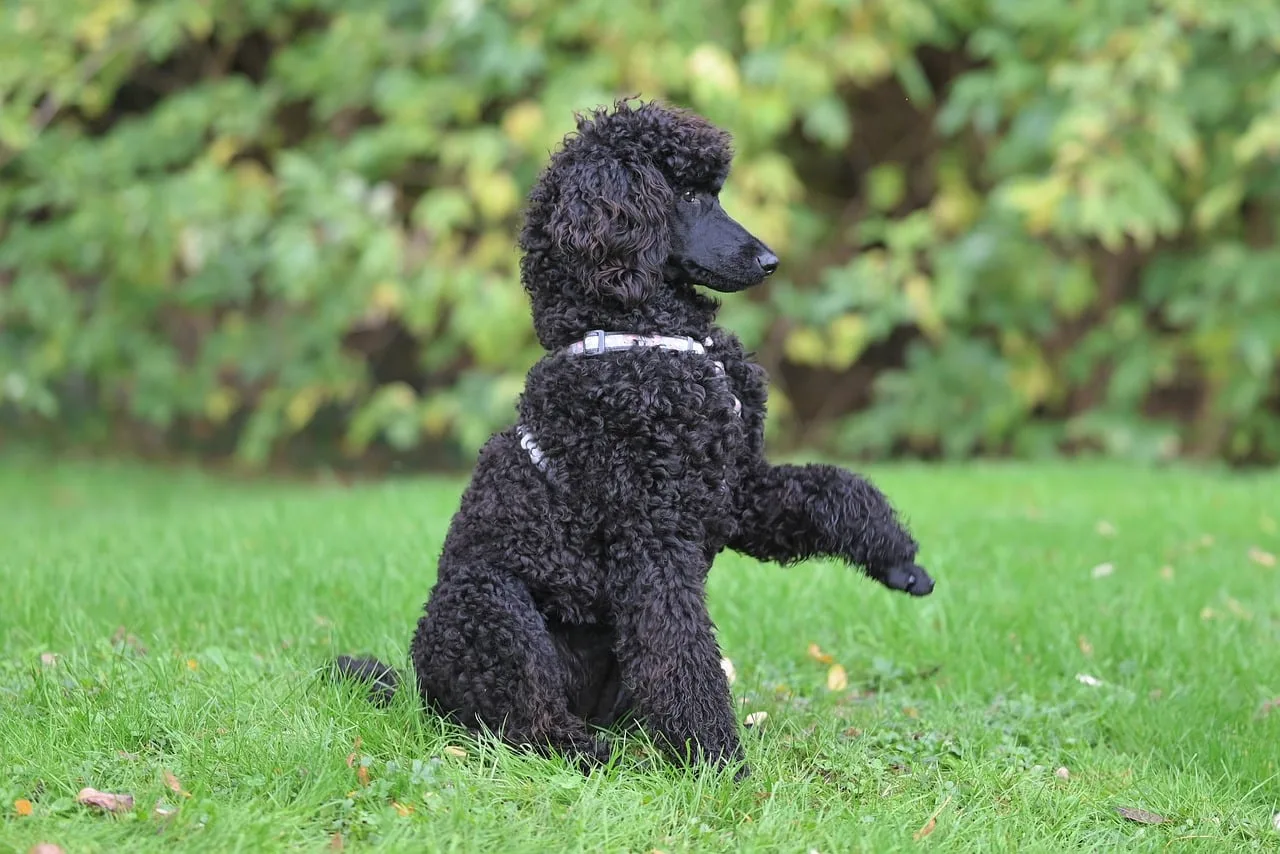
The Poodle owned the 1970s, too, but the neighborhood around it was changing.
The 1970s top ten breeds: Poodle, German Shepherd Dog, Doberman Pinscher, Beagle, Dachshund, Irish Setter, Cocker Spaniel, Miniature Schnauzer, Labrador Retriever and Collie.
Two of those were brand new to a decade’s top 10. The Doberman “made its first appearance in the top ten in the 1970s as the number-three breed,” crashing the party near the front door. The Labrador slipped in quietly at No. 9.
The Poodle slipped to No. 2 in the 1980s and kept falling for years, then bounced back to No. 5 from 2021 to 2024. In 2025 it ranks No. 6.
Here’s how three of that decade’s dogs have fared since:
| Breed | 1970s rank | 2025 rank |
|---|---|---|
| Doberman Pinscher | 3 | 15 |
| Irish Setter | 6 | 73 |
| Labrador Retriever | 9 | 2 |
If you’d had to bet in 1975, you’d probably have picked the Doberman. The quiet No. 9 dog went on to run the country for 31 years.
#21 LBJ’s Beagles, Him and Her
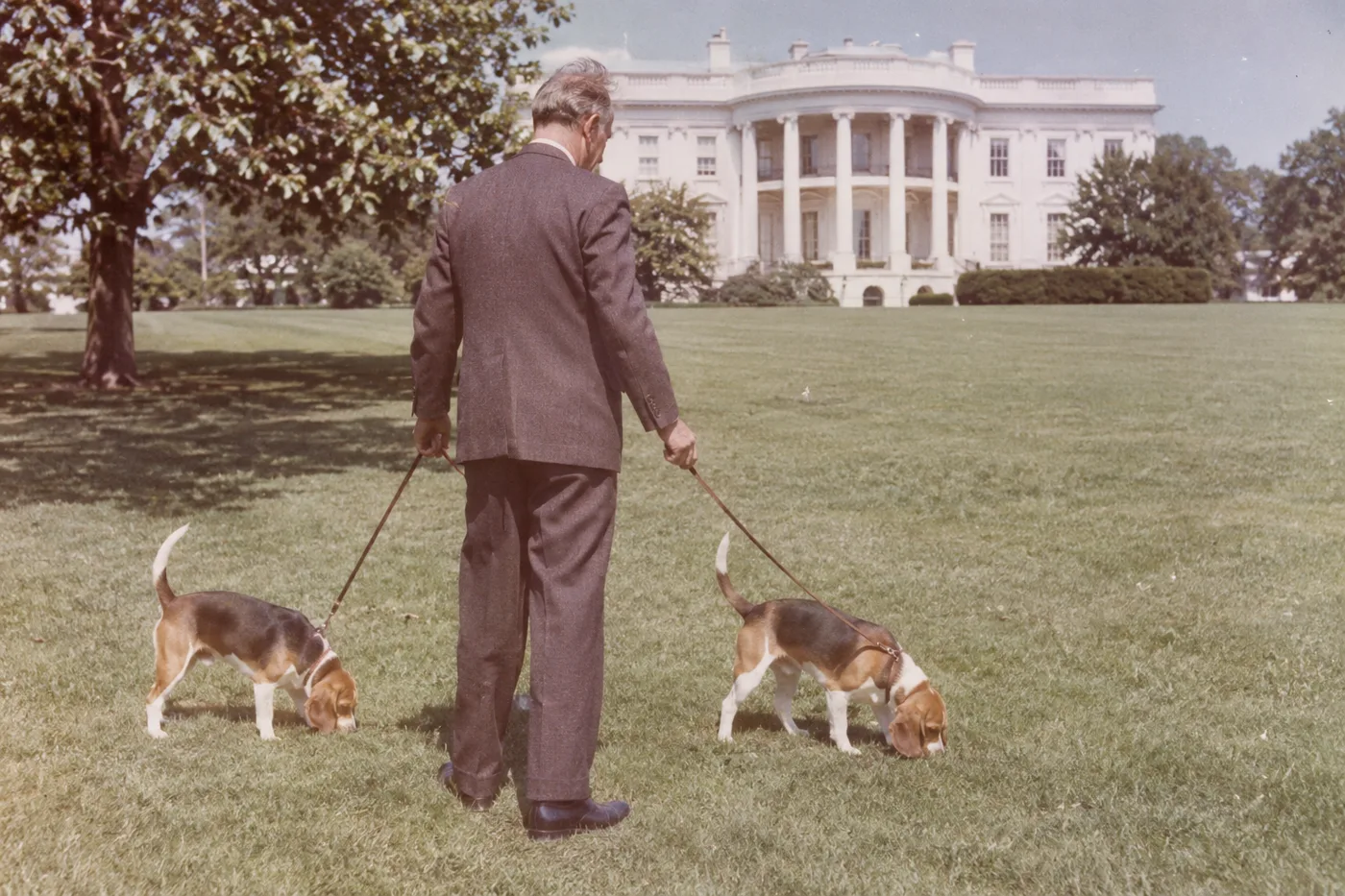
On May 4, 1964, President Lyndon Johnson greeted the press on the White House lawn and lifted one of his Beagles up by its ears. The moment drew attention across the country. Dog lovers don’t forget a picture like that.
The pair, named Him and Her, were born June 27, 1963. Their stories ended early, and the LBJ Library tells them plainly. Her died in November 1964 after swallowing a stone. Him died in June 1966, hit by a car while chasing a squirrel.
Even with the most famous Beagles in America living at 1600 Pennsylvania Avenue, the breed finished the 1960s at No. 3, behind the Poodle and the German Shepherd.
Ask any Beagle owner about squirrels. You’ll get a long answer.
#20 The Cocker Spaniel Comes Back, 1983 to 1990

Why did the Cocker Spaniel roar back to No. 1 three decades after its first reign ended? The AKC doesn’t really explain it. Its magazine simply says the breed “enjoys a renaissance.”
Back it came, though. The AKC’s 1980s page has the Cocker on top from 1983 to 1990, with the Poodle slipping to second.
The top ten breeds of the 1980s:
- Cocker Spaniel
- Poodle
- Labrador Retriever
- German Shepherd Dog
- Golden Retriever
- Doberman Pinscher
- Beagle
- Miniature Schnauzer
- Dachshund
- Chow Chow
Now a bit of math the AKC itself trips over. That same page says the Cocker had held No. 1 “for more years than any other breed to that point (23).” Add up the AKC’s own dates, 1936 to 1952 and 1983 to 1990, and you get 25.
Either way, the Cocker owns a record nobody brings up. The Poodle had the longest unbroken streak, 23 years in a row. The Cocker had more years at No. 1 in total, split into two reigns 30 years apart.
#19 Labs and Goldens Climb the 1980s Chart
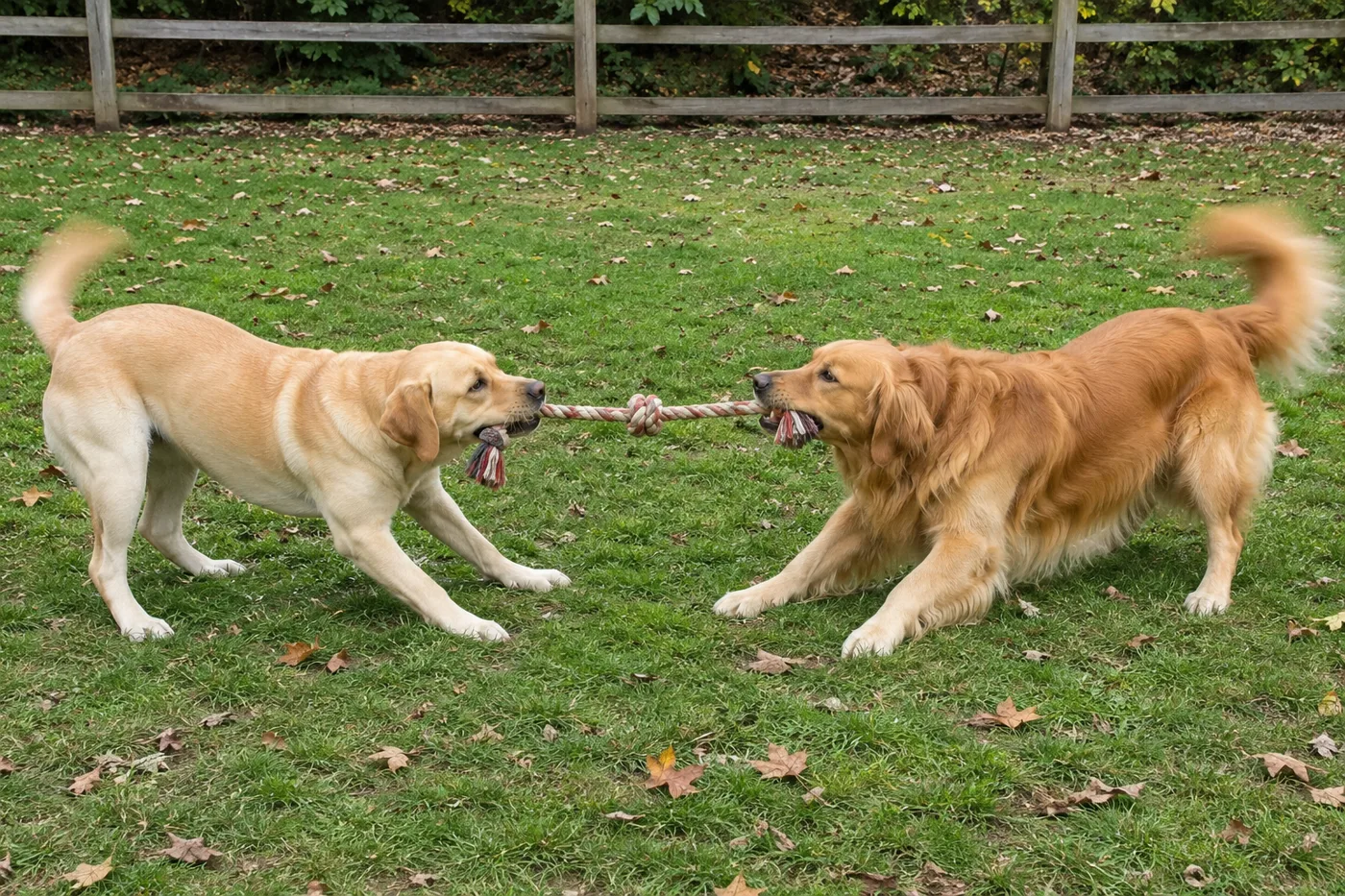
“They are one of the more common breeds that we see here in emergency or on the surgery table for eating a ball or a sock.”
That’s Dr. April Lynch, a veterinarian at Bluegrass Veterinary Hospital in Gallatin, Tennessee, talking about Golden and Labrador Retrievers. She’d still own one again, sock bills and all.
The two breeds took off together in the 1980s. The Lab jumped from No. 9 in the 1970s to No. 3, and the Golden, the AKC says, “breaks into the top ten for the first time at number five.”
Then the Lab kept going. It took No. 1 in 1991 and held it for 31 years, until the French Bulldog took over in 2022. In 2025 the Lab is No. 2 and the Golden No. 3.
If a retriever lives with you, the cheapest emergency surgery is the one that never happens. Keep the hamper lid shut and the toys where you can count them.
#18 The Doggie in the Window Song
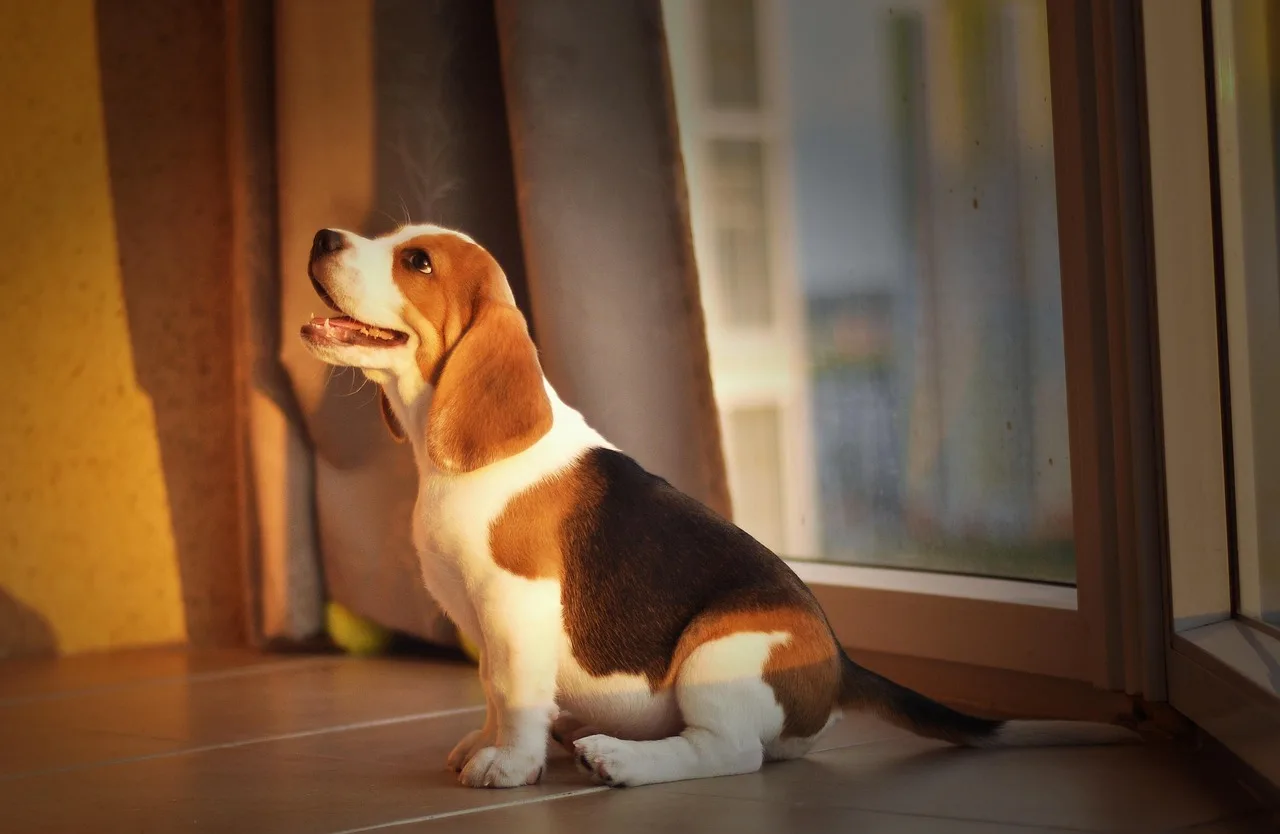
You can already hear it. “How Much Is That Doggie in the Window?” was written by Bob Merrill and first recorded by Patti Page.
In 1953 it went to No. 1 on both the Billboard and Cash Box charts, sold more than 2 million copies and finished as the third-best-selling song of the year. It was also the year the Beagle took over as America’s No. 1 dog. Pure timing, but a fine year to be a puppy.
Decades later, Page changed her tune. In 2009 she recorded “Do You See That Doggie in the Shelter?” and said why:
“The original song asks the question: ‘How much is that doggie in the window?’ Today, the answer is ‘too much.'”
Patti Page, in 2009, via American Songwriter
#17 Elvis Sings to a Basset Hound
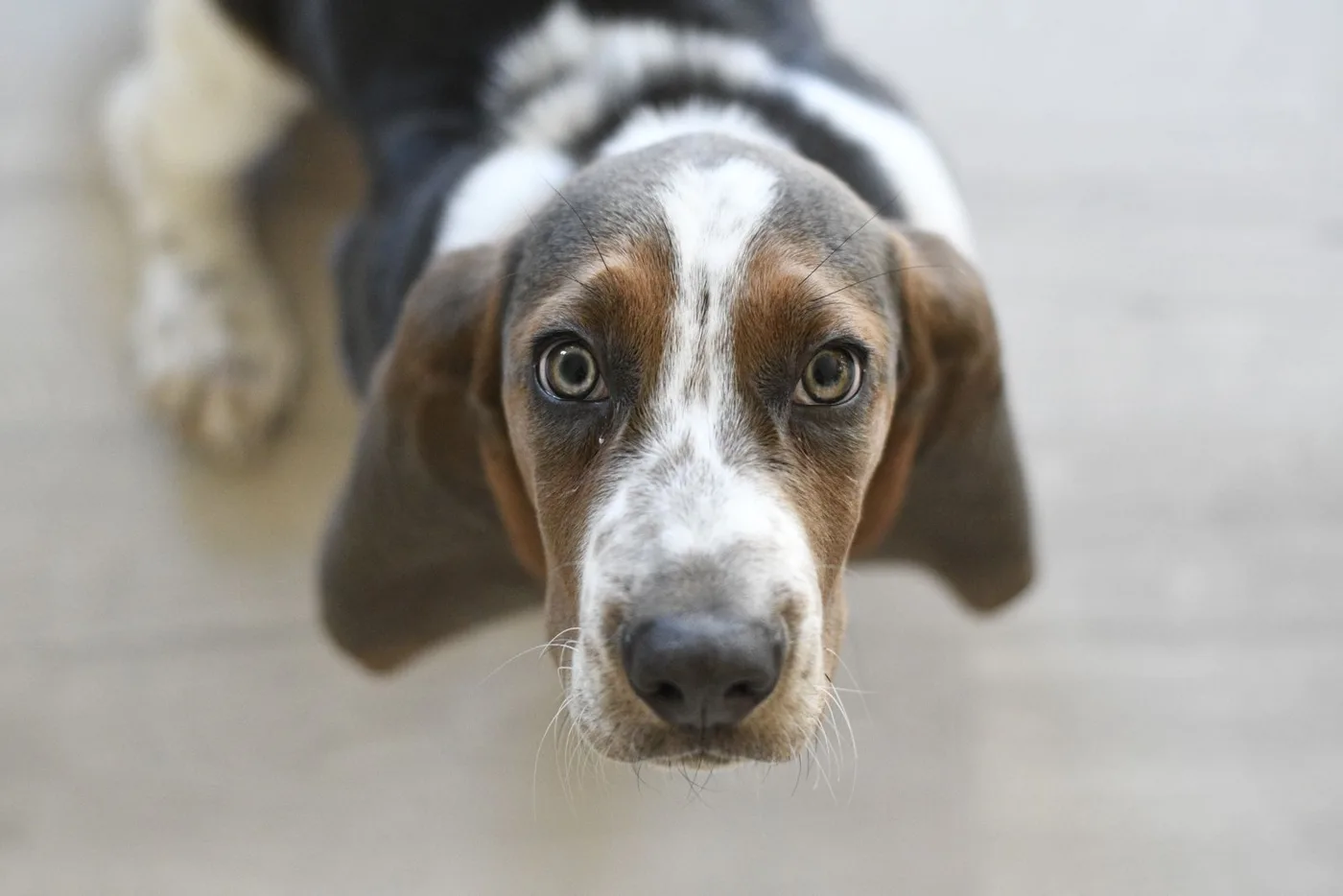
New York, July 1, 1956. Elvis Presley stands on the set of The Steve Allen Show and sings “Hound Dog” to an actual hound dog, a Basset named Sherlock.
By Elvis’s own account, it was the most embarrassing moment of his career. The very next day he recorded “Hound Dog” anyway.
Sherlock’s breed had its own moment coming. The Basset Hound made the top 10 for the 1960s at No. 10, the only decade from the 1940s through the 1980s that it did. In 2025 it ranks No. 34.
If you’ve ever sung to your dog and felt a little silly, take heart. Elvis felt the same way on national television.
#16 101 Dalmatians and the Spotted-Dog Rush
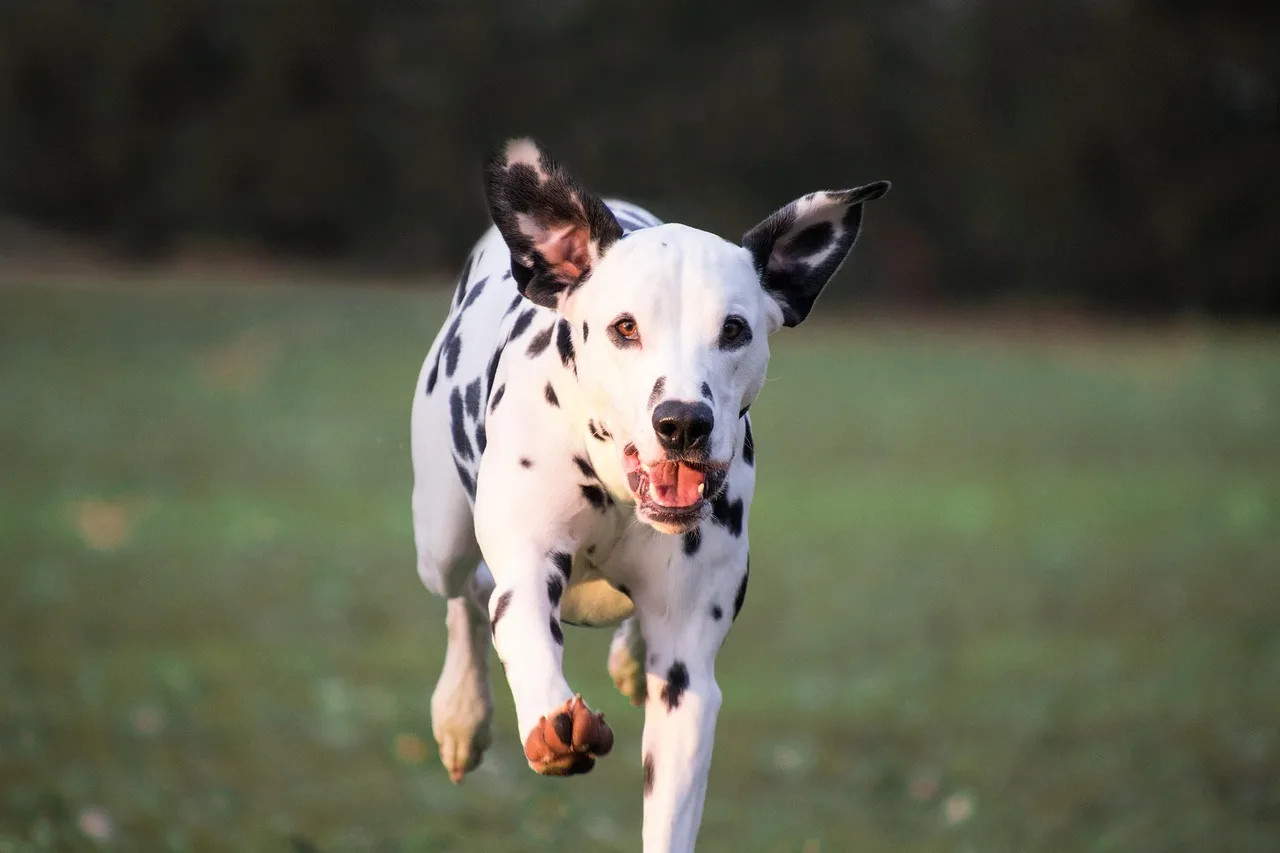
Movies really do sell dogs, and somebody did the math. A 2014 study lined up AKC registrations from 1926 to 2005 against 29 dog movies and found a film could lift a breed’s numbers for up to 10 years, fading as time went on. 101 Dalmatians showed one of the strongest effects of all.
Disney released it on January 25, 1961, for $4 million, then brought it back in 1969, 1979, 1985 and 1991. That’s roughly once a decade, about as long as a movie’s pull on registrations can last. Whenever you were a kid, those spotted puppies were probably playing somewhere near you.
Here’s the part nobody expects: the Dalmatian never made a single decade’s top 10 from the 1940s through the 1980s. A big jump from a small start is still a small number. In 2025 the breed ranks No. 50.
So if you begged for a Dalmatian after the lights came up, you had company. Just never top-10 company.
#15 Benji, the Shelter Dog Who Became a Star

The biggest dog star of 1974 came from the pound. Benji opened on May 31, 1974, written and directed by Joe Camp, and its lead, Higgins, was “a mutt rescued as a puppy from a California animal shelter.”
He wasn’t new to show business, either. If he looked familiar, you may have seen him earlier on Petticoat Junction.
He looked like a dog you could find at the shelter because he was one. The next Benji is sitting in a kennel somewhere, waiting for an agent.
#14 Scooby-Doo’s Fame Outran the Great Dane’s Rank
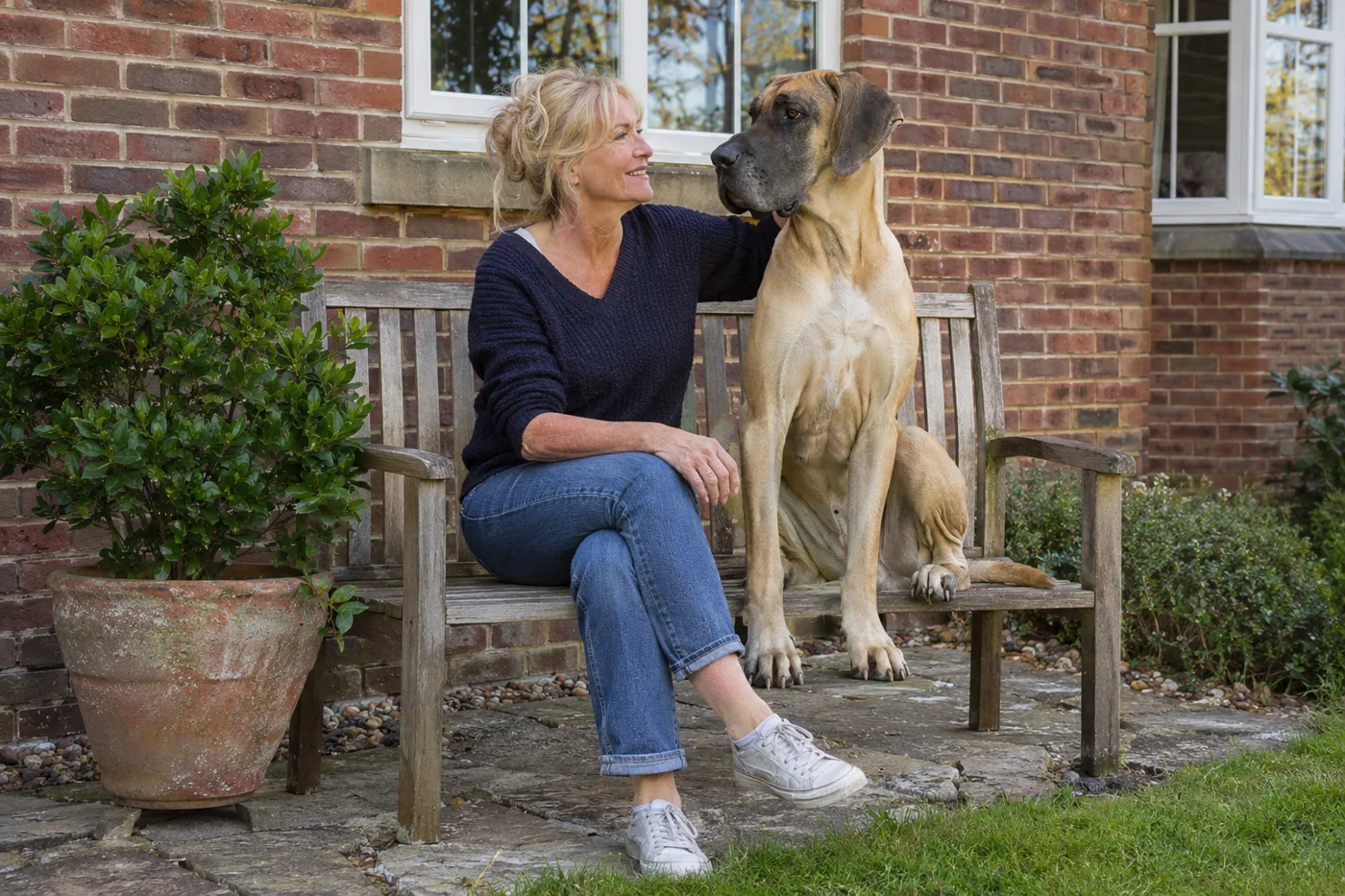
Two cartoon dogs, two very different results:
- Snoopy, a Beagle, debuted in 1950. By 1953 the Beagle was America’s No. 1 dog.
- Scooby-Doo, a Great Dane, premiered on CBS Saturday mornings on September 13, 1969. The Great Dane never made any decade’s top 10 from the 1940s through the 1980s.
My honest guess? A cartoon Dane costs nothing at the feed store. A real one is a lot of dog to love, feed and fit in the car.
The breed has done fine for itself since. In 2025 the Great Dane ranks No. 22, which is a respectable spot for a dog that can look you in the eye.
#13 The Family Mutt the AKC Never Counted
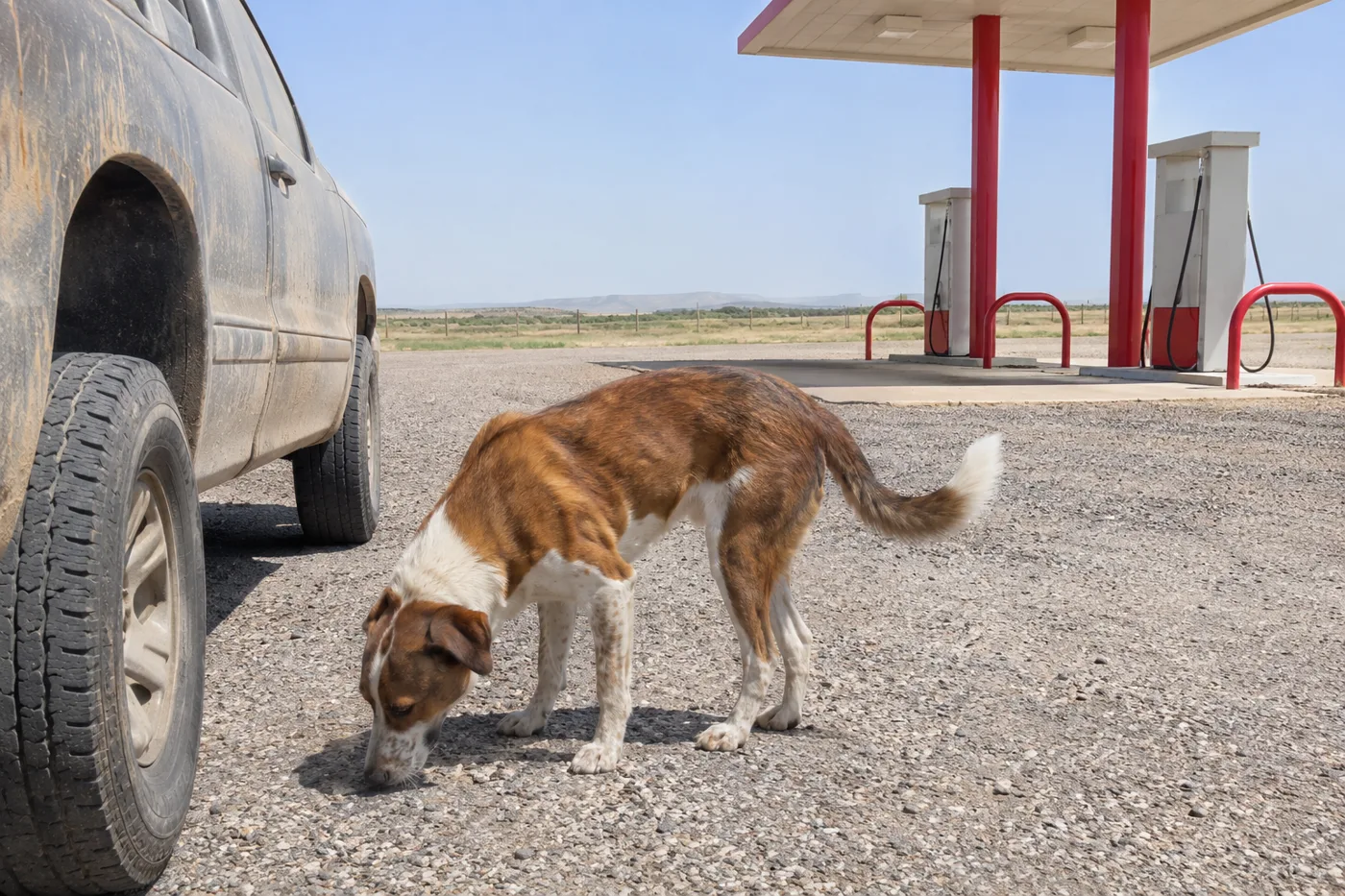
If your childhood dog came from a neighbor’s surprise litter or showed up on the road one day and stayed, it never made the rankings. The AKC builds its list from AKC registration statistics, and mixed breeds “cannot receive full AKC registration.”
Reddit commenters point this out in thread after thread about the rankings. A commenter on a map of breed popularity by state, on r/Damnthatsinteresting, summed it up:
“Mutt is probably really number one.”
Commenter, r/Damnthatsinteresting, via Reddit
In a Reddit thread about local favorites, commenters describe what they actually see near home: poodle mixes, bully types filling shelters, herding mixes, and hunting breeds wherever lots of people hunt. None of it looks much like the national list.
The mutt may have a health edge, too. Dr. Lynch says mixed breeds often have fewer inherited problems and birth defects than purebreds: “It’s not true across the board, but it is a generalization that we have come to accept in veterinary medicine.”
A large DNA study backs her up, with a twist. Among more than 100,000 dogs whose owners sent in genetic tests, purebreds were 2.7 times more likely to be affected by at least one common recessive disorder (3.9% vs. 1.4%). Mixed breeds, though, were more often silent carriers of one.
Mutts even made it to the Oval Office. At Thanksgiving 1966, Luci Johnson found a mixed-breed dog named Yuki at a Texas gas station. By 1967 he was LBJ’s constant companion, going along to Oval Office meetings. No papers required.
#12 What Went in the Dog’s Bowl
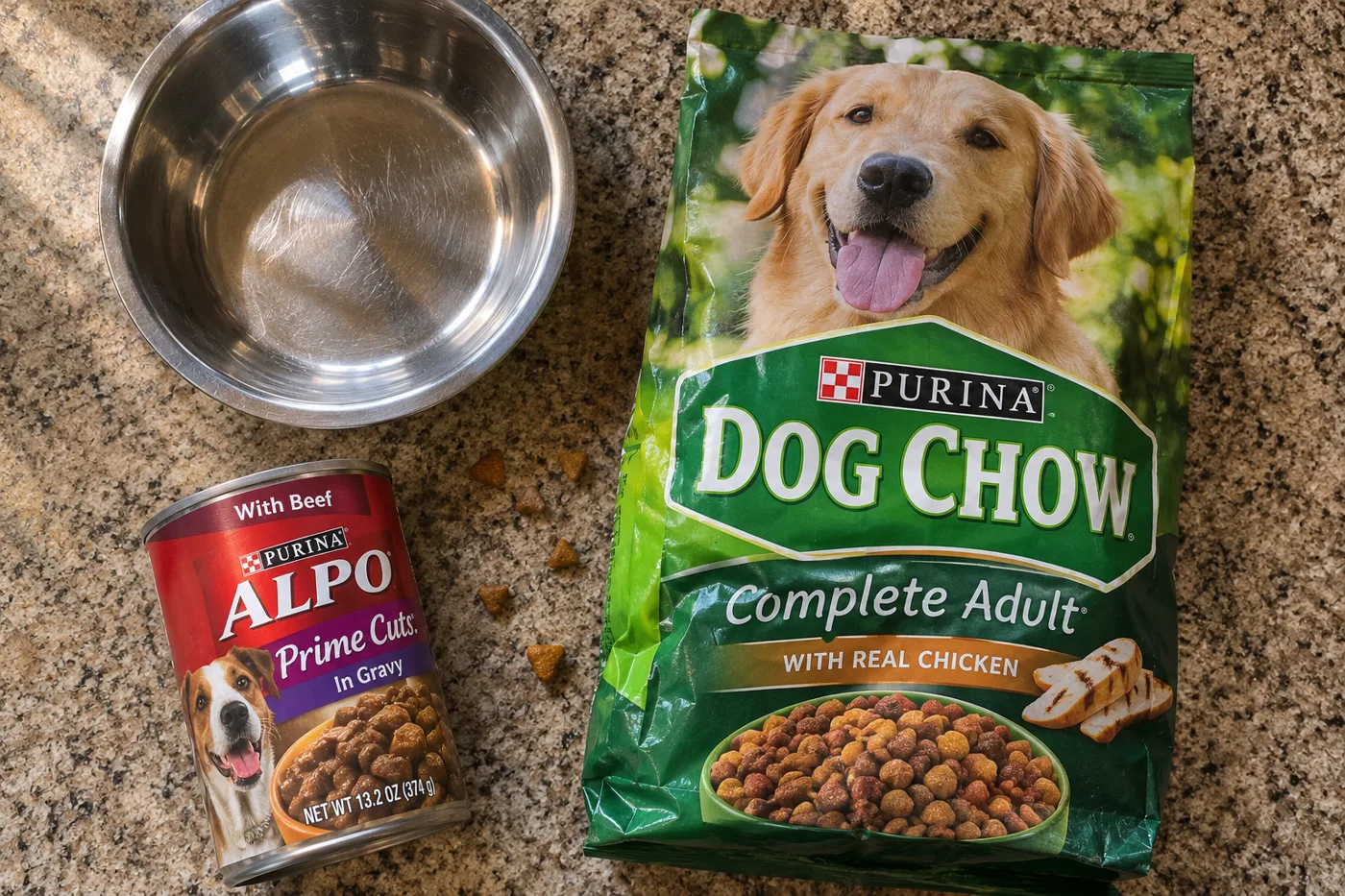
When Purina launched Dog Chow, archivist Susan Anderson-Bauer says, “many dogs were still surviving on table scraps.” If you grew up with a dog who got the end of the pot roast, that tradition ran deep.
Then a war changed the bowl. Canned food had 91% of the US pet food market by 1941, according to veterinarian Ron Hines. Tin limits arrived in 1942, and by 1946 dry baked food held 85% of the market. Kibble got its big break from a metal shortage.
What was in the cupboard – Ken-L Ration: the 1960s jingle by Tom Paxton, “My dog’s better than your dog,” pitching “lean red beef” – Alpo: founded in Allentown, Pennsylvania, in 1936, with Lorne Greene on TV saying he fed it to his own dogs – Gaines-Burgers: from 1961, moist patties wrapped one by one to look like a hamburger – Purina Dog Chow: launched in 1926 and turned 100 in 2026
Some of those never quite left. Ken-L Ration, which sponsored a kennel at Disneyland called Ken-L Land until 1968, had its name revived in 2015. Gaines-Burgers came back in limited batches starting in 2020.
The scraps rule changed, though. Dr. Deborah Linder, a board-certified veterinary nutritionist at Tufts, says “your pet should only receive 10% of their daily calories from treats.” A 15 to 20 calorie treat looks like 4 baby carrots, or 1 tablespoon of cooked chicken.
#11 The Smell of a New Flea Collar
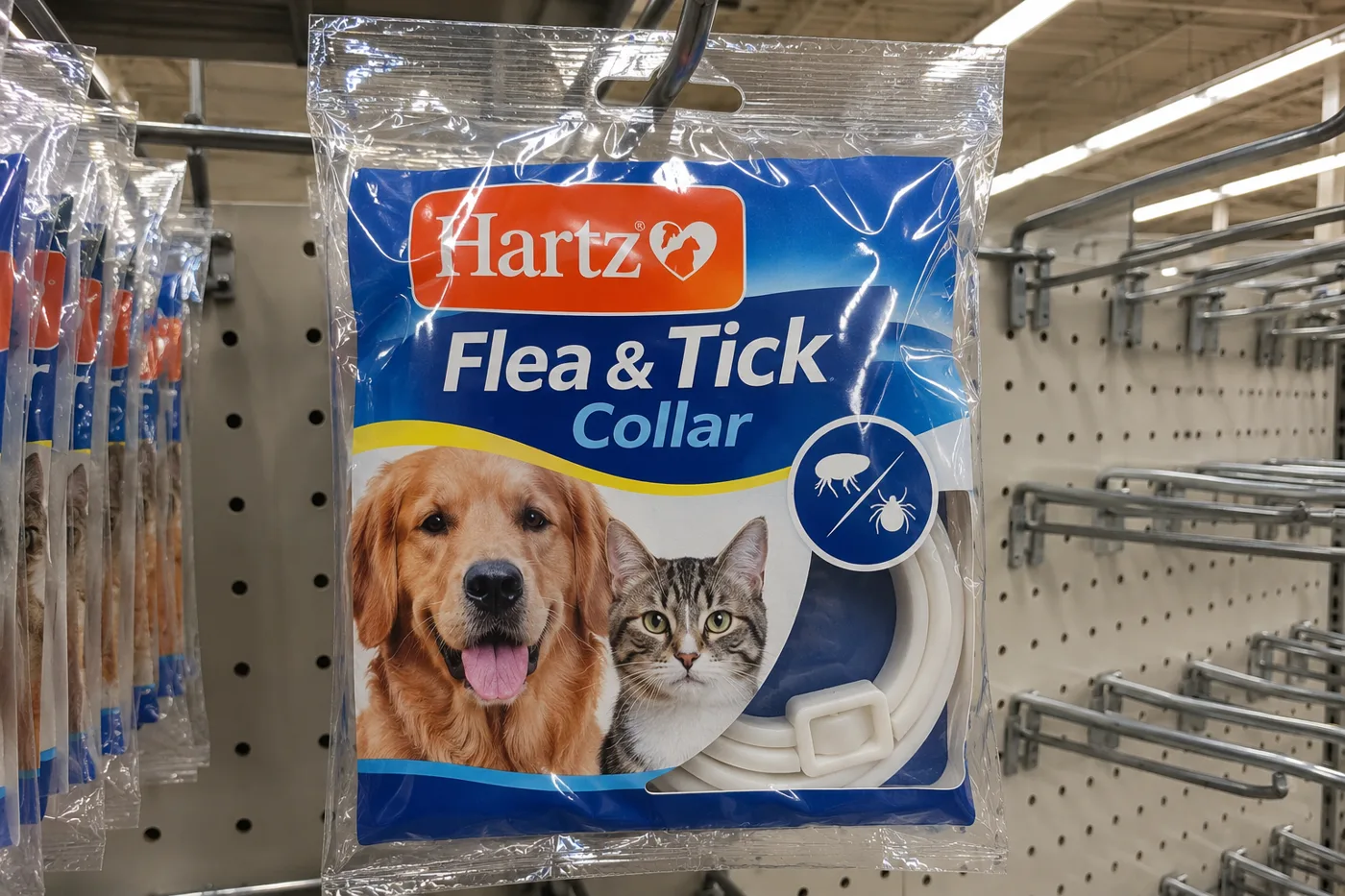
You’d tear open the package and the smell got there before the collar did. Sharp, chemical, unmistakable, and the dog wore it like cologne for days.
That’s the Hartz flea and tick collar, which the company says it introduced in the 1960s. By the early 1980s, Hartz products were in more than 40,000 stores across the US and Canada.
And Hartz says that collar is “still the #1 selling flea & tick collar for both cats and dogs to this day.”
#10 The Rabies Shot and the Tag
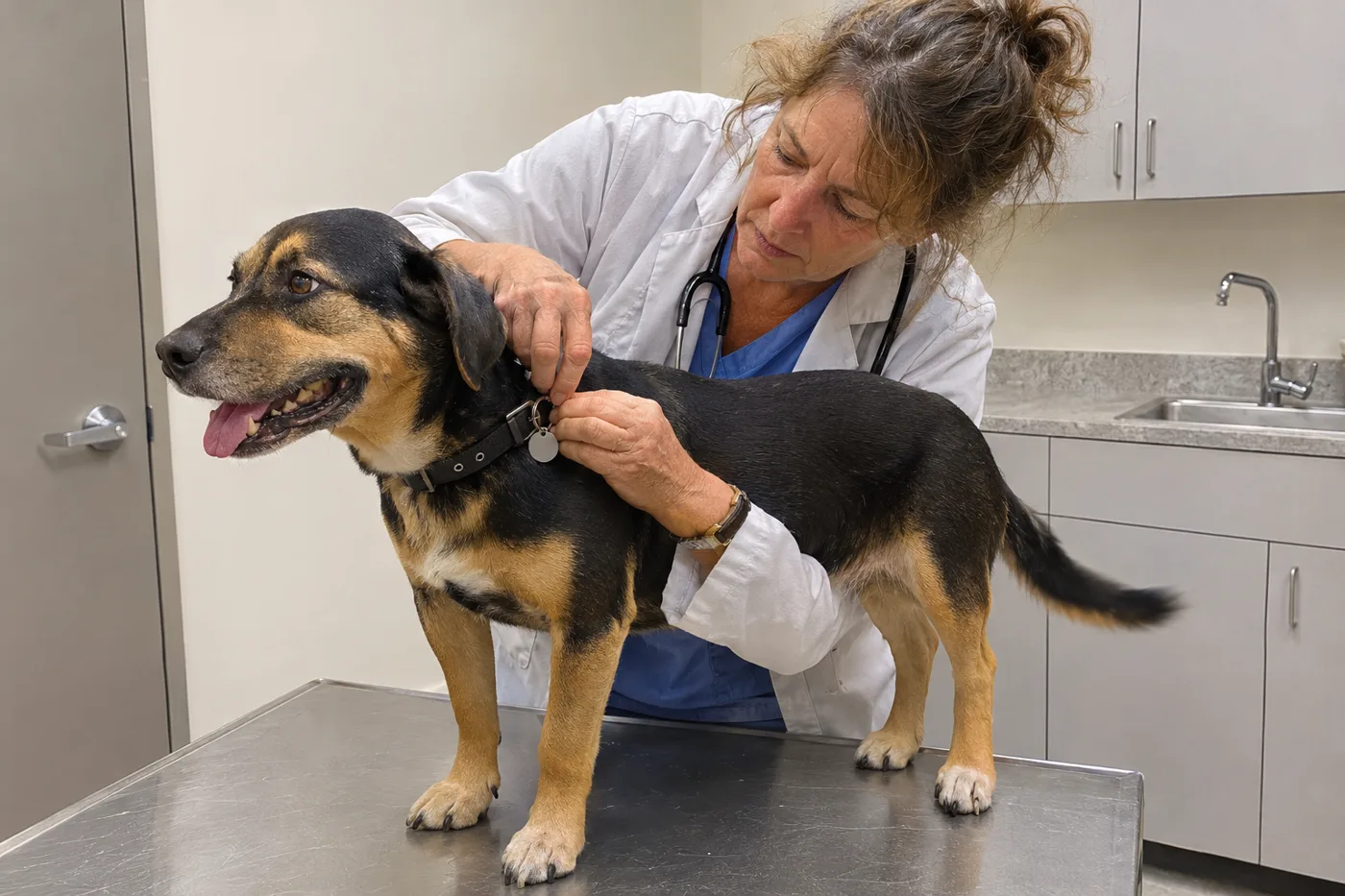
A quick yelp at the vet’s, then a shiny new tag jingling on the collar. Those shots did far more than most families realized.
Before 1960, bites from rabid dogs caused most human rabies cases in the US. Mass pet vaccination and leash laws in the 1950s cut human cases from 30 to 50 a year in the 1940s to 1 to 3 a year by 2019.
The disease that doomed Old Yeller lost its hold on American dogs. The CDC says the dog strain of rabies was eliminated from the US in 2004, and that human rabies “is 100% preventable through vaccinating pets.”
That little tag is still on duty.
#9 Dogs Roaming the Neighborhood, No Leash

Your dog ate breakfast, went out the door and spent the day on his own business: visiting the kids two streets over, trailing the mailman, checking every trash can on the block. He came home when he felt like it.
Your neighborhood wasn’t unusual. A 2018 review by Andrew Rowan of the Humane Society of the United States and Tamara Kartal of Humane Society International says about 25% of US dogs roamed the streets in the 1960s. With about 35 million owned dogs at the time, that’s something like 9 million dogs making their own rounds.
The leash had been gaining ground since 1947, when, the CDC says, “animal vaccination and leash control laws led to improved rabies control nationwide.” How fast it reached your street depended a lot on where you lived.
Rowan and Kartal say the number of pet dogs has since doubled. That’s around 70 million dogs.
#8 German Shepherds Join the Police K-9 Unit
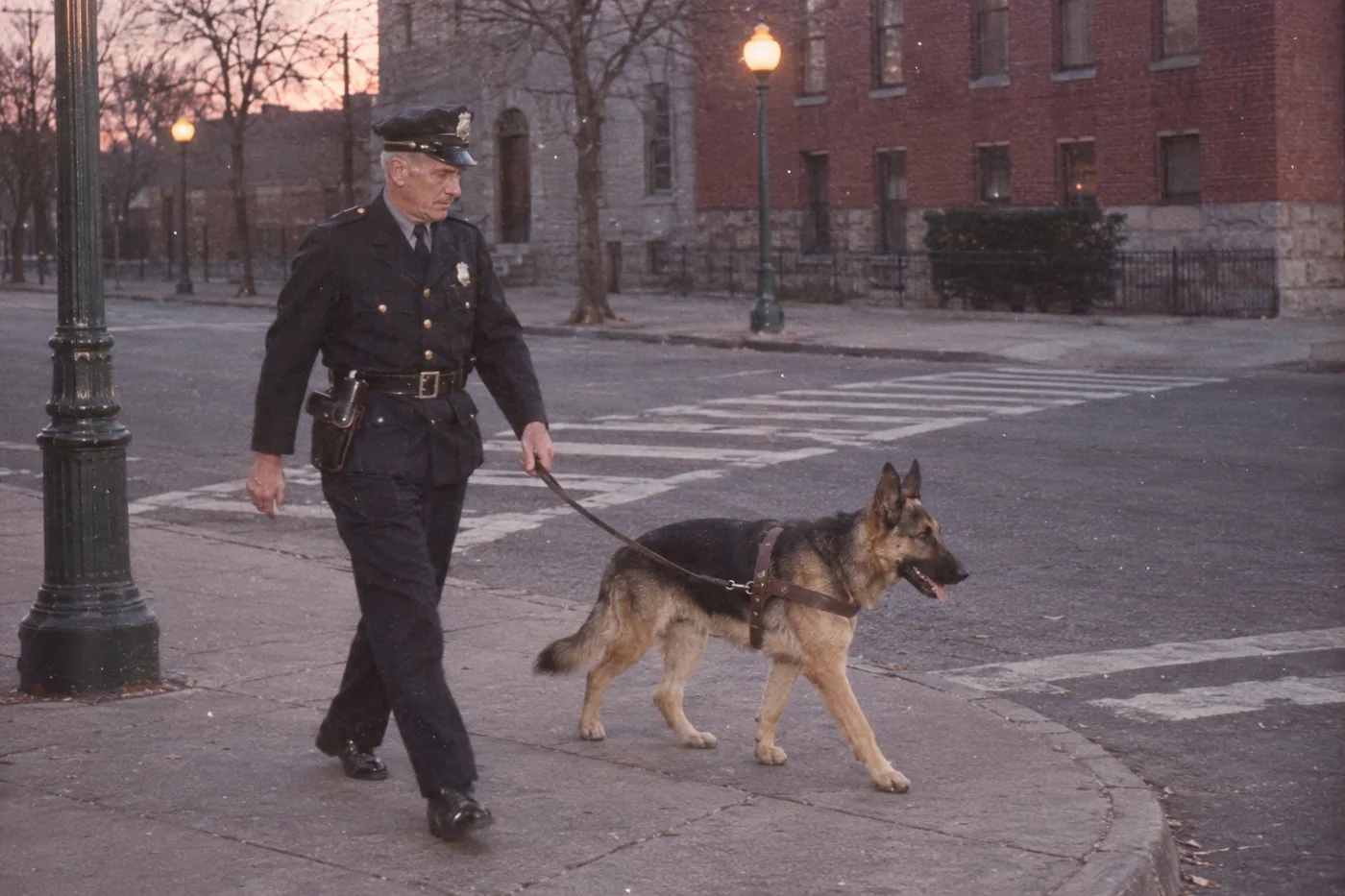
December 18, 1956, Baltimore. Two German Shepherds named Turk and Major Von-Gruntz report for duty, and the city has a police K-9 unit (police shorthand for “canine”).
It worked well enough that Baltimore made the unit permanent on April 17, 1957. By 1959 it had 40 dogs, and it went on to train more than 70 US police departments.
By the 1970s the AKC was describing the breed’s jobs as “police work” and “guide dog for the blind.” The neighborhood Shepherd you knew may have been a big softie, but its cousins had badges.
Seventy years after Turk and Major’s first shift, Reddit commenters still name police dogs as one reason they think of German Shepherds the way they do.
#7 A Whippet Crashes a Baseball Game
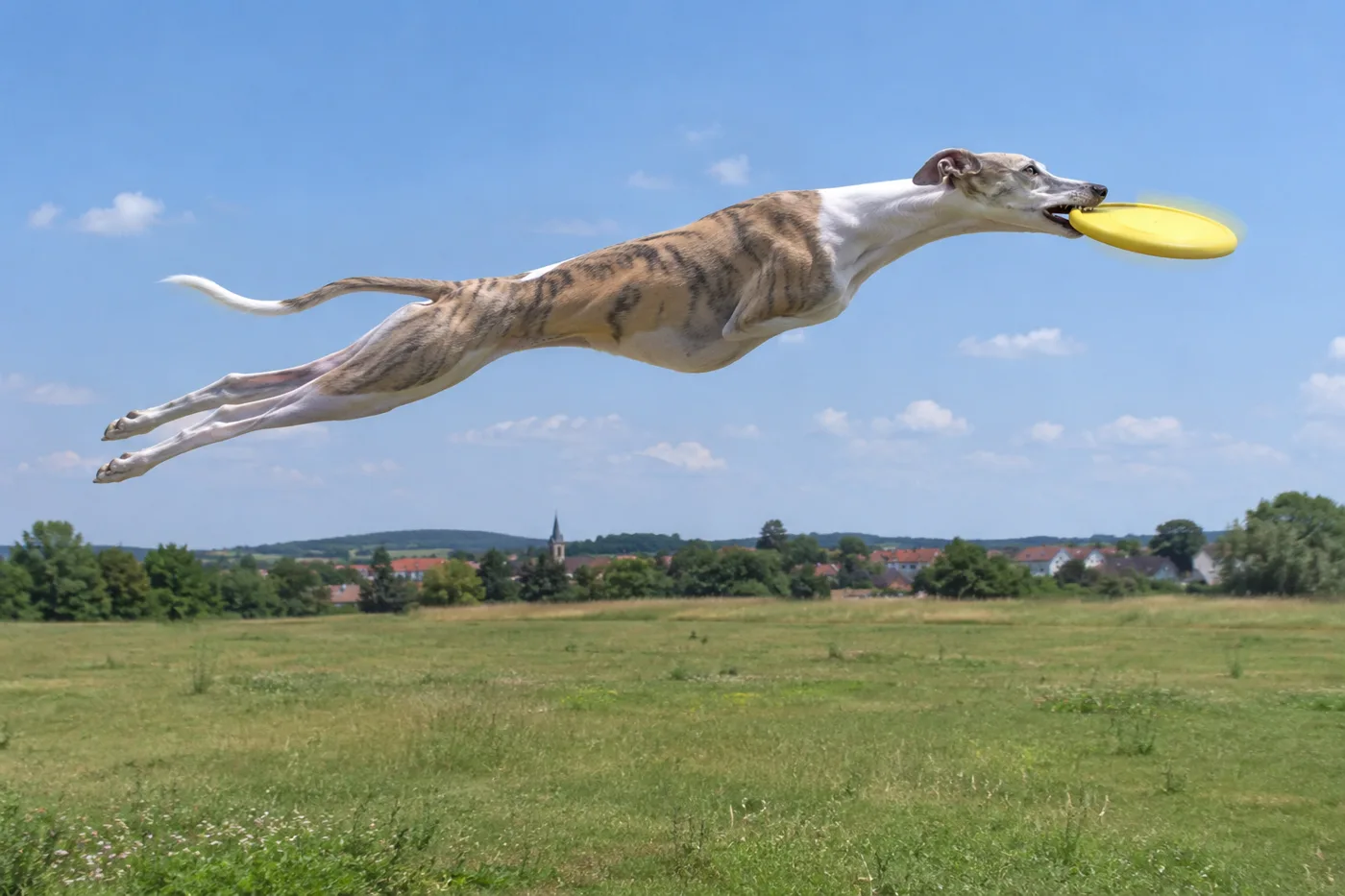
“The police report said we were out there for eight minutes.”
That’s Alex Stein, remembering August 5, 1974, when he ran onto the field during NBC’s broadcast of the Dodgers and the Reds with his Whippet, Ashley, and put on a Frisbee show.
Eight minutes is forever on live TV. It was long enough to start something. The World Frisbee Championships added a canine division in 1975, and Ashley won it three years running.
If you’ve ever watched a dog snag a flying disc in the park, you’ve seen what America saw in 1974.
#6 Spuds MacKenzie Was Secretly a Female
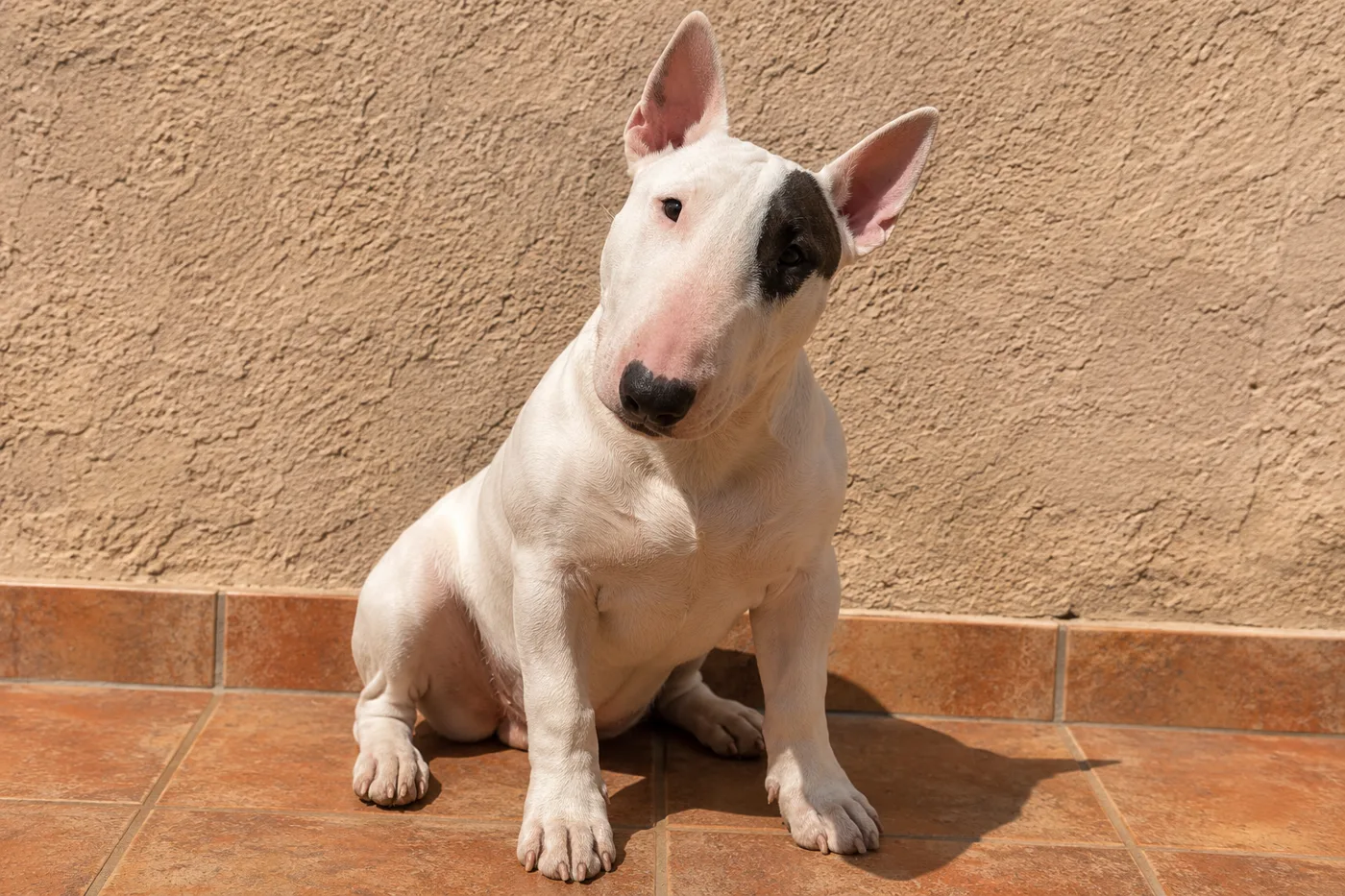
The “original party animal” was a girl. Spuds MacKenzie debuted during Super Bowl XXI in January 1987, and the dog playing him was a female Bull Terrier named Honey Tree Evil Eye, “Evie” for short.
The ads worked on beer. The New York Times credited the campaign with a 20% rise in Bud Light sales from 1987 to 1988. Evie retired in 1989.
The breed itself never cashed in. The Bull Terrier ranks No. 86 in 2025. Evie sold an awful lot of beer and, by the look of the rankings, not many Bull Terriers.
#5 Bob Barker’s Spay-and-Neuter Sign-Off

“Have your pets spayed or neutered.”
Bob Barker made that line famous on The Price Is Right, and in a 2000 Television Academy interview he said he “started doing it a little oftener and a little more often.” The best-supported date for when he started is 1979.
The surprise is that he joined a push already picking up speed. In Los Angeles, the share of licensed dogs that were sterilized went from 10.9% in 1971 to about 50% a few years later. By the time Barker said it on the air, he was lending a famous voice to a cause that was already winning.
When he retired in 2007, Drew Carey kept the line going.
#4 The Dog Pound, Then and Now
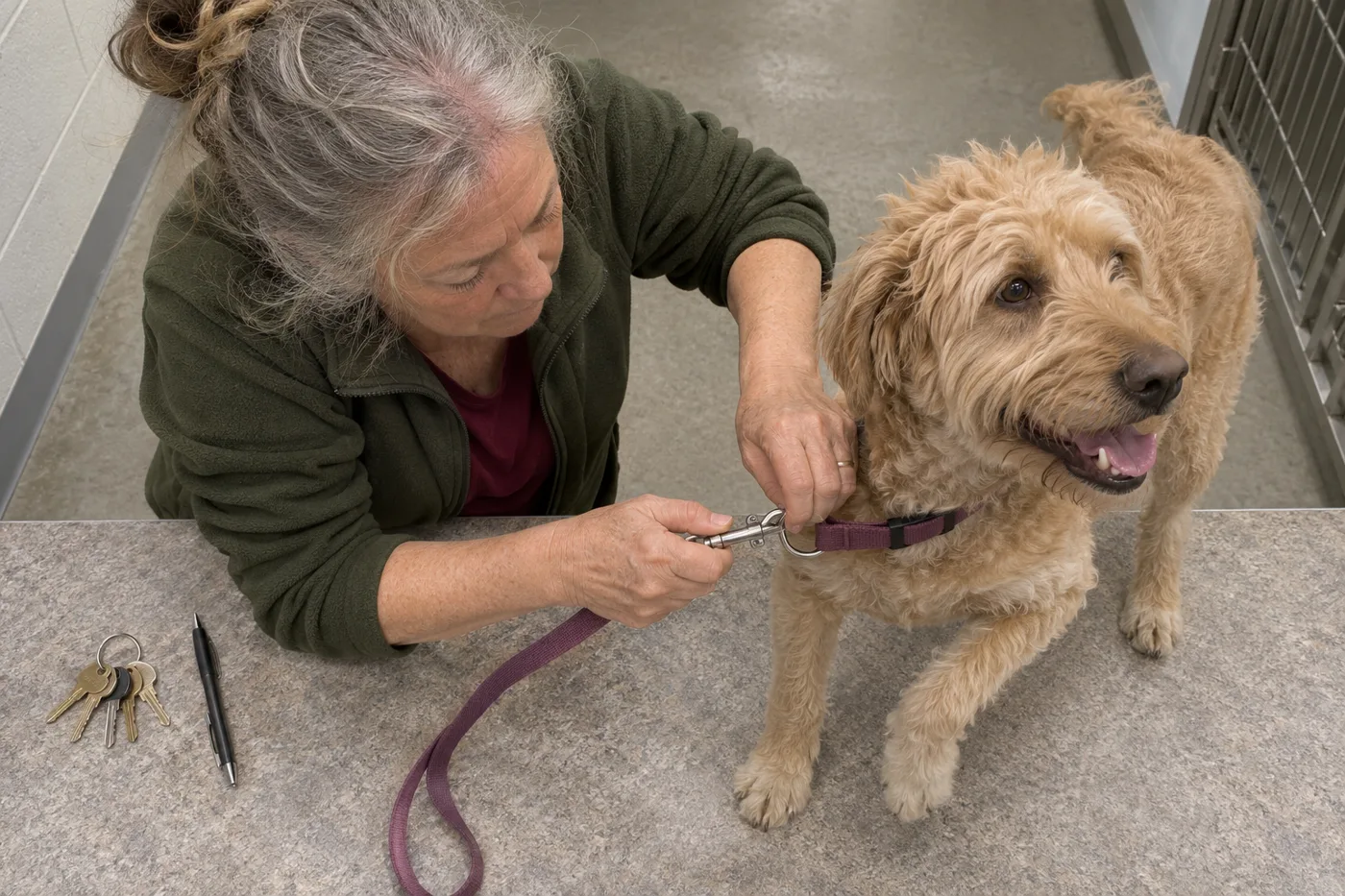
You knew the dog catcher’s truck on sight. And if a lost dog went to the pound and nobody came for it, everybody understood what happened next.
The numbers since then are a real turnaround:
| Year | What was counted | Number |
|---|---|---|
| 1973 | Dogs and cats euthanized a year | about 13.5 million |
| 2025 | Dogs euthanized in US shelters | about 320,000 |
| 2025 | Dogs adopted from US shelters | about 2 million |
The 1973 figure, from a survey by the Humane Society of the United States, counts cats too, so it isn’t a perfect match. The gap is still enormous. Shelter intake fell 25 to 40% during the 1970s alone, and in 2025 the ASPCA counted 2.8 million dogs entering US shelters.
How people find a dog has shifted, too. Between 2007 and 2017, adoption went from 15% to over 35% of how Americans got their dogs. If your last dog came from a shelter, you’re part of that jump.
#3 Why No Breed Stays on Top

Every breed that hits it big seems to pay for it later. Harold Herzog of Western Carolina University studied AKC puppy registrations from 1946 to 2003 and found nine breeds that boomed and then crashed. Their booms lasted 14 years on average, and during them “annual new registrations increased 3,200%.” Then came the sharp declines.
Tom Davis, a professional dog trainer who mainly works with aggressive dogs, explains one reason popularity backfires. Once a breed is in demand, breeders who are only in it for the money start turning out more of them, and temperament suffers. He names the Cane Corso and the German Shepherd. The problem is the breeding, not the breed.
He also points out why a popular dog can get a bad reputation it doesn’t deserve: “The likelihood that they are going to be reported as a dog that’s biting somebody is really really high because there’s so many of them.” Lots of reports means lots of dogs.
His fix is simple: “It’s really important to get a good dog from a good breeder.”
How to spot a good breeder – Ask to see health testing records – Expect the breeder to “interview you back,” not just take your money – Get a written contract with a return-to-breeder clause, meaning the dog goes back to the breeder if you ever can’t keep it – Puppies should stay with their littermates until at least 8 weeks old
Those come from the AKC’s own checklist. A breeder who does all four may not have a puppy ready the week you want one. That’s usually a good sign.
#2 The Health Price of Today’s Top Dogs

“Popularity does not mean it’s right for everyone.” That’s Gina DiNardo, the AKC’s chief executive, in the release announcing the French Bulldog’s fourth straight year at No. 1. She has also called Frenchies “highly adaptable, making them wonderful companions for city dwellers and suburbanites, alike.”
The same 2025 list brought the Dachshund back into the top five, a spot it hadn’t held since 2003. Both are lovable dogs. Both come with trade-offs owners should know going in.
The French Bulldog’s flat face. Flat-faced breeds are prone to a breathing blockage vets call brachycephalic obstructive airway syndrome. It most often affects French Bulldogs, English Bulldogs, Pugs and Boston Terriers, shows up as noisy breathing and tiring quickly, and leaves these dogs prone to heat stroke. If you have one, keep it cool on hot days and keep hard play for the cooler hours. If it ever needs airway surgery, the University of Illinois veterinary teaching hospital puts the bill, from exam through recovery, at $3,500 to $5,500.
Dr. Rachel, a veterinarian in Texas, puts it bluntly: “Genetics are not on their side, the most obvious being that they struggle to breathe with their elongated soft palate and their smooshed faces.” She adds that these breeds tend toward allergies and disc problems as well.
On Reddit, commenters keep tying the Frenchie’s rise to its health problems: breathing trouble, back surgery, litters that usually need help to be born. Some blame breeders selling “rare” colors. A volunteer in English and French Bulldog rescue, posting on r/dogs, put the conflict honestly: “I love the breeds but I would never actually support breeding them.”
The Dachshund’s long back. Cornell’s canine health center says “Dachshunds alone account for 40 to 75% of all cases” of intervertebral disc disease, a spine problem where the cushions between the bones fail. Cornell’s advice: “Minimize time spent going up and down stairs, and jumping.”
Dr. Rachel says the same thing about that long back: “they’re really prone to intervertebral disc disease.” She tells owners to stop their Doxies jumping off high places and to keep money set aside in case of back surgery.
#1 Matching Your Birth-Year Dog to Life Now

So the Cocker, Beagle or Poodle of your birth year is calling again. Here’s how to tell whether it fits the life you have now, which may look nothing like the one you had then.
Start where Dr. Rachel starts: “It’s important when you’re choosing a dog to pick a breed that goes with your lifestyle and you have to take into consideration where you live.” Even the AKC’s own guide on the subject says how you live matters more than how old you are.
What each of the three birth-year breeds asks of you, according to the AKC:
| Breed | 2025 rank | What it asks of you |
|---|---|---|
| Cocker Spaniel | 33 | Daily activity but not a lot of exercise; regular, thorough grooming, often by a pro |
| Beagle | 7 | Plenty of mental and physical activity; can get destructive if left alone too long |
| Poodle | 6 | Lots of stimulation; pick Toy, Miniature or Standard; longer coats need daily brushing |
Then work through it:
- Picture an ordinary week. How many hours are you out of the house? A Beagle home alone all day may redecorate. A Cocker or a Poodle may suit someone who’s around more but doesn’t want long hikes. Then count the years: the AKC gives the Poodle a life expectancy of 10 to 18 years.
- Price the upkeep. For a Cocker or a long-coated Poodle, a groomer is a standing appointment, not a once-a-year treat. Read the AKC’s Cocker and Beagle pages before you call a breeder.
- Don’t judge by size alone. A former Greyhound owner on r/dataisbeautiful wrote that their dog “would have been an ideal apartment dweller, even at 70 lbs.” Energy and habits matter as much as pounds.
- Train from the first week. The CDC counted an average of about 86,600 fall injuries a year tied to pets, nearly nine in ten involving dogs, and the top causes were tripping over the dog and being pushed or pulled by it. Its advice is obedience training, which also makes life nicer for everyone in the house.
Dr. Rachel says she wouldn’t own a Husky herself, because of the Texas heat and her busy schedule. A vet who passes on a breed in her own house has given you permission to do the same, and still love the dog of your birth year from across the street.
The bottom line
The dog at the top of the chart the year you were born was decided by strangers filling out registration forms. The dog you actually remember probably had a messier, better story: a cousin who couldn’t keep him, a farm litter, a stray who wouldn’t leave.
So here’s a question for an evening: what was your first dog, and could you even find it on the 2025 list? If it was a mutt, the answer is no, and it’s in good company with the dog who played Benji.
And if another dog is in your future, the chart has done its job. It can tell you what America wanted. Only your own week can tell you what fits.
Bonus: Five things to look up, check or bring up at dinner
- Look up the exact 2025 rank of every breed you’ve ever owned on the AKC’s full list of 202 breeds. Some will surprise you.
- If you’re shopping for a “Cocker,” ask which kind. The American stands 13.5 to 15.5 inches and weighs 20 to 30 pounds; the English stands 15 to 17 inches and weighs 26 to 34 pounds, according to the AKC.
- If your dog is a mutt with talent, it can still compete. Since 2009, more than 1 million mixed breeds have enrolled in AKC Canine Partners, which opens up agility, obedience and rally.
- Win a trivia round: the first Westminster dog show on TV was in 1948, and Best in Show went to a Bedlington Terrier, Ch. Rock Ridge Night Rocket.
- Win another: Milk-Bone dates to 1908 and was first sold as “Maltoid.”
Questions people also ask
What was the most popular dog breed in the 1950s?
The Beagle was America’s No. 1 breed from 1953 to 1959, according to the AKC. Before that it trailed the Cocker Spaniel for six years, so the Cocker still held the top spot through 1952. The Beagle ranks No. 7 in 2025.
What was the most popular dog breed before the Labrador?
The Cocker Spaniel, which held No. 1 from 1983 to 1990, according to the AKC’s 1980s page. Before that, the Poodle was No. 1 from 1960 to 1982, by the AKC’s magazine. The Labrador then took over in 1991 and stayed on top for 31 years.
Does the AKC’s popularity list include mixed breeds?
No. The AKC’s rankings come from purebred registration statistics, and mixed breeds cannot receive full AKC registration. Mixed breeds can join AKC Canine Partners to compete in sports such as agility and obedience, but they aren’t counted in the popularity list.
Why is the French Bulldog so popular despite its health problems?
The AKC’s chief executive, Gina DiNardo, has called French Bulldogs “highly adaptable, making them wonderful companions for city dwellers and suburbanites, alike.” In the AKC’s 2025 rankings release, she added that popularity “does not mean it’s right for everyone.” Vets note that the breed’s flat face makes it prone to breathing trouble and heat stroke.
What are the most popular dog breeds according to the AKC in 2026?
The AKC’s latest rankings, covering 2025 and released on March 18, 2026, put the French Bulldog first, followed by the Labrador Retriever, Golden Retriever, German Shepherd Dog and Dachshund. The rest of the top 10 is the Poodle, Beagle, Rottweiler, German Shorthaired Pointer and Bulldog, according to the AKC. It’s the Frenchie’s fourth straight year at No. 1.
Is the Cocker Spaniel still popular?
Moderately: the Cocker Spaniel ranks No. 33 in the AKC’s 2025 list, far below the years it spent at No. 1 from 1936 to 1952 and 1983 to 1990. The English Cocker Spaniel, a separate breed, ranks No. 35.