From the Border Collie’s two-hour-a-day job to the Husky’s talent for “malicious compliance,” here’s what the smartest dogs in America actually ask of the people who live with them.
The breed at #1 is the one you’d bet on. What it asks of you every day is the part most rankings leave out.
You say “walk” on the phone, in the middle of a sentence about something else entirely, and from the back bedroom comes the thump of four feet hitting the floor.
So is that dog a genius? The best-known list of the smartest dog breeds comes from psychologist Stanley Coren’s book The Intelligence of Dogs, built from the answers of 199 obedience judges. It measures one kind of smart, which Coren calls working and obedience intelligence: how fast a dog learns from you. Fast learners send a bill, though, and every breed’s bill is different. We count down to Coren’s #1, but the order in between is ours, not his. A few breeds here rank low with his judges and earn their place with a different kind of brains, like the Bloodhound’s nose.
Table of Contents
#12 German Shepherd, brilliant but low on self-control
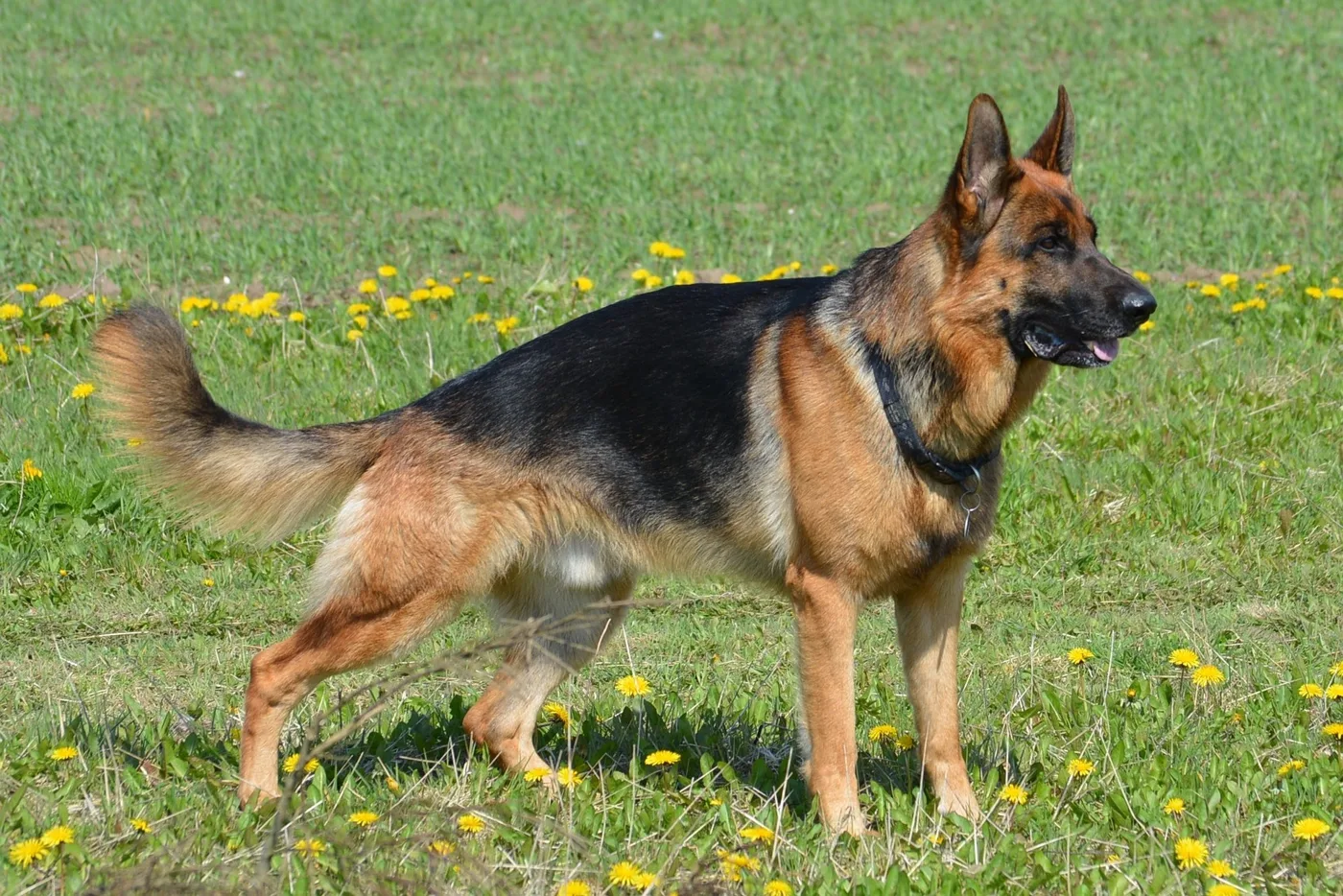
Police still rely heavily on this breed. The American Kennel Club (AKC) says German Shepherds, Belgian Malinois and Dutch Shepherds are still the preferred breeds for patrol work. Coren ranks the Shepherd 3rd for trainability, and the AKC’s 2025 rankings make it America’s 4th most popular dog.
Then comes the surprise. In a 2022 University of Helsinki study, researchers put 1,002 Finnish dogs through a set of thinking and behavior tests. German Shepherds and Malinois scored lowest of all the breeds on impulse control, the ability to hold back when every instinct says go.
They were also the two breeds most likely to keep working a problem entirely alone, without looking to a person for help, even when the problem had no solution.
Put those together and you may recognize your own Shepherd: through the door before you’ve finished saying “wait,” nose deep in the grocery bag before you’ve set it down. The breed was built to act fast and figure things out solo. In a house, the brakes have to be taught, and they’re worth teaching before anything fancy.
The nose makes the brakes matter more. Coren reports about 225 million scent-receptor cells in a Shepherd’s nose, against roughly 5 million in yours. Every sandwich you ever left on a coffee table was announced like a dinner bell.
#11 Golden Retriever, the genius that asks for help
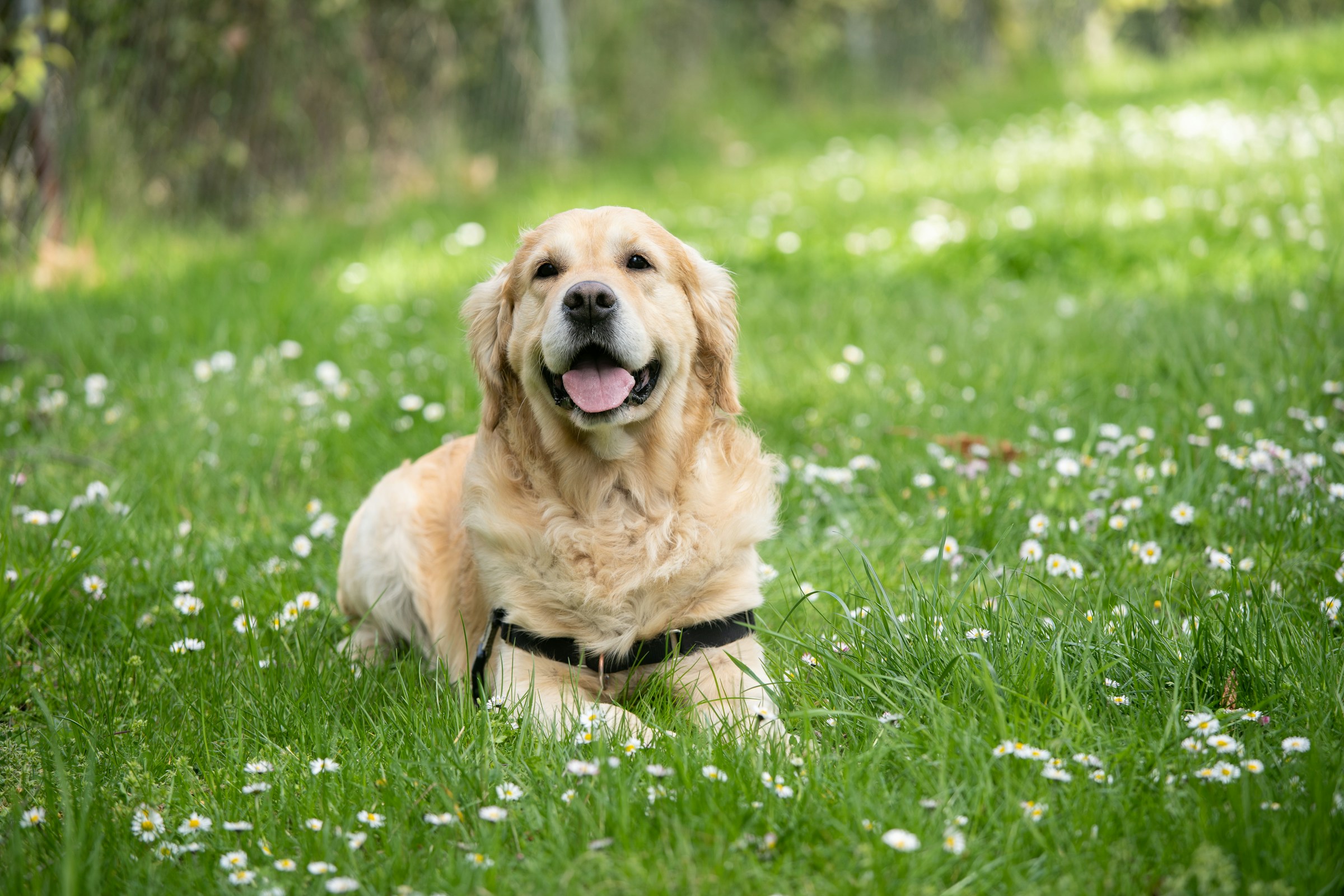
The squeaky toy has wedged itself behind the bookcase. A Golden doesn’t spend ten minutes clawing at the gap. She sits down, looks at the toy, then looks at you.
That look is a skill. In the same Helsinki tests, Goldens were among the most people-focused breeds, frequently seeking human help instead of solving the problem on their own. Where a Shepherd keeps grinding away alone, a Golden brings you in on it. Coren ranks Goldens 4th, and they’re America’s 3rd most popular breed.
This is the eager-to-please kind of smart. A dog owner explaining kinds of intelligence on Reddit’s r/dogs called the Golden the classic biddable dog, meaning one that takes direction readily: “they’re willing to please and easy to motivate.”
The catch is which Golden you bring home. John Robinson, who runs Goldens in field trials, wrote on the Golden Retriever Club of America’s site: “We were also unaware of the great variability between working lines, show lines and just plain backyard breedings.” A working-line Golden can be a much bigger engine than the family dog you remember. His field Golden, Yoda, retrieved 268 ducks over three years.
Ask the breeder what the parents do all day: hunt, compete, show, or nap. If the answer is “not sure,” that tells you something too. The pedigree tells its own story: ask whether the parents hold field titles such as Master Hunter or Field Champion, which show the dogs themselves have proven out in hunting work. A breeder can point them out.
#10 Labrador Retriever, the dog that reads your point
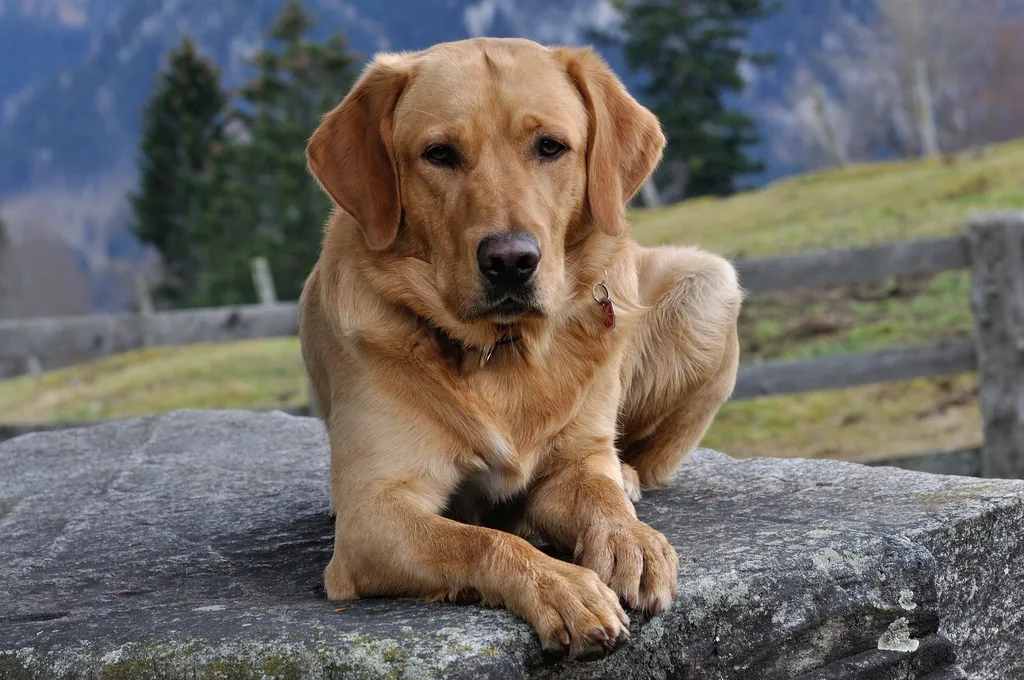
You point at the ball across the yard, and your Lab goes to the ball. He doesn’t sniff your finger.
That’s a talent. In the Helsinki tests, Labs were second only to the Malinois at understanding human gestures. Coren ranks the Lab 7th. America ranks it 2nd in popularity. It fits that about 60 to 70 percent of US guide dogs are Labs, a job that’s mostly reading people.
He reads your glance toward the cookie jar just as well. And some Labs have a reason to care more than other dogs: they carry a missing stretch of one gene that’s linked to extra hunger and weight gain. That stare at your sandwich may be a dog who honestly feels hungrier than his neighbor’s dog does.
Measure the food and count the treats, because the eyes will never say he’s full. If you’re choosing a puppy, know that field-bred Labs come leaner with longer muzzles, and show-bred Labs come stockier.
He’ll still look at the cupboard, then at you, then back at the cupboard. He’s pointing.
#9 Doberman Pinscher, the night watchman’s dog
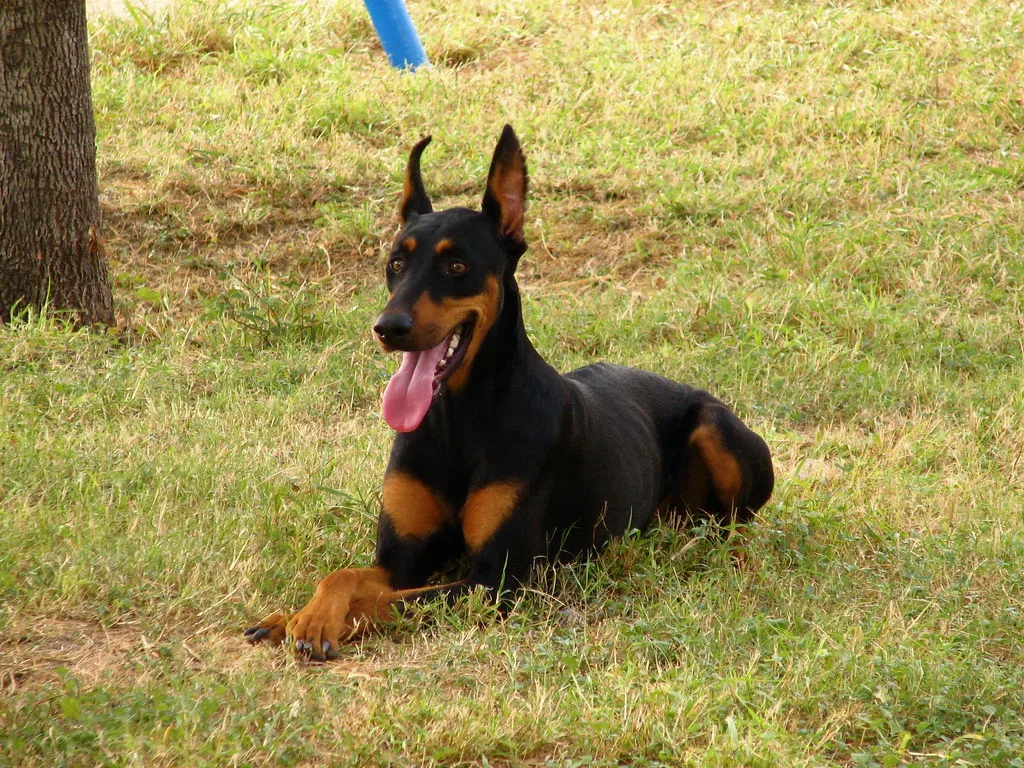
You’ve almost certainly heard that the Doberman was created by a German tax collector. Nearly every breed write-up repeats it.
Nobody has found proof. In a 2026 correction, the breed-history site A Doberman’s World said no contemporary evidence for the tax collector story has turned up. Town records from Apolda, Germany, from 1871 and the 1880s show Louis Dobermann working as a night watchman, a textile worker and a carcass remover, a job that likely had him catching stray dogs too. Around the 1870s, a date often misremembered as the 1890s, he bred the dog that carries his name.
So picture the real founder: a man who walked a sleeping town at night and probably saw more of its dogs than anyone.
The breed fits the job. The AKC calls it “incomparably fearless and vigilant,” with “keen intelligence,” and Coren ranks it 5th. It’s America’s 15th most popular breed in 2025.
All that watching needs an outlet. The Doberman Pinscher Club of America asks for at least a half hour of running and play morning and evening, ideally in a secure fenced area, and warns that a bored Doberman turns to barking, digging and general destruction.
Vigilant is the catch, and the gift. A Doberman notices the delivery truck, the neighbor’s new car and the leaf that moved. If yours sleeps facing the front window, now you know whose shift it’s covering.
#8 Pembroke Corgi, the herder that nipped the palace
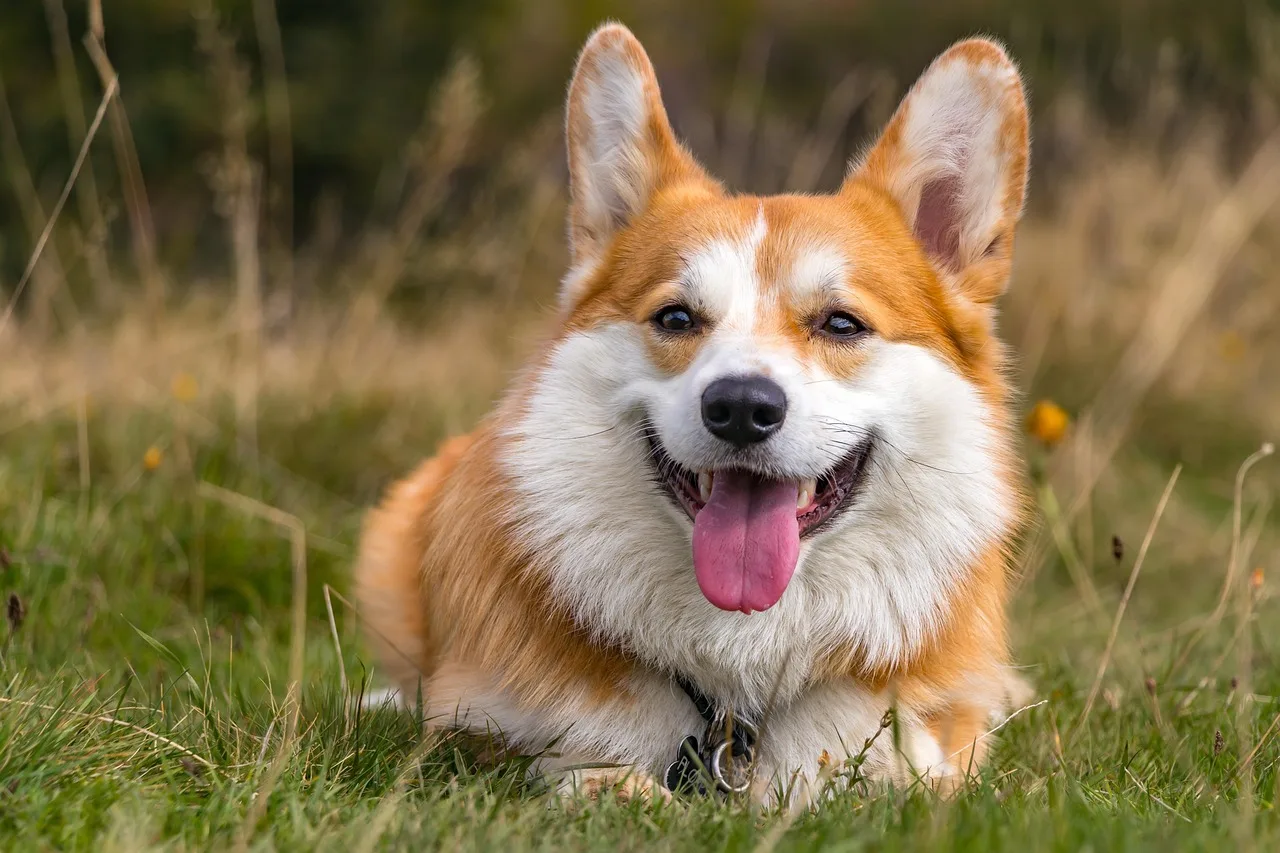
The corgi’s original job was moving cattle many times its size. Corgis worked as heelers, nipping at the heels of the larger animals to keep them moving, and their low build and quick feet let them duck the kick.
Now move that instinct to Buckingham Palace. Queen Elizabeth II owned more than 30 corgis between 1952 and 2022, every one descended from Susan, a present for her 18th birthday in 1944. In 1989, after the dogs developed a habit of nipping people, staff included, the palace hired an animal psychologist.
Coren ranks the Pembroke 11th for trainability, and it’s America’s 16th most popular breed. Herding breed instincts don’t read job titles. If yours goes for ankles when the household is rushing out the door, it’s working the only herd it has, the same way Susan’s descendants worked the palace staff.
#7 Australian Cattle Dog, part dingo on purpose
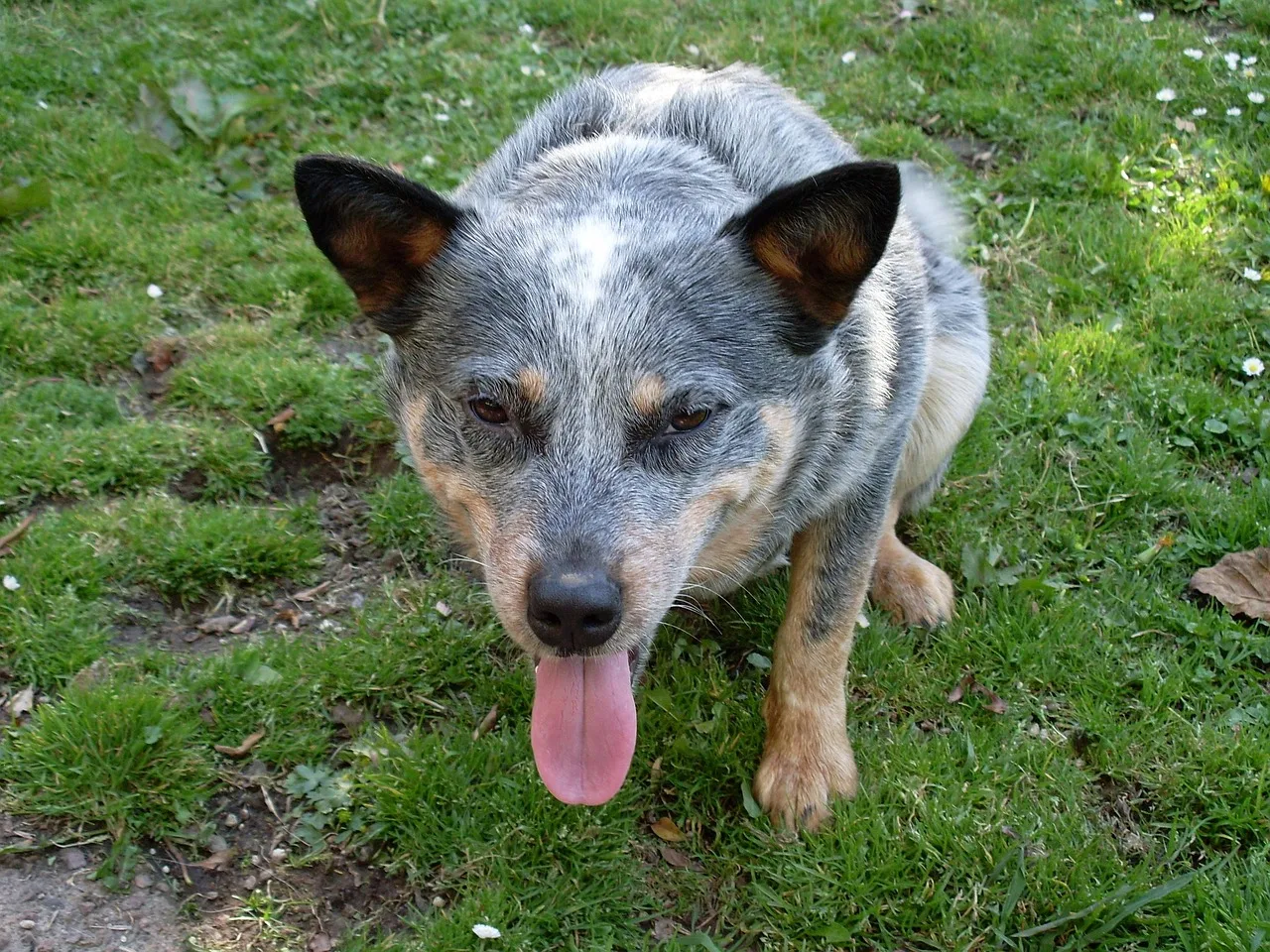
One breed in this countdown has wild blood, and somebody put it there deliberately.
In 1825, at Dartbrook Station in Australia, a drover named Thomas Simpson Hall crossed an English drover’s dog with a dingo, Australia’s wild dog. By 1832 he had what people called Hall’s heeler. Australia’s ABC News reports it’s believed to be the only time in the world a wild dog has been bred with a domestic dog to get a working dog that still takes direction.
You’re living with a little of the outback, and it wants work. The Australian Cattle Dog Club of America says these dogs do not thrive if left constantly unattended in the back yard and need “a job or a purpose in life in order for them (and you) to be happy.”
Americans haven’t caught on. The breed is only 47th in the AKC’s 2025 popularity rankings. Coren ranks it 10th for trainability, out of the roughly 133 breeds his obedience judges assessed.
#6 Australian Shepherd, the overlooked smart one
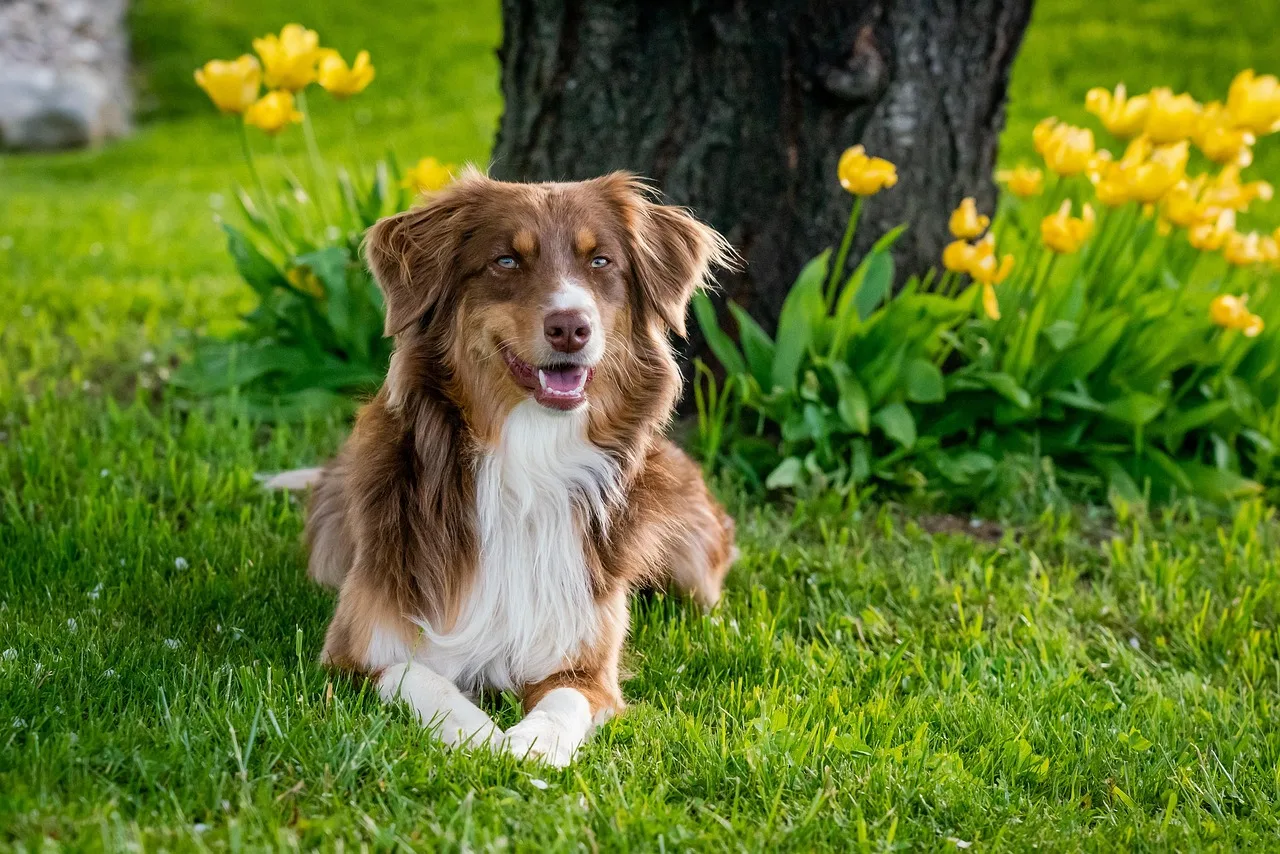
Start with the name, which is wrong. The US Australian Shepherd Association says the breed developed exclusively in the United States, and the AKC traces it to the western states of California, Colorado, Wyoming and Idaho, where it herded sheep.
Look for it on lists of the most intelligent dog breeds and you often won’t find it. Coren puts the Aussie 42nd, in his “average” tier. Yet in the Helsinki tests, it was among the highest-scoring breeds for self-control, alongside the Border Collie.
So which is it? Both. Coren’s judges rated how quickly a dog learns from people. Helsinki measured, among other things, whether a dog can hold back. An Aussie can lie perfectly still by the door while thinking hard about what comes next.
It’s also America’s 14th most popular breed, so plenty of people are finding out what that stillness is saving up for. Mental stimulation helps, and the breed club says Aussies “need to be given a ‘job’ to perform.” It says an owner should ideally have a fenced yard where an Aussie can run and play for at least an hour or two every day. It also says this, plainly:
“One of the most frequent reasons Aussies get turned over to rescue groups is that their owners didn’t anticipate how energetic these dogs are.”
#5 Belgian Malinois, the dog that outruns its leash
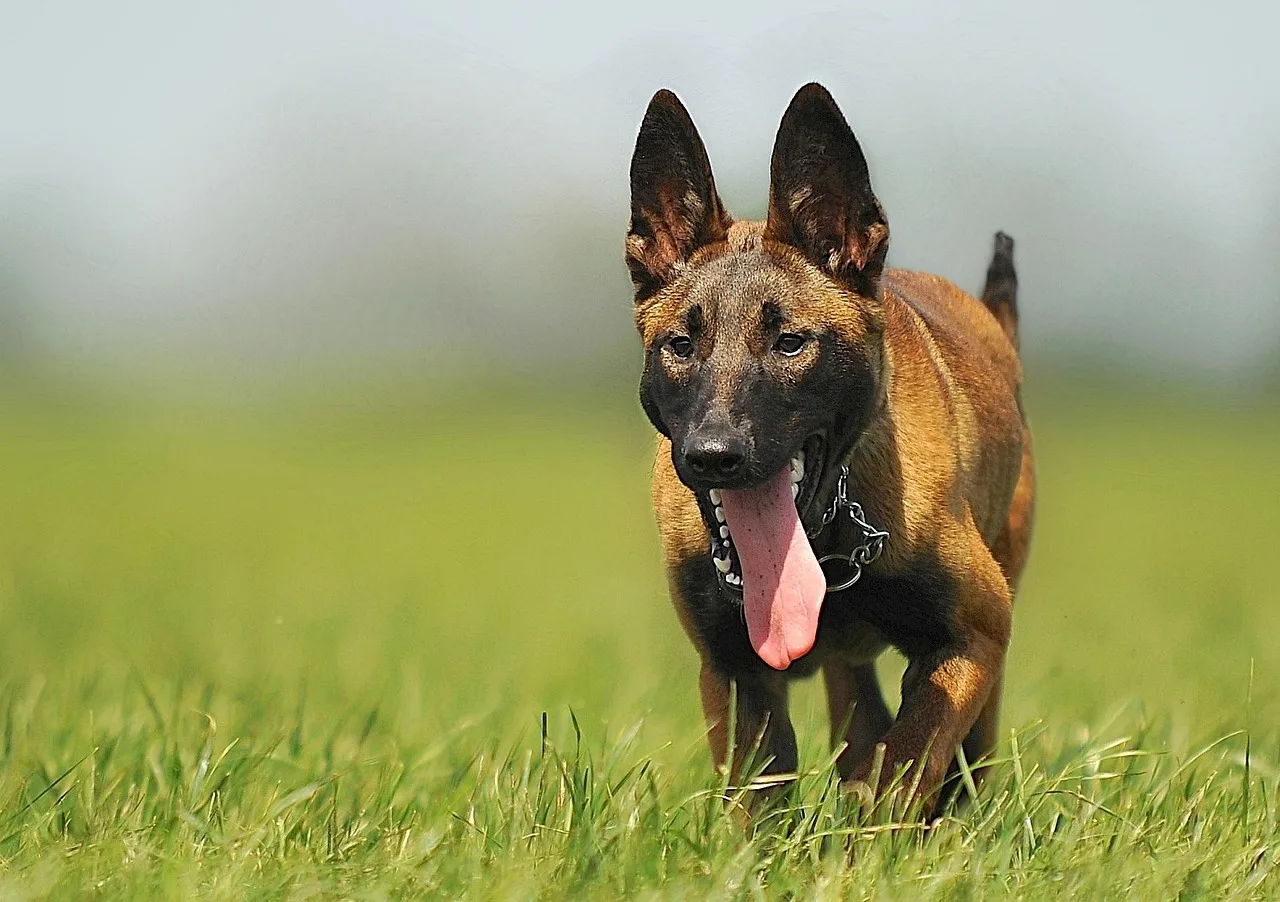
This is the breed the internet now likes to crown. Some coverage of the Helsinki study called the Belgian Malinois the smartest dog of all, which the paper itself never says. What it found is narrower: Malinois tied with Kelpies as the breeds that scored highest at reading human gestures.
Coren ranked it only 22nd, tied with the Bernese Mountain Dog. It’s the AKC’s 32nd most popular breed. Its own club is blunt about who should own one, saying in capital letters that the Malinois is “NOT for everyone,” and adding:
“An underutilized dog is a frustrated dog. And a frustrated dog is not a good housemate.” American Belgian Malinois Club
Malinois owners on Reddit say much the same: this dog needs constant work for its brain and doesn’t suit the average pet home.
The quick learning carries its own risk off leash. AKC trainer Sassafras Patterdale advises off-leash play only in safely secured areas, with a 15 to 20 foot long line everywhere else.
#4 Siberian Husky, built to overrule you
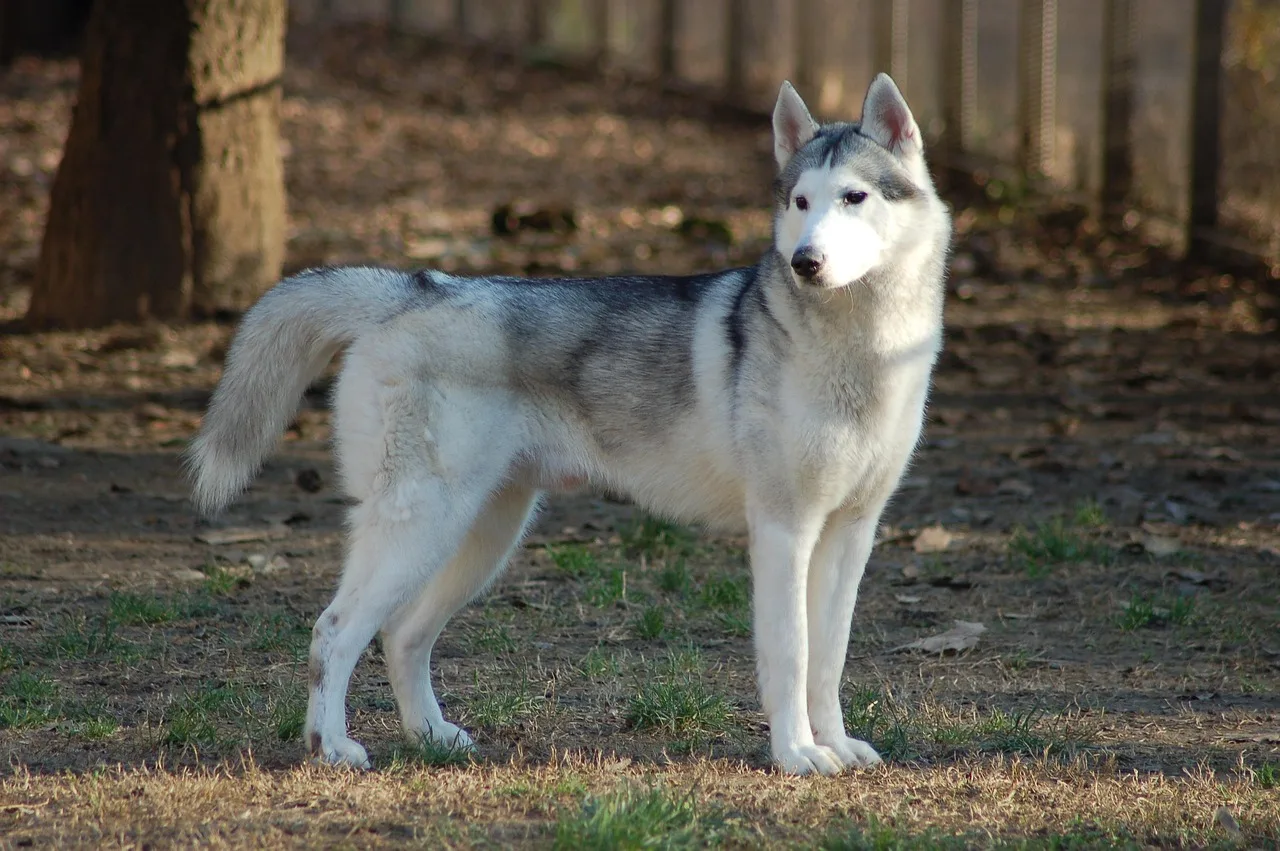
You call. The Husky hears you, and you can see the ears swivel. Then it trots, cheerfully, the other way.
A herding-breed person who handles a sibling’s Huskies summed it up on r/DogBreeds101: “Huskies are the closest thing to having a toddler in canine form, I think. They are masters of malicious compliance.” Malicious compliance means doing exactly what you asked in a way that misses what you meant. You said sit. It sat. In the tomatoes.
The “dumb Husky” jokes miss what’s going on. Coren ranks the breed 45th, in his average tier. The Siberian Husky Club of America says it was developed by the Chukchi people of northeastern Asia as an endurance sled dog, and puts the rest politely: “His intelligence has been proven, but his independent spirit may at times challenge your ingenuity.”
That’s a club telling you it’s an independent thinker. Bradley Phifer of the Certification Council for Professional Dog Trainers is less polite, calling Huskies “notoriously independent and willful.”
Some owners think the looks do the selling. In one Reddit thread, critics say the breed is rated too highly because it’s beautiful, and that it’s loud, stubborn and destructive without heavy exercise, and hard going in warm climates. Its AKC popularity rank slipped from 26th in 2024 to 30th in 2025.
The serious part comes from the club too. It says a Husky must be “confined or under control at all times,” lists small animals, cats included, as potential prey, and warns: “One quick lope across a busy street could be the last run that he enjoys, ever.”
#3 Bloodhound, the nose that switches off the ears
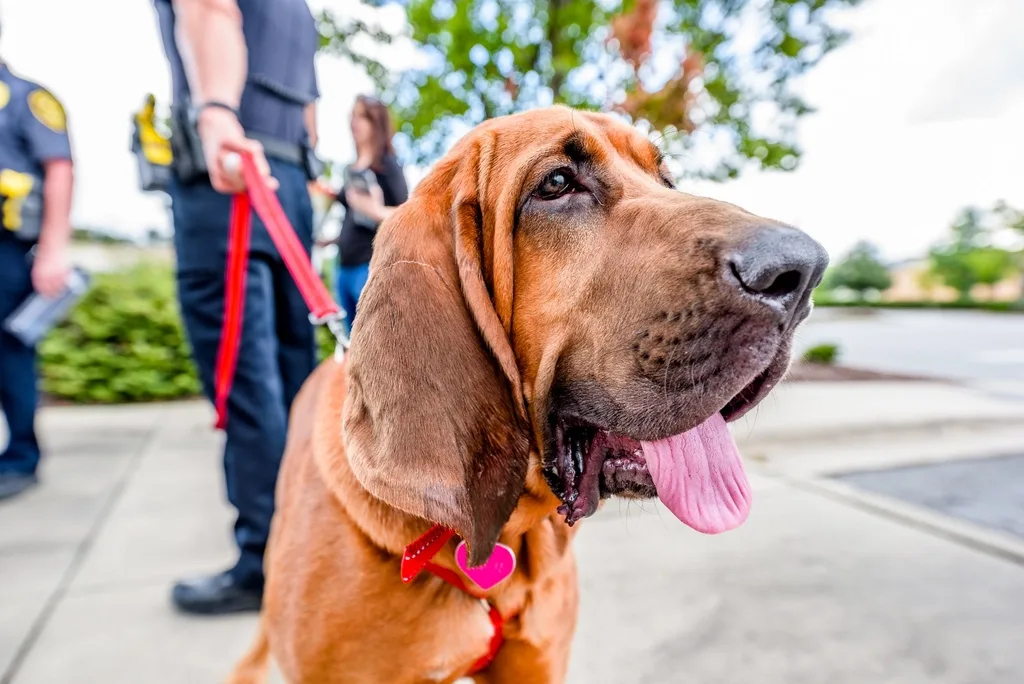
“When a Bloodhound catches a scent, their brain literally shuts off,” says Tom Davis, a professional dog trainer at Upstate Canine Academy who has trained police dogs.
On paper, that’s a dim dog. Coren ranks the Bloodhound 74th, in his lowest tier, among the slowest learners of all.
Dr. Nicholas Dodman, of Tufts University’s animal behavior clinic, says it about scent hounds in general: “They are not really interested in listening or pleasing anyone. They are simply interested in following their noses.”
Even showing one how to do something barely helps. Researchers at Eötvös Loránd University in Hungary gave dogs a detour puzzle, where the dog has to go around a barrier to reach a reward. Retrievers, herders and other cooperative breeds got better after watching a person solve it. Hounds and other independent breeds didn’t. A Bloodhound takes its lessons from the ground.
And what a ground it reads. Coren puts its nose at about 300 million scent-receptor cells, about 60 times what you have. The breed traces back to St. Hubert hounds kept by Belgian monks as early as 1200 A.D.
One Bloodhound, Nick Carter, was credited with more than 650 finds, and his nose gathered evidence that sent 126 criminals to jail. Try getting that from a dog that listens.
#2 Rough Collie, and Lassie was a boy
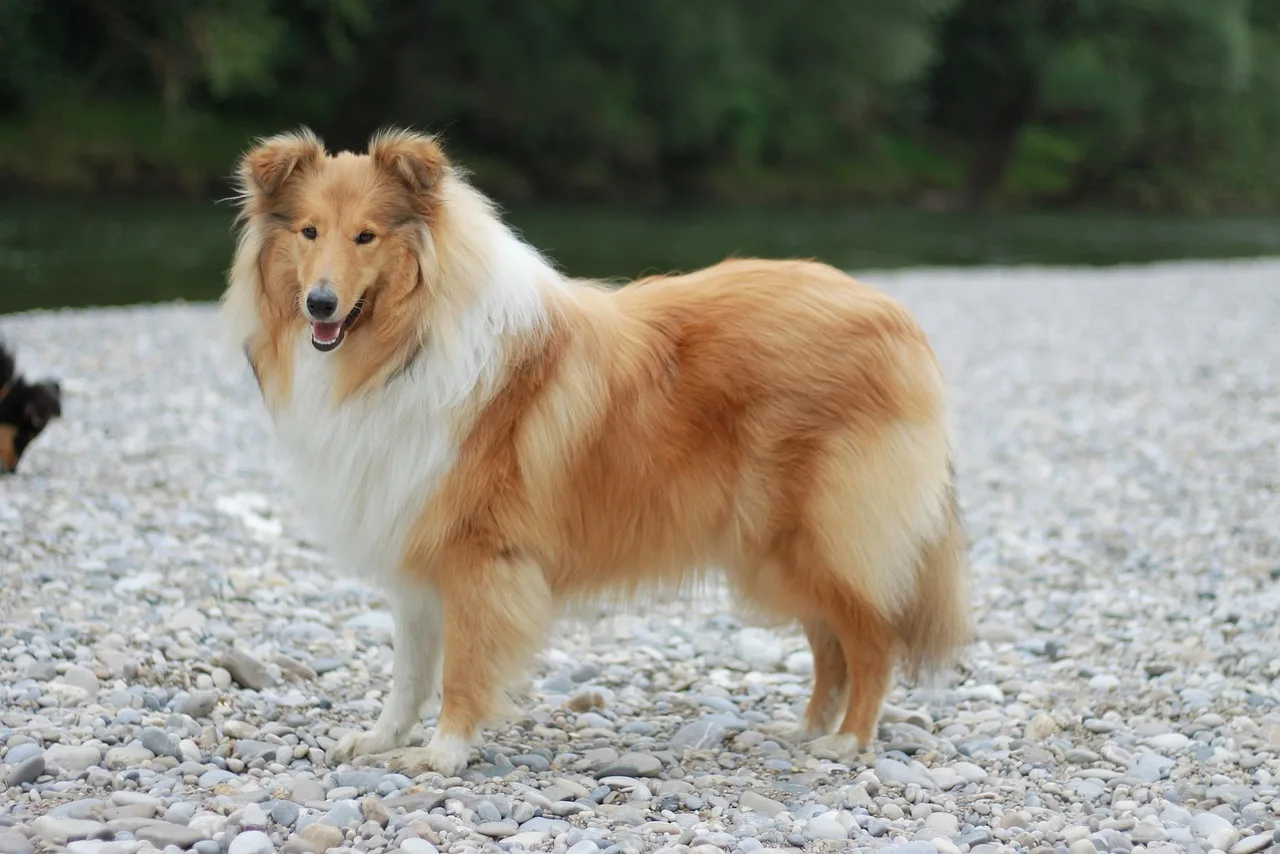
Lassie was played by a boy. Generations of kids grew up loving a girl dog who was, from the very first film, a male.
For MGM’s Lassie Come Home in 1943, the part first went to a female. Then a male Rough Collie named Pal, owned and trained by Rudd Weatherwax, impressed director Fred M. Wilcox in a river-flood scene and took the role.
The family business never stopped. The dog playing Lassie today is Pal’s 10th-generation descendant, also named Pal.
Coren ranks the Collie 16th for trainability. Fame hasn’t kept it on top, though: in 2025 it was only the AKC’s 39th most popular breed. If you’ve wanted one since you were a kid, here’s the good news: the Collie Club of America says a Rough Collie in full coat needs brushing once a week or every two weeks.
#1 Border Collie, smartest breed and a part-time job
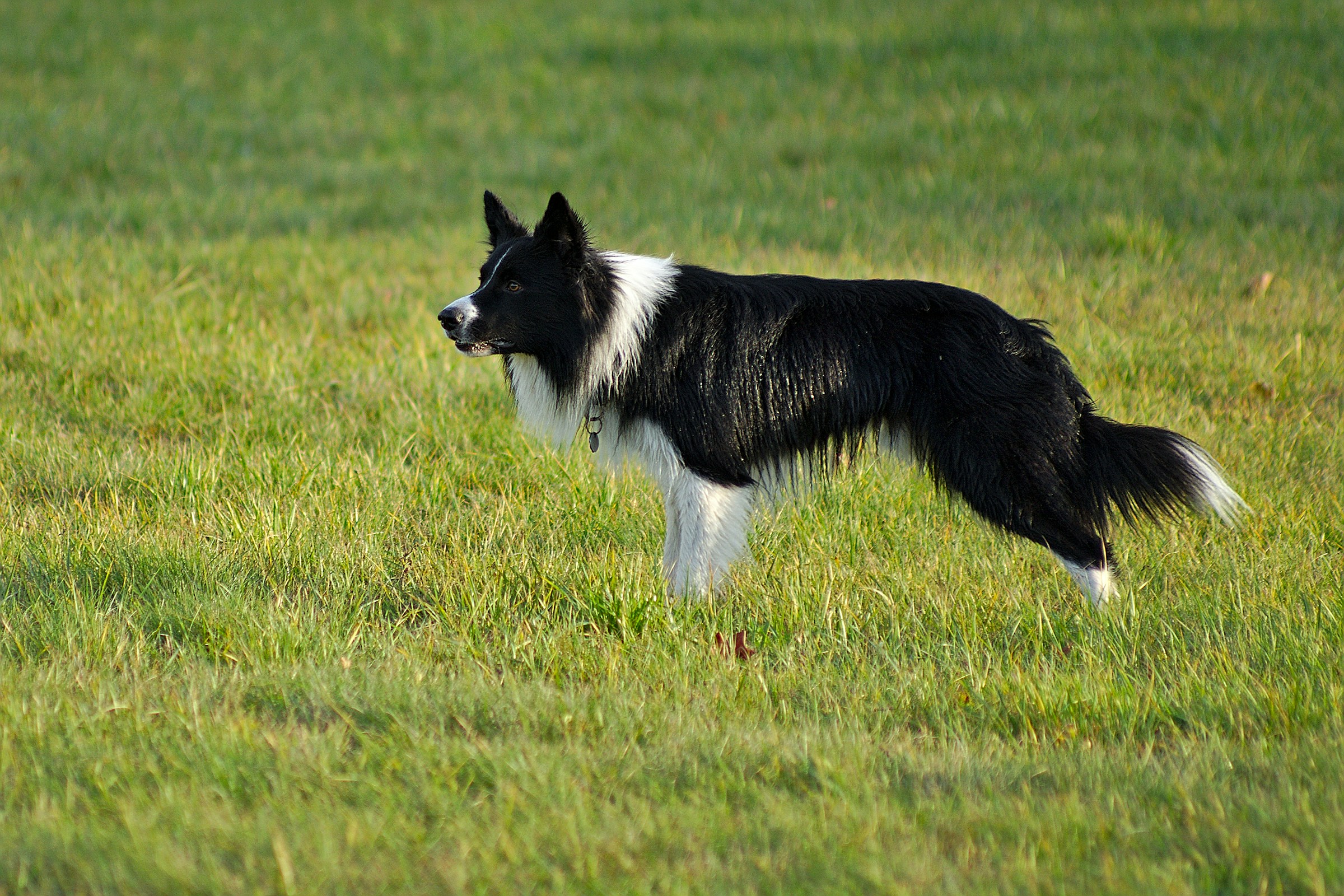
No surprise at the top. When Coren surveyed obedience judges, 190 of the 199 put the Border Collie in their personal top 10. That’s nearly every judge.
Four of Coren’s six tiers – Brightest: needs fewer than five repetitions to pick up a new command, and gets the first command right 95% of the time or better – Excellent: 5 to 15 repetitions, obeys 85% or better – Average: 25 to 40 repetitions, 50% or better – Lowest: 80 to 100 or more repetitions, 25% or worse
Tom Davis, the trainer from the Bloodhound entry, puts the speed in plain terms: “A Border Collie will master a command you spend a week training in about 10 minutes.”
Then comes the bill. “A smart dog isn’t an easy dog. A smart dog is a dog that notices everything,” Davis says. In an ordinary home, he says, that means a dog that starts herding the kids, the cars and the vacuum. The AKC calls the breed “a remarkably bright workaholic” and warns that its herding instincts “may lead them to herd children during play.” If grandchildren visit, picture the backyard.
Here’s what that job takes. Border Collie Rescue of Northern California says “To truly exercise a Border Collie, you must be willing to put in a couple of hours each day.” Over a year, that’s about 730 hours, roughly a part-time job. And the dogs that land in rescue? “By far the largest percentage,” it says, come in for being “‘hyper’ and far too difficult to handle.”
“The smarter the dog, the bigger job you owe it.” Tom Davis, professional dog trainer (video)
My honest take: if your days have those two hours in them, gladly and for years, there may be no better company on four legs. If they don’t, admire this one at a sheepdog trial and bring home a breed that wants a nap. More people are signing up for the job anyway: the breed climbed from the AKC’s 30th most popular in 2024 to 26th in 2025.
The joy side looks like Chaser. Trained by psychologist John W. Pilley, she learned to identify and fetch 1,022 toys by name. She knew 50 words at 5 months, 200 at seven and a half months, and more than 1,000 by age 3. Chaser died in 2019 at 15, and somewhere in that house, presumably, were 1,022 toys.
The bottom line
If your dog never showed up above, you’re in a crowd. We lined Coren’s ranking up against the AKC’s 2025 popularity list, and America’s favorite dogs are mostly not the quick studies. The Dachshund is 5th most popular and 49th for trainability. The Beagle is 7th and 72nd. The Bulldog is 10th, and 77th out of 79 spots. The Cavalier King Charles Spaniel sits at 12th and 44th, the Boxer at 18th and 48th.
It holds at both ends. Coren’s seven quickest learners have a median popularity rank of 6. His seven slowest have a median of 92, and only the Bulldog among them cracks the top 50. And the judges themselves said there are exceptions in every breed and that “a lot comes down to training.”
So try this tonight. Toss a treat under the couch where your dog can’t quite reach it, and say nothing. If it looks up at you within seconds, it has a Golden’s kind of brain, whatever it looks like. If it goes flat on its belly and works the angles alone, it thinks like a Shepherd. If it comes back carrying the whole treat bag, you have a different problem.
Bonus: Four small moves for life with a clever dog
Before you commit to a breed, call a rescue group that handles it and ask the single most common reason those dogs get surrendered. The answer is the catch, straight from the people who see it every week.
Check the pet rules before a national park trip. At Saratoga National Historical Park, leashes can be no longer than 6 feet, and a retractable leash let out past that is against the rules.
Say your dog’s toy names out loud while it’s in the room. In a 2026 study, seven of 10 specially gifted word-learning dogs picked up new toy names just by overhearing their owners. The lead researcher, Dr. Shany Dror, is clear that most dogs don’t learn this way, so treat it as a game.
Notice whom your dog fools. Researchers in Zurich found dogs led a stingy partner to an empty box more often than a generous one, saving the sausage for themselves. If yours steers one person toward the empty bowl, you know who’s on the stingy list.
Questions people also ask
Is a smart dog easier to train?
A smart dog learns commands faster, but that doesn’t make it easier to live with. Coren’s ranking measures how quickly a breed picks up a command and obeys it, nothing more. Border Collie Rescue of Northern California says the largest share of the dogs it takes in were given up for being “hyper” and far too difficult to handle.
How smart is a dog compared to a human child?
The average dog is about as smart as a 2-year-old child, or a little older. Stanley Coren told the American Psychological Association in 2009 that dogs’ mental abilities are close to a human child age 2 to 2.5 years. The average dog can learn about 165 words, including signals, and dogs in the top 20 percent up to 250.
What is the most trainable dog breed?
The Border Collie is the most trainable breed by Stanley Coren’s survey of North American obedience judges, with 190 of 199 judges placing it in their personal top 10. His top tier means a dog needs fewer than five repetitions to pick up a new command and gets the first command right 95 percent of the time or better.
What are the dumbest dog breeds?
By Coren’s obedience-judge survey, the slowest learners are the Basset Hound, Mastiff, Beagle, Pekingese, Bloodhound, Borzoi, Chow Chow, Bulldog, Basenji and Afghan Hound, in that order from 70th to 79th. “Dumbest dog breeds” is unkind, though, because most of them are hounds bred to work on their own. A Hungarian study found such independent breeds don’t improve by watching a person solve a problem, while cooperative breeds do.
Can a mixed breed dog be as smart as a purebred?
Yes, a mixed-breed dog can be every bit as trainable as a purebred. A 2022 study in the journal Science, which genotyped more than 2,000 dogs, about half of them mixed breeds, found that breed explains only about 9 percent of the variation in an individual dog’s behavior. How readily a dog takes direction varied a great deal from one dog to the next.
Is the Belgian Malinois smarter than the Border Collie?
Not in any overall sense the research supports. The 2022 University of Helsinki study found the Malinois and Kelpies best at reading human gestures, while the Border Collie was among the top scorers on self-control. The paper found no breed differences in memory or logical reasoning and never names an overall winner.