From a two-second gum test to the breed listed on the chart, here’s what a vet reads on your dog, and the few clues only you can bring in.
The last one is something nearly every dog lover believes, and a huge recent study says otherwise.
Your dog steps onto the scale in the exam room, all four feet planted, eyes fixed on you as if you arranged this personally. The tech jots down a number, smiles, and says the doctor will be right in. So you figure the exam hasn’t started. It has. Most of what vets notice about your dog happens in that first minute: the walk across the slick floor, the shape under the fur, the smell when someone lifts a lip. Some of it is good news. Some of it is warning signs you could spot on your own couch.
Table of Contents
#17 How your dog walks into the room

Nobody has touched your dog yet, and the vet is already working. Dr. Michele James, a board-certified veterinary specialist at the MSPCA-Angell animal hospital, says a vet judges a patient’s alertness by watching it in the room, before any hands-on exam.
The other thing they’re watching is gait, the way your dog moves. Does the head ride level or hang low? Does the sit come down in one easy fold or in careful stages, like someone lowering into a bathtub?
VCA Animal Hospitals lists these as classic pain signs in aging dogs:
- Limping
- Getting up slowly from lying down
- Avoiding slippery floors
- Standing with the head held down or the back arched up
Plenty of clinic floors are slick, so the dog who skates along the wall or freezes in the middle of the room is telling the vet something.
You can watch for the same thing at home, on your shiniest floor, and in the first few steps after a long nap. If your dog has started taking the long way around the kitchen tile, mention it at the start of the visit. It’s on VCA’s list, and it’s exactly the kind of thing that never happens on cue in an exam room.
#16 Whether the vet’s hand finds ribs easily
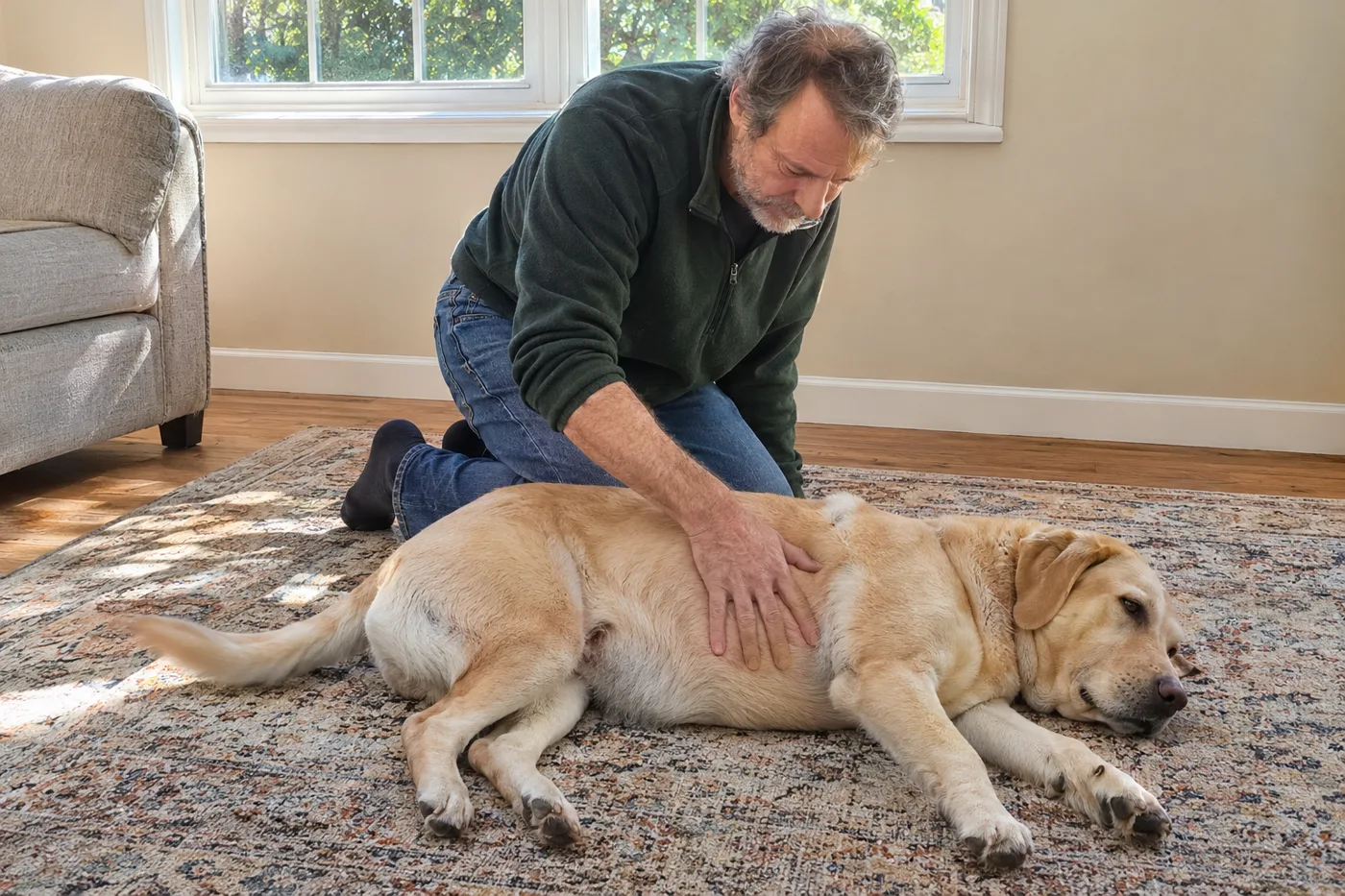
Vets don’t trust their eyes on weight. They run a flat hand along your dog’s side and feel for ribs.
That feel gives your dog a body condition score on a 9-point scale from the Association for Pet Obesity Prevention, a veterinary nonprofit. At a lean 4, ribs are easy to feel beneath a thin layer of fat; at an ideal 5, they’re easy to feel without excess fat cover. At a 7, the vet has to press firmly just to find them. The group says touch matters most in long-haired or heavily coated dogs, where a fluffy dog can hide a lot.
The body condition score, in plain terms – 3 (thin): the spine and pelvic bones are starting to show – 4 (lean): ribs easy to feel beneath a thin fat cover, waist visible from above – 5 (ideal): ribs easy to feel without excess fat cover – 7 (heavy): it takes firm pressure just to find the ribs
Here’s what’s odd. In the group’s 2022 US survey, vets classed 59% of dogs as overweight or obese, yet only 49% of owners said their vet talked about ideal body condition every year. So the vet may notice and say nothing. Ask outright: “What’s her body condition score?” It’s a number you can track from visit to visit.
If you have a Labrador, the begging may not be an act. Cambridge researchers found that about a quarter of Labs, and about two-thirds of Flat-coated Retrievers, carry a gene change that makes them hungrier and burns about 25% less energy at rest. Researcher Dr. Eleanor Raffan’s advice: “All owners of Labradors and flatcoated retrievers need to watch what they’re feeding these highly food-motivated dogs.”
And if your dog sits at a lean 4, expect commentary at the park. As a long-time German Shepherd owner put it on r/AskReddit: “I’m constantly bothered by random people saying they look like [they’re] starved.” The vet’s hand on those ribs is the opinion that counts.
#15 What the vet smells when lifting the lip
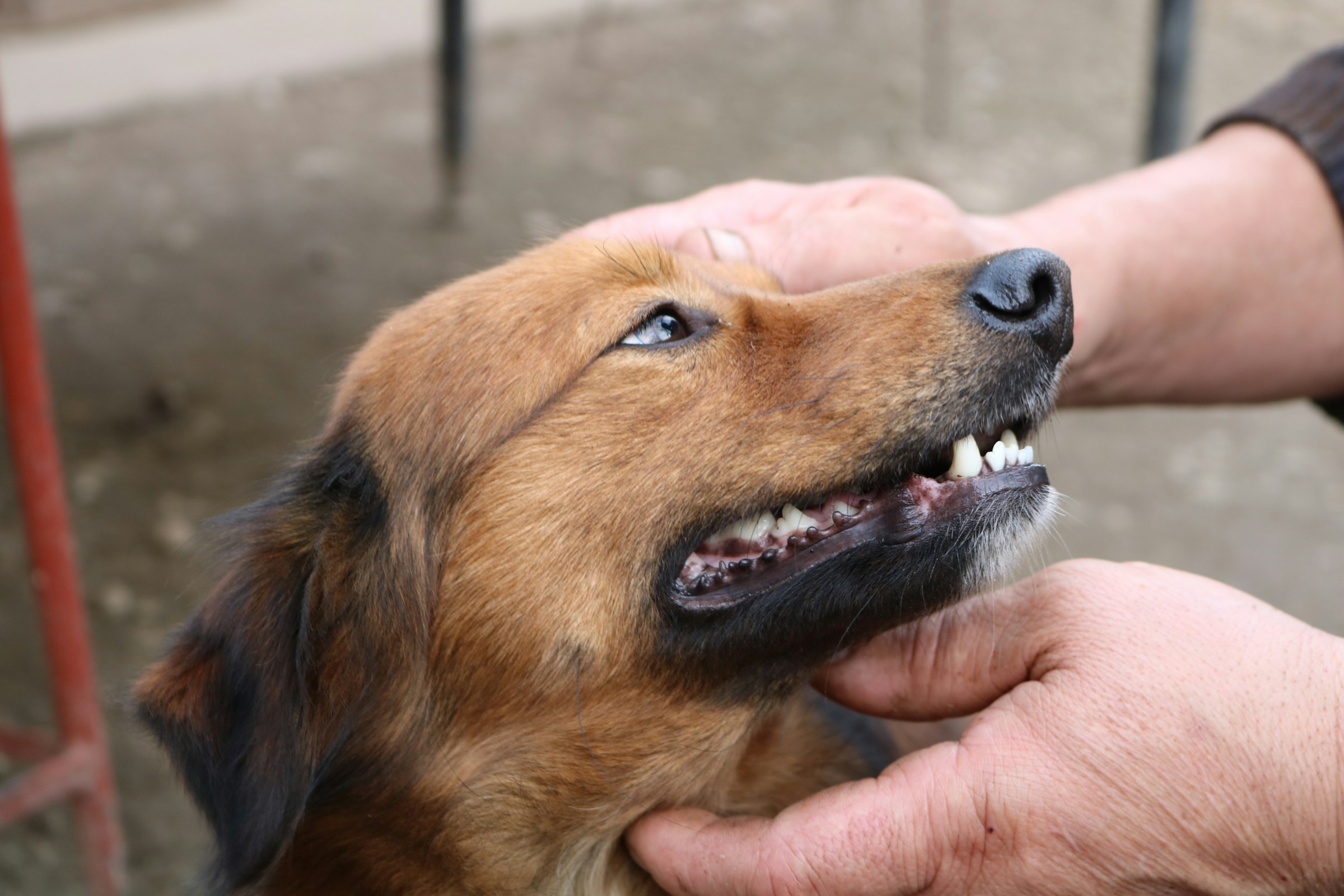
That whiff when the lip goes up is usually the most predictable finding of the whole visit. Citing the American Veterinary Dental College, the American Veterinary Medical Association says most dogs have some gum disease by age three, and bad breath is often the first clue.
VCA goes further: over 80% of dogs past three have active dental disease, and bacteria from a badly infected mouth may be linked to changes in the heart, liver and kidneys.
So “dog breath” is less a personality trait than a symptom.
The AVMA’s then-president, Dr. Lori Teller, said teeth should be checked twice a year. The same release says only 2% of owners brush their dog’s teeth daily. If you’re among the other 98%, you have plenty of company, and those checks matter more for you.
Before the next visit, lift the lip yourself and look at the back teeth, where the brown buildup tends to hide. Then tell the vet roughly when the smell started. That date is something no one in the room can sniff out.
#14 How your dog handles being touched
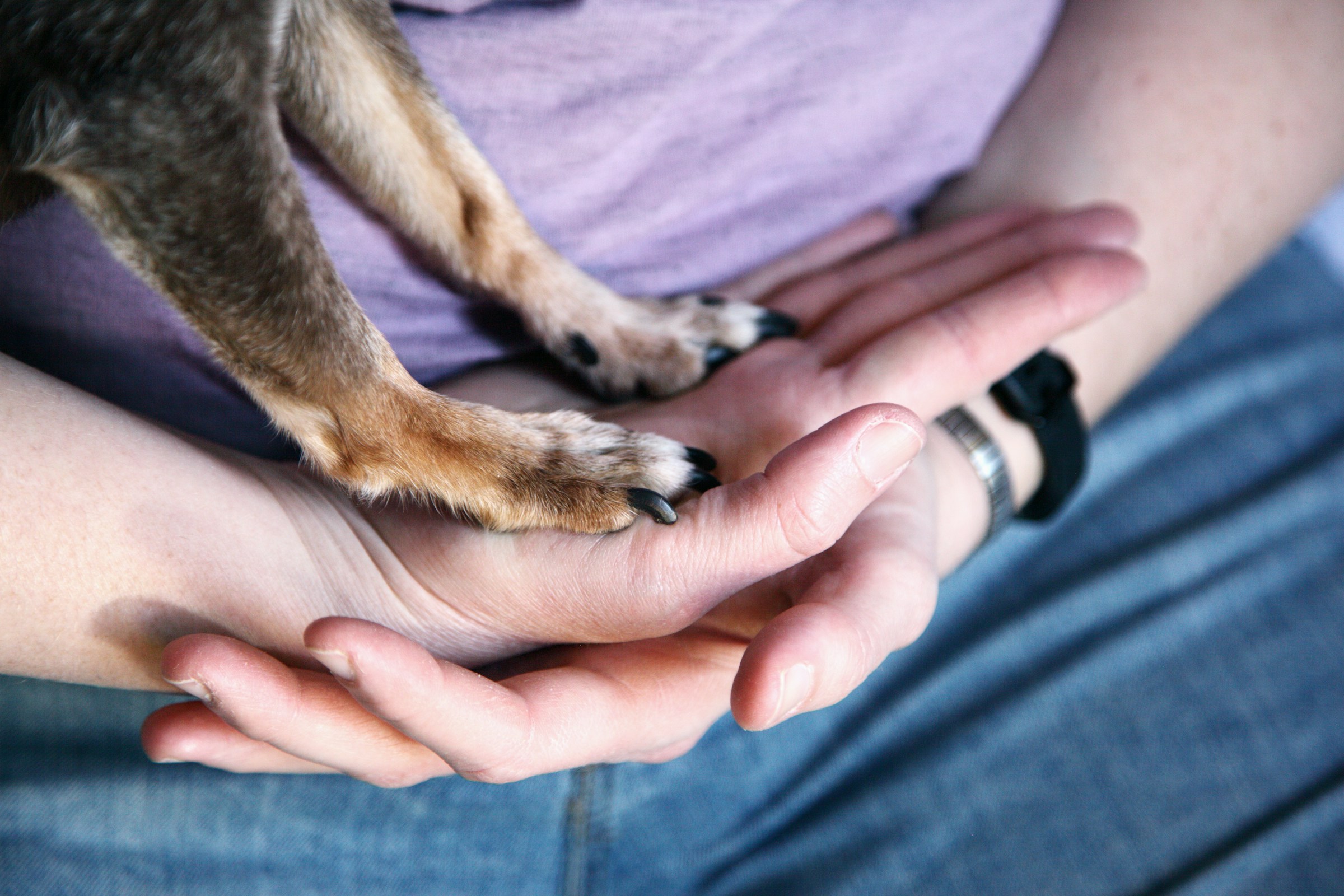
Will your dog let you hold a back paw while you count to five?
Trainer Teoti Anderson, a certified professional dog trainer writing for Fear Free Happy Homes, suggests a quick test at home: touch the paws, ears and tail, and look at the teeth. Does your dog calmly allow it, whip its head around, mouth your hand, or freeze? Her read on the bad reactions: “Most times, dogs avoid touch, or snap or bite, out of fear or pain.”
Vets notice this in seconds, because it decides how the whole exam goes.
It’s also trainable. In a small study at Atlantic Veterinary College on Prince Edward Island, dogs given gentle handling, including exams on the floor, a lick mat of something tasty and practice of the exam at home, had a bigger drop in cortisol, a stress hormone, than dogs handled the usual way. Heart rates didn’t differ between the two groups, but the stress hormone did. The dogs were six months and older, not only puppies.
It’s one of those things vets wish dog owners knew. An owner who has handled her dogs every night since puppyhood passed along her vet’s view on r/AskReddit:
“Our vet has said that too many people do their dogs a disservice by not getting into these habits from the very beginning” (dog owner, r/AskReddit)
Try a one-minute mock exam after dinner: paw, ear, lip, tail, treat. If your dog stiffens or whips around at the same spot every single time, stop there and don’t push it. Tell the vet which spot. That’s the useful part.
#13 The tech’s quick look before the vet arrives
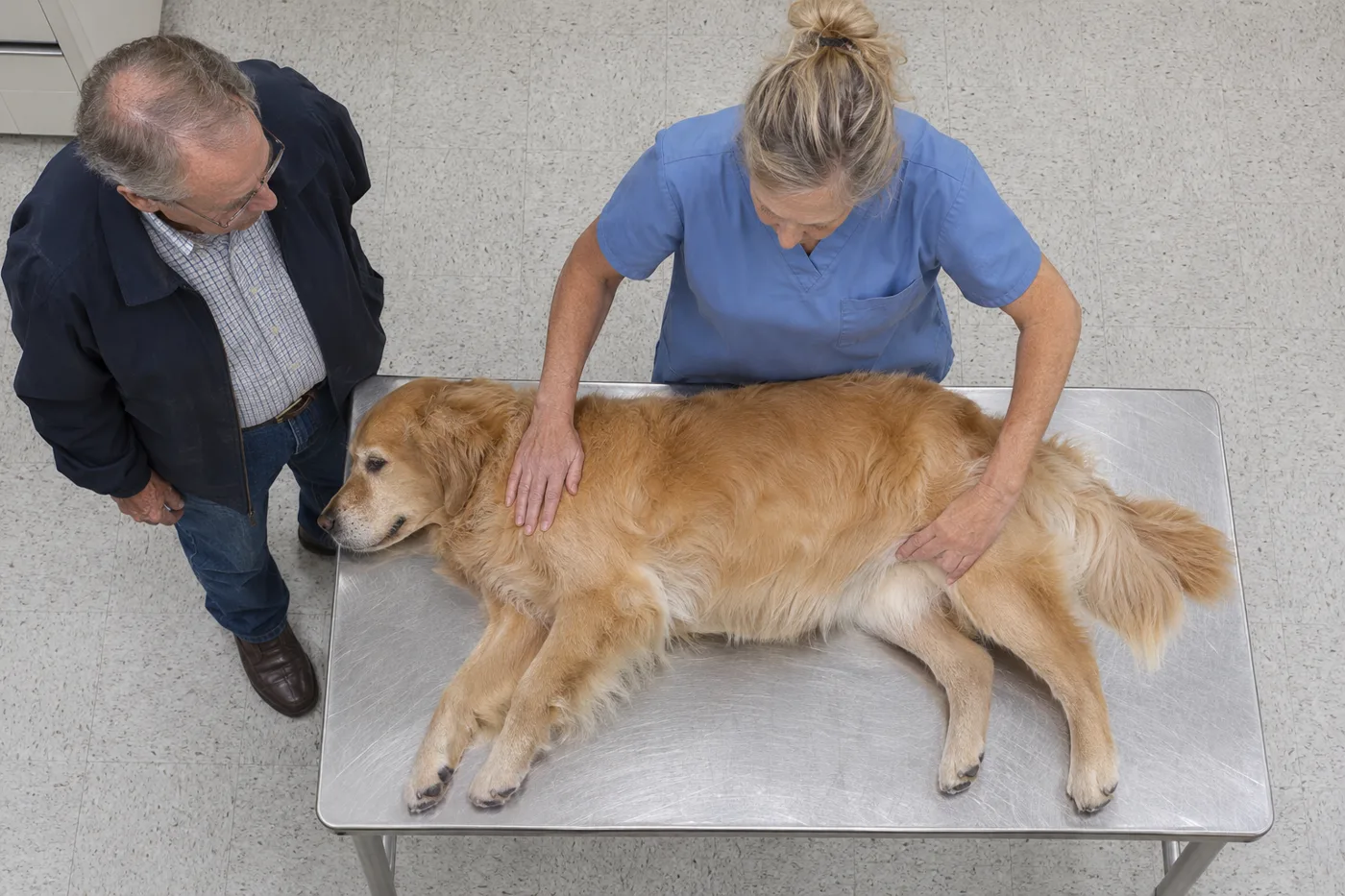
The first trained eyes on your dog usually belong to a vet tech. The federal job description for vet techs includes “Observe the behavior and condition of animals” and “Collect and record animals’ case histories.” They also take the vital signs: temperature, pulse and breathing rate.
There are more of them than vets, too. Across the US there are roughly 1.4 vet techs for every vet, just under three for every two, according to 2025 federal job counts. That’s every job they hold nationwide, including research and government, so it says nothing about how your own clinic is staffed. What it does mean is that plenty of what ends up in your dog’s chart was noticed and written down before the vet came in.
So the hallway is the place to say it. “She’s been slow on the stairs” belongs in that first conversation, not at checkout with your card in your hand.
Some owners feel the exam itself can be thin. One wrote on r/DogAdvice: “It seems unless I am there for a specific problem all vets just look at the head and backside.” In the same thread, a vet agreed and said she now works from a head-to-tail checklist.
You can ask for exactly that. Tell the tech up front you’d like the full head-to-tail exam this time: hands over the whole body for lumps, plus teeth, gums and paw pads.
#12 A gentle press on the gums
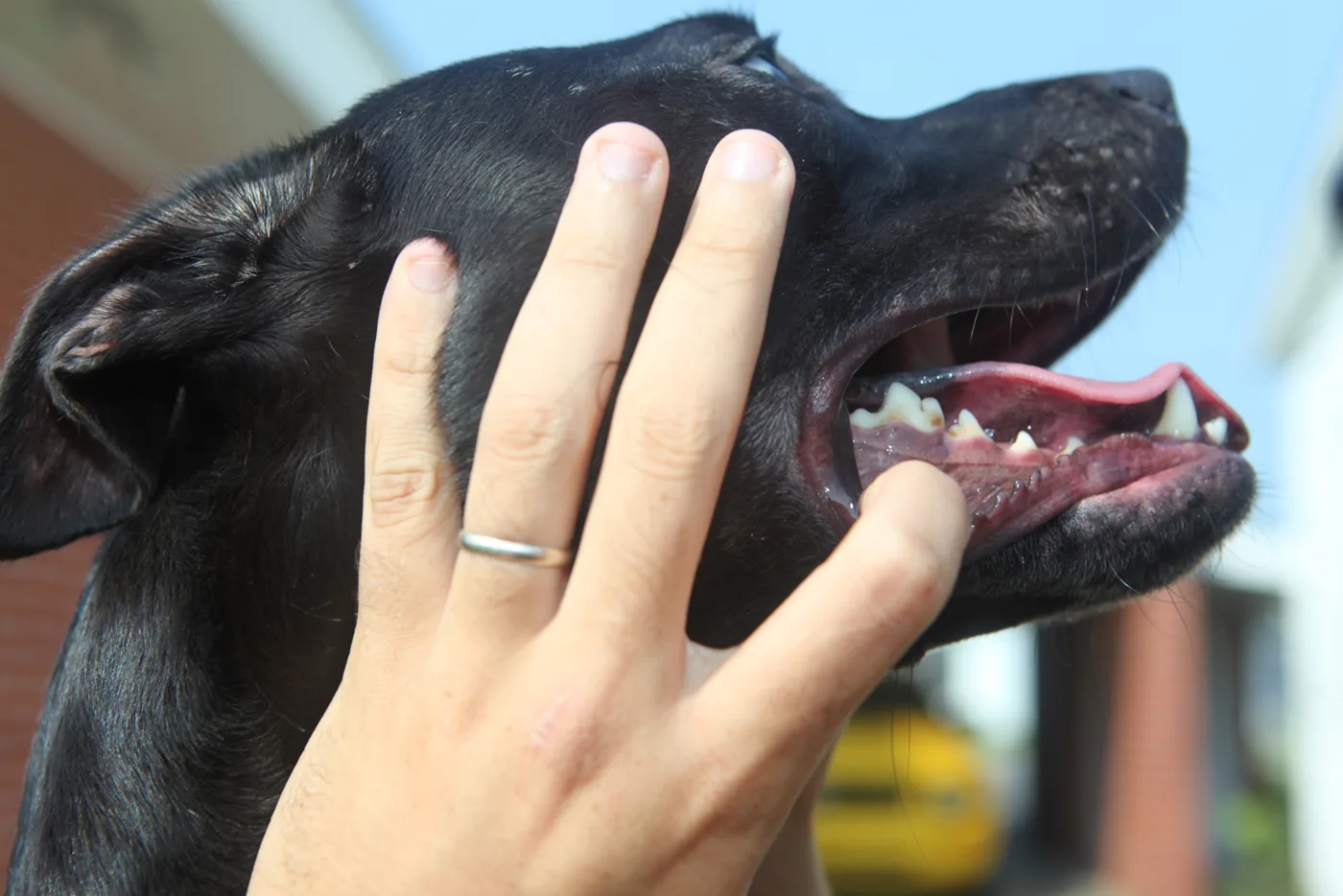
This is a quick check, and you can do it tonight. Healthy gums are a light, powder-pink color, according to PetMD. Press a fingertip on the gum until the spot turns white, let go, and count. Pink should come back in under two seconds.
Reading your dog’s gum color – Pink, back within 2 seconds of a gentle press: normal – Pale or white: possible anemia, shock or heart disease – Bright red: possible heatstroke or a toxin; yellow: possible liver disease – Blue, gray or purple: an emergency, go now
Blue is the one people misjudge. Hill’s Pet Nutrition says a dog with blue gums should always be rushed to the vet, and that blue is a late sign of low oxygen, not an early one. By the time you see it, the trouble is well underway.
One catch: some breeds have naturally dark, pigmented gums. Learn your dog’s normal on a calm, ordinary evening, lifting the lip from the side, so you aren’t squinting at an unfamiliar color during a bad one.
#11 Cloudy eyes that showed up around eight
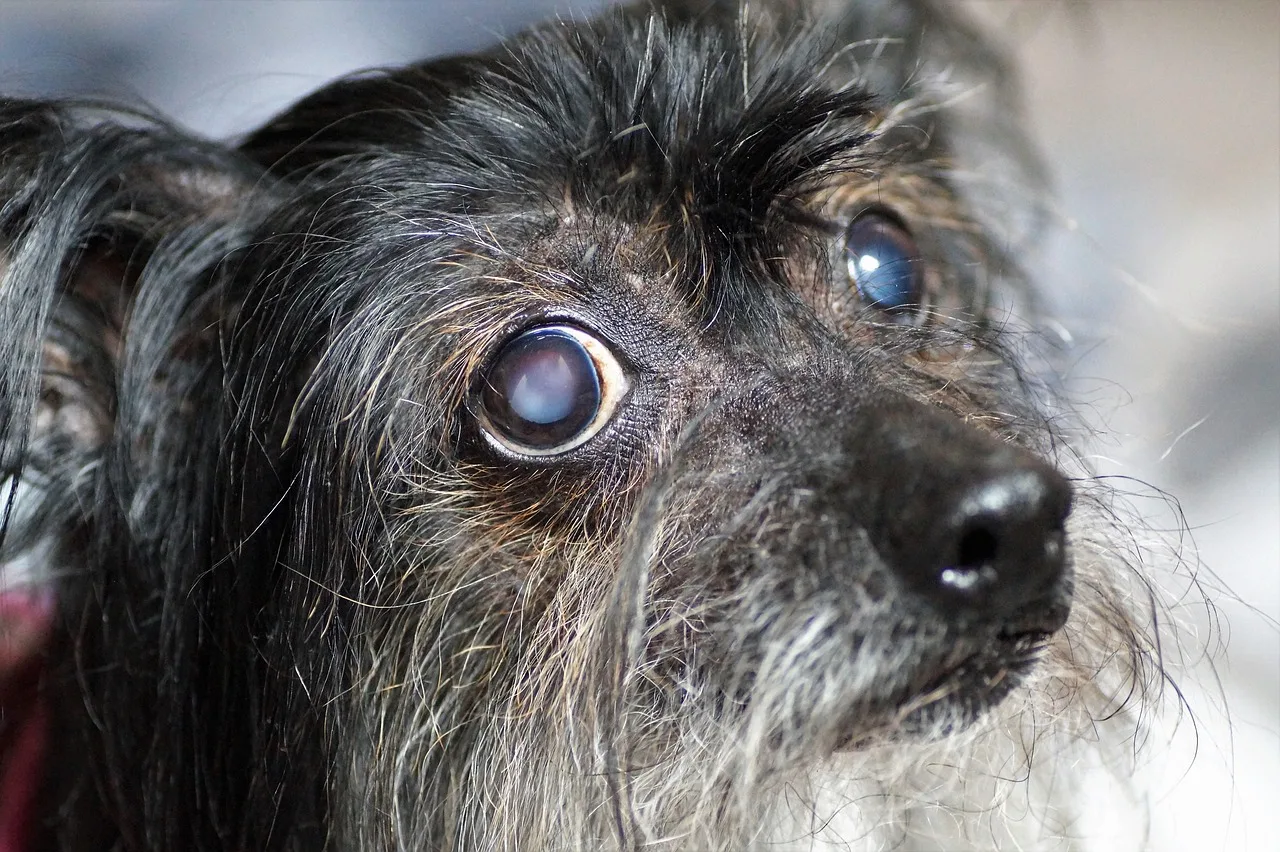
You catch it in the lamplight one evening: a blue-gray haze in the middle of your dog’s eyes that wasn’t there before.
Often it’s a normal part of aging. The American College of Veterinary Ophthalmologists calls it nuclear sclerosis, an age-related change to the lens usually seen after 8 to 10 years of age, and it “is not thought to cause any significant vision impairment.”
A cataract is different. It’s a true clouding of the lens, and a mature one causes real vision loss. The trouble is that the two can look alike across the living room. Telling them apart takes an eye exam, which may include drops to widen the pupils.
So when your dog’s eyes go cloudy with age, don’t panic and don’t shrug. Bring what the vet can’t see in the exam room: whether your dog has started missing a tossed treat, or bumping into a chair that’s been in the same spot for years.
#10 Drinking more water than usual
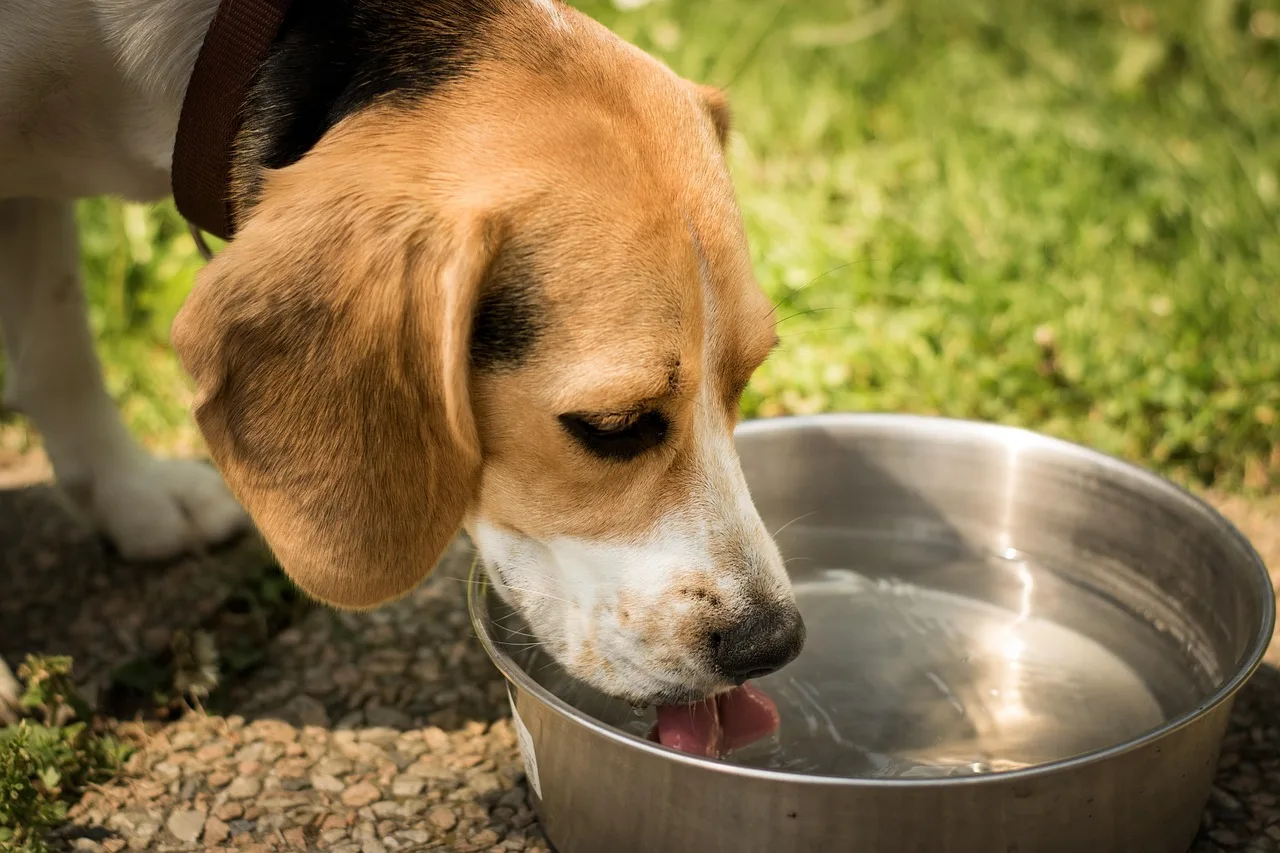
This is one thing the vet can’t see at all unless you bring it in, and you can bring it as a number.
Dr. Johan Schoeman of the University of Pretoria, speaking at a world veterinary congress, put excessive thirst at more than 100 ml per kilogram per day, with normal at about 50 to 60. In plain kitchen measures, that works out to:
| Your dog’s weight | Normal per day | Too much per day |
|---|---|---|
| 10 lb | about 8 to 9 oz | over about 15 oz (2 cups) |
| 25 lb | about 19 to 23 oz | over about 38 oz (4¾ cups) |
| 50 lb | about 38 to 46 oz | over about 77 oz (9½ cups) |
| 80 lb | about 61 to 74 oz | over about 123 oz (15 cups) |
Why bother measuring? In a Michigan State study, owners noticed more drinking and peeing more than six months before their dogs were diagnosed with chronic kidney disease. Owners of older dogs on Reddit say the same: drinking changes were an early clue, in one case to Cushing’s disease, a hormone condition, and baseline bloodwork from earlier visits made the later picture clearer.
To measure, fill the bowl from a measuring cup, then measure what’s left at the same time the next day. If the bowl runs low before then, top it up from the cup and count that too. Do it over two or three ordinary days, not the afternoon after a long hot walk. It won’t work if two pets share a bowl, or if your dog has a side habit of drinking from somewhere else.
#9 Growling or cowering on the table
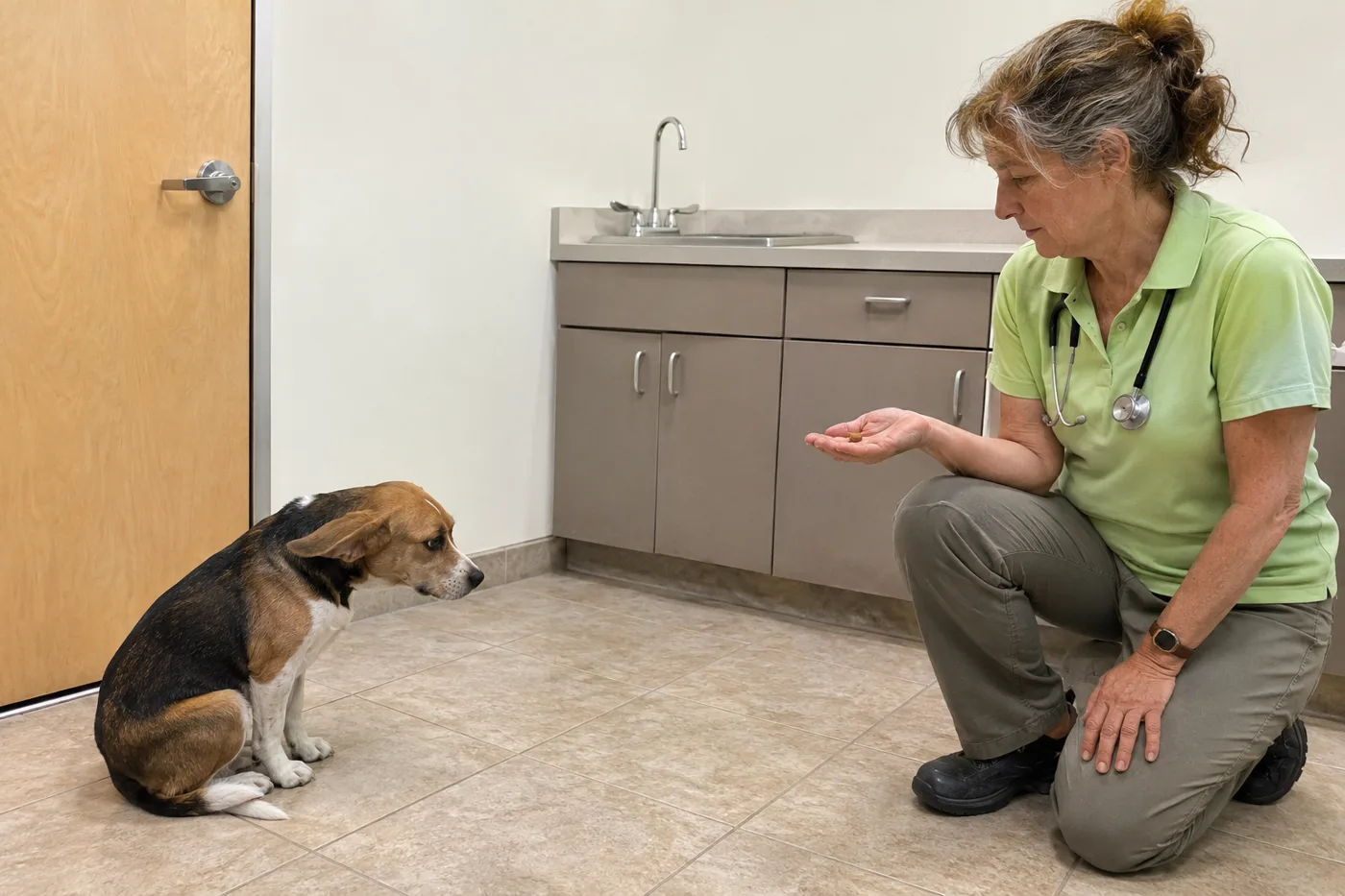
“He’s just shy at the vet” is how plenty of owners put it. The chart may say something firmer.
Dr. Amy Pike, a board-certified veterinary behaviorist at the Animal Behavior Wellness Center in Fairfax, Virginia, explains that barking, growling, snarling or snapping to get away from something scary already counts as aggression, even if nobody gets bitten, because it typically grows out of fear. Her goal is to catch it early, before a dog feels it has to escalate to biting.
That’s not a verdict on you or your dog. In owner reports on more than 26,000 dogs, 55% showed mild to severe fear during vet exams. Dogs of first-time owners scored highest.
Watch for the opposite pattern, too. If a calm dog starts growling out of nowhere, Dr. Pike has said behavior “doesn’t just change overnight unless there’s a traumatic event”, and that medical causes, pain included, must always be considered. Sudden behavior changes are a reason to book a visit, not a training class.
When you book, tell the clinic your dog gets scared, and ask whether the exam can happen on the floor instead of the table.
If your dog has already bitten someone, the American College of Veterinary Behaviorists advises steering clear of the situations and handling that set it off, hugs and petting included. Work it out with your vet, who may prescribe behavior medication and suggest a trainer.
#8 Muscle melting while the scale stays put
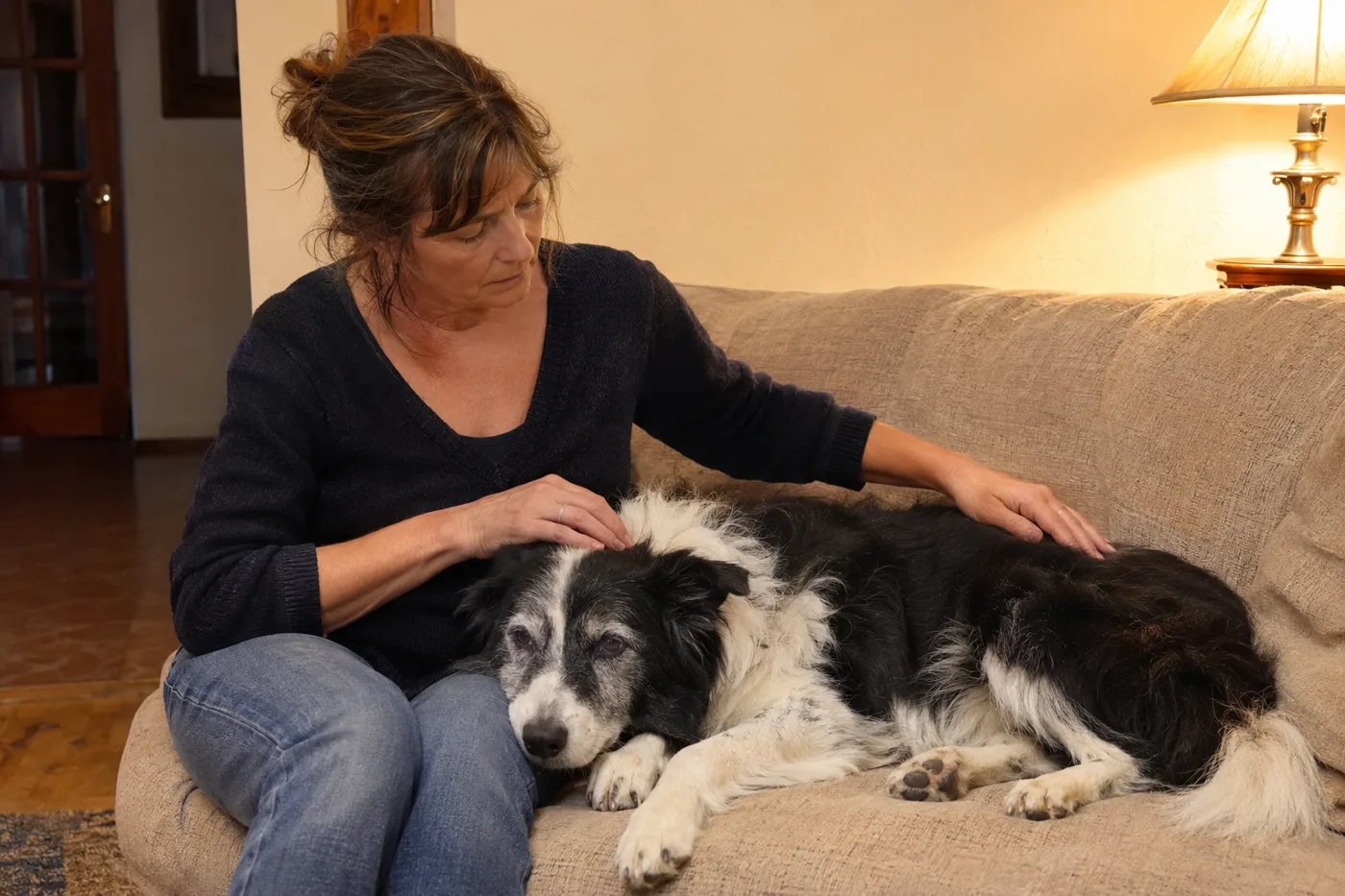
Same weight as last year sounds like good news. It may not be.
Vets score muscle separately from fat, with the Muscle Condition Score, feeling at the temples, shoulder blades, spine, hips and thighs. The Association for Pet Obesity Prevention says plainly that “body weight may remain stable while muscle condition declines.” A dog can even carry extra fat while losing muscle underneath it.
So the scale can’t warn you about muscle loss. Your fingertips can. Run them over the top of your dog’s head and down the spine every so often. If the bones feel sharper than they used to, tell the vet, even if the number on the scale hasn’t budged.
#7 A phone video of the on-and-off problem

The strange shaking happened twice this week. In the exam room, your dog looks like a greeting card.
Dr. Rose Peters, a veterinary neurologist at the University of Illinois, says that with a possible seizure “one of the best things you can do is to record a video”. She suggests noting the pupil size, gum color and breathing pattern, plus how long it lasted and what was going on just before.
Let the camera do the noticing. And seizures are on the AVMA’s emergency list, so the video is for the vet to watch when you get there, not a reason to wait.
The same trick works for gentler mysteries. With reverse sneezing, those loud snorting fits where a dog pulls air in hard through the nose, Zoetis says a video is “highly beneficial” for diagnosis. It’s more common in small dogs, terriers and flat-faced breeds.
Start recording first and fumble for the light second. Say the time out loud as you begin.
#6 Matted fur on a small dog
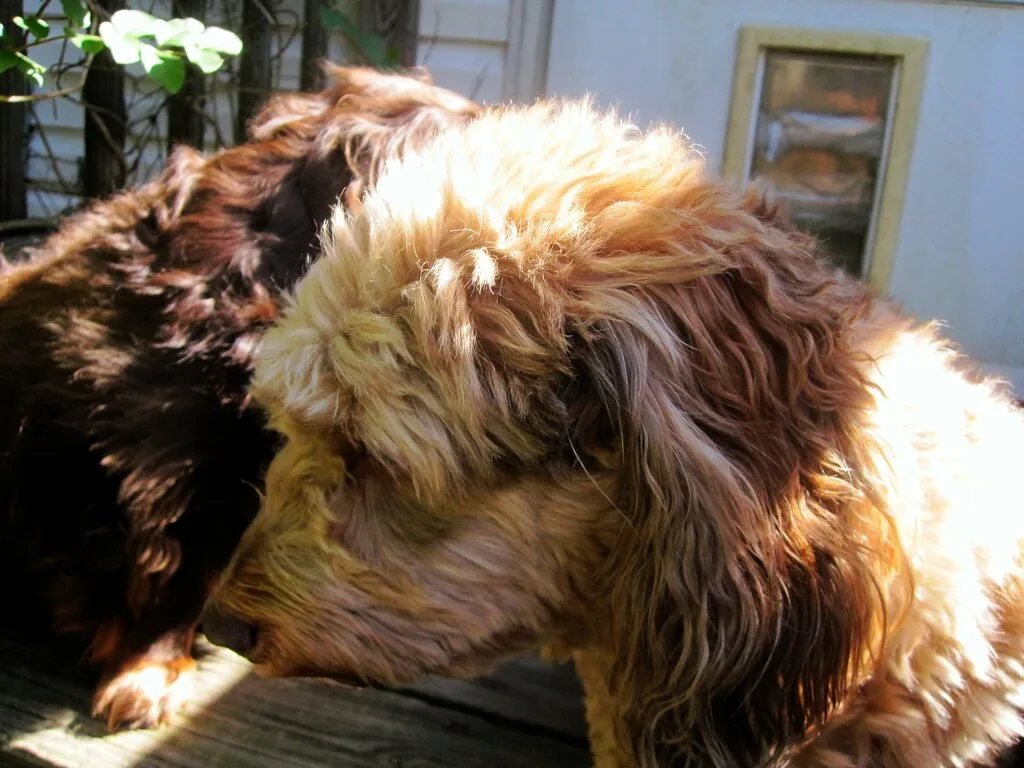
When people on r/AskReddit asked what signals a good owner, a vet assistant listed this:
“Have a well groomed and clean yorkie, shih tzu, cocker spaniel, [etc.]” (vet assistant, r/AskReddit)
Coat condition is one of the quiet things vet staff read the moment a long-coated small dog comes in. The reason goes deeper than looks. The American Shih Tzu Club warns that hot spots often begin under mats. Those are sore, irritated patches of skin you won’t see until the mat comes off.
The club also names a common beginner’s mistake: “brushing over the top of mats rather than removing them.” The top looks fluffy and finished while the tangle underneath stays tight against the skin.
The AKC says a long Shih Tzu coat should be brushed daily, with a bath every three to four weeks. If daily brushing isn’t how your life works, there’s an honest alternative: a short puppy clip, which swaps the brushing for a professional groom every four to six weeks.
#5 A lump found under the fur
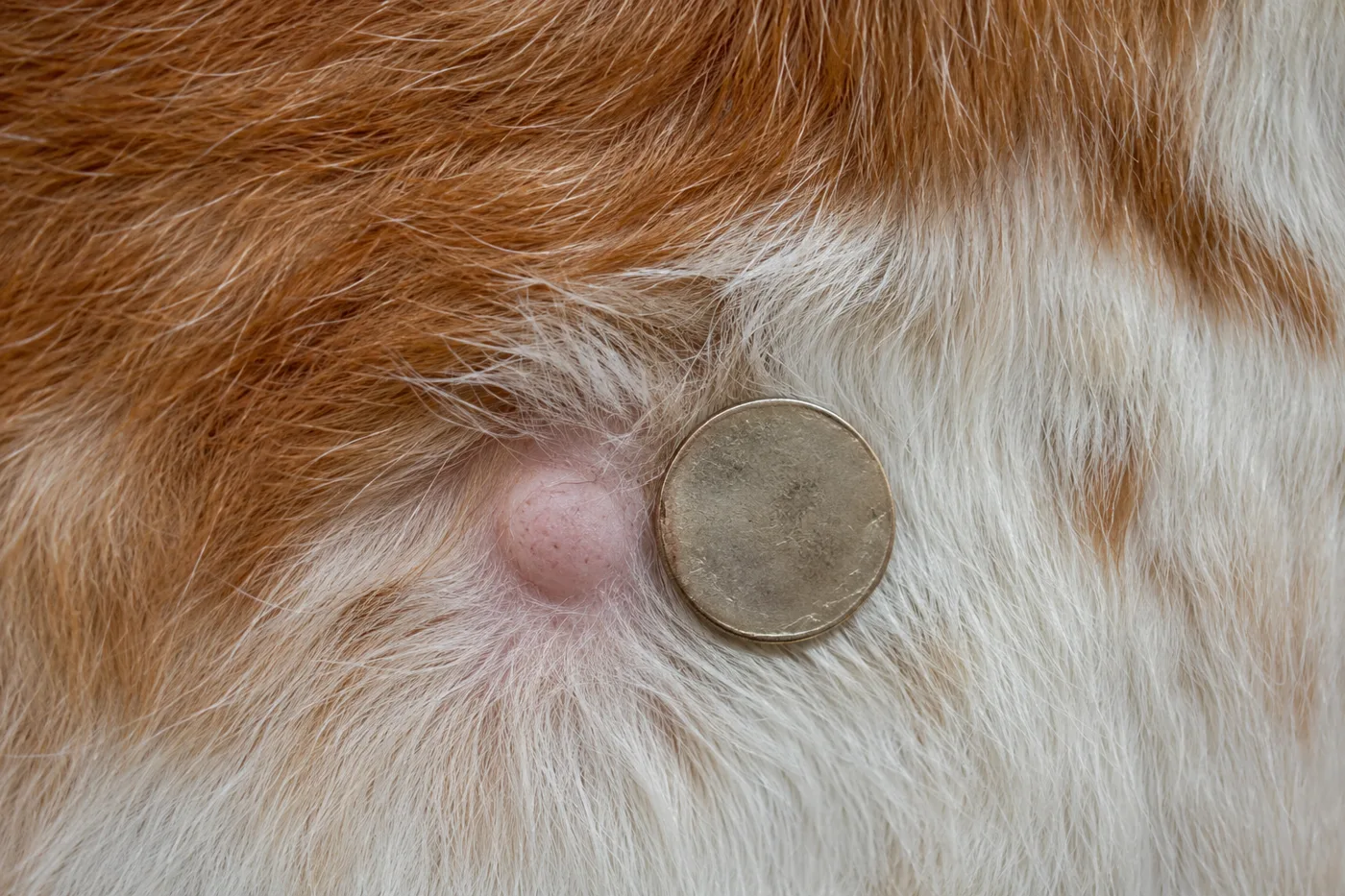
Here’s the rule, from board-certified veterinary oncologist Dr. Sue Ettinger. If you find a lump the size of a pea (1 cm) that’s been there a month, get it aspirated or biopsied. Aspirating means the vet uses a fine needle to collect a small sample of cells for examination, a minimally invasive step that doesn’t typically require general anesthesia or sedation.
Her reason for not waiting: “Most skin and subcutaneous tumors can be cured if diagnosed early when masses are small.”
Most lumps and bumps turn out fine. Dr. Mara Ratnofsky of MSPCA-Angell says 60 to 80% of canine skin masses are benign. But she adds the catch: “The appearance of a mass doesn’t tell us whether it is cancerous or benign.” Your vet can’t tell by feel, either.
So “keep an eye on it” gets an end date. The day you find one, take a photo with a coin or ruler beside it and write down the date. One month, pea-sized or bigger: book it.
#4 Foamy retching that brings nothing up
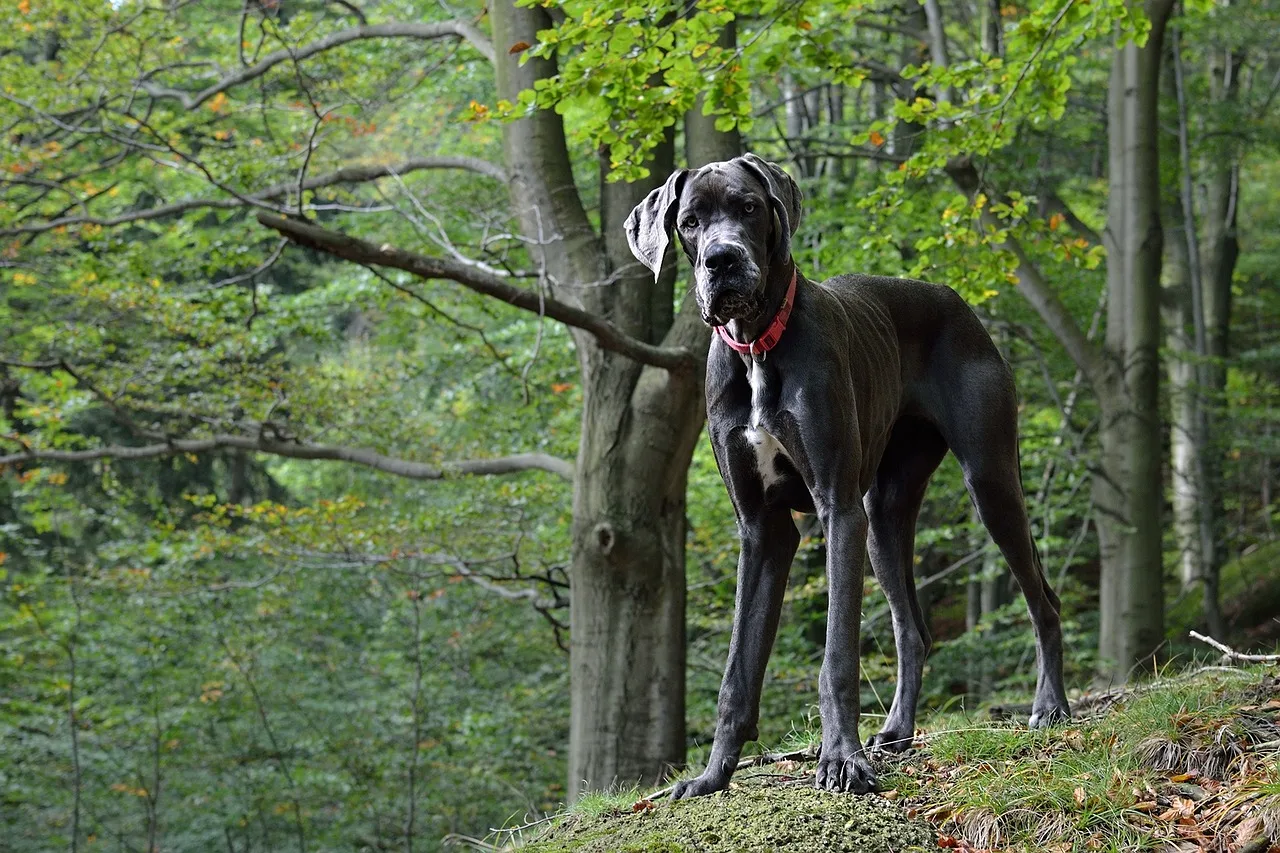
This is the one where you skip the phone call and drive. Repeated retching that brings nothing up is a warning sign of bloat, which needs immediate treatment.
Bloat, which vets call GDV, is when the stomach fills with gas and can twist. Cornell’s Riney Canine Health Center lists the signs: retching with nothing coming up, drooling, a swollen and painful belly, pacing, pale gums and collapse. Untreated, it’s fatal. With prompt treatment, survival is greater than 80%.
The breeds most at risk:
- Great Danes and Saint Bernards
- Weimaraners and Irish Setters
- Standard Poodles and Basset Hounds
- Doberman Pinschers
Normal, call, or go now – Normal: panting after a run or a game of fetch, then settling down – Call your vet: panting at rest in a cool room – Go now: vomiting or diarrhea more than twice in 24 hours – Go now: foamy retching with nothing coming up, especially with a swollen belly – Go now: blue, gray or purple gums, labored breathing, or collapse
Dr. Alex Brown, senior medical director at the Emergency Veterinary Hospital in Ann Arbor, Michigan, says panting after exercise is normal and that what worries them is labored breathing: deep, heavy breaths or gasping.
If you have one of those breeds, find your nearest emergency vet tonight and check whether it’s open overnight. And ask about gastropexy, surgery that stitches the stomach in place. The American College of Veterinary Surgeons says your vet may recommend it ahead of time for an at-risk dog: a large or deep-chested breed, or one with a close relative that has bloated. If your dog has already bloated once, Cornell says the surgery cuts the chance of it happening again to 3 to 5%, from as high as 80%.
#3 Snoring called “just how he breathes”

The snore that rattles the couch cushions sounds cute. To a vet, it’s a breathing problem in plain hearing.
Cambridge’s veterinary hospital says brachycephalic obstructive airway syndrome, the breathing trouble that comes with a short, flat face, affects an estimated 40 to 65% of Pugs, French Bulldogs and English Bulldogs. The signs include snoring, labored breathing and tiring quickly on walks.
Most owners miss it. In a study of 604 dogs in the UK, an estimated 60% of owners didn’t recognize the signs. That’s no knock on anyone. When a dog has snorted happily since the day you got it, the snort just sounds like your dog.
The strongest single risk factor in that study was narrowed nostrils, and you can check that yourself. Look straight at your dog’s nose. Wide, open nostrils are one thing. Pinched slits are worth mentioning.
Then tell the vet about the snoring and how soon your dog flops down on a walk. Both belong on the chart.
#2 A heart murmur in a small senior dog
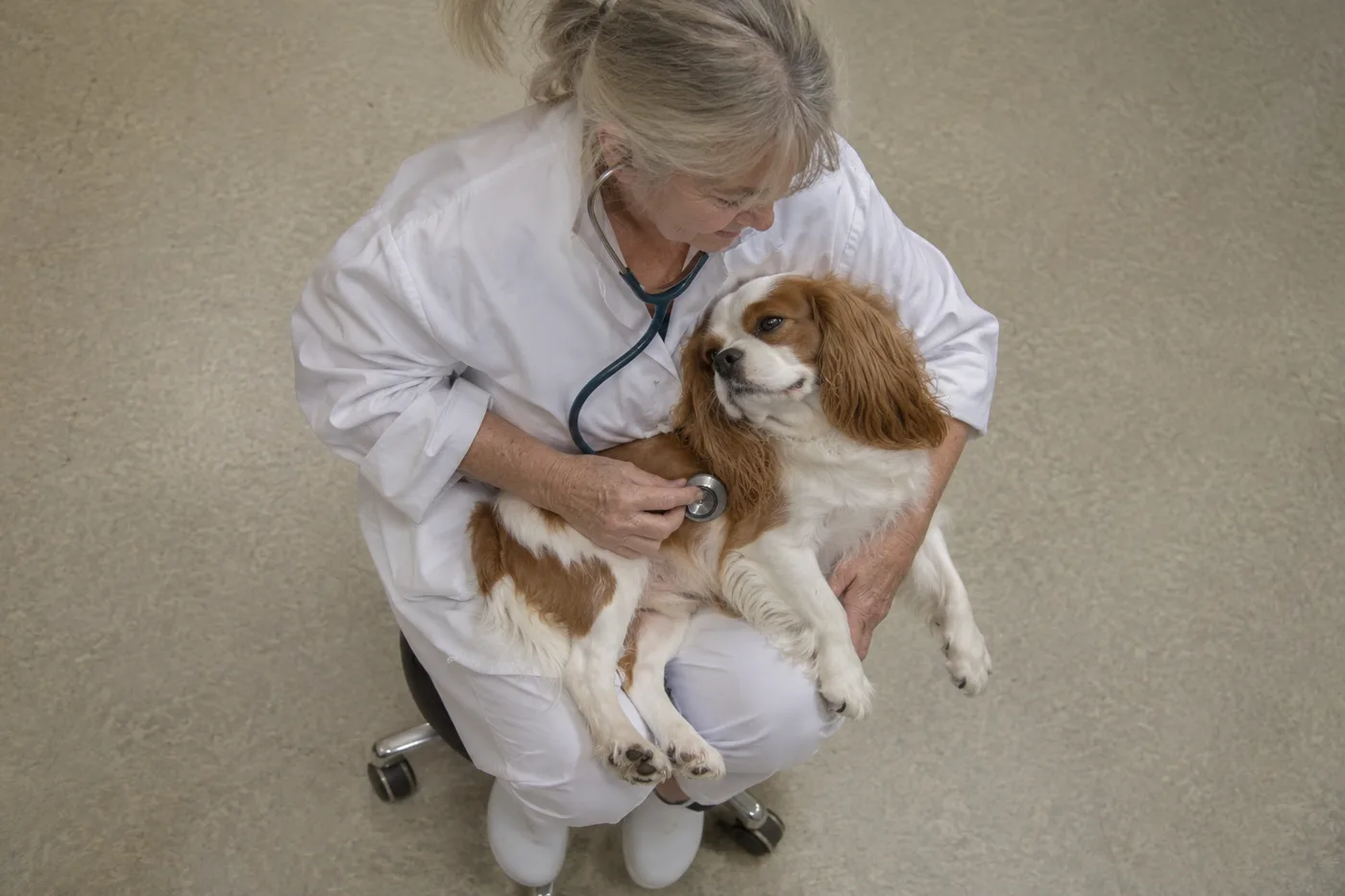
If you love Cavalier King Charles Spaniels, this is the number to know. In a Swedish study, about half of six-year-old Cavaliers already had a murmur, an extra sound in the heartbeat. By age 11, the researchers write, almost 100% have developed mitral valve disease, a leak in one of the heart’s valves.
That sounds grim, but it isn’t a countdown. In a UK study of 126 Cavaliers aged 8 and older, every single one had the valve disease, and 44% still showed no heart enlargement.
Vets grade murmurs from 1 to 6 by loudness. The Merck Veterinary Manual says a grade 6 can be heard even with the stethoscope lifted off the chest. Soft grades of 1 or 2 usually mean mild or no disease, but loudness doesn’t always match how serious it is. So a “quiet” murmur still deserves a follow-up plan.
Under the heart specialists’ guidelines, a murmur of grade 3 or louder plus an enlarged heart on an ultrasound is the point where medication is worth starting. In the EPIC trial, dogs at that stage who got the medicine went about 15 months longer, on average before heart failure or death. Expect a bill: at Oregon State’s veterinary teaching hospital, a first cardiology workup with the ultrasound and chest X-rays runs about $800 to $1,200.
Something you can add at home: PetMD’s heart-failure guide says a resting dog should take fewer than 30 breaths a minute. Count while your dog is asleep, one full breath in and out as one. Write down tonight’s number so you have a baseline to compare against later.
#1 The breed line on your dog’s chart
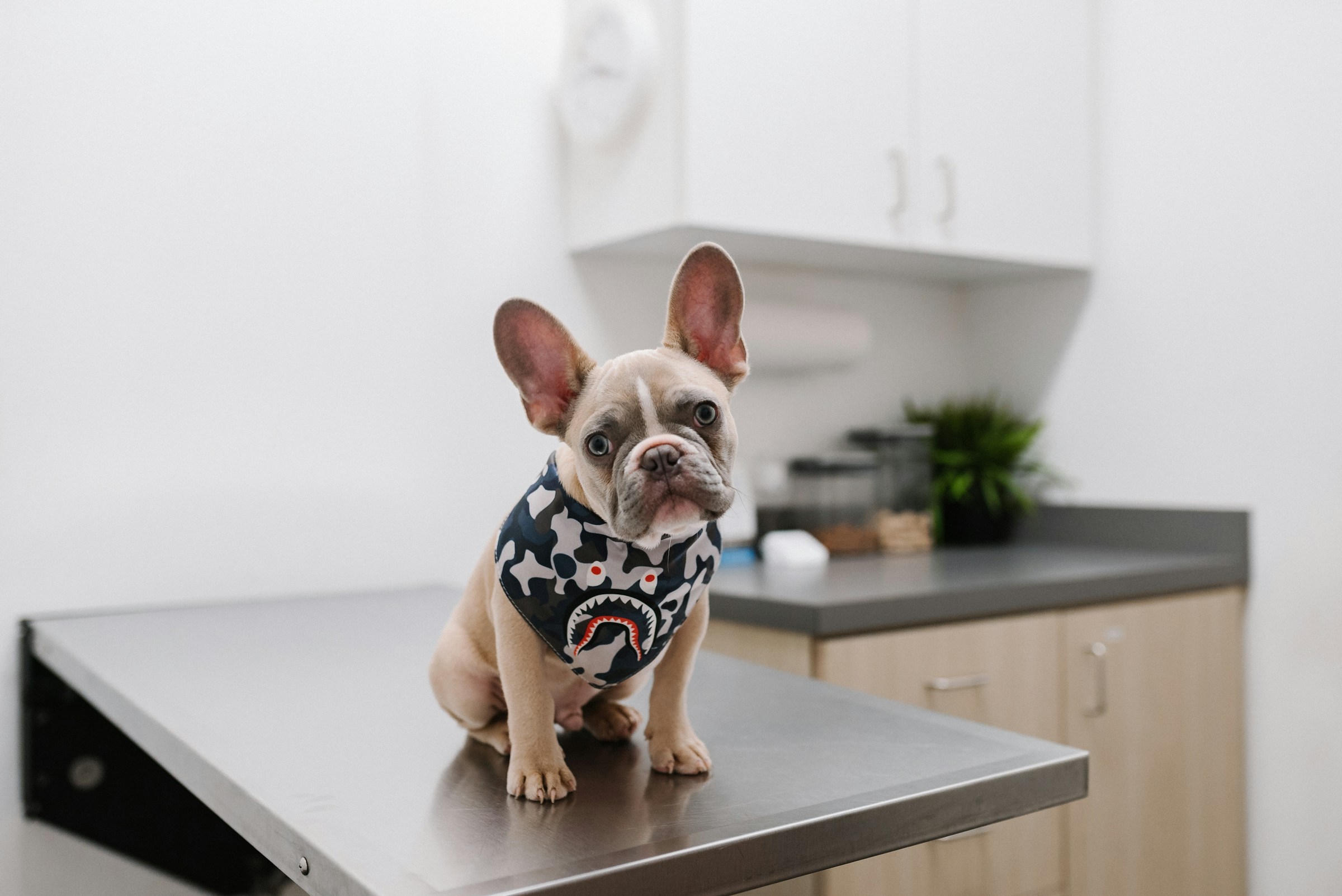
Every chart has a breed line, and vets read it like a to-do list.
A vet who posts on TikTok as Alex the vet runs through the list out loud. Labradors are mostly healthy, he says, but “They do suffer from joint issues, but a lot of that is exacerbated by them being overweight, as so many labs are.” Cavaliers come in with heart disease, French Bulldogs with breathing and spine trouble, Great Danes with bloat.
Then he says what almost every dog lover believes about mixed breeds: “They are always the healthiest dogs that I see as a vet and they often live the longest.”
The biggest recent study disagrees. Researchers looked at nearly 585,000 dogs in the UK and found purebreds had a median life expectancy of 12.7 years, against 12.0 for crossbreeds.
These medians hide a huge spread:
| Breed | Median lifespan |
|---|---|
| Lancashire Heeler | 15.4 years |
| All purebreds | 12.7 years |
| Crossbreeds | 12.0 years |
| Bulldog and French Bulldog | 9.8 years |
About 47% of the pure breeds outlived the crossbreeds, so roughly half beat the mutts and half didn’t. The data cover UK dogs only.
So the useful question was never “pure or mixed?” It’s which breed, and how full the bowl is. A lean Lab and a chubby mutt can come out in opposite places from where the old saying puts them.
If your dog is a mix, tell the vet what you know or suspect is in there, because that breed line is what sets the to-do list. If your dog is a purebred, ask the question vets love hearing: “What does this breed usually get, and what should I be watching for?” Then write the answer on the inside of the folder you bring to every visit.
The bottom line
Your vet sees your dog once or twice a year. You see your dog every morning before coffee. For older dogs, Cornell’s canine health center recommends monthly, or even weekly, exams at home, and that’s the gap you can fill better than anyone in a white coat.
So pick a day each month for a five-minute once-over: walk, ribs, gums, lumps, water bowl, sleeping breaths. Jot it in the notes app on your phone. Six months from now, you’ll walk in with something no exam can produce on the spot, which is a before and after.
Whether to feel proud or worried usually comes down to one thing: whether the vet hears about a change from you first, or finds it on their own.
Start with the gum press tonight, while your dog is sleepy and the kitchen light is good.
Bonus: four quick checks the vet won’t think to mention
Save the ASPCA Animal Poison Control number in your phone now: (888) 426-4435, open around the clock every day of the year. It charges a fee, so keep a card handy.
If your dog gets into baking chocolate or cocoa powder, call even if it seems fine. Those are far stronger than milk chocolate, and signs usually show up 6 to 12 hours later.
Mention scooting. Dragging the rear across the rug is the most common sign of anal sac disease, and small dogs get it more often.
Look inside the ears at your monthly check if you have a Basset Hound, Shar Pei, Labradoodle, Beagle or Golden Retriever. In UK vet records, those breeds had the highest odds of outer-ear infection, and floppy ears ran higher odds than upright ones.
Questions people also ask
What are three signs your dog is suffering?
Three common pain signs are trouble getting up or climbing stairs, not wanting to be touched or groomed, and restlessness, especially at night. VCA Animal Hospitals lists all three among pain signs in aging dogs. Panting at rest or in a cool room can also point to pain; one vet told the AKC that dogs with arthritis often come in panting.
How often should a senior dog see the vet?
At least twice a year, according to VCA Animal Hospitals. When a dog counts as a senior depends on size: around 5 to 6 years for giant breeds, and 10 to 12 for small breeds.
How can I tell if my dog is a healthy weight?
Your dog is at a healthy weight when you can feel the ribs under a thin layer of fat without pressing hard, see a waist from above, and see a slight tuck at the belly from the side. If you need firm pressure to find the ribs, the Association for Pet Obesity Prevention puts your dog at about a 7 out of 9, which is heavy. In fluffy or long-coated dogs, go by feel rather than looks.
Is bad breath normal in older dogs?
Bad breath is common in older dogs, but it’s a sign of a problem, usually gum disease, not a normal part of aging. VCA says gum disease is the most common cause, and most dogs have some by age three. In a Michigan State study, owners also noticed bad breath about 1.2 years before their dogs were diagnosed with kidney disease, so it’s worth raising at any age.
When should I call the vet versus go straight to the emergency vet?
Go straight to an emergency vet for labored breathing, blue, gray or purple gums, foamy retching that brings nothing up, a seizure, or collapse. Vomiting or diarrhea more than twice in 24 hours is also on the AVMA’s list of emergencies, so treat it as a reason to go in now, not just call. For anything else, the AVMA’s rule is that any worry about your pet’s health is worth at least a call to your vet.
What should a vet check at an annual exam?
A full annual wellness exam should cover body and muscle condition, teeth, temperature, pulse and breathing rate. Techs usually record those vital signs before the vet comes in, and you can ask for a head-to-tail exam that includes hands over the whole body for lumps. For older dogs, VCA advises also discussing blood and urine tests and imaging of the chest and belly.