From a Labrador’s two-year puppyhood to a Dachshund’s back, here’s what fifteen popular breeds really ask of you in strength, money and time, and which versions still fit.
The dog at #1 is a regular pick for “best dogs for seniors” lists. The reason it’s here is one those lists leave out.
You know the sound: the leash coming off its hook, and nails skidding across the kitchen floor three rooms away.
For most of your life that sound meant a walk. Lately it comes with a quick forecast: how hard this one pulls at the corner, and who lifts him into the car at the vet.
Lists of the worst dog breeds for seniors stop at “too big” and “too busy.” The real trouble is more specific, and it turns up in breeds those lists praise. The dog asleep on your feet stays put. The question is the next one.
Table of Contents
#15 A Labrador’s long puppy phase
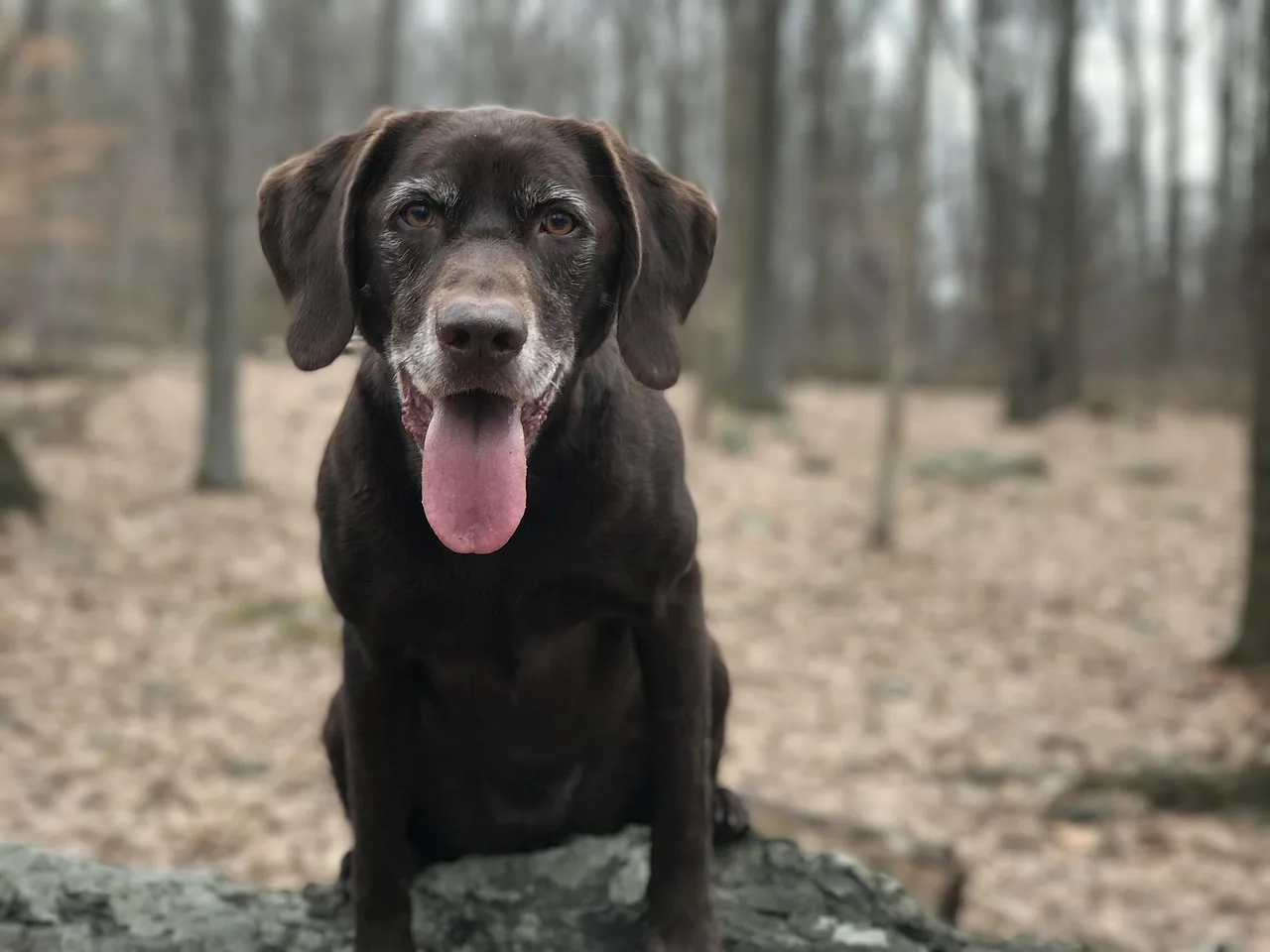
The grown Lab earns its spot on most retirement lists. Getting to the grown Lab is the part nobody prices in.
Labs run 55 to 80 pounds as adults on the American Kennel Club’s breed weight chart. A regional breed club, the BC Labrador Retriever Club, says they “are very slow to mature and are mentally and physically puppies until well over two years of age.”
So picture it. A 70-pound body with a ten-week-old’s judgment. He still thinks he fits in your lap. He still greets the mail carrier like a cousin back from the war. He still hits the end of the leash when a rabbit appears, with every one of those 70 pounds.
The same club adds that “a short walk around the block will not provide enough exercise for a Lab.” That part doesn’t change at age three.
The version that works is a Lab of three or older, whose leash manners you can see before you sign anything. America’s second most registered breed in 2025 isn’t hard to find grown.
Ask the foster or shelter worker to walk him while you watch from the sidewalk. Ten minutes of that tells you more than an hour of petting.
#14 A Golden Retriever’s cancer odds
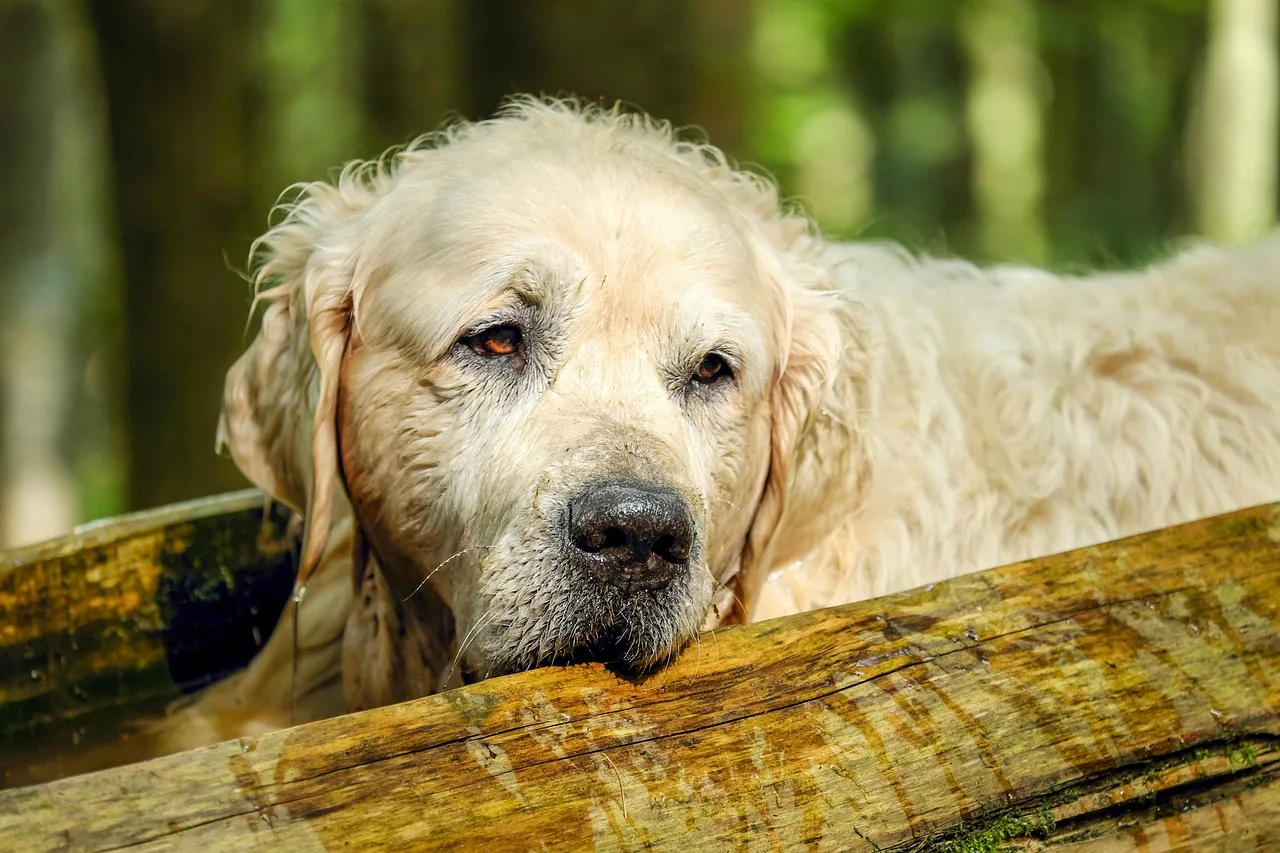
Ask a room of dog people for a safe, easy retirement dog, and somebody says Golden. Hardly anybody quotes the breed’s own national club, which says plainly: “It is estimated that about 60 percent of Golden Retrievers die from cancer.”
The best American evidence backs that up. Morris Animal Foundation’s Golden Retriever Lifetime Study signed up 3,044 young US Goldens between 2012 and 2015 and has followed them since. By 2021, with the oldest dogs around 11, it had already counted 223 cancers, more than half of them a single type called hemangiosarcoma.
That’s the late-life bill. The early-life one is the pull on the leash.
Golden Retriever Rescue of Mid-Florida says Goldens aren’t “couch potato” dogs until well into their senior years. Among the reasons people surrender them, it lists puppies that “get too big or require more time than the owner originally planned.”
The same rescue makes the case for a senior Golden, “usually better behaved than a younger pup.” That’s true, and it’s the gentler version here. Just go in knowing that estimated 60% cancer figure holds whatever the dog’s age when you adopt it. Your time together may be shorter, and the vet visits closer together.
Plenty of people want exactly that dog anyway: the calm one, for the years it has. Ask the rescue what the last vet visit found, and get it on paper. If you want insurance, sign up right away: Trupanion, for one, won’t cover anything that showed signs in the 18 months before the policy starts, and won’t take a new pet over 14.
#13 A German Shepherd’s hips later on
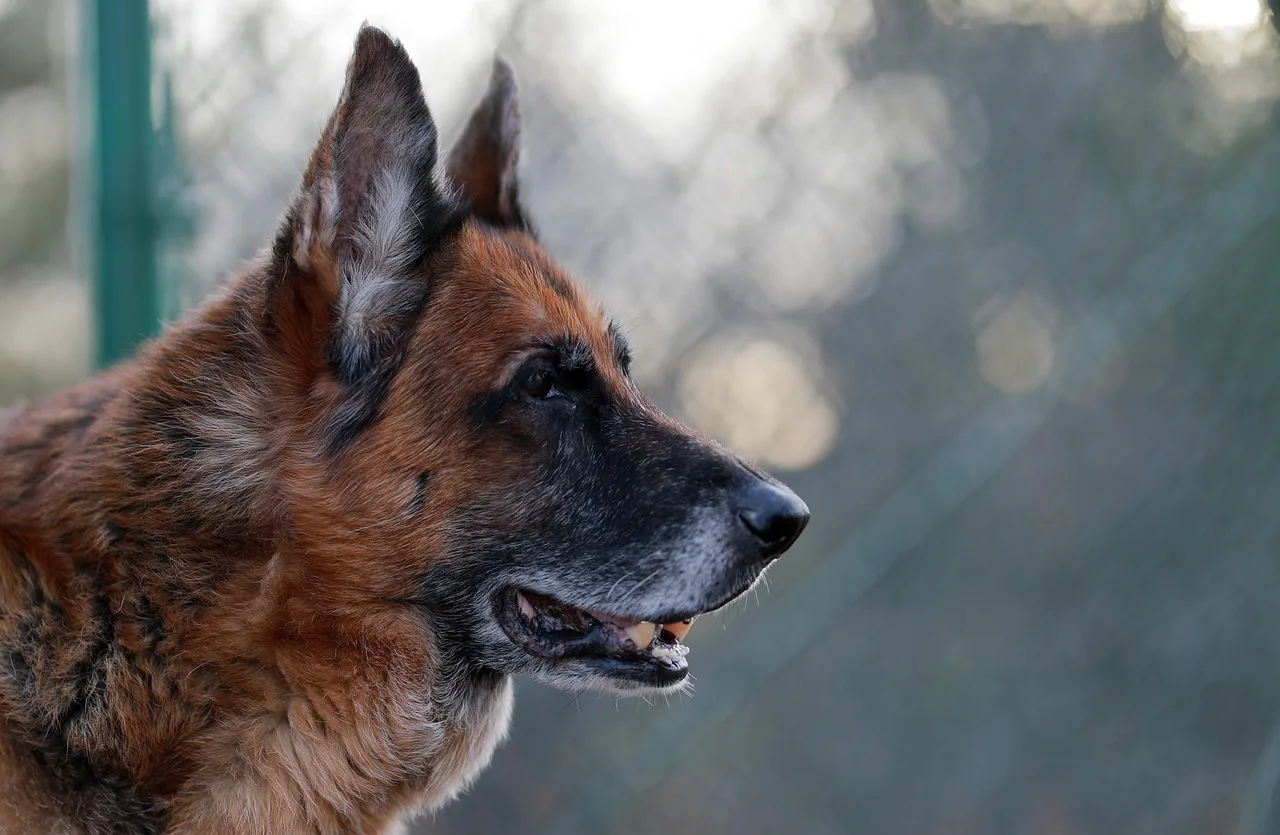
The thing you love about a Shepherd is its body: 50 to 90 pounds of muscle that stands between you and the door when a stranger knocks. That same body can knock you over in a happy greeting when it’s young, and may need you to help it up once hip problems set in.
The Orthopedic Foundation for Animals, a US registry that grades dogs’ hip X-rays, found about 1 in 5 Shepherds screened between 1974 and 2015 had hip dysplasia, a hip joint that doesn’t fit together properly. Dogs born 2011 to 2015 came in at 18%, barely better. The signs listed are “stiffness, reluctance to get up and move.”
You see it first at the back steps. The dog that used to take them in one bound stands at the bottom and looks at you.
Lifting the dog is the real question with this breed, and there’s equipment built for it. The Help ‘Em Up Harness is a two-piece harness with a rear “Hip Lift,” so one person can steady both ends of a heavy dog without bending down to scoop it. For a Shepherd, the maker’s chart points to the Medium ($110, up to 80 pounds) or the Large ($125, 80 to 125 pounds).
What could stop it working: it steadies the weight, it doesn’t erase it, and a stiff old dog that has never worn one may object. Fit it while the dog is still young enough to shrug it off.
If you’re buying a puppy, ask to see both parents’ hip results. If you want insurance to help with hips, sign up young: Healthy Paws’ policy won’t cover hip dysplasia in a dog enrolled at six or older, and Trupanion excludes it if there was any sign of it before enrollment.
#12 A Husky that clears the fence
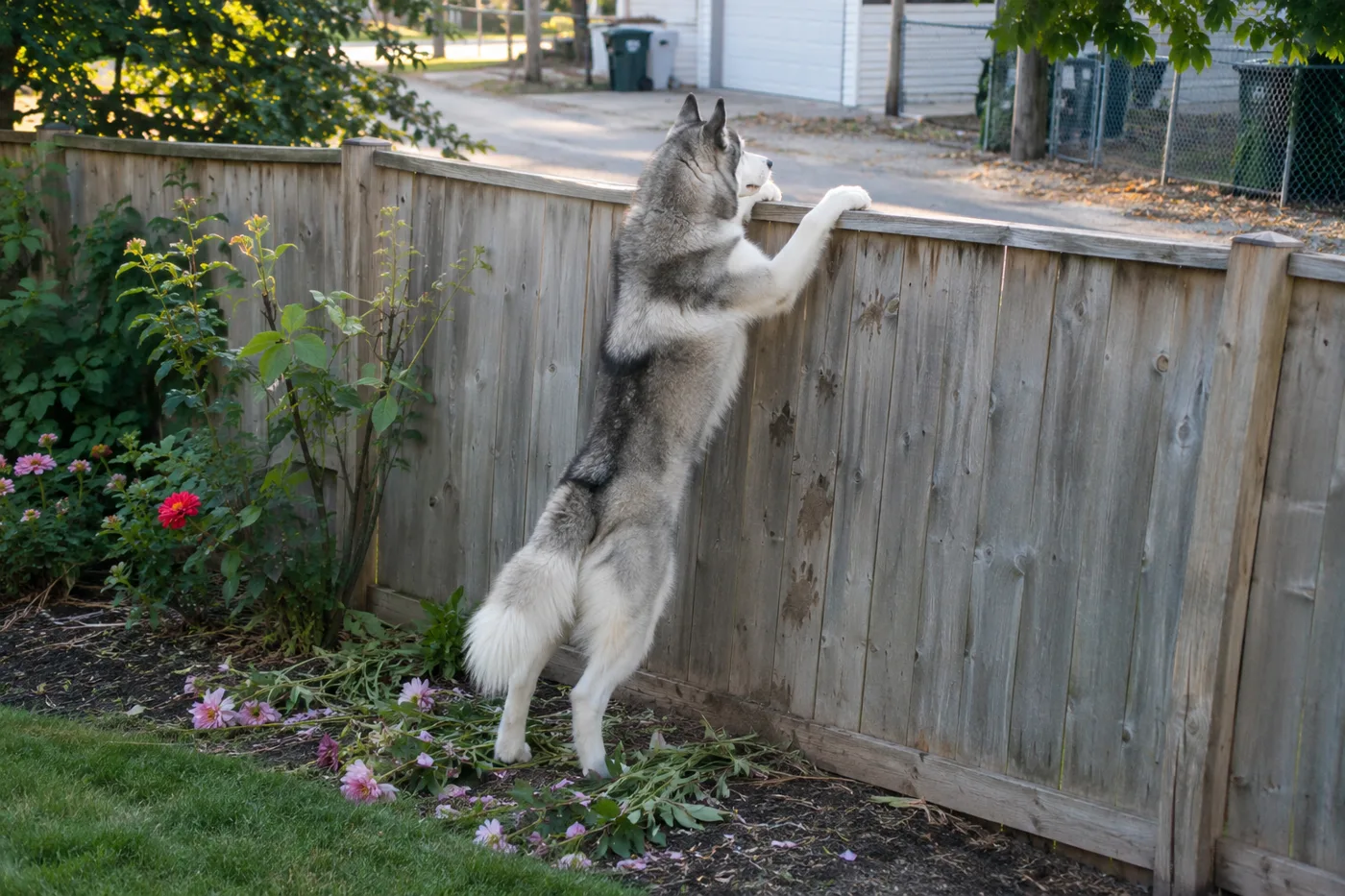
Tom Davis, a professional dog trainer in upstate New York, sums up Siberian Huskies and fences in one line: “So your 6-ft privacy fence for them is just a fun obstacle for them.“
Huskies are famous escape artists. They dig, they climb, and they wait at the gate with the patience of a cat burglar. Davis adds that “they have an incredible high prey drive, which can be super challenging, especially if you have a cat.”
They’re also bred to pull. The first Siberians were brought to Nome, Alaska, to race in the 1909 All Alaska Sweepstakes, and a high-energy Husky on a leash still remembers.
Here’s what happened when the breed got fashionable. Once “Game of Thrones” made wolfish dogs the thing to have, the shelter in Martinez, California, reported a 300% rise in Husky surrenders by 2017. The Bay Area Siberian Husky Club told the AKC it was taking in four or five abandoned dogs a month it suspected were bought because of the show.
“A Siberian needs a certain amount of activity and brain stimulation, both physical and mental,” says Dawn Eisele, public education chair of the Siberian Husky Club of America.
Honestly, there’s no easy-going version of this dog. The breed’s most famous member, Balto, has a statue in New York’s Central Park for running medicine to Nome in 1925. That’s the job description.
#11 A Border Collie without a job

“Smartest breed there is.” People say it like it’s a selling point.
Every day without real work runs up a bill. It comes due as a dog circling the living room, staring at the cat, or rounding up whoever moves.
Border Collie Rescue of Northern California guesses a working Border Collie can cover as much as 100 miles in a day over rough ground. It also warns that “To a Border Collie, children are often livestock.” If small visitors come by, that’s the sentence to remember.
Herding breeds need a job, and the dog decides what the job is if you don’t. A 51-year-old owner raising a Border Collie puppy put it plainly on Reddit’s r/DogAdvice: “a 35lb pup pulling me or nipping me is significantly different now than it was when I was in my 30’s.“
The rescue’s advice is direct: people without time for “plenty of vigorous physical and mental exercise every day would be well advised to find a calmer dog.”
#10 An Australian Shepherd nipping at your heels
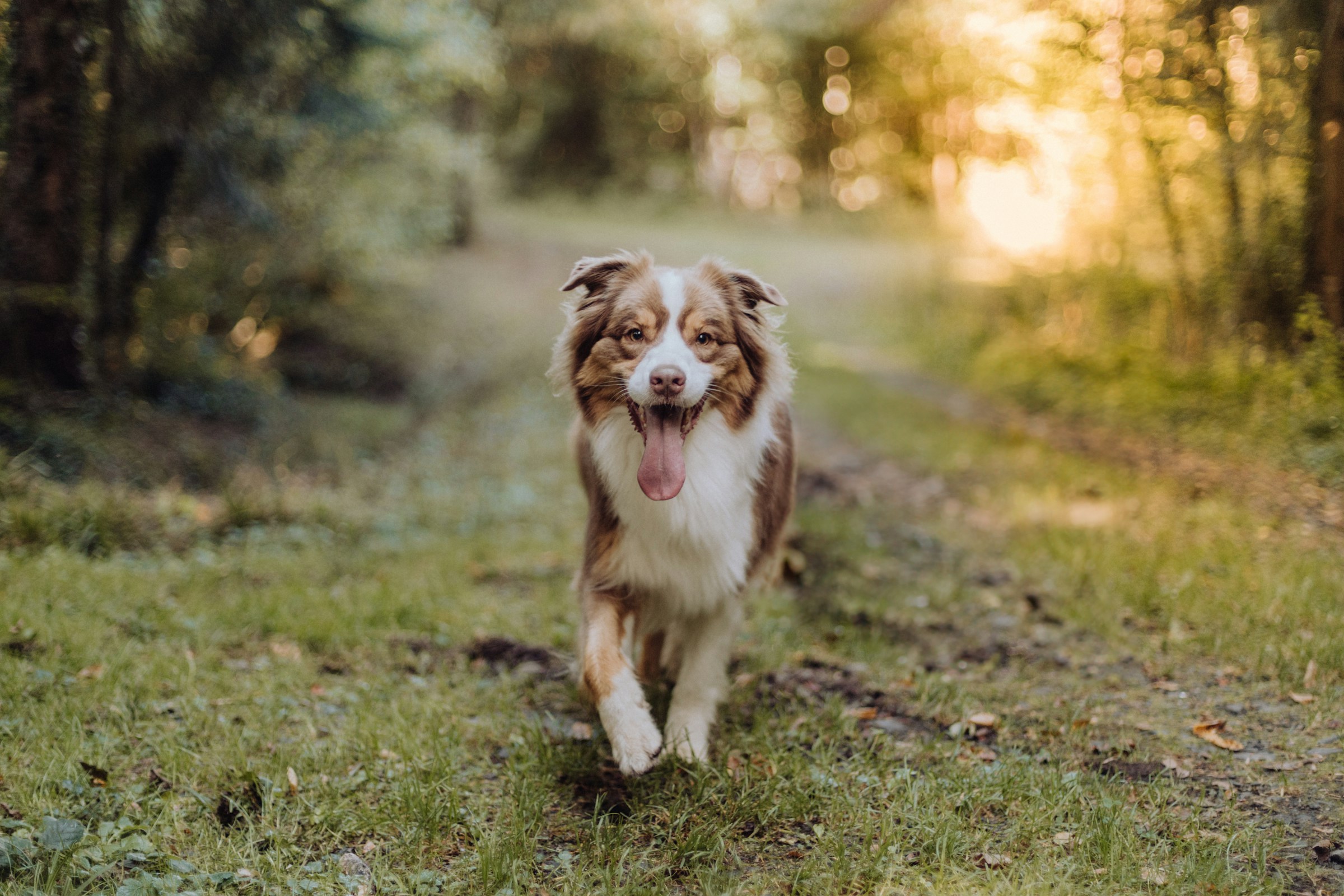
The Aussie looks like the easy choice. Smaller than a Border Collie, that marbled merle coat, sometimes one blue eye. It looks like it came with the farmhouse calendar.
Tom Davis ranks it first on his list of breeds he’d never own. In the same video, he brushes off the idea that it’s a natural fit for an older woman who wants a pretty companion. His summary: “Simple daily walks won’t cut it.“
The timing is the trap. South Texas Aussie Rescue says the herding instinct “doesn’t generally emerge or become a problem until the dog is several months old. From six months to a year is when you’ll likely see real problems develop.”
So the sleepy puppy you met at ten weeks isn’t the dog you’ll have at nine months.
What that dog does, per the rescue, is nip at moving legs and ankles, including “when you are going down the stairs.” A dog working your heels on a staircase can cost you your footing, and the rescue’s page covers how to redirect the habit.
When children visit, Davis’s other warning applies: Aussies without a real job can start “chasing, nipping at kids.”
The version that works is an adult Aussie from a foster who can tell you exactly what it does when someone heads downstairs.
#9 A Beagle’s nose and your pills
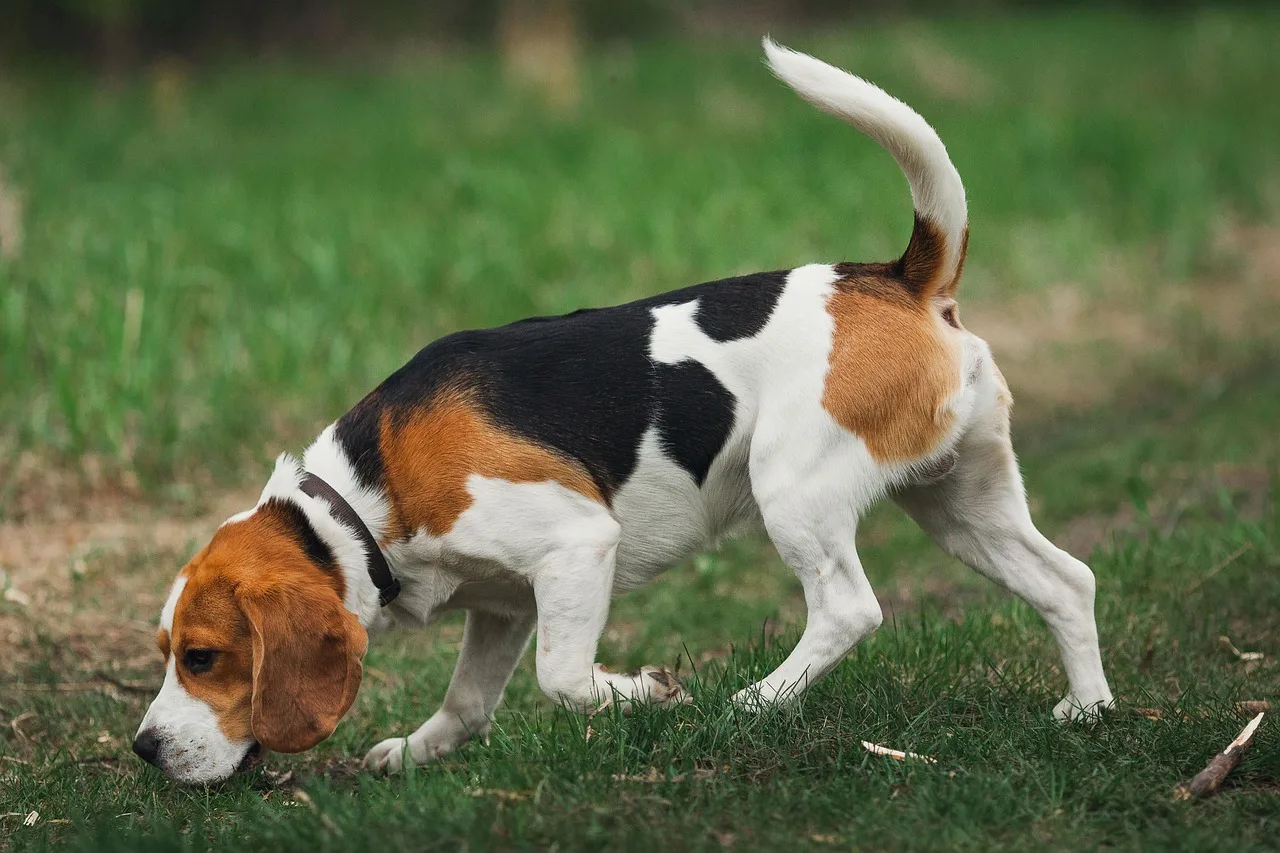
A pill slips out of your fingers and rolls under the nightstand. By the time you’ve found your glasses, the Beagle has found the pill.
That nose is the whole breed. So is the appetite: among Beagles in UK vet care, obesity was the most common diagnosis, at about 1 in 4.
Now put that dog in a house with medicine in it. In the ASPCA’s 2025 poison control numbers, over-the-counter medicines and supplements were the top cause of pet poisoning calls, and human prescription drugs came third, most often heart medicines, antidepressants and ADHD drugs.
Those figures cover all pets, not just Beagles. But no dog is better built to find the vitamin you dropped yesterday.
If your dog swallows any medicine, call your vet or the ASPCA Animal Poison Control Center at (888) 426-4435 right away.
The Beagle itself is a fine dog for this stage of life. The house is what changes:
- Pills go behind a closed cabinet door, not on the nightstand or the kitchen counter.
- A weekly pill organizer on a low table is a chew toy with prizes inside.
- Visitors’ handbags go on a hook or a high shelf, never on the floor.
- Dropped pill? Find it before the dog does, even if that means a flashlight under the bed.
#8 A Chihuahua’s fear bite

The Chihuahua is the dog people picture on an older person’s lap. It’s tiny, it’s portable, and it fits nearly any apartment.
What surprises people is what vets actually record. In UK vet records for Chihuahuas, aggression was the fifth most common problem, at 4.2%. The researchers specifically warned about “impulse purchase of Chihuahua puppies by owners with limited experience.”
A bite from a dog that small sounds like nothing until it lands on a visitor’s ankle, or a grandchild’s hand, if you have grandkids around.
There’s a quieter cost too. A dog that trusts only you is a hard dog to hand to anyone else. That matters when you think about who will care for the dog during a week you’re away, or for good.
Breed is a rough guide here. A survey of owners of more than 5,000 dogs across dozens of breeds found “considerable variation within each breed.” So the gentler version is an adult Chihuahua you’ve watched meet a stranger. Bring a friend to the shelter visit and see what happens when they walk in.
#7 A Pomeranian or Yorkie underfoot at night

Owners in their 50s and 60s talking it over on Reddit describe stepping down in size over the years: Huskies, then Beagles, then Yorkies. It makes sense. A toy dog won’t drag you down the street.
It can still put you on the floor. In CDC emergency-room data, tripping over the dog caused about 31% of dog-related falls, more than being pushed or pulled by one (about 21%). The CDC’s report doesn’t sort falls by dog size, so small dogs get no free pass.
The setting is familiar: 2 a.m., a dark hallway, and a five-pound dog who decided to sleep across your bedroom door.
The fall numbers (US emergency rooms, 2001 to 2006 average) – About 86,600 fall injuries a year linked to pets – Nearly 9 in 10 of those involved dogs – About 6 in 10 happened in or around the home – About 3 in 10 of the injuries were fractures
“There are many benefits to pet ownership. But they also can be a hazard,” said Judy Stevens, a CDC epidemiologist, speaking to NBC News. The CDC’s suggestions were simple: better lighting, pet toys picked up, and obedience training.
The tiny dog has its own fragile spot. In Pomeranians, the commonest cause of a broken foreleg appears to be jumping or falling from a height, including from the owner’s arms. Casts and splints alone can fail to heal those breaks in up to 80% of cases.
So crouch and set the dog down rather than letting it launch. Plug a night-light into the hallway. And teach the dog one spot to sleep that isn’t the doorway.
#6 A Great Dane and the furniture
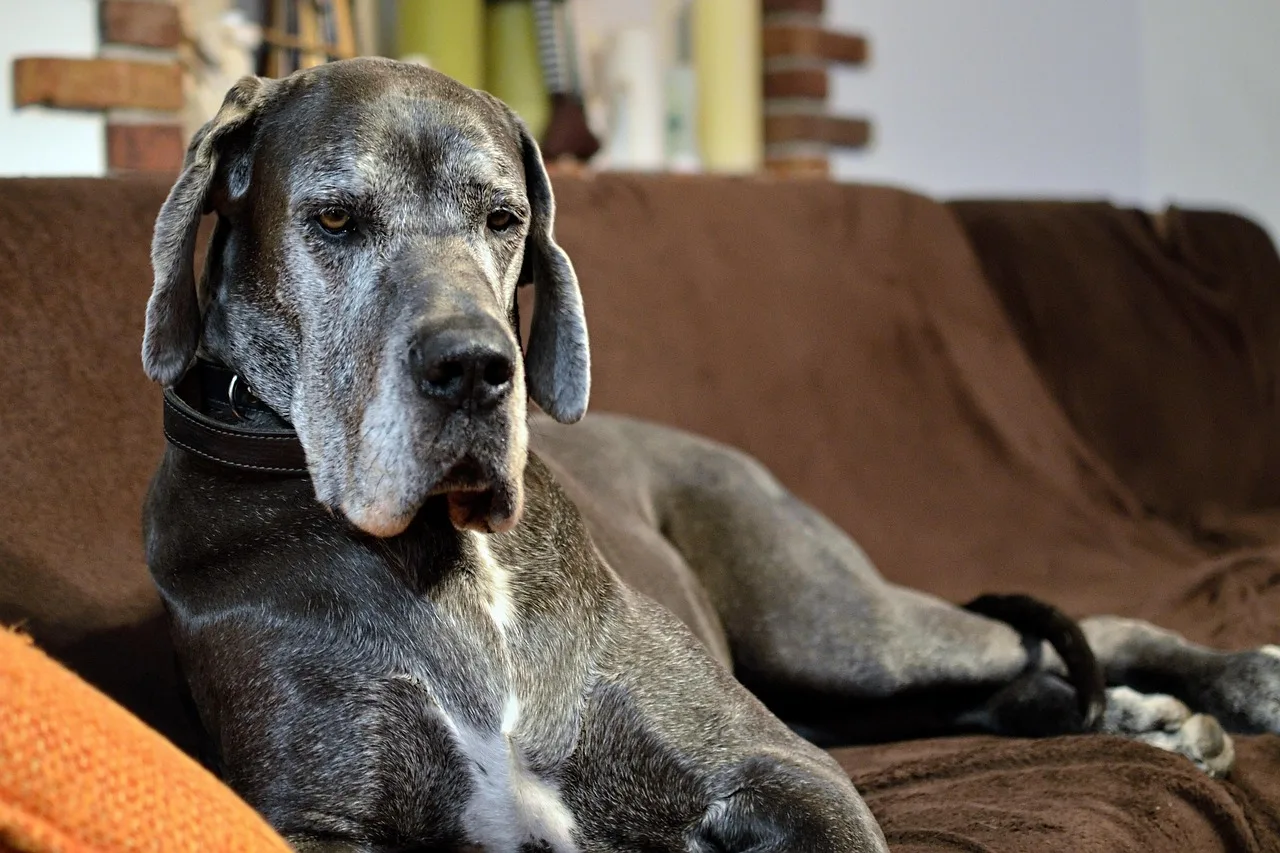
Dane owners will tell you the dog doesn’t share the couch. You do.
A grown Great Dane weighs 110 to 175 pounds, per the AKC. Under one trainer’s video, Dane owners chimed in that furniture gets moved during zoomies, and one said their Danes have their own bedroom.
“This is literally a life-changing dog,” says a trainer from American Standard Dog Training in Florida. He also calls it the heartbreak breed: “With that big size comes a big heavy price tag.”
Part of that price tag is bloat, where the stomach fills and can twist on itself. PetMD’s vet guide puts Great Danes first among breeds at risk. Bloat is a veterinary emergency.
There’s a preventive fix with a real price gap. Tacking the stomach in place, done at the same time as a spay or neuter, runs several hundred dollars. Done as an emergency, it starts at $1,500 and can reach several thousand.
The cheap time to do it is the spay or neuter. Getting a Dane puppy? Book it with the spay or neuter. Adopting a grown one? Ask whether it was done, before you’re in love.
Large and giant breeds also bring the lift problem from #13, at nearly twice the weight.
#5 An English Bulldog’s airway surgery
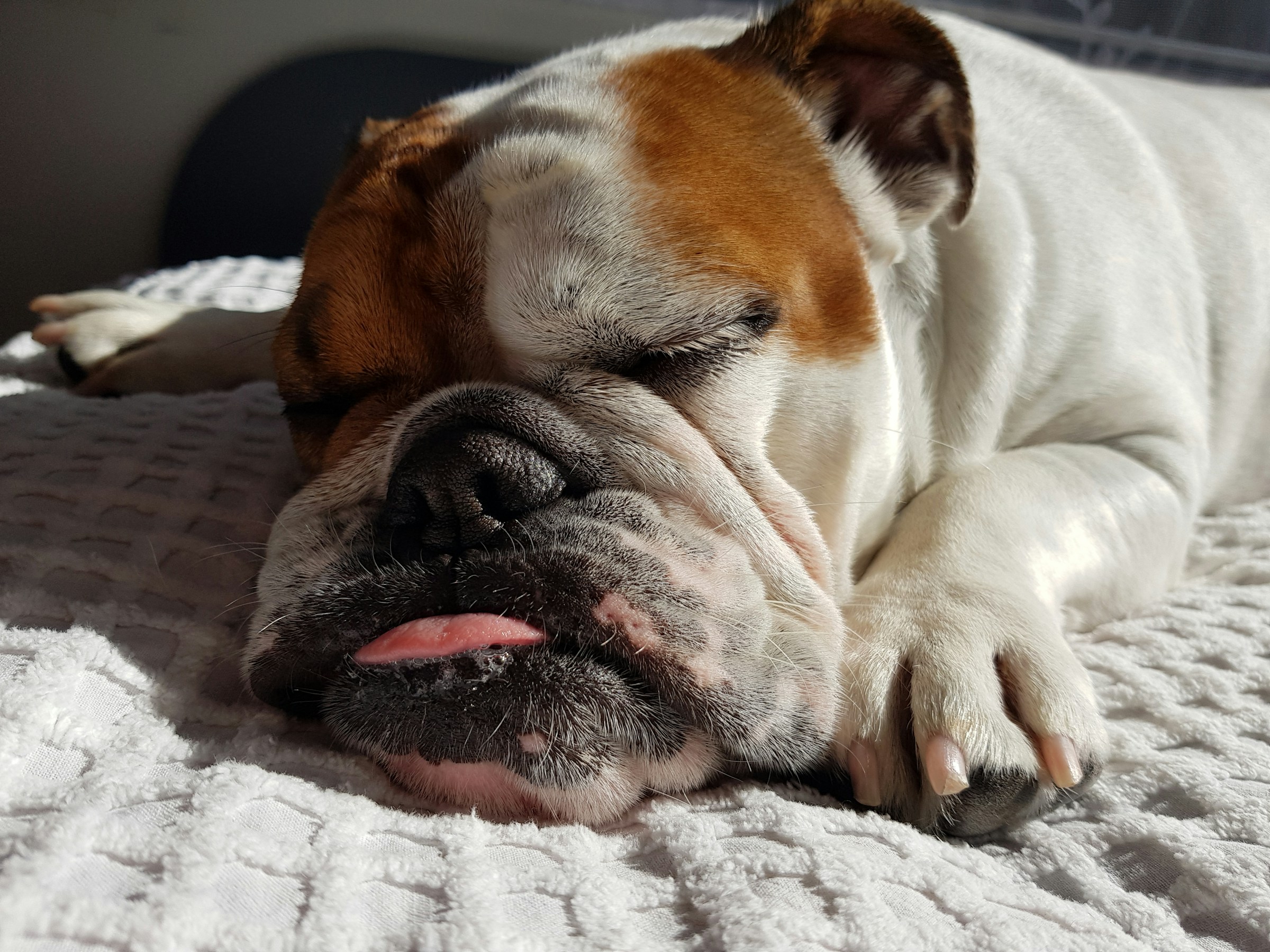
That snore you can hear from the next room is often a medical problem: a breathing obstruction caused by the flat face.
UK vet records showed English Bulldogs had 19.2 times the odds of being diagnosed with it compared with other dogs. And those Bulldogs were young, with a median age of about two and a half.
Surgery to open the airway runs $2,000 to $5,000 or more, according to PetMD. On a fixed income, that’s a vet bill to plan for, not hope against. Insurance can help: Trupanion says a flat-faced breed alone doesn’t rule out coverage for airway surgery.
There is a buyer’s check most people never hear about. In a Royal Veterinary College study of 854 dogs, the breathing problem only showed up in dogs whose muzzles were less than half the length of their skulls.
The Bulldog study’s authors urged breeders to move “towards a moderate conformation.” In practice, that means looking for a Bulldog with a visibly longer nose than the show-ring ideal. You may have to look hard. It’s the closest thing this breed has to a gentler version.
#4 A doodle that sheds and mats
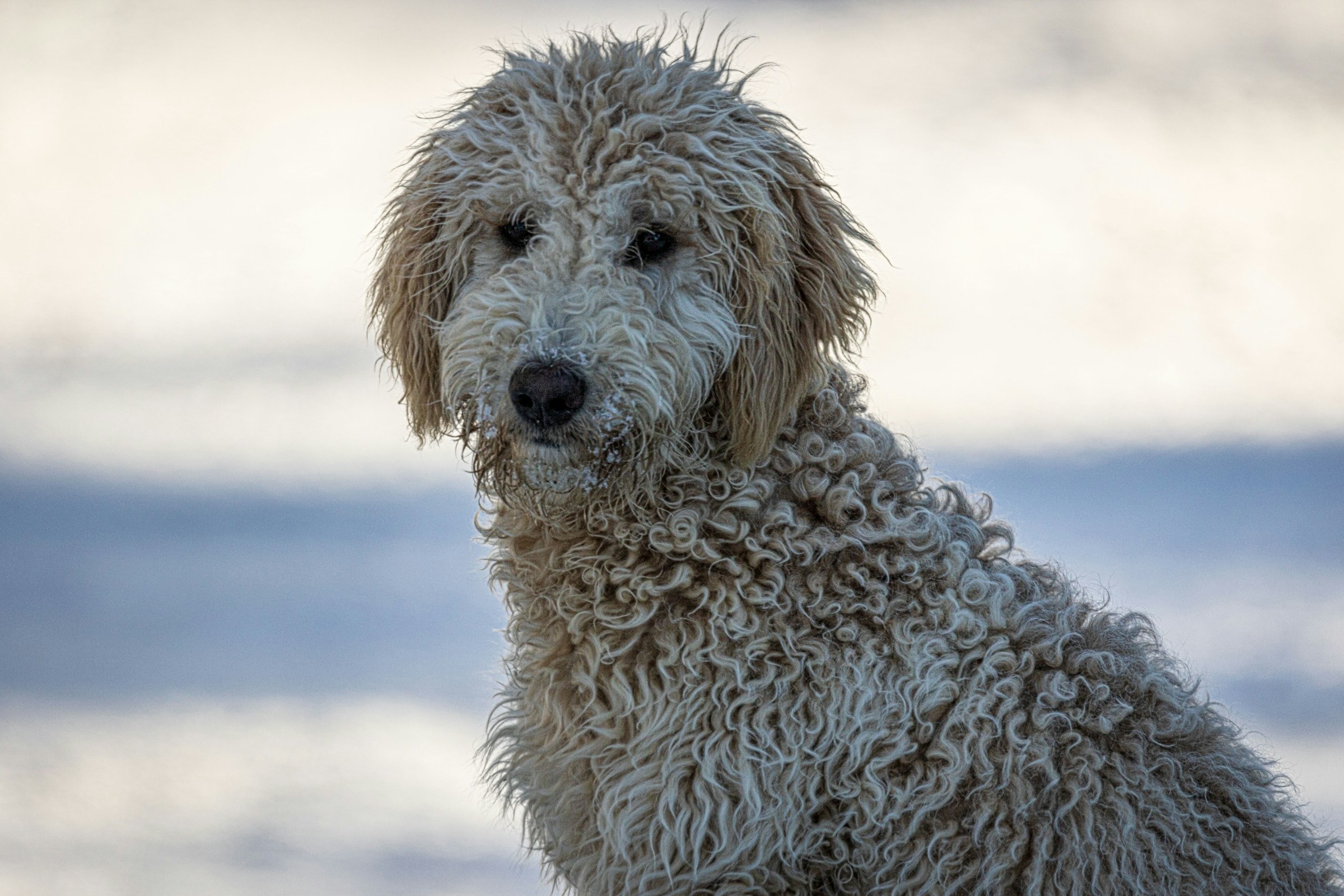
The pitch is irresistible: no shedding, no allergies, easy keeping. It’s how doodles get sold as low-maintenance dogs for seniors.
Dr. Rachel, a veterinarian in Texas, doesn’t buy it: “A lot of people get them because they think they’re hypoallergenic and they don’t shed and they’re low maintenance, and this couldn’t be further from the truth.” She sees plenty of doodles come in painfully matted. And she says you can’t predict their temperament: some she treats are lovely, some have serious behavior problems.
Shedding comes down to genes, not the word “doodle.” The Goldendoodle Association of North America explains that dogs with two copies of the “furnishings” gene are typically non-shedding, one copy means lower shedding, and no copies means a flat coat that sheds more.
The hope runs deep. In a UK survey of 6,293 puppy purchases, 47% of designer-crossbreed buyers wanted a dog they believed was hypoallergenic, against fewer than 8% of purebred buyers. The researchers call doodles being allergy-friendly a “myth.”
Then there are the grooming needs. Professional grooming every 6 to 8 weeks, at $65 to $120 a visit, works out to roughly $420 to $1,040 a year before tips. Dematting adds $15 to $50 when the coat gets ahead of you.
If you want one anyway, ask the breeder for the furnishings test result, or choose a grown doodle whose coat you can run your hand through. Just know the dogs that shed least still have a standing appointment at the groomer’s.
#3 A Dachshund’s back and the surgery bill
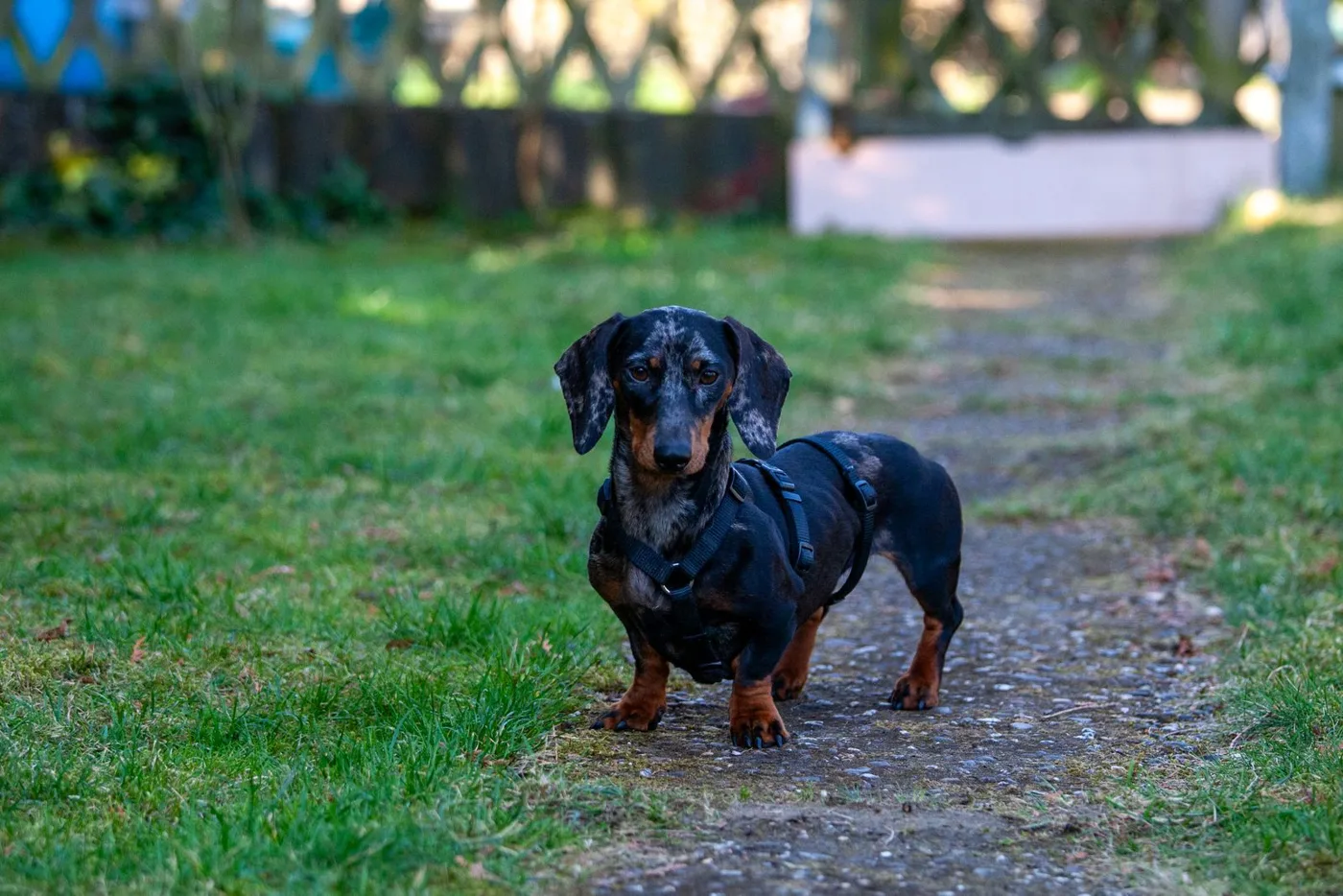
Dr. Rachel puts the Dachshund on her list of breeds she’d never own for one reason: “Because of their long back, they’re really prone to intervertebral disc disease.” That’s trouble with the cushions between the bones of the spine.
How common? In a UK owner survey of 2,031 Dachshunds, about 1 in 6 had vet-diagnosed disc disease. It varied a lot by type:
| Dachshund type (UK survey) | Had disc disease |
|---|---|
| Standard Smooth | about 1 in 4 |
| Miniature Smooth | about 1 in 6 |
| Standard Wire | about 1 in 14 |
The same survey turned up a twist. Dogs exercised less than half an hour a day had higher odds of disc disease, and dogs exercised over an hour had lower odds. The couch-potato Dachshund isn’t the safe one.
Her advice for owners: “If you have these dogs, you have to be really careful and make sure they’re not jumping off of high places.” A ramp to the sofa and the bed does that job. She also says to keep money set aside in case of back surgery.
What a Dachshund’s back can cost (US estimates from a vet-cost guide) – MRI to find the problem: $1,500 to $2,500 – Surgery: $3,000 to $8,000 – Treatment without surgery: $500 to $2,000 – All in: $2,000 to $10,000
The Dachshund ranked fifth in AKC registrations in 2025, its highest spot since 2003, so plenty of people are about to learn this. If vet bills worry you, a standard wirehaired dog, a ramp and a dedicated savings account are the version of this breed that works. If you’d rather insure, do it early: Embrace won’t cover disc disease for the life of the policy if signs show up before enrollment or in the first 180 days.
#2 A French Bulldog sold as easy

America’s most popular dog, No. 1 with the AKC for the fourth year running in 2025, gets sold as the apartment-friendly, low-maintenance choice.
The maintenance is in the breathing. PetMD says flat-faced dogs have “restricted airflow, which leads to increased panting and a higher risk of overheating.” In UK vet data, that shows up clearly:
| Breed | Odds of heat illness compared with a Lab (UK, 2016) |
|---|---|
| English Bulldog | about 14 times |
| French Bulldog | about 6.5 times |
| Labrador | 1 (the baseline) |
In that data, 4 in 10 heat-illness cases came in July, during a heatwave, and about 1 in 7 cases were fatal. A Frenchie in summer needs air conditioning, walks at dawn and no waiting in a parked car. Plan for the day the power goes out.
The other number turns the usual worry upside down. People choosing a dog later in life often ask whether the dog will outlive them. With a Frenchie, the question runs the other way. In a UK study of more than half a million dogs, French Bulldogs had a median lifespan of 9.8 years, and flat-faced breeds as a group had a 40% higher risk of a shorter life.
The heartbreak comes on a faster clock, and the vet bills that come before it aren’t small.
#1 A Cavalier’s sweet nature and weak heart
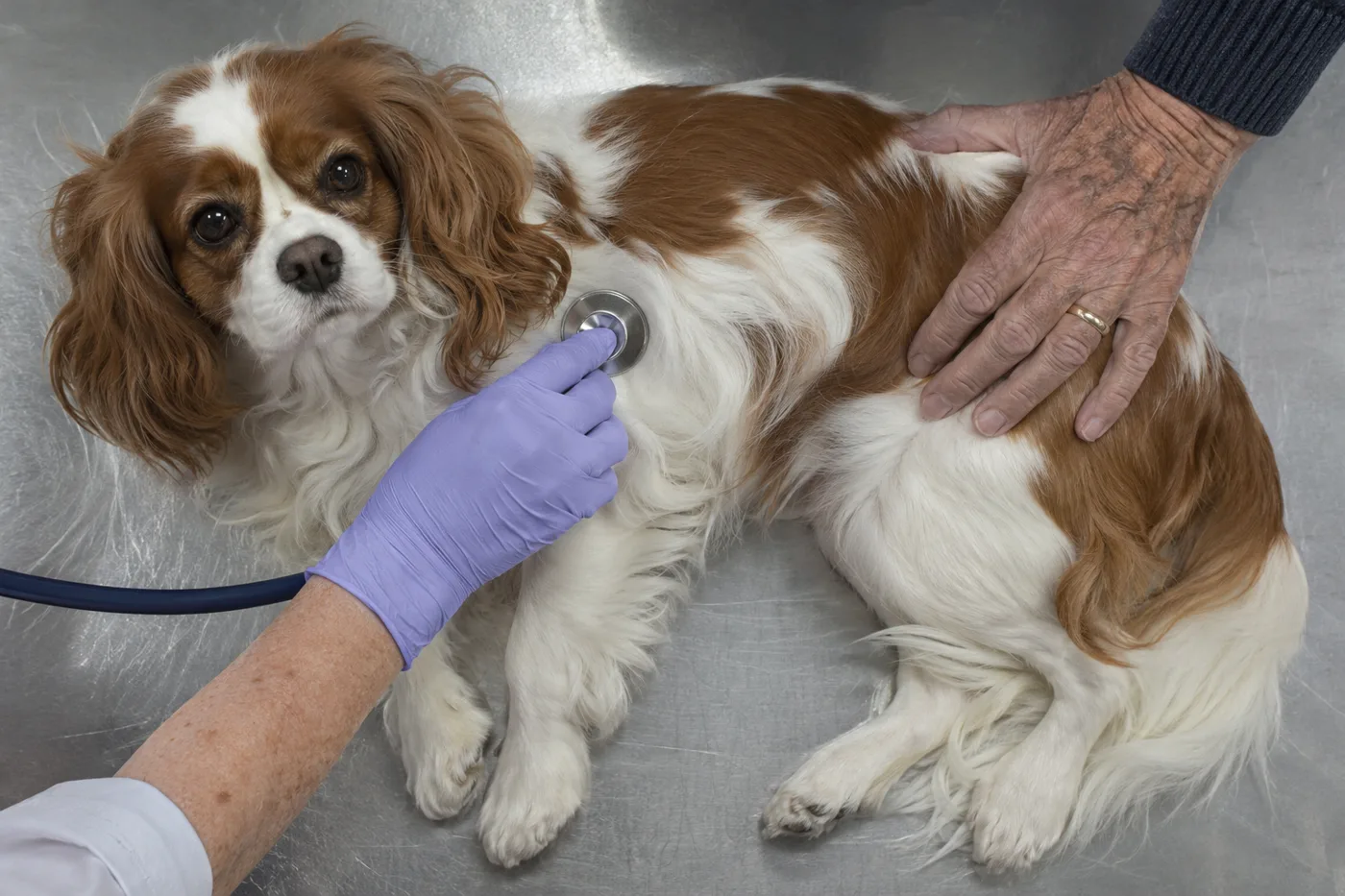
The Cavalier King Charles Spaniel is a frequent pick on “best dogs for seniors” lists. Gentle, small, happy on a lap, fond of everyone. Every word of that is true.
Ben the Vet, a UK veterinarian who posts about breeds he wouldn’t own himself, says the part those lists skip: “Practically all Cavaliers get the same kind of heart disease called mitral valve disease.” That’s a heart valve that stops closing tightly and leaks.
The breed’s own American club calls it the leading cause of death in Cavaliers and says the breed is 20 times more prone to it than other breeds. A University of Milan study puts it at as many as 90% by age 10.
Then there’s the spine. A problem called syringomyelia, fluid-filled pockets in the spinal cord, is common in the breed too. MRI screening of 2,125 Cavaliers, mostly in the Netherlands, found it in 38.3%. The rate dropped to 27% in the most recent group, which the researchers called “less than expected.”
So the lists get the temperament right and miss the cost. For you, the hard part with a Cavalier is the cardiology appointments, the daily heart pills and the money, most likely arriving in the dog’s later years.
That doesn’t rule the breed out. It means the Cavalier that works is the one you’ve budgeted for. Ask the breeder to show you both parents’ heart checks and spinal MRI results. If you’re adopting an adult, ask what the vet found at its last heart exam.
Ask before the puppy is in your arms. Once it’s in your arms, you won’t.
The bottom line
Before you fall for any puppy, try one piece of math. Add the breed’s typical lifespan to your age on the day it comes home. A Lab’s median in that big UK study was 13.1 years. A Miniature Dachshund’s was 14.
Then picture that number on a calendar and ask who walks the dog during the last few years of it. Plenty of dogs outlive their owner’s plans. The math takes a minute.
If the answer’s a little fuzzy, the arithmetic points to an adult or senior dog instead of a puppy, one whose size, energy and habits are already on view. As a fosterer in their early 50s put it on r/DogAdvice: “Now, I foster and adopt seniors. We often adopt seniors out to seniors.“
Senior-to-senior adoption programs make it easier still. In 2022, Pasadena Humane’s Seniors for Seniors program waived adoption fees for people over 60 adopting pets aged 5 and up. The foundation that paid for it, Pets for the Elderly, covers adoption fees for adopters 60 and over at about 53 partner shelters in 31 states, and its site lists them. Some programs ask more past 75: The Animal League’s Senior to Senior program wants proof of who will care for the pet, and matches adopters that age only with pets 9 and older.
Bonus: three checks before the next dog comes home
Read the pet rules where you live, or might move, before you meet a single dog. Assisted living pet rules can be tight: Monarch Communities, a senior living operator, allows one pet per resident, small breeds only, under “25 pounds at full maturity.” Notice “at full maturity”: the puppy that fits today may not fit next year.
Ask about retired breeding dogs, with your eyes open. In a Purdue study, all 32 people who adopted dogs retired from commercial breeding kennels were satisfied, and more than 73% said the dog beat their expectations. But a puppy-mill dog may never have lived indoors, and Best Friends Animal Society warns that “House-training might take a week, it might take a month, or it might take a year.” Ask what kind of kennel the dog came from, and use a collar plus a harness, each with its own leash, at first.
Line up a sitter for the old-dog years before you need one. Owners of very old dogs on r/Pets describe the night pacing, the accidents and the guilt of snapping at a confused dog; the advice that comes back is a vet check for pain, hearing loss or confusion, and regular breaks. As one owner of two 13-year-olds put it: “This is a side of pet parenting that no one talks about.“
Questions people also ask
Should I get a puppy or an older dog at my age?
An adult or senior dog is usually the easier match, because you can see its grown size, energy and habits before you commit. The ASPCA says senior pets “have already grown into their personalities.” A puppy can still work if you’re ready for a long stretch of puppy behavior; Labs, for one, stay puppies until well past two.
What happens to my dog if I die or can’t care for it anymore?
The dog goes wherever your plan says, which is why it’s worth writing one down. The ASPCA suggests naming a caregiver and a backup and setting money aside, sometimes through a pet trust, a legal arrangement that pays for a pet’s care if you become disabled or die. Its advice on who will care for the dog: “Don’t assume! Check in with your chosen caregivers periodically.” If your dog came from a breeder, the AKC says reputable ones take back any dog they bred, “No matter how old the dog, no matter what the reason.“
What size dog is easiest for a senior to handle?
No size is automatically safe. In CDC emergency-room data, tripping over a dog or being pulled by one caused more than half of dog-related falls, and the data don’t sort by size. Big dogs pull, while tiny ones get underfoot and can break a leg jumping from your arms. A dog’s leash manners and habits matter more than its weight.
Do small dogs live longer than big dogs?
Generally yes. In a UK study of more than half a million dogs, small breeds tended to outlive larger ones, and the median for all dogs was 12.5 years. The big exception is flat-faced breeds, which had a 40% higher risk of a shorter life; the French Bulldog’s median was 9.8 years.
Will my dog actually behave like its breed is supposed to?
Only partly. A 2022 study combining owner surveys on more than 18,000 dogs found breed explains only about 9% of the differences in behavior between individual dogs. Meeting the actual dog, ideally a grown one, tells you more than the breed name does.
What are the calmest dog breeds for an older owner?
A retired racing Greyhound is one of the strongest candidates. Greyhound Pets of America Houston describes them as “Quiet, not a watchdog” and happy couch potatoes, usually 2 to 5 years old when adopted. The things to weigh: they run 50 to 85 pounds, and they must “always be kept on leash or in fully-fenced areas.”