From a paper sack of Purina to a $1,323 emergency stay, here are 20 real numbers on the cost of owning a dog now, set beside what we know about then.
The number at #1 settles whether a dog has really become a luxury.
The receipt curls out of the printer at the vet’s front desk, and it keeps curling. Exam. Test. Shots. A refill. You sign, scratch the dog’s ears, and think about the dogs you remember from 1970, when nobody handed anyone a receipt that long. You’re right that something changed. The surprise is which costs truly grew, which are brand new, and which only feel bigger because a dollar shrank.
Table of Contents
#20 A 25-pound bag of dry dog food

Dog food is the bill everyone grumbles about, and it’s the one that behaved itself. Since 1997, pet food and treat prices have gone up about 95%. Prices for everything else went up about 109%. After inflation, the kibble got about 7% cheaper.
You probably remember that bag riding home on the bottom rack of the grocery cart. That habit is younger than it feels. Purina Dog Chow was sold only through farm feed dealers until 1957, when a new kibble went into grocery stores nationwide.
No receipt survives for a 1970 bag of dog food. Today, a 40-pound bag of Dog Chow is $27.99 at PetSmart, which works out to about $17.50 for 25 pounds.
Maybe your dog’s dinner bell came from the TV. Purina’s Chuck Wagon ads in the 1970s showed a miniature horse-drawn chuck wagon racing through a living room, right past a dog. The brand faded, then the grocery chain Food City brought it back in 2012 as a store brand, at $16.99 for a 33-pound bag that year.
#19 Dogs roaming the neighborhood all day

You let the dog out after breakfast and saw him again when the streetlights came on, a little muddy and very pleased with himself. Nobody thought twice about it.
Until the 1970s, perhaps a quarter of the country’s dogs roamed the streets, by the count of writer Tim W. Ferguson in the Milken Institute Review. People who remember the 1960s and 70s say dogs lived outside more, ate plain kibble, had a toy or two, and saw the vet rarely.
That freedom explains a lot about the small vet bill you remember. People in the 1970s didn’t spend large sums at the vet, and pets more often died of accidents or disease, as one commenter in r/70s remembers it.
That was simply how most towns lived with dogs. The bill was smaller partly because a lot less was being bought.
Today the ASPCA budgets $225 a year for routine medical care for one dog, in 2021 dollars, and that’s before a single emergency. The dog who once had the run of the block now sees the neighborhood from the end of a leash, and the vet once a year.
#18 Rabies shots and the leash law
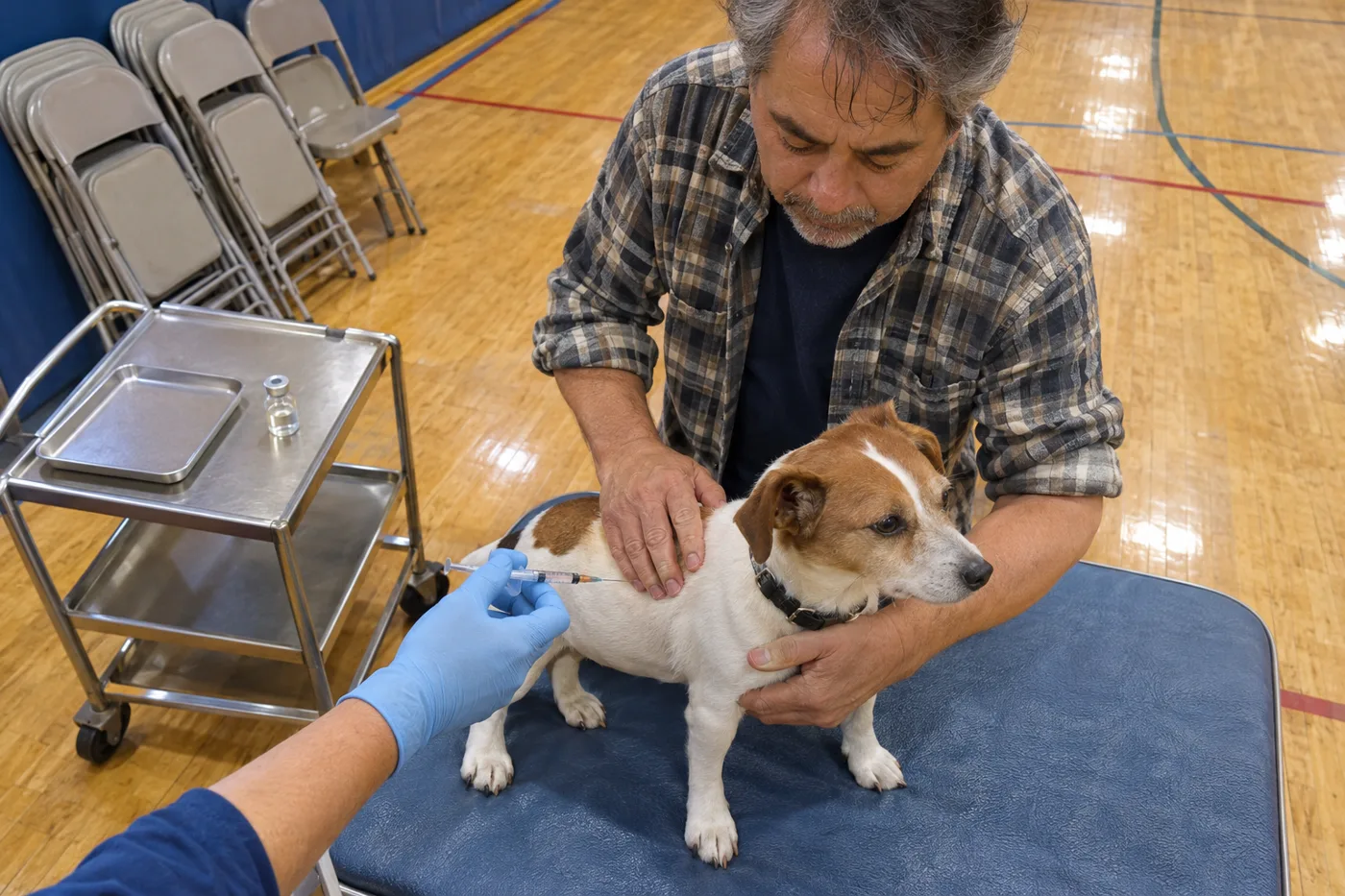
The rabies shot is one of the best bargains a dog owner gets, and by 1970 it had already done its biggest job.
Starting in 1947, towns and states began passing vaccination and leash laws. By the late 1960s, the CDC counted fewer than 500 rabid dogs a year across the whole country, and three human cases. The type of rabies that passes from dog to dog was wiped out in the US in 2004.
Depending on where you lived, the shot came at a Saturday clinic in a school gym or a firehouse, or in the vet’s own small waiting room with a calendar on the wall.
Today a rabies shot averages $35. That $35 has the buying power that about $4 had in 1970.
#17 A box of free puppies outside the store
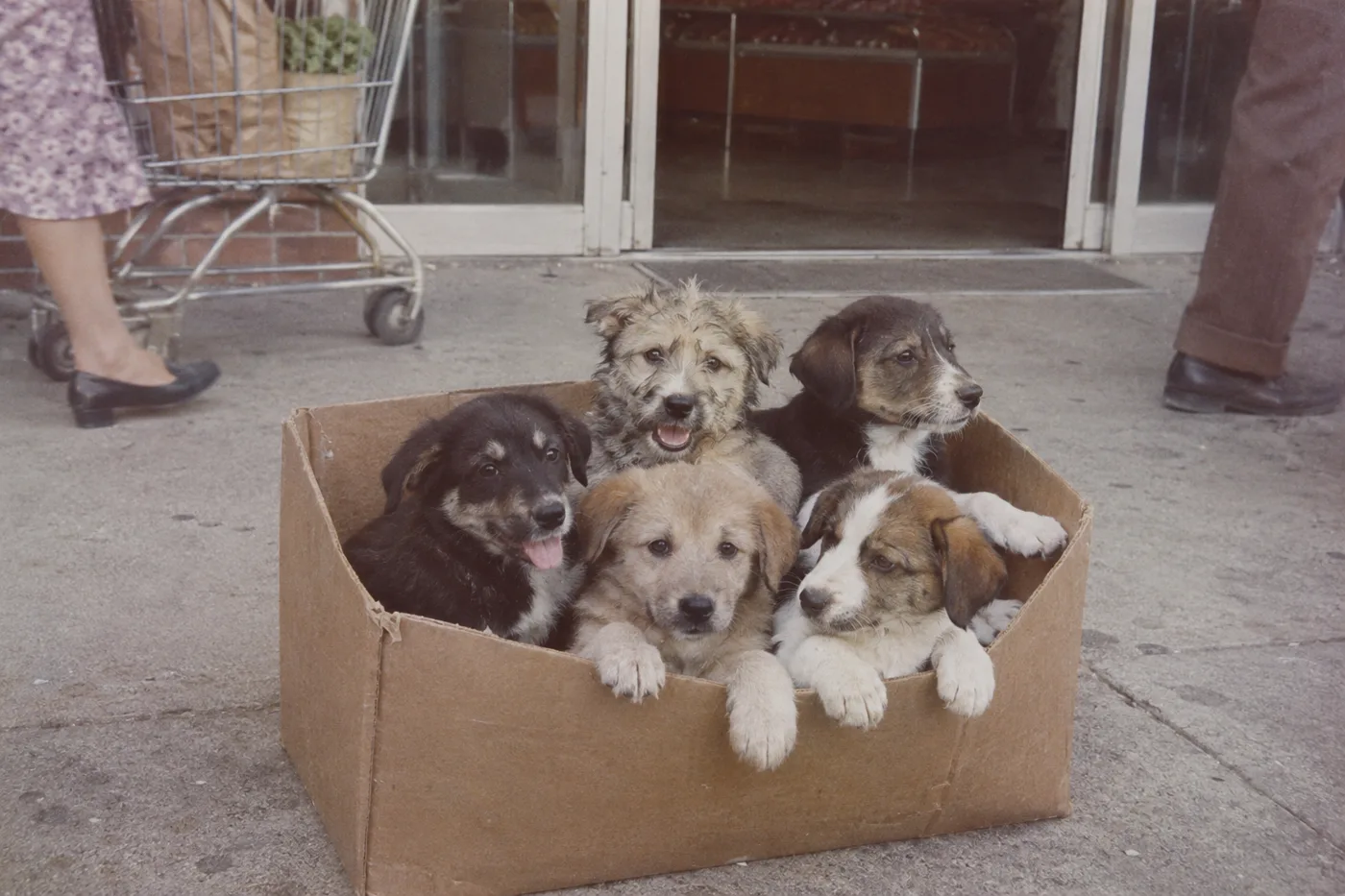
A cardboard box by the grocery store doors, a sign in marker that said FREE TO GOOD HOME, and five puppies climbing over each other to be picked first. You could walk out with a dog for nothing.
Nothing else came with it. No shots, no surgery, no record of anything. Those arrived later, one bill at a time.
A shelter adoption fee runs the other way: you pay up front, and much of the first-year vet work is already done. At Best Friends Animal Society, an adult dog is $100 and a puppy 6 months or younger is $150.
What that adoption fee already covers – Spay or neuter surgery – Vaccinations – A microchip – A health check
Paid for separately at today’s national averages, the surgery, the microchip and one round of combination shots alone come to more than $500. People who foster and adopt make the same point in Reddit’s dog threads: shelter and foster dogs usually arrive vaccinated and already fixed.
If you’ve got your eye on an older dog, ask before you pay. Best Friends often waives the fee entirely for dogs 7 and older.
#16 The flea collar
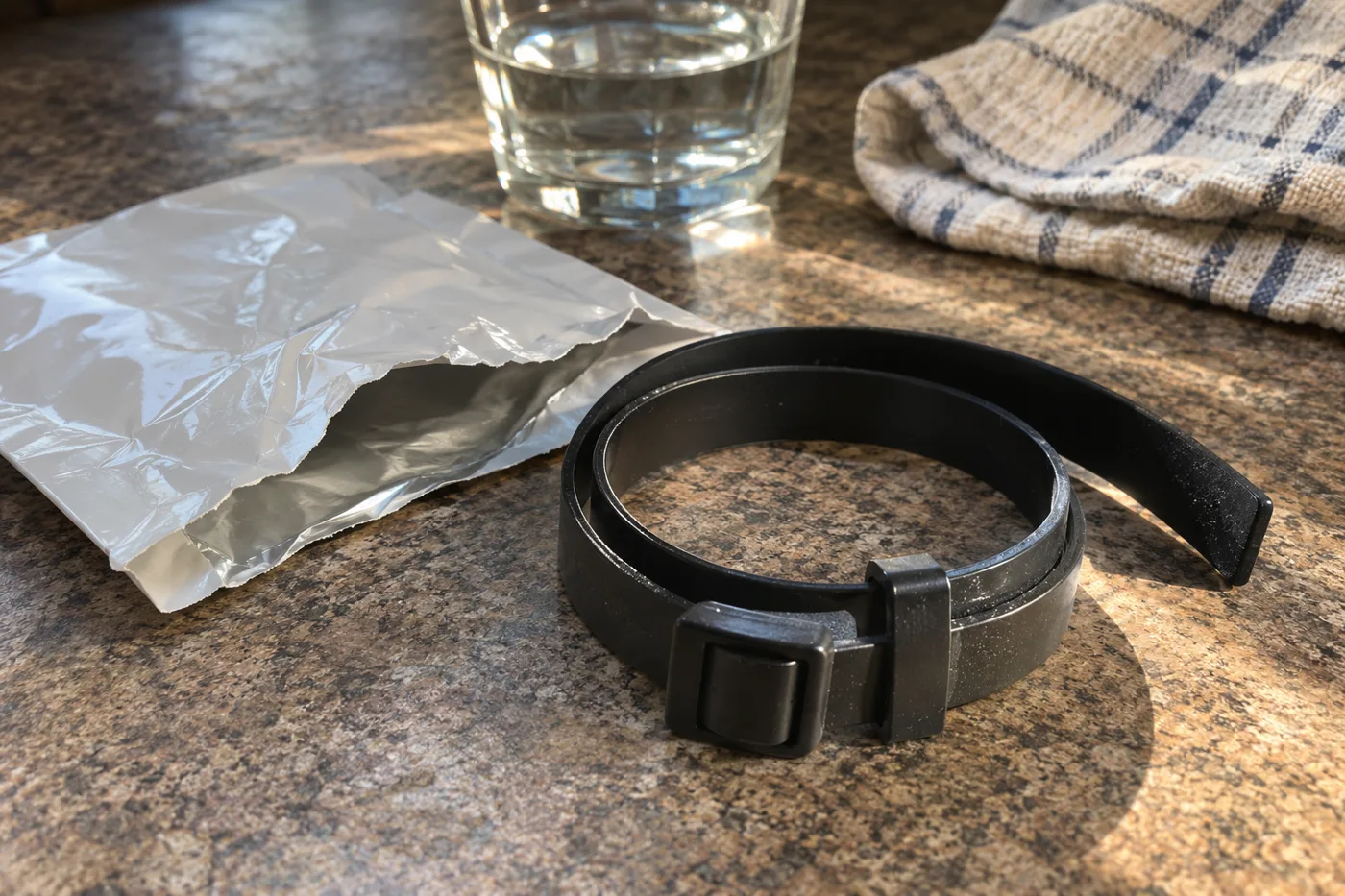
The flea collar is younger than you might guess. It arrived in 1964, after Oregon State entomologist Robert Goulding studied time-release pesticides that led to it. Before that, flea control meant powder shaken into the fur over newspaper, or a dip in the tub that left the dog smelling like a chemistry set.
The cheap collar from the drugstore rack didn’t fade away by accident. In 2014 the Environmental Protection Agency cancelled collars made with propoxur, sold under names like Sentry, Zodiac and Biospot, over “unacceptable risks to children.” Distribution ended after April 1, 2016.
Flea powders and dusts made with another old ingredient, tetrachlorvinphos, were pulled after a 2020 EPA review. Collars and sprays using it are still sold.
Today the ASPCA budgets about $185 a year for preventives, in 2021 dollars. In 1964, the whole idea fit in one plastic loop.
#15 Obedience class in the park

The class you remember probably met on a ball field or in a church hall, and every dog wore the same thing: a choke chain. Trainer Blanche Saunders’ approach, “No treats, but it’s OK to praise,” with quick corrections on the chain, was more or less standard into the 1970s.
Then the pockets changed. In the early 1980s, trainers such as Ian Dunbar pushed “lavish use of food rewards,” and in 1982 he started off-leash puppy classes of his own. By 1993 he had founded the Association of Pet Dog Trainers.
Today a six-week group class at PetSmart costs $149, for one-hour sessions with four to six dogs. That’s about $25 a session, which is cheap next to almost everything else a dog needs.
One catch: if your dog falls apart in a room full of strange dogs, a group class may be the wrong $149 to spend first.
 You might also like30 Things Everyone Believed About Dogs Back Then (And What Vets Know Now)
#14 Gaines-Burgers, one wrapped patty at a time
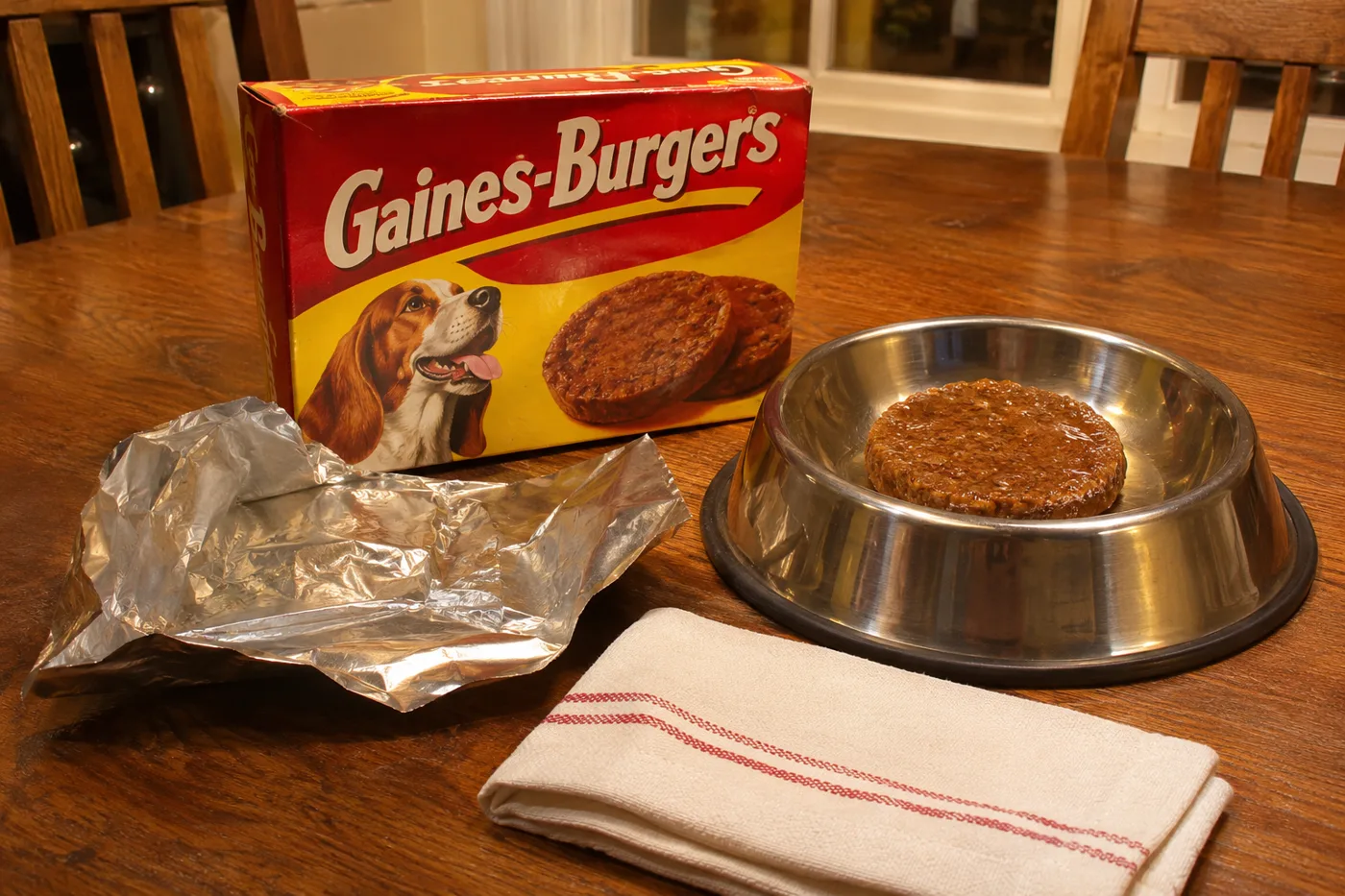
You peeled back the wrapper and there it was: a round, red patty that looked like it belonged on a bun. General Foods introduced Gaines-Burgers in 1961, moist dog food wrapped one patty at a time and shaped like a hamburger. Dogs treated the unwrapping like a drumroll.
We found no price for a box, but a price for the real thing does survive. In a December 1970 Pittsburgh Press grocery ad, ground beef was 59 cents a pound. That’s about $5 a pound in today’s money.
Production stopped in the 1990s. Then a company called dVour Brands brought the name back in 2019, and since 2020 it has come out in small batches: beef with beef liver, and turkey with blueberry.
If you want to see the patty in its prime, a 1970s Gaines-Burgers TV commercial is free to watch on the Internet Archive.
#13 The pooper-scooper law
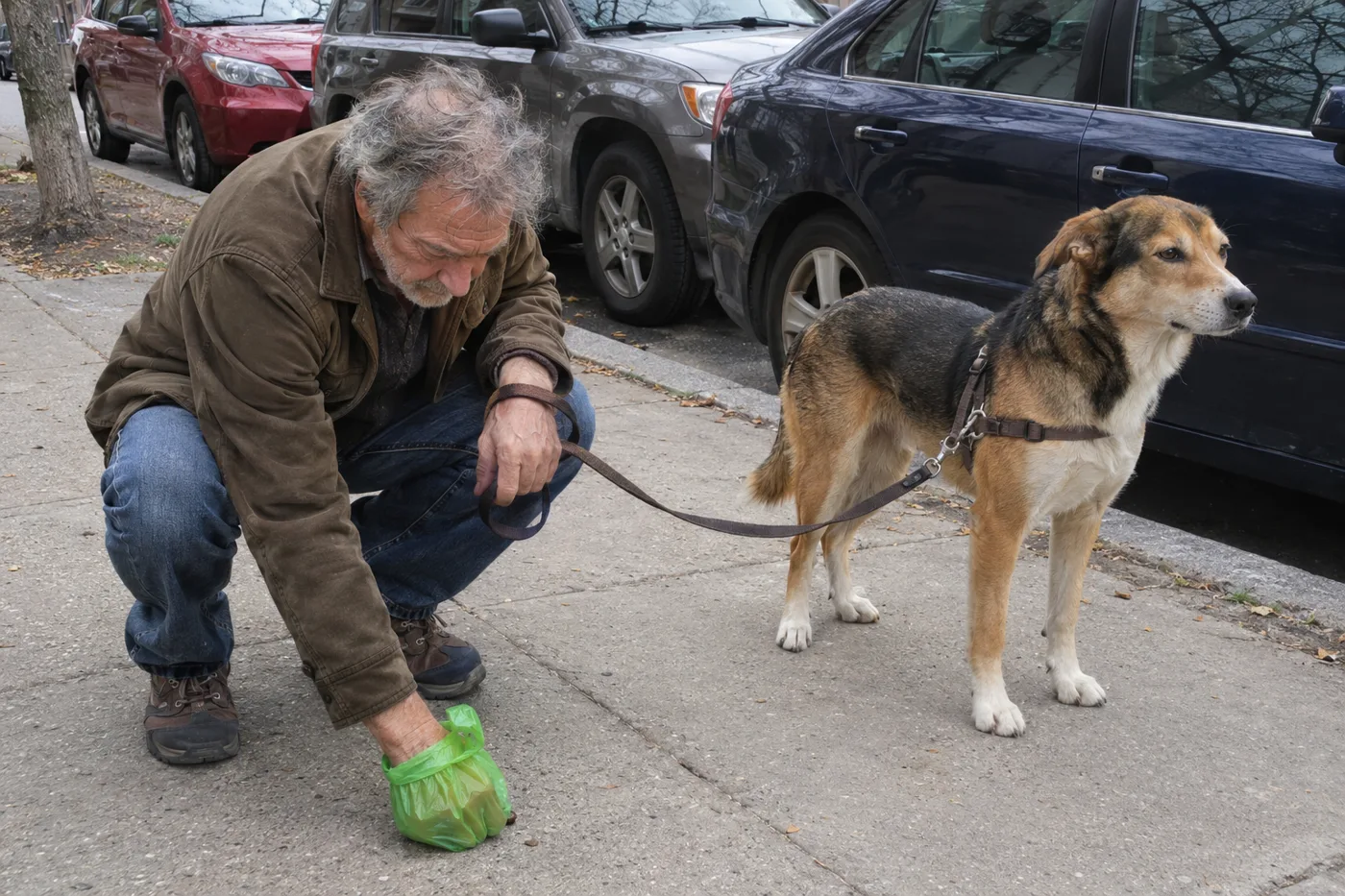
Nobody carried a bag. You watched where you stepped, and the dog did his business wherever the mood struck.
The first law to change that came from Nutley, New Jersey, in 1971. New York State followed in 1978. Mayor Ed Koch couldn’t get a scoop law for the city without the state legislature’s approval. The New York Times called activist Fran Lee “New York’s foremost fighter against dog dirt,” which is a title money can’t buy.
Today in New York City, skipping the pickup can cost you up to $250. The roll of bags clipped to the leash is the cheapest insurance a dog owner buys.
#12 The poodle clip and the boarding kennel
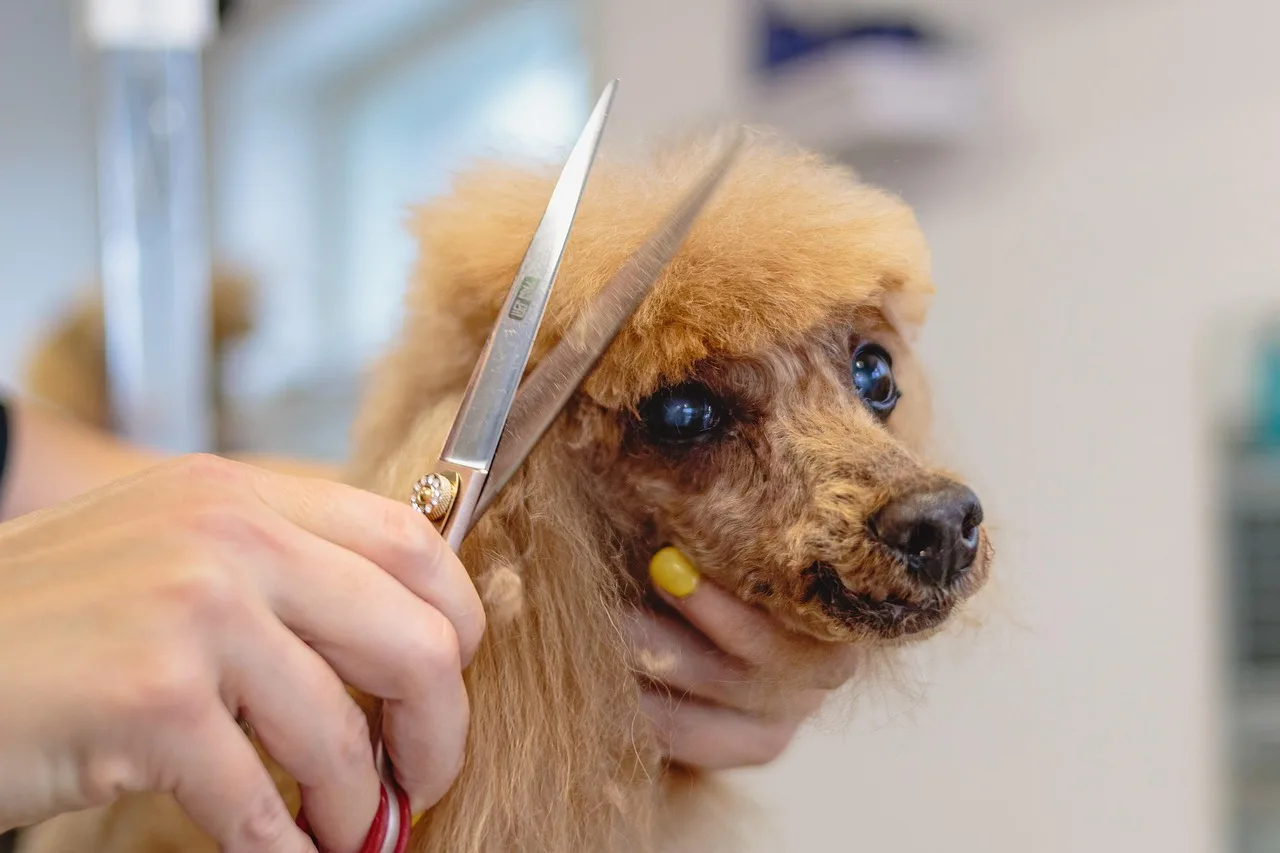
If you remember a dog coming home from the groomer with pom-poms on its legs and a bow on top, you remember the era exactly. The Poodle was America’s top breed through the 1960s and the 1970s. The Beagle had led in the 1950s, and the Cocker Spaniel would take over in the 1980s.
Grooming is one of the costs that genuinely ran ahead. A full-service Poodle groom now averages about $112, usually $80 to $150, in a national survey of grooming salons. Since 1997, prices for pet services like grooming and boarding have risen about 180%, well past prices overall.
Boarding is the one that sneaks up. People with more than one dog say in Reddit’s personal finance threads that it’s the cost they forgot to plan for, usually right when a trip was booked.
Before you book, call the kennel for the nightly rate and multiply it by the nights, then by the number of dogs.
#11 The parvo panic of 1978 to 1980
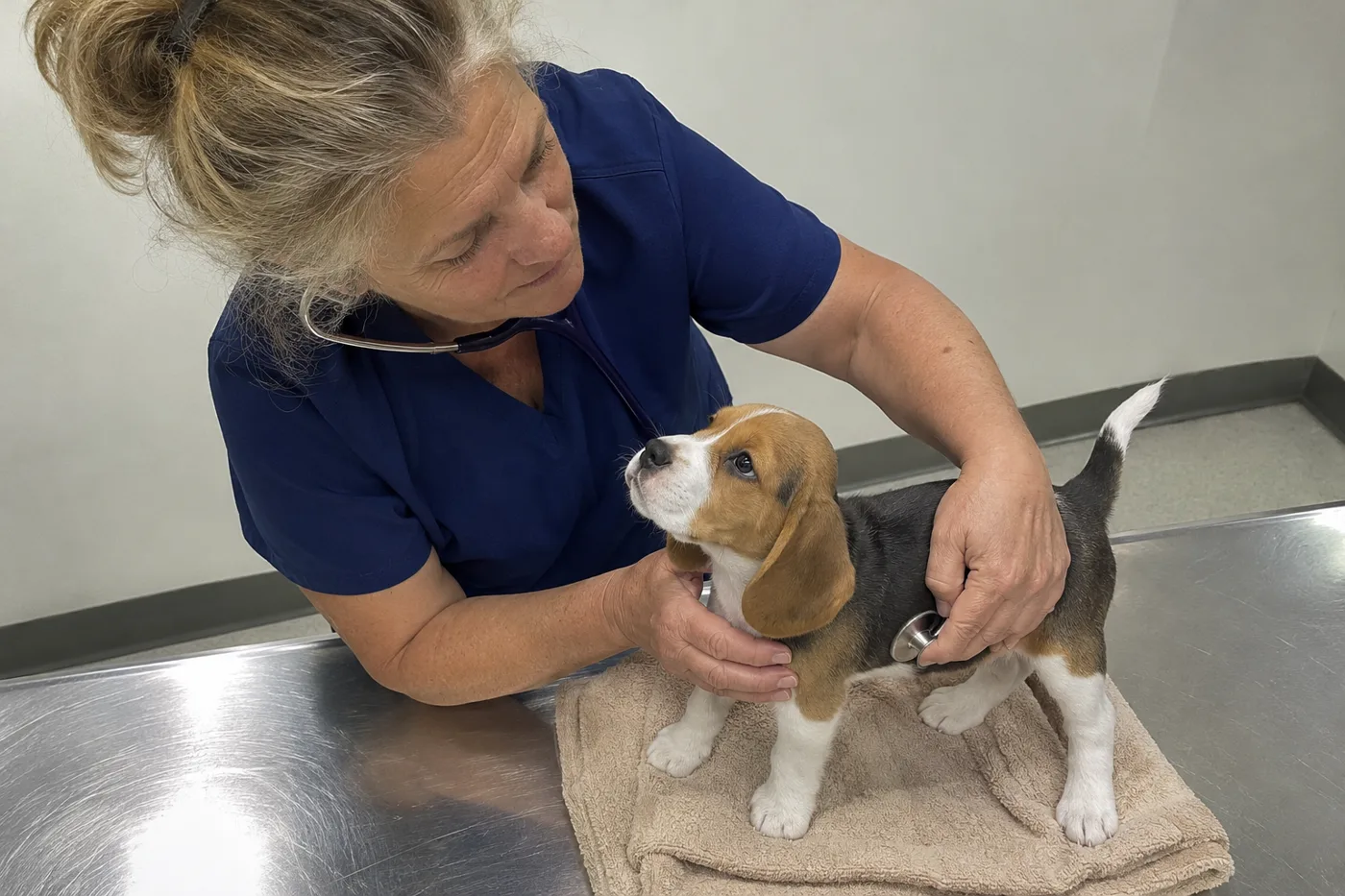
For a while, puppies were dying fast of something with a short, scary name and no vaccine. That memory is real, and the scare was shorter than it felt.
Parvo first showed up in dogs in Europe around 1976 and had spread around the world by 1978. Leland Carmichael and Max Appel at Cornell isolated the virus that same year and had the first parvo vaccine by 1979. An improved one followed by 1981.
Today a combination vaccine averages $42, about the price of a pizza night.
#10 An engraved tag vs. a microchip
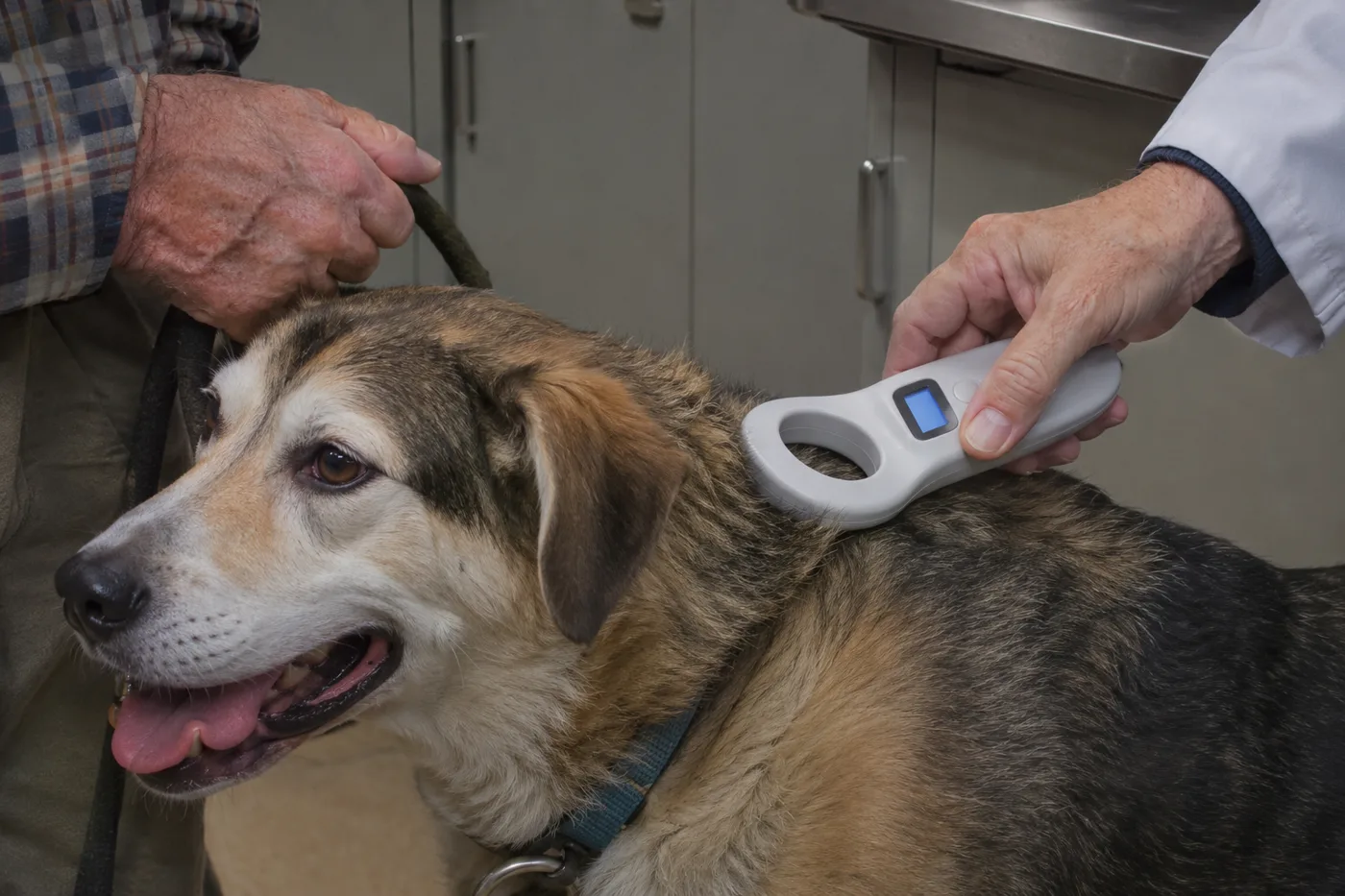
For decades, the lost-dog system was a small metal tag with a phone number stamped on it, plus a neighbor who knew the dog by sight.
The microchip, a tiny implant under the skin that a vet or shelter can scan, came much later. Avid Identification Systems, founded by a veterinarian in 1985, says it invented the pet microchip and recovery system.
Today microchipping a dog averages $48, and usually falls between $38 and $87.
Keep the tag anyway. A chip needs a scanner. A tag only needs someone kind enough to bend down.
#9 The doggie in the window
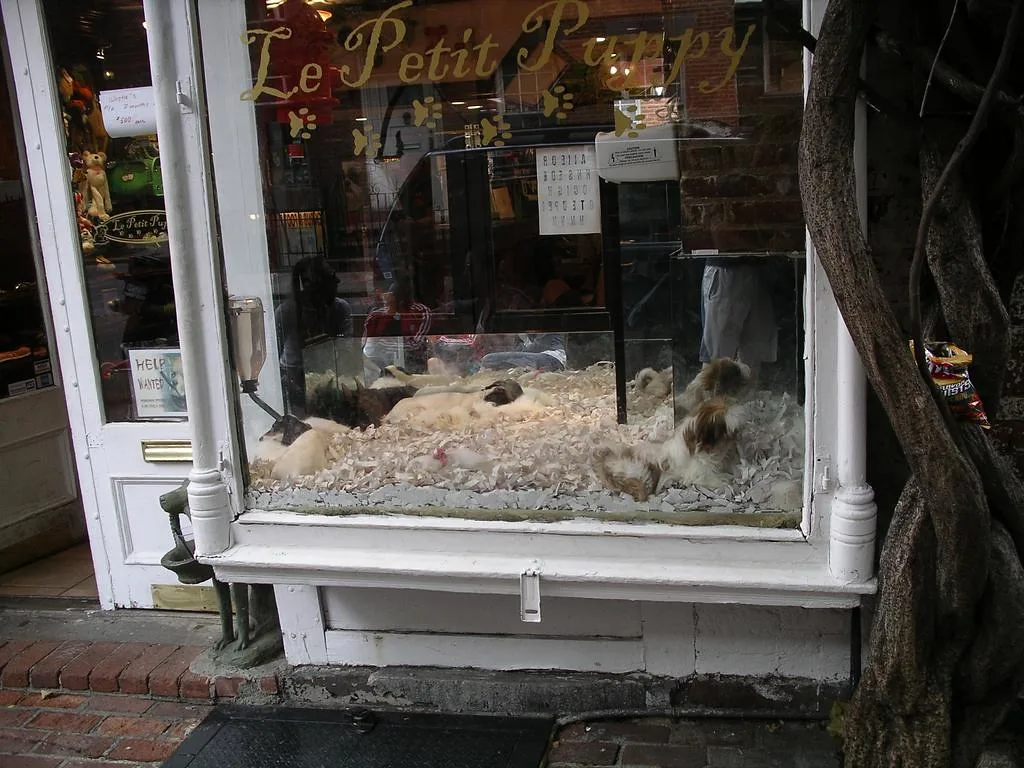
Singer Patti Page asked the most famous price question in dog history. Her “(How Much Is) That Doggie in the Window?”, written by Bob Merrill, hit No. 1 in April 1953 and stayed there for eight weeks. In 2009 she recorded a new version, “Do You See That Doggie in the Shelter,” and answered her own question:
“The original song asks the question: ‘How much is that doggie in the window?’ Today, the answer is ‘too much.'” (Patti Page, in 2009)
The puppy’s price varies too much to pin down, but the paperwork has a fixed one. Registering a single dog with the American Kennel Club costs $44.99 online or $47.99 on paper, and registering a whole litter is $49.99.
If a breeder’s price includes “papers,” that’s the one line on the bill you can check for yourself.
#8 Pet rent and the pet deposit
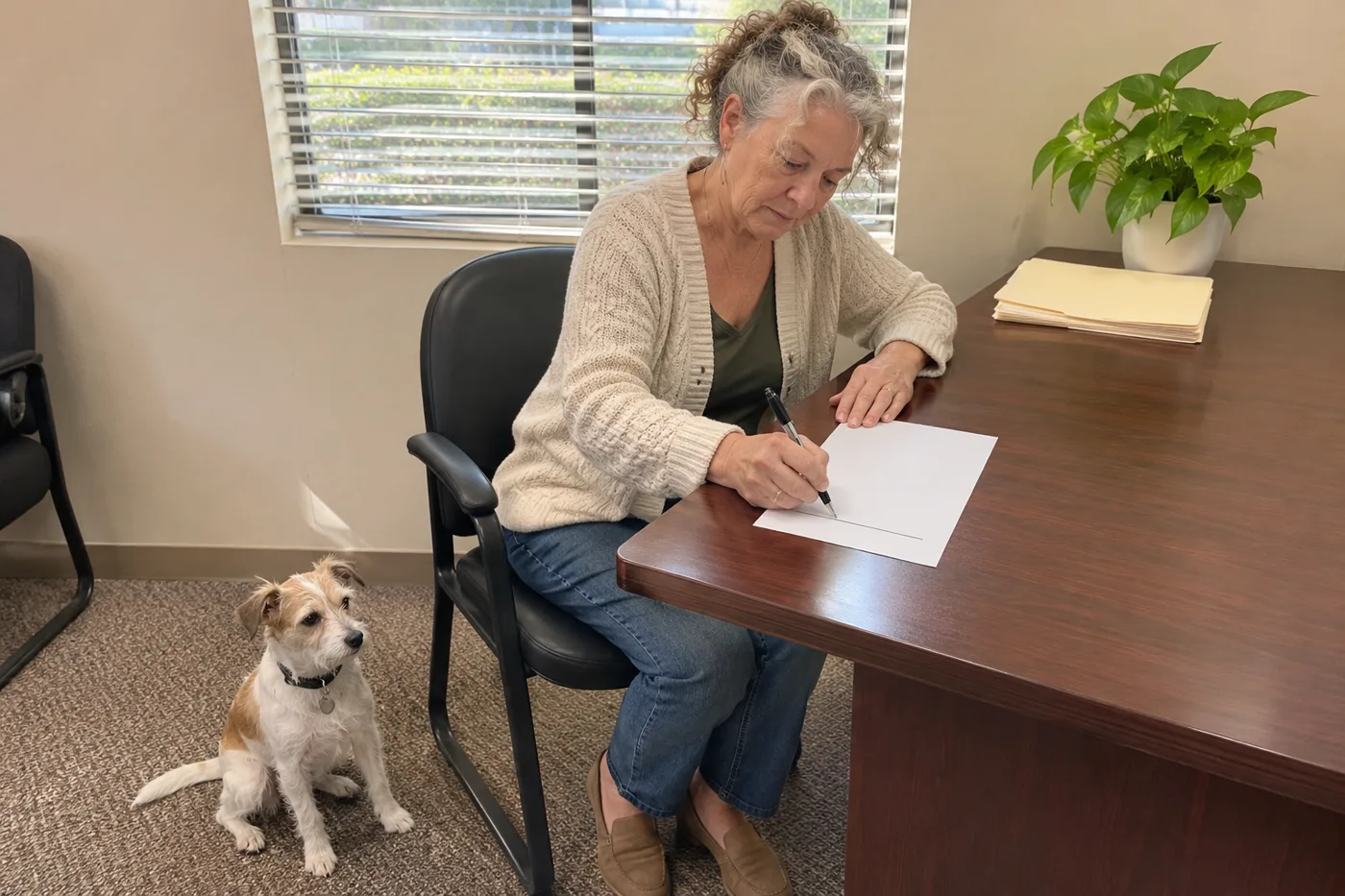
Apartment ads used to end with two words: No Pets. You found a landlord who’d take the dog, or you kept looking.
Today more rentals say yes, and the yes comes with its own lines on the lease. Renters in Reddit’s money threads say a one-time pet fee plus monthly pet rent is now normal from one place to the next, and RentCafe’s 2025 figures back them up.
A dog on a lease, average US figures for October 2025 – Pet rent: $35.65 a month – Refundable pet deposit: a little over $300 – Non-refundable pet fee: $315 – Rental listings that allow at least one pet: about 80%
Pet rent alone comes to about $428 a year, every year the dog lives there.
If you rent now or might someday, ask one question before you sign: is this a deposit you get back when you leave, or a fee you don’t? The answer can be worth about $300.
 You might also like21 Dog Breeds That Were Everywhere When You Were a Kid
#7 Spaying, and the dogs it saved
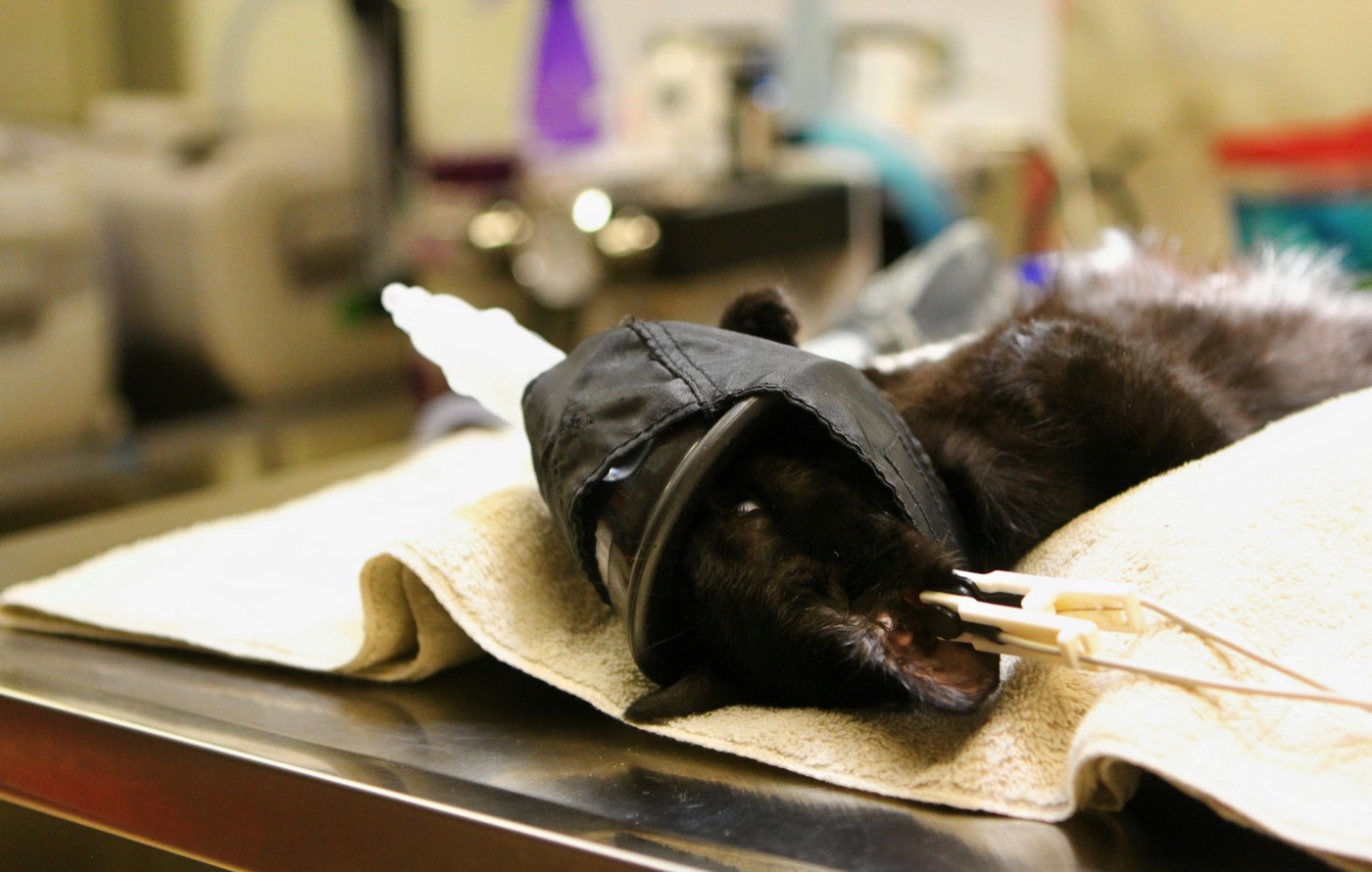
A spay for a dog over 6 months averages $455 today, and neutering a male averages $487, in case you assumed it ran the other way. A low-cost clinic, if there’s one near you, can charge far less: the ASPCA Spay/Neuter Alliance charges $65 for a dog of either sex.
What that surgery bought the country is easy to miss. In 1973, about 13 million dogs and cats were put down in shelters. By 2020, the figure for dogs was “well under 1 million” a year, Ferguson writes. He credits spay or neuter programs at shelters and clinics, together with “local license-fee incentives.”
You can see those incentives on a town’s fee sheet. New York City charges $8.50 a year to license a spayed or neutered dog, and $34 for an unaltered dog over 4 months old.
#6 Heartworm pills and the checkup rule
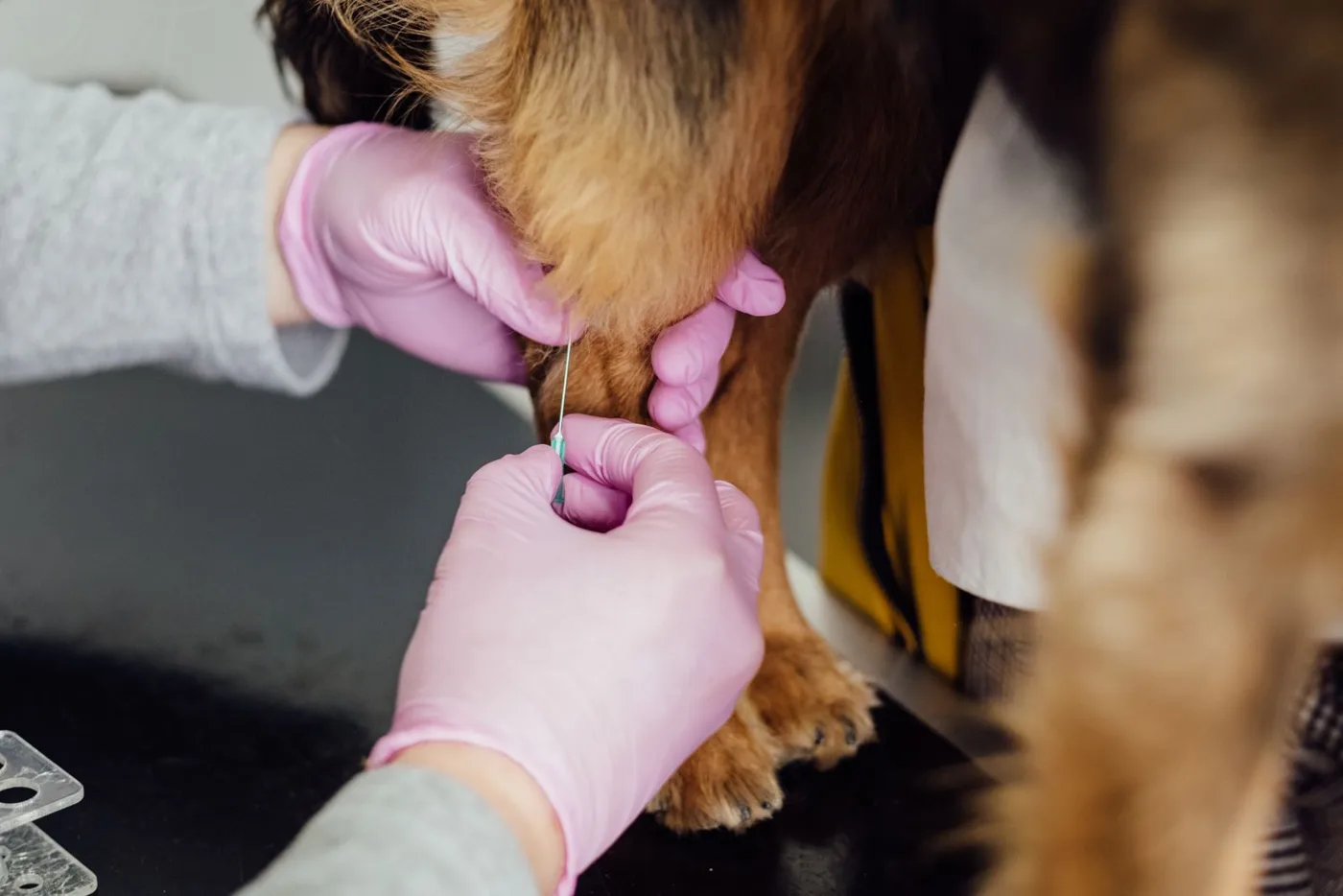
If your vet won’t refill the heartworm pills without seeing the dog, it isn’t a sales trick. In the US, every heartworm preventive needs a vet’s prescription, and the labeling says the drugs are for use “by or on the order of a licensed veterinarian.”
The reason is a real danger. Giving a preventive to a dog that already has heartworms can trigger a shock-like reaction and possibly death, so dogs 7 months and older should be tested before starting.
That’s where the sticker shock comes from. Owners in a Reddit thread on vet costs describe skipping a year or two of checkups, then learning at refill time that they needed a recent exam and paying for everything at once. Several said one yearly visit, with the test and the refill lined up together, keeps the bill from landing in a lump.
The American Heartworm Society’s shorthand is “Think 12”: test every 12 months, give prevention 12 months a year. A heartworm test averages $71. Book it with the yearly checkup, well before the last pill in the box.
#5 Having a dog put to sleep

Nobody wants to price this ahead of time, and that’s exactly why it catches people off guard. Owners in a Reddit thread on dog costs say end-of-life care surprised them, especially when they chose to have the vet come to the house.
| Where it happens | National average | Usual range |
|---|---|---|
| At the clinic | $139 | $110 to $253 |
| At home | $410 | $325 to $747 |
Those are 2025 figures, and private cremation averages another $260. Communal cremation, where no ashes come back, costs less: Louisiana State University’s vet school lab charges $50.
A goodbye at home costs about three times as much as one at the clinic. Part of that is the drive, and part is the time. Lap of Love’s base price in the Chicago area is $530, which includes travel, sedation and keepsakes such as a paw print. Evenings, weekends and holidays add $100 to $200.
Either choice can be the right one. Ask your vet for both prices, and whether cremation is included, well before you need them.
#4 The after-hours emergency vet
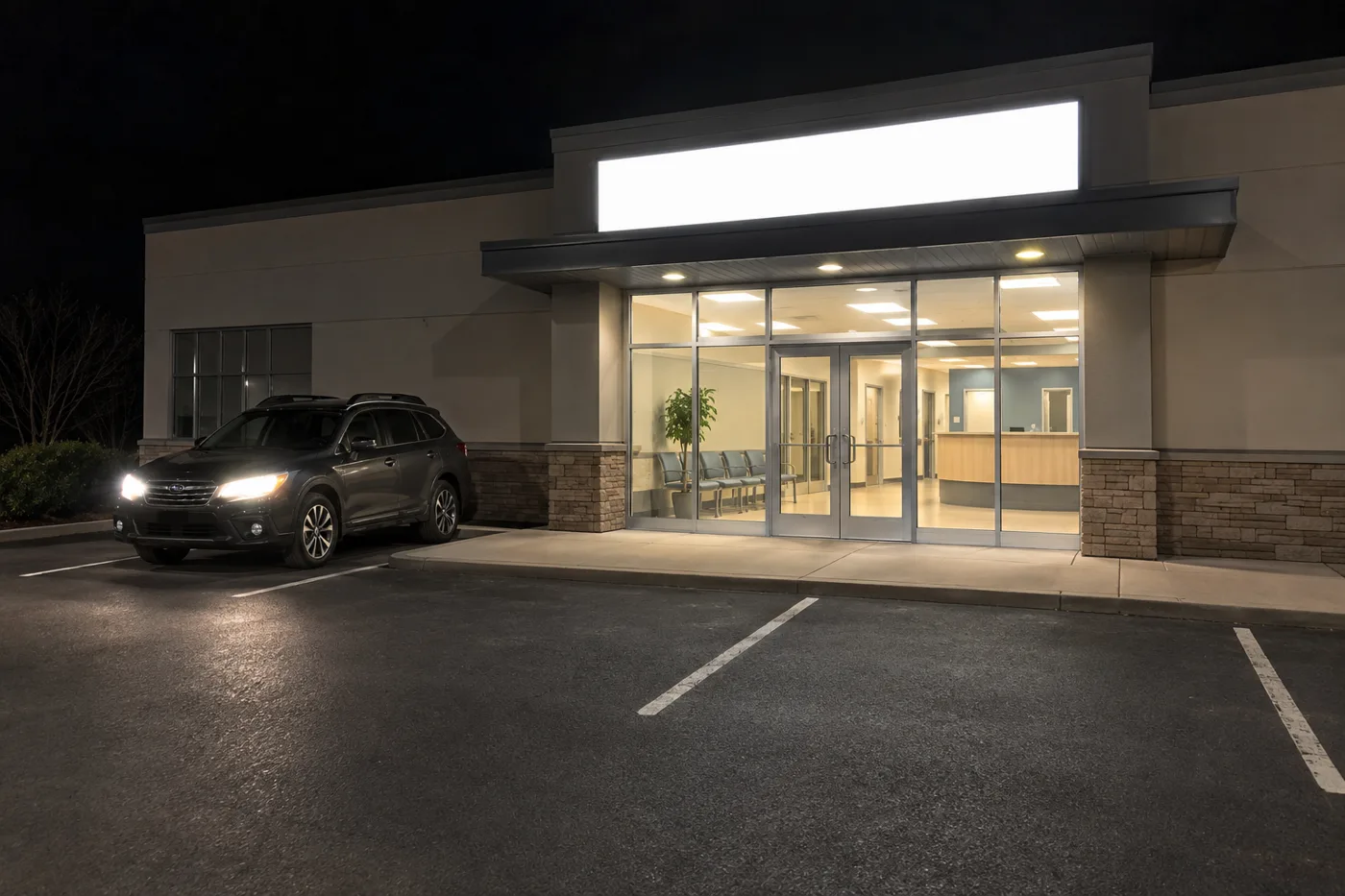
The regular vet closed at six. Now the dog has swallowed something, or torn a nail, or keeps pawing at an ear where a grass seed has worked its way in, or has landed wrong jumping off the sofa.
In Reddit threads about what a dog really costs, food and supplies barely come up. The surprise emergency does, again and again.
Just walking into a 24-hour clinic averages $135 for the exam. If the dog has to stay, an emergency hospitalization visit averages $1,323.
Round-the-clock vet care is newer than it feels. Boston’s Angell hospital became the first to offer 24-hour nursing and veterinary care, in 1945, and built a first-of-its-kind intensive care unit in 1959.
One dog cost about $32,000 from puppyhood to age 12, mostly in vet bills, by the count of its owner in Reddit’s NoStupidQuestions forum.
That’s one dog’s story, not a forecast. The useful move takes two minutes: find the nearest 24-hour emergency clinic now, save its number and address in your phone, and check how far away it is.
Know how you’d pay, too. For emergencies and new clients, some practices ask for the full amount up front, a practice-management consultant says. Many clinics keep applications for CareCredit, a way to pay the bill over time, at the front desk.
#3 The first pet insurance policy

Of all the ways an industry could begin, this one starred Lassie, the TV dog. In 1982, Dr. Jack Stephens presented Lassie with the first US pet insurance policy. His goal, he says, was “providing pet owners with the financial means to always be able to treat their ill or injured pets without concern for the cost.”
Pet insurance, in plain numbers
- Average accident-and-illness premium for a dog: $749 a year (2024)
- US pets insured: fewer than 5% (2024)
- Conditions diagnosed before you buy: excluded
Four decades on, owners still argue about it. In one Reddit thread, some say a policy paid back most of a big surgery bill or kept paying through years of chronic illness, and an emergency vet tech said that without insurance, owners often put down pets whose problems could have been treated. Others keep a savings account instead, pointing to deductibles, exclusions, and premiums that added up to more than they ever claimed.
Age changes the math most. NAPHIA, the pet insurance trade group, says coverage gets “more expensive, or even more difficult to secure” as pets age, and some insurers won’t write new policies past a certain age. Trupanion, for one, closes new enrollment at a dog’s 14th birthday. For one owner of two older dogs, posting in r/personalfinance, vet bills only became large once the dogs reached double-digit ages.
Owners tend to split two ways. With a young, healthy dog, many get quotes early, because waiting tends to add exclusions. With an older dog or one that already has a diagnosis, some put the average premium, about $62 a month, into a savings account instead. Owners in that thread added a point worth keeping: none of this should stop anyone from adopting an older dog.
#2 The real reason vet bills rose
This is the cost that truly ran away. Since late 1997, vet prices are up about 319%, while prices for everything else rose about 109%. After inflation, a vet visit costs about twice what it did. It hasn’t slowed, either: from October 2019 to October 2026, vet prices climbed 55%, against 25% for pet food.
Part of the reason is what owners now ask vets to do. People who remember the old days say in a Reddit thread that a sick dog that once would have been left to recover, or put down, now gets treated. Fortune reported that vet prices rose 32% from March 2020 to March 2024, alongside higher staff pay and more advanced care such as cancer treatment.
Part of it is who owns the clinic. PBS NewsHour reported that corporate owners held about 10% of vet practices a decade ago and hold 30% to 50% today, including 75% of specialty care.
Many of those buyers are private equity firms. Matt Salois, an economist who studies the veterinary industry, told PBS the owner alone doesn’t decide it: “The entry of private equity into a veterinary practice in and itself is not good or bad. It’s, what kind of operating model?”
It’s a fair question to ask at the front desk: who owns this practice?
#1 The nation’s dog bill, then and now

“When did owning a dog become a luxury?” That’s the title of a Reddit thread started by an owner coming back to dogs after a long gap, whose last dog lived in a rural setting in the 1990s. It’s the question behind every long vet receipt, and federal spending data can answer it.
In 1970, Americans spent $2.711 billion on pets, all pets, not only dogs. In today’s money that’s more than $23 billion. In 2025 they spent $192.3 billion. After inflation, the country spends roughly eight times as much on its pets as it did in 1970.
That sounds like a luxury until you look inside one household. The average US household spent $997 on pets in 2025, out of $81,905 in total spending, and that average includes homes with no pets at all. That’s about 1.2 cents of every dollar. For 2007 through 2011, the BLS put the share at “about 1 percent.”
So how much did a dog cost in 1970? Nobody can hand you the receipt. The country spends far more now, while pets still take only a penny or so of the average household dollar.
For one dog, the ASPCA puts the cost of ownership at about $1,391 a year after a first year of about $3,221, in 2021 dollars. Hold that up against your own budget. It’s the answer the owner coming back from the 90s was really looking for.
Keep reading
 28 Things Dog Owners Did in the ’60s and ’70s That Would Raise Eyebrows TodaySee all 28 →
More you’ll enjoy
 16 Things the Family Dog Ate in the 1960s, and What We Do Today
 23 Pieces of Old-School Dog Training Advice That Trainers Now Cringe At
 27 Dogs That Were a Status Symbol in Their Decade, and What They Are Now
The bottom line
Owners in 1970 rarely faced the big question you face now: how far to go when a dog is badly hurt. The surgery, the overnight stay and the specialist were seldom on the table, even where they existed. Now they are, and each one comes with a price.
So pick your number before you need it. What would you spend on one night at the emergency clinic: $500, $1,323, $5,000? There’s no right answer. The one you choose on a quiet afternoon will be kinder to you than the one you choose at midnight.
Write it down next to the emergency clinic’s phone number, where you’ll see both at once.
Bonus: Three quick money checks for any dog owner
- Convert your own memories. Multiply any 1970 price by about 8.5, or type it into the BLS inflation calculator. A $5 bill then is a bit over $40 now.
- Price kibble by the pound. An 18.5-pound bag of Dog Chow is $15.99 at Target, about 86 cents a pound, while PetSmart’s 40-pound bag works out to about 70 cents. The big bag wins only if you have room to store it and your dog will finish it while it’s fresh.
- Think twice before switching pet insurers. A new company treats anything that has already shown up as pre-existing and won’t cover it, while staying put usually means you can keep the same provider for your pet’s whole life. Ask in writing what a new policy would exclude before you cancel the old one.
Questions people also ask
How much did a dog cost in 1970?
No itemized 1970 dog budget survives, so the best answer comes from national totals: Americans spent $2.711 billion on all pets in 1970, which is more than $23 billion in today’s money. A 1970 dollar buys what about $8.50 buys now, by the BLS inflation calculator. So a $5 vet bill then would be a bit over $40 today.
Why are vet bills so expensive now?
Vet prices have risen far faster than prices overall: since 1997 they’re up about 319%, against about 109% for everything else, according to BLS price data. Reasons include more advanced treatment, higher staff pay and fast-growing corporate ownership of clinics, which PBS NewsHour reported at 30% to 50% of practices and 75% of specialty care.
Can I afford a dog?
Plan on about $1,391 a year for one dog after a first year of about $3,221, by the ASPCA’s 2021 estimate, before any emergencies. Bringing home an older dog can cost less up front, since shelters such as Best Friends often waive fees for dogs 7 and older. Whether it fits depends on what you could cover if a $1,323 emergency stay came up.
Is pet insurance worth it for an older dog?
It’s usually harder to justify, because coverage costs more or becomes harder to buy as dogs age, and anything already diagnosed is excluded. NAPHIA advises buying while a pet is young and staying with the same provider. For an older dog, many owners prefer a savings account set aside for vet bills.
How much does it cost to adopt a dog from a shelter?
At Best Friends Animal Society, the adoption fee is $100 for an adult dog and $150 for a puppy 6 months or younger, and fees for dogs 7 and older are often waived. That fee covers spay or neuter, vaccinations, a microchip and a health check, which together would cost more than $500 at today’s national average vet prices. Fees vary from shelter to shelter.
Why do I need a vet exam to buy heartworm medicine?
Heartworm preventives are prescription-only in the US, so a vet has to see the dog to prescribe them. Dogs 7 months and older should also be tested first, because giving a preventive to a dog that already has heartworms can trigger a shock-like reaction and possibly death, according to the FDA. Scheduling the test and refill at the same yearly visit keeps the cost from arriving all at once.


