Seventeen small slips, from the toddler hug to the dropped grape, and the simple fix for each before the next visit.
Keep going to #1. It’s about the one person in the room who most dog-and-kid advice forgets: you.
The car doors slam in the driveway, and the dog is already at the front window, tail thumping the couch cushions. You’re glad. He’s glad, mostly. When it comes to keeping grandkids and dogs safe, visiting grandkids are a different animal. They arrive at full volume, drop crackers, stay over, and come back each time a little taller, a little faster and a lot more interested in the dog’s ears.
Table of Contents
#17 A toddler’s hug around the dog’s neck
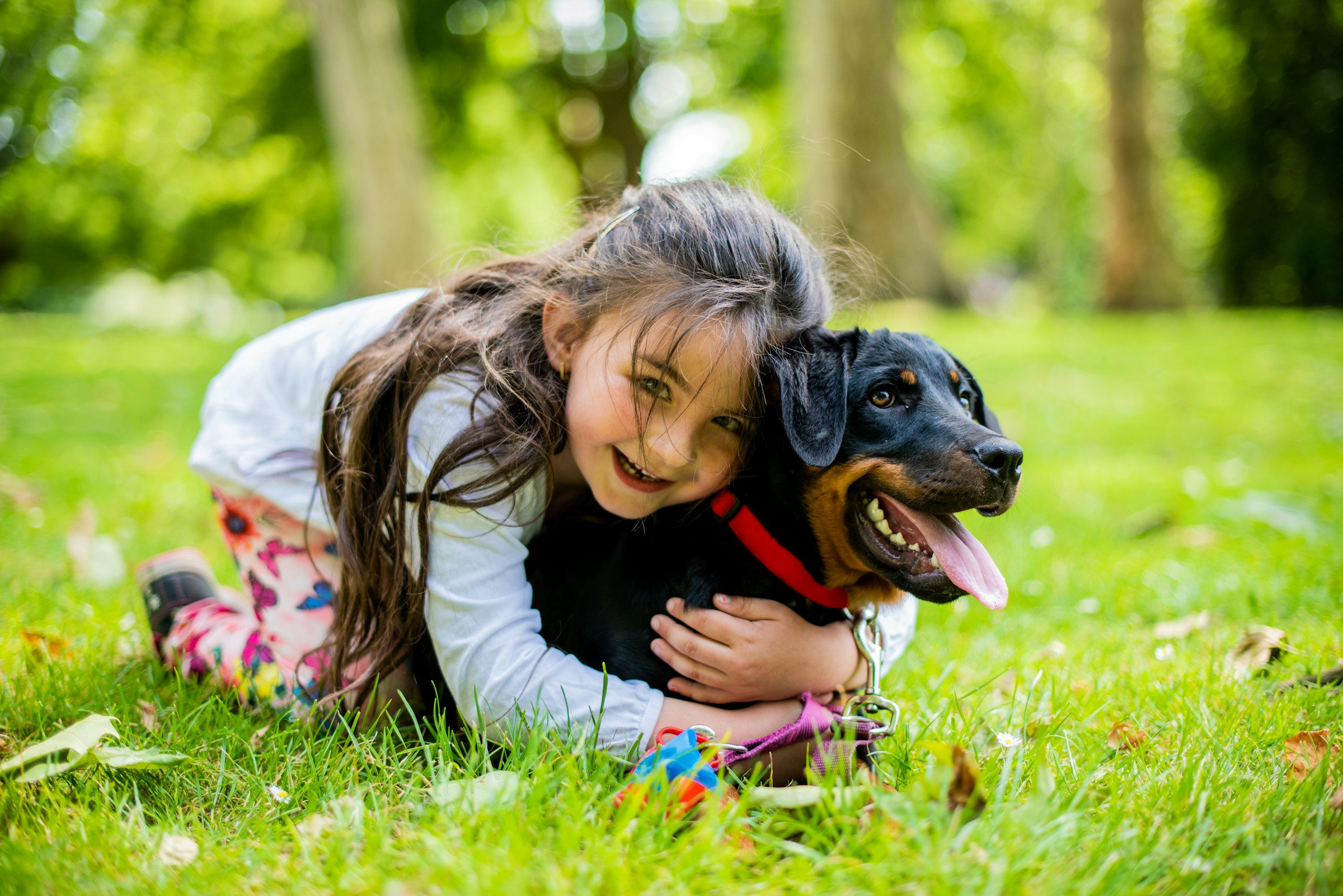
Small children hug the way they love: fast, tight and face first. A toddler’s arms around a dog’s neck put her face right beside his.
Pediatric nurse Courtney Porter of Nationwide Children’s Hospital explains that because of that face-to-face contact and their small size, younger children are likely to suffer dog bites to the face, head, and neck. Older kids tend to get bitten on the hands and legs instead. In bite research summarized by Veterinary Practice News, 70% of bites to children 7 and under landed on the face. Most bitten children, 72%, knew the dog.
Toddlers are quick, too. A parent of a toddler on Reddit’s r/NewParents described a newly walking daughter running up to the family dog to gently grab his ears or hug him within seconds.
Give the hug somewhere else to go. Teach a “hug yourself,” arms wrapped around her own shoulders while the dog watches, or a gentle pat on his side, well away from his head. The pediatricians behind HealthyChildren.org tell parents to teach children never to kiss or place her face close to an animal.
Young children often try to hug dogs or touch their faces, so stay within arm’s reach to steer her. The teddy bear, meanwhile, can take every hug she’s got.
#16 Crackers and sippy cups at dog height
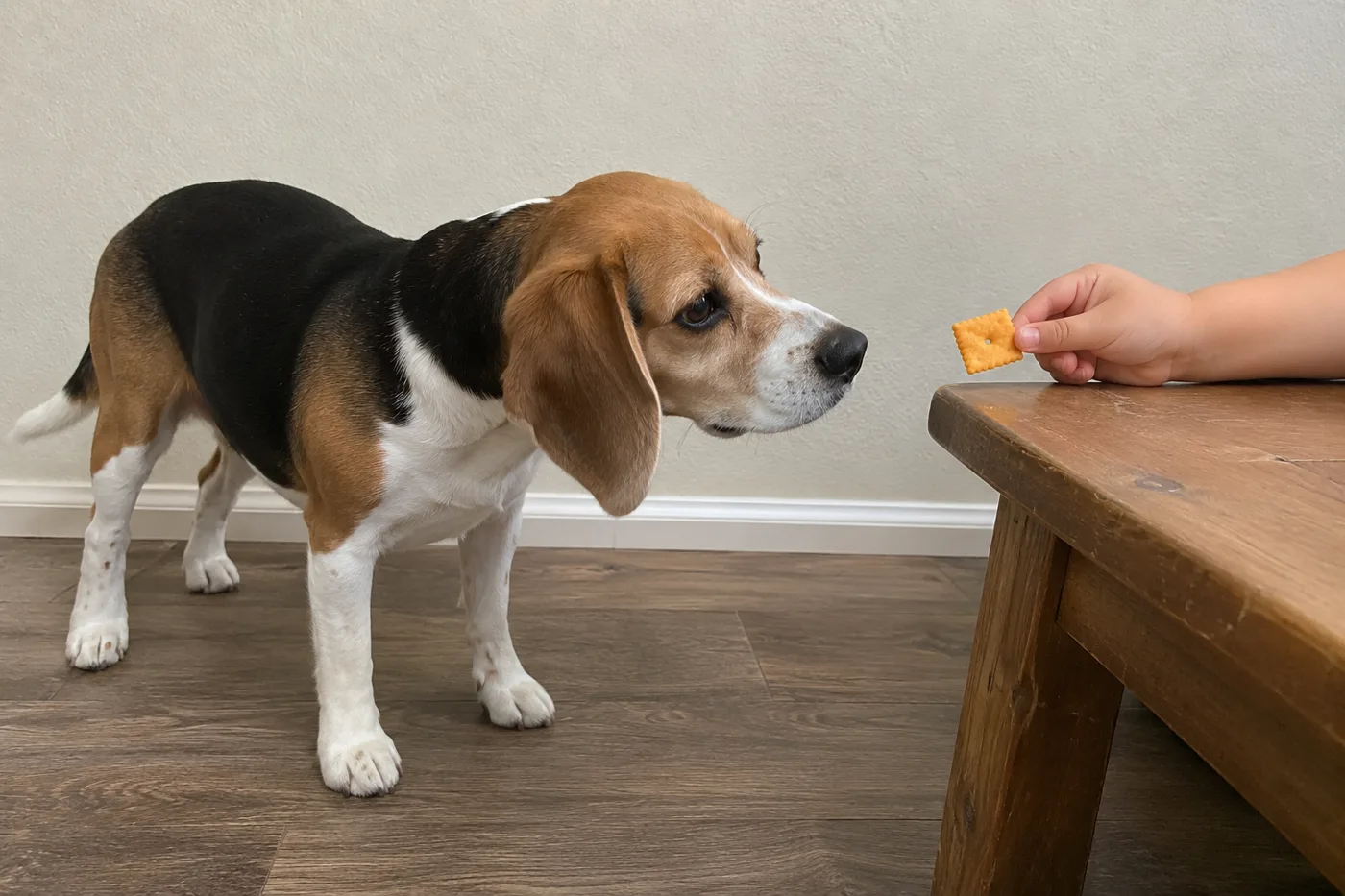
Picture the coffee table at snack time. A bowl of cheese crackers, a sippy cup on its side, and a one-year-old cruising along the edge with a fistful of crumbs held exactly at nose level. To a dog, that’s a buffet that walks.
It’s also the classic setup for food guarding, when a dog protects food or objects. Board-certified veterinary behaviorists writing for VCA Animal Hospitals say children under 6 are often bitten in circumstances involving food or possessions. The bite research from #17 points the same way: bites to kids under 6 were commonly tied to guarding food or objects, while older kids were more often bitten over territory.
The fix: snacks happen at the table, or in a room the dog can’t get into. That’s harder with a grazer who wanders off mid-cracker, so close the snack bag between servings and sweep under the high chair before the dog comes back in.
Veterinary behaviorist Laurie Bergman adds one more: long-lasting treats should go to the dog only when he’s separated from the child. Save the chew for when he’s in his own room and the grandkids are out in the yard.
#15 No quiet spot for the dog
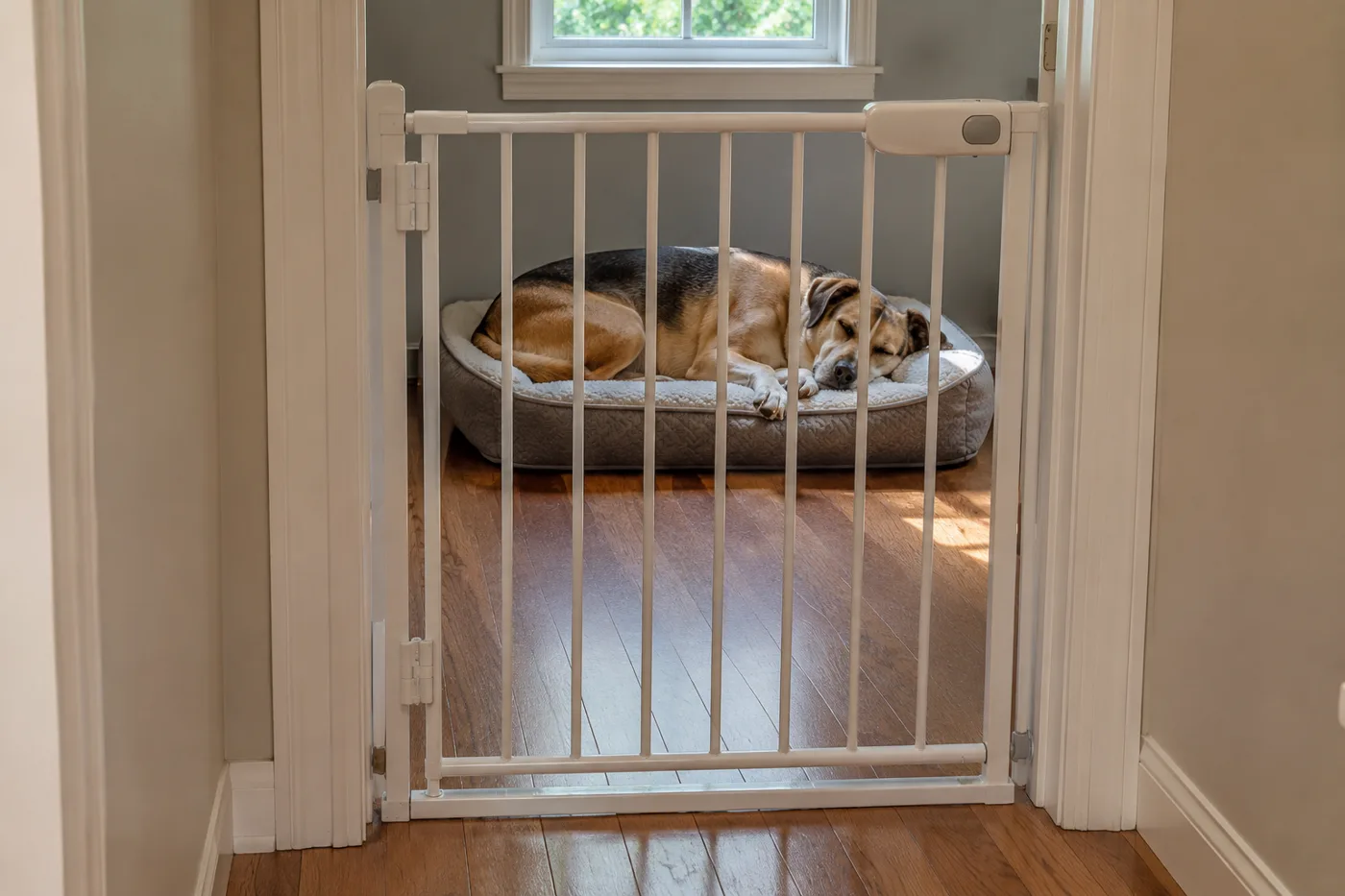
A dog with nowhere to go goes where the action is. He follows the noise from kitchen to den, and every room becomes a room where a child can reach him.
He needs a dog-only zone, a safe space where kids don’t go and he can sleep through the commotion. Trainer Mel Ritterman, a Family Paws Parent Educator, names the tools: baby gates, play pens, crates, and tethers. She also calls round-the-clock supervision “impossible, and physically exhausting to try.” A setup like this gives everyone a break, she says, the dog included.
Building it:
- Pick a room away from the kids’ main play area, with his bed already in it, so it’s familiar before anyone arrives.
- The ASPCA suggests a closed door or a tall baby gate in the doorway for a baby’s room, and the same idea works in reverse for the dog’s.
- Choose a gate he can’t climb over or nose open. Ritterman warns that not every gate suits dogs. The old one from the attic may have held a toddler and do nothing against a determined big dog.
- If a grandchild keeps poking fingers through the bars, Ritterman suggests “a double layer of management,” such as a crate behind the gate.
Put the gate up a day before the visit. By the time the car pulls in, it’s old news to the dog.
#14 Thinking the old dog still loves the noise
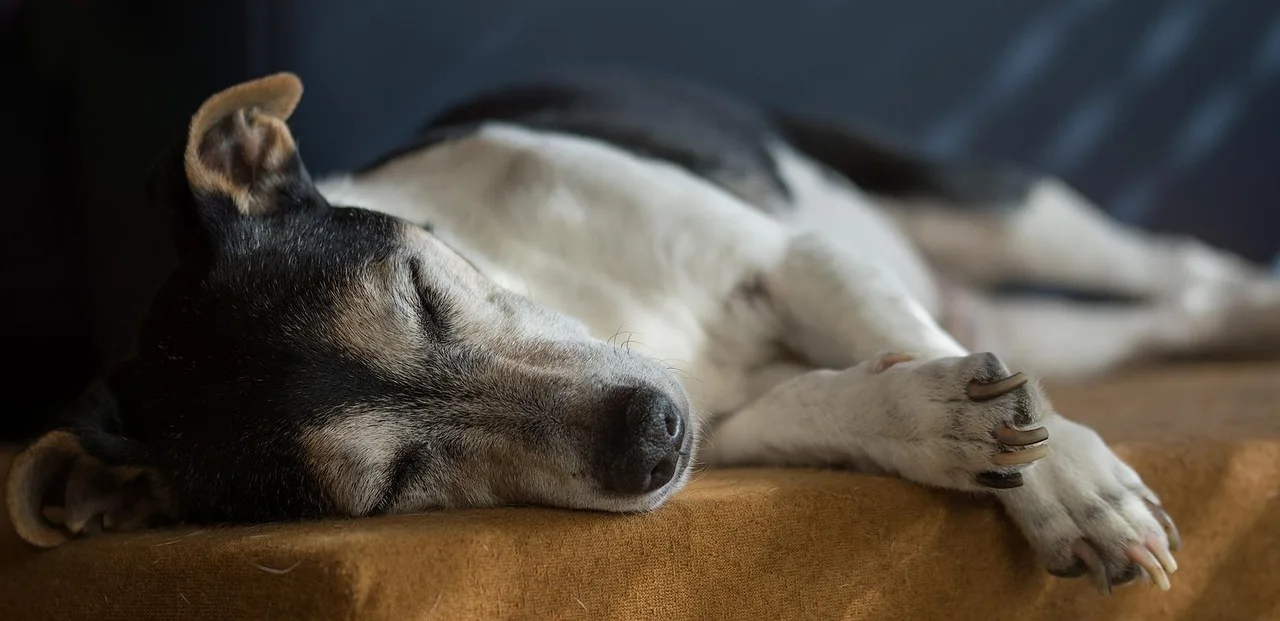
He used to be the life of every birthday party. Now he sleeps through the doorbell, and you’ve decided he’s mellowed.
Maybe. Or maybe he can’t hear it. Veterinarian Jennifer Coates writes for PetMD that hearing loss typically develops during the last third of a dog’s expected lifespan. For a dog expected to reach 12, that’s from about age 8. And senior dogs sleep hard: veterinarian Julie Buzby says it’s normal for a senior dog to sleep up to 20 hours a day.
Put those together and you get an older dog who doesn’t hear a four-year-old coming until she’s patting him awake. Coates doesn’t soften it: “Startled dogs may injure themselves or be scared enough to bite.”
Her fix is simple enough for a preschooler. Tell visitors, especially children, to only approach when your dog is looking right at them. Make it the house rule: if he’s asleep or facing away, you wait.
A grandchild who waits on the far side of the room until his eyes open and find her is doing it exactly right. She usually gets a sleepy thump of the tail for it.
#13 Opening the door to a rush of grandkids
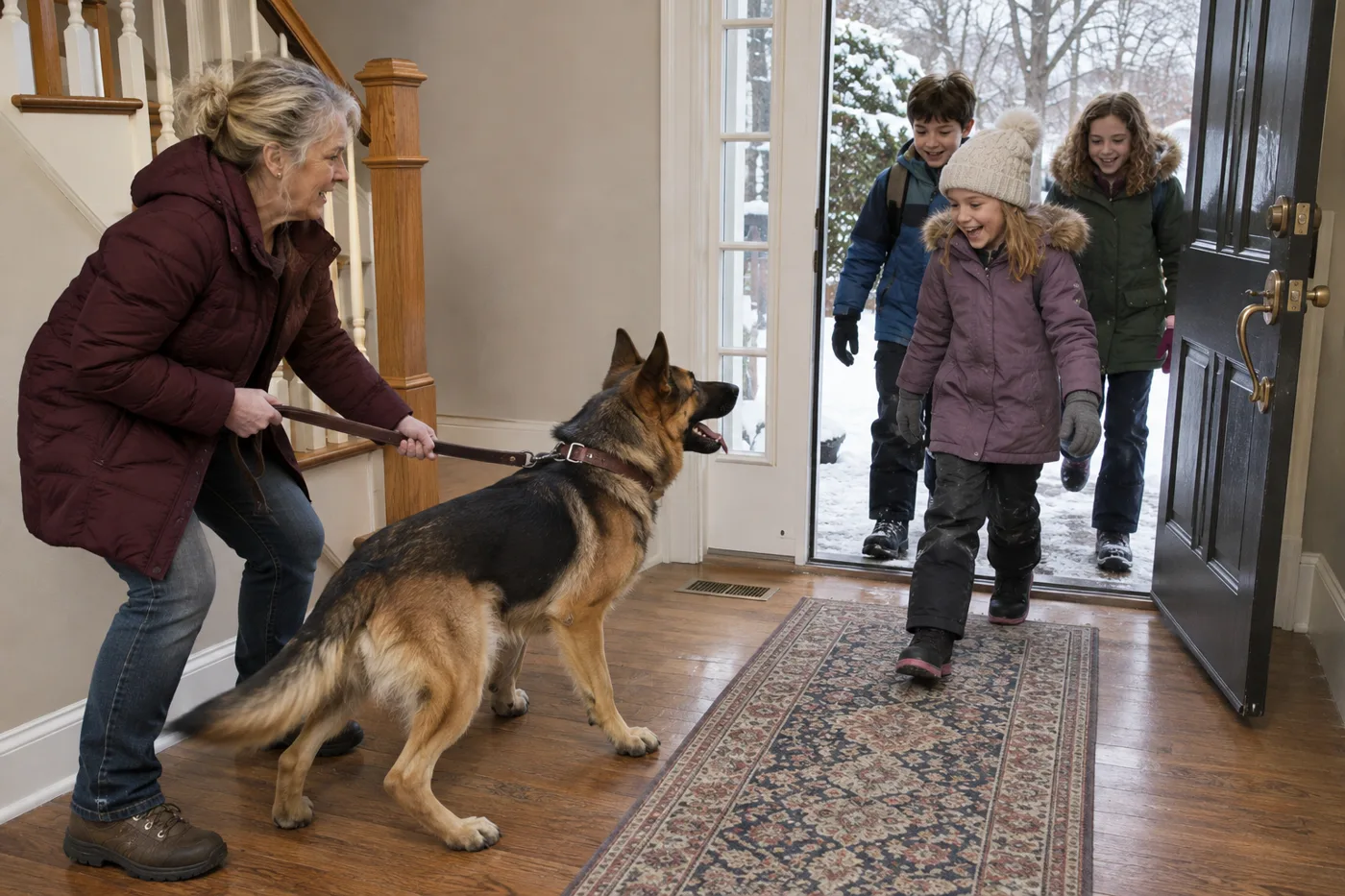
The bell rings, three kids crowd the porch, somebody shrieks “Grandma!” and the dog goes from zero to sixty down the hallway. It’s a sweet scene for about two seconds.
Even a happy dog can do damage. AKC trainer Stephanie Gibeault points out that large dogs can unintentionally knock people over, and that includes whoever is holding the door. In CDC emergency-room data from 2001 to 2006, some dog-related fall injuries came from someone being pushed or pulled by a dog.
Dog behavior rehabilitator Cesar Millan’s advice for an excited dog, from an interview with PureWow: “Use no touch, no talk, no eye contact.” Calm entries start with the grown-ups.
Calm greetings at the front door, in order:
- Before you open the door, the dog goes behind the gate, into the crate or onto a leash, the tools Gibeault suggests while a dog learns.
- Kids come in, coats off, shoes off, voices down.
- The dog comes out once he’s settled. No touch, no talk, no eye contact from anyone until he’s calm, then he gets to sniff first.
Coats on the hook first, dog second.
 You might also like16 Things the Family Dog Ate in the 1960s, and What We Do Today
#12 Dropped grapes, raisins or chocolate
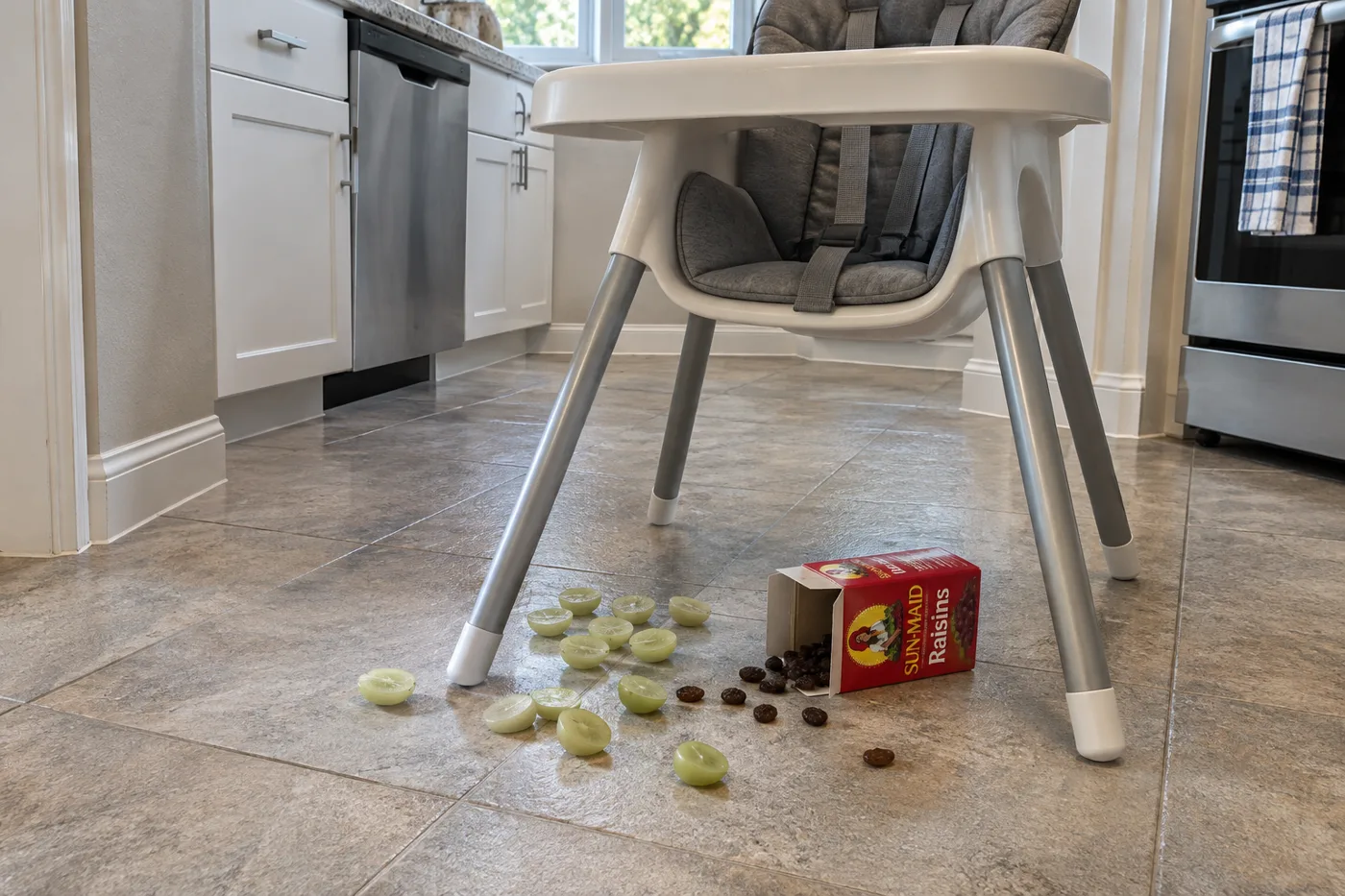
Grandkid snacks fall at dog height all day. Halved grapes roll under the high chair, a raisin box tips over in the car seat, a brownie corner sits on the low plate. They look like nothing, and dogs are excellent at finding nothing.
The ASPCA says exposure to grapes/raisins can lead to kidney damage in dogs. Its poison hotline had handled more than 9,300 grape and raisin cases by late July 2025. Food and drink came second on its Top 10 Toxins of 2025, with chocolate listed on its own at #4.
If your dog eats any of these, call your vet or ASPCA Poison Control right away.
Before you call the vet – ASPCA Poison Control is (888) 426-4435. Tape it to the fridge where every adult in the house can see it. – Chocolate varies a lot. Baking chocolate and cocoa powder are the strongest, white chocolate the weakest. – Our estimate for a 20-pound dog: mild signs can start at about 2.8 ounces of milk chocolate, about 1.1 to 1.2 ounces of dark, or under half an ounce of baker’s chocolate. That’s a picture of how fast it adds up, not a safe amount. The Merck Veterinary Manual notes severe signs can show up at lower doses.
#11 Chase, tug and wrestling in the yard
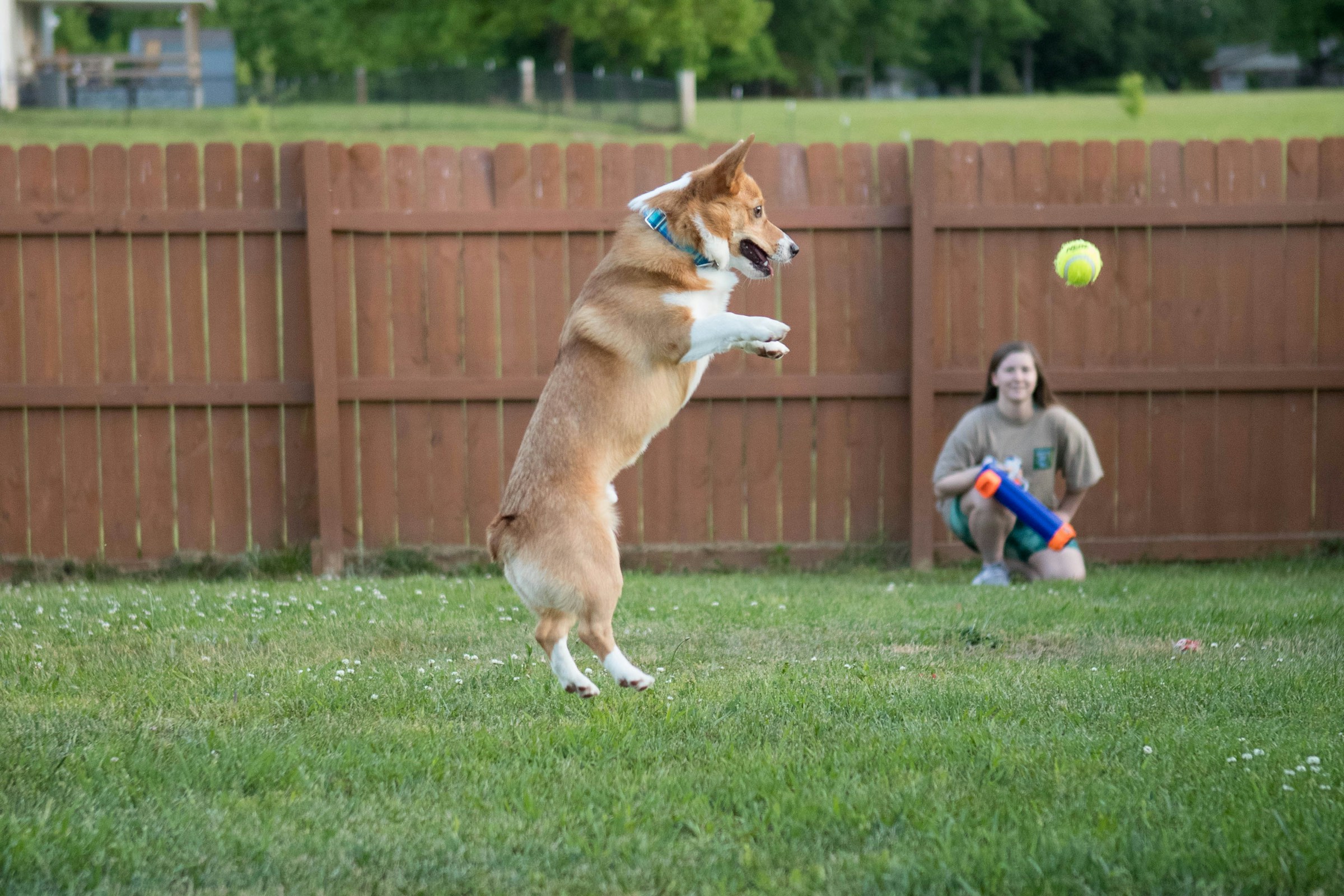
The game the kids love most is the one that winds the dog up fastest. Chase is a blast until the dog decides he’s winning and nips a heel to prove it.
The pediatricians at HealthyChildren.org note that many bites occur during bouts of playful roughhousing, because the child doesn’t realize when the dog is getting overexcited. The Pet Professional Guild, a trainers’ association, lists chase-me games and tug-of-war among the games kids shouldn’t play with dogs.
The swaps are just as much fun, and the dog may like them better.
| Instead of | Try |
|---|---|
| Chase around the yard | Hide-and-find: a child hides, or hides a toy, and the dog hunts |
| Tug with a rope toy | Fetch where the dog trades the toy for a treat |
| Wrestling on the rug | A child on an adult’s lap tossing treats over the gate while the dog is asked to “find it” |
The trade in fetch matters more than it looks. A dog who knows the toy buys a treat has no reason to hang on and pull.
Hide-and-find has one more perk. It’s the only game in the house where the dog is happy to be “it” every single round.
#10 “Just for a minute” while you answer the phone
The phone buzzes in the kitchen. The oven timer goes off. Someone needs the bathroom, now. You step away for a minute, and a minute is all it takes.
Family Paws Parent Education, a program that teaches families about dogs and kids, describes how it happens: “We turn our back or step out for a second and then there is a growl or a cry.” They call it passive supervision gone to absent. VCA veterinarian Ernest Ward gives the general rule: never leave a child, especially one under three, alone with any dog at any time.
Trainer Mel Ritterman calls the ideal “active supervision,” which she defines as “two adult eyes watching.” When your eyes have to go elsewhere, the dog goes somewhere first: behind the baby gate or into his room, before you pick up the phone. Keep the phone in your pocket during visits, so it can’t call you into another room.
Family Paws’ advice fits on a sticky note: “Please don’t take a chance! Prepare in advance.”
#9 Missing lip licking, yawning and turning away
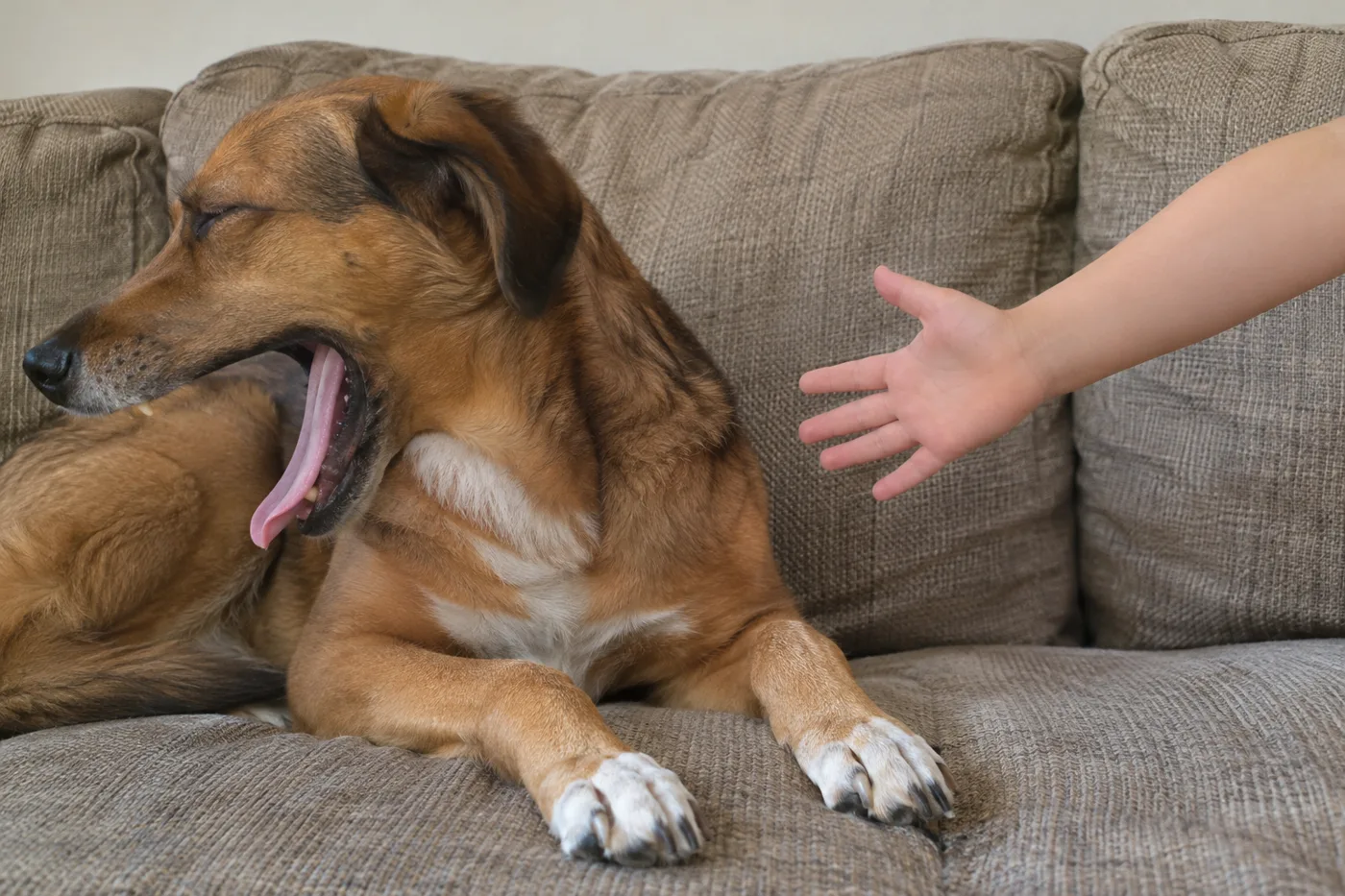
The dog yawns while the grandkids pile onto the couch beside him. Sleepy, you think. He licks his nose and turns his head toward the wall. Bored with all of us.
Those are often the first rungs of a ladder. Veterinarian Kendal Shepherd’s “Canine Ladder of Aggression,” reproduced by animal behaviorist Frania Shelley-Grielen, lays out the body language a dog uses when he’s uneasy, from quiet hints to a bite.
The ladder, in order – Quiet hints: yawning, blinking, nose licking, turning the head away – Leaving: turning the body away, sitting, pawing, walking away – Worry: creeping with ears back, crouching with tail tucked, lying down with a leg up – Last warnings: stiffening and staring, growling, snapping, biting
A dog can also skip rungs. Shelley-Grielen’s page warns they may be skipped “because in the past they have been proven to have little effect.” A dog whose yawns and head turns were ignored for years may jump straight to the stare.
Teach the grandkids one simple rule: if he looks away, let him go. Short rules stick. For the grown-ups, the pediatricians at HealthyChildren.org list signs of an unsafe dog: a rigid body, a stiff tail at half-mast, a crouch and a staring expression.
Lip licking with no food in sight is the dog saying “excuse me.”
#8 Scolding the dog for growling at a grandchild
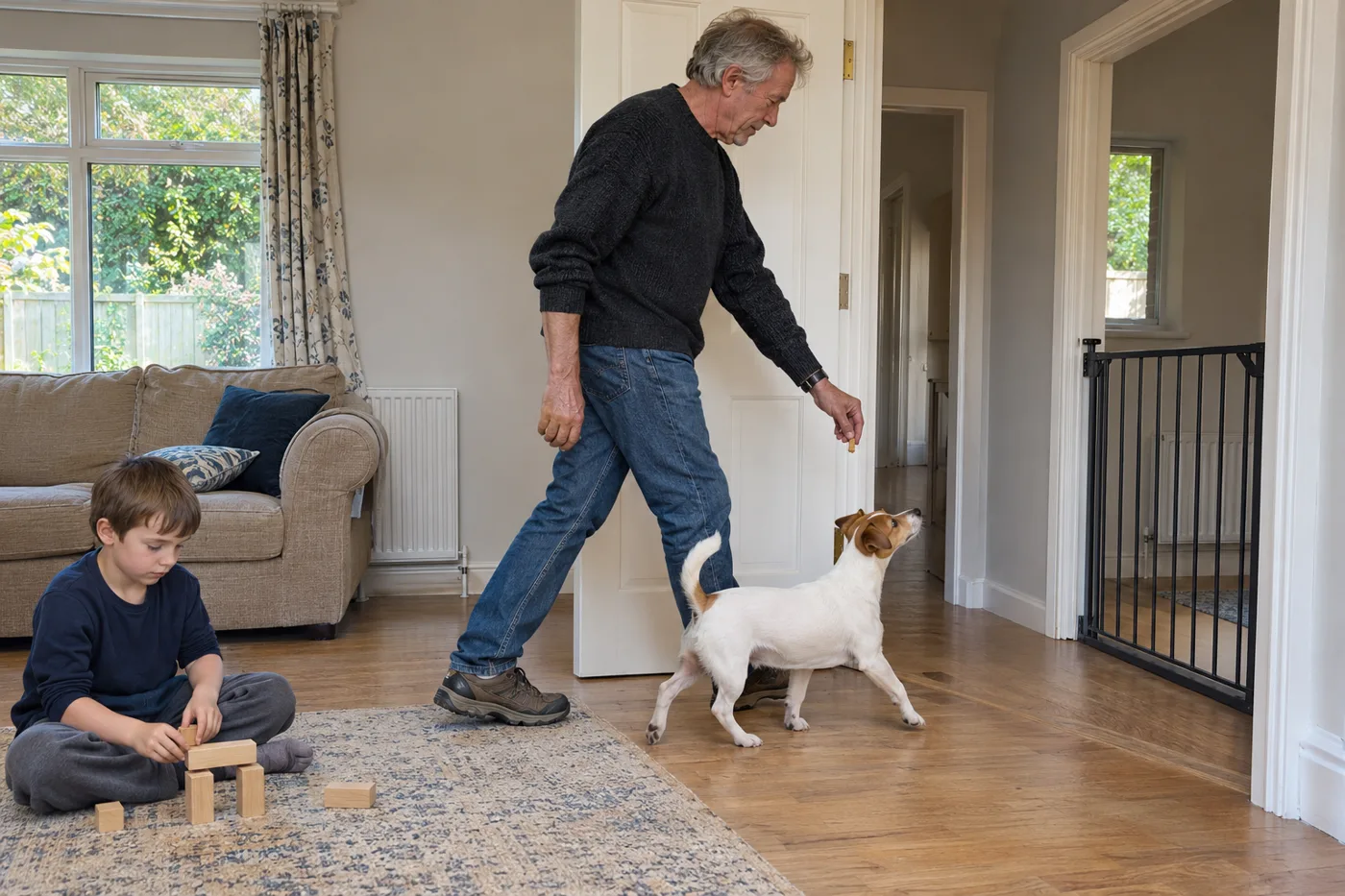
He growls at your grandson, and before you can think, you’ve barked “Hey! No!” in your best stop-right-there voice. Anyone who loves both of them would do the same.
Growling is a warning, and the ASPCA puts it well: “As long as your dog growls, you have the opportunity to remove your dog or your child from bad situations.” Shelley-Grielen’s advice is never to “train out” a growl.
Physical corrections cause fear, anxiety and pain. Veterinary behaviorists Debra Horwitz and Gary Landsberg write that for that reason, all physical reprimands and punishments must be stopped. Fear is the last thing you want a dog feeling near a child.
What works is boring: calmly move one of them. Take the child to the other side of the room, or call the dog in a cheerful voice and walk him to his room. Hand him a treat once he’s there. He told you something useful.
#7 Skipping the vet when the dog turns grumpy
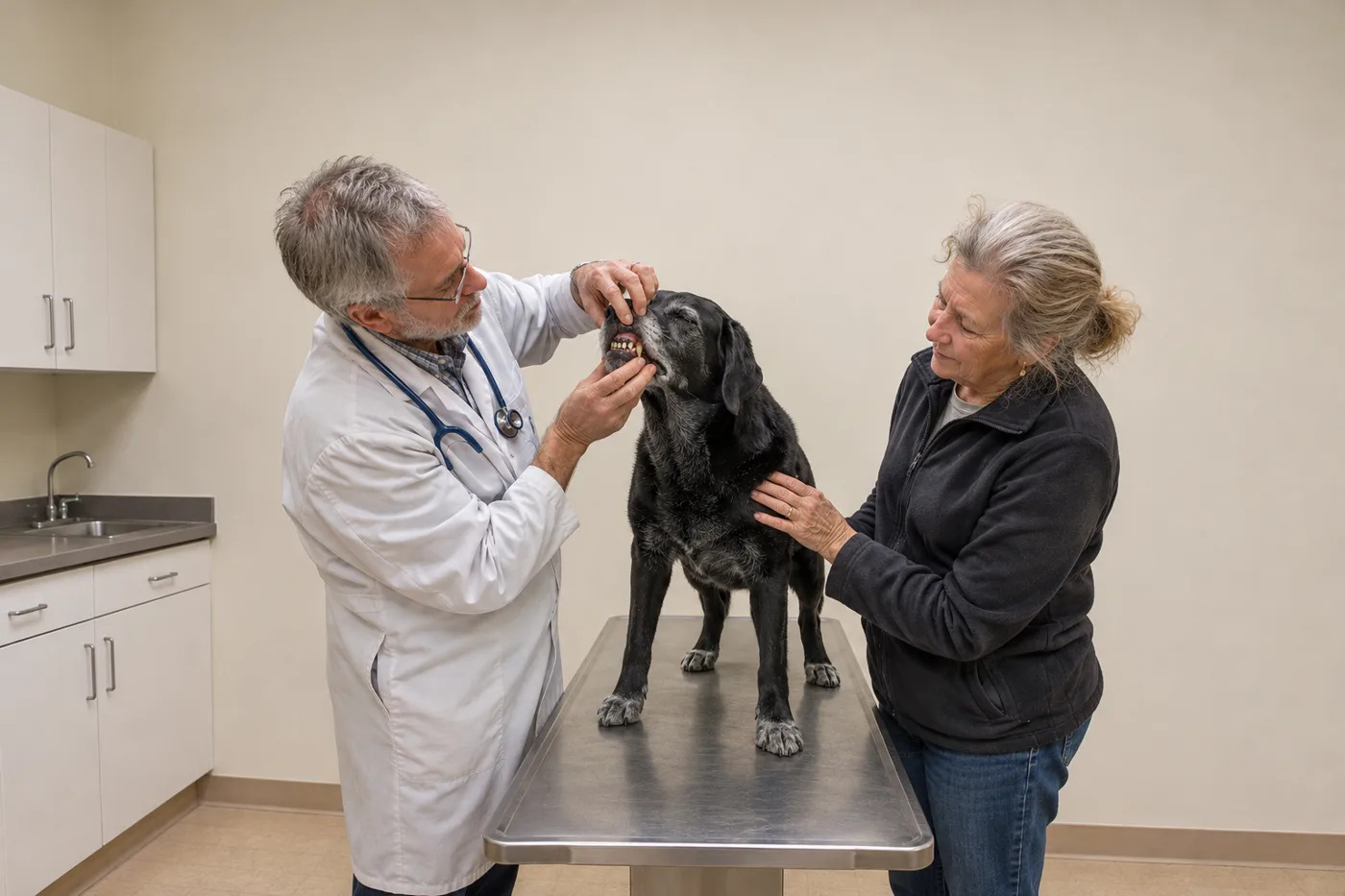
“He’s just getting old” is the easiest explanation in the house, and sometimes it’s the wrong one. A once-patient dog who turns crabby may be telling you about pain or illness.
Two numbers worth knowing:
- Arthritis affects 80% of dogs over eight, VCA’s veterinarians say, and their list of signs includes reluctance to be touched on some parts of the body and “unexpected aggression toward other dogs or humans.” A toddler leaning on a sore hip finds out fast.
- Cornell’s canine health center says 80% to 90% of dogs over 3 have some gum disease, and that periodontal disease is painful, even if your dog doesn’t seem to show signs of pain. Little hands offering a cookie near a sore mouth make a bad pairing.
Pain also changes how a dog warns. Researchers in Barcelona studied 12 dogs with pain-related aggression, eight of them with hip dysplasia. The dogs were more impulsive and often attacked without the usual warning growl. So a hurting dog may skip the very growl #8 asks you to value.
Book a vet visit before deciding anything, and tell the vet exactly what changed. Saying that he snaps when someone touches his back end helps far more than saying he’s crabby. If the exam finds nothing, you’ve still ruled something out, and a vet exam is where the professional help in #4 starts anyway.
 You might also like17 Holiday Foods You Should Never Give Your Dog
#6 Overnights that mean hours in the crate
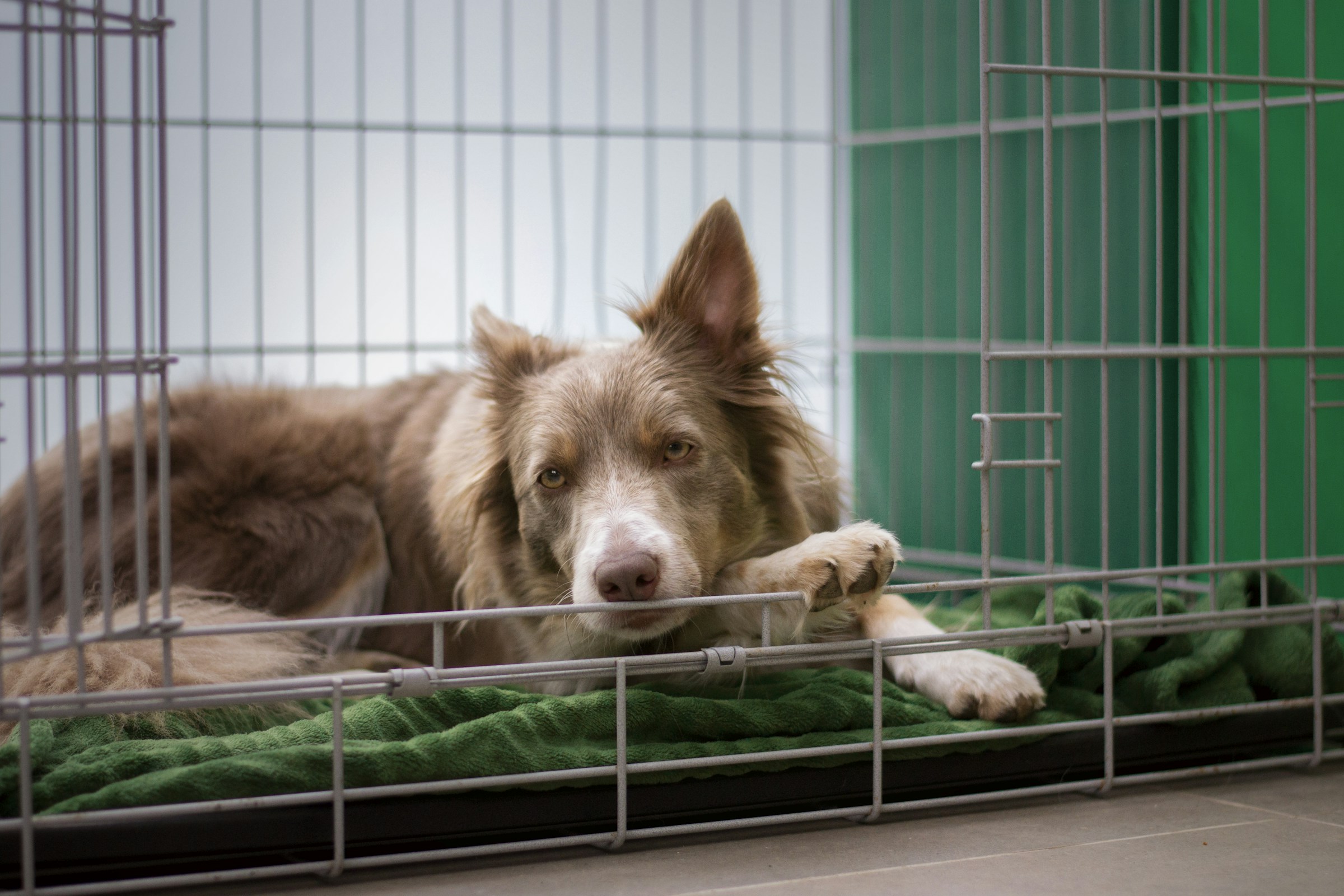
The sleepover plan sounds tidy: grandkids in the guest room, dog in the crate, everybody safe.
The crate is a fine tool with a limit. Humane World for Animals, formerly the Humane Society of the United States, says adult dogs shouldn’t be crated more than 4 to 5 hours during the day. A dog crated all day and night, it warns, misses exercise and company and can become depressed or anxious.
Over a two-day stay, rotate:
- Crate for the loudest stretches, like breakfast or the moment the cousins arrive, keeping each stretch well inside that limit.
- Gated room for the long middle of the day, with his bed and room to stretch out.
- Supervised time when the kids nap, head to the park with a parent, or settle in front of a movie. That’s when he gets his walk and his time with you.
In a small house with one door that closes, the crate and the gated room can be the same room at different hours.
Write the rotation on the fridge, so whoever is up at 7 a.m. knows whose turn it is in the crate.
#5 A rescue advertised as “great with everyone”
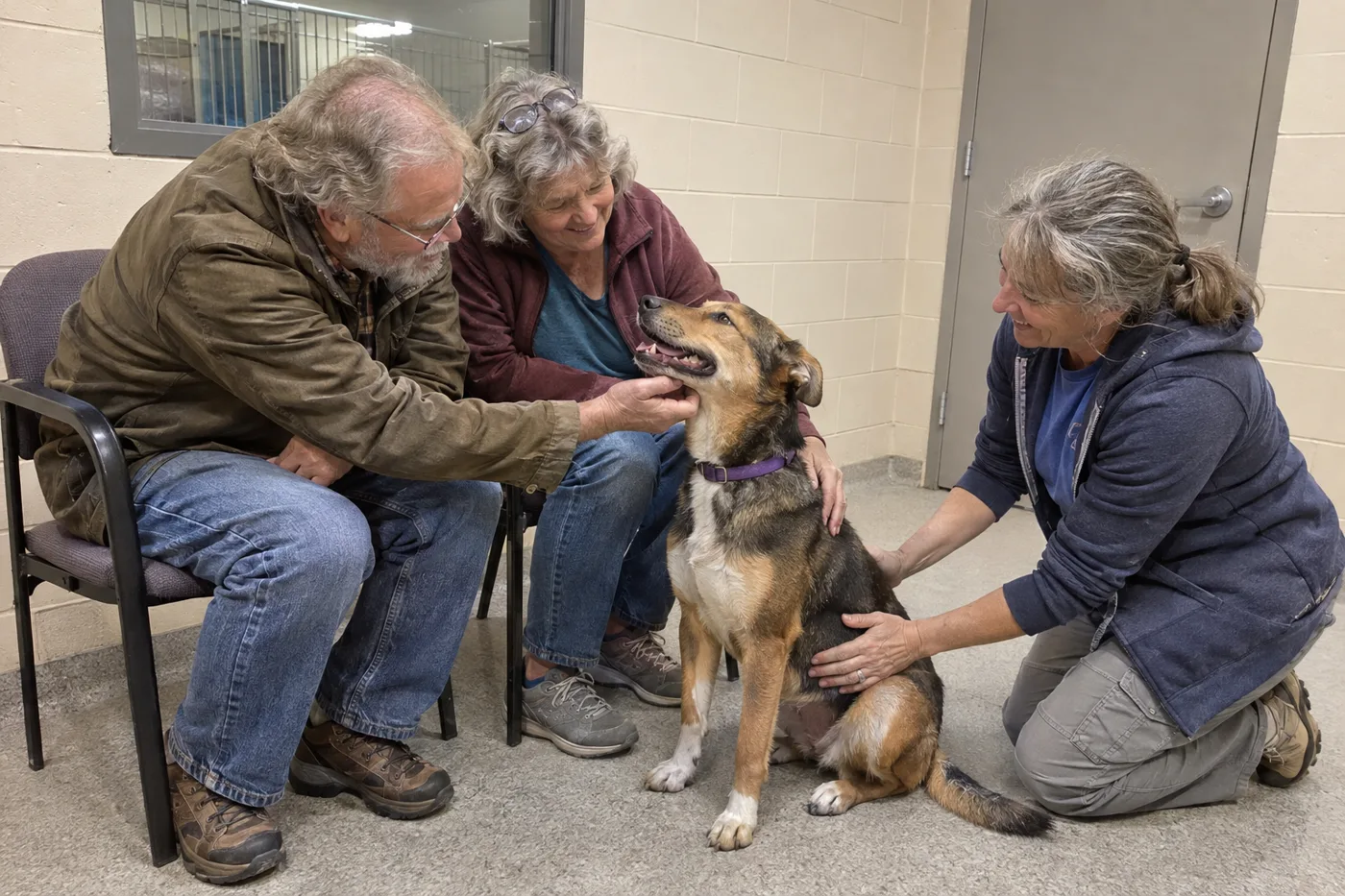
If you’re choosing a dog with grandkids in the picture, treat the shelter’s description as a starting point.
Shelter behavior tests haven’t proven highly accurate at predicting aggression after adoption. The ASPCA’s own position statement says so, and adds that a dog’s reaction to a lifelike doll may not match how he’d act with a real child. A doll doesn’t shriek, run or grab ears.
Michael Shikashio, a certified dog behavior consultant who specializes in aggression, describes a case he sees often. A family adopts a dog billed as great with everybody, then it growls or snaps at a visiting child, niece or nephew. From there, the question is how manageable the risk is when children come over regularly.
The better clues come from people who lived with the dog. The ASPCA says a stay in a foster home may be the most accurate reflection of how a dog will behave in a home, and previous owners do share useful information. Ask two questions:
- Was this dog fostered with children, and how old were they?
- What did the owner who gave him up say about kids?
If you hear “we don’t know,” plan the first visits as though he has never met a child, gates up.
#4 Feeling guilty about boarding or rehoming the dog
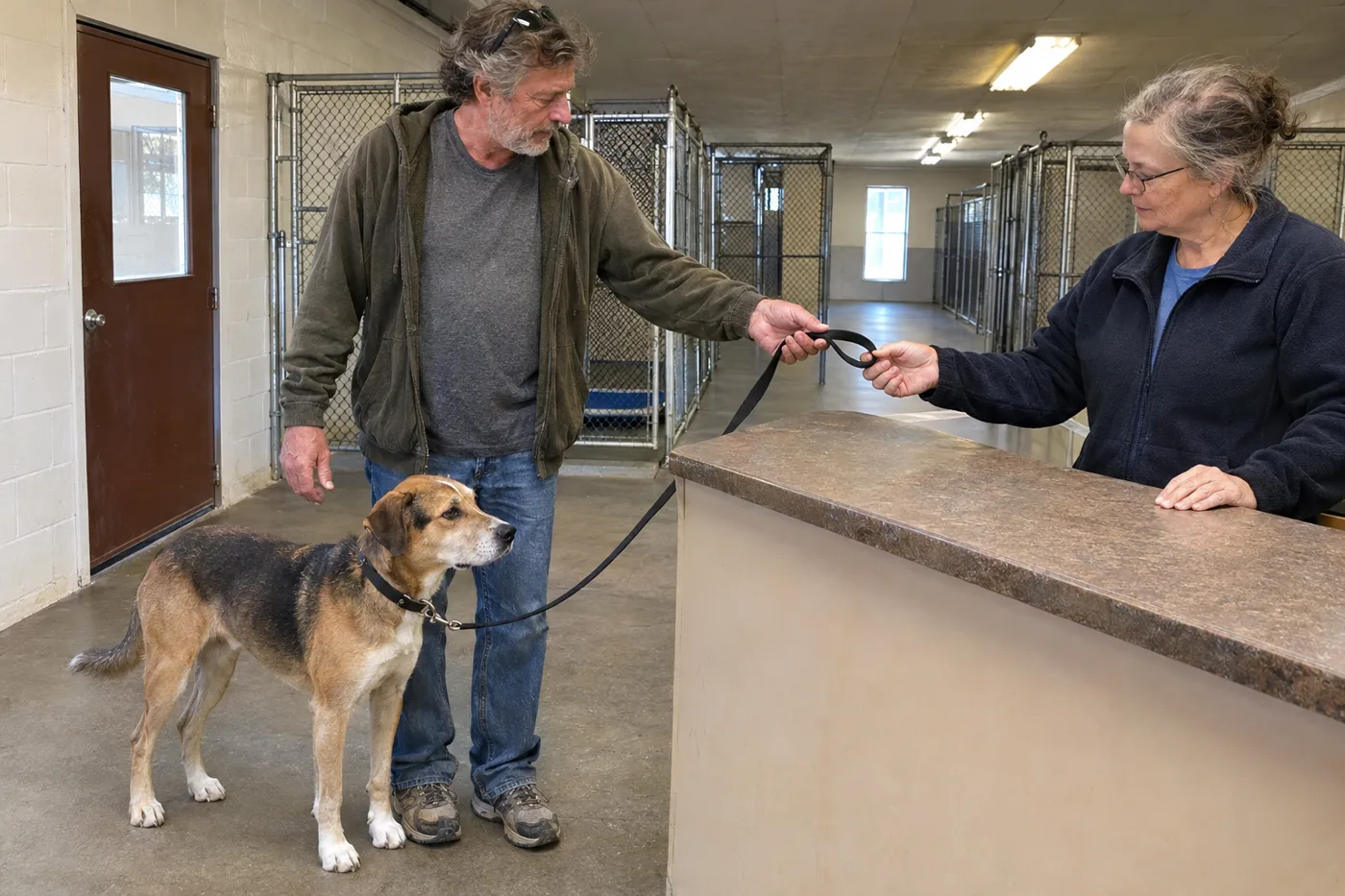
This is the hard one. If you’ve loved dogs all your life, it can feel like failing one. Shikashio sees it differently: rehoming a dog that doesn’t fit is nothing to feel bad about.
Rehoming a dog who has bitten comes with traps. The AKC says it’s important to be fully transparent about the dog’s bite history with any new home, and that after a serious bite, rescue groups may not be able to rehome the dog ethically or legally. Shikashio offers a test worth using: ask whether you’d want this dog living next door to you.
So how do you choose? Three paths:
- Keep him home, kept apart. Use a barrier, in Shikashio’s words, that the dog can’t fix. VCA’s behaviorists add that a dog who has shown any aggression in the past should be muzzled when around children. A muzzle takes practice first. Cornell’s vets suggest putting it on and off several times a day for about a week, with a treat each time, before longer wear. Many dogs are uncomfortable when a muzzle is first put on, which is why the slow start matters. This fits a dog you can truly keep separate for the whole visit.
- Board him while the family visits. It costs money every visit. It also buys a weekend with nobody guarding the hallway, and it fits a dog who’s happy with you and miserable with a crowd.
- Get a vet exam, then a qualified behavior professional. This is the path for any dog who has snapped or bitten. It isn’t cheap: a first consultation with the behavior service at Tufts University’s veterinary school costs $605. The ASPCA points to Certified Applied Animal Behaviorists and board-certified veterinary behaviorists, and rehoming is a decision to weigh with them.
#3 Holding a strong dog while minding a toddler
A toddler on one hip, a diaper bag on the other shoulder, and 60 pounds of happy dog on a leash, spotting a squirrel. Nobody has enough hands for that.
Your own grip, balance and energy belong in the safety plan. Tired people make small slips.
Dogs pull people down more than you’d guess. CDC researchers found that dogs were involved in many fall injuries in emergency-room data from 2001 to 2006, and about a quarter happened while someone was walking the dog. Among people 65 and up, emergency-room cases of fractures from walking a leashed dog rose from 1,671 in 2004 to 4,396 in 2017, a JAMA Surgery study found. That is about a 163% increase by our calculation. The authors’ fix is aimed at the dog: obedience training, so leashed dogs don’t lunge.
Your fix is to tell the kids’ parents before they leave that when you’re on your own with the baby, the dog goes behind the gate. Walks wait for nap time or a second adult.
The dog gets his walk at two o’clock, and the squirrel lives another day.
#2 “He’s always been fine with the baby”
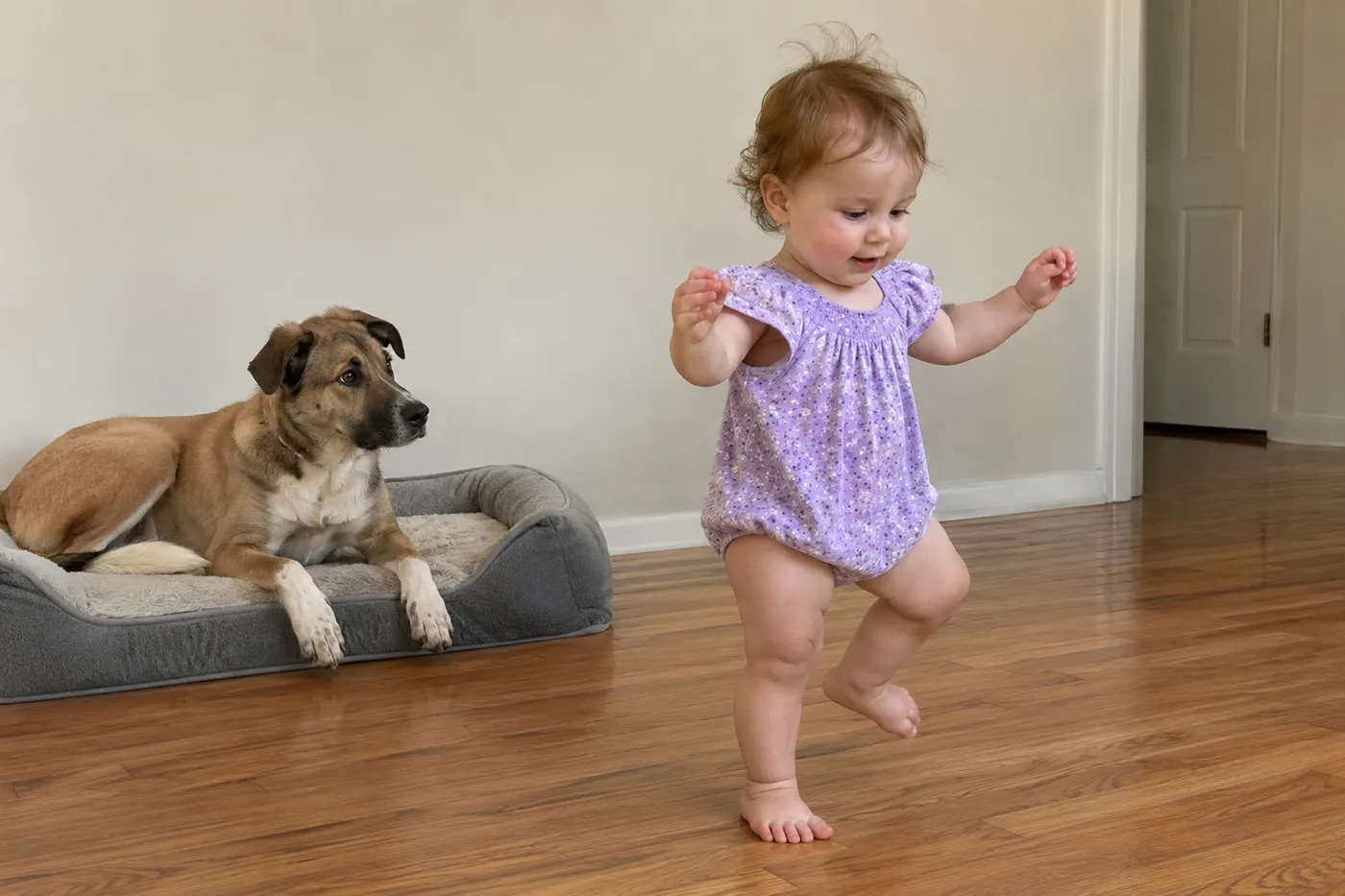
He slept through her first visit, curled two feet from the car seat. At Thanksgiving he sniffed her socks and wandered off. Then she took her first wobbly steps toward him, and he barked like she was a stranger at the door.
Laurie Bergman, the veterinary behaviorist from #16, explains it: “With dogs, aggression usually appears when the baby becomes mobile.” Most problems involve crawlers from about 6 months, and toddlers, rather than babies who stay where you put them. She writes that even dogs with a history of behaving well with visiting children may show aggression toward toddlers they live with. VCA’s behaviorists say most dog aggression towards children is fear based, and children can behave erratically, move unpredictably and make loud, sudden noises.
So treat the crawling stage as a brand-new introduction, even with a dog who has known her since the hospital blanket. The gates go back up, and the dog learns a “go away” cue. The ASPCA suggests rewarding a dog for moving off when a crawling baby makes him uneasy.
A dog who learns that leaving the room earns a treat has a polite way out, and a reason to take it.
#1 Stepping between the dog and a grandchild
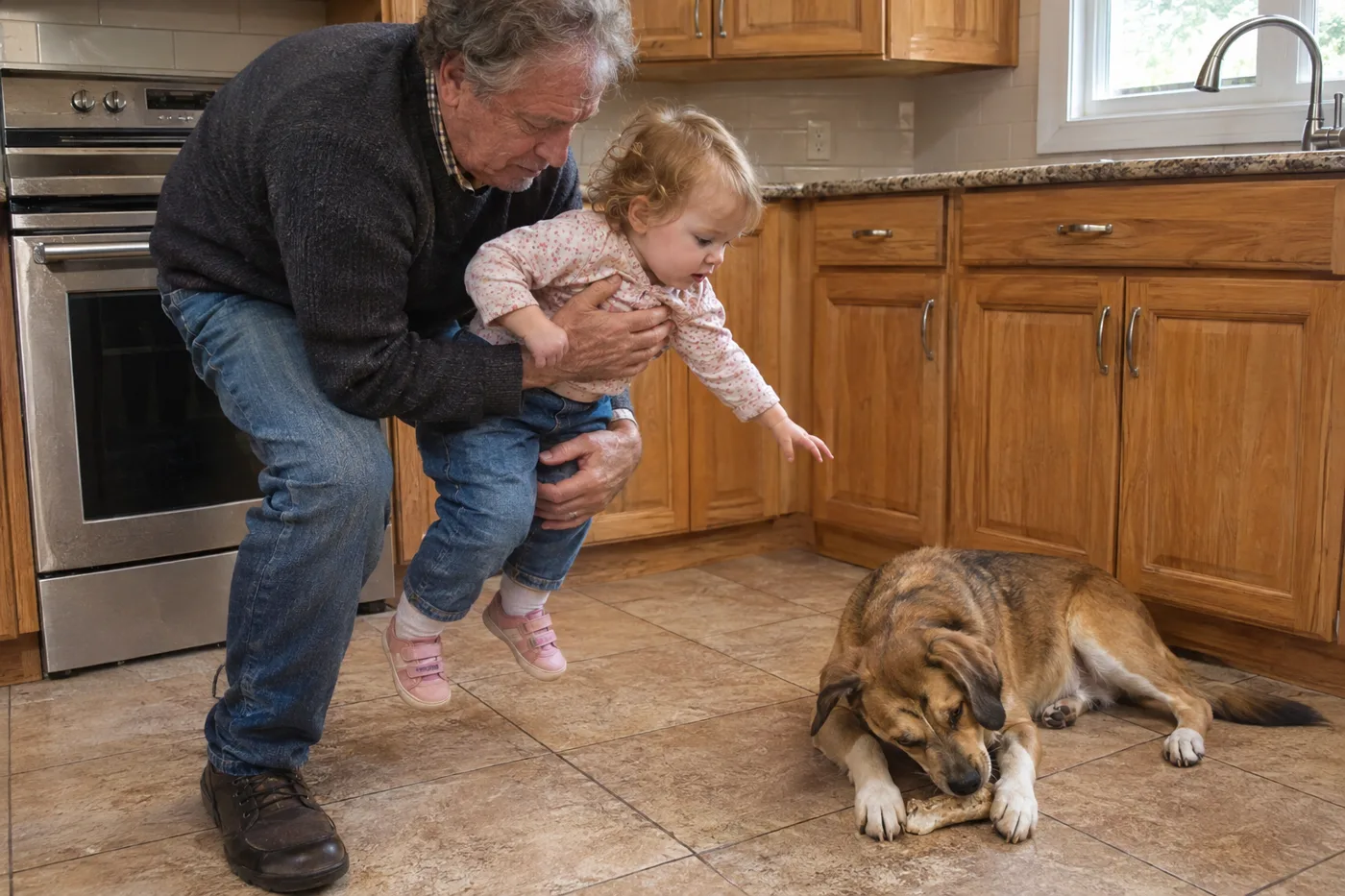
The dog stiffens over his bone. Your granddaughter’s hand is reaching for it. Every instinct you have says to put yourself in the gap, fast.
By our estimate, a dog bite at ages 65 to 84 is more likely to end in a hospital stay than a bite to a child under 5. Kids get bitten far more often: in 2008, children under 5 went to the ER for dog bites at nearly three times the rate of people 65 to 84. Yet federal hospital data from that year found the dog-bite hospitalization rate was highest for patients ages 65 to 84 of any age group.
Here’s how the 2008 figures line up.
Dog-bite hospital stays in 2008 (last column is our estimate)
| Age | Hospital stays per 100,000 people | Stays per 100 ER visits |
|---|---|---|
| Under 5 | 4.0 | 2.3 |
| 65 to 84 | 4.5 | 7.3 |
| 85 and up | 4.2 | 9.4 |
By our estimate, a bite at 65 to 84 was about three times as likely as a bite at under 5 to end in a hospital stay, and across all ages the average dog-bite hospital stay ran 3.3 days. The records are old, and they don’t say whose dog did the biting.
Horwitz and Landsberg warn that physically confronting a dog that is acting in an aggressive manner can result in the escalation of the aggression.
Move the child or move the dog, without squaring off. If you can reach the grandchild without passing the dog’s head, lift her and step away. If you can’t, call the dog in your happiest treat voice from the far side of the room or the doorway, and close the gate behind him when he comes.
Practice that happy call on an ordinary afternoon, with a treat waiting at the gate, so it works the day you need it.
Keep reading
 24 Things That Can Land a Dog in the Christmas Emergency VetSee all 24 →
More you’ll enjoy
 30 Things Your Dog Is Trying to Tell You
 25 Classic Movie and TV Dogs, and What Really Happened to Them
 20 Prices That Show What a Dog Cost in 1970 vs. Today
The bottom line
Think back over the dogs you’ve had. Some of them would have loved a houseful of grandkids. Some would have quietly asked to leave the room, and you’d have let them.
The dog you have now gets a vote, too. Visits go easiest when he has somewhere to be that isn’t the middle of things, and when the grown-ups agree ahead of time who’s watching, what happens at the door and where the chew bones live.
Before the next visit, tell the kids’ parents which room is the dog’s and what the gate rule is. Then when a five-year-old asks why the dog is behind the gate, every adult in the house gives the same answer.
Bonus: four checks before the grandkids’ car pulls in
- Look up your dog’s microchip registration and make sure the phone number still works. In a 2009 study of US shelters, chipped dogs got home more than twice as often as dogs without a chip, and wrong or missing owner information was the most common reason a chipped dog didn’t. Kids hold doors open.
- Ask your homeowners or renters insurer how your policy handles dog-related injuries. Insurers paid on 28,450 dog-related injury claims in 2025, averaging $65,450 each. That count includes fractures and other blunt-force injuries as well as bites.
- Teach the trade. Cobb & Co Veterinary Clinic says never let children take items from the dog, even toys. If the dog runs off with a grandchild’s stuffed rabbit, a grown-up swaps it for something better.
- Bergman advises that pets get used to sleeping away from the owners’ bed before a baby arrives.
Questions people also ask
Should I crate my dog when the grandkids visit?
A crate is a good way to keep the dog and kids apart during a visit, as long as it isn’t the whole plan. Humane World for Animals says adult dogs shouldn’t be crated for more than 4 to 5 hours during the day, and that crating all day and night can leave a dog depressed or anxious. Rotate the crate with a gated room and supervised time. Trainer Mel Ritterman lists baby gates, play pens, crates and tethers as tools for separating dogs and children.
Why did my dog start growling at my grandchild when she started walking?
Walking is a common trigger: veterinary behaviorist Laurie Bergman says aggression usually appears when the baby becomes mobile, even in dogs that behaved well with visiting children. VCA’s behaviorists say children move unpredictably and make loud, sudden noises, and most aggression toward children is fear based. Treat the growl as a warning, keep them apart with a gate, and don’t punish it.
Can pain make an older dog snap at kids?
Yes, pain can make a dog snap, sometimes without the usual growl first. VCA lists unexpected aggression as a sign of arthritis, which affects 80% of dogs over eight. In a 2012 Barcelona study of 12 dogs with pain-related aggression, the dogs often attacked without the usual warning growl, so book a vet exam before deciding the dog has simply turned grumpy.
Should I rehome my dog if it snapped at my grandchild?
Start with a vet exam and a qualified behavior professional, such as a Certified Applied Animal Behaviorist or a board-certified veterinary behaviorist, before deciding. If you do rehome, the AKC says it’s important to be fully transparent with the new home about the dog’s bite history, and after a serious bite some rescues can’t take the dog. VCA’s behaviorists say keeping the dog separated and muzzled around children are options, though “sometimes an individual dog will never be safe around children.”
Which dog is most child friendly?
No breed is guaranteed to be good with children, so judge the individual dog in front of you. A 2022 study of dogs found breed explains only about 9% of the differences in how individual dogs behave. UC Davis animal behaviorist Emma Grigg summed it up for NBC News: “Choose the individual, not the breed.”
How long does it take a dog to accept a new grandbaby?
VCA says most dogs adjust to a new baby in the home within a few days, while others may take several weeks. That advice covers a baby living with the dog rather than visiting. A dog that accepts a newborn may still react later, once the baby starts crawling, as Bergman explains. Plan to reintroduce them carefully at that stage, with gates up.


