Meet the real Collie, the shelter mix and the drooling Saint Bernard behind the dogs you grew up watching, what became of each one, and where its breed stands today.
It’s Sunday at seven. The rabbit ears on the TV have a twist of foil on one tip, and a Collie is crossing a field at a dead run with news nobody else could carry. You knew that dog the way you knew your own.
Except the famous movie dogs you grew up with were often somebody else entirely: a son, a grandson, a double, a pound dog, a ring painted on the wrong eye. The real dogs behind them had stranger lives than the scripts did.
Table of Contents
#25 Lassie running home to the farm
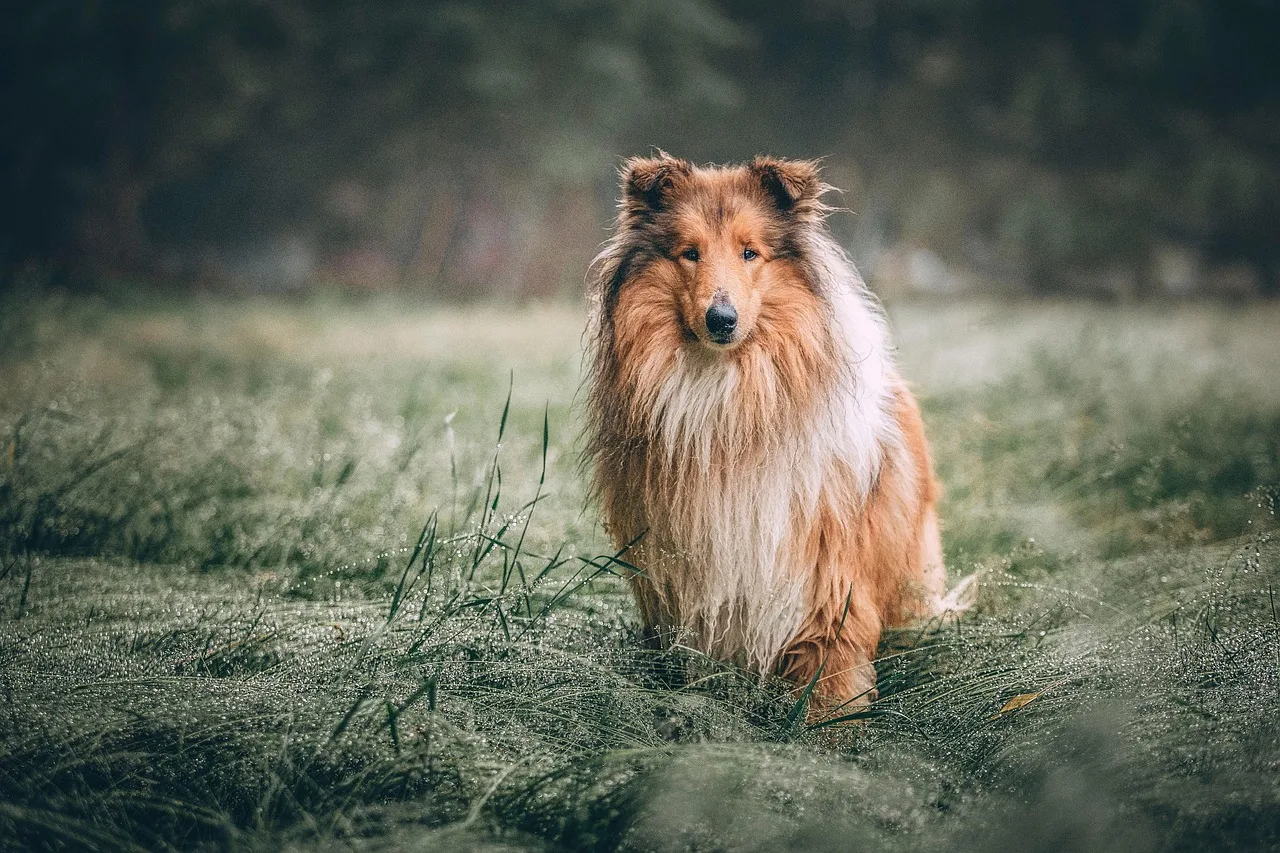
Lassie was a boy. Every dog who played her was male, starting with a Rough Collie named Pal, who was only hired to do the stunts.
That was for Lassie Come Home in 1943. Then Pal did the flood scene on the San Joaquin River, and MGM let go of the female Collie it had cast and reshot six weeks of film with him. He made six more Lassie pictures through 1951, plus two pilots for the TV show, and died of natural causes in June 1958 at 18.
The family business outlived him. Lassie premiered on CBS on Sunday, September 12, 1954, with Campbell Soup paying the bills. Pal’s son Lassie Junior and his grandsons Spook and Baby worked the early seasons, and his male descendants kept the role until the series ended in 1973.
And Timmy never fell down the well. Jon Provost, who played Timmy from 1957 to 1964, has said so more than once:
“On the show, I fell off cliffs, into an abandoned mineshaft and into quicksand, but I never did fall in a well.” Jon Provost, Timmy on Lassie, to the Press Democrat
He told another paper he went through the synopsis of all 249 half-hour episode scripts. No well.
Today the Collie ranks 39th in America, and the AKC credits the breed’s fame to “a hundred years as a pop-culture star.” That rank counts Rough and Smooth Collies together, since they’re one breed in two coats.
If yours is a girl, here’s a small surprise. The breed standard puts females at 22 to 24 inches and males at 24 to 26. So your girl is likely built smaller than every dog who ever played Lassie.
How the AKC rank works
- It ranks 202 breeds by the past year’s registrations with the American Kennel Club.
- The 2025 top five: French Bulldog (No. 1 for the fourth year running), Labrador Retriever, Golden Retriever, German Shepherd Dog and Dachshund.
- The 2025 list was announced March 18, 2026.
#24 Toto riding in Dorothy’s basket
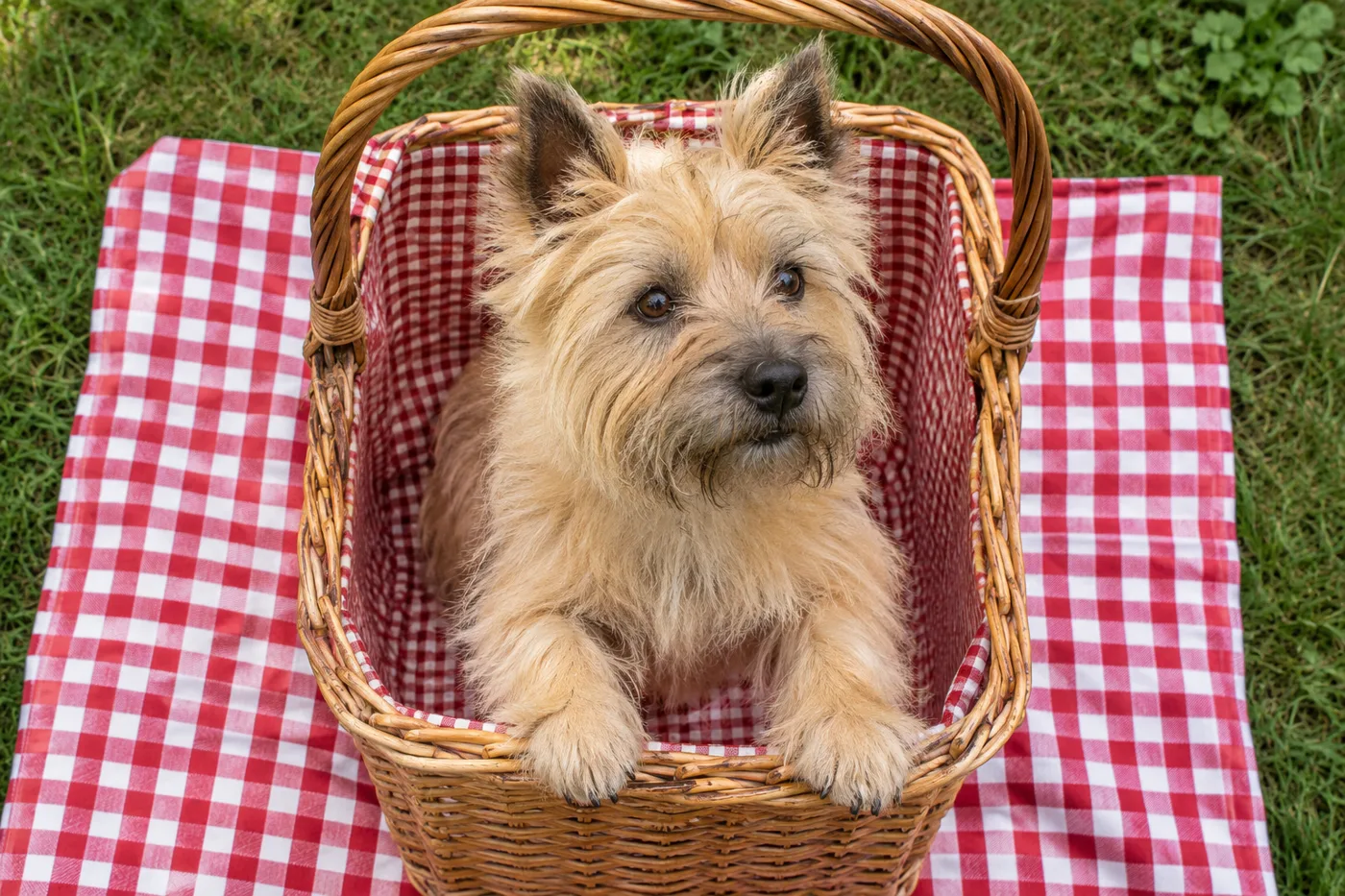
Once a year, the network rolled out The Wizard of Oz. From 1959 through 1968 it ran on Sunday nights on CBS, which meant Lassie got bumped. For one night, the most famous Collie in America gave up her slot to a Cairn Terrier.
That Cairn was a female named Terry, owned and trained by Carl Spitz of the Hollywood Dog Training School. MGM paid for her like a working actor:
$125 a week
That’s about $2,900 a week in 2025 dollars, for a dog the breed standard would put at 13 pounds.
What happened to Terry afterward is harder. She died in 1945 at 11 and was buried on Spitz’s ranch in Studio City. When the Ventura Freeway was built, the grave was destroyed. A memorial was dedicated at Hollywood Forever Cemetery on June 18, 2011, but her remains aren’t there.
Oz first aired on CBS on November 3, 1956, and came back every year from 1959 to 1991, skipping only 1963. So Terry worked long after she was gone.
The Cairn Terrier ranks 68th today. The standard’s ideal weight is 13 pounds for females and 14 for males.
#23 Rin Tin Tin at Fort Apache
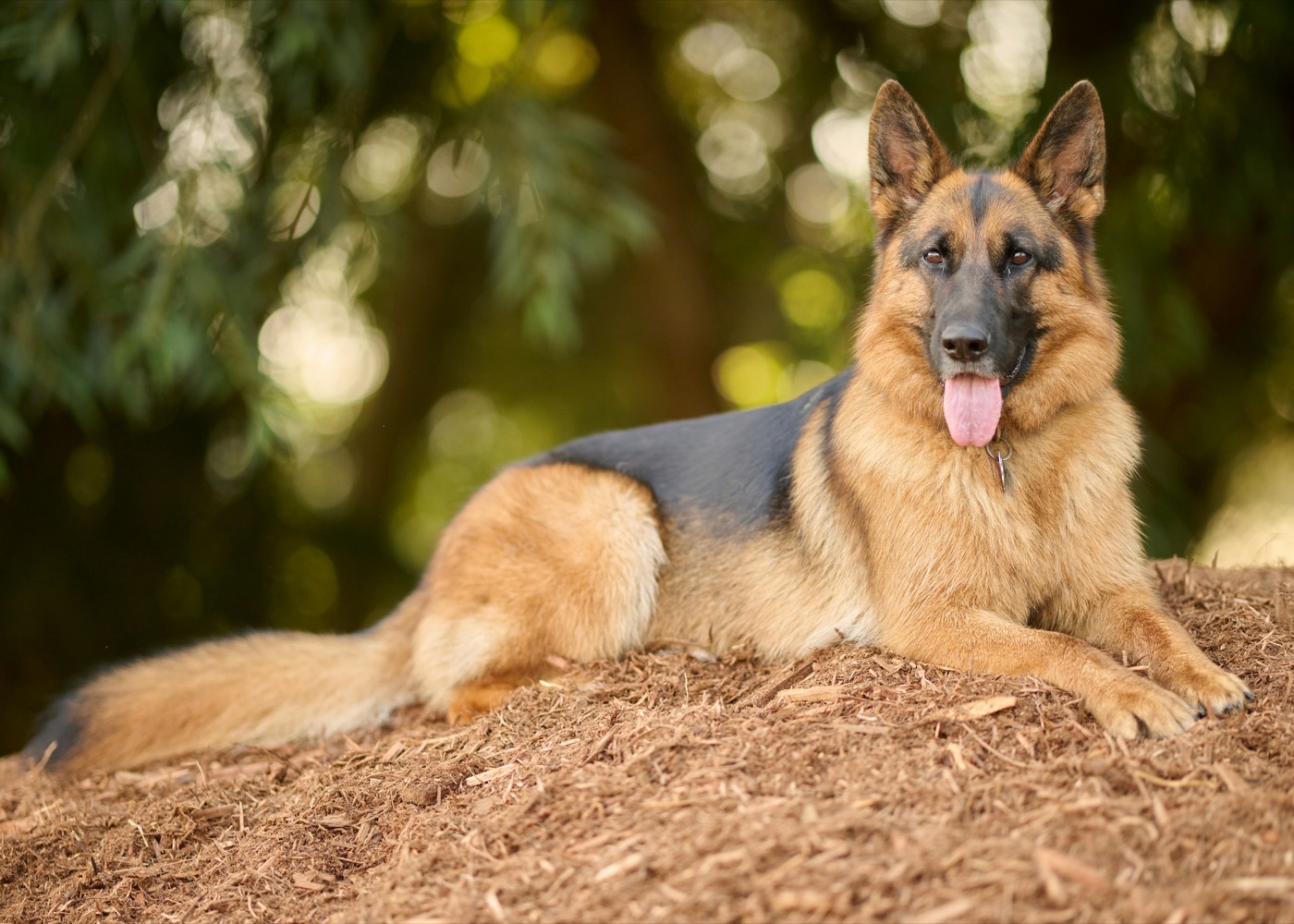
Most weeks, the dog running beside Rusty wasn’t Rin Tin Tin. On The Adventures of Rin-Tin-Tin, a German Shepherd named Flame Jr. did most of the work, because Rin Tin Tin IV, the dog with the famous name, did poorly on camera.
You may have worn the uniform. In 1956 and 1957, Nabisco Shredded Wheat ran a Rin Tin Tin “Trading Post” with a cavalry hat, a bugle and a uniform. The coupons asked for “50¢ and Nabisco Shredded Wheat Box Top.”
The show ran on ABC from October 1954 to May 1959, 164 episodes, with Lee Aaker as Rusty, the orphan raised at Fort Apache.
The original dog’s story beats any episode. By most accounts, in September 1918, Army Cpl. Lee Duncan found a mother German Shepherd and five puppies in a ruined German kennel near Flirey, France. He kept two and named them Rin Tin Tin and Nanette.
That first Rin Tin Tin made 27 Hollywood films and died in 1932, 22 years before the TV show began.
The German Shepherd is 4th in America today. If you have one, you know the deal: males run 65 to 90 pounds, females 50 to 70, and that dense double coat needs regular de-shedding.
#22 Columbo’s unnamed Basset Hound
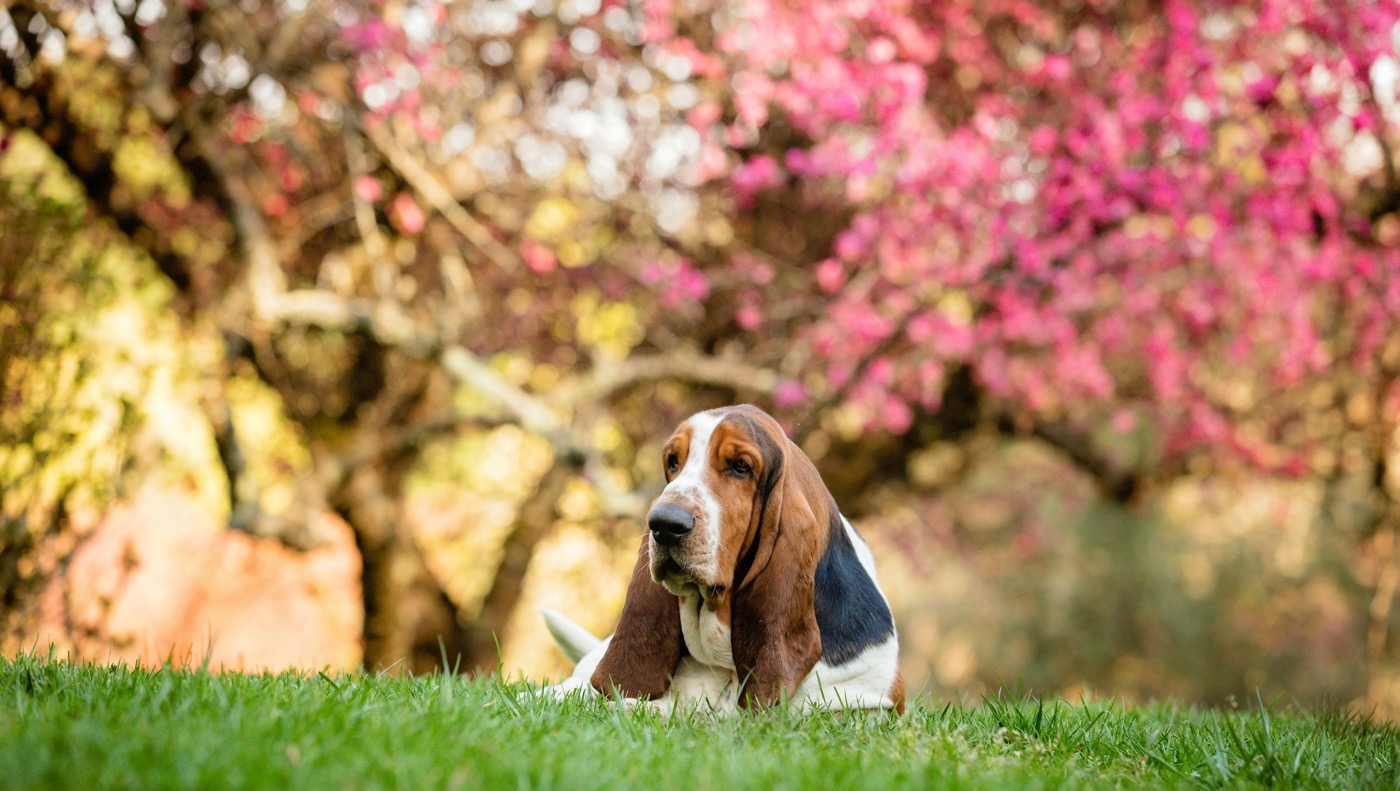
Columbo never gave his dog a name, and the dog never seemed to mind. The Basset Hound first turned up in “Étude in Black” in 1972, and the rumpled detective explained the situation:
“He’s a dog, so we call him Dog.” (Mental Floss)
The real dog did have a name: Henry. Trainer Ray Berwick found him at a pound in Burbank. A fitting start for the dog of a detective who never looked like he’d bought anything new.
Columbo wasn’t the first to put a Basset on TV. While The People’s Choice ran on NBC from 1955 to 1958, with a Basset named Cleo whose thoughts the audience could hear, the breed’s popularity rose markedly. The Basset Hound ranks 34th today.
#21 Snoopy on the doghouse roof
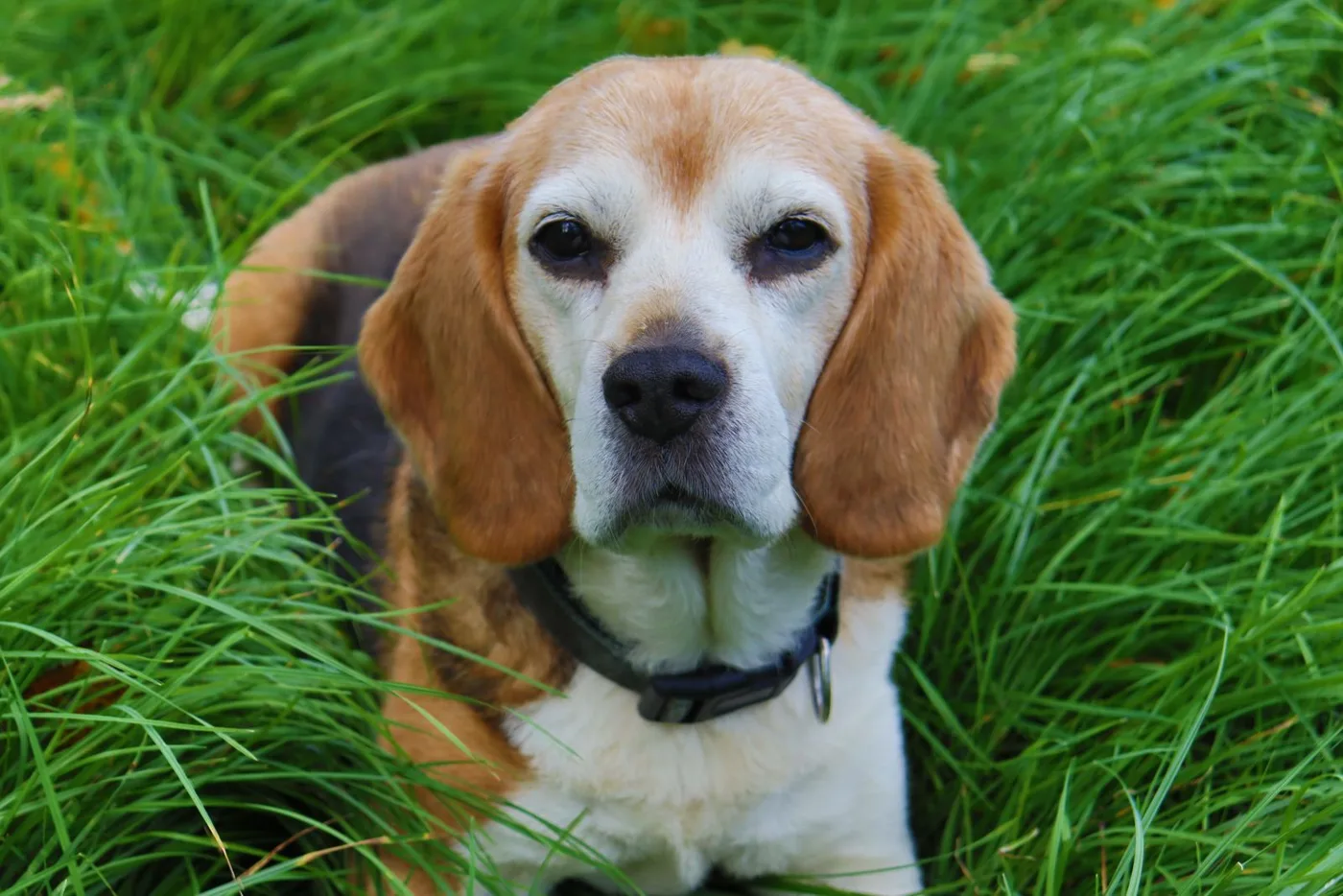
The official Peanuts site calls him “the world’s most famous beagle.” He started as a dog who probably wasn’t one.
Charles Schulz’s childhood dog, Spike, is usually described as a mixed breed. Schulz sent a drawing of him to Ripley’s Believe It or Not!, which ran it on February 22, 1937. That sketch later inspired Snoopy, who first appeared on October 4, 1950.
Schulz later wrote that Spike “had a vocabulary of understanding approximately 50 words” and “would eat almost anything.” That explains a cartoon dog who danced for his supper dish.
Your first TV Snoopy may have come on December 9, 1965, when A Charlie Brown Christmas aired on CBS and closed with “Merry Christmas from the people who bottle Coca-Cola.”
Beagles rank 7th today and come in two sizes: 13 inches and under, or over 13 up to 15. The AKC’s word for the breed is “merry.” Mr. Peabody, the genius who ran the WABAC machine in 1959 and 1960, was a Beagle too, and the machine’s name was a spoof of UNIVAC.
#20 Yukon King beside Sergeant Preston
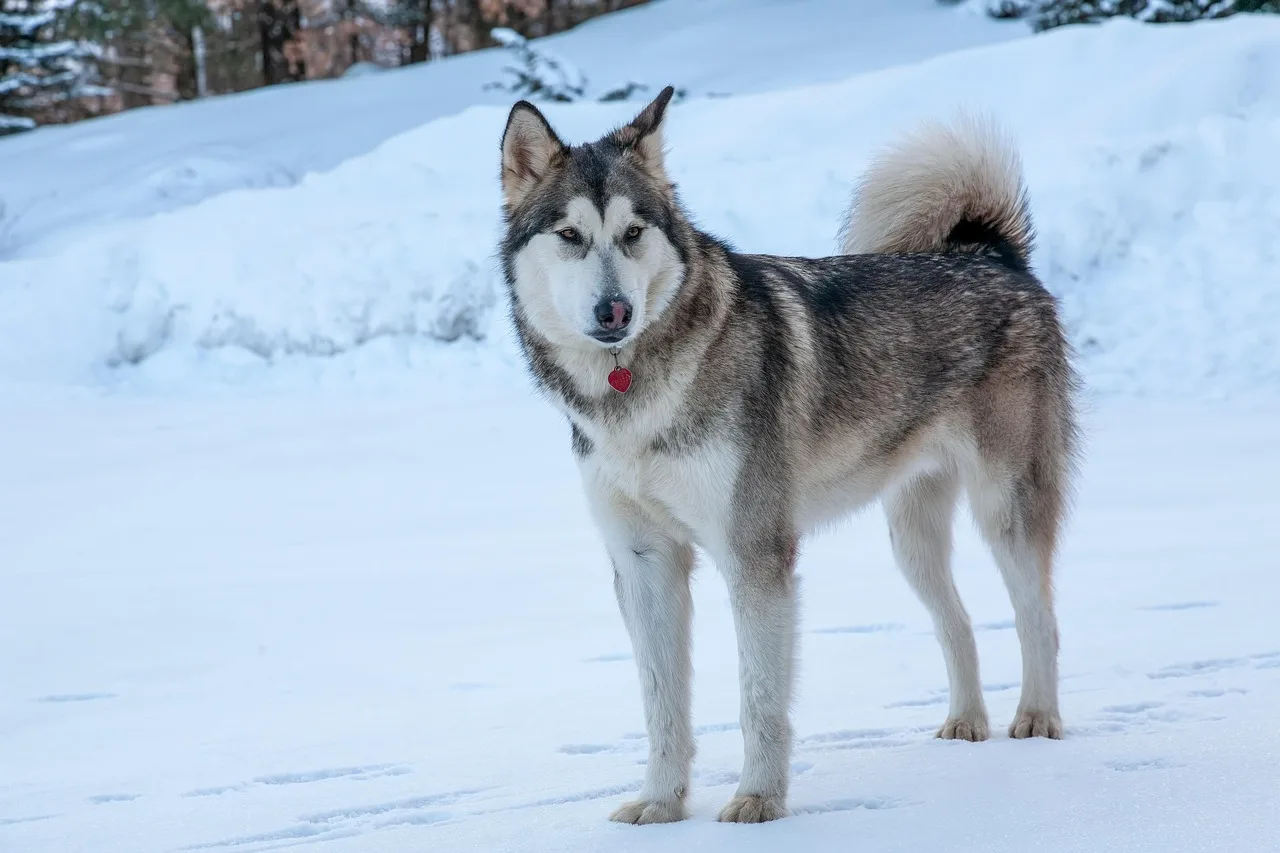
If a deed to one square inch of the Yukon ever fell out of your cereal box, you briefly owned a piece of King’s country.
In 1955, Quaker Oats paid $1,000 for 19.11 acres in the Yukon and printed 21 million one-square-inch deeds to tuck into its cereals. The land didn’t last. In 1965 it was repossessed over back taxes of exactly:
$37.20
On screen, King was played by a five-year-old Alaskan Malamute. His trainer, Beverly Allen, was a Black dog trainer who worked out of Michigan for the Detroit-based production.
The Malamute ranks 81st today. And if your deed is still in a drawer somewhere, it’s the paperwork for land that was repossessed for less than forty dollars.
#19 Freeway riding in the Harts’ car
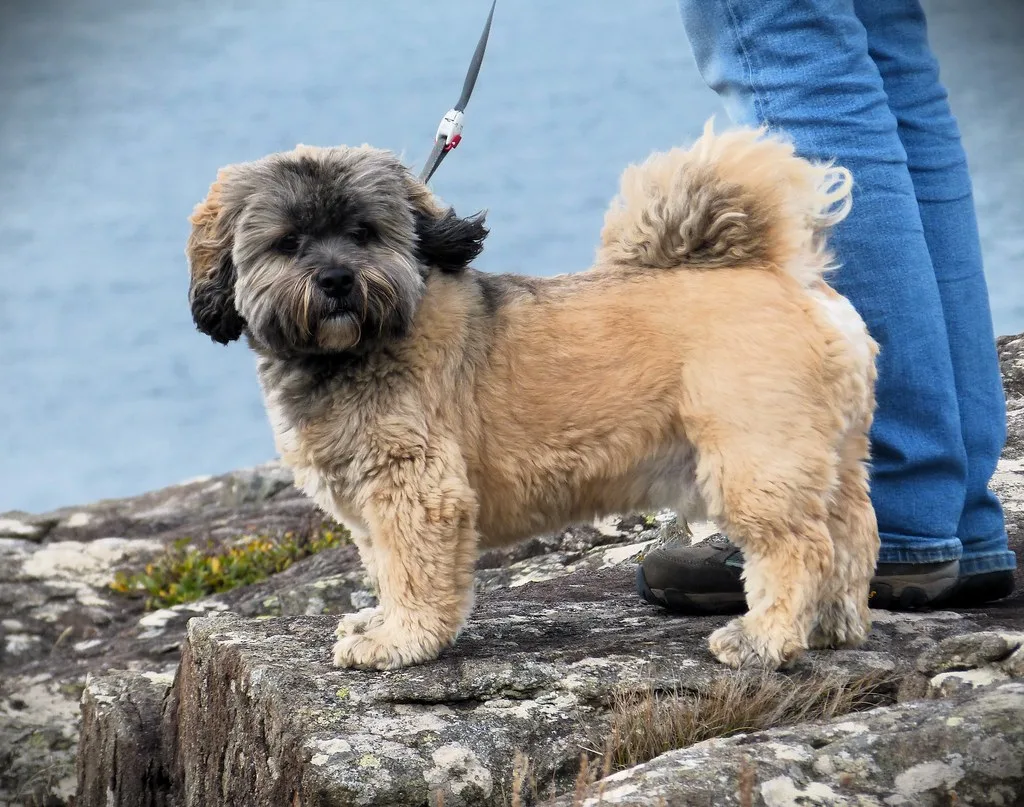
You’d have bet money Freeway was a Lhasa Apso. A lot of people did.
The little dog on Hart to Hart was played by Charlie Gray, a shelter dog. Vetstreet identifies him as a Löwchen shown without the breed’s lion trim, which is why people took him for a Lhasa Apso.
The two breeds sit far apart today. The Lhasa Apso ranks 83rd. The Löwchen ranks 159th, which makes Freeway one of the rarer breeds ever to ride in a TV star’s car.
If you have a small, shaggy rescue nobody can quite place, ask your groomer what they see under the coat.
#18 Buck’s sarcastic voice on the sitcom
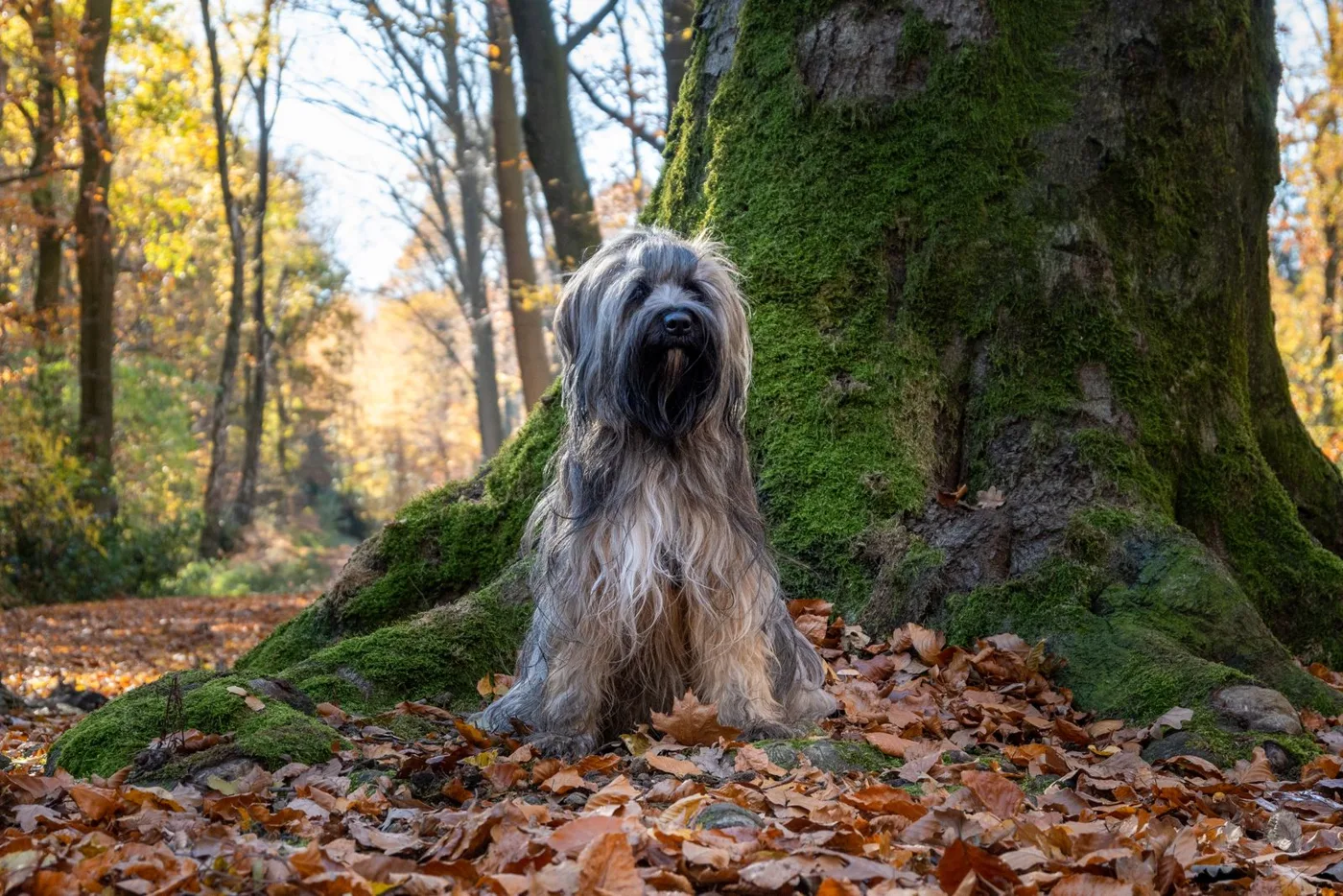
The episode title gave it away: “Requiem for a Dead Briard.” It aired October 1, 1995, and Married… with Children killed off Buck, the shaggy dog whose thoughts were often the most sensible voice in the Bundy house.
Then the writers did something only a sitcom would. They brought him back as Lucky, a Cocker Spaniel. Same soul, new breed.
Off camera, the reason was gentle. The Briard who played Buck, trained by Steven Ritt, was about 12 and a half and ready to retire. He died on May 28, 1996, at 13.
The swap had a funny logic. The Briard is one of the rarest breeds on the AKC books, 172nd in 2025. The Cocker Spaniel was the AKC’s most popular breed of the 1950s, by Chewy’s account, and still ranks 33rd. Buck came back as the dog a lot of his viewers grew up with.
 You might also like28 Famous Dogs From History Every Dog Lover Over 50 Will Recognize
#17 Comet, the Full House Golden
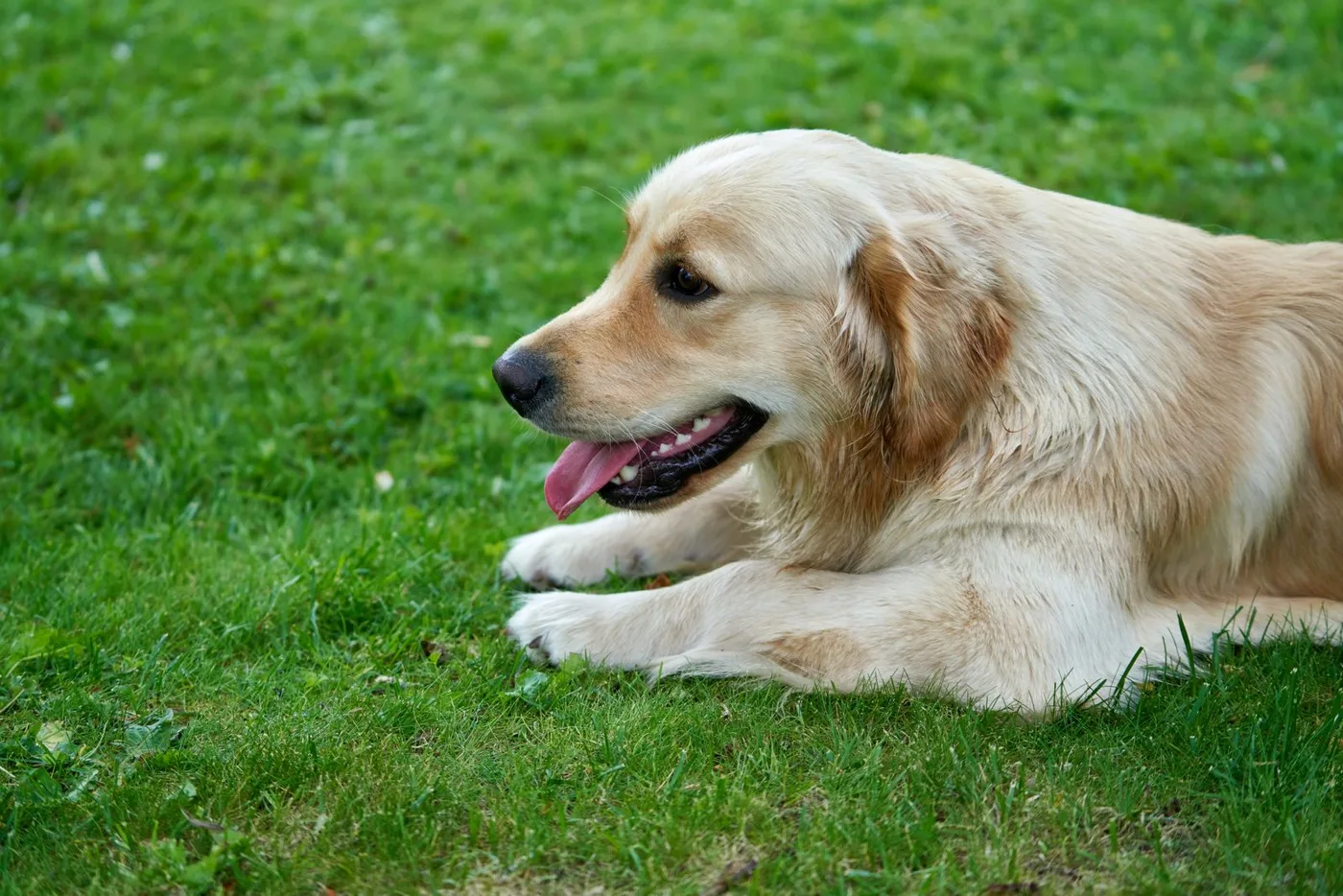
Comet was the easygoing Golden of the Tanner house, and the dog behind him went on to something bigger. Romper reports that Comet was played by Buddy, who later shot baskets in Air Bud. His 1998 obituaries said only that he “appeared on” Full House, so treat the casting as likely rather than certain.
Air Bud also left a lot of grown-ups with a scene they still can’t sit through: the boy driving his dog away. Under one TikTok clip of it, about 17 commenters said they cried or could never abandon a dog of their own. One dog owner put it simply: “This is so sad to watch, I could never leave my dog behind.”
Buddy’s own ending came too soon. He died in San Diego in February 1998, about six months after his leg was amputated because of a cancer called synovial cell sarcoma.
Goldens are 3rd in America today, and the AKC is frank about the hair: they shed heavily once or twice a year and moderately the rest of the time. If you vacuum every day, that’s the “moderately.”
#16 Beethoven drooling through the kitchen
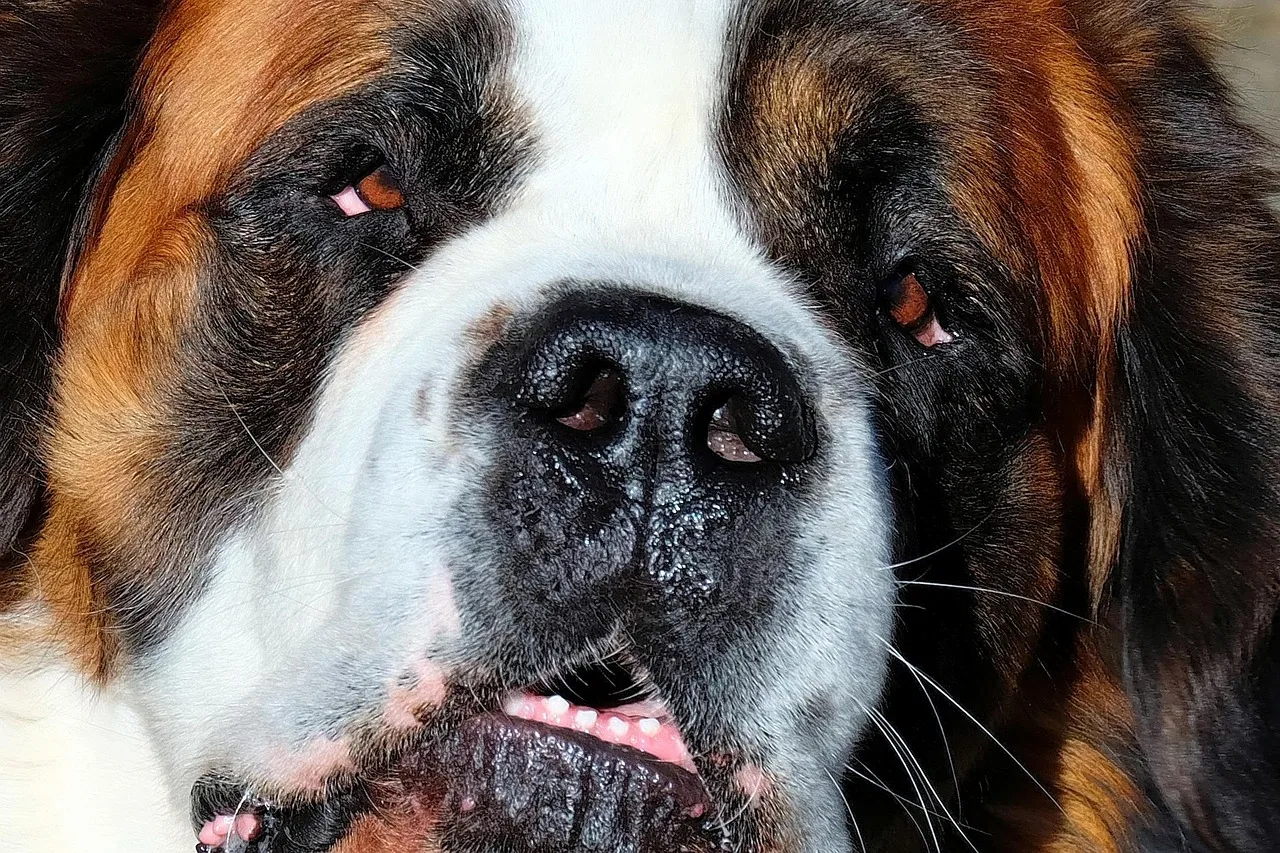
Beethoven wasn’t one dog. The Saint Bernard on the 1992 poster was named Chris, and he had backup:
12 look-alike doubles
Thirteen dogs from a breed that runs 120 to 180 pounds is a lot of towels. The Saint Bernard Club of America doesn’t pretend otherwise, in its own flier: “There is no such thing as a dry mouth Saint.”
The breed ranks 63rd today. If you’re eyeing one, take the club at its word and keep a towel within reach of every doorway.
#15 Petey’s ringed eye in Our Gang
Watch enough old Our Gang shorts on TV and you’ll catch it: the ring is around Petey’s right eye in one, and the left in another. You weren’t imagining it.
The first Petey was Pal the Wonder Dog, who had a natural ring almost all the way around his right eye, finished off with dye. Pal was poisoned and died in 1930.
His son Pete took over, and Pete’s ring was painted on from scratch, sometimes on the wrong eye. Younger dogs began replacing Pete in 1932.
No relation, by the way, to the Pal who played Lassie. Hollywood just liked the name.
Pete was AKC-registered as a Staffordshire Terrier. Today that breed is the American Staffordshire Terrier, ranked 97th. If yours has a patch around one eye, at least it stays put.
#14 Wishbone acting out the classics
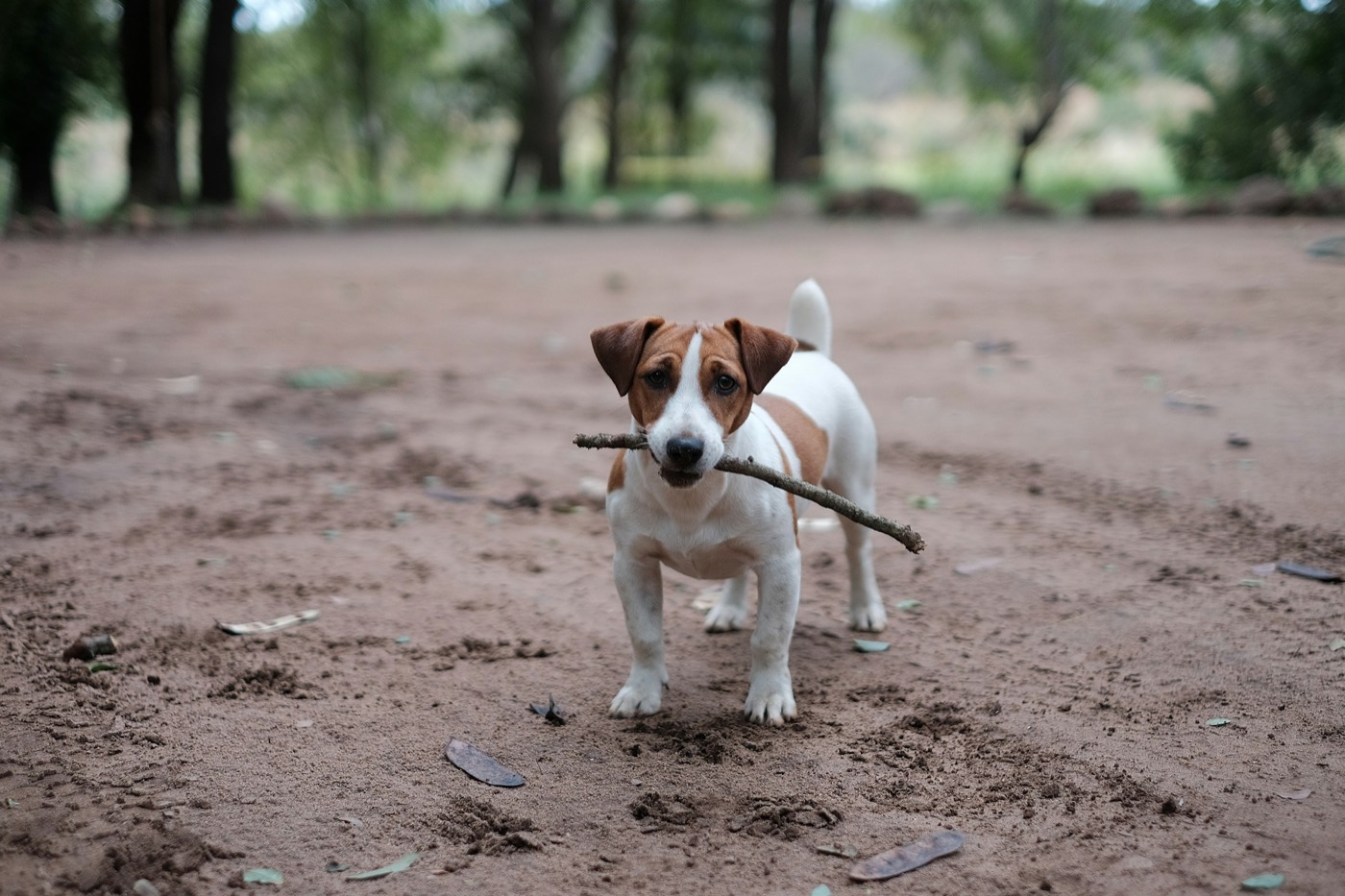
Wishbone’s real name was Soccer, and he came to his trainer at two months old. That’s when Jackie Martin Kaptan bought the Jack Russell Terrier, in July 1988, long before he spent his days dressed as the hero of whatever book was open.
He died on June 26, 2001, at 13, and Kaptan buried him at her ranch in Texas.
Set that beside Toto’s lost grave and it’s a small mercy. The most bookish dog on TV rests with the person who raised him from a pup. How the AKC counts a Jack Russell today is its own puzzle, and it’s coming up at #10.
#13 Hooch slobbering beside Tom Hanks
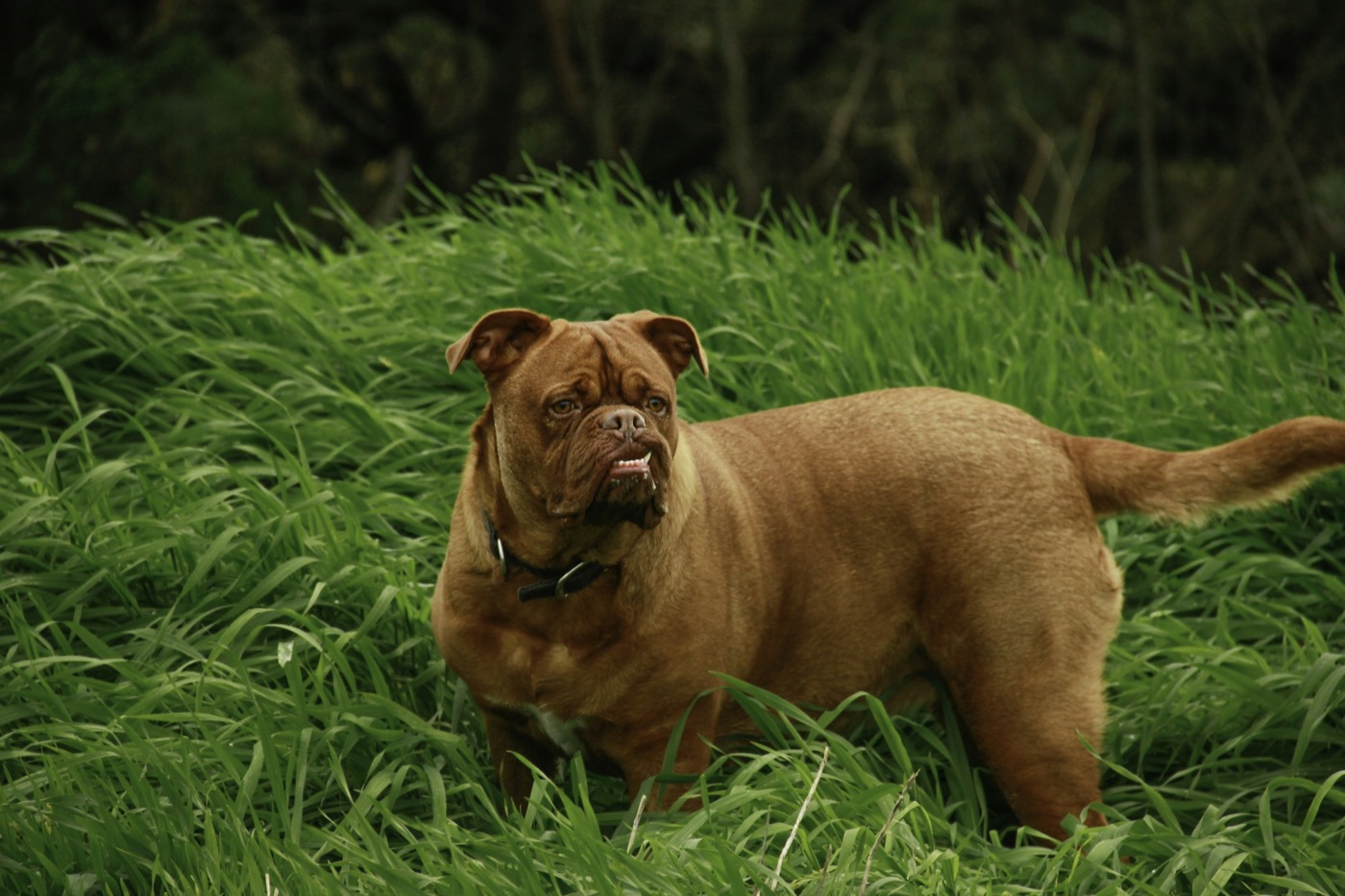
Ask movie fans for their favorite screen dog and Hooch turns up fast. In one Reddit thread asking exactly that, he finished second with 26 upvotes, behind only Shadow from Homeward Bound.
What most fans don’t know: four Dogues de Bordeaux played him, not the three you usually read about. Breeder Peter Curley of TNT Kennels in Wisconsin sold Disney four dogs for the 1989 film: Barry, Beasley, Vigor and Cristo.
Beasley stayed with trainer Clint Rowe in California and, by the IMDb account, lived to 14. For his breed, that’s remarkable. Dogster says most Dogues live 5 to 8 years.
Here’s how a few screen breeds compare, using the figures from the AKC, Dogster and the Basset Hound Club of America:
| Breed | Screen dog | Typical lifespan |
|---|---|---|
| Dogue de Bordeaux | Hooch | 5 to 8 years |
| Great Dane | Scooby-Doo | 8 to 10 years |
| Golden Retriever | Comet | 10 to 12 years |
| Bloodhound | Duke | 10 to 12 years |
| Basset Hound | Columbo’s Dog | 10 to 13 years with good care |
None of those is a promise for your own dog, in either direction. Beasley is the proof. The Dogue de Bordeaux ranks 95th today.
#12 Cujo terrorizing the stalled car
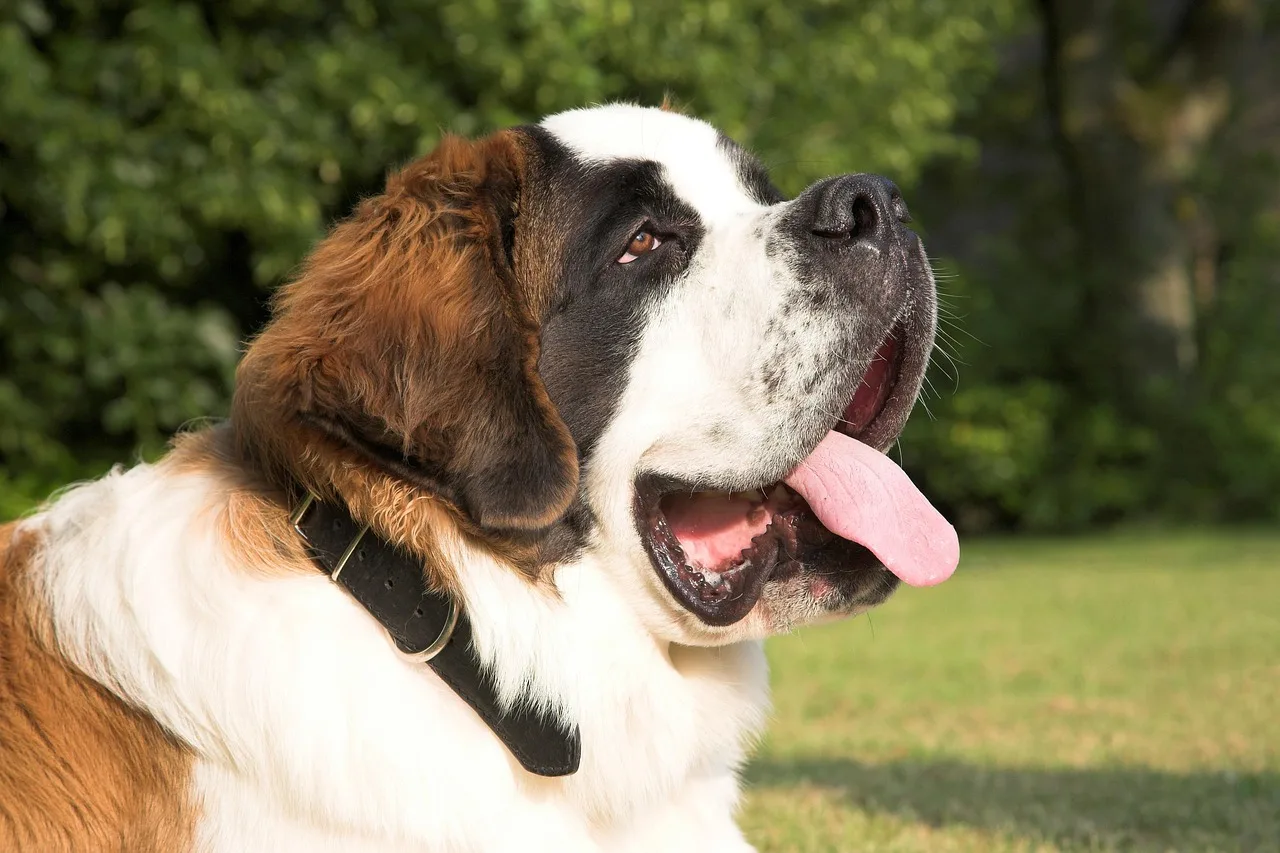
Picture it the way you saw it in 1983: the car won’t start, a mother and her boy are trapped inside, and a Saint Bernard is circling.
That dog was a whole crew. A 1983 Los Angeles Times article, cited by the AFI Catalog, says four Saint Bernards, several mechanical dogs and a black Labrador and Great Dane mix in a costume all played Cujo. IMDb puts the Saints at five.
The hard part of the job turned out to be the opposite of scary. The dogs enjoyed filming so much that their tails often had to be tied down to stop them wagging on camera. Trainer Karl Lewis Miller ran the show.
If your Saint greets every delivery like a long-lost cousin, you’ve met the exact problem Cujo’s crew had to solve.
#11 Duke snoozing by Jed’s chair
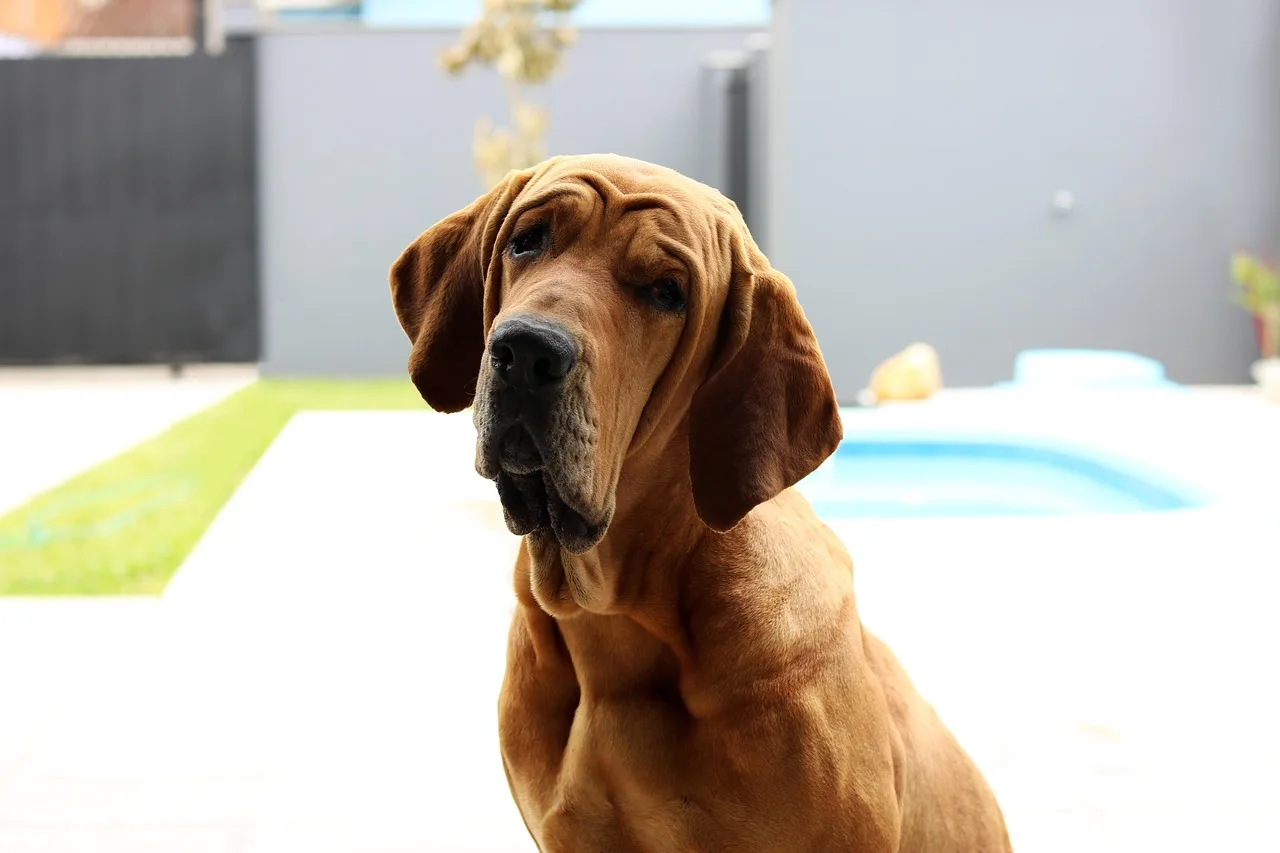
The Clampetts’ hound was a movie star before he ever got to Beverly Hills. Duke was played by a Bloodhound named Stretch, owned and trained by Frank Inn, and Stretch had already played “Old Blue” in No Time for Sergeants.
Duke spent most of the show doing what an off-duty Bloodhound does best. The AKC describes the breed as “among the canine kingdom’s most docile citizens, but he’s relentless and stubborn on scent.” Both halves will ring true if you’ve ever tried to call one off a trail.
They run 80 to 110 pounds, they drool, and they rank 59th today.
Frank Inn’s TV kennel
- Bernadette, a Basset Hound he bought for $85, played Cleo on The People’s Choice, with Mary Jane Croft as her voice.
- Danny, a Cairn Terrier, played the Wilsons’ dog Fremont on the 1959 Dennis the Menace series. Ruff never appeared on that show at all, because producers couldn’t find a suitable dog.
- IMDb’s trivia credits Inn with training Tramp, the shaggy dog on My Three Sons, whom VCA lists as a famous Briard.
#10 Eddie’s unblinking stare on Frasier
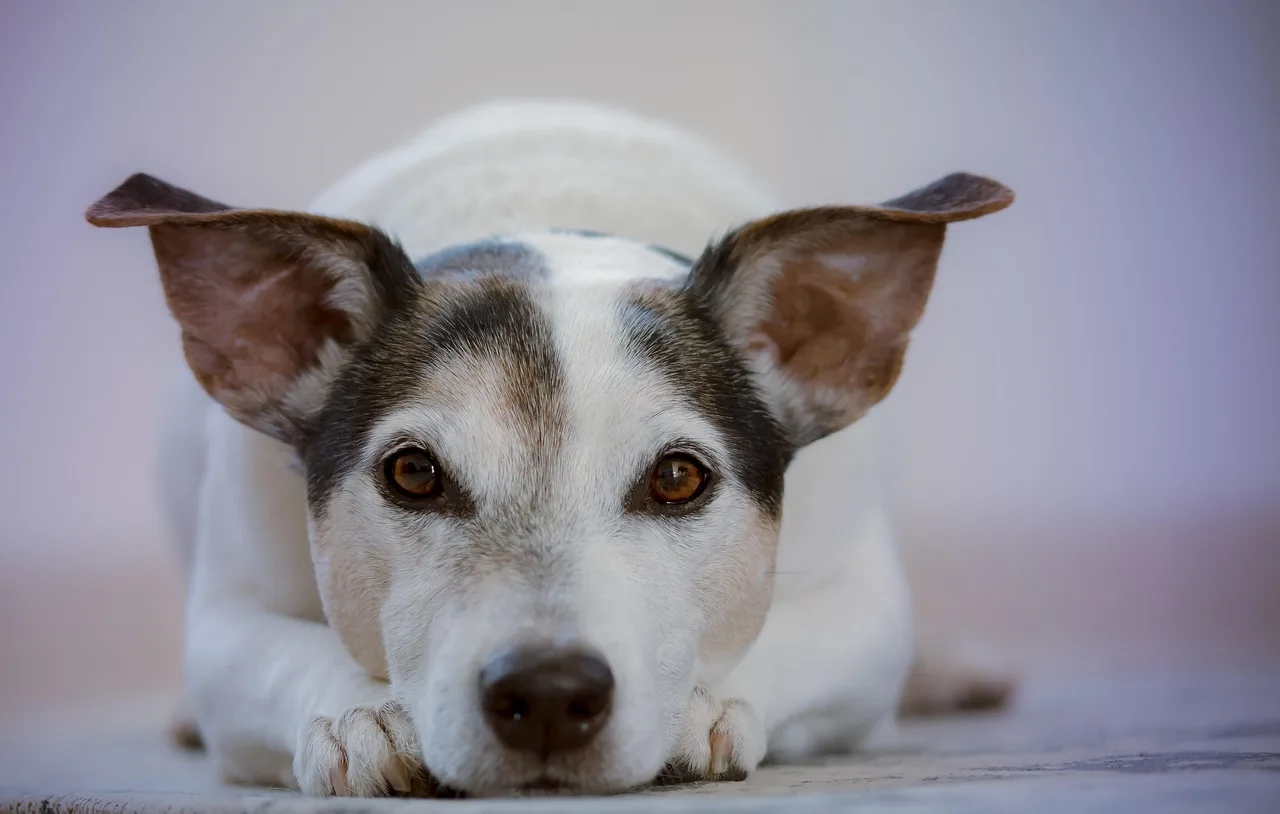
Moose, the dog who played Eddie on Frasier, made a career out of staring.
He was a Jack Russell Terrier, born on Christmas Eve 1990, and he lived to 15. His son Enzo doubled for him.
Now try finding him on the AKC table. There’s no Jack Russell on it. Instead there are two separate breeds from that family:
Russell Terrier, 60th. Parson Russell Terrier, 121st.
Nobody has said which one Moose would count as. If you have a Jack Russell type and want to know where yours stands, check its registration papers, if it has any. Papers from the Jack Russell Terrier Club of America put it on neither line: that club treats both AKC breeds as separate from the true Jack Russell and won’t register them.
 You might also like30 Things Your Dog Is Trying to Tell You
#9 Bullet running beside Roy Rogers
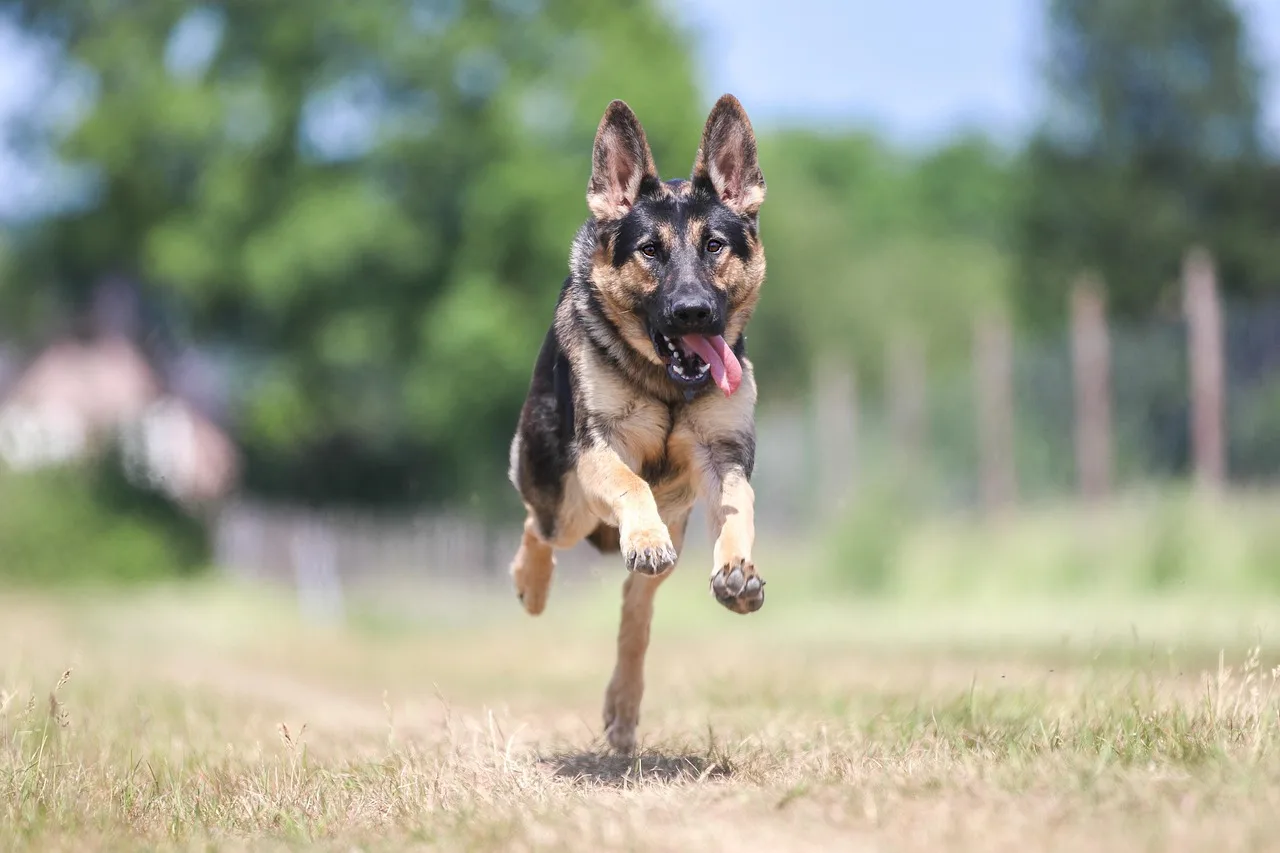
Roy Rogers’ dog had a stranger last chapter than any cowboy. Bullet was an AKC-registered German Shepherd, originally Bullet Von Berge, and after he died he was preserved and displayed at the Roy Rogers-Dale Evans Museum.
There he stayed until July 2010, when Christie’s auctioned him for $35,000. The buyer was RFD-TV, a Nebraska TV network, which also bought Trigger for $266,500.
Trigger fetched more than seven times what Bullet did.
Bullet shares his breed with Rin Tin Tin, and German Shepherds still sit 4th in America.
#8 Asta pulling Nora into the bar
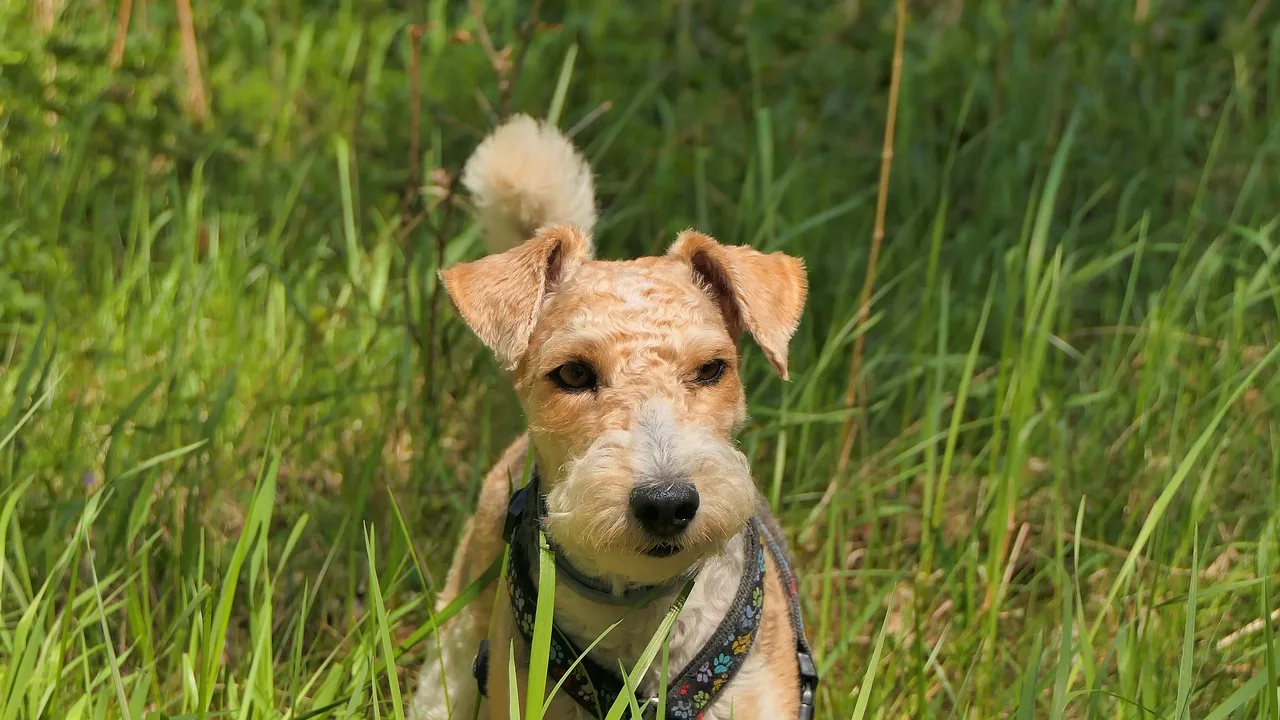
The leash snaps tight, a small wiry terrier plants his feet, and Nora Charles is going wherever Asta wants to go. In the Thin Man films, Asta more or less ran the marriage.
Off camera, the dog actor ran things too. His name was Skippy, born in 1931 and owned and trained by Henry East and Gale Henry. On the first Thin Man film, he bit Myrna Loy, who played Nora, between scenes.
She kept working with him anyway. Skippy played Asta in the first three Thin Man films, had parts in Bringing Up Baby (1938) and The Awful Truth (1937), and retired in 1941.
After Asta, the Wire Fox Terrier’s popularity soared. Today the breed ranks 107th, right around the middle of the table, which means owning one now gets you more questions at the park than it would have in 1935.
#7 Santa’s Little Helper’s racetrack backstory
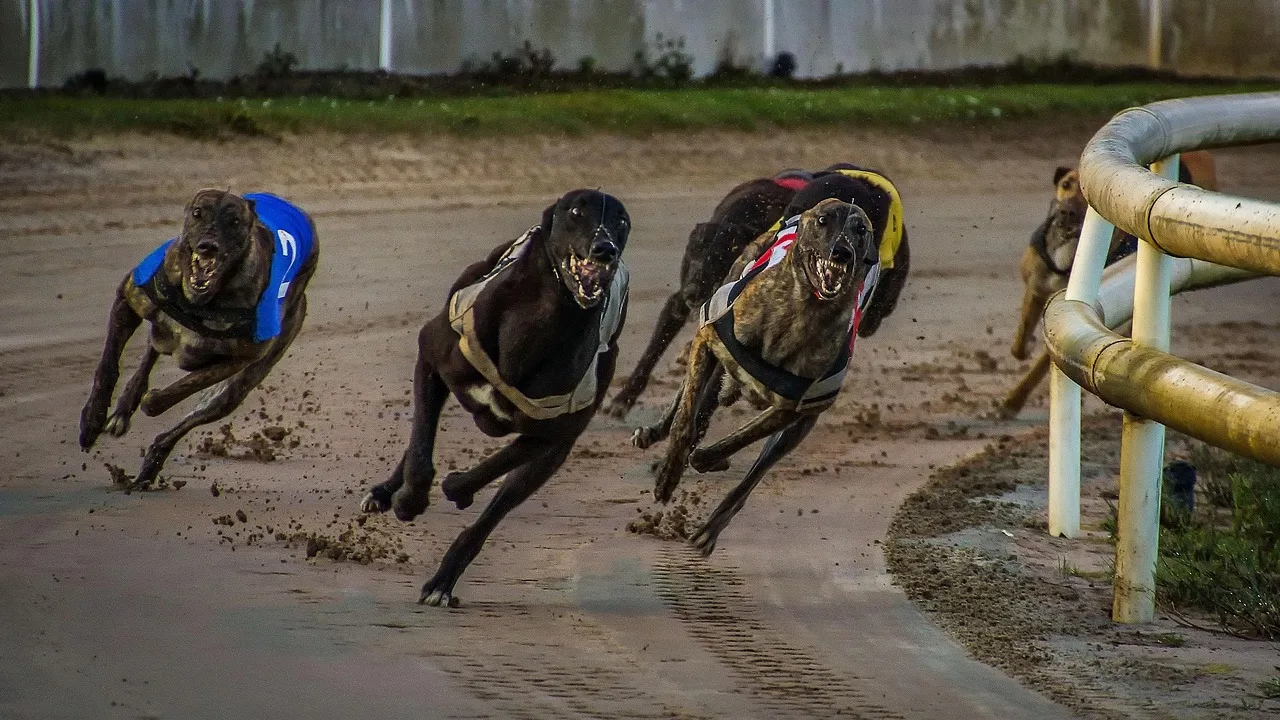
Santa’s Little Helper made his debut in the very first Simpsons Christmas, on December 17, 1989, as a 99-to-1 racing greyhound. He finished last, his owner dumped him, and Homer and Bart took him home.
In 1989 that was a joke about a whole industry. In 2026, the industry is nearly gone.
Greyhound racing today
- Only two dog tracks remain in the US, both in West Virginia.
- Greyhound racing is illegal in 44 states.
- The House passed the federal Greyhound Protection Act as part of the Farm Bill on April 30, 2026. As of November 2026, it wasn’t yet law.
What’s left is the part the cartoon got right: a fast dog who needs a home. Adoption groups now place retired racers.
Know the cost and the wait going in. At one Florida group, a West Virginia racer costs $800 and the wait runs three months or more. The same group lists $1,200 for an Irish greyhound. Other groups set their own fees, so ask about both before you fall for a long, sad face. If you have a cat, ask how the dog was tested with one: the National Greyhound Adoption Program puts each greyhound in front of its resident cats several times before placing it, rather than assuming a racer can live with them.
The Greyhound ranks 151st on the AKC’s 2025 table.
#6 Scooby-Doo’s deliberately clumsy design
Scooby-Doo looks the way he does on purpose. Before Scooby-Doo, Where Are You! premiered on CBS on September 13, 1969, a Hanna-Barbera colleague who bred Great Danes described what makes a prize dog. Iwao Takamoto, the studio artist designing the character, drew the exact opposite: bowed legs, sloped back, sloping chin.
“The legs were supposed to be straight, so I made them bowed… He was supposed to have a firm jaw, so I receded it.” Iwao Takamoto (A-Z Animals)
Seven years earlier, Takamoto had designed Astro for The Jetsons, voiced by Don Messick. Messick went on to voice Scooby and reused Astro’s R-heavy way of talking. If the two always sounded like brothers to you, they more or less were.
A real Great Dane is everything Scooby isn’t, and a lot of him. The breed ranks 22nd, and the AKC calls the Dane “a total joy to live with” while warning that a dog that big is “a commitment not to be entered into lightly.”
#5 Sandy bounding toward Annie
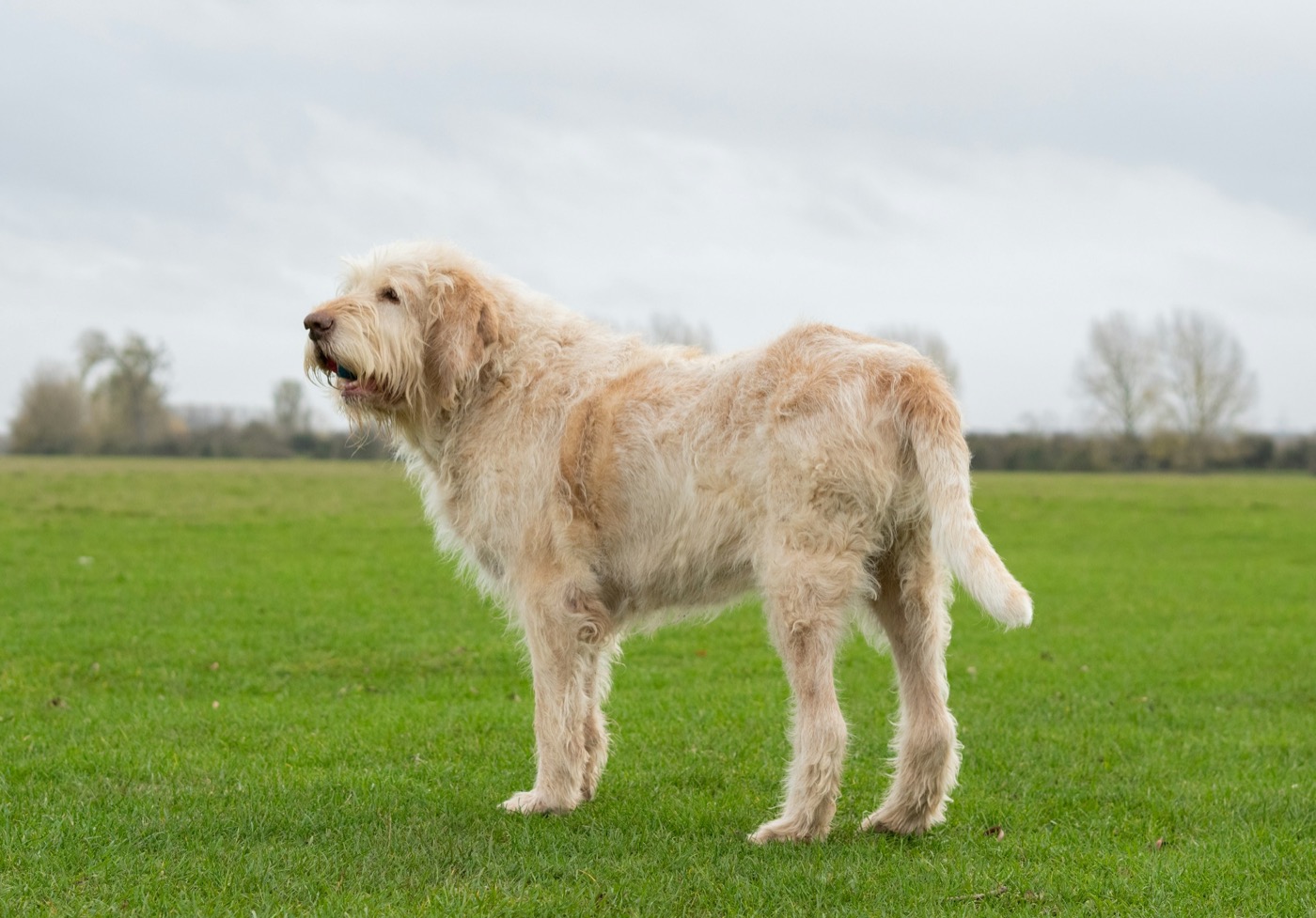
Everybody called Sandy a mutt. The 1981 production notes for Annie say otherwise. The dog was Bingo, a six-year-old Otterhound, a purebred, with trainer Moe DiSesso in the credits.
It’s an easy mistake. The AKC itself says Otterhounds can look like mixed breeds. They’re also one of the rarest breeds in the country, 189th of 202:
Only 13 breeds rank lower.
So if you ever saw a big, rumpled, shaggy dog and thought “Sandy,” you may have been looking at the real thing, which is rarer than the movie ever let on.
#4 Tiger vanishing from the Brady yard
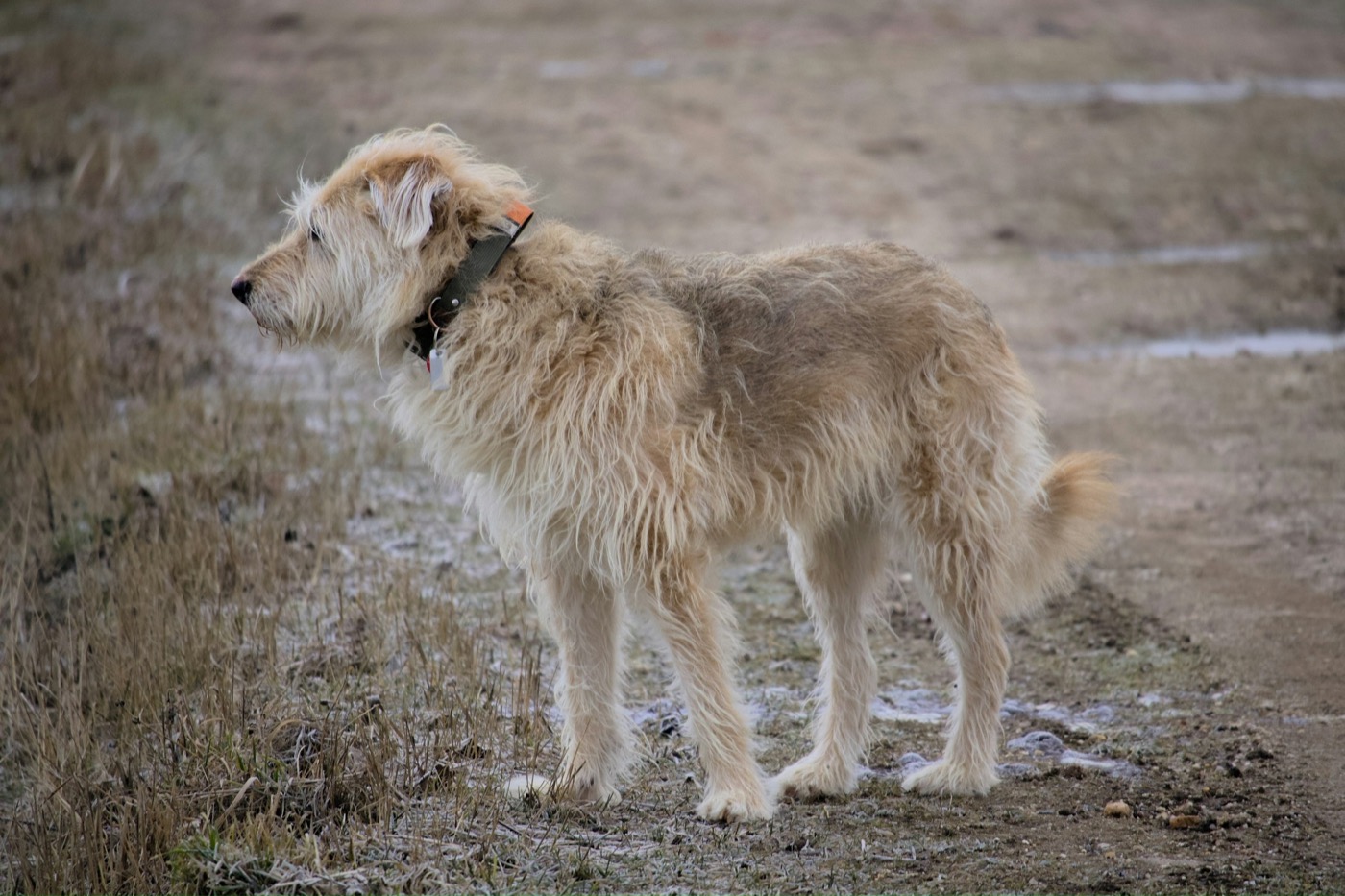
Sherwood Schwartz, who created The Brady Bunch, learned the truth about Tiger in the worst way. A dog turned up on set who wasn’t Tiger, and Schwartz later wrote that the trainer finally admitted it:
“That’s not Tiger. Tiger was home, and he got out. He was hit by a car and killed.”
It didn’t get easier. The stand-in they brought in from the pound ran off the set.
One thing to know if you go looking: IMDb credits a dog named Tiger as Blood in A Boy and His Dog (1975). That can’t be the Brady dog, who died while the show was still running. The Tiger you remember from the Brady yard never got a second act.
#3 Spuds MacKenzie, the party-animal mascot
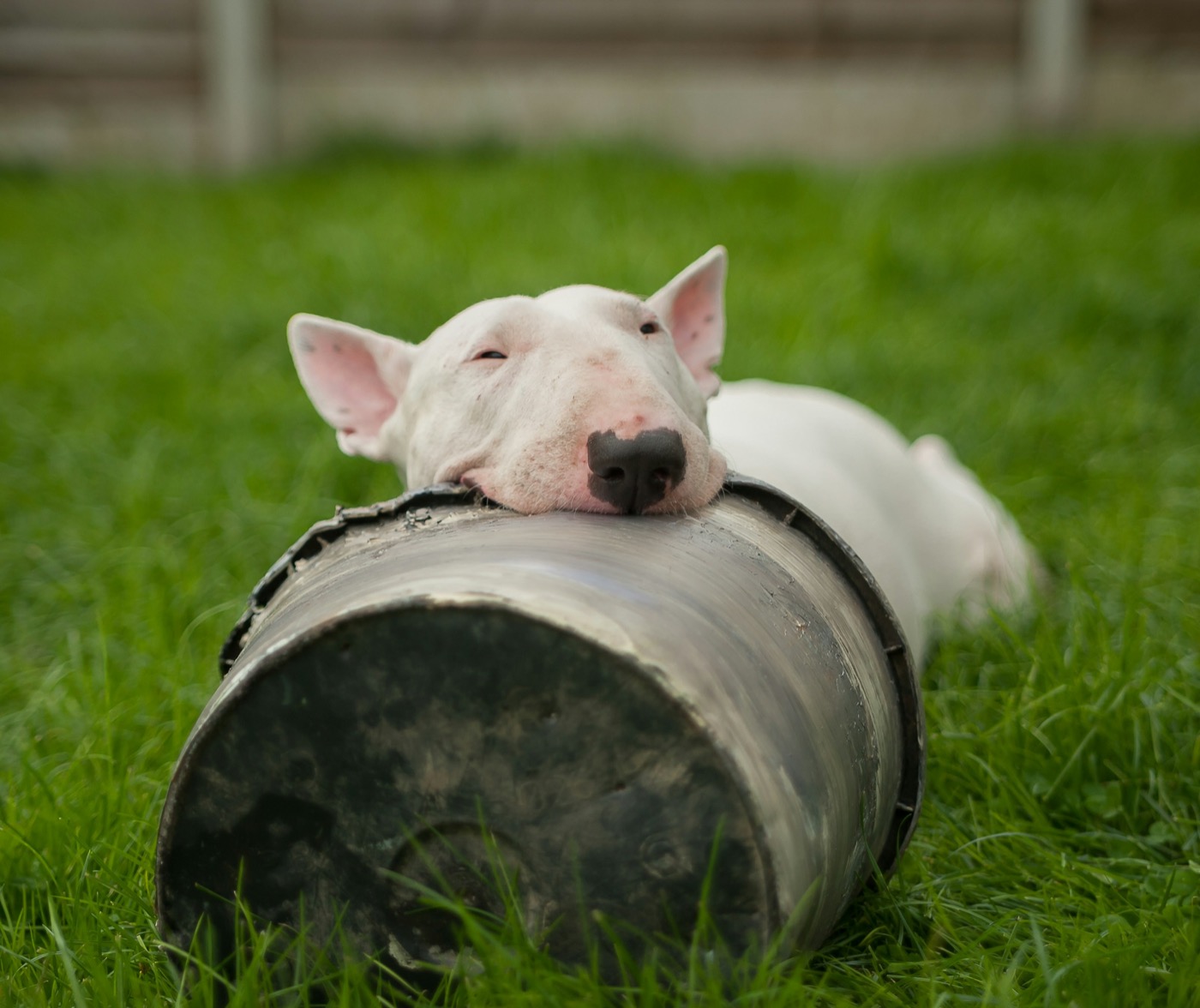
Spuds MacKenzie, the original party animal, was a girl. Her registered name was Honey Tree Evil Eye, she went by Evie, and she was a Bull Terrier from North Riverside, Illinois.
She debuted in a Bud Light ad during the 1987 Super Bowl. Then groups including Mothers Against Drunk Driving objected that the ads appealed to children, and the campaign ended in 1989.
Evie died of kidney failure in 1993 at 10.
Bull Terriers had a screen career long before the beer ads. In Oliver! (1968), the villain’s dog Bull’s-eye was played by Butch, a Bull Terrier who was simply the Sharville family’s pet. Cindy Sharville later ran an animal-training company of her own.
Today the Bull Terrier ranks 86th. If you walk one, sooner or later someone will call out “Spuds!” and mean it as a compliment.
#2 Old Yeller dying on screen
Disney released Old Yeller on Christmas Day, 1957. Merry Christmas.
“The first movie I watched was Old Yeller, about a dog. I cried, I cried, I cried. And I loved it.” Jean Lange, born in 1952 in St. Louis, to Yale’s Movie Memory Project
Beverly Washburn, who was a child actor in the film, says the tears never fully stopped for some viewers: “grown men approach me at conventions and tell me how they can’t watch that film anymore because it destroyed them!”
About the dog himself, she’s warmer: “His name was Spike and he was a rescue who was taken out of a shelter… He was really easy to work with.”
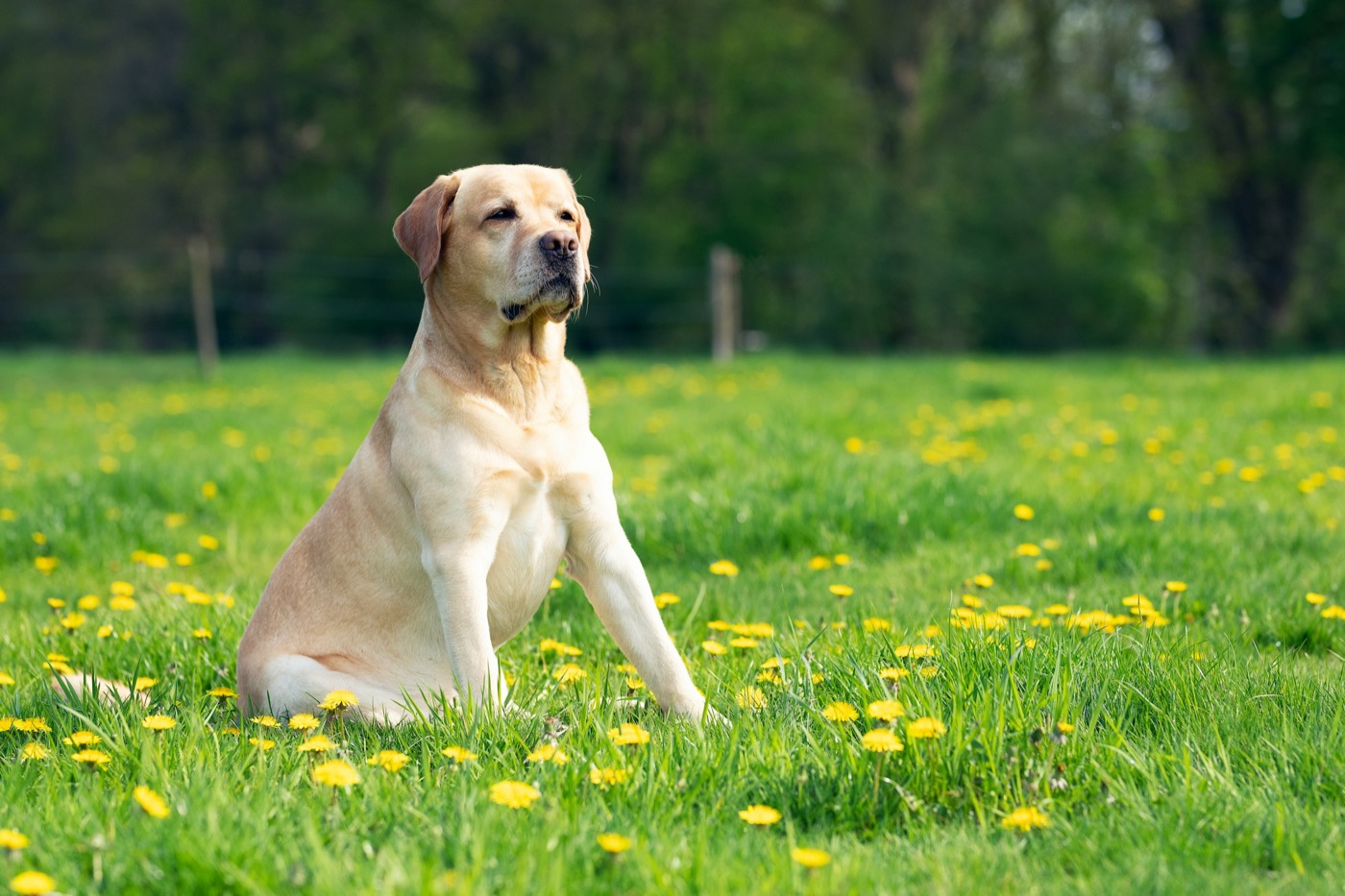
Spike was a Labrador Retriever and Mastiff cross. Trainer Frank Weatherwax got him as a puppy from a shelter in Van Nuys, California. Frank’s brother Rudd trained Pal, the first Lassie, so the dog who broke your heart and the dog who always made it home came out of the same family of trainers.
In Fred Gipson’s novel, Yeller is a Black Mouth Cur. On screen he was a shelter cross with no papers, so no breed ranking will ever list him.
And the ending you cried over never happened to him. Spike went on to play Patrasche in A Dog of Flanders and Pete in The Silent Call, and he lived until 1971, about 14 years after the scene that wrecked a whole generation.
#1 Benji, the shelter dog turned star
Every Hollywood studio said no. So Joe Camp, the filmmaker who had raised about $500,000 to make Benji, set up his own company, Mulberry Square Releasing, just to get it into theaters.
Then the money came in. Box Office Mojo puts the film’s US gross at $39,552,000:
Nearly 80 times what Camp raised to make it
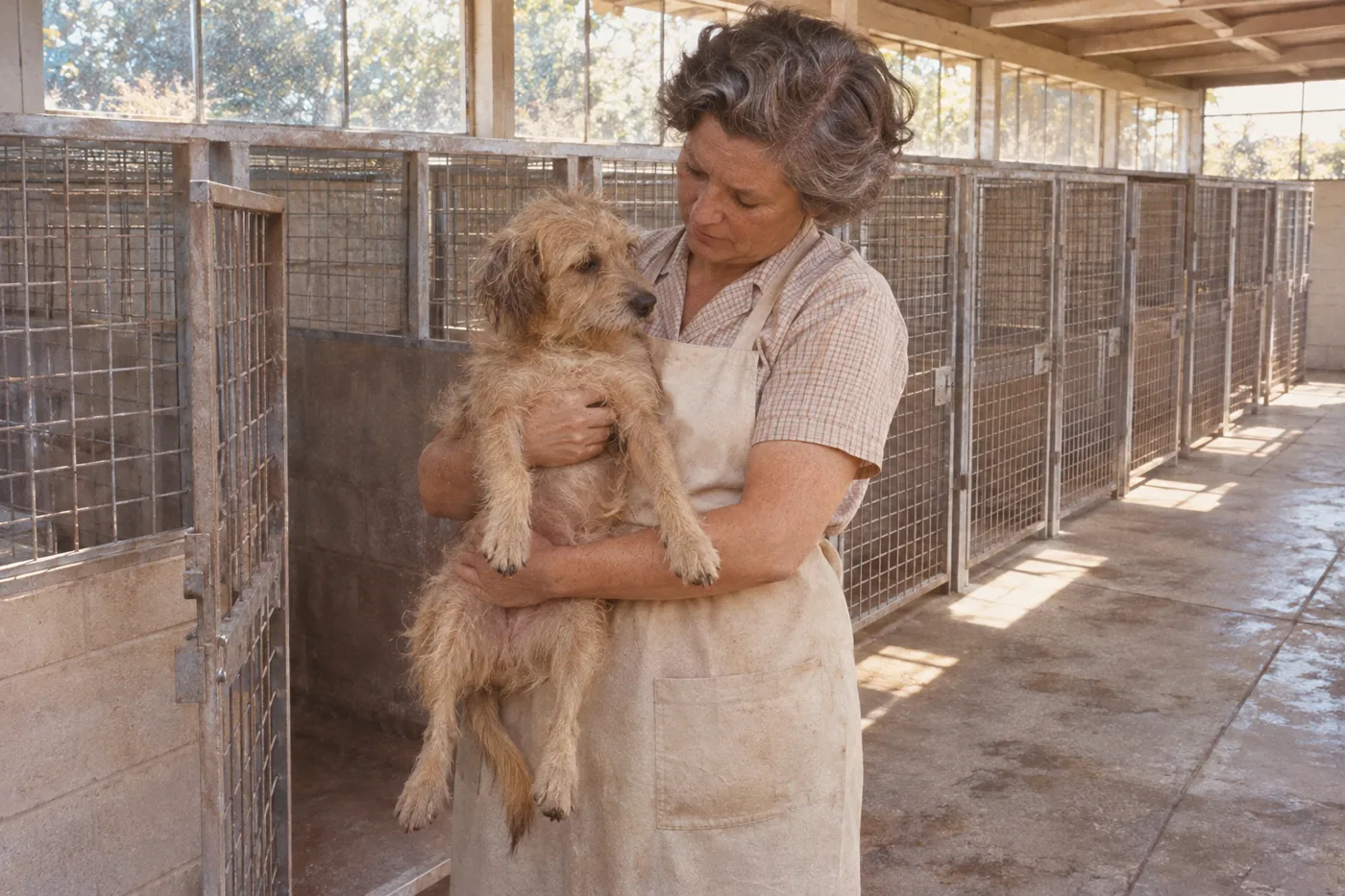
The star had been rescued from a shelter. Trainer Frank Inn adopted him from the Burbank Animal Shelter and believed he was a mixed breed of Miniature Poodle, Cocker Spaniel and Schnauzer. His name was Higgins, and you may have known him first as the family dog on Petticoat Junction.
By 1974 Higgins was retired. He came back for Benji at an age usually given as 14. He died on November 11, 1975, and his daughter Benjean starred in For the Love of Benji in 1977.
He’s still the first name people reach for. In a Reddit thread of 179 comments asking for a famous movie dog, Benji topped the upvotes with 24, ahead of Lassie, Scooby and Underdog at 13 each.
He’ll never have a breed rank. The AKC counts registered purebreds only, so one of the most influential classic movie dogs doesn’t have a line on the table.
More stars no breed table can count
- Johnny, a mixed breed from the Burbank pound, played Boomer on NBC’s Here’s Boomer from 1980 to 1982 and reportedly earned $3,500 a week.
- Swampy, who played Sounder in 1972, is listed as a Redbone Coonhound and Bulldog mix.
- Spike, the Labrador and Mastiff cross who played Old Yeller, came out of a Van Nuys shelter.
If your dog came from a shelter and nobody can name the mix, you have exactly the same paperwork as Benji: none at all.
Keep reading
 23 Famous Cartoon and Comic Dogs and the Real Breeds Behind ThemSee all 23 →
More you’ll enjoy
 20 Prices That Show What a Dog Cost in 1970 vs. Today
 25 Subtle Signs of Dog Stress Most Owners Walk Right Past
 17 Dog Breeds That Bite the Most, Including a Lap Dog That Out-Bites German Shepherds
Explore more
The bottom line
Hollywood never cast a dog for its papers. Pal got Lassie because he swam the flood scene. Rin Tin Tin IV lost his own show to a double because he didn’t come across on camera. A Burbank pound dog got Columbo’s job.
That’s a useful way to look at the dog in your house, whatever the AKC table says about its breed. A trainer would ask one question: what will this dog do, happily, on the fortieth take?
So what would yours nail? The Beagle who’d steal the scene, the Shepherd who’d hit the mark every time, or the shelter mix who’d do it once, perfectly, and then lie down for the rest of the day?
Bonus: Four ways to bring a little screen magic home
If you adopt a dog the shelter already named, think about keeping it. One shelter adopter on Reddit’s r/dogpictures explained why they did: “The shelter gave him his name, and I didn’t change it since I figured he had enough to learn.”
Teach your dog the name of one toy. John Pilley, a retired psychology professor, taught his Border Collie, Chaser, the names of 1,022 toys, and told 60 Minutes, “My best metaphor is this is a two-year-old toddler.” Brian Hare, an evolutionary anthropologist at Duke University, points out that Chaser was picked at random from her litter, and what made the difference was the time spent playing learning games. Pilley put in up to five hours a day, so don’t expect 1,022. One toy is a fine start.
Look up the old movie your breed starred in on the AFI Catalog, which keeps production notes and trainer credits. Annie’s entry is where Bingo the Otterhound’s casting is recorded.
Put on an old dog movie and watch your dog instead of the screen. Owners on TikTok disagree about whether dogs watch TV at all: some say their dogs ignore dog videos, while one says, “My dog watches everything – I mean dancing with the stars, the doghouse, and gets right into it.”
Questions people also ask
Was Lassie played by a male dog?
Yes, every Lassie was played by a male dog. The first was Pal, a male Rough Collie who took over the role in 1943, and his male descendants played her for the whole TV run from 1954 to 1973. (Pal’s history)
What breed was Benji?
Benji was a mixed breed. The original, Higgins, was adopted from the Burbank Animal Shelter, and his trainer, Frank Inn, believed he was part Miniature Poodle, Cocker Spaniel and Schnauzer. There’s no breed record for him, which is normal for a shelter dog. (Higgins)
Who is the most famous dog in movies?
No official ranking settles who the most famous dog in movies is. Lassie has the longest screen record, with Pal and his descendants playing her from 1943 through a TV series that ran until 1973. Benji is a strong rival: his first film grossed about $39.6 million in the US, by Box Office Mojo’s count. (Pal’s history)
Were Lassie, Old Yeller, Toto and Benji all trained by the same person?
No, at least three separate trainers were involved. Rudd Weatherwax trained Pal, who played Lassie, and his brother Frank trained Spike, who played Old Yeller. Carl Spitz, who wasn’t a Weatherwax, trained Terry, who played Toto. Frank Inn trained Benji’s Higgins after working as a Weatherwax assistant and going independent in the early 1950s. (Frank Inn)
Is my dog’s breed still popular today?
It depends on the breed, and the AKC’s 2025 rankings, which rank 202 registered purebred breeds by the past year’s registrations, will tell you. Golden Retrievers (3rd), German Shepherds (4th) and Beagles (7th) are still near the top, while Briards (172nd) and Otterhounds (189th) are rare. Mixed breeds aren’t counted, so a shelter mix won’t appear at all.
Are Lassie’s and Rin Tin Tin’s bloodlines still alive today?
Both have lines on record that claim descent from the original dogs. A Texas family has kept a line descended from Lee Duncan’s dogs, with Dorothy Yanchak later owning Rin Tin Tin XII, though some later Rin Tin Tins were probably only distantly related. (Rin Tin Tin) Carol Riggins owns and trains a 10th-generation descendant of Pal as the official Lassie. (Pal’s history)


