From a $3,000-to-$6,000 emergency stomach surgery at one New Jersey clinic to a landlord’s 40-to-50-pound limit, here’s what each tough-looking softie really asks of you.
The dog at #1 is the one most people picture when they hear “gentle giant,” and one trainer thinks its fame adds to the risk.
The man with the stroller sees you coming and crosses to the other side of the street. He does it smoothly, like he’d planned to all along.
Your dog doesn’t notice. He’s busy sneezing at a dandelion.
You know what the man saw: the big head, the deep chest, the jowls. You also know this dog once met a robot vacuum and spent the afternoon in the bathtub. Owners of gentle giant dog breeds know this walk by heart.
We looked up the 2025 AKC rank for every registered breed below. Eight of them sit in the top 25 of the 202 breeds the AKC ranks by registrations, so there’s a fair chance yours is here.
Table of Contents
#24 American Staffordshire Terrier and the pit-bull question
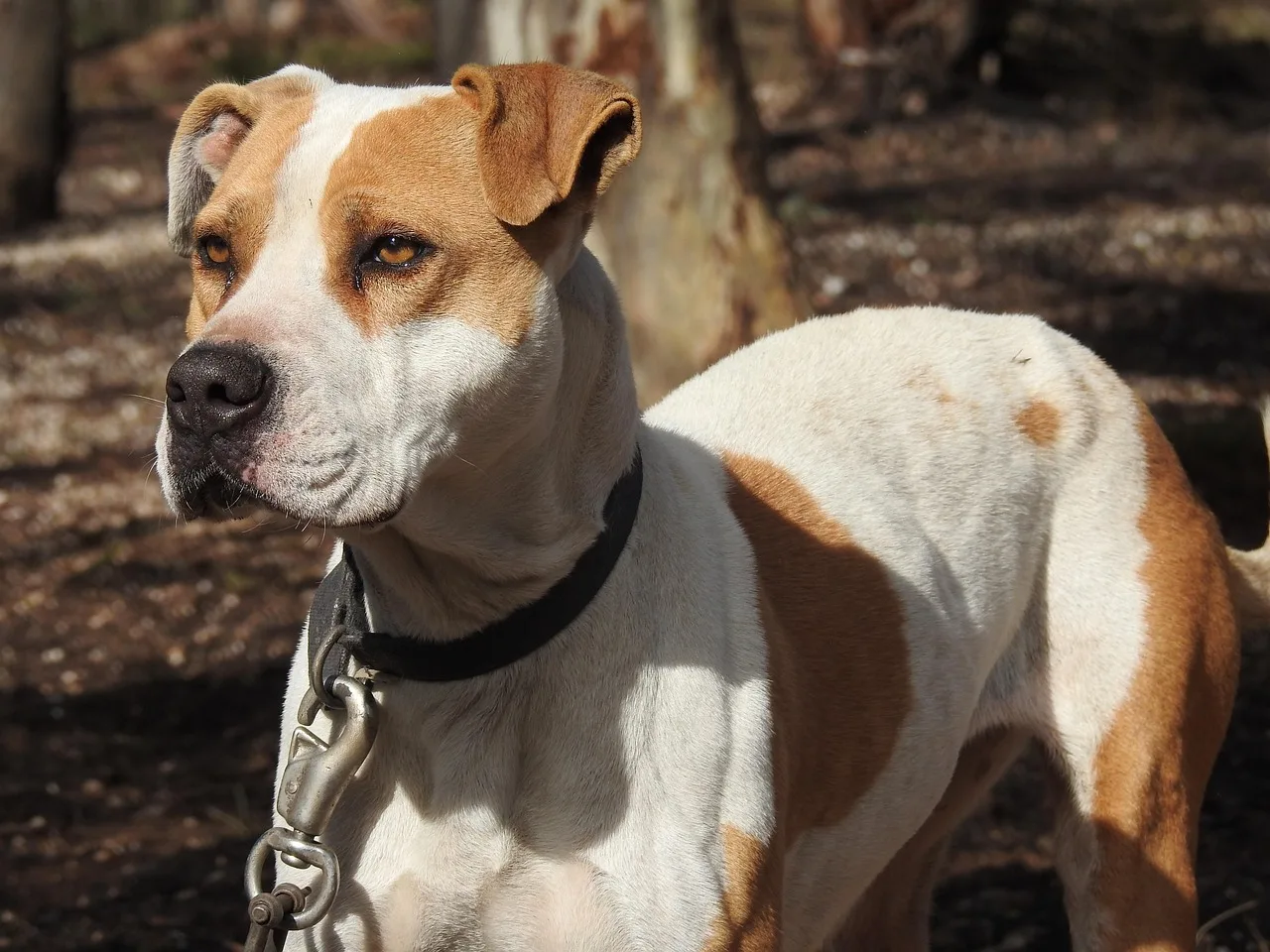
“Is that a pit bull?”
If you walk an American Staffordshire Terrier, you’ve heard it at the pet store, the vet’s counter and the gas pump, usually before anybody says hello.
The breed is older and smaller than its reputation. The AKC recognized it in 1936 as the Staffordshire Terrier and gave it the American name in 1969. Males weigh about 50 to 80 pounds, light next to the giants coming up. It’s the wide head and the muscled chest that do the talking.
That look comes with paperwork. About 550 US jurisdictions have some form of breed-specific law, meaning rules aimed at a type of dog instead of at anything a dog has done. Some are fading. Denver voters repealed the city’s pit bull ban in 2020, and Miami-Dade’s ended under a 2023 Florida law.
Vets and the CDC both note that “visual breed identification can be inaccurate.” In plain terms, whoever decides what your dog is may be guessing.
Shelters feel it hardest. A Canisius College study of about 16,700 dogs at two Pacific Northwest shelters found bully breeds waited far longer for homes. Researcher Christy Hoffman put it plainly: “When these dogs were adopted, their shelter stays were two-and-a-half to three times longer than average.”
If you’re moving or renting with one, check the city or county rules before you sign anything.
The look has been on screen a long time, too. Pete the Pup from Our Gang was an American Pit Bull Terrier. The ring around the second Pete’s eye was painted on with Max Factor makeup.
#23 Rottweiler that rolls over for belly rubs
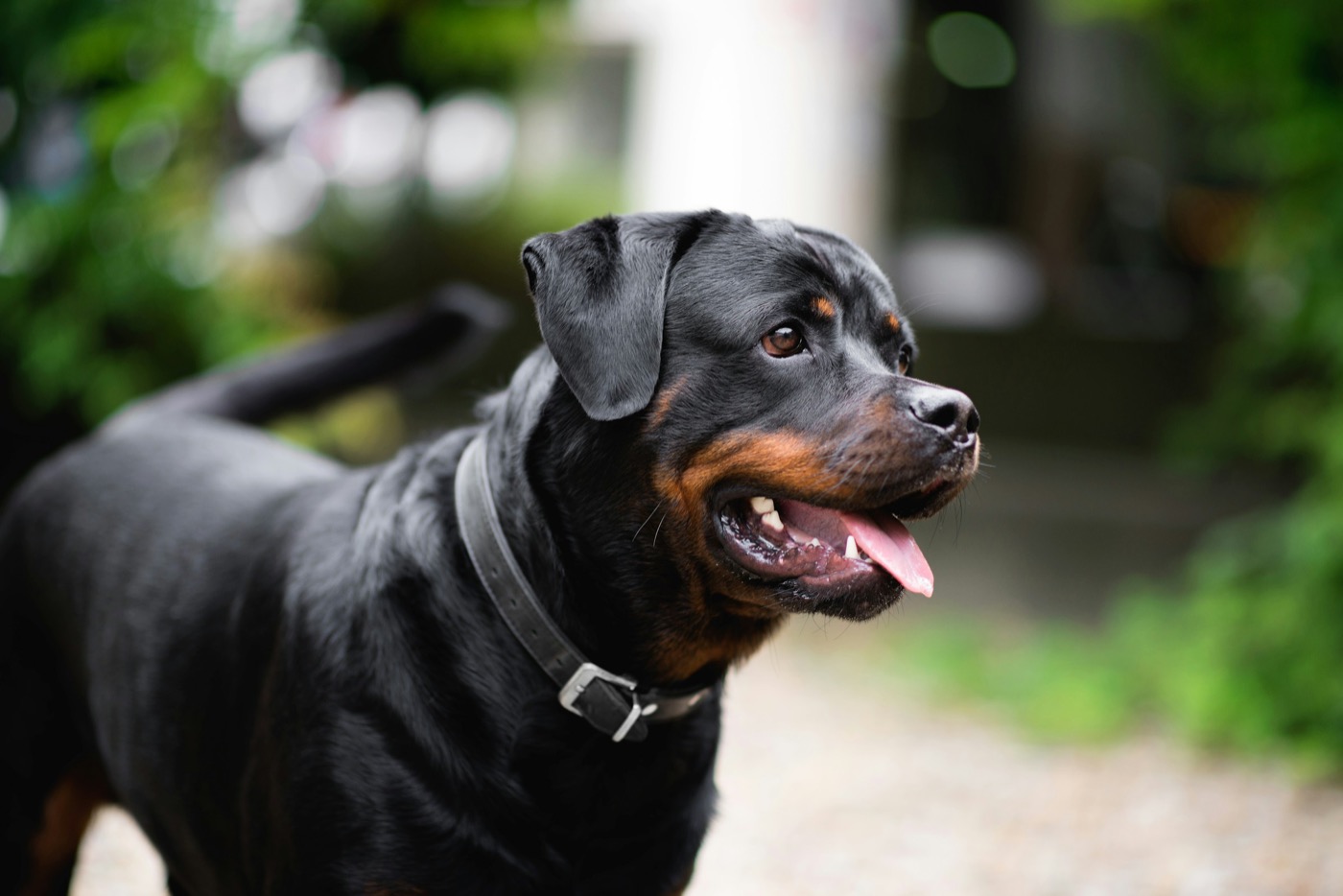
A former Rottweiler owner on Reddit’s r/DOG says people would cross the road at the sight of the dog, though she’d roll over for a belly rub at any opportunity.
If you’ve had one, you’ve watched the jogger suddenly need the other sidewalk. Meanwhile your dog is looking for anyone willing to scratch her chest.
Rottweilers run 80 to 135 pounds and live about 9 to 10 years. Hill’s, the pet food company, says many enjoy cuddling and calls them babies on the inside. There’s a condition, though: they make great family pets “with adequate socialization.” A Rottie who meets the world young is a different dog from one who didn’t.
Here’s the part the road-crossers never knew. In 1985, Alexandra Day published Good Dog, Carl, the first of her picture books about a Rottweiler who minds a little girl named Madeleine.
The books are almost wordless, and they’ve been used with Alzheimer’s patients. Turn the pages and it’s a big black-and-tan dog quietly keeping a small child out of trouble.
#22 Doberman that waits for your cue
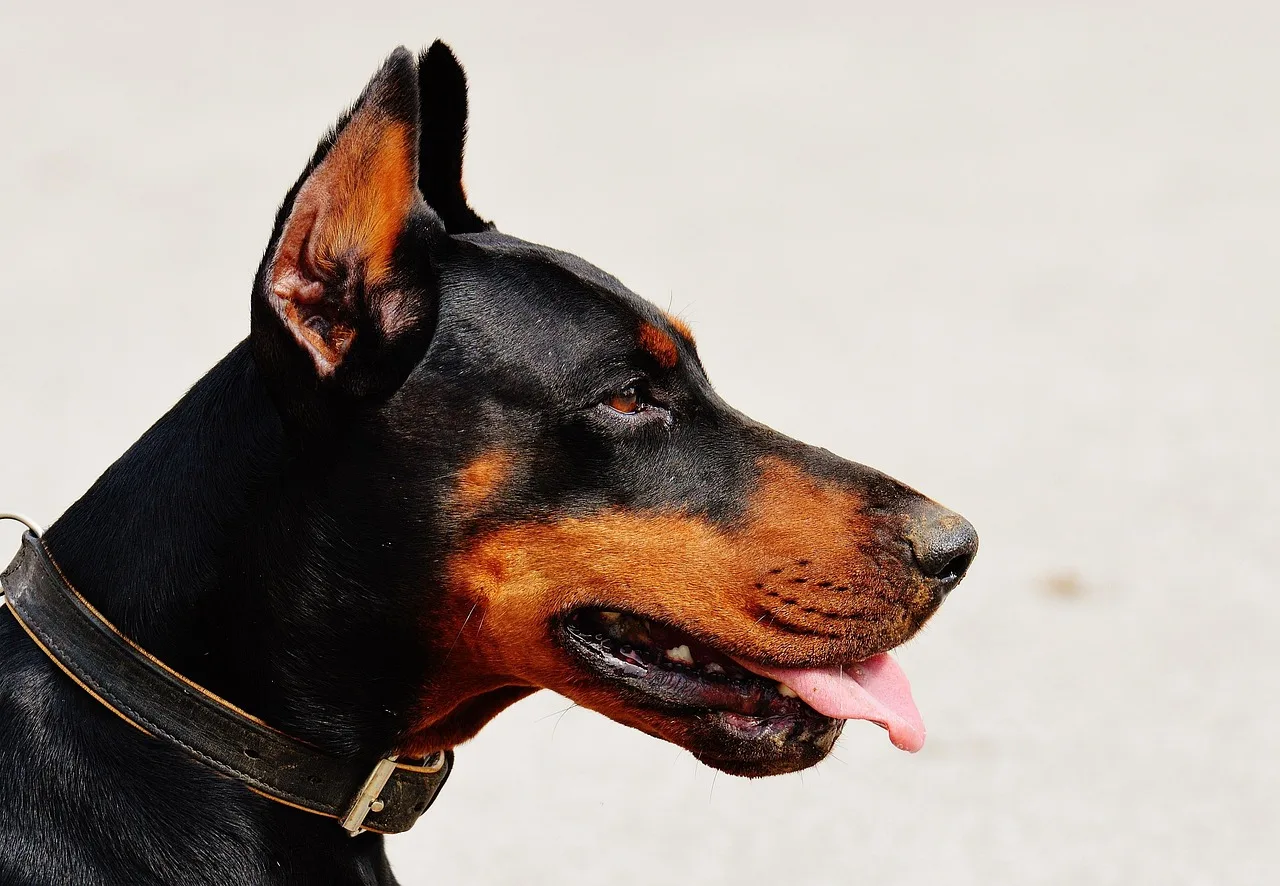
If you watched Magnum, P.I., Zeus and Apollo taught you what a Doberman was for: guarding the estate called Robin’s Nest and making Magnum’s life harder.
Here’s what the show didn’t explain. A friendly dog and a dog with good bite control are two different things. The ASPCA calls that control bite inhibition: “a dog’s ability to control the force of his mouthing.” Dogs that learn it are thought less likely to cause serious injury if fear or pain ever makes them bite. That’s true of any breed.
The on-camera trainer at Beckman’s Dog Training in Ramona, California, says he’s worked with a huge number of dogs, including many aggressive ones. He likes the big Doberman because it waits for its owner’s cue instead of acting on its own.
He rates the breed highly for both protection and bite inhibition.
So the soft side of a Doberman is restraint. It’s a dog that holds back until you say otherwise.
Know what you’re signing up for. Dobermans weigh 60 to 100 pounds, live about 10 to 12 years and are energetic, alert, and loyal, which means a long walk is a daily appointment. The same trainer is blunt about the whole group of intimidating breeds: they’re only for owners who are strong, mentally and physically.
#21 Boxer without the old cropped-ear scowl
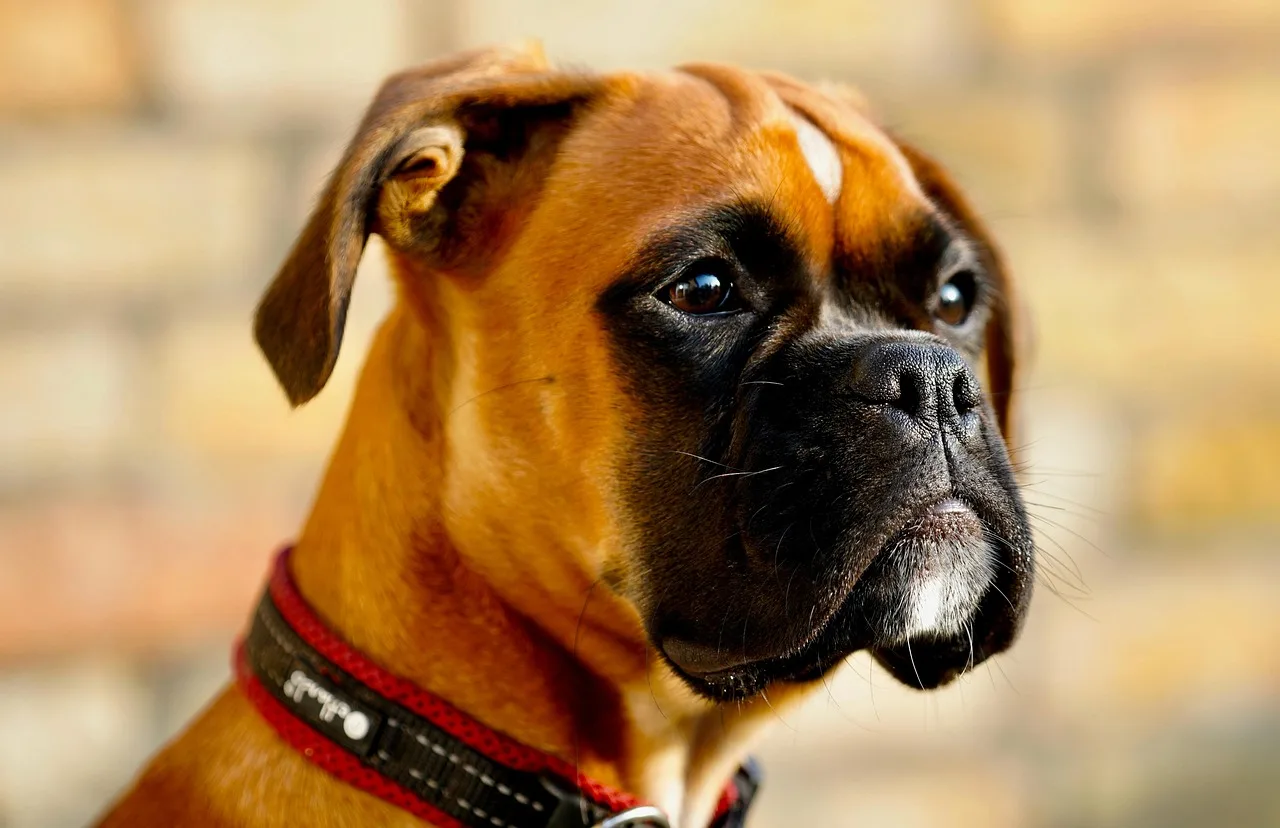
If your mental picture of a Boxer has ears trimmed to sharp points, that’s the old look, and it’s on its way out.
The current Boxer standard, approved in 2005, added a description of the natural ear. In its words, uncropped ears should be “thin, lying flat and close to the cheeks in repose, but falling forward with a definite crease when alert.” Many countries ban cropping, and the UK Kennel Club doesn’t recognize cropped ears at all.
Same dog, very different face.
The standard is honest about temperament too. It calls the Boxer “patient and stoical with children” and “deliberate and wary with strangers.” Patient with children, sizing up the man at the door: if you’ve lived with one, that pairing sounds right.
They’re bright, energetic, and playful, and a UK figure from 2024 puts their lifespan at about 11.3 years. Picture the crease in that floppy ear when the doorbell rings.
#20 Saint Bernard a toddler calls a bear
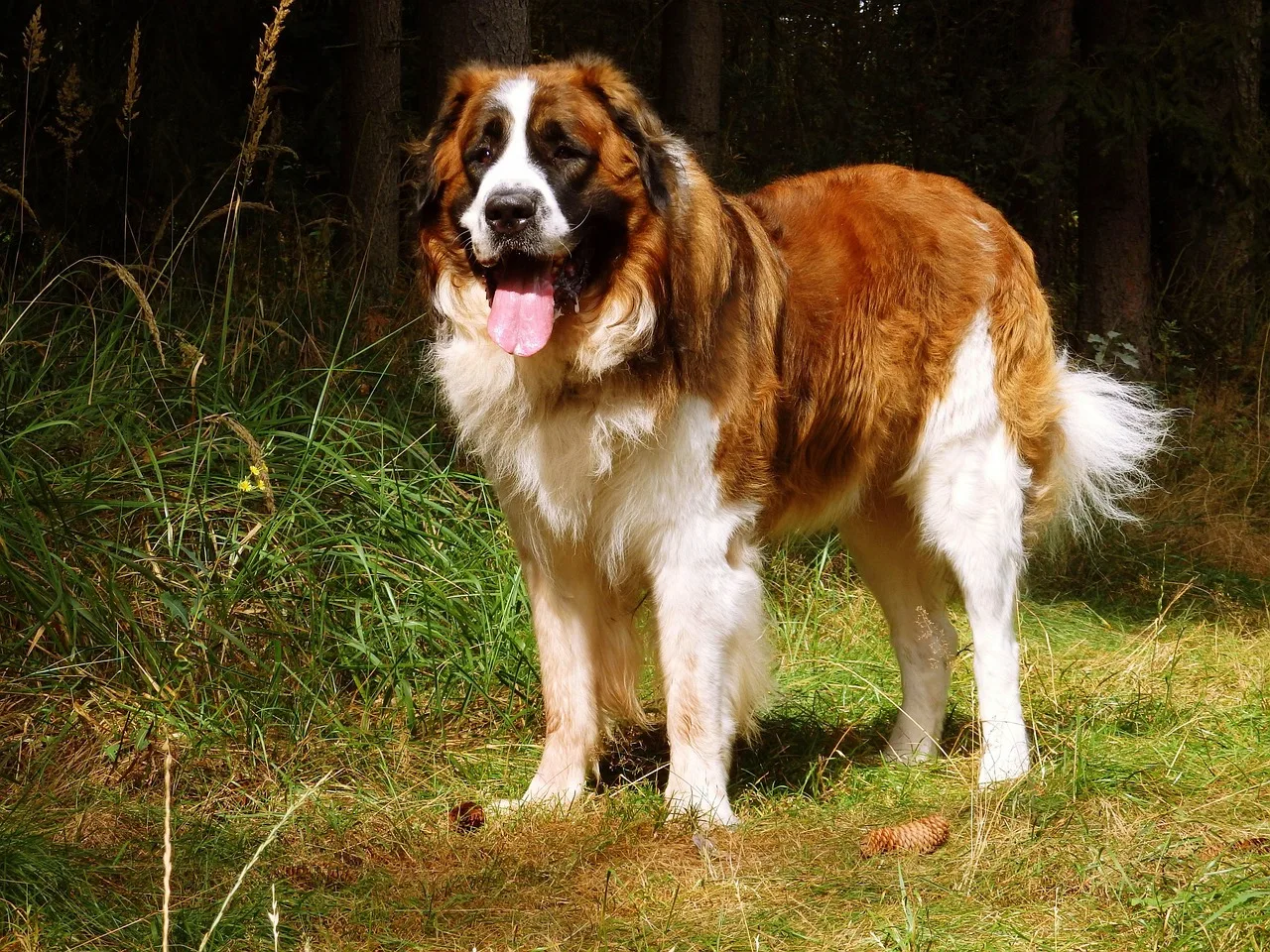
If a small child has ever pointed at your Saint and whispered “bear,” you know this dog has heard worse. The bigger misunderstanding is the one around its neck.
| What the picture says | What the record says |
|---|---|
| A little brandy barrel on the collar | Invented by painter Edwin Landseer for an 1820 painting |
| A warming drink for frozen travelers | The monks knew alcohol endangered hypothermia victims |
| A legendary rescue dog | Barry, who worked at the monks’ mountain hospice from 1800 to 1814, is credited with at least 40 lives |
| Beethoven, the cuddly 1992 movie pup | The film dog weighed nearly 200 pounds as an adult |
So the barrel is fiction. The rescues were real.
Today’s Saints weigh 120 to 180 pounds and live about 8 to 10 years. Hill’s calls them “sweet, sometimes comical” and says they can warm up to strangers quickly. It also rates their drool 5 out of 5, which every Saint owner’s pant leg can confirm.
The one caution is size. With small children around, Hill’s recommends supervision because “accidents happen.” That’s no knock on the dog. A happy tail at toddler height is a weapon.
#19 Newfoundland, gentle right out of the box
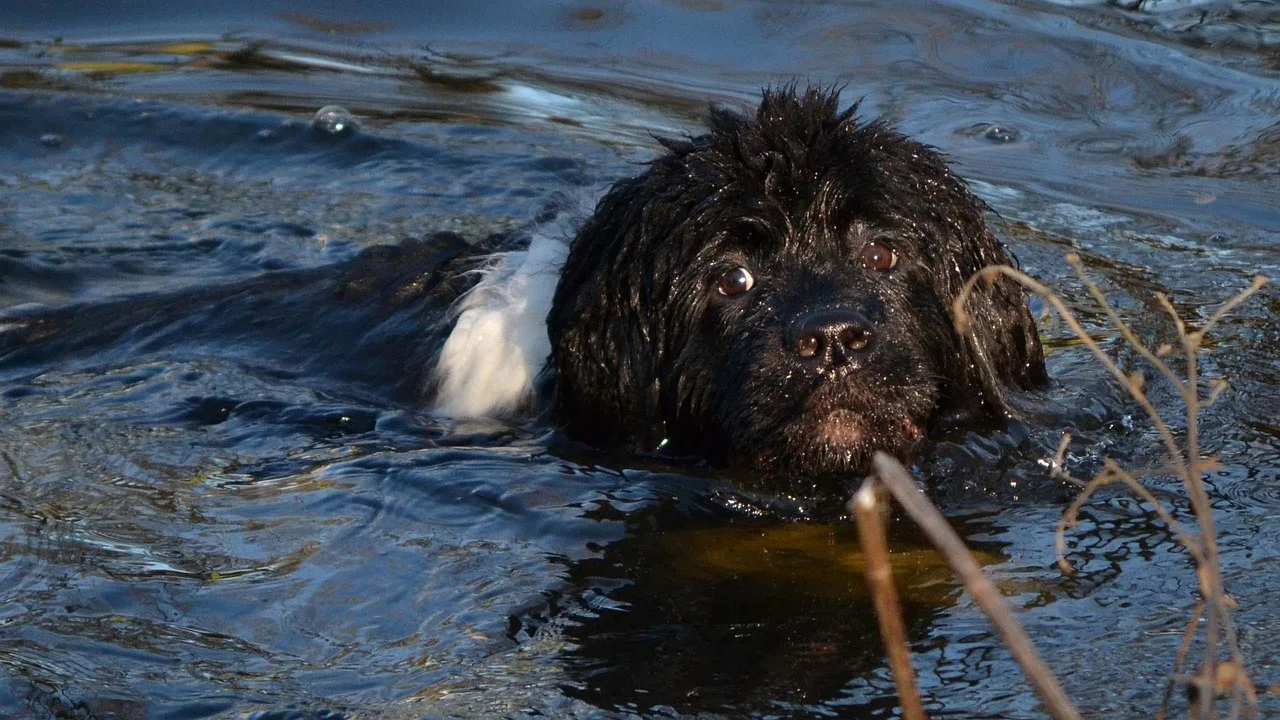
The Newfoundland Club of America sums up its breed in one sentence: “Sweetness of temperament is the hallmark of the Newfoundland; this is the most important single characteristic of the breed.”
The club puts niceness first, ahead of size, coat or anything else.
And the gentleness comes with a job. The AKC calls the breed renowned as a lifesaving dog in water, “capable of pulling drowning victims to shore.” Males average 28 inches and 130 to 150 pounds, so that’s a lot of dog swimming toward you.
Two bits of history, if you like a dog with a résumé:
- A Newfoundland named Seaman traveled with Lewis and Clark from 1804 to 1806.
- Nana, the dog who’s the children’s nurse in Peter Pan, was inspired by J.M. Barrie’s own Newfoundland, Luath.
A 2024 UK study put their life expectancy at 11 years. As for the downside, the AKC’s advice is delivered with a straight face: “This breed drools quite a lot, so keep a drool rag at the ready.”
#18 English Mastiff, drool and giant poops
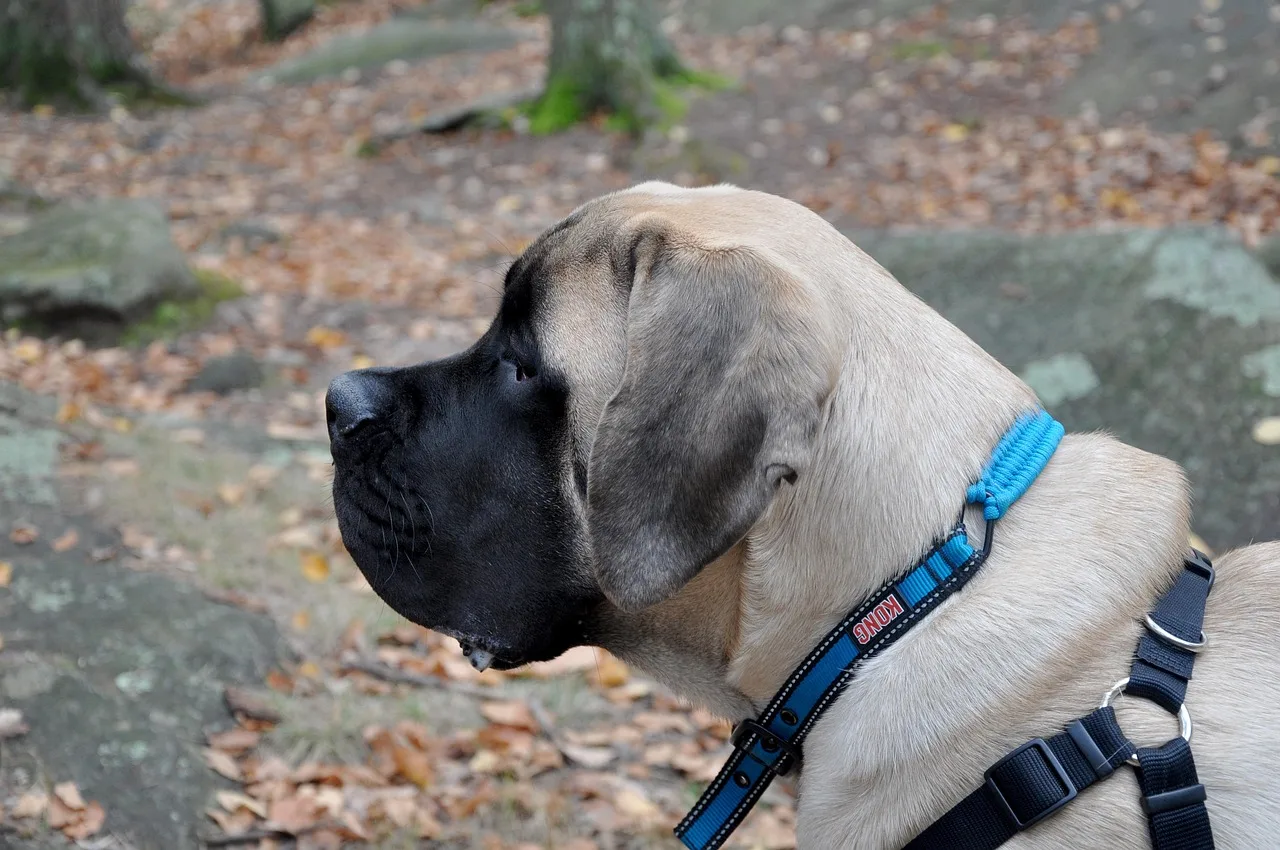
The heaviest dog on record was a Mastiff, and the breed is one of the easiest to live with indoors.
Guinness lists an Old English Mastiff named Zorba as the heaviest and longest dog ever: 343 pounds and 8.3 feet long in 1989. Guinness has since stopped tracking the record over animal welfare concerns, so nobody’s breeding to beat him.
Your Mastiff probably isn’t Zorba. But it’s calm indoors in a way that surprises people. Hill’s says the breed needs less than 30 minutes of exercise a day, and that Mastiffs “drool heavily and snore loudly.” Expect a low-energy roommate who sounds like a leaf blower at night.
Garret Wing, a former police K9 handler who founded American Standard Dog Training, calls the breed very even-keeled and sums up the cons in one line:
“I think the only thing you got to watch out for is drool and the giant poops.” Garret Wing, American Standard Dog Training
He’s not wrong about the yard.
Two honest notes. Hill’s says the breed “is not recommended for toddlers because of its great size,” and the median Mastiff in a big UK study lived 9.0 years.
If you saw The Sandlot, you’ve already met one. The Beast was played mainly by an English Mastiff named Gunner.
#17 Bernese Mountain Dog’s too-short life
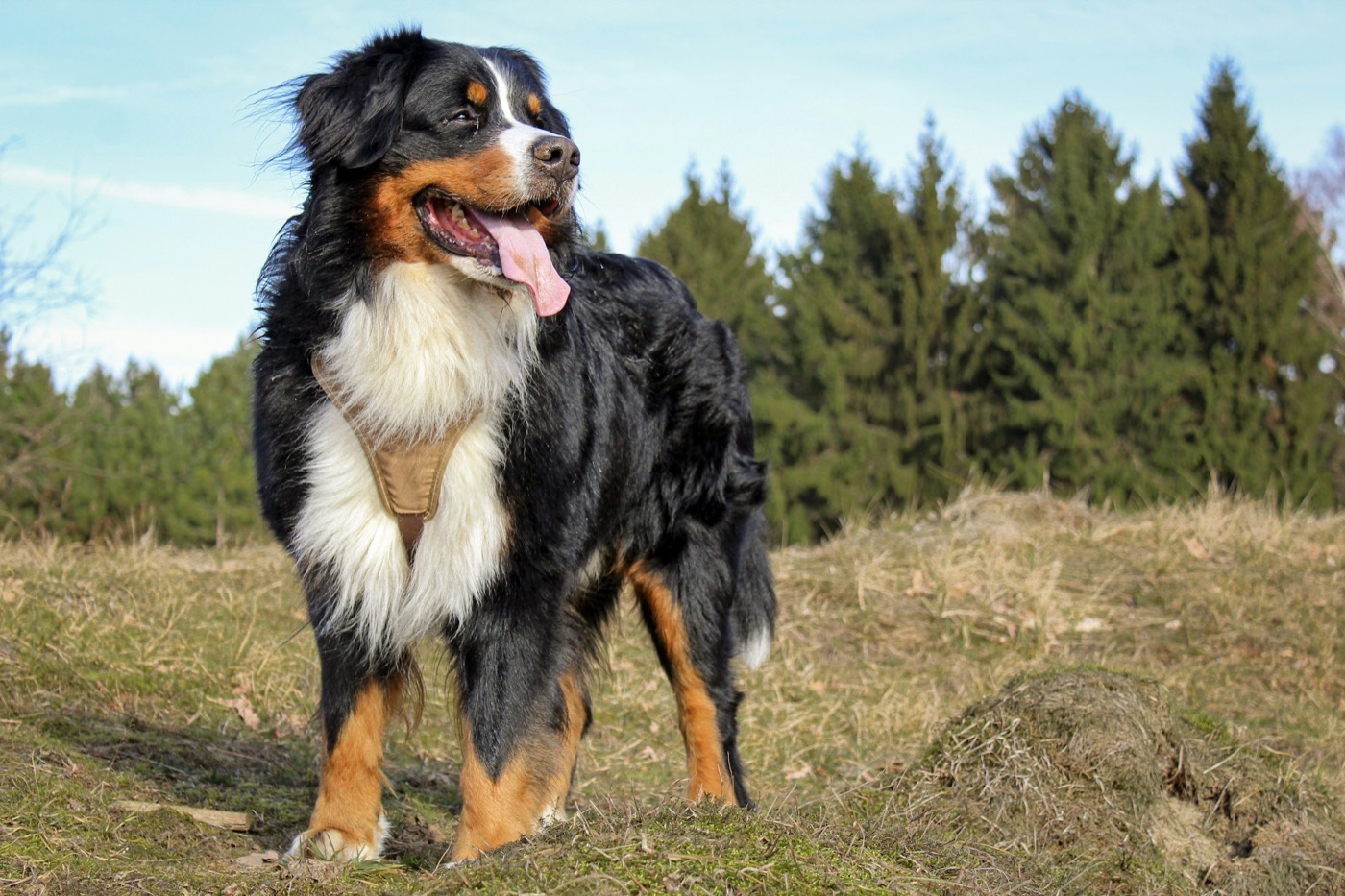
How many years will you get with a Berner? Fewer than most people expect.
The Heart of Michigan Bernese Mountain Dog Club is upfront about it: “While many are living into their teens, the statistical average lifespan is 7-8 years.” The same club calls the breed “a gentle giant with a nice disposition… great with children.” Both are true at once, and that’s the heartbreak of it.
A Swiss study of 389 Bernese born in 2001 to 2002, using later owner and vet questionnaires, found a median life expectancy of 8.4 years. Cancer caused nearly six in ten deaths.
One detail could change your choice: females lived a median of 8.8 years, males 7.7. Those were Swiss club dogs, but the pattern is worth knowing if you’re picking a puppy.
Berners rank 20th in AKC registrations, so plenty of people have learned this the hard way.
 You might also like13 Most Protective Dog Breeds (and Whether You Could Actually Handle One)
#16 English Bulldog, scowl outside, couch potato inside

That underbite and those wrinkles say “back off.” The dog behind them would prefer you sat down so it could lean on you and wheeze.
The Bulldog is America’s mascot dog. Yale’s Handsome Dan, from 1889, is the oldest live mascot in college football, and about 40 Division I schools have bulldog mascots. UC Davis researcher Dr. Niels Pedersen, quoted in the same ESPN story, says the breed has “been bred into a corner.”
Here’s what that face costs in summer. In a study of more than 900,000 UK dogs under vet care, Bulldogs had almost 14 times the odds of heatstroke of Labradors. On a hot afternoon, he’s the one who stays inside with the fan.
The couch potato part is the good news. The median UK Bulldog lived 9.8 years, and most of that time is spent horizontal.
#15 Bullmastiff, the poacher-stopper gone docile
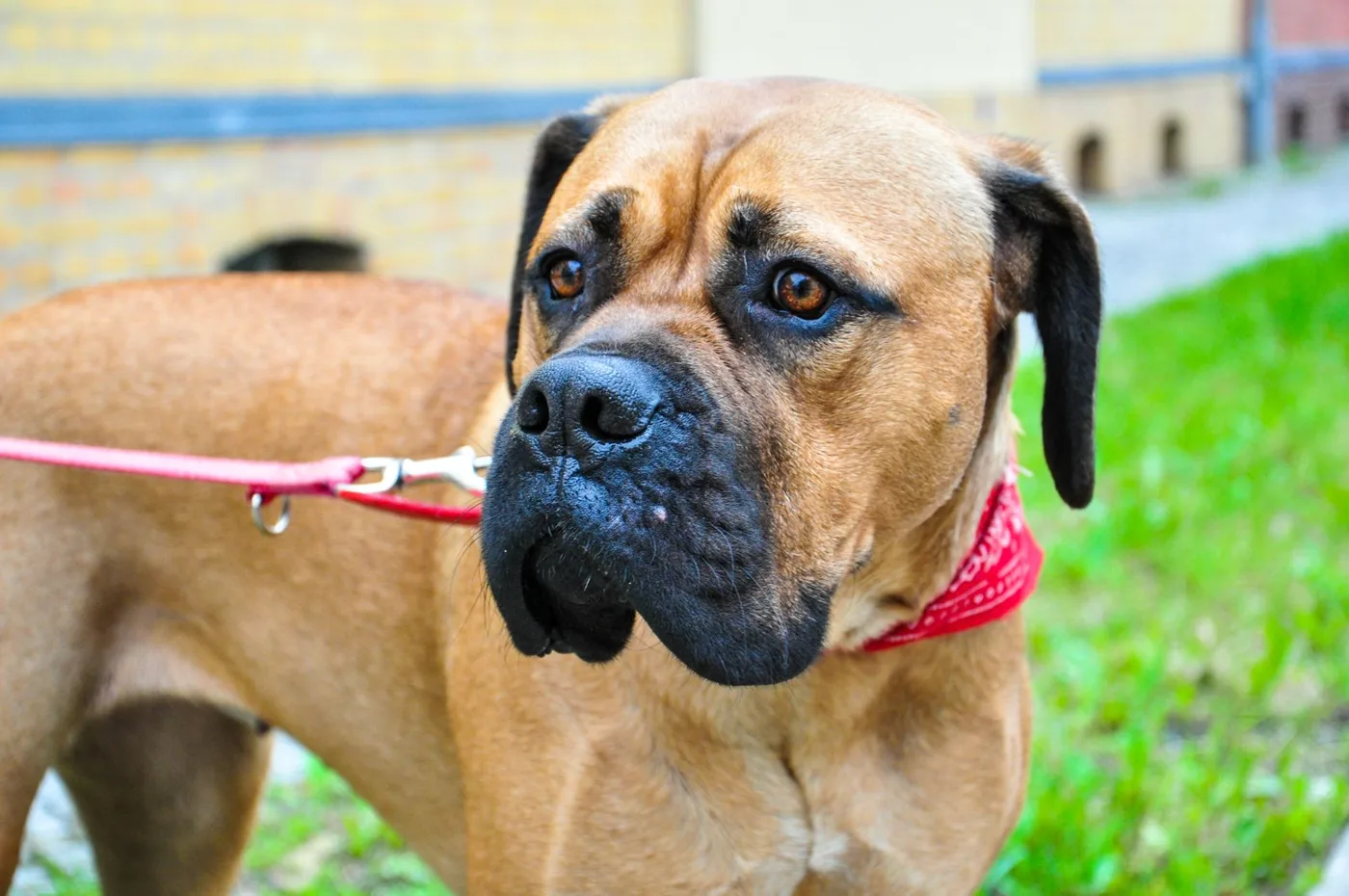
The Bullmastiff had one of the strangest jobs in dog history.
English gamekeepers bred it, in the words of the American Bullmastiff Association, to “track a man in the forest at night; work quietly; and… knocking the man down and holding him there.” In other words, it was a silent dog bred to track a poacher at night, then charge, knock him down, and hold him until the gamekeeper arrived. That’s the scary part.
The same club describes today’s dog as “Fearless and confident yet docile.” Males weigh 110 to 130 pounds, females 100 to 120, and they live about 8 to 10 years. If yours flops over against your shins every time you stop walking, you’re seeing the docile part at full weight.
Then the club does something rare. It shouts its warning in capital letters: “THE BULLMASTIFF IS NOT THE BREED FOR EVERYONE.”
#14 Alaskan Malamute that talks instead of barks
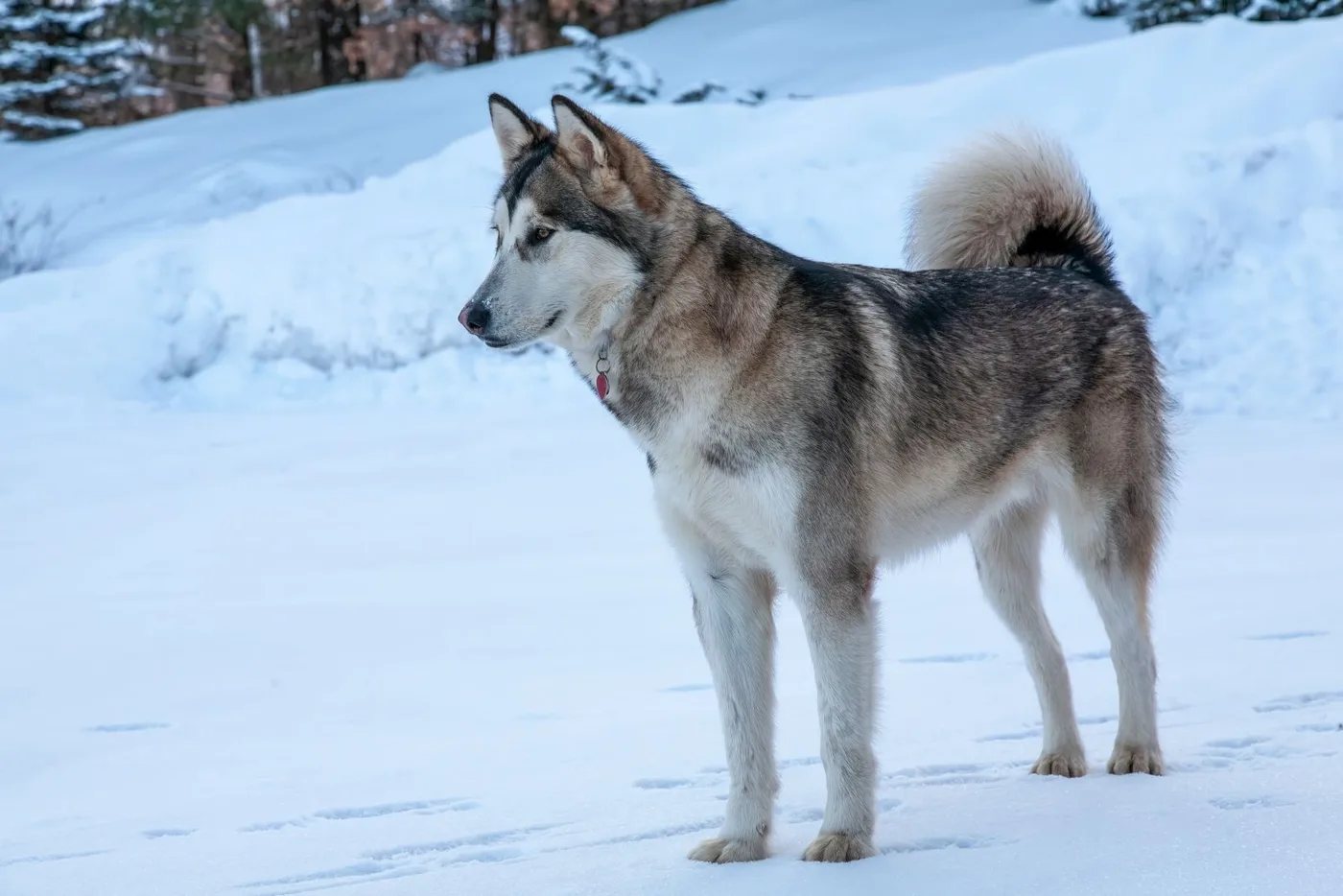
It looks like something that should be howling on a ridge. What comes out is closer to a complaint about dinner.
Malamutes are known for “talking”, with a signature woo-woo that, Hill’s says, “sounds more like conversation than barking.” If you’ve lived with one, you’ve had full arguments with it.
What owners should know runs deeper than the voice:
- They weigh 75 to 85 pounds and live 10 to 14 years.
- They need 60 to 90 minutes of exercise a day.
- They shed all year and blow their coat seasonally, so Hill’s says brush daily and expect “enough fluff to knit a second dog.”
- They have a strong instinct to pull.
That last one is the dealbreaker for some homes. The wolf face scares strangers. The pulling is what matters to you.
#13 Irish Wolfhound, tallest dog, short life
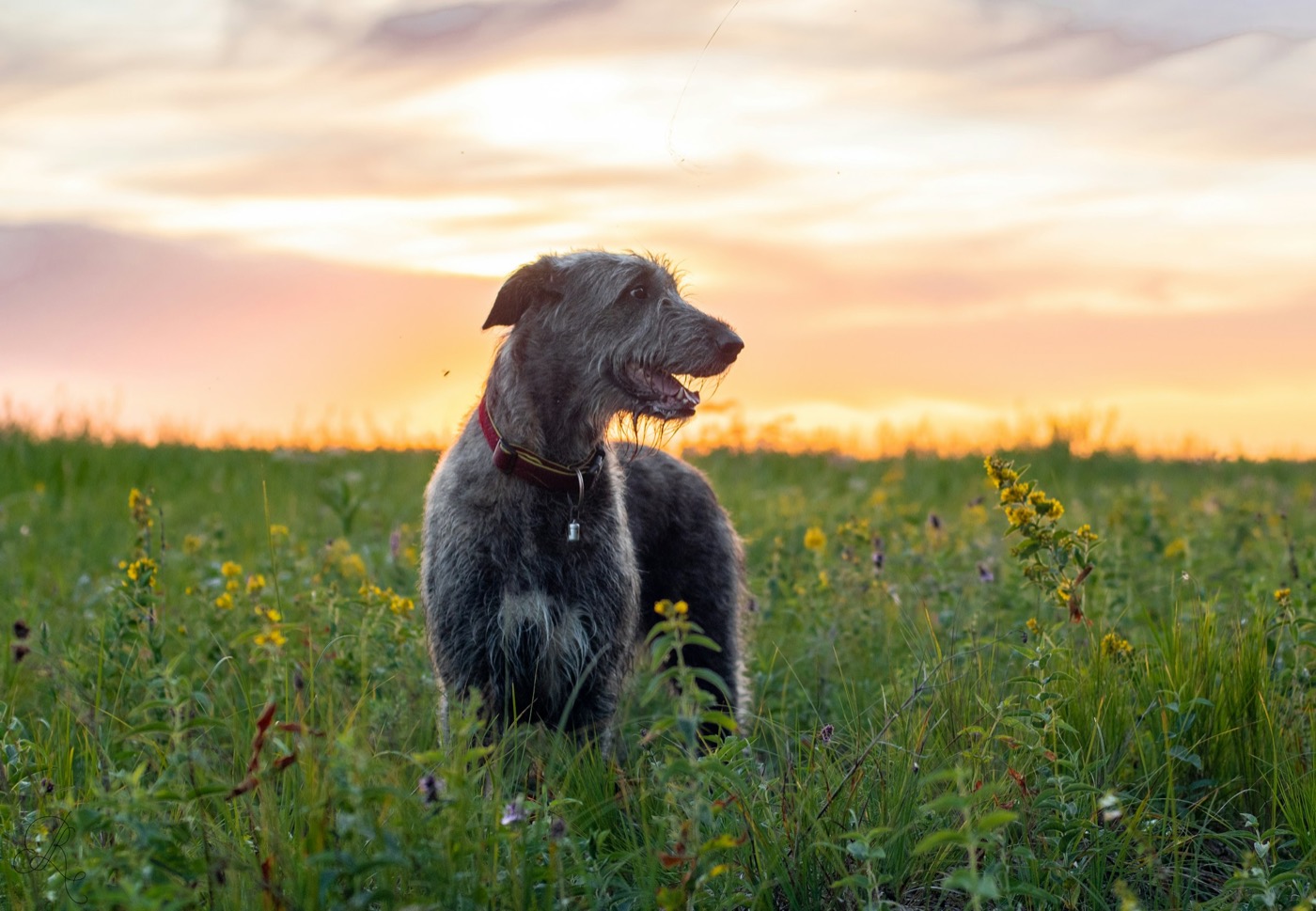
The Irish Wolfhound holds the height record, and its own club is frank about the rest.
| What the AKC says | What the breed club says | |
|---|---|---|
| Size | Tallest of all breeds; up to 7 feet on its hind legs | Larger vehicles needed |
| Temperament | “True gentle giant,” not suspicious of strangers | Unsuitable as a watchdog |
| Lifespan | Average of 6 to 8 years | |
| Costs | Medications run 2 to 3 times an average dog’s |
Sources: AKC, Irish Wolfhound Club of America
Look at the second row. The dog that looks built to hold a castle gate is, by its own club’s account, no good as a guard at all. Owners in Reddit dog threads describe their Wolfhounds as calm and easygoing at home, which fits.
Males reach at least 32 inches at the shoulder. The club also warns that accidental knockdowns of children can happen, so an adult needs to be watching.
Six to eight years is a short time for a dog this size to fill your house.
#12 Akita with a serious face

You’re walking your Akita when a man with a coffee says good morning. Your dog barely looks up. Then a male dog trots around the corner, and every muscle in that thick body goes still.
That’s the honest picture, and the breed club says so itself. Akitas “are not aggressive towards people,” the Akita Club of America says, but “the aggressive tendencies are almost exclusively towards other dogs of the same sex.” People, usually fine. Same-sex dogs, plan ahead.
The breed’s American story starts with Helen Keller. In 1937, Japan gave her a puppy named Kamikaze-go, and she called him an “angel in fur.” He died of distemper at seven and a half months.
Japan sent his brother, Kenzan-go, in 1939.
Akitas live 10 to 14 years and shed dramatically twice a year. Keep the vacuum charged.
#11 Leonberger that strangers think might bite
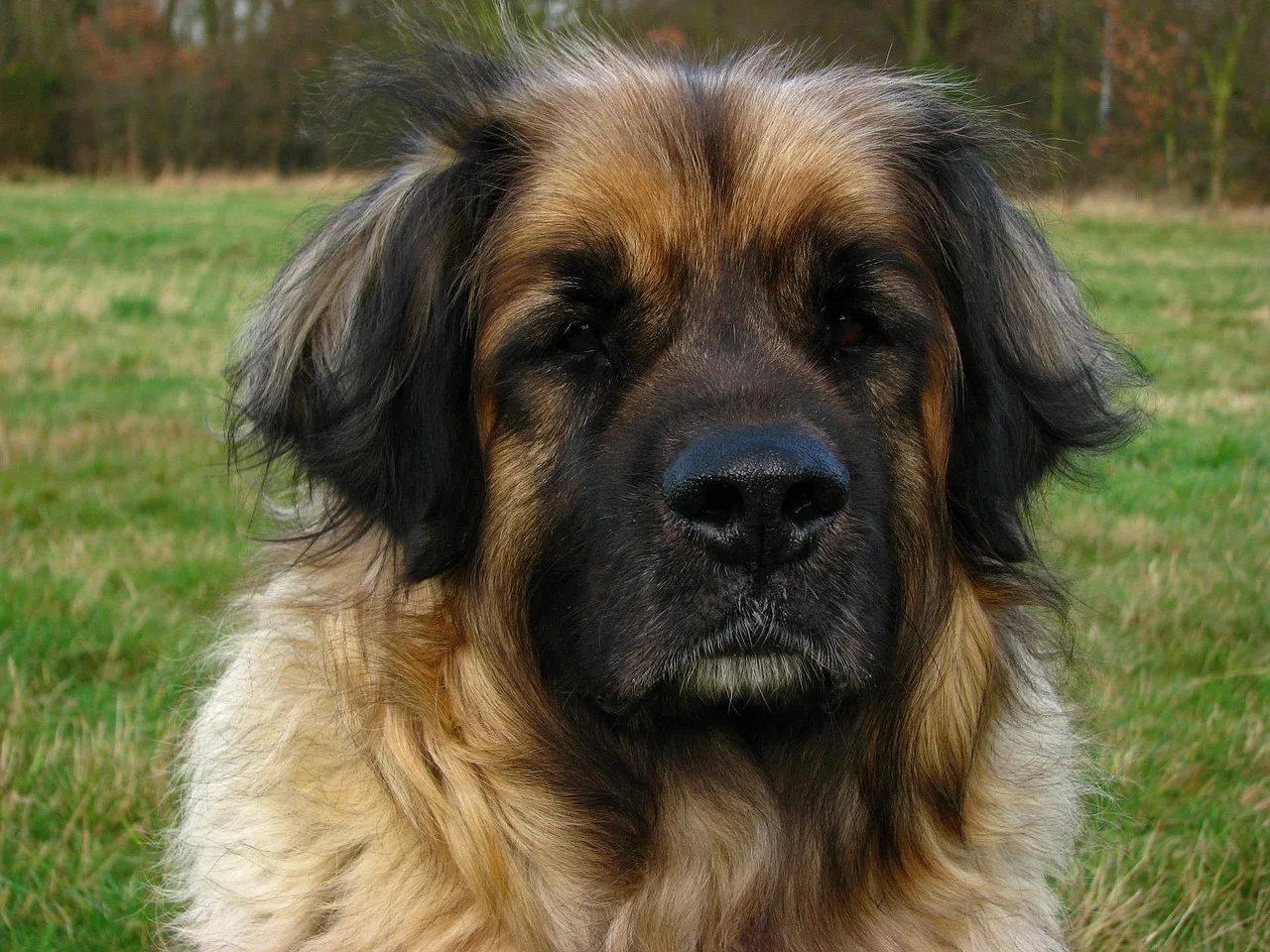
It’s not your imagination. One Leonberger owner on Reddit’s r/dogs says strangers are often intimidated by his size, ask if he bites, or act as if bringing him in public is irresponsible.
If you’ve walked a Leo into a hardware store, you know the look. Half the aisle wants to pet the lion mane. The other half wants to know what you were thinking.
The irony: the Leonberger Club of America recognizes Leo and handler pairs that excel as therapy teams. The dog people steer around in the parking lot may be a recognized therapy dog.
Orvis describes the breed as “confident, calm, and compliant.” Males weigh 110 to 170 pounds, and they live about 7 to 8 years.
What owners should know:
- They can knock over small children by accident.
- They shed all year, and heavily during the seasonal coat blow, so plan on brushing weekly and daily in peak season.
- They need 60 or more minutes of exercise a day.
#10 Rhodesian Ridgeback, bred to chase lions
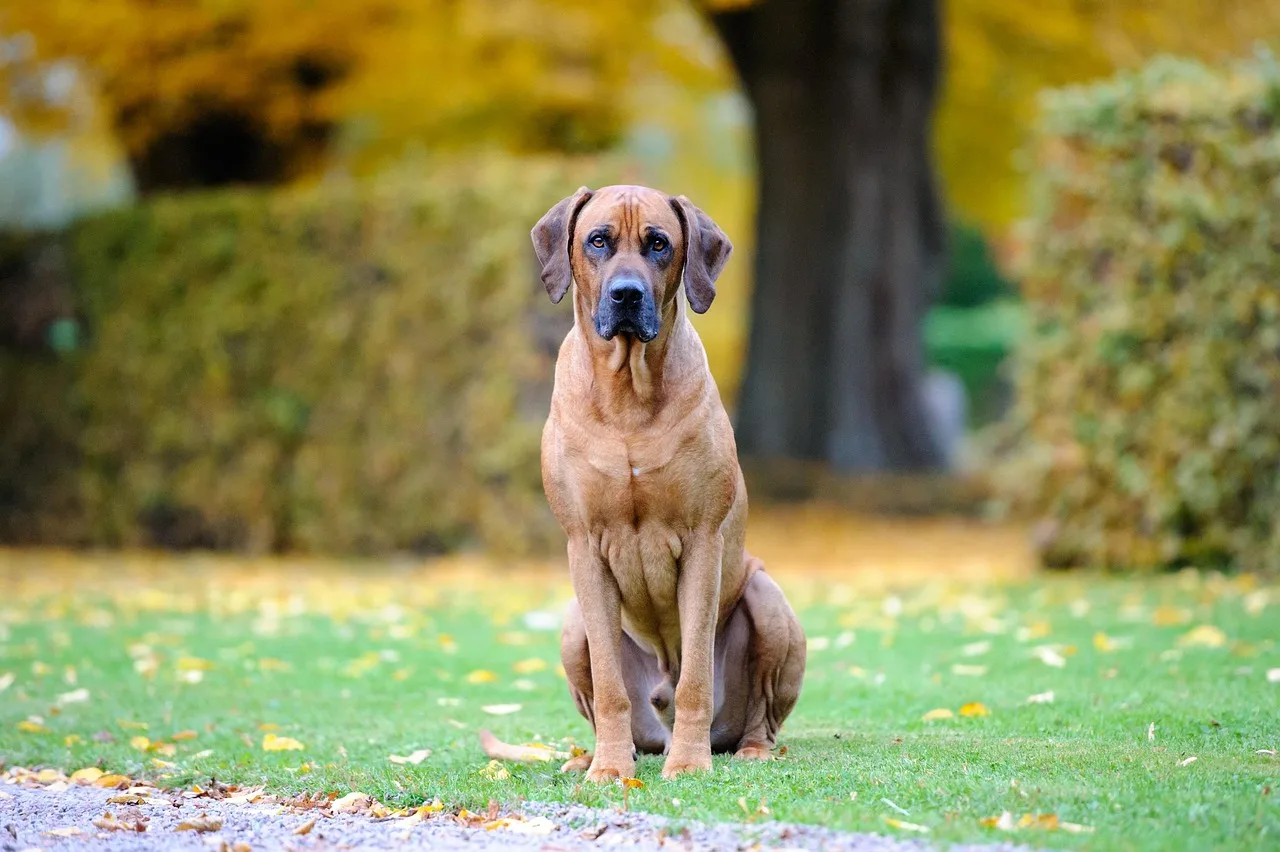
The nickname sounds terrifying, and the breed’s own fans dropped it.
In the 1870s, ridged dogs were taken to Rhodesia to hunt lions, chasing and harassing the lion until the hunter could shoot it. The dog’s job was to keep the lion busy and stay alive. The name “Lion Dog” was later dropped as “too savage,” and the AKC admitted the breed in 1955.
Today’s Ridgeback weighs 70 to 85 pounds and lives about 10 to 12 years. Don’t expect a greeter. PetMD calls the breed reserved with strangers, which means polite distance, not trouble.
The real caution is the hunting instinct. With high prey drive, it “might not be the best choice for families with smaller pets like cats.” It also needs at least 45 minutes of exercise a day.
#9 Staffordshire Bull Terrier, England’s nanny dog
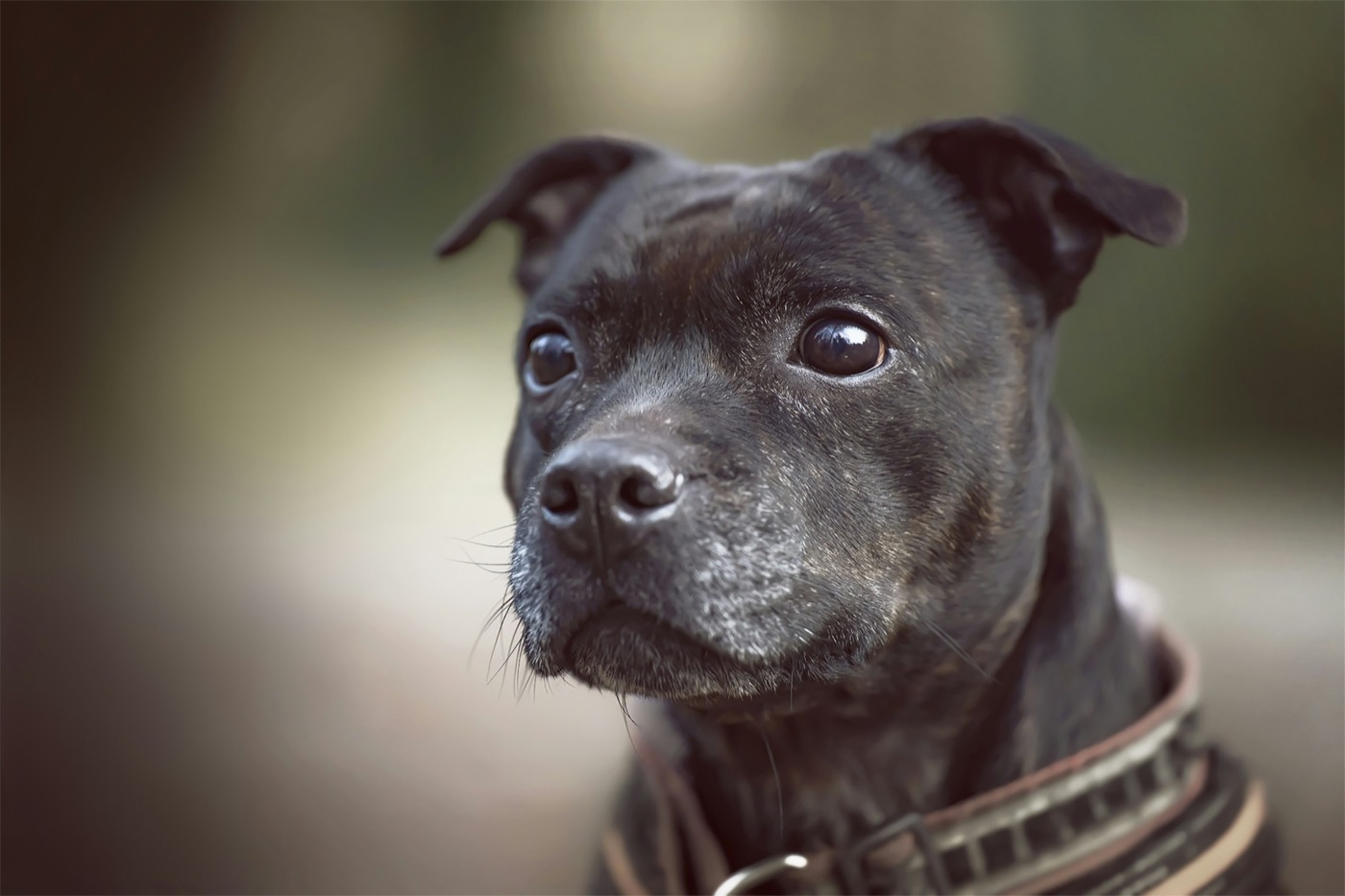
In England, the Staffie is known as the “nanny dog” “because he is so fond of children.” That’s a lot of love packed into 24 to 38 pounds of muscle.
The nickname is about affection, and only that. Vetstreet adds that a Staffie “can be too rambunctious around a toddler, accidentally bowling him over.” The breed tends to be good with children and people, but not with other dogs.
And it says what every honest owner knows: “no dog should ever be left alone with a child as a babysitter.” The nanny dog adores the kids. The adult is still the nanny.
 You might also like17 of the Sweetest, Most Affectionate Dog Breeds (and the Catch With Each One)
#8 XL American Bully, soft when well bred
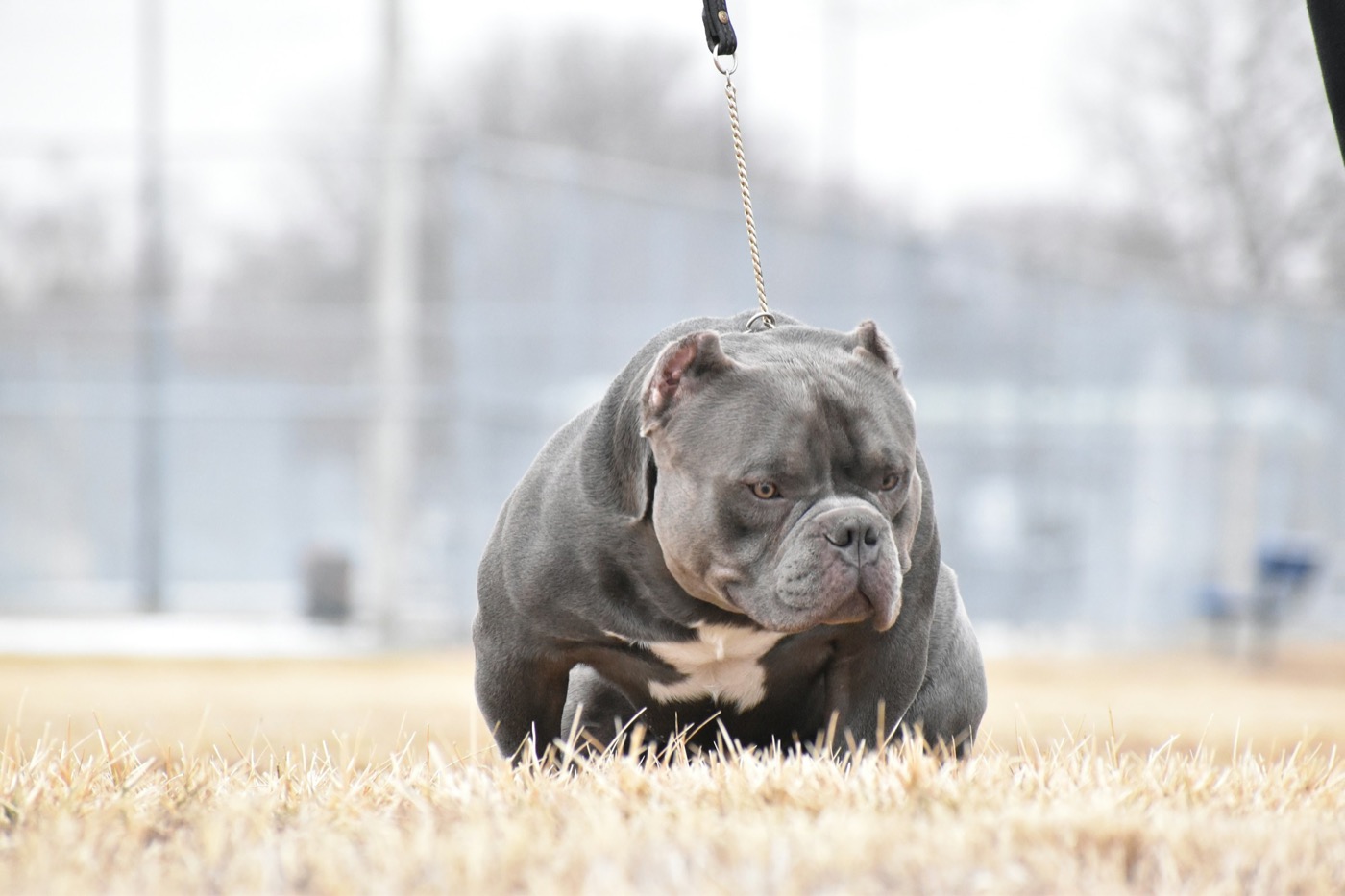
This is the one in the news, and here’s the part most headlines skip: the AKC doesn’t even recognize it.
The American Bully is a United Kennel Club breed, recognized in 2013. XL males stand from just over 20 inches up to 23 inches at the shoulder, and the UKC standard calls aggression toward people “uncharacteristic and undesirable.”
Garret Wing is blunt about both sides. He says a bully that’s well bred and trained right can be as gentle and affectionate a dog as you’ll ever meet.
In the same breath, he warns that badly bred, untrained ones are capable of killing people and other dogs. The soft side depends on the breeding and the training.
The ban you’ve read about is British. Since February 1, 2024, owning an XL Bully in England and Wales has been illegal without an exemption certificate, and exempt dogs must be muzzled and leashed in public. The RSPCA, Britain’s big animal charity, opposed the ban and says it doesn’t believe it “is effective in protecting the public.”
The US has no national ban. Local pit-bull rules where you live may still apply.
#7 Neapolitan Mastiff, Harry Potter’s wrinkly Fang
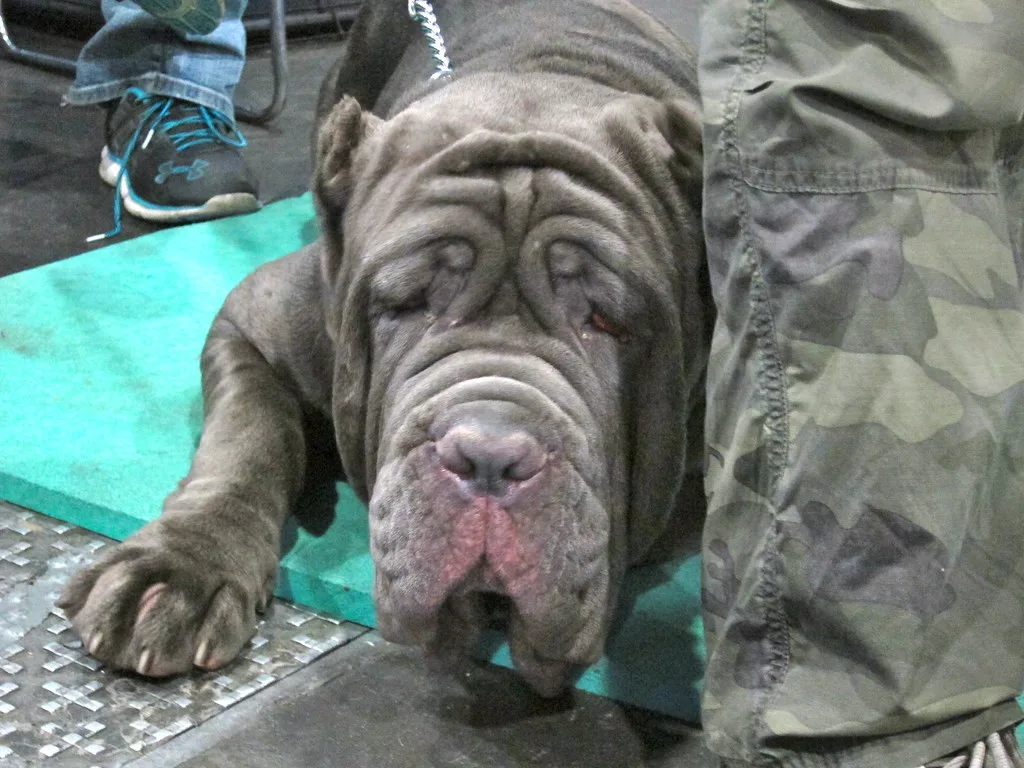
Fang, Hagrid’s slobbering dog in the Harry Potter films, was played by several Neapolitan Mastiffs, including Hugo, Bully, Bella, Vito, Luigi and Uno. It took a whole crew to play one cowardly dog.
In the books, Fang is a “boarhound.” The movies picked the breed with more face.
| On screen | At home | |
|---|---|---|
| Look | Huge, drooping, alarming | 110 to 150 pounds of wrinkles |
| Mood | Hides behind Hagrid | Lounges in a near “feline-like” way |
| The mess | Drool on Ron | Drool on you |
PetMD calls the breed “gentle giants” and homebodies. Its US lifespan figure is 7 to 9 years. A large UK study found a median of 9.3 years, against 12.5 for all dogs.
It’s still rare here, but climbing: the Neo moved from 128th to 119th in AKC registrations between 2024 and 2025.
#6 Dogue de Bordeaux, the trainer’s secret softie
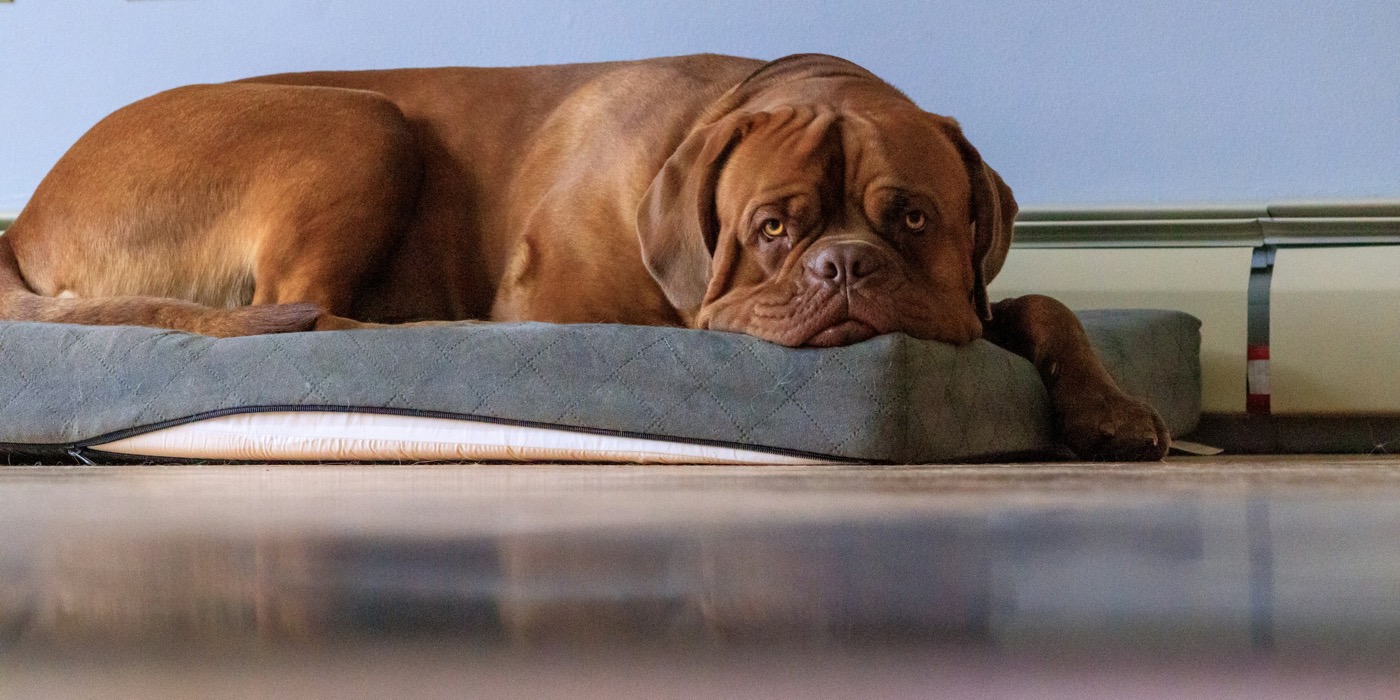
Ask Casey Ray, a dog trainer with nearly 30 years of experience, for his top hidden softie, and he names a breed most people only know from a Tom Hanks movie.
“He’s 160 pounds. Just a big teddy bear.” Casey Ray, on a Dogue de Bordeaux he trained, in his video
He says the breed has no mean streak, then adds the caveat: “They’re powerful. So, you have to understand how to control them.”
You met one in 1989. Hooch, Tom Hanks’s co-star in Turner & Hooch, was played by Beasley, a Dogue de Bordeaux born in Merrimac, Wisconsin.
It’s an uncommon pick. The Dogue ranks 95th in AKC registrations, far from the top 25.
The hard news is how long you get. VCA, the animal hospital chain, gives the breed a lifespan of just 5 to 8 years, among the shortest of any breed, with a predisposition to serious heart disease and cancer. It’s heat-sensitive, its drool is rated “high,” and it “may be reserved around unfamiliar people.”
A teddy bear, yes. One you’ll get for less time than you’d want.
#5 Big black Labrador that scares strangers
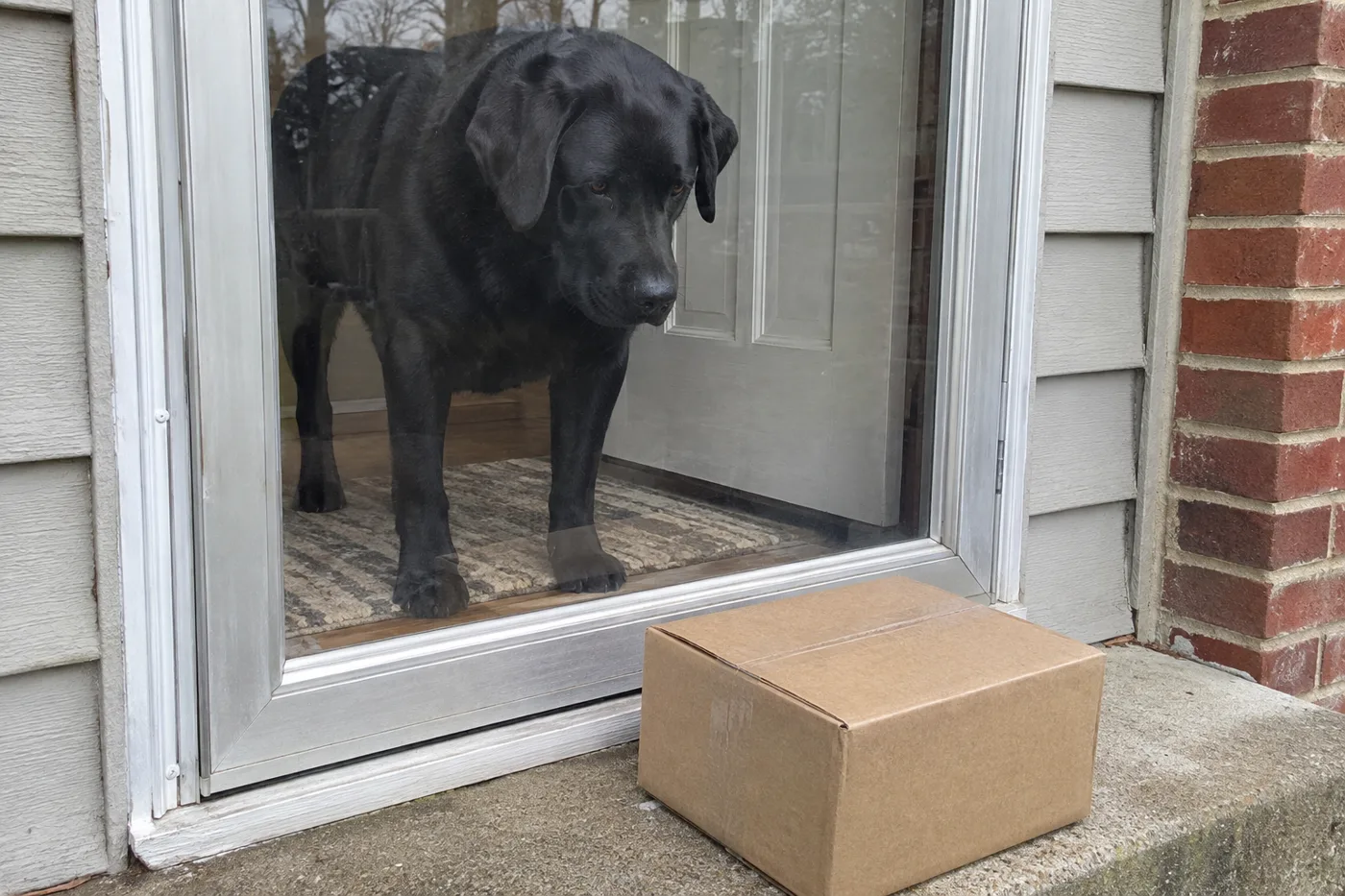
A Labrador is the AKC’s second most-registered breed and the friendliest dog many people have ever met. Make it big and black, and some strangers back away anyway.
A former black Lab owner on Reddit’s r/DOG says people were terrified of the dog, and delivery people would refuse to deliver to the house.
In Reddit dog threads, owners keep landing on the same answer: color and ears drive the fear more than breed.
A study backs them up. Researchers showed university students one dog photo, digitally edited to change only the coat color or the ear shape. The yellow version was rated more agreeable, conscientious and emotionally stable than the black one. Floppy ears beat prick ears.
Same dog. Different paint job. Different verdict.
Labs weigh 55 to 80 pounds, so a big one with a short black coat checks every box the students flinched at. And carriers have real reasons to be wary: the Postal Service logged more than 5,200 dog attacks on its employees in 2025.
If the mail carrier balks – Delivery can be halted when a carrier meets an unsecured dog, and you’ll be picking up your mail at the Post Office. – Unresolved cases can require a P.O. Box. – The Postal Service asks you to put the dog in a separate closed room before you open the door. – Don’t take mail straight from the carrier’s hand while your pet is there, even a friendly one.
#4 Black Greyhound that sleeps all day
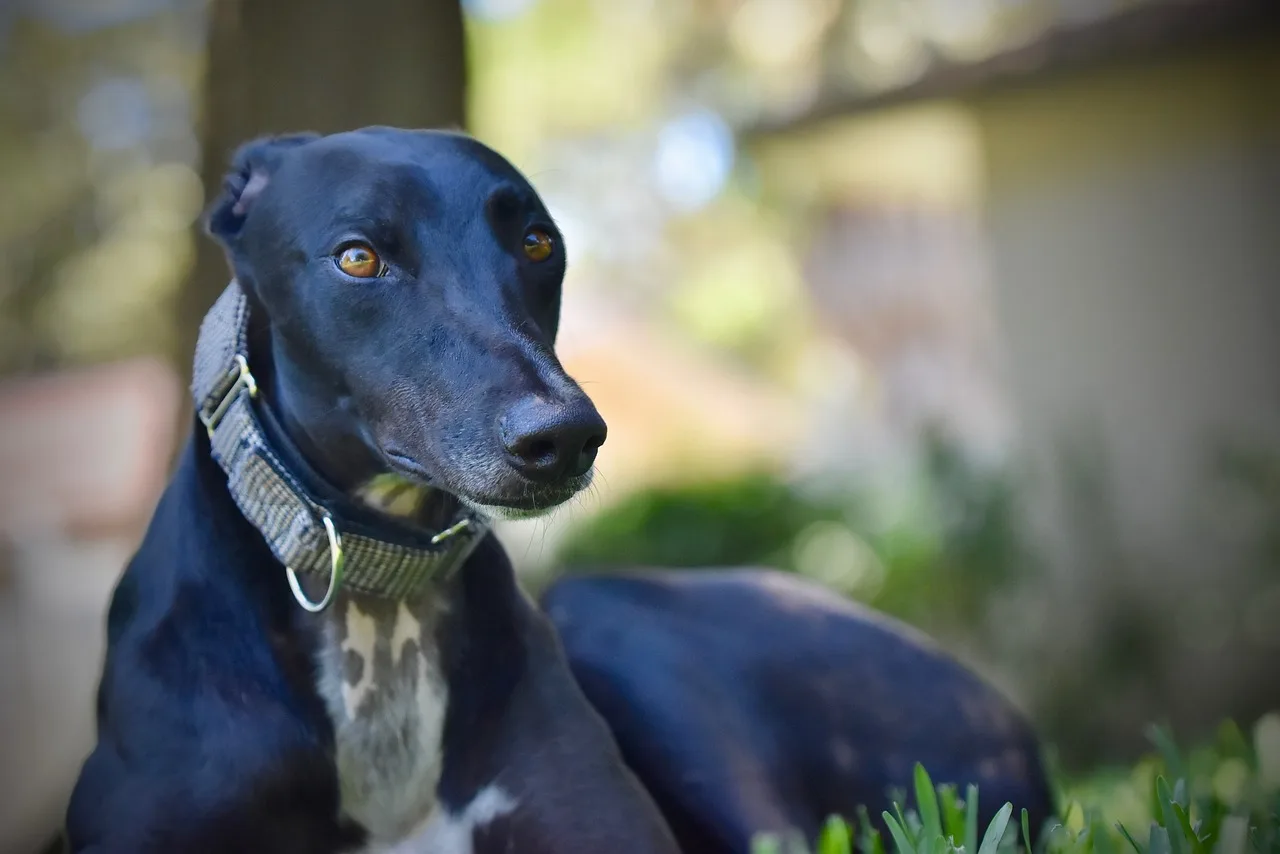
It’s a big dog built for an easier pace. The rescue groups that place them have a phrase for it: “Truly, greyhounds are 40 mph couch potatoes!“
That line comes from Greyhound Pets of America’s Charleston chapter. The long, lean, black version can look sinister on a dark sidewalk. Indoors, it’s usually asleep.
Here’s why it suits a calmer household, and what to check:
- Age. Retired racers placed by the Charleston group are usually two to five years old. You skip the puppy chewing and meet the grown dog you’re getting.
- Exercise. They need “no more exercise than a Labrador or a lhasa apso,” and spend much of the day sleeping or lounging.
- Hair. Short coat, no undercoat, and they “shed very little.”
- Heat. In the big UK heatstroke study, Greyhounds had over four times the odds of Labradors, so summer walks need planning.
- Nerves. Some Greyhounds are shy. Ask the group how this particular dog handles strangers and noise.
- Cats and cost. If you have a cat, ask about testing: Greyhound Friends of NJ places only dogs that pass a “cat tolerant” test in homes with small animals. Its adoption fee for a US retired racer is $750.
#3 Boerboel with a gentle heart, heavy body
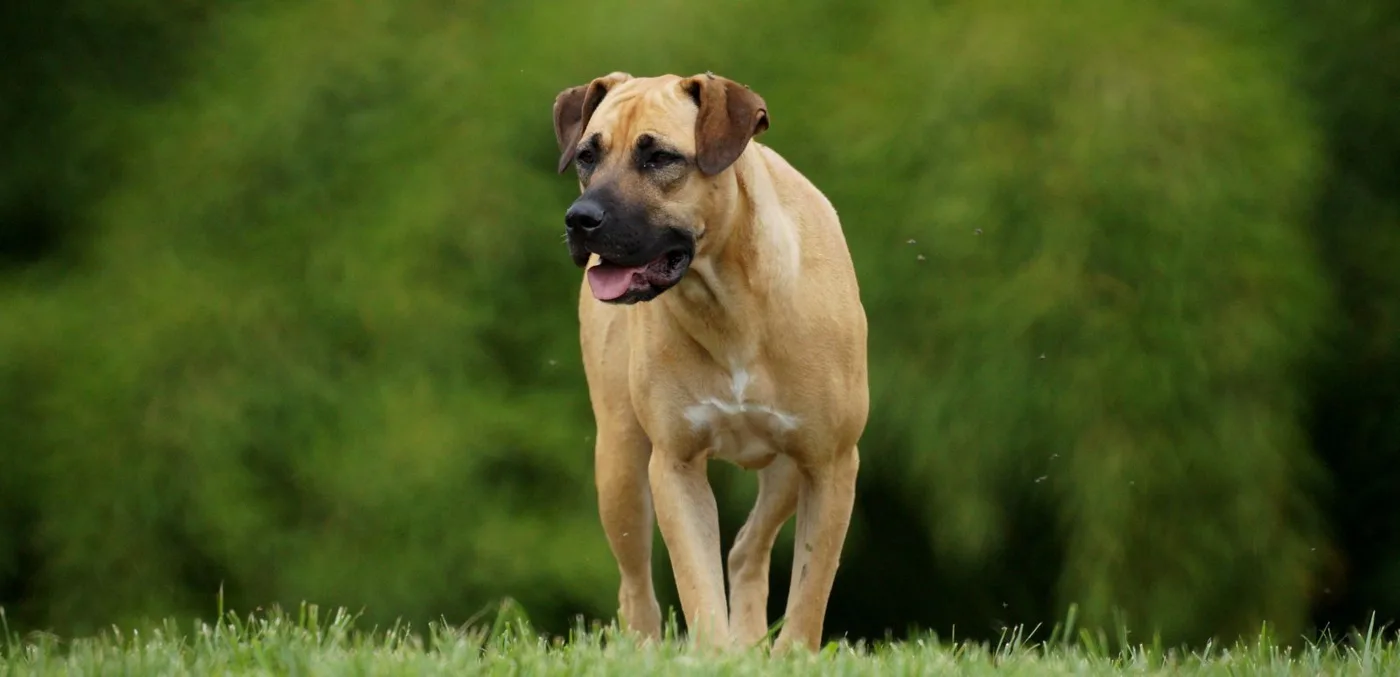
A Boerboel weighs 154 to 200 pounds. Before you think about temperament, think about how that dog gets into a car.
Garret Wing likes the breed’s nature but is clear about who it fits:
“I don’t think they’re for the first-time dog owner and you definitely have to have the physical strength.” Garret Wing, American Standard Dog Training
VCA agrees on experience, calling it “definitely preferred.” Boerboels can be “dominant and stubborn,” and children are “fine if raised with them.” They live about 10 to 12 years, which is long for a dog this size. That means a decade or more of lifting, steering and holding.
The car question has a practical answer. The AKC says lifting a heavy dog in and out “can be dangerous for you both,” and that a ramp prevents injury to you or the dog. Its tip: check the ramp’s weight limit before you buy.
#2 Cane Corso, too much dog for most homes
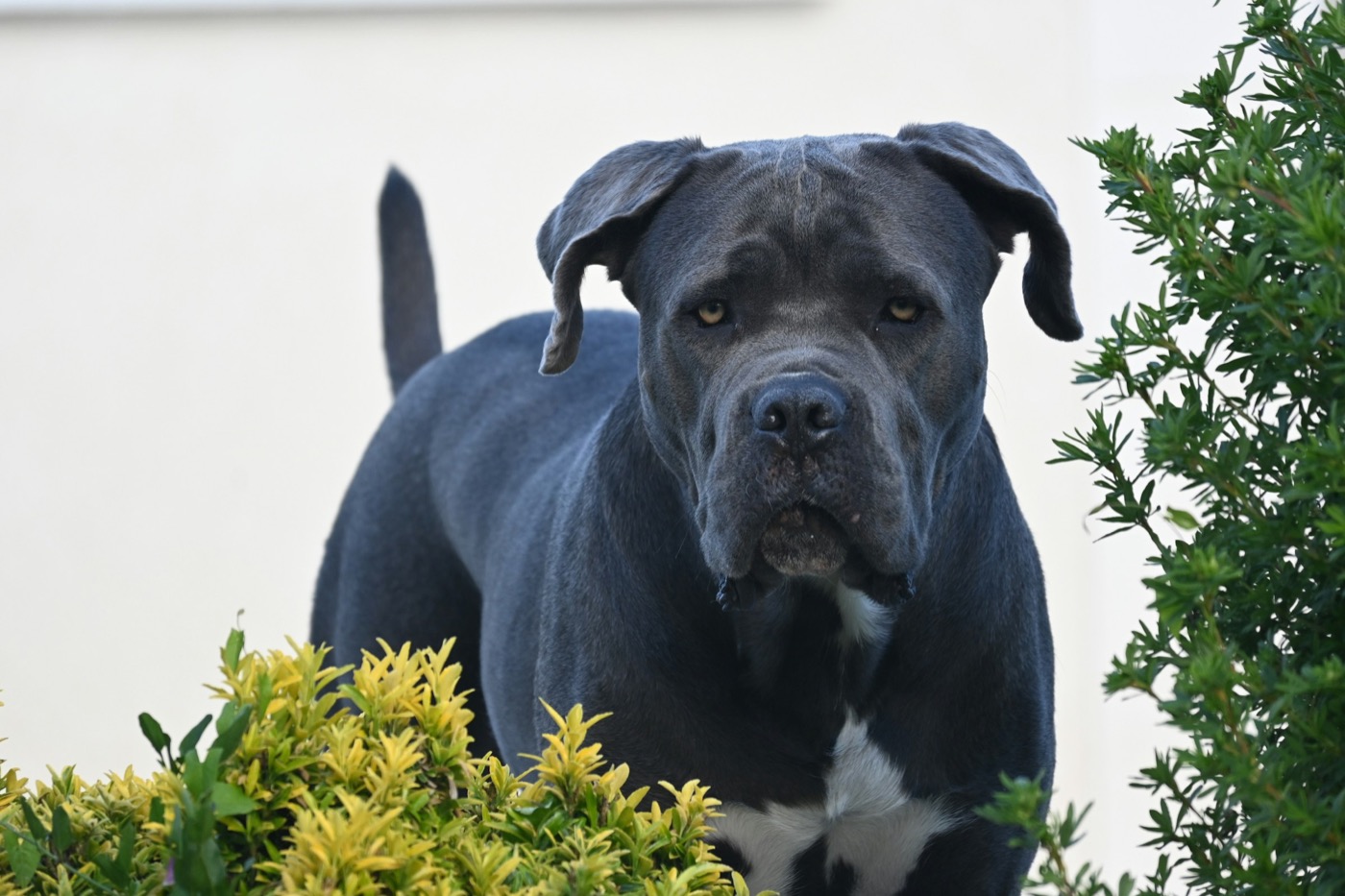
The Corso keeps climbing. It jumped from 14th to 11th in AKC registrations between 2024 and 2025. That’s a lot of new owners finding out what the breed club already says.
The Cane Corso Association of America is clear that Corsos “were not bred to fight”. It is just as clear about the rest:
- Males weigh about 115 to 135 pounds, females about 90 to 120.
- The breed “does best in a home with an experienced dog owner.”
- “Basic training is not optional for this breed; it is mandatory.”
The median Corso in a big UK study lived 8.1 years.
Now the part no breed blurb covers: the people who decide where your dog can live. Rental weight limits commonly run 40 to 50 pounds, and fewer than 10% of rentals have no breed or weight restrictions at all. Even a small female Corso weighs about twice that limit.
Insurers are the other gate. In 2025, the average dog-related liability claim was $65,450, and those claims include knockdown injuries like broken bones, not just bites. Some insurers refuse breeds they label dangerous, and owners in Reddit dog threads report being turned down for Rottweilers, Dobermans and Corsos.
Mark Friedlander of the Insurance Information Institute explains the insurers’ side: without restrictions, other homeowners would be “paying a higher premium to subsidize the few homeowners with aggressive dogs.” Nevada, Illinois and New York have passed laws since 2021 limiting that kind of breed blacklisting.
Before a Corso comes home, ask your insurer and your landlord about the breed by name. Get both answers in writing. If your insurer says no, a standalone dog liability policy from a specialty insurer is one fallback. Check the coverage limit against that $65,450 average claim, since the cheapest policies won’t go far.
#1 Great Dane that hides behind the couch
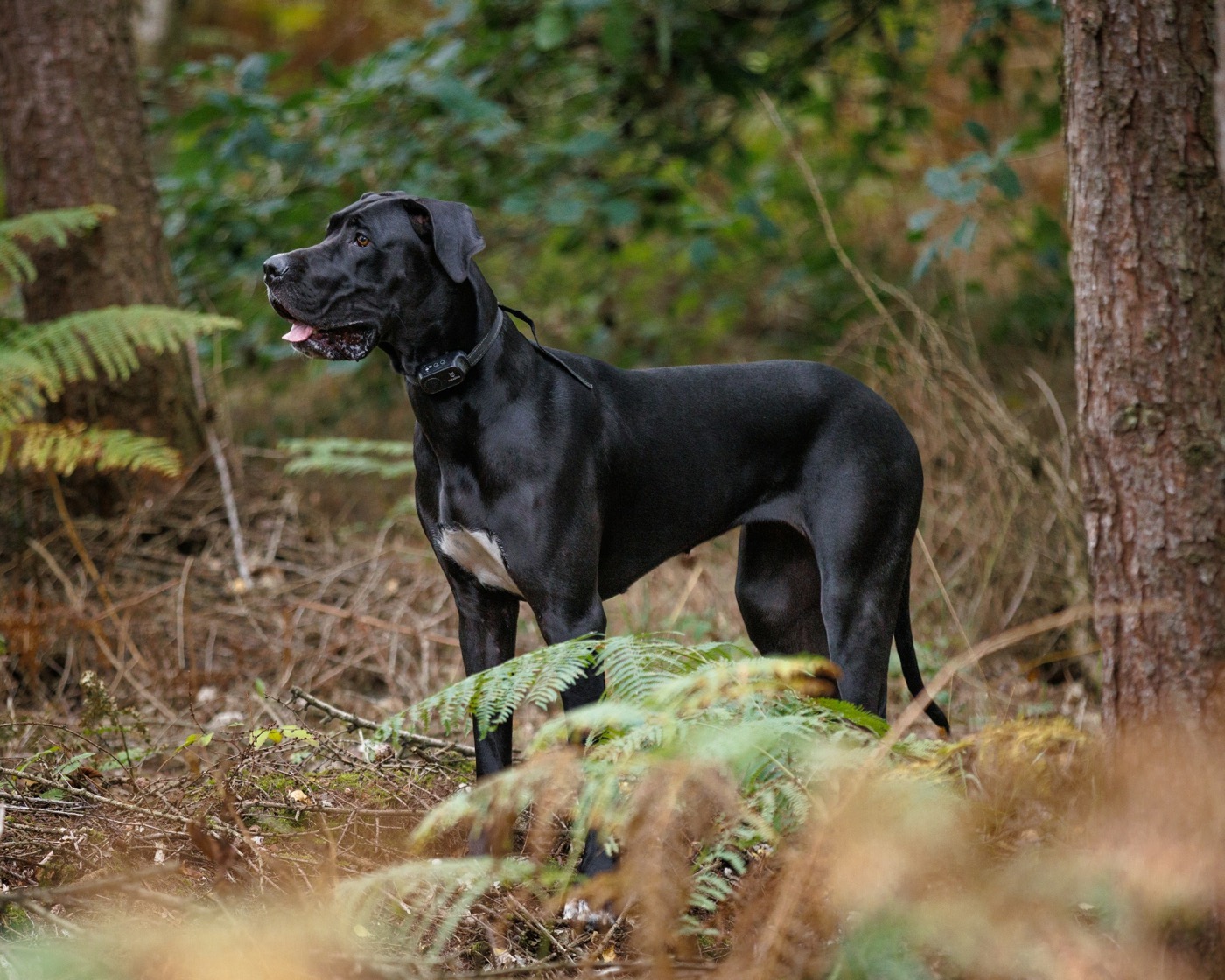
A plastic grocery bag skitters across the yard. Your Dane, all of him, retreats to the living room and wedges himself behind the couch, head hidden, rear end in plain view. The couch moves three inches.
That’s the breed. The AKC calls it the “Apollo of Dogs,” easygoing and “a total joy to live with,” and also warns about its “imposing size, weight, and strength.” Casey Ray’s description is truer to the living room:
“They’d probably rather hide behind the couch, but they can be 200 lb.” Casey Ray, in his video
A Great Dane owner on Reddit’s r/dogs says their dog has a scary bark but needs an 8-hour nap after a 40-minute walk.
The intimidating appearance is the easy part. Here’s the hard part. The Great Dane Club of America calls bloat the number one killer of Great Danes and says the Dane is “the #1 breed at risk for bloat.” Bloat, which vets call GDV, is when the stomach fills with gas and can twist on itself. It’s an emergency.
There’s a preventive surgery called gastropexy. The vet tacks the stomach to the body wall so it can’t twist, often through small incisions. The club says it “can help prevent some of the more serious aspects of GDV.” A 2025 review of 16 studies found the twist rarely came back after gastropexy, though the reviewers rated the evidence as weak.
The money is the part that makes people decide. At one New Jersey animal hospital, the emergency costs about $1,400 to $4,600 more than the planned surgery. If your Dane is due to be spayed or neutered, ask your vet about doing the gastropexy at the same time. That clinic says the two are often combined. Don’t count on pet insurance for the planned one: Healthy Paws, for one, doesn’t cover preventive care, while emergency bloat surgery counts as treatment it does cover.
The bloat math – The club says several small meals a day and no vigorous exercise around mealtimes “can help reduce” the risk. – Preventive gastropexy: about $1,400 to $1,600 at that New Jersey clinic. – Emergency treatment for GDV: $3,000 to $6,000 at the same clinic. – The clinic lists Rottweilers and Labradors among other at-risk breeds.
Bloat isn’t the only worry. The club lists cancer, heart disease and bloat as leading causes of death, with bone cancer and lymphoma the cancers seen most. And it reminds you that big dogs “require the same amount of medicine as an adult person,” at adult-person prices.
Then there’s the fame. Great Danes rank 22nd in AKC registrations, and Ray thinks that’s part of the problem: “A Great Dane might be more susceptible to poor breeding because of the popularity.” More demand invites more careless litters, and he suspects that’s behind some of the nervous Danes he sees.
The club adds one more line every Dane owner already knows: “The affectionate Great Dane does not do well by itself for extended periods.” The dog who hides from a grocery bag needs you home.
Keep reading
 15 Quietest Dogs, Ranked (and the Truth Behind Each One)See all 15 →
More you’ll enjoy
 12 Smartest Dog Breeds and the Surprising Catch Behind Each One
 12 Longest-Living Dog Breeds, Topped by One Almost No American Has Heard Of
 12 Calm Dog Breeds for Retirement, Ranked by What They’ll Really Ask of Your Body
The bottom line
The man who crossed the street had about two seconds, a coat color and a pair of ears to go on. You have years: the snoring, the bathtub hideouts, the full-body lean when the doorbell rings.
Most breeds here are gentle enough. The harder question is whether a breed’s size, its years and its paperwork fit the life you’ve got. Will it fit in your car? Will your landlord or insurer say yes? Can you love a dog hard for seven years and let go?
If you’re choosing, pick one breed you’re curious about and read its club’s own pages before any breeder’s ad. Clubs are blunter. The Bullmastiff club put its warning in capital letters.
Bonus: Four quick moves for a big, gentle dog
Teach your softie to bark on command. The AKC’s method: get him excited enough to bark, say “speak!” and reward it, and only reward the barks you asked for. It adds that teaching “quiet” gets easier once barking is on cue. Owners on Reddit suggest this in place of buying a tougher breed.
Give a nervous giant a safe spot at home, and stop pushing him into the things that scare him. Your Dog’s Friend, a training nonprofit, says exposing a dog to what makes him anxious won’t help him get over it, and it recommends working with a positive trainer instead.
Measure your car with the seats folded before you meet a litter. The Irish Wolfhound club says plainly that larger vehicles are needed.
Look at grown dogs, not just puppies. The AKC points out that an adult dog may already be housebroken and leash trained, and with a big dog, that leash training is worth a lot.
Questions people also ask
What is the gentlest giant dog breed?
No official body ranks breeds by gentleness, but the Newfoundland has the strongest claim from its own club. The Newfoundland Club of America calls “sweetness of temperament” the most important single characteristic of the breed. The AKC calls the Irish Wolfhound a “true gentle giant” that is “not suspicious of strangers,” and the Wolfhound’s own club says it’s unsuitable as a watchdog. Individual dogs still vary.
What is a good big dog for an older owner?
A retired racing Greyhound is one of the easiest big dogs to live with, because it’s adopted as an adult and needs little exercise. Greyhound Pets of America’s Charleston chapter places dogs usually two to five years old that need “no more exercise than a Labrador” and shed very little. Whatever the breed, a dog that already walks nicely on a leash matters more than size.
How long do gentle giant dogs live?
Most giant breeds live well under the 12.5-year median for all dogs, and some much less. The Irish Wolfhound club gives 6 to 8 years, VCA gives the Dogue de Bordeaux 5 to 8 years, and the median Mastiff in a large UK study lived 9.0 years. Those UK figures come from British dogs, but the pattern of large breeds dying younger held across the study.
Are gentle giant breeds safe around toddlers and grandkids?
They can be, with an adult watching, but the breed clubs themselves warn that sheer size can knock a small child down. The Irish Wolfhound club says knockdowns can happen and adult supervision is essential, and Hill’s says the Mastiff is not recommended for toddlers because of its size. Vetstreet adds that “no dog should ever be left alone with a child as a babysitter.”
Does a scary-looking dog really keep strangers away?
There’s no solid evidence that a scary-looking breed keeps strangers away on its own. What researchers have measured is how people judge a dog by its looks. When the same dog photo was edited, university students rated it less agreeable with a black coat or prick ears than with a yellow coat or floppy ears.
Will my homeowners insurance or landlord allow a Rottweiler or Cane Corso?
It depends on your insurer, your state and your lease, so ask about the breed by name before the dog comes home. Some insurers refuse breeds they label dangerous while others judge each dog, and Rottweilers are among the breeds commonly blacklisted. Nevada, Illinois and New York have limited breed blacklisting since 2021. Rentals are tougher: fewer than 10% have no breed or weight restrictions.