Thirty old dog myths and house rules from the 1950s through the 1980s, and what to do instead for the dog asleep on your couch.
Stay for #1. It’s the old house rule that guarded the wrong thing.
Two fingers on the dog’s nose. In a lot of houses, that was the whole checkup: cold and wet, he’s fine; warm and dry, keep an eye on him. Somebody also swore the dog knew a storm was coming before the radio did. Nobody wrote these rules down. They got handed over along with the leash. Some of those old wives’ tales about dogs held up better than their reputation. Others were wrong in ways that still matter for the dog you have.
If you only read four – #25: no bones, of any size – #18: a cracked window does almost nothing in a parked car – #3: an older dog may need more protein – #1: the risk a dog underfoot poses to you
Table of Contents
#30 A cold, wet nose
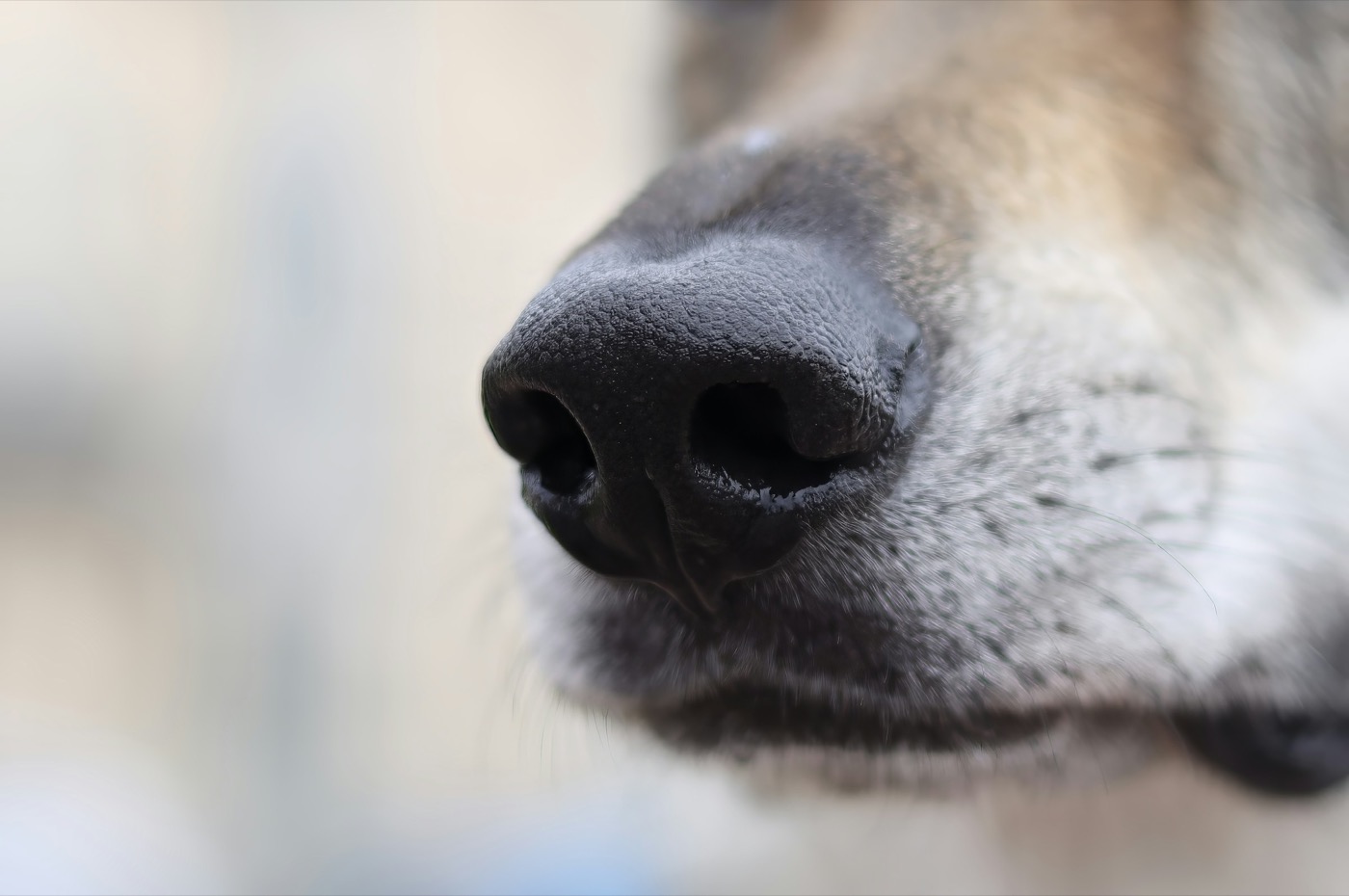
The old rule said a warm, dry nose means your dog is sick. It was partly right, and mostly for the wrong reason.
A dog’s nose is wet mainly because he licks it. A long nap, a sunny window or a spot by the heater can leave it bone dry with nothing wrong at all. Some dogs just run warmer and drier, especially older dogs and flat-faced breeds such as Pugs and Bulldogs.
So the warm nose that made somebody in your house frown usually meant the dog had been asleep on the rug. The touch test did get one thing right, though. A nose can tell you something. Its temperature just isn’t the message.
When the nose actually matters – Thick, yellow or green discharge – Any bleeding – Cracking, flaking, thickening, redness or a change in color – Everything else: skip the nose and watch appetite, energy and bathroom habits
Those first three are the signs Bond Vet’s vets say need an appointment. For the rest, their advice is to know your dog’s normal so well that a skipped breakfast or a slow amble to the water bowl jumps out at you long before any nose would.
#29 Multiplying your dog’s age by seven
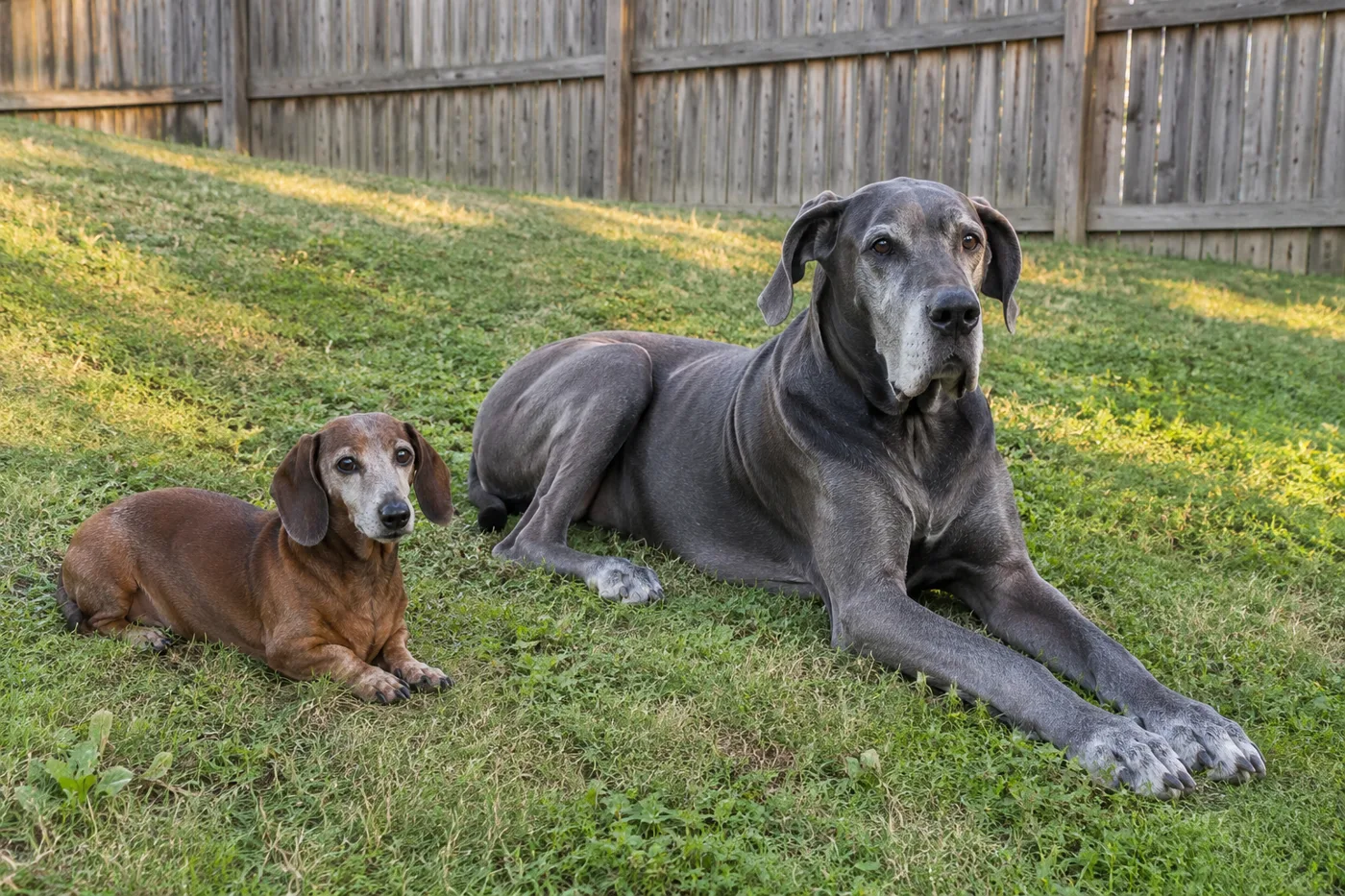
Somebody always does the math at the birthday. He’s 10, so he’s 70.
One dog year equals seven human years was the rule in nearly every house. It caught on in the 1950s from rough arithmetic: people lived to about 70, dogs to about 10, so divide. Nobody measured anything.
Kansas State veterinarian William Fortney thinks the real point was a health message, “a way to educate the public on how fast a dog ages compared to a human, predominantly from a health standpoint.” On that, the rule earned its keep. Dogs really do age fast.
The guideline vets use for a medium-size dog counts about 15 human years for the first birthday, about 9 more for the second, then about 4 to 5 a year. Your one-year-old is a teenager. That explains the shoes.
Size and breed change it from there. This is the chart Chewy credits to the American Animal Hospital Association:
| Size (weight) | At age 10 | At age 15 |
|---|---|---|
| Small (20 lb or less) | 56 | 76 |
| Medium (21 to 50 lb) | 60 | 83 |
| Large (51 to 90 lb) | 66 | 93 |
| Giant (over 90 lb) | 78 | 115 |
Under the seven rule, every 10-year-old is “70.” The chart puts a small one at 56 and a giant one at 78. Same birthday, a generation apart.
That’s why the AKC calls small dogs senior at about 7 and larger breeds at about 5 to 6. A Great Dane and a Dachshund who came home the same spring can be years apart in every way that counts.
#28 A wagging tail means happy
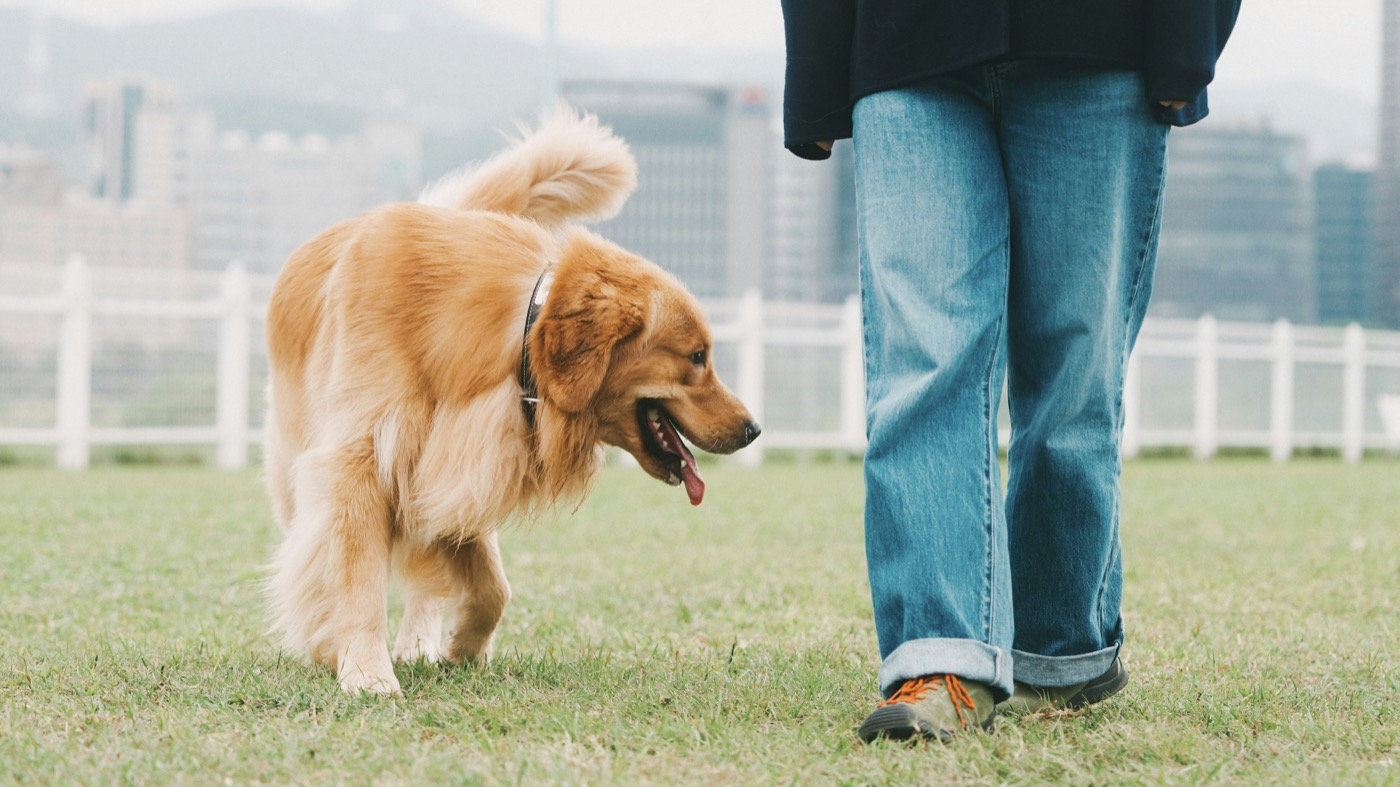
A wag tells you a dog feels something strongly. It doesn’t tell you what.
The belief that a wagging tail means a happy dog gets the friendly wags right and misses the one that bites. PetMD’s vets read a tail in two parts, height and speed. Height is the mood. Speed, they say, “can then be compared to how loud their voice is.”
A loose wag around the level of the back is the friendly one. A tail held straight out behind means curious. Tucked between the legs means scared.
The one to know is held high, arched over the back, stiff, and “practically vibrating with tight, small wags.” That’s rising aggression, and PetMD is blunt about it: “the dog should not be approached.”
A high, stiff, buzzing tail means give him room. Pass that along to anyone in your life who runs at every dog on the sidewalk with a hand out.
#27 The dog gets the table scraps
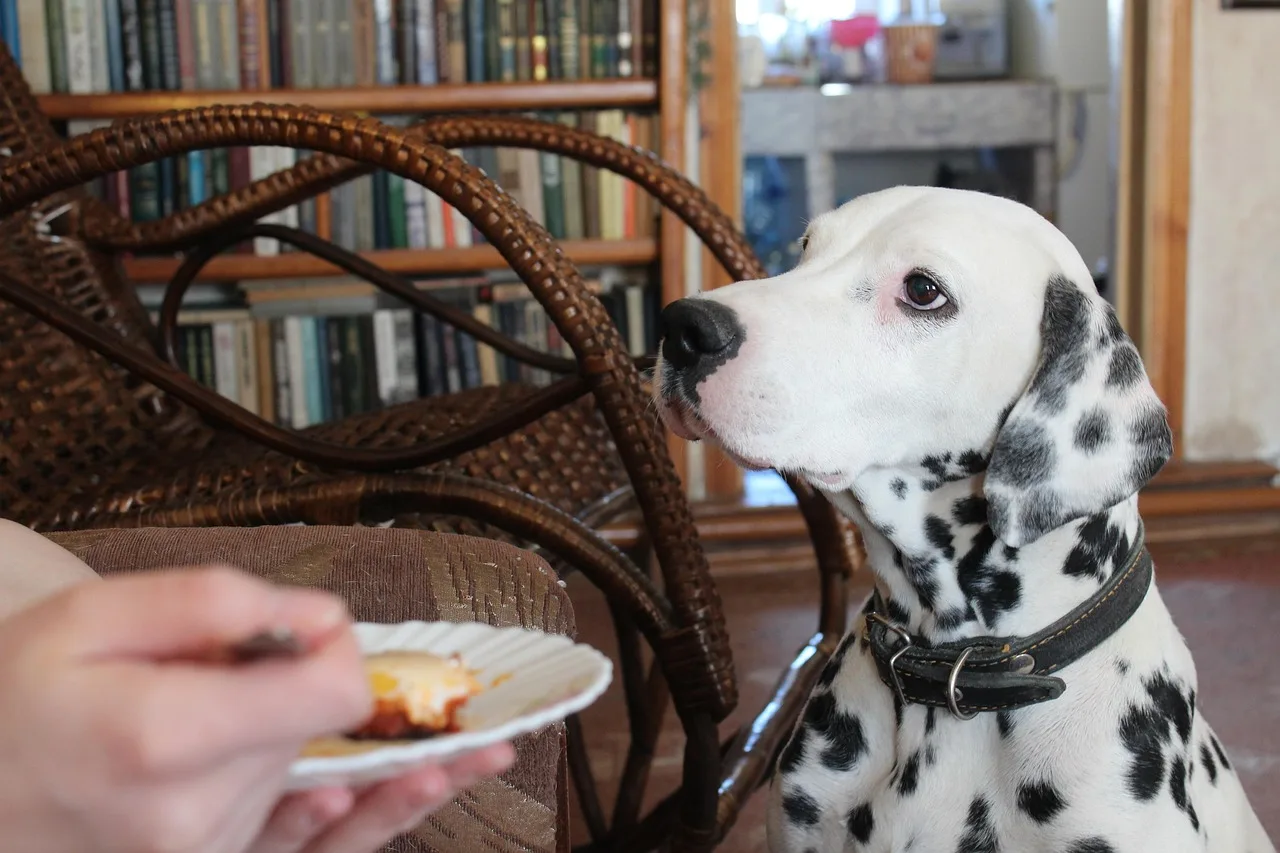
Walt Disney nearly cut the most famous dinner in dog history.
Before Lady and the Tramp came out in 1955, he doubted the spaghetti scene. Former Disney archivist Steven Vagnini explained Walt’s worry: “if you have two pets and they eat a plate of spaghetti, it’s hard to envision that being too graceful.”
Animator Frank Thomas fought for it. Art director Andy Gaskill remembered him saying, “No, I’m gonna make this work and I’ll show him.” He did. For decades afterward, a meatball nudged across a plate looked a lot like love.
Scraps were never the real problem. Two things are.
The first is what’s in them. The ASPCA’s list of people foods to keep from pets includes:
- chocolate, coffee and caffeine
- grapes and raisins, which “can lead to kidney damage”
- onions, garlic and chives
- xylitol, a sugar substitute
- alcohol, yeast dough and macadamia nuts
Now picture that plate of spaghetti. Most homemade sauce starts with onion and garlic. Tramp got lucky.
The second is how much. PetMD says all treats combined should make up no more than 10% of a dog’s daily calories, and people food counts as treats. That’s a few bites, not a plate. Rich, fatty leftovers are a common trigger for pancreatitis, a painful swelling of the pancreas, and Miniature Schnauzers show up far more often than other breeds. Repeated vomiting, or a dog standing front end down and rear end up (vets call it the prayer position), means a vet visit.
#26 A raw egg over dinner
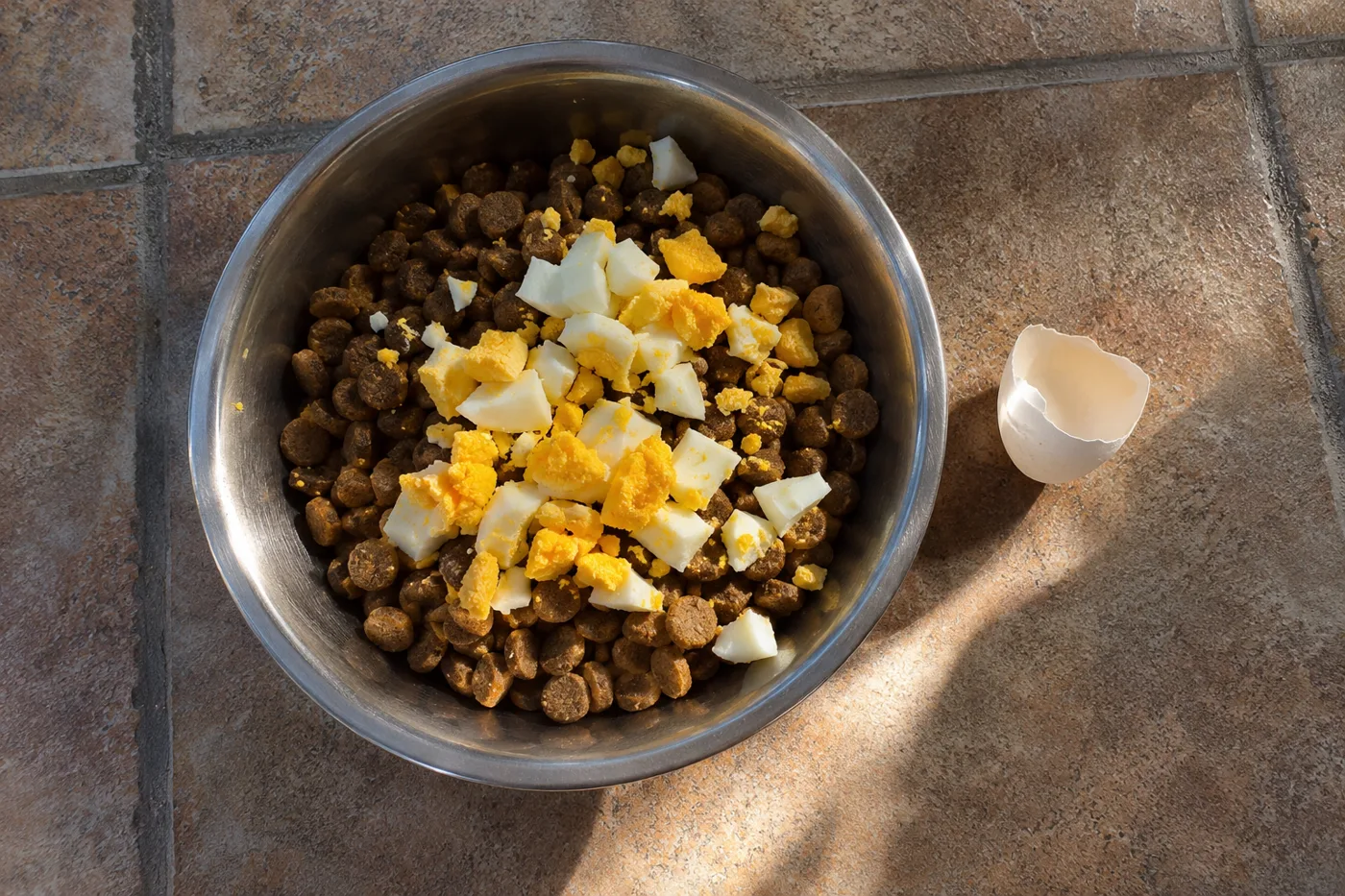
Whoever cracked a raw egg over the dog’s dinner wasn’t wrong about the egg. They just stopped one step early.
Eggs are good dog food. PetMD’s vet author, Dr. Hector Joy, lists high-quality, easy-to-digest protein, omega-6 fats that support skin and coat, vitamins A, D, E and B, plus iron, zinc and selenium. The idea that raw eggs make their coat shiny had something real under it.
The raw part is where it slips. Raw eggs can carry salmonella, which can cause vomiting and diarrhea. Raw egg white also holds a protein called avidin that grabs onto biotin, a B vitamin, and can get in the way of the dog absorbing it.
The fix takes one pot. Cook the egg all the way through, boiled, scrambled or poached, with no butter, oil or salt. PetMD’s portions run from a quarter of an egg for the smallest dogs to two eggs for the biggest, once or twice a week, counted inside that 10% treat limit.
A boiled egg, peeled and chopped over the kibble. It’s the same protein the raw egg was after, minus the gamble.
#25 A bone from the Sunday roast
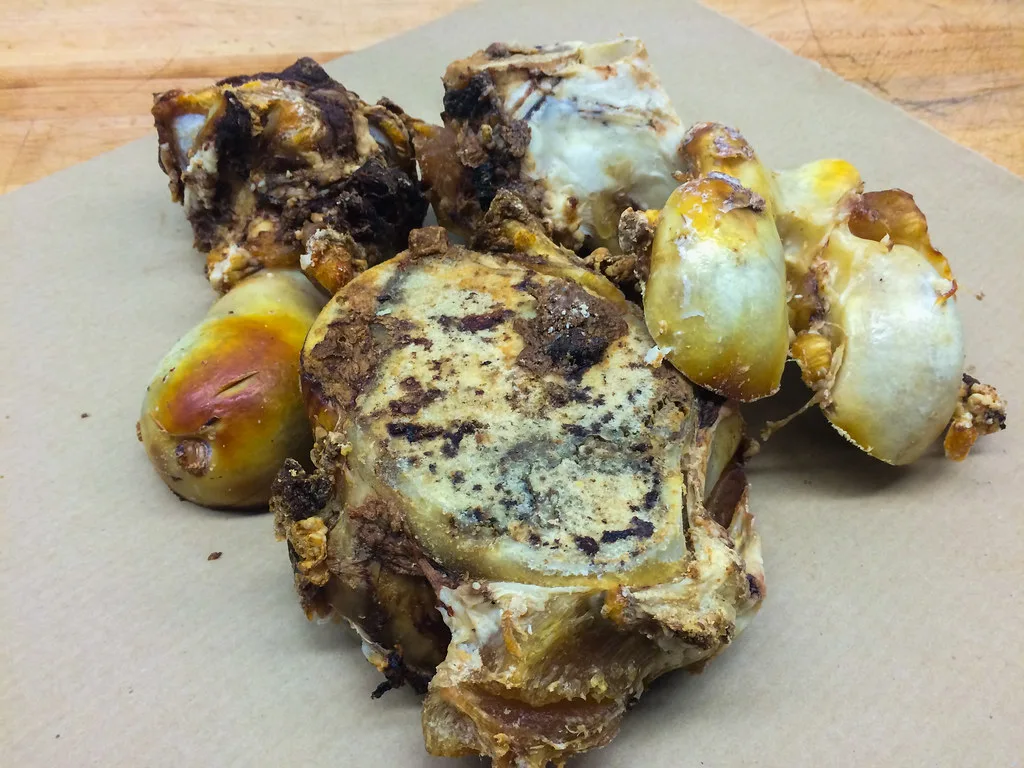
“Bones are unsafe no matter what their size.”
That’s Dr. Carmela Stamper, a veterinarian at the FDA’s Center for Veterinary Medicine, in the agency’s 2010 consumer warning.
The old house rule had a fallback. Never a chicken bone, everybody knew that. But a big beef bone, or a raw one, was the reward for sitting politely through dinner. The FDA’s line erases the fallback completely, and its warning came with ten reasons. The ASPCA adds that bones can injure or block a dog’s gut.
So the roast bone goes out with the rest of the trash, in a can with a lid he can’t nose open. If he’s a serious chewer, Cornell’s canine health center says to skip antlers and hooves too, since they can break a tooth or splinter. It names toys from Kong and Goughnuts as safer picks. Your vet knows whether you’ve got a gentle gnawer or a dog who treats everything as a demolition job, and can match the toy to him.
#24 Dogs seeing only black and white
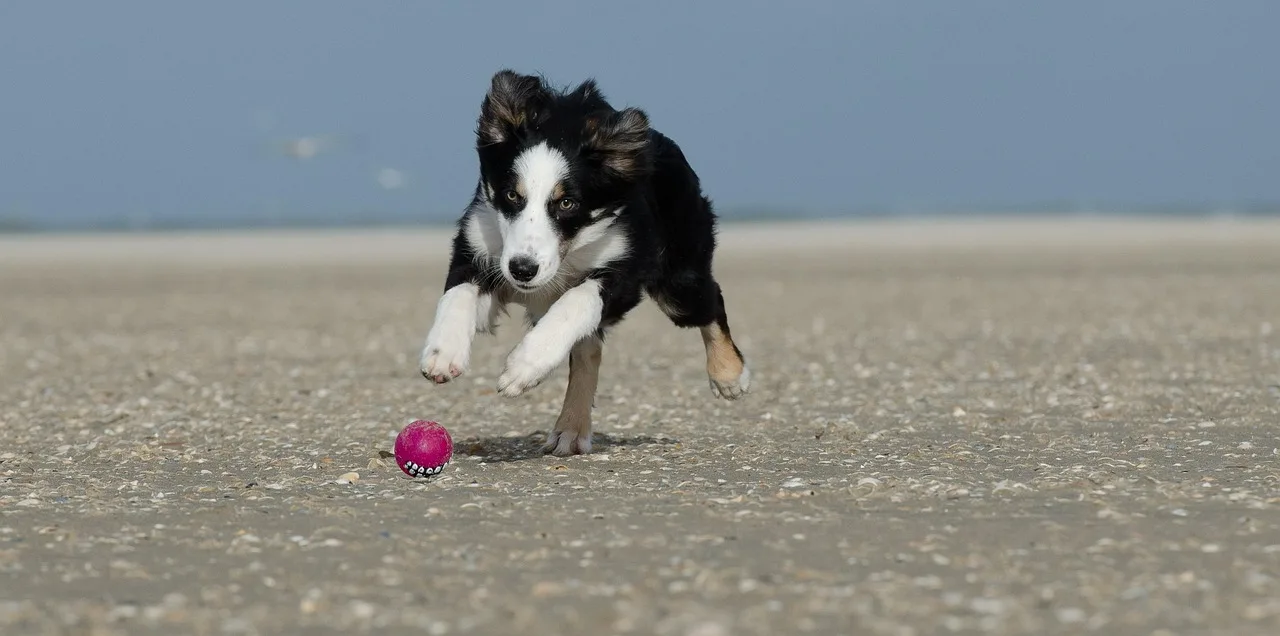
Blame a dog-magazine publisher named Will Judy. His 1937 manual, Training the Dog, said dogs saw only “varying highlights of black and gray,” and the notion that dogs see in black and white stuck around for generations.
Dogs aren’t blind to color. They have two kinds of color cones in their eyes, and we have three. They see blue and yellow and the mixes in between. Reds and oranges come out grayish brown, and a green lawn looks, in the AKC’s words, like “dead hay.”
Now think about every red rubber ball you ever threw across a lawn. Stanley Coren, the AKC’s Family Dog columnist, goes easy on the dog: “When your own pet version of Lassie runs right past the toy that you tossed, she may not be stubborn or stupid. It may be your fault for choosing a toy with a color that is hard to discriminate from the green grass.”
Buy blue or yellow. The dog was never as dim as that red ball made him look.
#23 A dog’s mouth is cleaner than yours
Generations of kids heard this one while a dog washed their face: a dog’s mouth is cleaner than a human’s. It isn’t. It carries a different set of germs.
One of them is called Capnocytophaga, and the CDC says it’s common in dog and cat mouths. It can make people sick through a bite, or when a pet’s saliva gets into an open wound or sore. The CDC also says most people who have contact with dogs and cats do not become sick.
The people the CDC watches most closely are those with weakened immune systems, people on immune-suppressing medicines such as chemotherapy, and people without a spleen. Most infections it sees are in adults over 40. If any of that describes you or someone you live with, the CDC suggests talking with your doctor about safe contact with your pets.
For everyone else, one house rule covers it. Kisses on the cheek are fine. Licks on a scraped knee or a fresh cut are not.
#22 A lick heals the wound
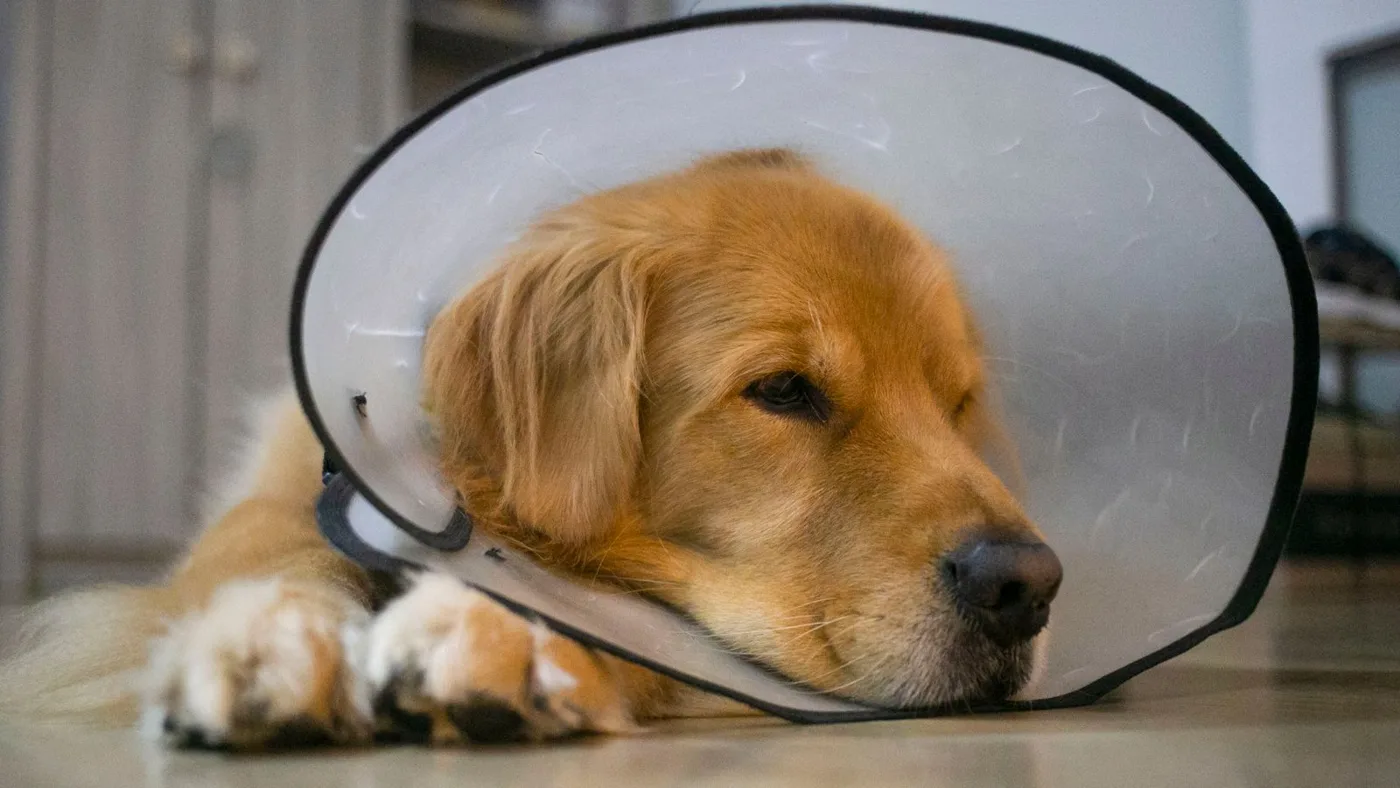
The dog limps in with a scrape, settles on the rug and gets to work. Folk wisdom said leave him to it.
There’s a grain of truth there. Australian vet Andrew Spanner says “several substances in saliva have been shown to be antibacterial.” Then comes the catch: “The bad news is that they are not especially effective against the common disease-causing bacteria such as Staphylococcus and Pseudomonas.”
The bigger problem is that dogs don’t know when to stop. “Frequent licking shuts down the regenerative process completely,” Spanner says. On a surgical wound, licking usually carries bacteria into a clean cut and starts an infection. The urge is too strong for a dog to resist on his own, which is the whole reason the cone exists.
He’ll bump into the coffee table twice and give you a look as if you’d sold the house. Leave it on until the vet says otherwise.
#21 Eating grass when something’s wrong
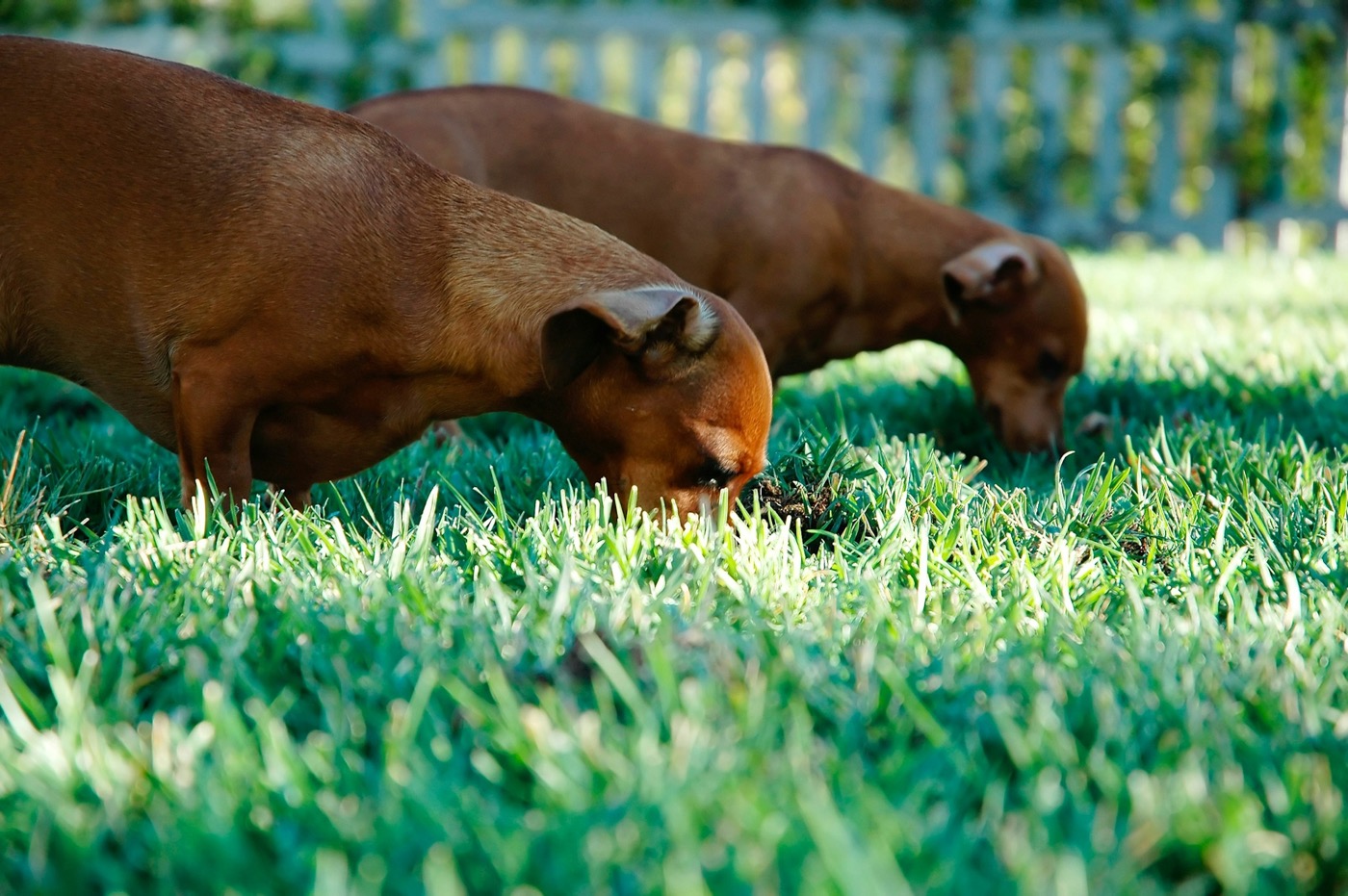
He’s out on the lawn, grazing with the focus of a dairy cow, and somebody says it: dogs eat grass when they’re sick.
Mostly, they don’t. Benjamin Hart, a veterinarian and behavior specialist at UC Davis, surveyed owners of 1,571 dogs. Sixty-eight percent said their dogs ate plants daily or weekly. Only 8% said their dogs often looked ill beforehand, and 22% said their dogs regularly vomited afterward.
So about one grazer in five brings it back up, and most owners say their dogs don’t often look sick beforehand. Hart’s theory reaches back to wild ancestors, who may have eaten plants to help purge intestinal worms. Your dog may just be running very old software.
New Jersey veterinarian Dr. Adam Christman makes the same point: a few dogs graze when their stomach is upset, but not all grass-eating is a sign of illness.
What’s worth a call to the vet is vomiting that keeps happening, or a dog who’s off his food, lawn or no lawn.
 You might also like28 Things Dog Owners Did in the ’60s and ’70s That Would Raise Eyebrows Today
#20 The doghouse in the yard
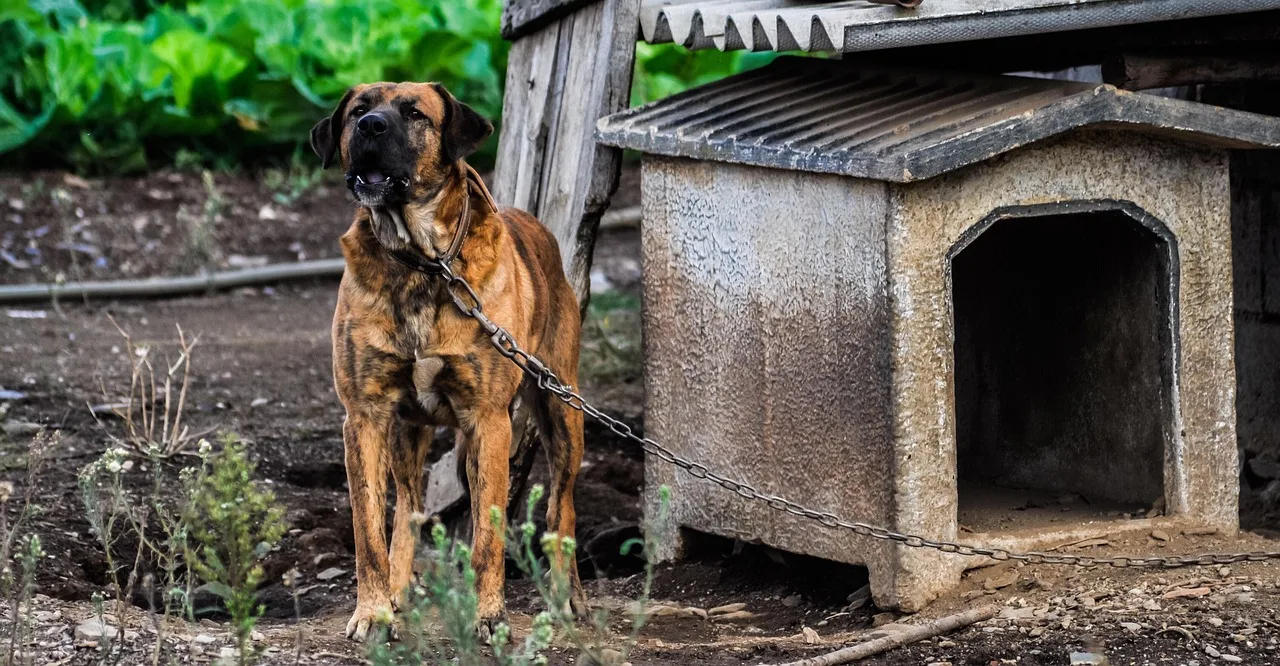
Many a dog grew up with an address of his own: a wooden doghouse, straw or an old blanket inside, maybe a chain to a stake. A dog belonged outside. That’s where dogs lived.
Lots of dogs do love being out. What’s changed is how cold counts as too cold, and the number is warmer than you’d guess. PetMD’s Dr. Brittany Kleszynski says “many senior dogs can start to feel uncomfortable around 45 F.” That’s a sweater afternoon in October, nowhere near a blizzard.
Older dogs lose heat quickly, and cold can make arthritis stiffer and more painful. Her simplest test: “if it’s too cold for you to be outside, it is too cold for any dog to be outside, especially seniors.”
The chain changed too. As of 2026, about 23 states have laws that limit how owners can tether a dog.
Then there’s the old idea that a big yard means a dog doesn’t need walks. Owners on r/dogs push back hard on that one, and say the dogs they knew living that way seemed unhappy. A yard is a place to be. A dog still wants to go somewhere.
#19 Letting the dog roam free
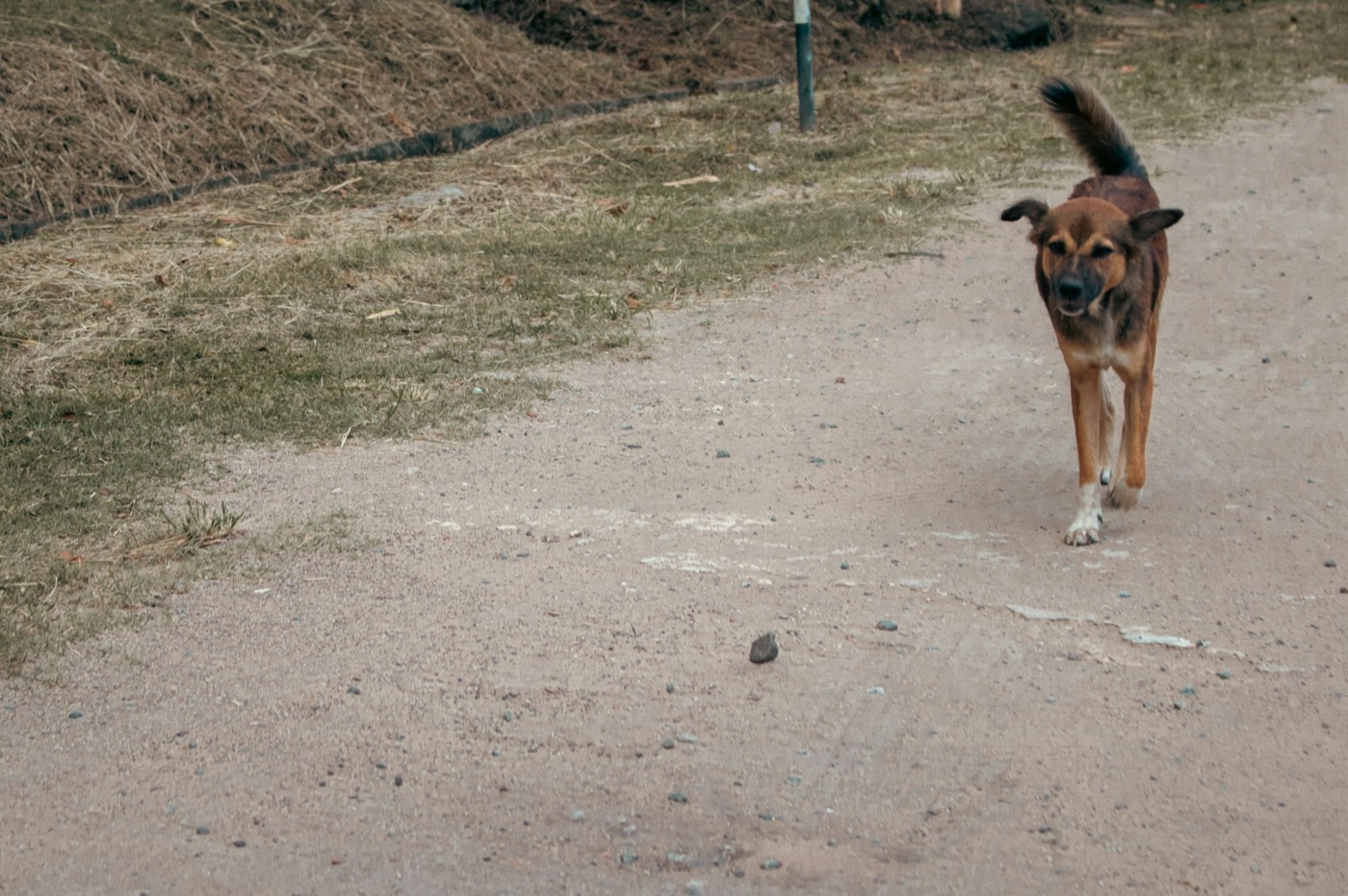
At Cornell, dogs roamed the Ithaca campus “well into the 1970s.” An Irish setter named Hans learned his owner’s class schedule and went to lectures on his own. When two other dogs got amorous in the middle of a lecture, professor Walter LaFeber called it an “open-door policy in action.”
Plenty of towns ran the same way. The dog went out in the morning and came home when he was good and ready.
Nationally, things changed after scientists started writing about free-roaming dogs in American towns in the early 1970s. National conferences in 1974 and 1976 settled on three words: Legislation, Education, Sterilization. At Cornell, the leash laws finally got enforced after several students were bitten during a chemistry exam.
Back then, the tag on the collar was the only ticket home. Today there’s a microchip, a tiny chip under the skin that a shelter scans for an ID number. In a study of 53 US shelters, 52.2% of microchipped dogs got back to their owners, compared with 21.9% of dogs without one.
The catch is the paperwork. The biggest reason chipped dogs didn’t make it home was wrong or missing owner information. If you’ve moved or changed numbers since the dog was chipped, call the chip company and update it.
#18 The car window cracked open
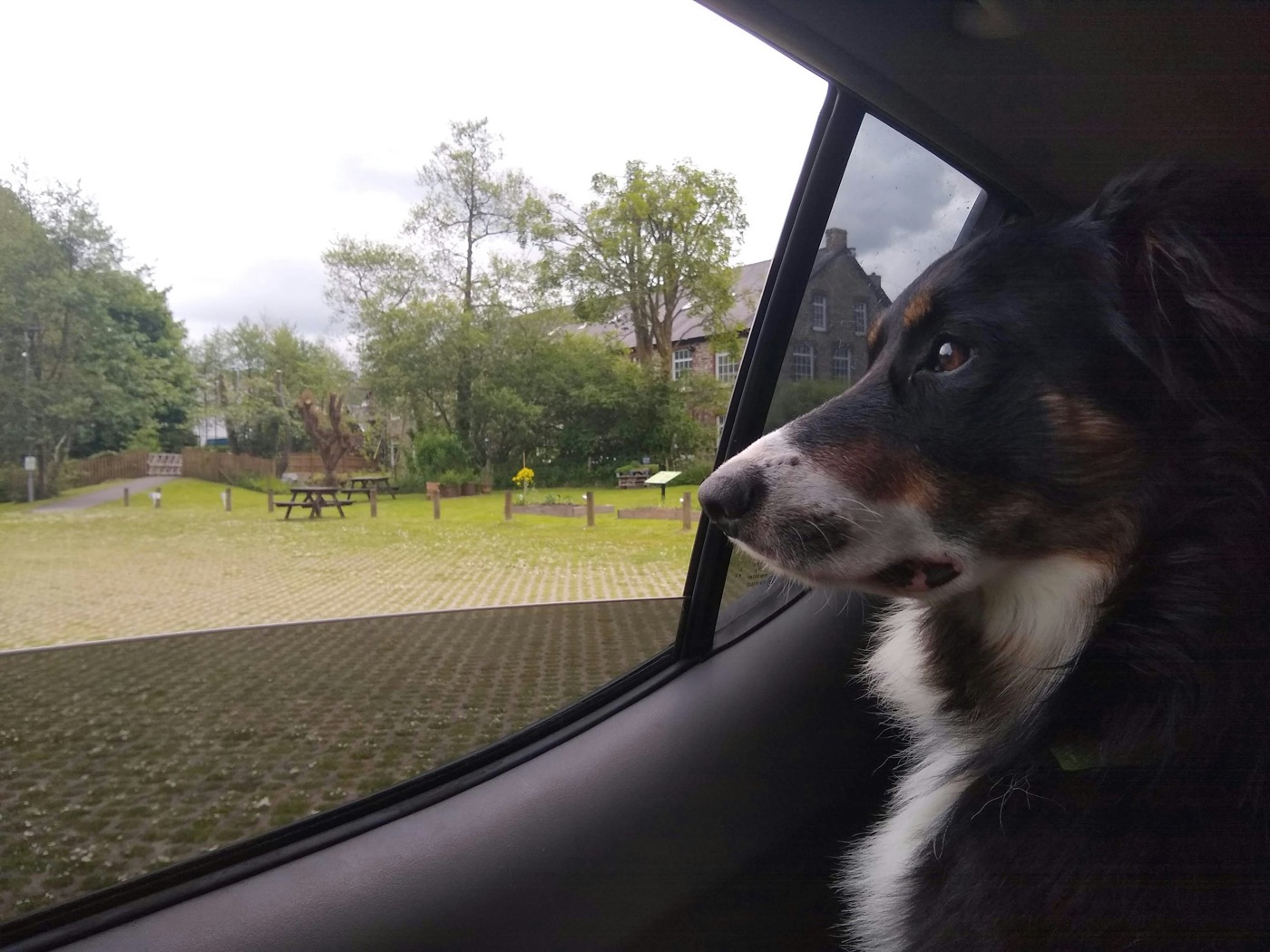
“I’ll only be a minute,” and two inches of open window. It felt responsible.
Stanford researchers tested it in 2005 on sunny days with highs from 72 to 96°F. Inside the car, the temperature climbed an average of 40°F within an hour, whatever the weather outside. About 80% of that rise came in the first half hour.
Cracking the windows had, in their words, “an insignificant effect.” Running the air conditioning first bought about five minutes.
On a mild, sunny 72°F day, that’s about 112°F inside after an hour. Researcher Dr. James Quinn put it in one line: “ambient temperature doesn’t matter; it’s whether it’s sunny out.” Ambient means the outside air.
Thirty-two states and Washington, D.C. have laws about pets left in parked cars in dangerous conditions, as of 2026. The simpler fix is the one nobody liked hearing back then. If the dog can’t go into the store with you, he stays home.
#17 One litter before the spay
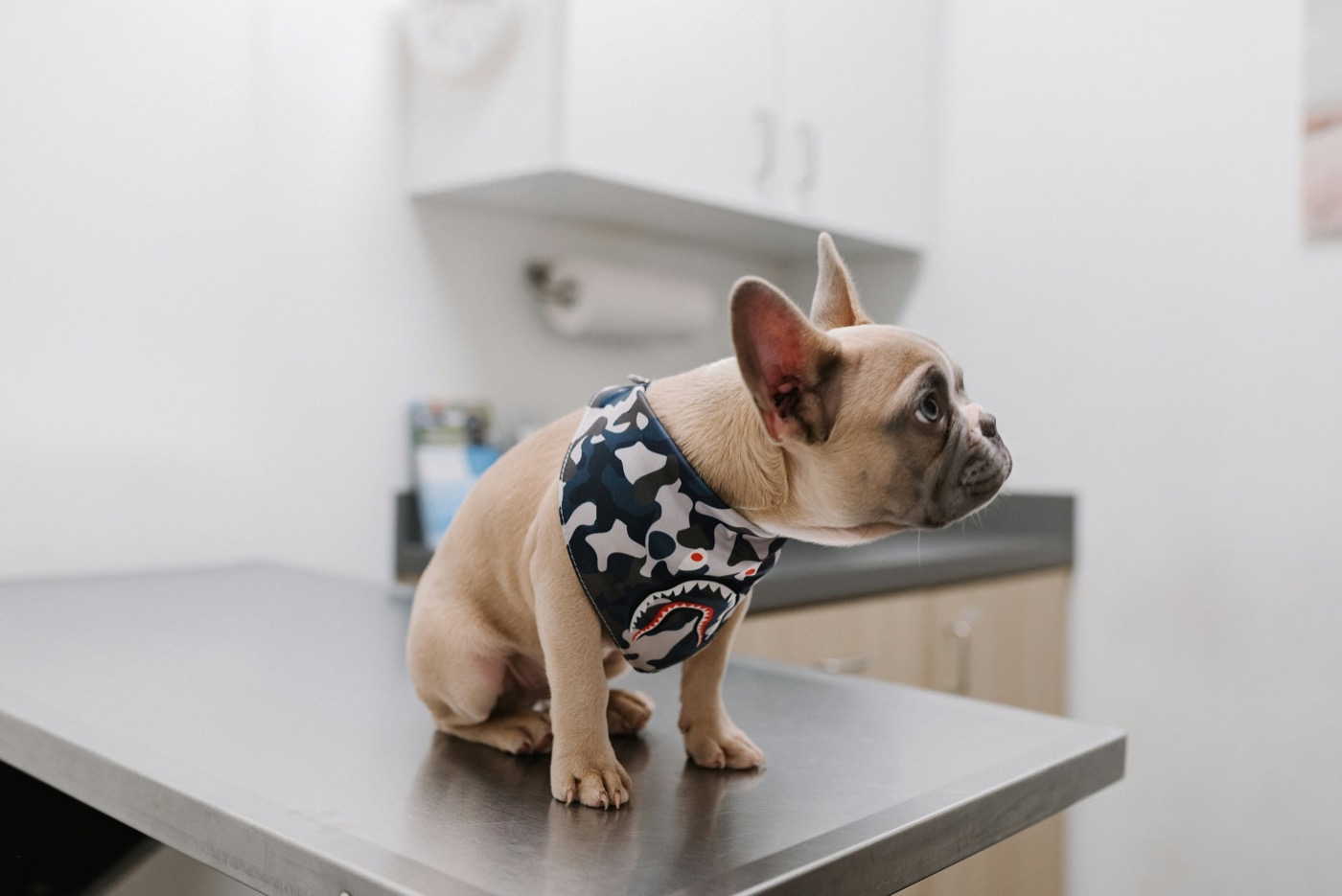
Let her have one litter first. It’ll settle her down. You heard it from neighbors, breeders, maybe even the vet down the road.
The cost of all those litters showed up in the shelters. A 1973 Humane Society study estimated about 13.5 million dogs and cats were euthanized in the US every year. For 2024, the estimate is roughly 850,000.
For the dog’s own health, the old rule had it backward. The Connecticut Humane Society calls one litter before spaying a myth and says spaying before the first heat cuts the risk of mammary cancer by at least 50%.
Timing turned out to be more complicated than “early is best.” A UC Davis review of 15 years of hospital records across 35 breeds linked early neutering to more joint disorders, mostly in larger dogs. In male Golden Retrievers:
| Neutered at | Joint-disorder rate |
|---|---|
| Under 6 months | 25% |
| 6 to 11 months | 11% |
| Not neutered | 5% |
Small breeds such as Chihuahuas, Pugs, Yorkies and Maltese showed little joint risk whatever the timing. The researchers give breed-by-breed guidance, drawn from one hospital’s records.
Also retired: the line that spaying makes a dog fat. The Connecticut Humane Society puts weight gain where it belongs, on “overfeeding and a lack of exercise.”
If a puppy is in your future, bring up spay or neuter timing for that breed at the very first vet visit, before the calendar decides for you.
#16 Dogs and cats as sworn enemies
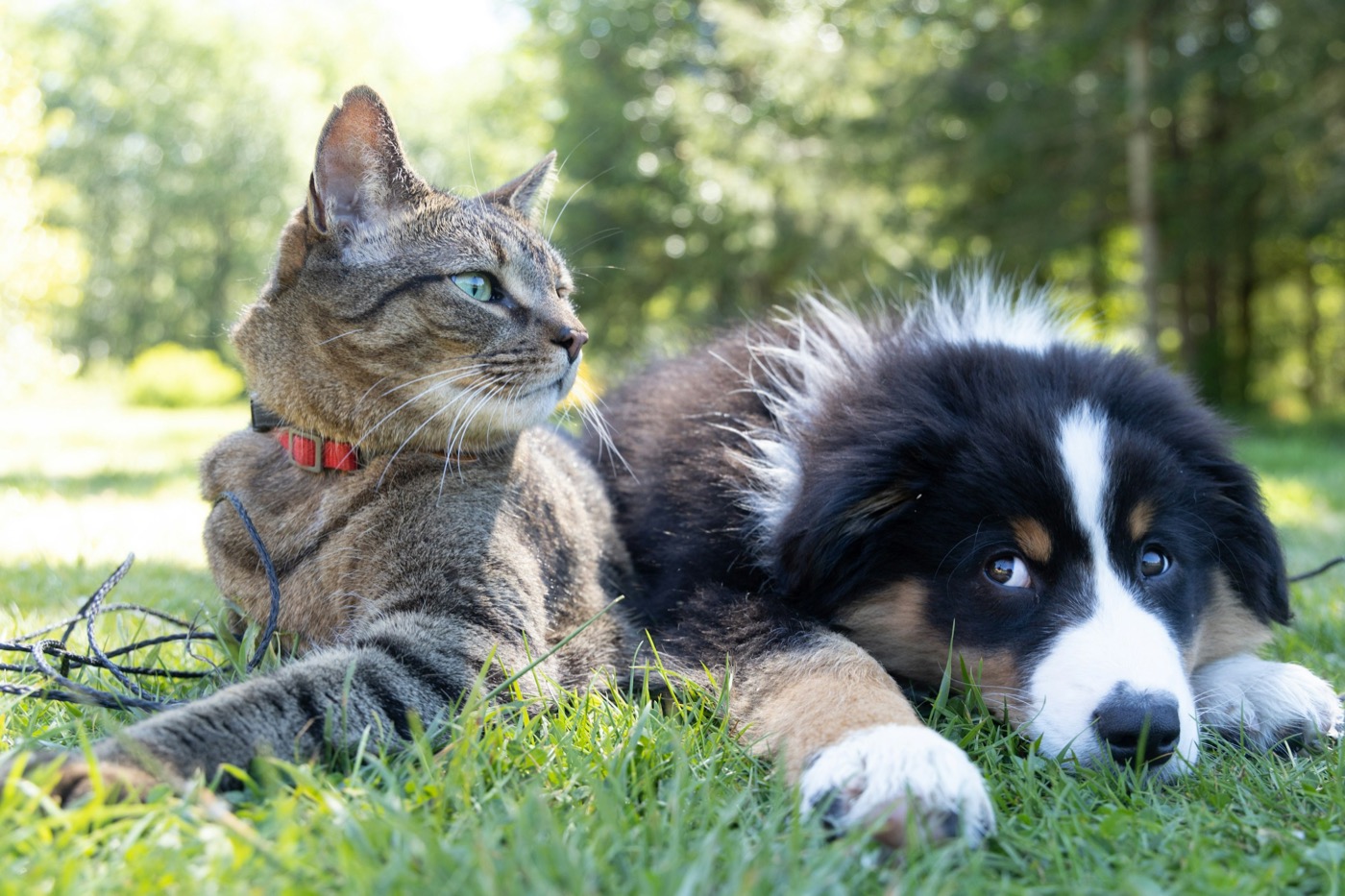
“Fighting like cats and dogs” made it into everyday speech because people believed it.
Researchers at Tel Aviv University watched cats and dogs in real homes and found the feud isn’t fixed. The pair got along better when the cat moved in first, and when they met young: cats by about 6 months, dogs by about a year. Early exposure, they wrote, “facilitates the learning of each other’s body language.”
Breed stereotypes cut both ways here. Owners on r/dogs push back on the idea that greyhounds need endless running and can never live with cats. A greyhound owner there describes the breed’s needs as little more than brief daily exercise and a comfortable place to rest.
The cat part still deserves respect. Greyhound Pet Adoption Northwest says small pets “may appear as prey to a Greyhound,” which is why its dogs are “cat and small-dog tested.” It also says “Most Greyhounds can adapt to cats and small dogs.”
Bringing a grown dog of any breed into a house with a cat? Ask the rescue whether that dog has been tested with cats, the way that group tests every greyhound.
#15 Garlic and brewer’s yeast for fleas
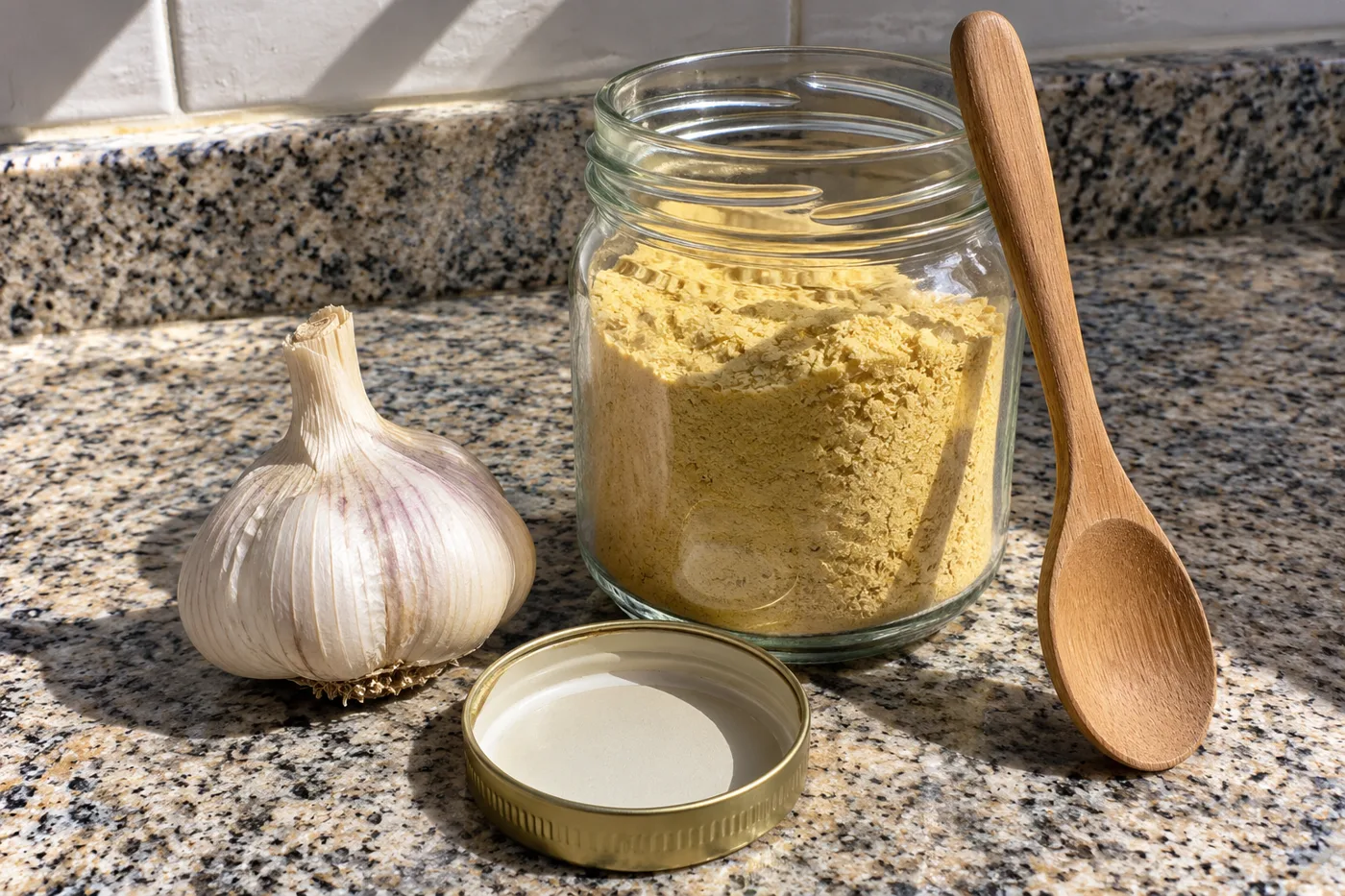
The folk cure had two parts: a little garlic in the food, a spoonful of brewer’s yeast on top, and the fleas would supposedly pack up and move out.
The yeast doesn’t hold up. Andrew Levin of Squan Animal Hospital in New Jersey points to a veterinary-journal study that found “no benefit to using Brewers Yeast to control fleas.” Then the kicker. Some of the mixture labs use to raise fleas for research contains brewer’s yeast. You may have been feeding the wrong party.
The garlic was the worse half. The ASPCA says garlic, along with onions and chives, can damage a dog’s red blood cells and lead to anemia. A remedy that showed no benefit in testing, with an ingredient that can hurt, has no business in the bowl.
#14 The flea collar, summer only
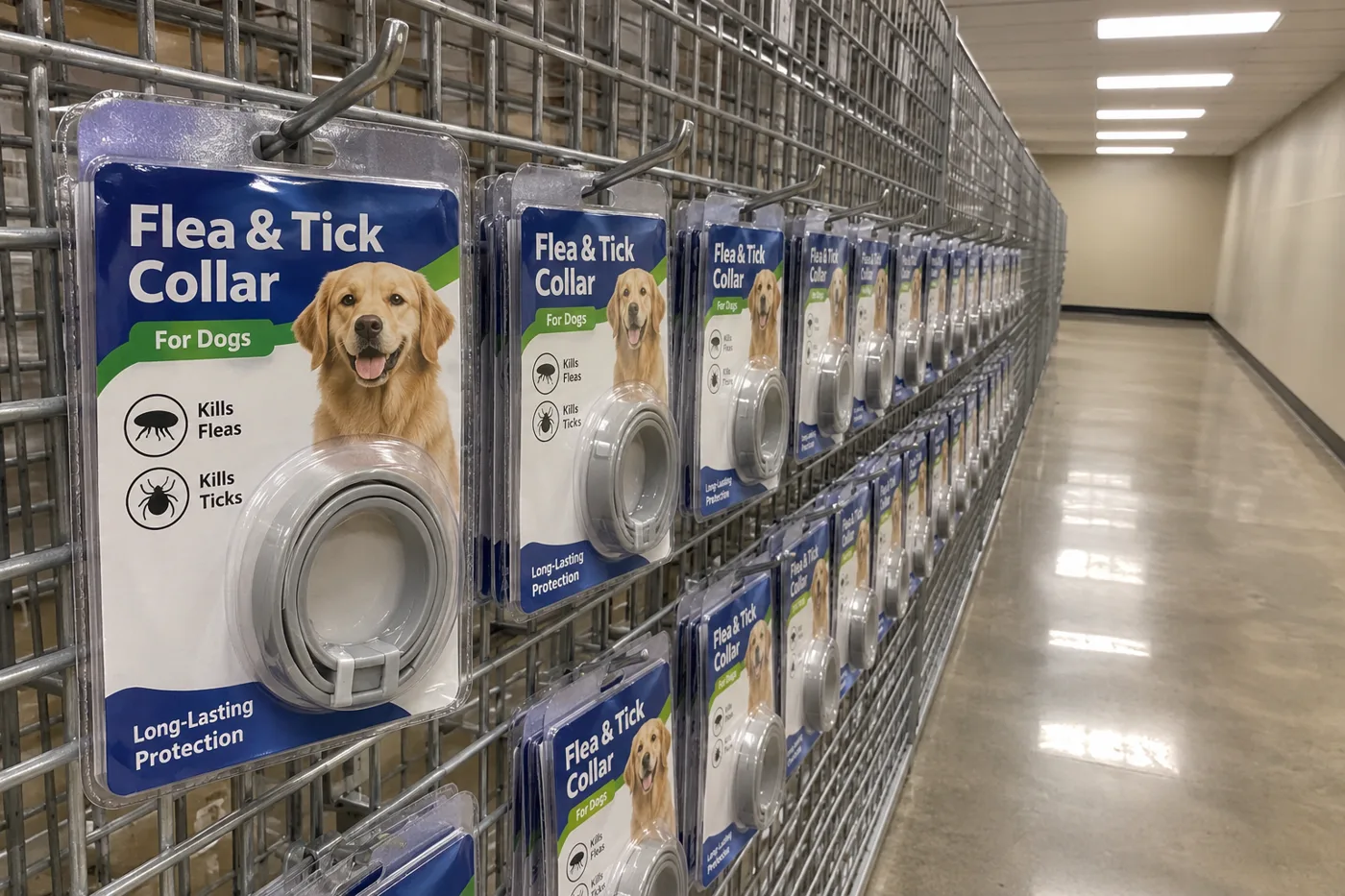
The white plastic collar with the chemical smell, buckled on when the weather warmed up and dropped in a drawer by fall. It had a real inventor.
Oregon State University credits entomologist Robert Goulding with the research behind the flea collar in 1964. He’d first built slow-release pesticides for cattle rubbing posts, the posts cows scratch against. OSU says the collar and the products that followed freed about 60 million dogs and cats from parasites.
What vets have retired is the “summer only” part. Dr. Mike Dryden, a veterinarian writing for the Companion Animal Parasite Council, makes the case for year-round flea and tick control. Within 24 hours, fleas on a dog can trigger allergy or lay enough eggs to start an infestation. Clearing one takes four to eight weeks or longer, and climate has made flea season hard to predict anyway.
That’s why parasite prevention in the winter is now standard advice. Expect to pay roughly $25 to $50 a month, veterinarian Dr. Jonathan Gonzalez told Forbes Advisor. Which product suits your dog is a question for your vet, especially for a small or older dog. The EPA found that smaller dogs tend to be disproportionately affected by some spot-on products.
#13 The summer buzz cut
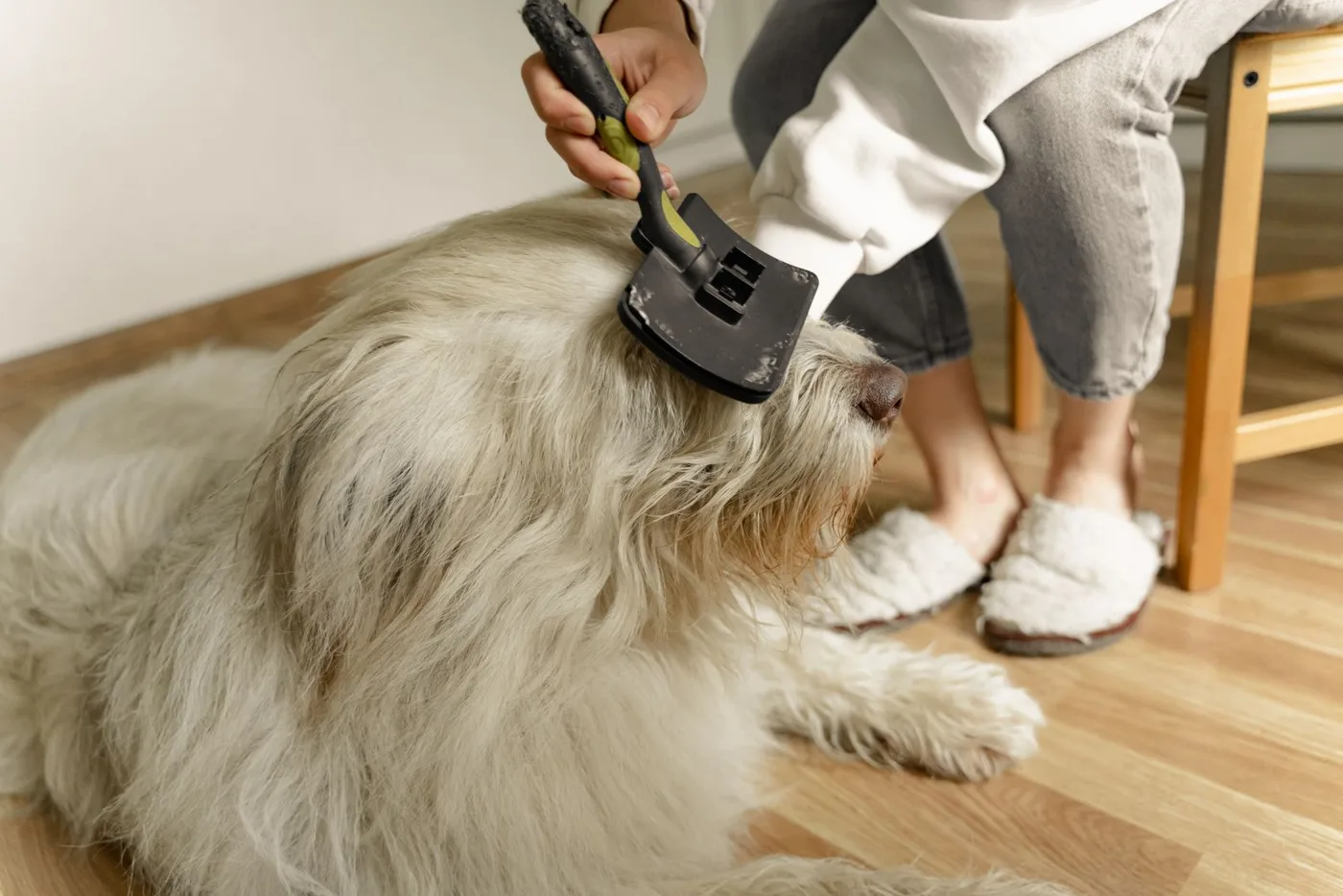
Every July, some shaggy dog got the full shave and spent the next week looking embarrassed about it.
For a double-coated dog, one with a dense undercoat under the longer outer coat, that haircut works against him. Veterinarian Dr. Kate Elden puts it plainly:
“Shaving a double-coated dog removes the very thing that keeps them cool.” (Dr. Kate Elden, DVM)
She names golden retrievers, huskies and shepherds among them. Their skin isn’t built for direct sun, so a shaved dog is at risk for sunburn and skin cancer. The coat can also grow back “patchy, fuzzy or take a very long time to regrow,” which vets call post-clipping alopecia.
What she recommends is less dramatic: regular brushing and de-shedding. The undercoat comes out in clouds, the dog stays cooler, and you end up with enough fur on the floor to build a second dog.
#12 Milk-Bones for clean teeth
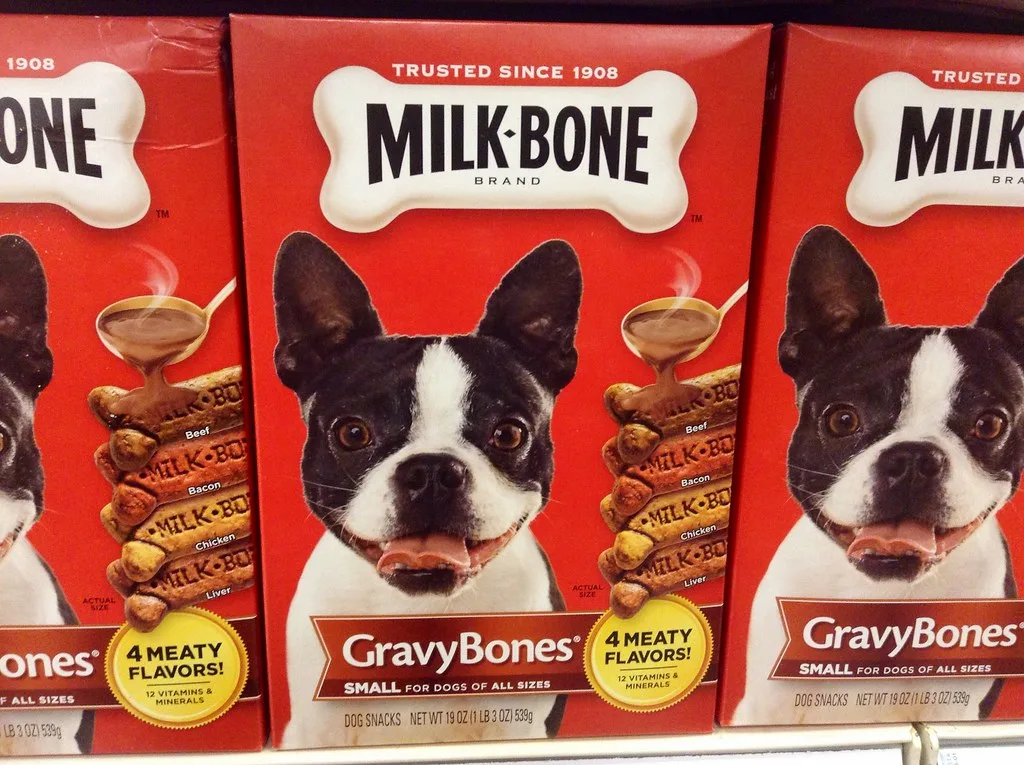
The box had dogs on the front: a Beagle, a Poodle, a Westie, a Boston Terrier, a Lab, every one of them thrilled. Milk-Bone was the treat nearly everybody knew by name.
It started in 1908 at a biscuit company on New York’s Lower East Side under the name “Maltoid”, became Milk-Bone sometime between 1915 and 1926, and joined Nabisco in 1931. Nabisco sold it as “a dog’s dessert,” and in the 1950s ran TV spots with Rin Tin Tin. The clean-teeth pitch came later. The biscuits are still baked in Buffalo.
Chewing helps a little, so the teeth claim was never pure fiction. The problem is just bigger than any biscuit. Cornell’s canine health center says 80 to 90% of dogs over age 3 have some periodontal disease, an infection of the gums and the tissue holding the teeth. It’s more common in small breeds and grows more common with age.
Cornell’s fix comes in three parts:
- Brushing every day with toothpaste made for dogs
- A professional cleaning once a year, under general anesthesia
- Chews and products with the Veterinary Oral Health Council seal, which means they met that group’s dental standard
The anesthesia is the part owners of older dogs hesitate over. The AVMA says most healthy pets, even senior pets, handle anesthesia without problems, and that the risk depends more on the dog’s health and the procedure. It also advises against anesthesia-free cleanings, which can’t reach below the gumline. Budget for it: the average dental visit runs over $500. The brushing is cheap, and a dog who gets used to it gets a minute of your full attention every night.
#11 The dog barking at the mailman
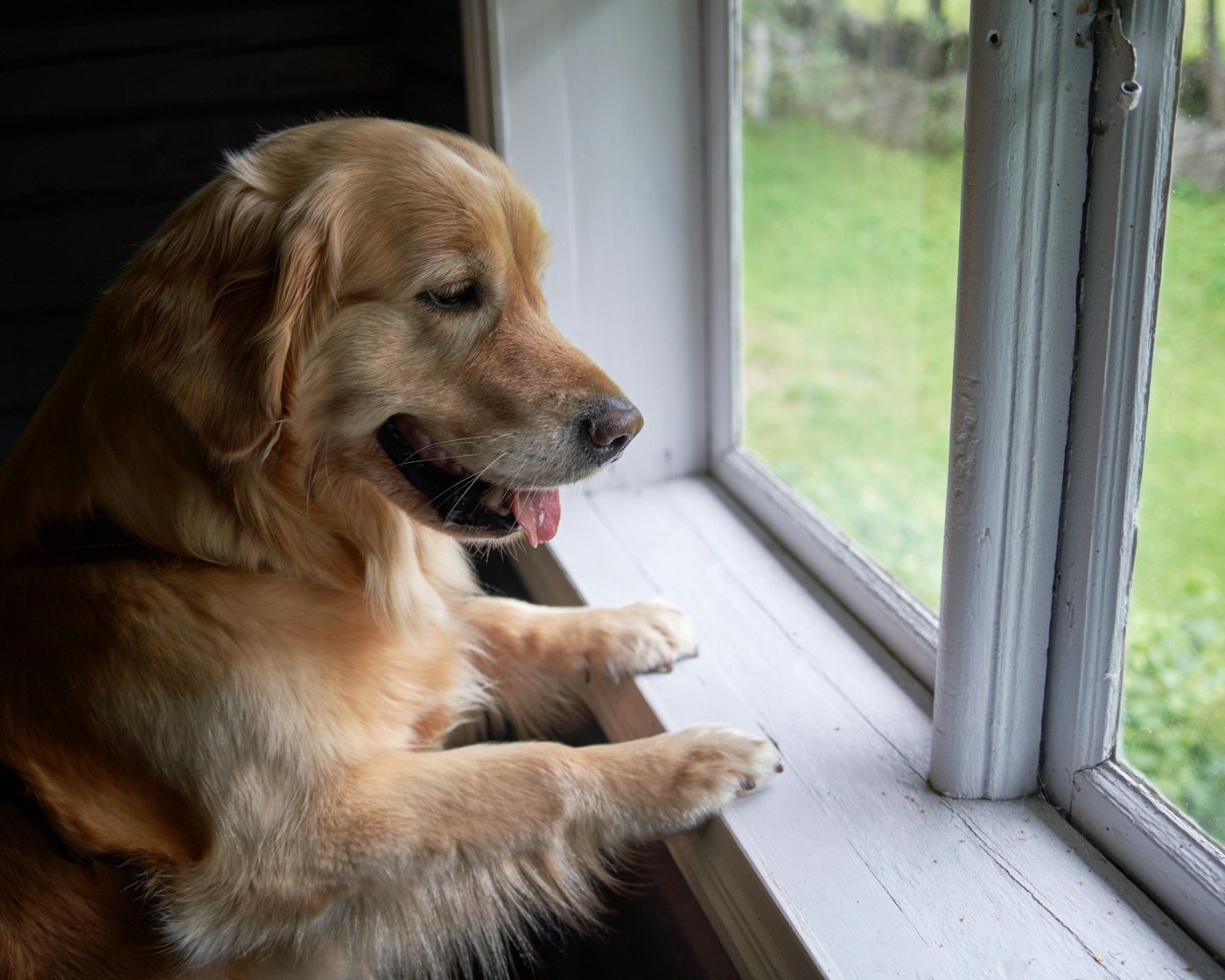
Same time every day, he hears the truck, hits the window and lets the whole street know. And every day, the carrier leaves. From where he’s standing, he won. Again.
That’s the loop the AKC’s Lisa Maloney describes. The daily delivery “provides the perfect training stimulus to reinforce this behavior.” The bark comes, the intruder goes, lesson learned. That’s one reason the habit can be hard to break on its own.
It isn’t all show. The Postal Service says more than 6,000 of its employees were attacked by dogs in 2024. Los Angeles led the country with 77, followed by Houston at 65 and Chicago at 57.
USPS safety manager Leeann Theriault keeps her advice short: “keep your dog secured and away from the carrier.” In practice, that means a closed room or a leash before you sign for a package, even for the dog who has never bitten anybody.
 You might also like21 Dog Breeds That Were Everywhere When You Were a Kid
#10 Dogs sensing a storm coming

He’d pace, pant and wedge himself behind the couch an hour before the first rumble, and the whole house took it as the forecast.
He probably was picking something up. Lap of Love, a veterinary hospice network, says storm stress usually involves noise. It can also come from static electricity, rain, wind, or changes in barometric pressure, the air pressure that drops ahead of a storm. That’s the vets’ best read on what he senses first.
The newer worry is about older dogs. Lap of Love says “a pet who once tolerated storms but now suffers from dementia may get confused and scared by a noise that no longer seems familiar.” The dog who slept through thunder for years can suddenly shake through it.
The ASPCA’s advice for older dogs: have the vet check for medical problems first, mask the noise with background music, and never punish the fear. A radio turned up before the storm rolls in is about as old-fashioned as fixes get, and it’s the one experts still suggest.
#9 The St. Bernard’s brandy keg
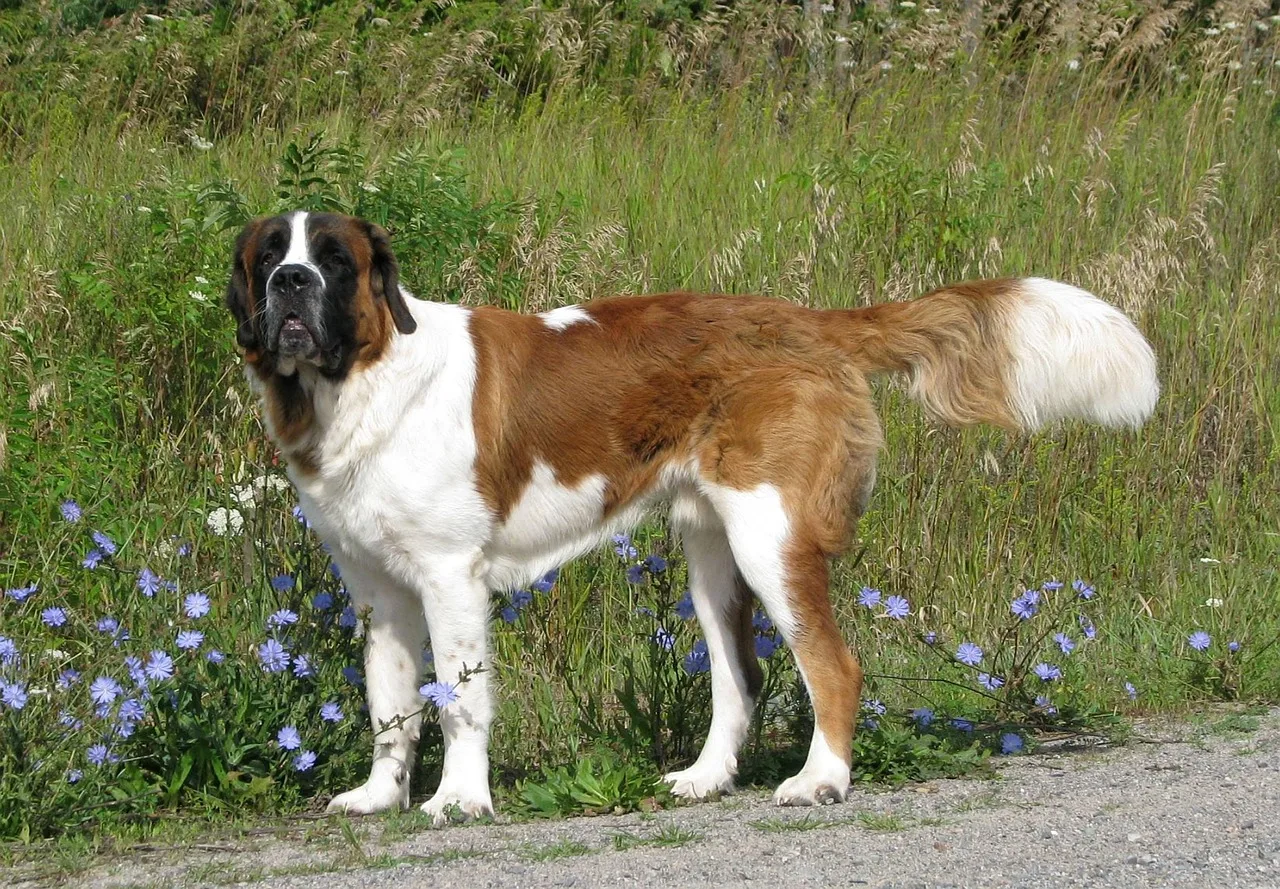
Picture a St. Bernard, and the little wooden barrel shows up on the collar every time. It was never there.
The AKC traces the keg to an 1820 painting by Edwin Landseer, Alpine Mastiffs Reanimating a Distressed Traveler. “The cask was a creative detail invented by Landseer to enhance the painting.” A painter’s prop, two centuries old.
The monks at the Hospice of St. Bernard, perched above 8,000 feet since 1050, knew alcohol was dangerous for a traveler with hypothermia. Their dogs did the job without it. The most famous, Barry, was credited with saving at least 40 people between 1800 and 1814.
The barrel lived on anyway, through TV’s Topper in the 1950s and the 1992 film Beethoven. Alcohol is on the ASPCA’s list of things to keep from dogs, too, so that keg was bad news at both ends.
#8 Lassie understanding every word

One bark, and Lassie had delivered the whole message. For nearly two decades, viewers believed the understanding went both ways.
The show ran from 1954 to 1973, 591 episodes in all, with Campbell Soup sponsoring the half hour. By 1970, Lassie was selling dog food too, in a Recipe commercial billed as “The balanced dinner Lassie eats.”
Here’s a detail most fans never knew. Jon Provost, who played Timmy, says: “I fell off cliffs, into an abandoned mineshaft and into quicksand, but I never did fall in a well.” As for the famous line about the well, his answer: “I don’t know where that came from.”
So how many words does a real dog know? A 2021 study asked 165 owners about 172 words and phrases. Their dogs responded to an average of 89. More than 90% answered to their name, “sit,” “come,” “good girl” or “good boy,” “down,” “stay,” “wait,” “no,” “ok” and “leave it.” Those are owner reports, so add a pinch of salt and a pinch of pride.
How you say it counts, too. A 2016 brain-scan study led by Attila Andics found dogs process the meaning of a word and the tone of voice separately, and Andics said “they can combine the two.” Use the same word for the same thing, every time, and say it warmly.
#7 Old Yeller and the rabies scare

If you saw Old Yeller as a kid, you remember the ending. You may also remember asking a grown-up what rabies was on the way out of the theater.
The film came out at the end of 1957, with a dog named Spike as Yeller, and it made rabies real for a whole generation. The fear had deep roots. Under New Hampshire’s 1901 statutes, every dog license had to print “a description of the symptoms of the disease in dogs known as hydrophobia,” the old name for rabies. Licenses there once cost $2 for a male dog and $5 for a female.
Then the numbers fell fast. Vaccination and leash laws starting in 1947 did most of the work. By the late 1960s, the US saw fewer than 500 rabid dogs and three human cases a year, and the strain that passes from dog to dog was eliminated here in 2004.
These days the Old Yeller story mostly happens somewhere else. Since 1960, 36 US residents have died of rabies caught from dogs while abroad, and about 107,000 dogs a year arrive from countries where dog rabies is still common. Keep your own dog’s rabies shot current. It’s the reason Yeller’s disease became a rarity here.
#6 Grain in the kibble, no questions asked
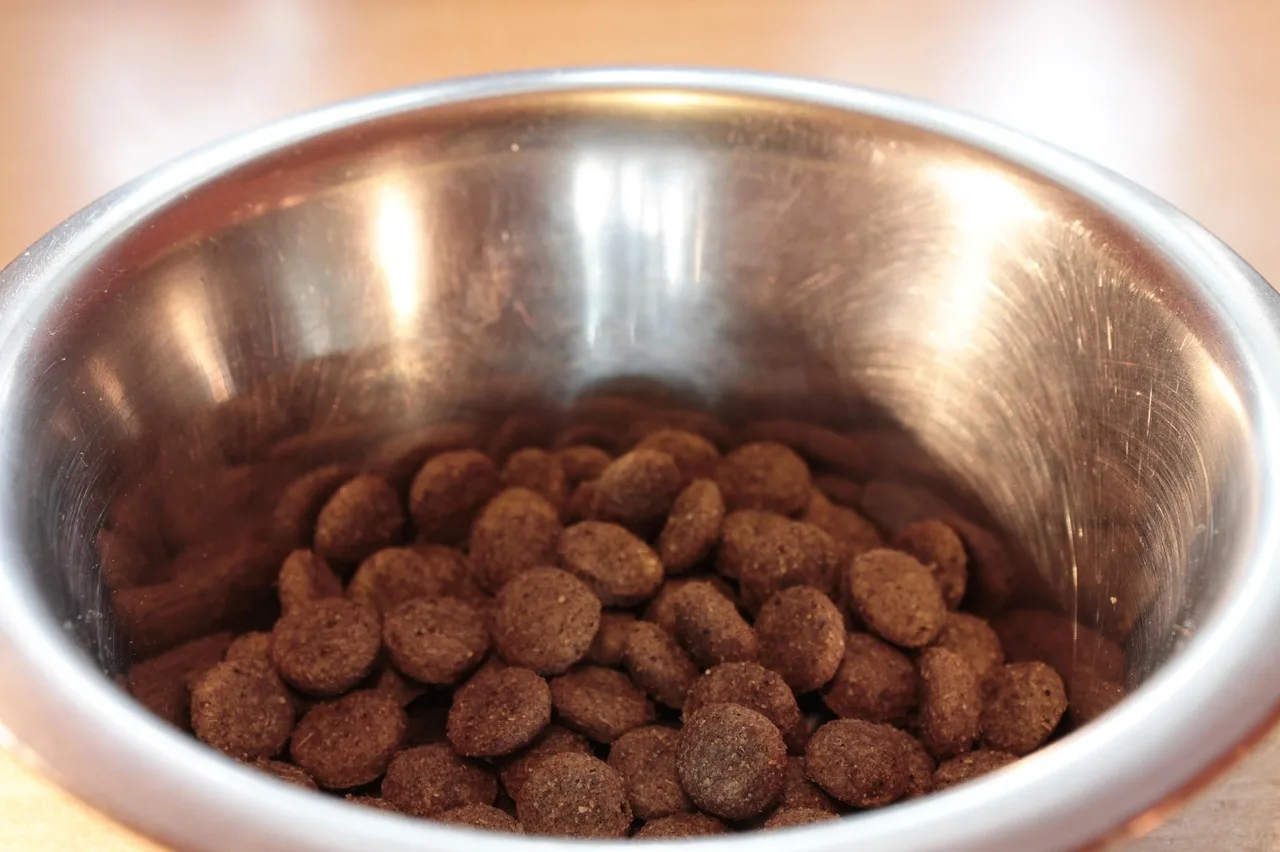
Dog food used to be the cheapest thing in the cart. In 1950, Rival sold a one-pound can for a dime and bragged that “Housewives can’t buy much with a dime today, but when it comes to Rival Dog Food, the little ten cent piece still looks like its old self.”
Some dogs got a Gaines-Burger crumbled on top. A blogger remembering a German Shepherd named Baron wrote, “I can still smell those reddish crumbly burgers now.” Nobody read ingredient lists. If there was grain in it, that was dog food.
Then grain became the villain, and grain-free bags took over the pricey end of the aisle. That’s when the FDA started hearing about dogs with dilated cardiomyopathy, a disease that leaves the heart enlarged and weak.
From 2014 through April 2019, the agency received 515 reports covering 560 dogs, including 119 deaths. More than 90% of the foods named were grain-free, and 93% contained peas or lentils.
That sounds like a verdict. The FDA says it isn’t one. The reports “by themselves… do not supply sufficient data to establish a causal relationship,” and in late 2022 the agency said it would post no more public updates until there was meaningful new science.
Dr. Carly Fox, an emergency vet at New York’s Animal Medical Center, makes the simpler point that dogs can digest grain. The plain kibble of the old days is looking less old-fashioned than it used to. If your dog eats grain-free, there’s no need to panic over the bag. The FDA’s advice is to talk with your vet before changing foods, and to call right away if he shows less energy, a cough, trouble breathing or collapse.
#5 Mutts versus purebreds
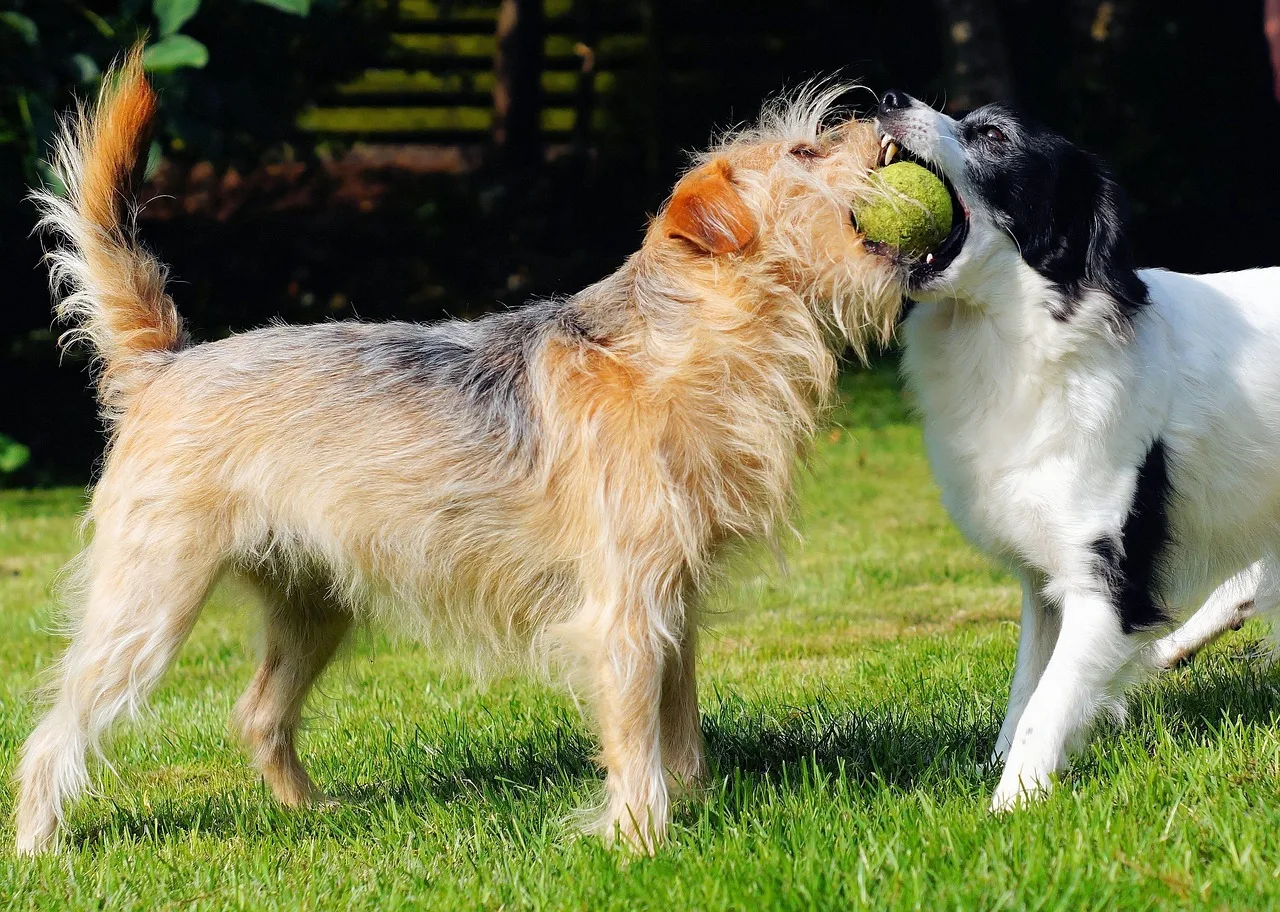
Every neighborhood had both camps. Mutts are healthier, said one. With a purebred, you know what you’re getting, said the other. The research says both sides scored a point.
A UC Davis review of 27,254 dogs looked at 24 inherited conditions. For 13 of them, there was no real difference. Purebreds were more prone to 10, including cataracts, elbow dysplasia (a badly formed elbow joint) and hypothyroidism (an underactive thyroid). Mixed breeds were more prone to just one: a torn cranial cruciate ligament, the dog version of a torn knee ligament.
So the health question depends on the condition, and the list for your breed matters more than the label.
On personality, the old certainty slips further. A 2022 study surveyed owners of 18,385 dogs and read the DNA of 2,155. Breed explained only about 9% of the differences in behavior between individual dogs. Co-author Elinor Karlsson said breed-linked behaviors “predate our concept of modern dog breeds by thousands of years.”
Owners on r/dogs push back on breed stereotypes from both directions: the Chihuahua who’s no ankle biter, the Great Dane who isn’t automatically a gentle giant. An owner of two rescue dogs there says they’ve found their dogs smart, resilient and loving.
If you’re choosing a dog, the breed tells you which health questions to ask. The dog in front of you answers the rest.
#4 An old dog’s new tricks
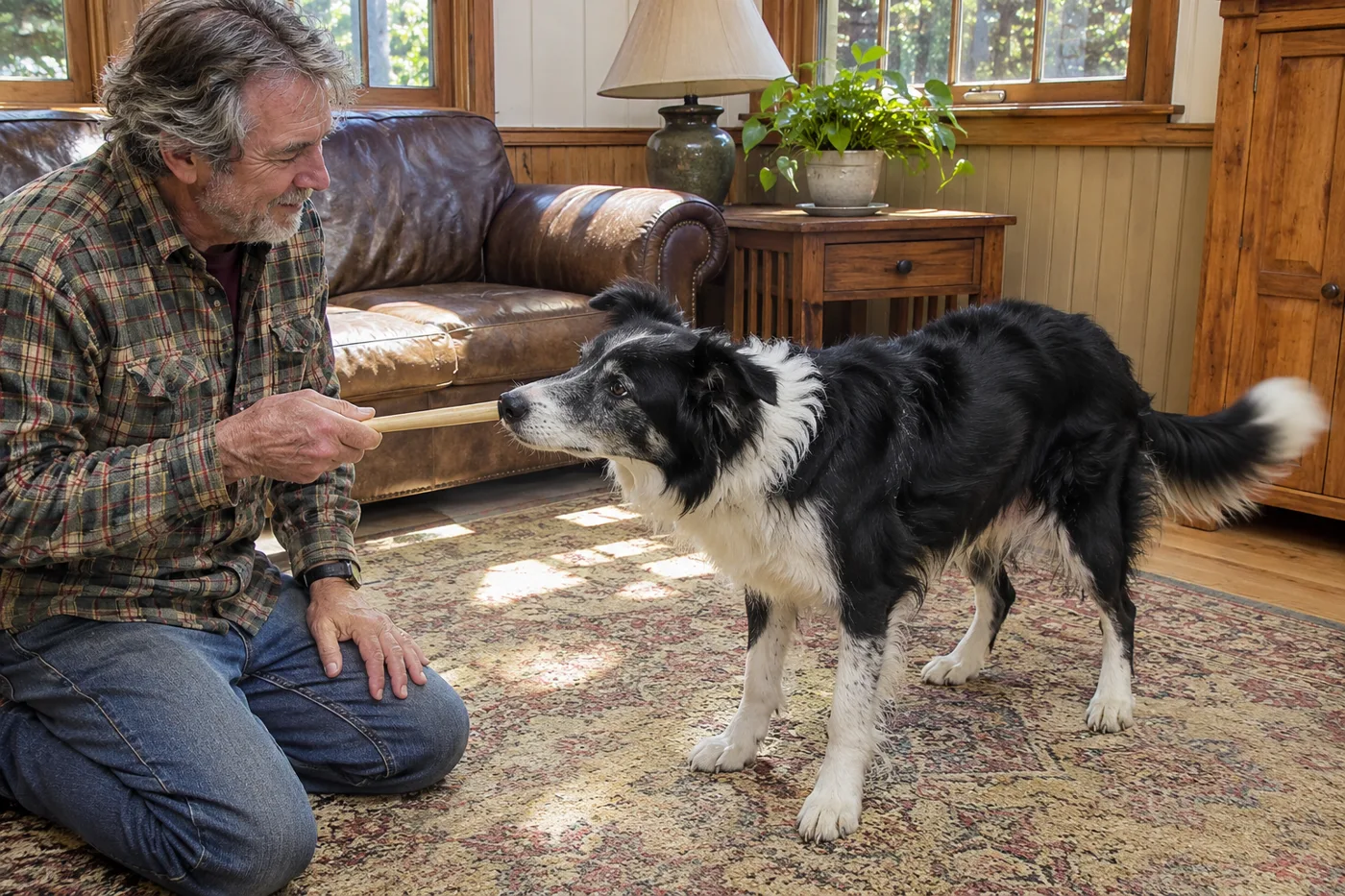
Half of the proverb is true, and it’s the less interesting half.
At the Messerli Research Institute in Vienna, Lisa Wallis and colleagues tested 95 pet Border Collies, from 5 months to 13 years old, on touchscreen puzzles. Older dogs needed more tries before they solved a task. Once they had it, almost all of them still remembered it six months later. On a logic task, the older the dog, the better it did.
Wallis explains the slow start: “As in people, older dogs find it more difficult to change old habits or what they have learned.” Slower going in, solid once learned. The study used one breed, so the fine print belongs to Border Collies.
Where it matters most is the shelter. A survey of owners of 16,818 dogs found people start calling their dogs “old” at about 6, whatever the size. Measured decline in most behaviors didn’t begin until around 10.5 years. That gray-faced 7-year-old everybody walks past may have years of learning left in him, and better manners than the puppy next door.
#3 Senior dogs eating less protein
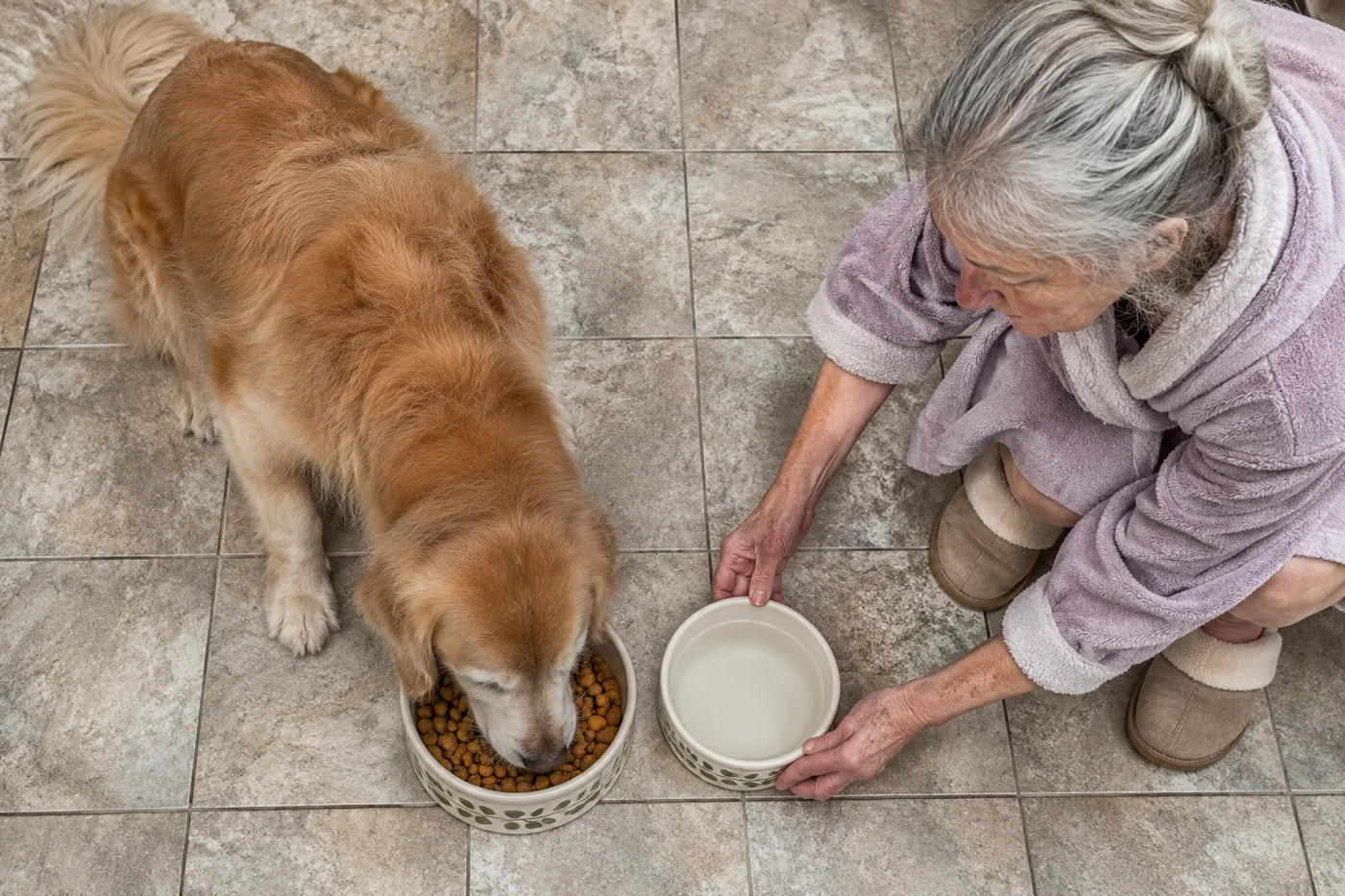
Dr. Hillary Wolfe, a veterinarian and certified food therapist for pets, says the belief that senior dogs need less protein is backwards: they might actually need more. Tufts University’s veterinary nutrition team agrees: “reduced dietary protein is not beneficial for the healthy older dog or cat,” and lower-protein diets “may have negative effects by contributing to muscle loss.”
The front of the bag won’t tell you this: “senior” has no legal definition on pet food. When Tufts researchers compared senior dog foods, protein ran from 4.8 to 13.1 grams per 100 calories, close to three times as much in one bag as in another. Of the owners feeding a senior food, only about a third did it because a vet suggested it.
Cutting back does have a place. For a dog with kidney disease, Tufts notes that lowering phosphorus helps. That’s a decision your vet makes for a medical reason, and a birthday isn’t one.
#2 The guilty look
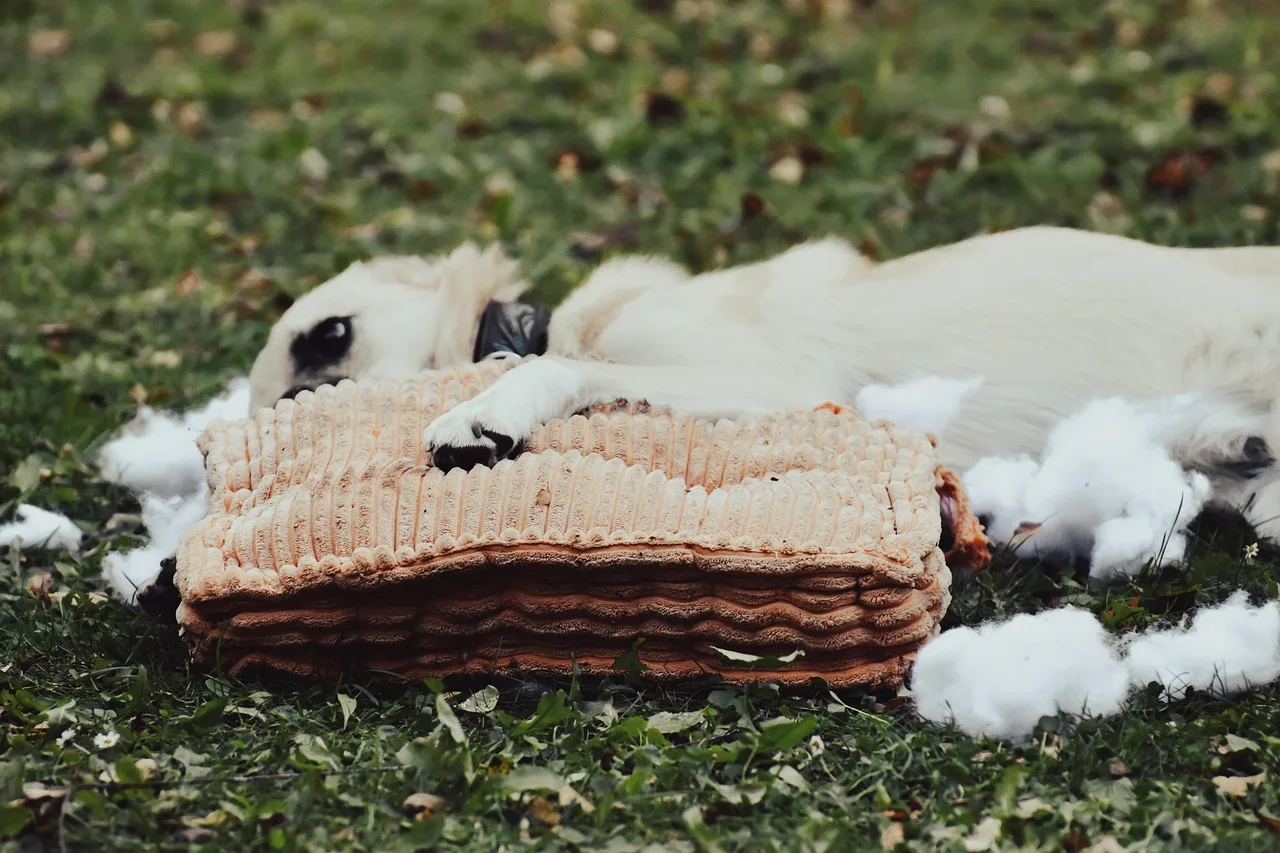
You come home to stuffing all over the living room, and he’s waiting for you: head low, ears back, eyes rolled up, tail thumping slow against the floor. He knows what he did. Everybody’s sure of that one.
In 2009, Barnard College researcher Alexandra Horowitz put it to the test with 14 dogs. Owners told their dog not to eat a treat and left the room. Sometimes they were told the wrong thing about whether the dog had eaten it. The guilty look depended on the scolding, whether or not the dog had actually done it.
A 2015 study in Croatia went a step further. Its 96 owners tried to tell, from the greeting alone, whether their dog had eaten the forbidden food. They did no better than chance.
Veterinary behaviorist Dr. Valarie Tynes says the guilty look shows the dog knows you’re upset, not that it knows it did something wrong.
That guilty look is body language, and it’s an answer to yours. Tynes adds that punishing a dog for a mess you come home to makes anxiety worse. Sweep up the stuffing, move the next cushion out of reach, and say hello as if you’re glad to see him.
#1 The dog sleeping in your bed
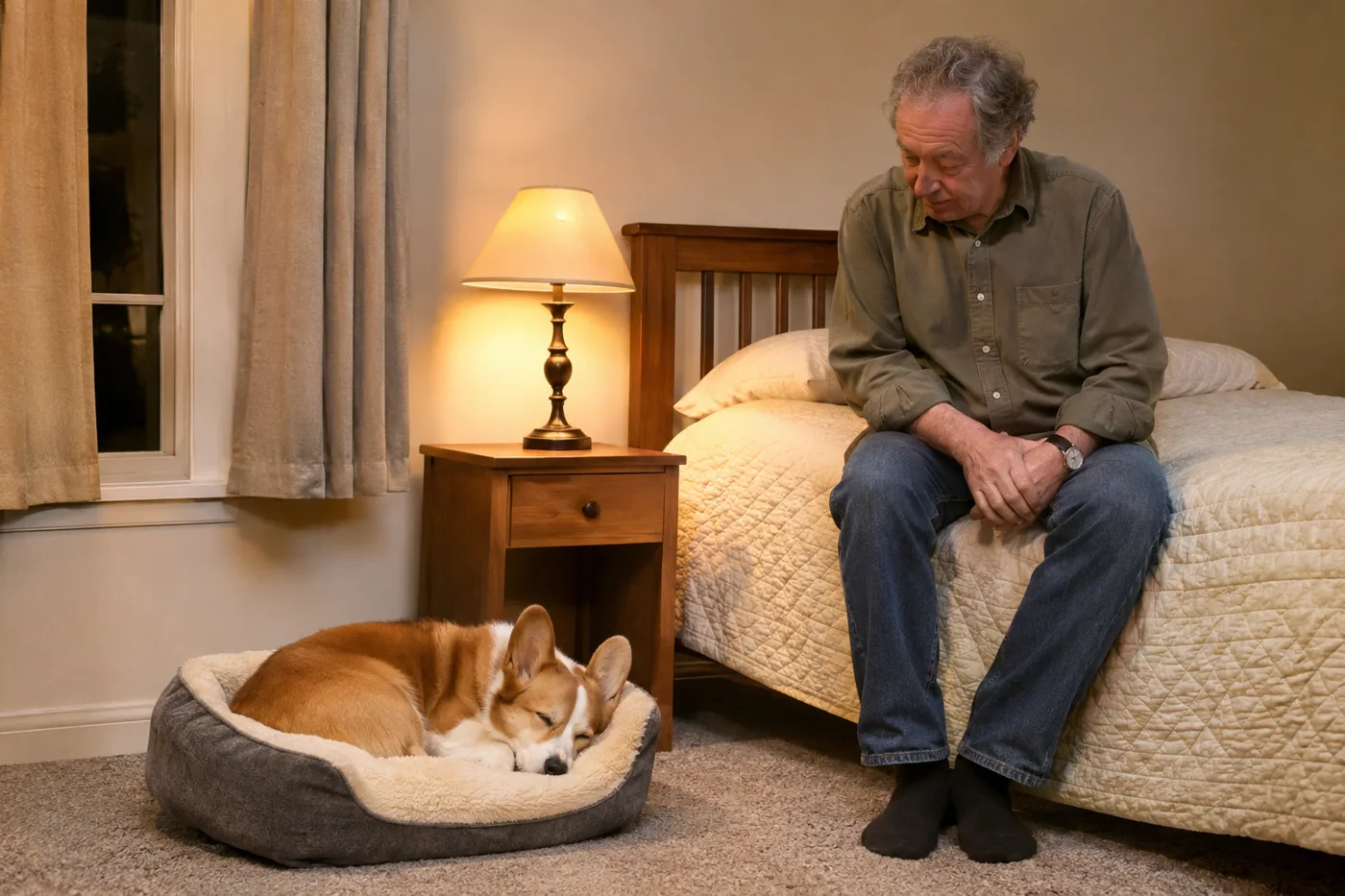
Many a house had a firm rule: the dog sleeps on the floor. A dog in the bed was dirty, unhealthy, spoiled, or all three.
Sleep researchers mostly side with the dog. A 2017 Mayo Clinic study put activity trackers on 40 healthy adults and their dogs for seven nights. People slept somewhat less well with the dog on the bed than with the dog elsewhere in the bedroom, so a dog bed beside yours is the sweet spot. Researcher Dr. Lois Krahn added what dog people already knew: “many people actually find comfort and a sense of security from sleeping with their pets.”
If someone in your house has dog allergies, the allergists’ professional group does suggest keeping the dog out of the bedroom and bathing him at least once a week to cut down the allergen in the air.
But the old rule was guarding the sheets. The risk it never mentioned is on the floor, any time of day, anywhere in the house.
The CDC counted pet-related fall injuries treated in emergency rooms from 2001 to 2006: an average of about 86,600 a year, nearly 9 in 10 involving dogs. In about half of the dog-related falls, the person tripped over the dog or got pushed or pulled by it. Roughly one in eleven more involved tripping over pet gear.
The rate climbs with age:
Pet-related fall injuries per 100,000 people a year, 2001 to 2006 – Ages 15 to 24: 15.5 – Ages 65 to 74: 47.3 – Ages 75 to 84: 68.8 – Ages 85 and up: 70.6
Those numbers are from the 2000s, but dogs haven’t gotten any less fond of flopping down in the exact spot you’re about to step. The CDC’s own recommendations come down to awareness and obedience training, and both are easy wins:
- Know where he is before you stand up or carry something.
- Keep toys, bowls and the leash out of walkways.
- Teach a solid “wait” so he stays put while you move. Older dogs learn it fine, just a little slower.
- If he pulls on the leash, work on that first. Being pushed or pulled accounts for about one dog-related fall in five.
Keep reading
 20 Prices That Show What a Dog Cost in 1970 vs. TodaySee all 20 →
More you’ll enjoy
 16 Things the Family Dog Ate in the 1960s, and What We Do Today
 23 Pieces of Old-School Dog Training Advice That Trainers Now Cringe At
 27 Dogs That Were a Status Symbol in Their Decade, and What They Are Now
The bottom line
The people who raised your first dog were paying close attention. The nose test, the egg, the radio switched on before a storm: every one of them was a way of watching a dog carefully with the information they had. Plenty of it was half right, which was a fine score for 1955.
What’s changed is where to look. The breakfast bowl tells you more than the nose. The height of a tail tells you more than the wag. The protein on a dog food label tells you more than the word “senior” printed above it.
Here’s a question worth a minute. Which of these rules did you pass along yourself, to a kid, a neighbor, a brand-new dog owner? Next time one comes up, you’ll know the rest of the story.
And if you do one thing first, make it the microchip. The American Animal Hospital Association has a free online lookup tool that tells you which registry holds his chip number. Call them and give them the phone number you answer today.
Bonus: four things the old rulebook never covered
Save the ASPCA Animal Poison Control Center number in your phone now: (888) 426-4435. If the dog gets into something from the list in #27, a saved number beats searching with shaky hands.
If you cook for your dog, use a recipe from a board-certified veterinary nutritionist. Dr. Ann Hohenhaus, a staff vet at New York’s Animal Medical Center, warns that homemade diets often run short on calcium and phosphorus, and Dr. Wolfe adds that 95% of homemade pet food recipes are missing essential nutrients.
If your dog falls apart when you leave, stop blaming yourself. Dr. Tynes says spoiling does not cause separation anxiety, so don’t let anyone make you feel guilty about it. Build up time alone gradually and keep your comings and goings low-key; extra exercise alone, she warns, just gives you a fit dog who is still anxious.
If your dog is fearful or reacts badly to people or other dogs, get help early instead of waiting for him to grow out of it. Certified trainer Jen G. Pywell, who specializes in fear and reactivity, says waiting it out does not help: the longer a fearful or reactive dog repeats the reaction, the more ingrained it gets.
Questions people also ask
Is 1 dog year really 7 human years?
No. The guideline vets use counts a medium dog’s first year as about 15 human years, the second as about 9, and each year after that as about 5 (AKC). Size changes it further: at age 10, a small dog is about 56 in human years and a giant breed about 78, according to the chart Chewy credits to the American Animal Hospital Association.
How can I tell if my dog is sick if the nose doesn’t tell me?
Learn your dog’s normal appetite, energy and bathroom habits, and watch for changes in them. A nose with thick or colored discharge, bleeding, cracking or flaking does need a vet, but a nose that’s simply warm or dry usually means nothing (Bond Vet).
Are raw eggs good for dogs?
Cooked eggs are good for most dogs, and raw ones add risk without adding benefit. Raw eggs can carry salmonella, and raw egg white contains avidin, which binds biotin, a B vitamin. PetMD advises fully cooked, plain eggs once or twice a week, kept within the 10% treat limit (PetMD).
What human foods are dangerous for dogs?
The ASPCA’s list includes chocolate, coffee and caffeine, grapes and raisins, onions, garlic and chives, xylitol, alcohol, yeast dough, macadamia nuts, avocado, salt, milk and dairy, and raw meat, eggs and bones. If your dog eats something on it, call your vet or the ASPCA Animal Poison Control Center at (888) 426-4435 (ASPCA).
Do dogs feel guilt?
Science can’t say exactly what dogs feel, but the “guilty look” isn’t proof of guilt. In a 2009 study of 14 dogs, the look followed the owner’s scolding whether or not the dog had eaten the forbidden treat (ScienceDaily). A 2015 study found 96 owners couldn’t tell from the greeting alone whether their dog had misbehaved (PMC).
Is it OK to let my dog sleep in my bed?
For most people, yes, though a 2017 Mayo Clinic study found people slept somewhat less well with the dog on the bed than with the dog elsewhere in the bedroom (ScienceDaily). If someone in the house has dog allergies, allergists advise keeping the dog out of the bedroom (ACAAI). Separately, CDC data from 2001 to 2006 found pet-related fall injuries rising with age, and about half of dog-related falls involved tripping over the dog or being pushed or pulled by it (CDC).


