See where the Lassie collie, the wiener dog and 19 other childhood favorites rank now, decade by decade, right down to the mutt no list ever counted.
We lined up the most popular dog breeds by decade, using American Kennel Club (AKC) registrations for the 1960s, ’70s and ’80s, against the 2025 rankings. The AKC is the big US registry of purebred dogs. The dog at #1 isn’t on any of its lists.
Think about the water dish. Not today’s dog’s. The first one’s, from the house you grew up in. Maybe it was a dented pie tin by the garden hose, or a cereal bowl nobody would eat out of again. You remember the dog’s name. You probably remember the breed, too, or at least what everybody called it. What you might not know is where that breed went. Some never left the top ten. A few have gotten so scarce you could go a year without meeting one.
What we found when we checked all 15 – The AKC’s top 10 lists for the 1960s, ’70s and ’80s add up to 15 different breeds, and six of them are in the 2025 top 10. – Twelve of the 15 still rank in the top 50 of the 202 breeds the AKC ranked for 2025. – Three have dropped below #70: the Irish Setter, the Pekingese and the Chow Chow.
Table of Contents
#21 The Poodle’s 20 years at #1
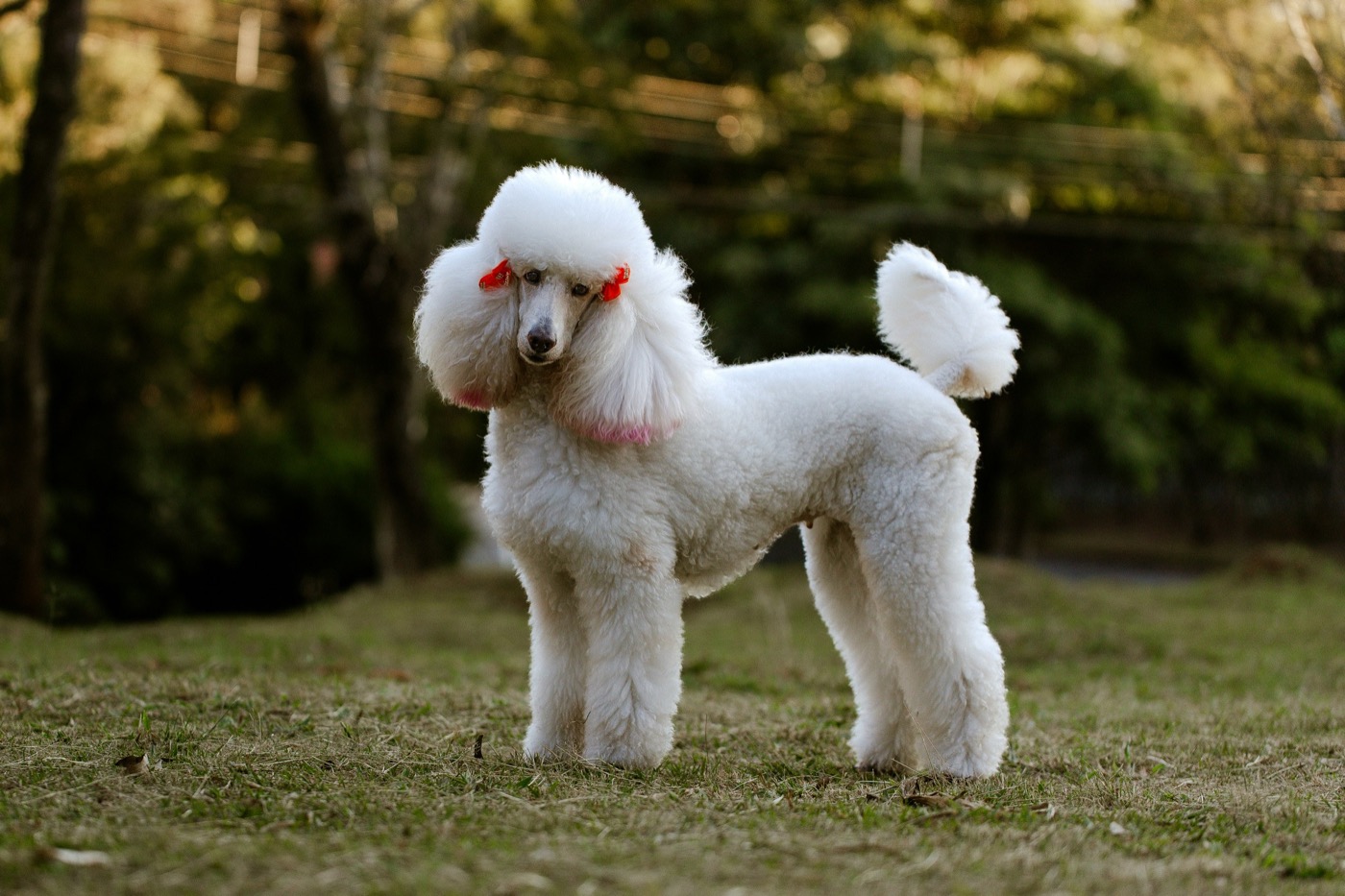
The Poodle owned the 1960s. Then it owned the 1970s, too. By AKC count it was the country’s #1 breed for both decades, the first breed ever to hold the top spot two decades running, and it only slipped to #2 in the 1980s. Its 2025 rank is #6, right behind the Dachshund it swapped places with.
How did one breed pull that off? It came in three sizes. Under the breed standard, a Standard Poodle stands over 15 inches at the shoulder, a Miniature over 10 and up to 15, and a Toy 10 inches or under. The little dog in the rhinestone collar and the big curly one chasing a tennis ball were, on paper, the same breed.
The pom-poms were never required at home. Show Poodles a year or older must appear in the “English Saddle” or “Continental” clip.
Dr. April Lynch, a veterinarian at Bluegrass Veterinary Hospital in Gallatin, Tennessee, points out that Poodles are bright dogs that need grooming and something to keep their minds busy. A bored Poodle will find a project. You may not like the project.
She also flags bloat in the bigger ones. Standard Poodles are on Cornell’s list of breeds prone to bloat, where the stomach swells and can twist. So are Great Danes, Saint Bernards, Irish Setters, Basset Hounds and Doberman Pinschers. Retching that brings nothing up and a swollen belly are among Cornell’s listed warning signs, and survival is better than 80 percent with prompt medical and surgical treatment. For these breeds, a preventive stomach-tacking surgery called a gastropexy is often done at the same time as a spay or neuter.
Now the good news. In the Dog Aging Project, a US survey of more than 27,000 dogs, Poodles had the highest share of any breed with no reported medical conditions, at 26.9 percent.
#20 Lassie’s Collie, from #7 to #39
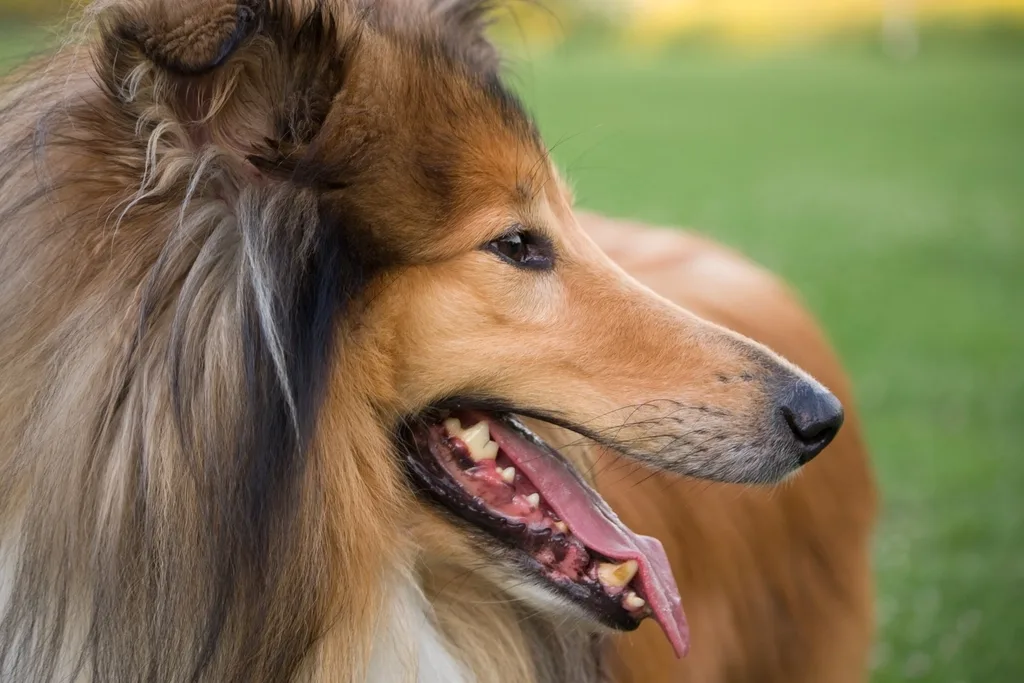
Lassie ran from September 1954 to March 1973, 591 episodes in all. The Collie rode right along: #8 in the 1950s, #7 among the popular dog breeds of the 1960s, #10 in the ’70s. Then it dropped out of the top ten. Its 2025 rank is #39.
Most people guess the size scared folks off. The breed’s own club says otherwise. In the Collie Club of America’s “Number Crunching” column, Marianne Sullivan notes what the big breeds ranked above the Collie have in common: “Of the large breeds ahead of us on the list, none of them have big coats. When people see Collies with massive coats…it’s a turnoff.” (Collie Club of America)
The same column adds that “the rankings are based on registrations and not on actual breed ownership.” #39 on paper may be a lot of Collies in real homes.
The people who had one haven’t moved on. In a big Reddit thread, former collie owners call theirs the sweetest dog they ever had and say they still miss them, while others joke that strangers still call out the name when they see one.
If the coat is the dealbreaker, ask about the Smooth Collie. The AKC counts the Rough and the Smooth as one breed.
#19 Rin Tin Tin’s German Shepherd, then and now
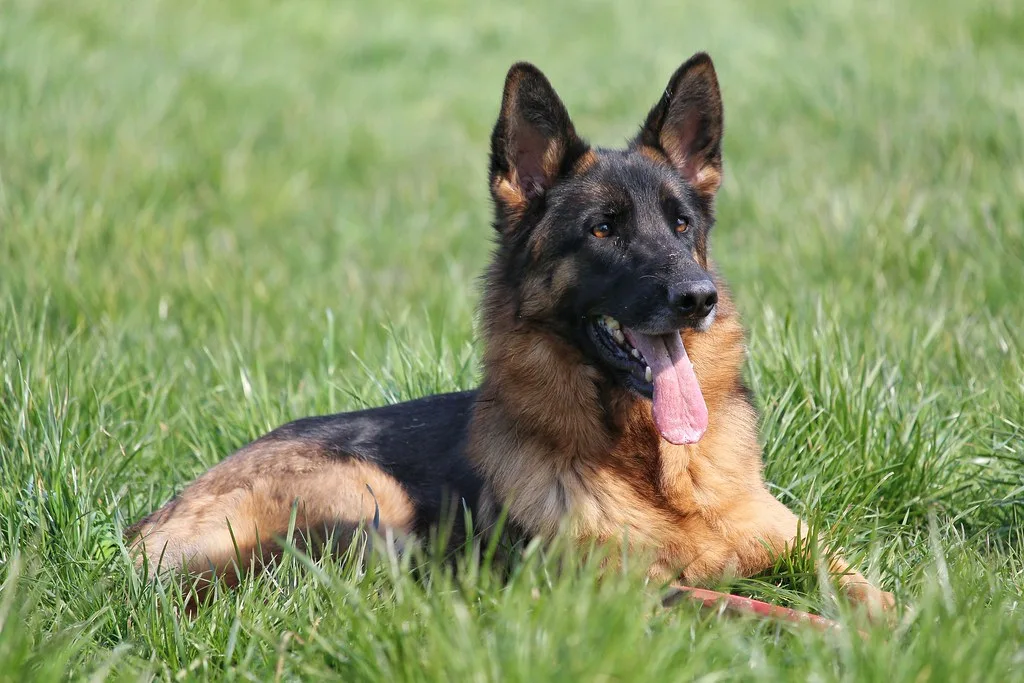
If you watched The Adventures of Rin-Tin-Tin on ABC between 1954 and 1959, you were mostly watching a dog named Flame Jr. The real Rin Tin Tin IV didn’t perform well on screen, so an unrelated dog did most of the work.
The breed hasn’t budged much. German Shepherds were #6 in the 1950s, #2 in the 1960s, #2 again in the ’70s and #4 in the ’80s. Its 2025 rank: #4.
What has changed is the dog behind the name. Today’s Shepherd may come from a show line or a working line, and the working lines are bred for drive. Casey Ray has a 30-year career as a trainer and ran training facilities in the Midwest. He says people who want the classic Rin Tin Tin family pet sometimes end up with a high-drive working-line dog and don’t know what to do with it. He calls the breed fantastic when it’s bred properly and in the right hands, but says buyers need to know which kind of line they’re getting.
Bill Balatsos, founder of Balanced Behavior Dog Training Center in Palatine, Illinois, puts it more bluntly: in his view, German Shepherds are no breed for the casual owner who won’t take the lead.
Owners push back, and fairly. Under one trainer’s TikTok breed ranking, Shepherd owners describe dogs that are great with kids. Both things are true, which is exactly why the working line versus show line question matters.
Show line or working line, in one question – “If it is a walk and a yard, get a show line.” That’s the advice from breeder Pine Hill German Shepherds. – A working line needs “an hour to two hours of real activity a day,” the same breeder says. – The breeder’s test: “Do you enjoy training, or put up with it?”
Whichever line you choose, ask about the parents’ hips. In the Dog Aging Project, Shepherds were more likely than other purebreds to be reported with hip dysplasia and seasonal allergies.
#18 The Cocker Spaniel’s run at #1 in the ’80s

Lady, of Lady and the Tramp, was an American Cocker Spaniel. The film opened in 1955, when the breed was already a star: #2 for the 1950s. It stayed in the top ten after that, at #9 in the ’60s and #7 in the ’70s.
Then came the big one. Among the popular dog breeds of the 1980s, the Cocker was #1, and the AKC calls it the most popular dog in the nation from 1983 to 1990. Plenty of suburban families had one on the leash. Its 2025 rank is #33.
The AKC is unusually frank about what fame cost the breed during its first boom, in the 1940s and ’50s: “Popularity led to overproduction of poor quality Cockers, and like Dalmatians, the breed got a reputation for having poor temperaments.” That’s overbreeding in plain words: demand outran the careful breeders.
“Of course we wish this breed had never been so popular.” Dr. Alvin Grossman, then president of the American Spaniel Club (AKC)
Nobody who loved a Cocker did anything wrong by loving it. But if you want one again, meet the puppy’s mother before you meet the puppy.
#17 Snoopy’s Beagle, the default family dog
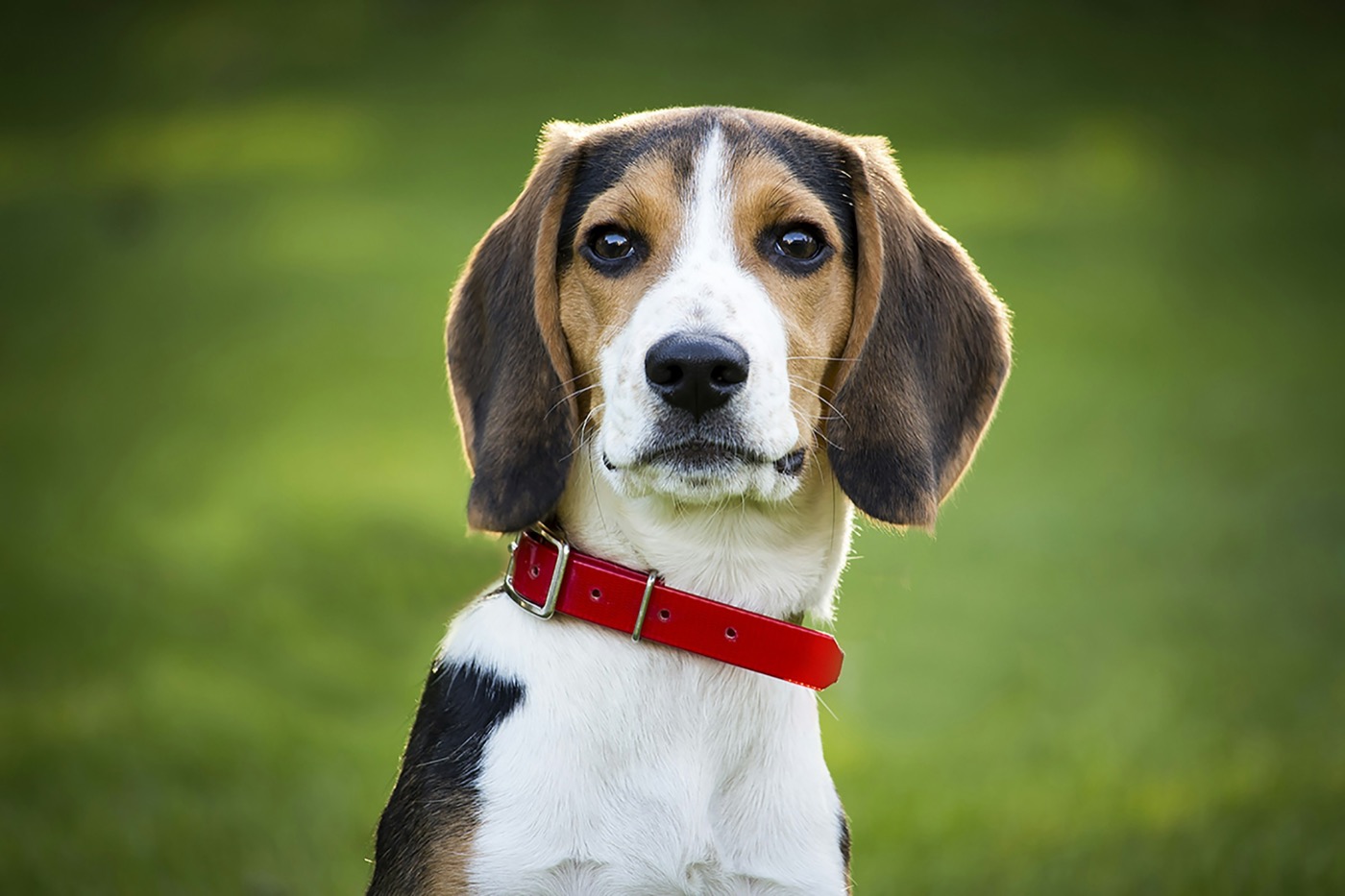
The Sunday funnies are spread across the kitchen table, and there’s Snoopy on top of his doghouse. He first showed up in the comics on October 4, 1950, and for a lot of households the Beagle was simply what “a dog” looked like.
The record backs that up. The Beagle was #1 in the 1950s, #3 in the ’60s, #4 in the ’70s and #7 in the ’80s. In 2025 it’s still #7. The AKC calls it the only breed to rank in the top ten every decade since the club was founded.
On a Reddit history forum, one person said their parents recalled beagles being the common choice for families with kids in the 1950s and 1960s. Labs and Goldens took over the family-dog job later.
One thing owners don’t always know: Cornell lists Beagles among the breeds prone to disc disease, the back trouble usually pinned on Dachshunds. More on that at #2.
And the White House had Beagles of its own. LBJ’s pair, Him and Her, were born in 1963, and in 1964 they made national news after the president lifted Him by the ears while greeting a group on the White House lawn.
#16 The Doberman behind Magnum’s gate
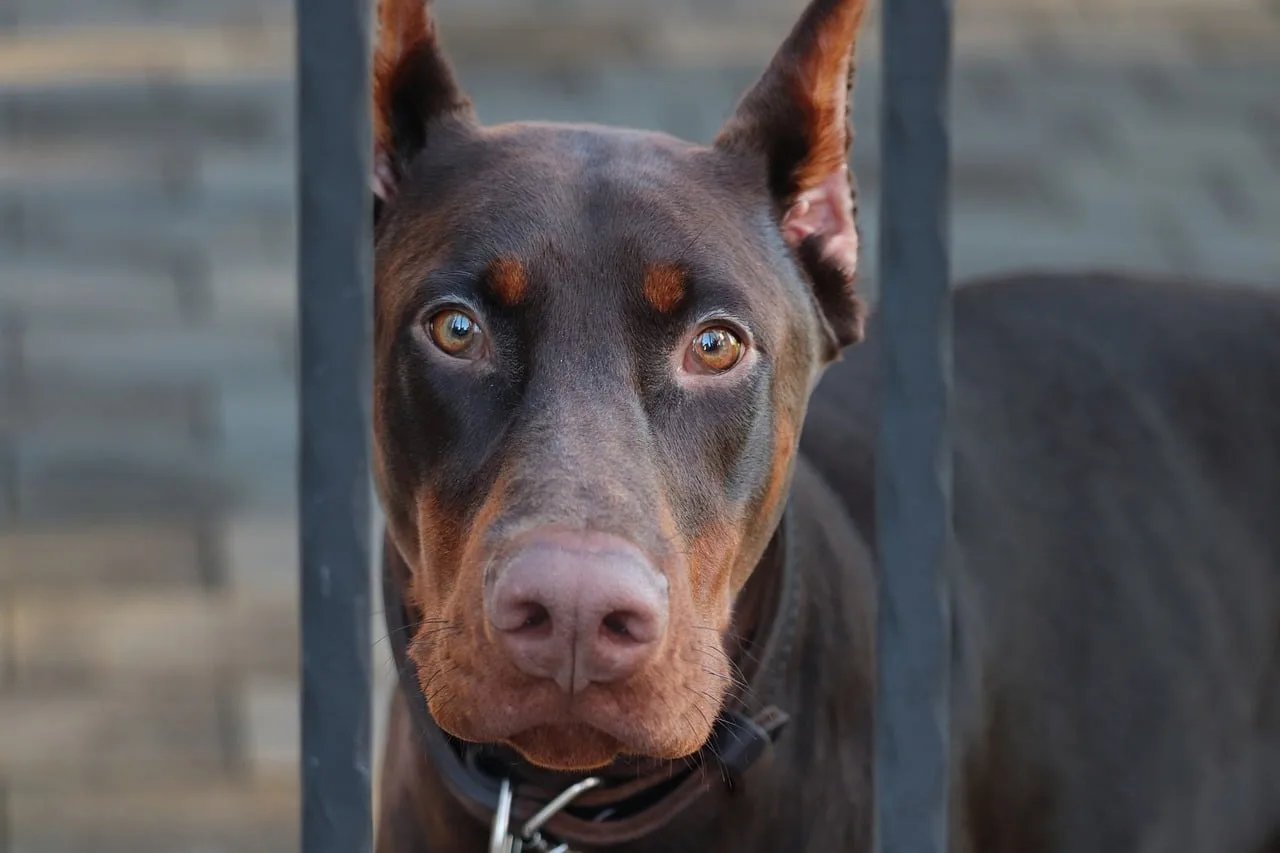
Higgins called them “the Lads.” If you watched Magnum, P.I., you remember his two Dobermans, Zeus and Apollo, guarding the estate like they owned it.
They were the end of a long run of Doberman typecasting. In 1958, Sports Illustrated writer Virginia Kraft asked, in her headline, “The Doberman Pinscher: darling…or devil?” In 1972, The Doberman Gang had a trainer teaching six Dobermans to rob a bank, with sequels in 1973, 1976 and 1980.
The bad-guy roles didn’t hurt one bit. The Doberman made its first top-ten appearance in the 1970s, and it went straight in at #3. It held #6 in the ’80s, while Higgins was setting the Lads on people.
Sports Illustrated never settled the darling-or-devil question. Its 2025 rank is #15.
If you want one now, ask to see the parents’ heart tests. Dobermans run a high risk of a heart-muscle disease called dilated cardiomyopathy. A 2010 study of Dobermans in Europe found it in 58 percent of the dogs, in line with the 45 to 63 percent reported earlier in North American Dobermans. The breed’s national club calls a yearly heart ultrasound by a veterinary cardiologist and a 24-hour heart monitor “a minimum standard for ethical breeding.”
#15 The Chihuahua that can stay 17 years
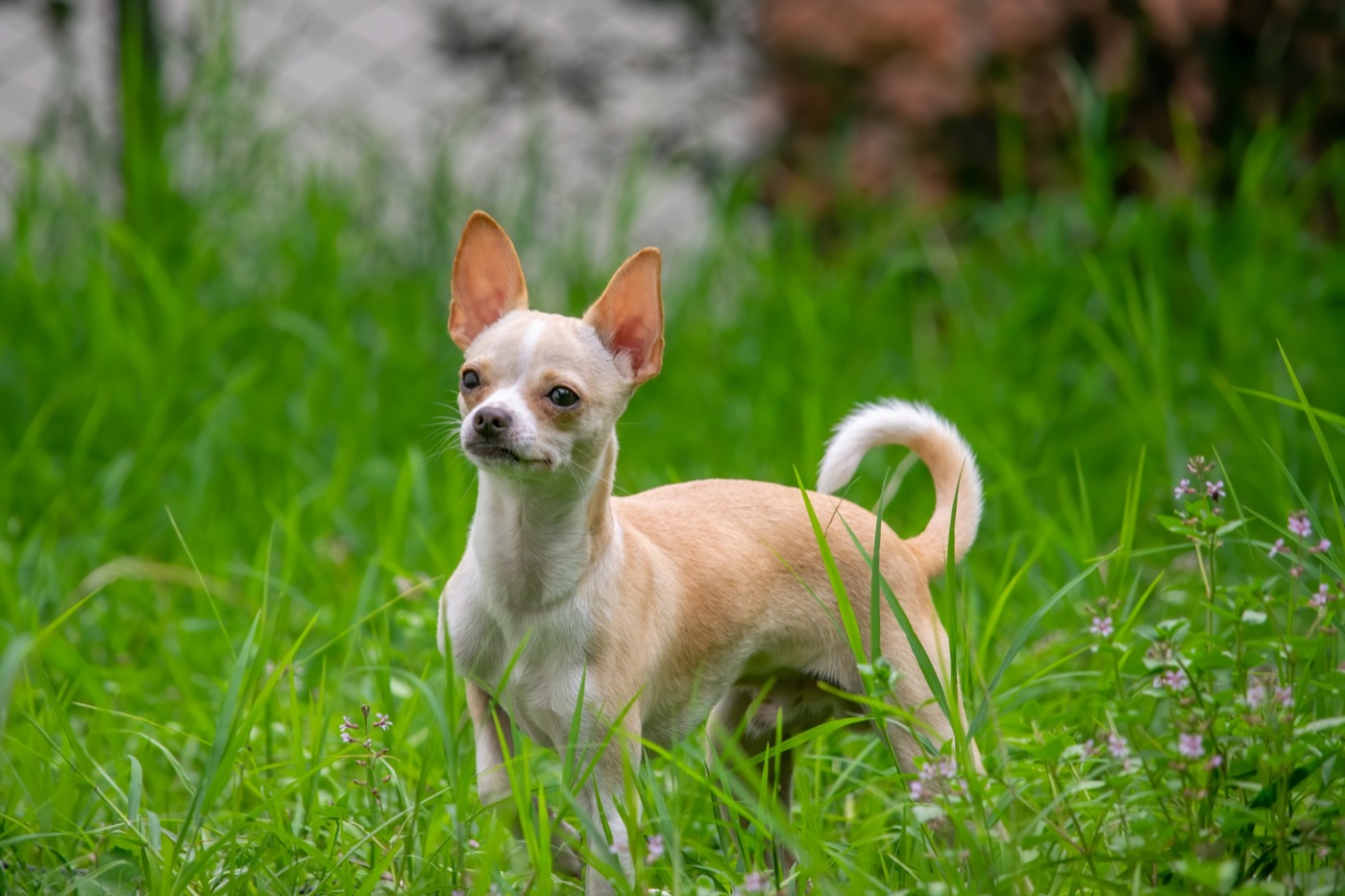
Pick a Chihuahua and you’re signing up for the long haul. The AKC gives it the longest life expectancy of any breed you grew up with, by a wide margin over the big dogs.
How long you’ll likely have them – Chihuahua: 15 to 17 years – Poodle: 12 to 15 years – Great Dane: 8 to 10 years
Those figures come from the AKC’s lifespan guide. The Chihuahua was #4 in the 1950s and #5 in the 1960s, and its 2025 rank is #24.
The catch is in the mouth. In the Dog Aging Project, owners reported that nearly half of Chihuahuas had had teeth pulled. Budget for the dentist: vets’ own dental guidelines call for a cleaning under anesthesia at least once a year from age one for small dogs.
If 17 years sounds like a bigger promise than you want to make, an adult Chihuahua from a rescue gives you all the personality with fewer of those years asked of you.
 You might also like28 Things Dog Owners Did in the ’60s and ’70s That Would Raise Eyebrows Today
#14 The Pekingese, nearly gone today
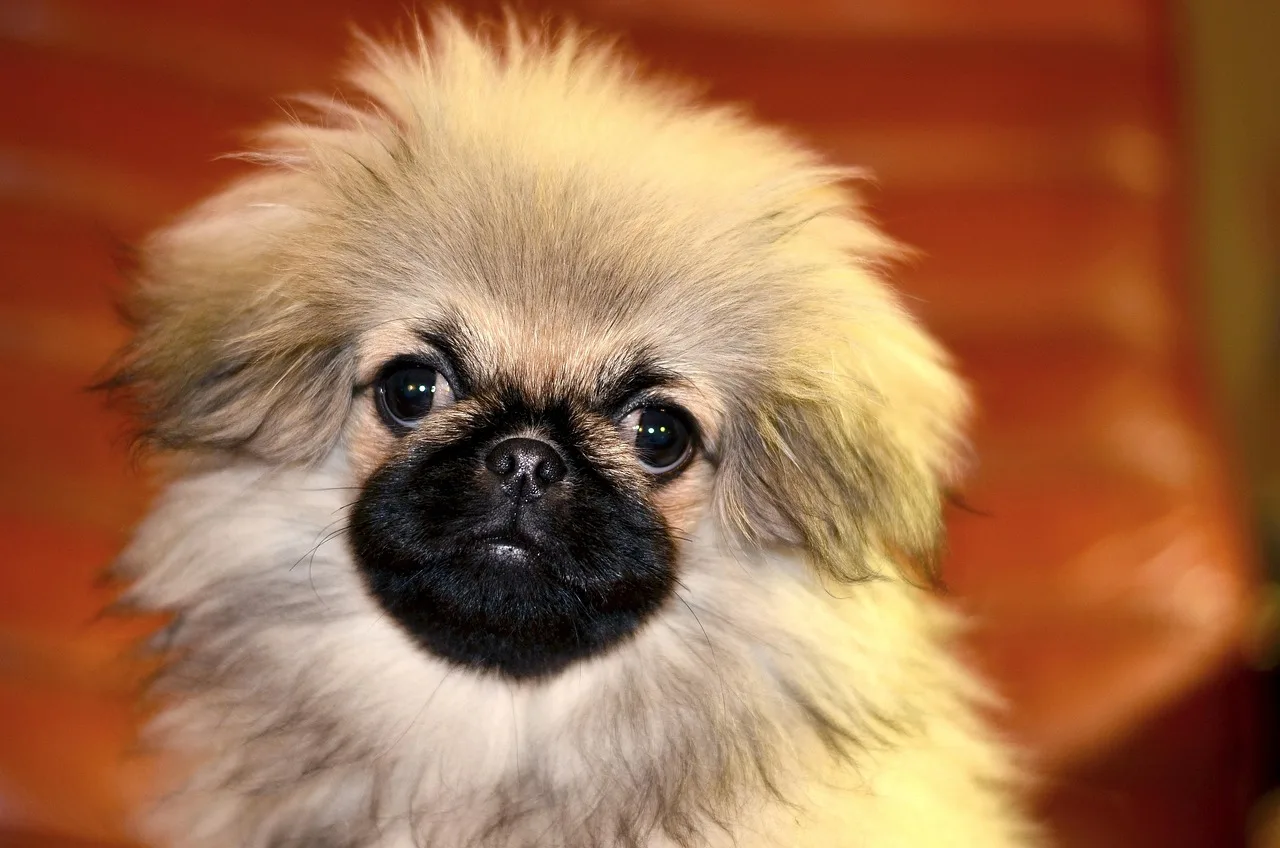
Picture the Peke: the lion’s mane of a coat, the rolling walk, the look that said it outranked everyone in the room. It was #10 in the 1950s and #6 in the 1960s. By 2025 it had fallen to #90.
Part of what owners know now is about that flat face. A very short muzzle can crowd the airway, and New York’s Animal Medical Center lists the Pekingese among the breeds prone to this breathing syndrome: noisy breathing, tiring quickly, and in bad cases collapse after excitement or heat. The hospital’s advice is a harness instead of a collar, a lean dog, cool air, and the emergency vet right away if breathing trouble starts.
Nobody in 1965 thought twice about a snoring Peke. Vets simply know a lot more about it now.
Here’s the useful part if you love the breed. A British study of 854 dogs found the breathing syndrome only in dogs whose muzzles were less than half the length of their skulls. More nose, less trouble.
So before you fall for a puppy, look at the nose.
#13 The Basset behind the Hush Puppies logo
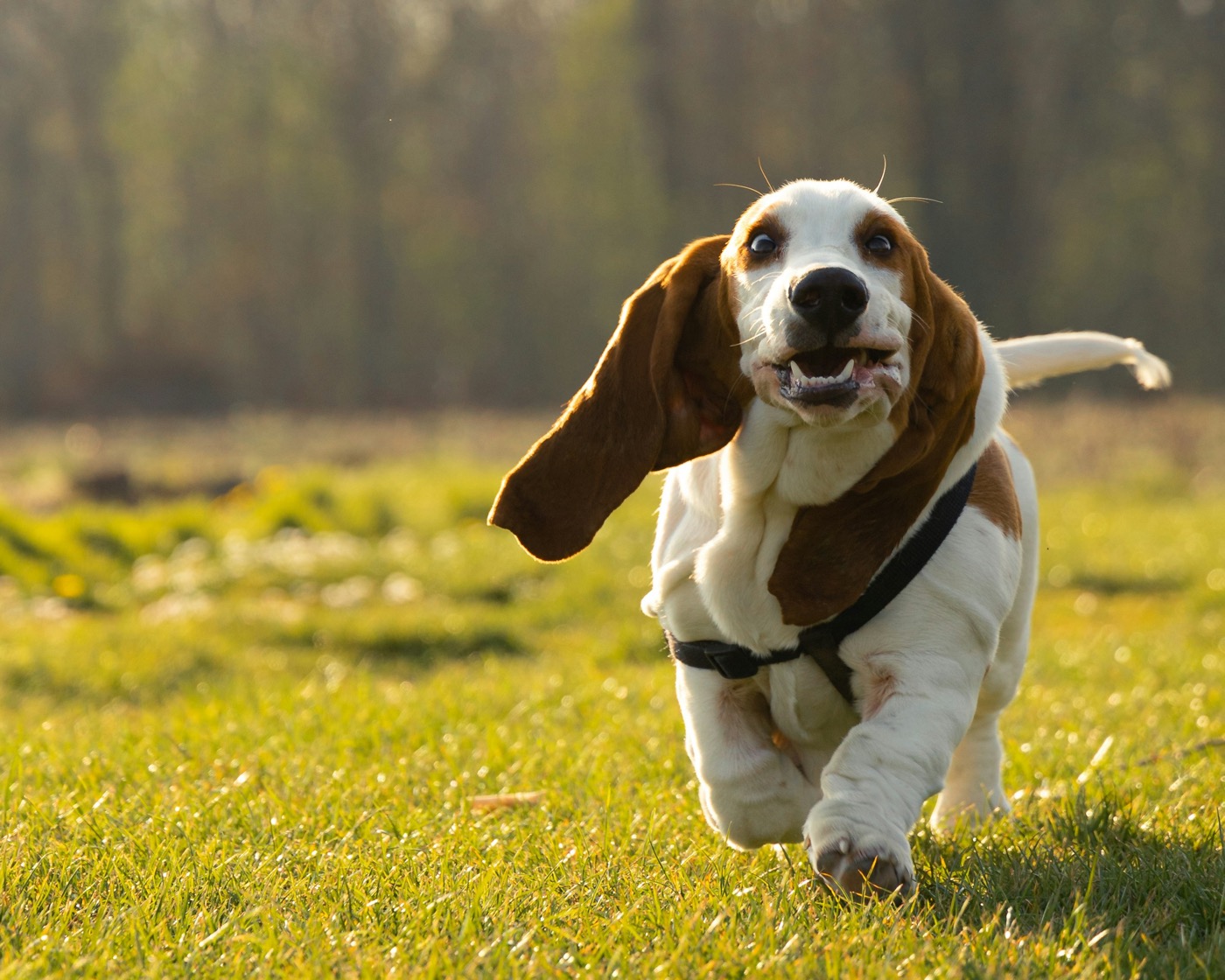
Hush Puppies launched in 1958 with a Basset Hound named Jason as its mascot. By 1963, one in ten adults in the United States owned a pair.
That’s a lot of droopy faces in a lot of closets. Jason may have been the most widely seen Basset of the century, and the breed itself landed at #10 in the 1960s. In 2025 it sits at #34.
The sad face is mostly marketing. Those long ears do a job: the AKC says they help stir smells up toward the nose, and the Basset’s sense of smell is second only to the Bloodhound’s.
Which explains every Basset walk you’ve ever seen: ten feet of walking, four minutes of reading the grass.
#12 The Old English Sheepdog from 1959’s Shaggy Dog
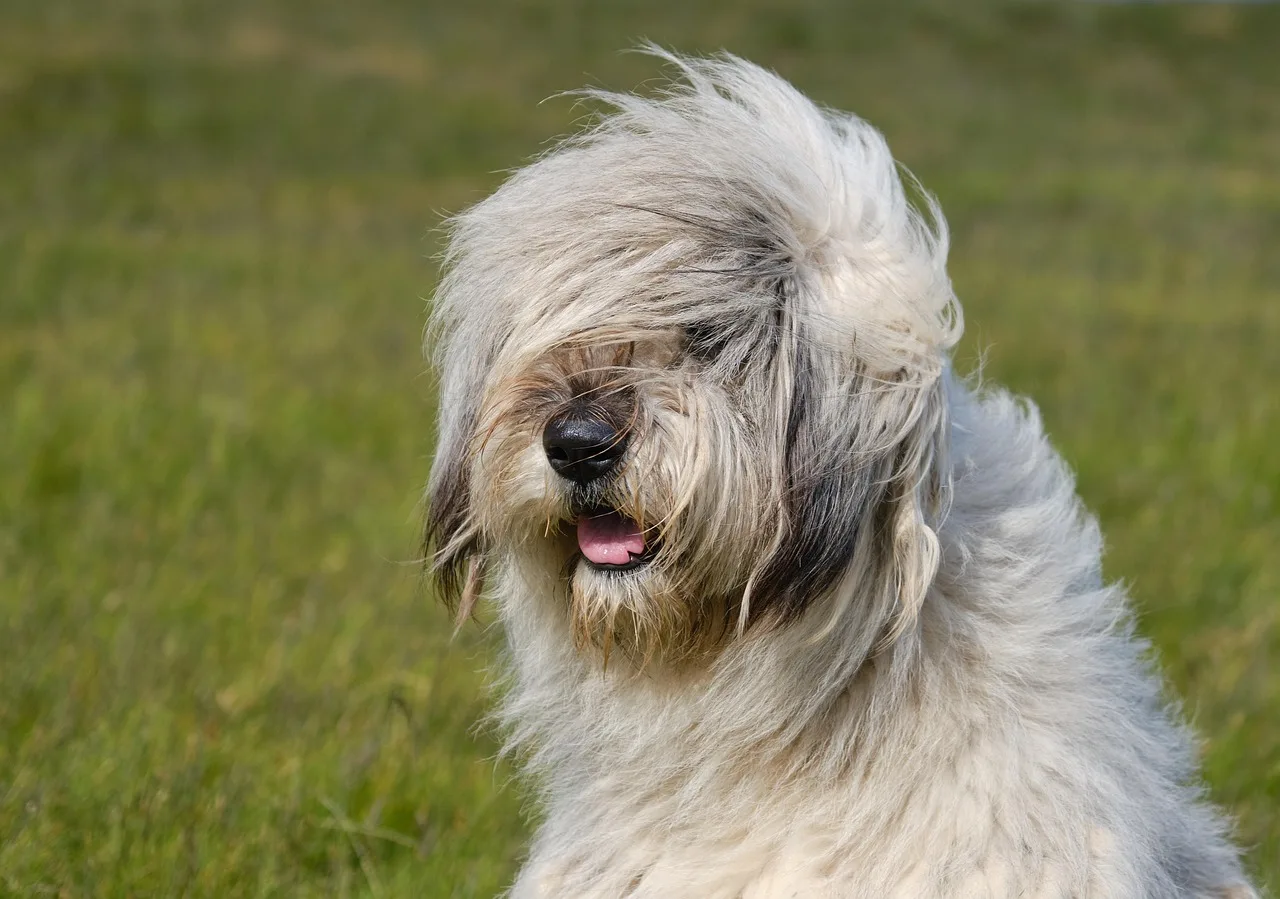
In March 1959, Disney turned a teenage boy into an Old English Sheepdog, and The Shaggy Dog took in $12.3 million in US and Canadian rentals. For a kid, it was a dog that looked like a walking bath mat with a heartbeat. What wasn’t to love?
The coat, it turns out. The Collie Club of America uses this exact breed as its warning about grooming needs: as the Sheepdog’s coat “got bigger and bigger and maintenance became a hassle,” the breed fell.
Line the two up and you can see why the Collie people worry. The Collie is #39 in 2025. The Old English Sheepdog is #87.
If you want the look again, price the grooming before you price the puppy.
#11 The blue-tongued Chow Chow’s ’80s moment
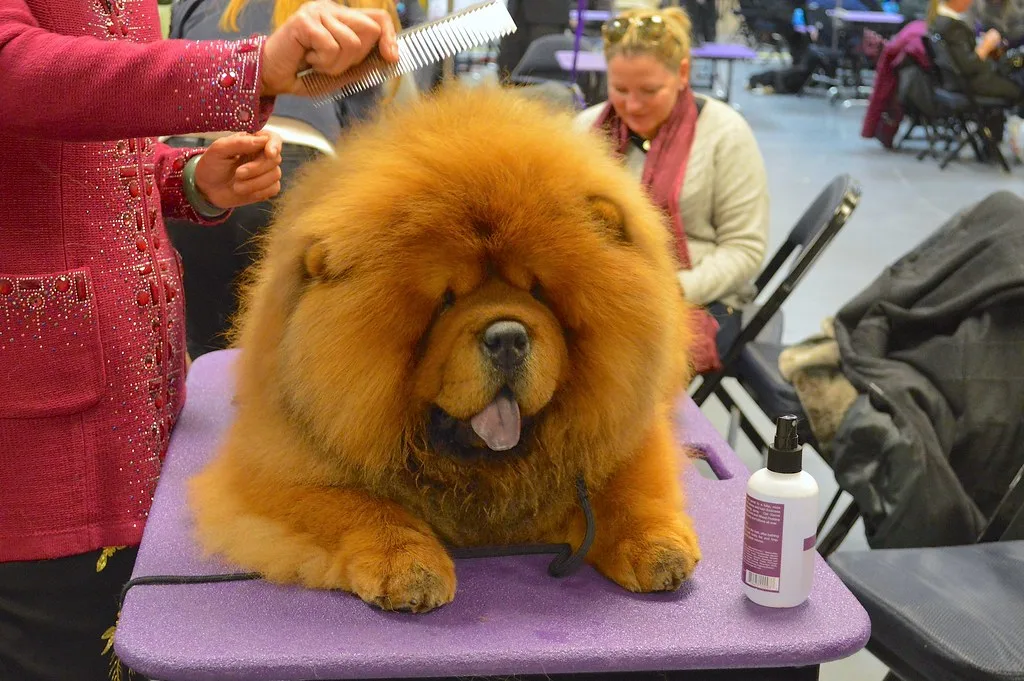
That blue-black tongue was the party trick every kid wanted to see. Hill’s Pet Nutrition calls it the breed’s trademark characteristic, and in the 1980s the Chow made the AKC top ten, at #10.
Then came one of the steepest falls of any childhood favorite. It ranked #80 in 2021, according to Stacker’s look at AKC data, and its 2025 rank is #94. Martha Stewart has owned several, so the breed hasn’t lost all its admirers.
What owners should know is temperament. Chows tend to be aloof with strangers and can be aggressive with other dogs, and a rough coat does best with daily grooming.
That suits a one-dog household that doesn’t need its dog to adore the mail carrier. It’s a poor fit for dog-park regulars.
#10 The Dalmatian you remember seeing everywhere
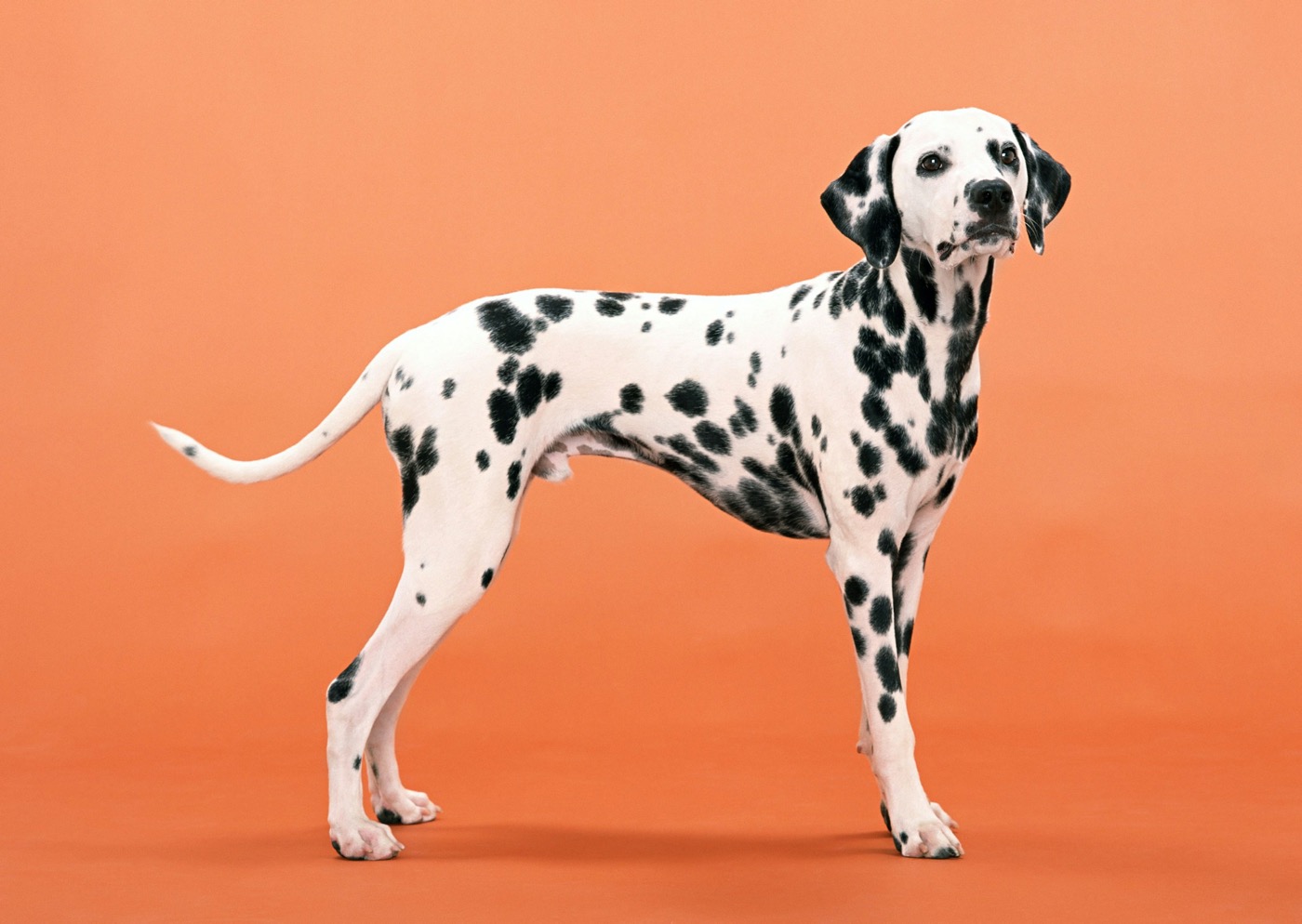
Almost everybody is sure the Dalmatian was a childhood staple. One Hundred and One Dalmatians premiered in January 1961 and came back to theaters in 1969, 1979 and 1985, so nearly every kid caught it at some point. Add the firehouse dog from the picture books and the memory feels solid.
The registrations tell a different story.
| What you remember | What the record shows |
|---|---|
| Dalmatians everywhere in the ’60s and ’70s | No AKC decade top 10 from the 1950s through the ’80s |
| The big Dalmatian boom | Registrations peaked in 1993, at 42,816 |
| Where it went | 983 registrations by 2008; #50 in the 2025 ranking |
The peak and the crash both came after your childhood. When the boom ended, Dr. Charles Garvin, then president of the Dalmatian Club of America, described how his club’s message changed: from “‘Dalmatians aren’t for everyone’ to ‘Dalmatians aren’t for anyone.'”
If you’re considering one now, ask the breeder about hearing. George M. Strain of Louisiana State University’s vet school found that 30 percent of Dalmatians are deaf in one or both ears.
#9 Scooby-Doo’s breed, built to look wrong
Saturday morning, a bowl of cereal, and a cowardly dog shaking in a haunted house. Scooby-Doo premiered on CBS on September 13, 1969, and Scooby was a Great Dane, sort of.
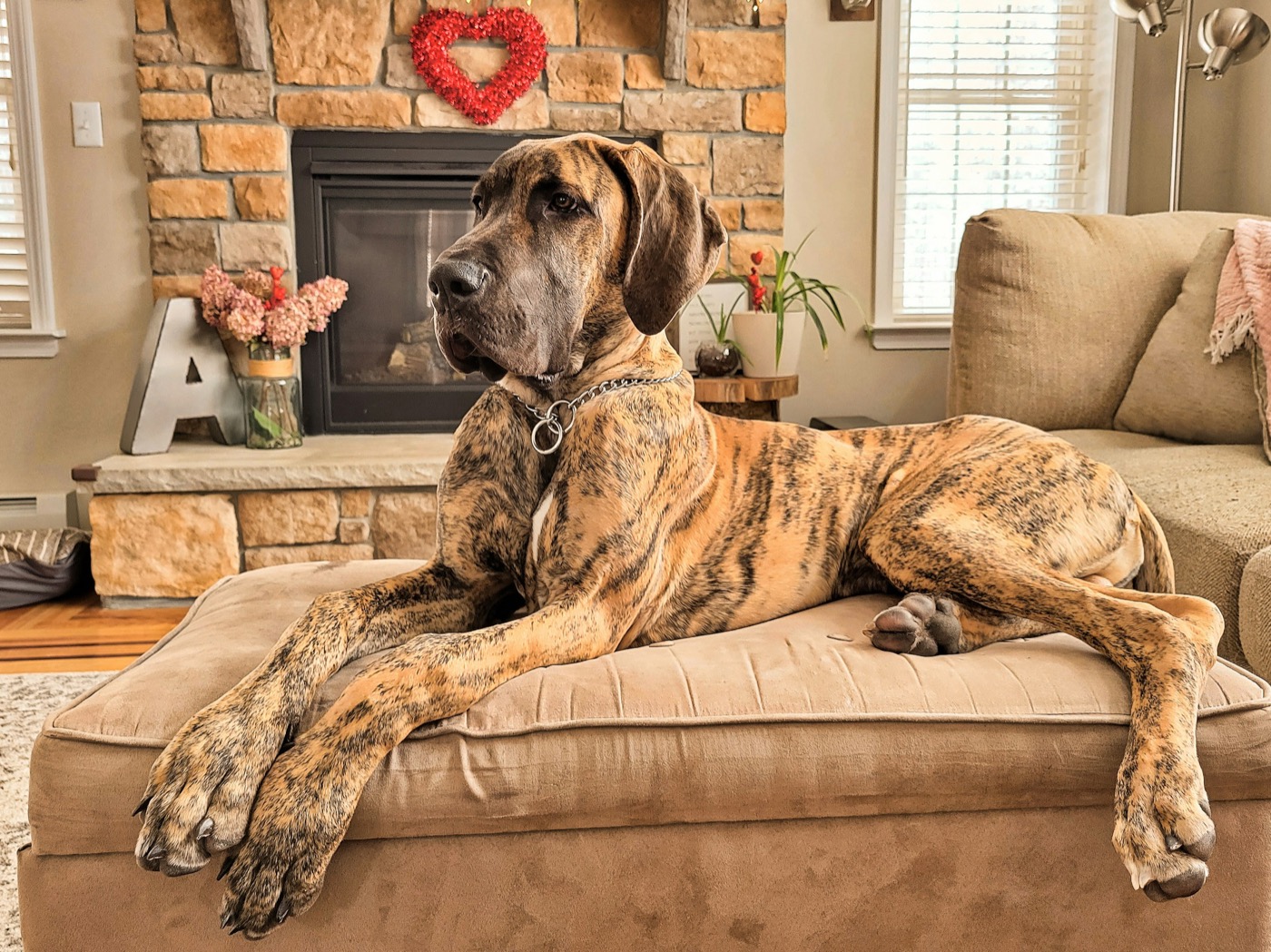
Designer Iwao Takamoto talked to a Hanna-Barbera colleague who bred Great Danes, learned what makes a prize Dane, and then deliberately did the opposite: a sloping back, bowed legs, a weak chin. Kids already had Marmaduke, the comic-strip Dane Brad Anderson started drawing on November 15, 1954. So a whole generation grew up thinking Great Danes were enormous, goofy and slightly broken.
The real thing is a handsome, upright dog. It ranked #16 in 1940, and its 2025 rank is #22.
On temperament, though, Takamoto may have nailed it. Under an AKC TikTok post about the breed’s boar-hunting past, Great Dane owners joke that theirs sleeps through everything or is scared of leaves and plastic cups.
#8 The Bulldog on every Mack truck
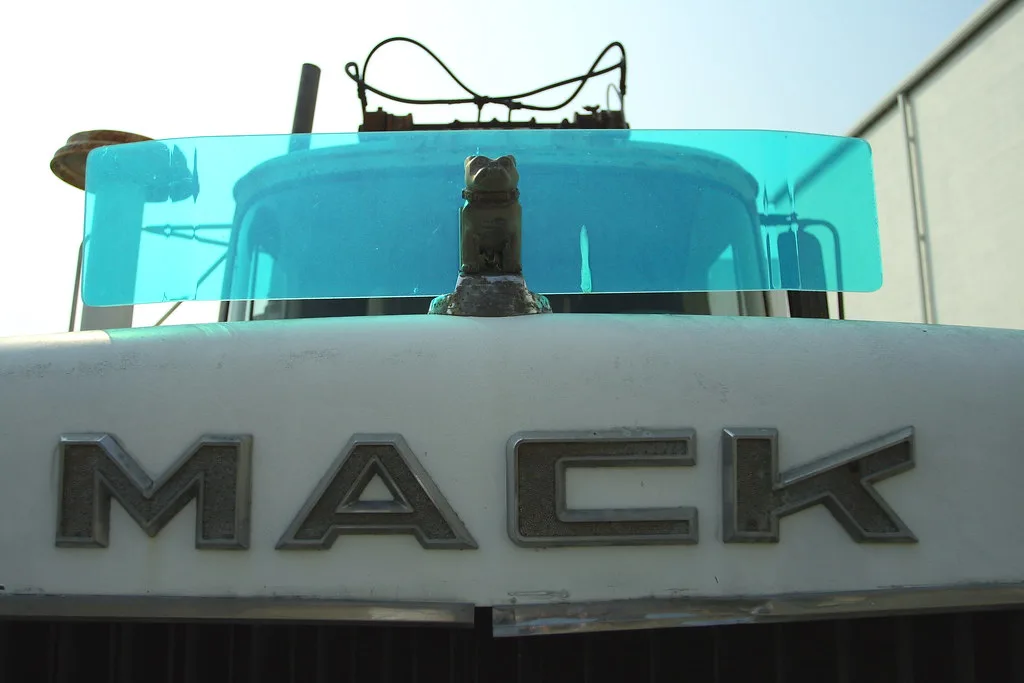
Engineer Alfred Fellows Masury carved the Mack truck bulldog out of a bar of soap. The patent came through in October 1932, and the ornament has been riding truck hoods since 1933. The University of Georgia added its white English Bulldog, Uga I, in 1956, and every Uga since has lived with the same family in Savannah.
So you saw that face on highways and on football Saturdays. You almost never saw one in a neighbor’s yard. The Bulldog never cracked a 1950s, ’60s, ’70s or ’80s top ten, and it’s one of four breeds in the 2025 top ten (at #10) that weren’t on any of those childhood lists. The others are the French Bulldog, the Rottweiler and the German Shorthaired Pointer.
The honest caveat is the same flat-face breathing trouble as the Pekingese at #14. Dr. Rachel, a veterinarian in Texas, puts it plainly: genetics aren’t on their side, and the most obvious problem is that they struggle to breathe through an elongated soft palate and a smooshed face. She says she wouldn’t own one herself, and that if she rescued one, she’d have its airway surgically opened up. Stacker notes that most Bulldogs are born by C-section.
None of that dims the affection. An English Bulldog owner on Reddit calls theirs a great dog and a best friend, always glad to see them, if not the brightest star in the sky.
 You might also like30 Things Everyone Believed About Dogs Back Then (And What Vets Know Now)
#7 The Sheltie bought as a mini Lassie
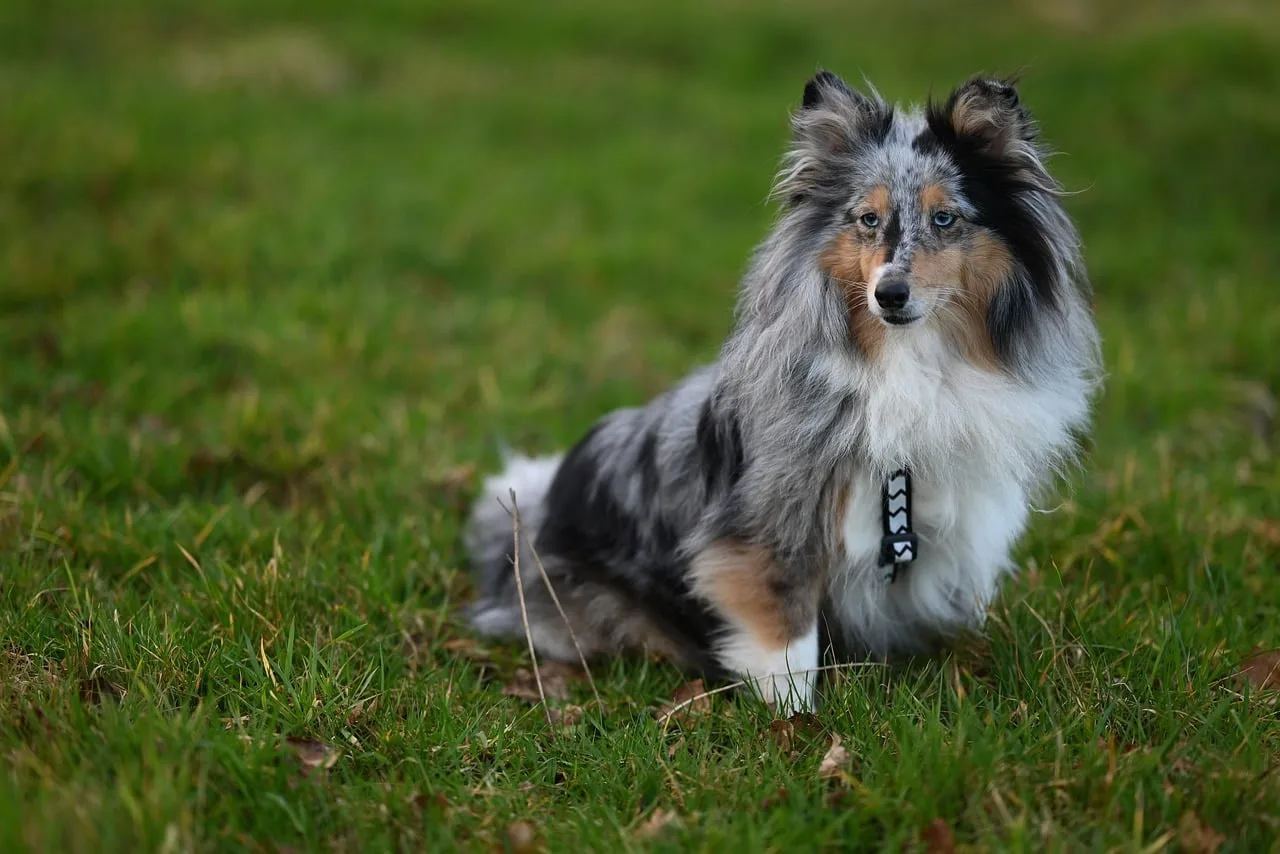
Wanted Lassie, but had a small yard? The Shetland Sheepdog looked like the answer, and the resemblance isn’t an accident. The breed’s national club says American Shelties had “approximately 50% Collie blood,” based on breeder Mary Van Wagenen’s research.
It never made the AKC top tens of the ’60s, ’70s or ’80s, and it hardly needed to. It was #33 in 1940, and its 2025 rank is #29. Eighty-five years and the Sheltie has barely moved.
What it does do is bark. The same club admits that “the tendency to bark is sometimes considered a liability in the breed today,” which makes sense for a farm dog bred for warning of intruders and visitors. A former Sheltie owner on Reddit is blunter: the ear-piercing, window-shattering barking is what will keep them from ever having another Sheltie.
If you loved a Collie and live in a house with some space between you and the neighbors, the Sheltie is the closest thing in a smaller size. If you share a wall, think hard.
#6 The Miniature Schnauzer’s quiet 30-year streak
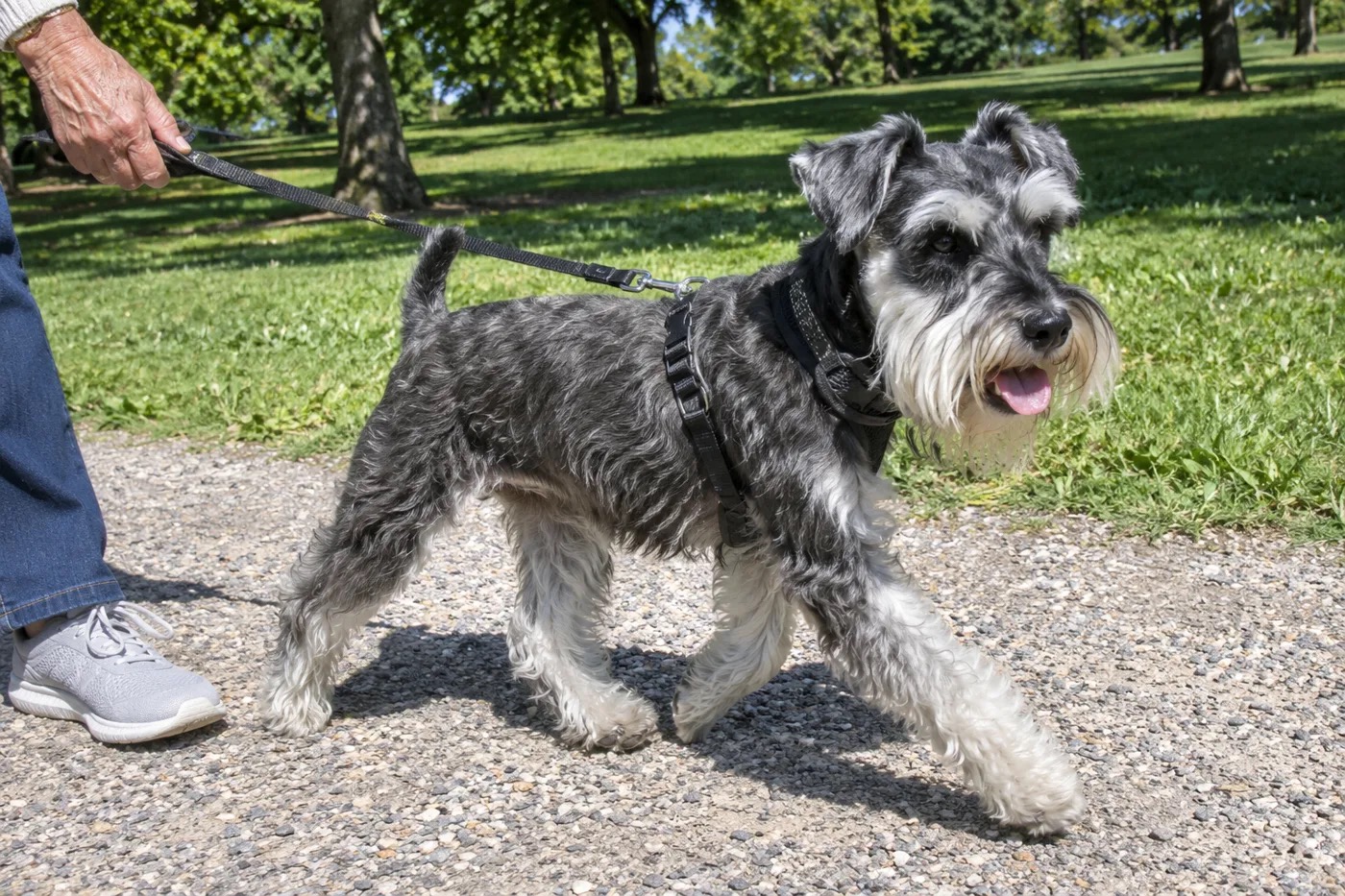
Nobody ever threw the Miniature Schnauzer a parade. No TV show, no movie fad, no president’s dog making headlines.
It just sat there. #8 in the 1960s. #8 in the 1970s. #8 in the 1980s. The AKC notes it held the same ranking across three straight decades, something no other breed on those lists did.
Of the 15 childhood breeds we checked, only five stayed in the top 20 through the ’60s, ’70s, ’80s and 2025: the Schnauzer, the Poodle, the German Shepherd, the Beagle and the Dachshund. The Schnauzer’s 2025 rank is #17, one spot ahead of the Boxer, which was #3 back in the 1950s.
The steadiness comes with a standing appointment. The breed’s club says a pet Schnauzer should be groomed every five to eight weeks, and most owners hand that job to a professional.
#5 Big Red and the Irish Setter fad
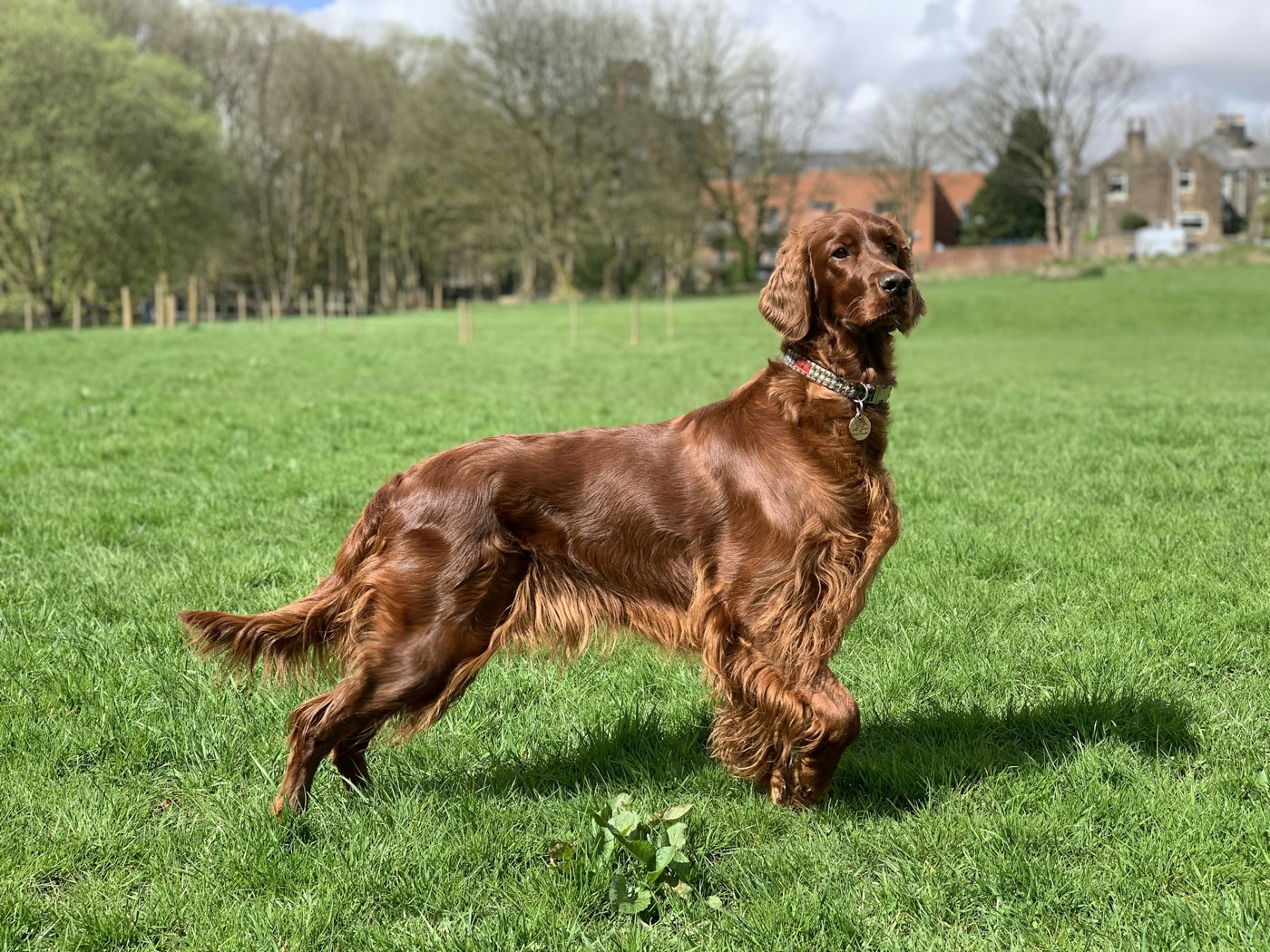
The red dog in Big Red did more than sell movie tickets. The AKC’s archive of the Irish Setter Club of America records a premiere of the film that dogs attended, organized by the Irish Setter Club of Milwaukee. And by 1974, the Irish Setter was ranked #3 out of 121 AKC breeds.
For the decade, it finished #6 among the popular dog breeds of the 1970s. Richard Nixon owned one, King Timahoe. Its 2025 rank is #73.
That kind of rise isn’t unusual. A study of AKC registrations from 1926 to 2005 found that movies featuring a breed were often followed by a jump in that breed’s popularity for up to 10 years after release. The ten most influential films added more than 800,000 dogs beyond what earlier trends predicted.
What a movie can’t show is year three. The AKC, citing the breed club, says Irish Setters are “slow to mature, both in mind and body” and keep a puppy-like attitude for some time. For suburban families expecting Big Red, that long, bouncy adolescence was a surprise. If you want one now, plan on it, and don’t mistake it for a training failure.
#4 Gerald Ford’s Golden and its nine puppies
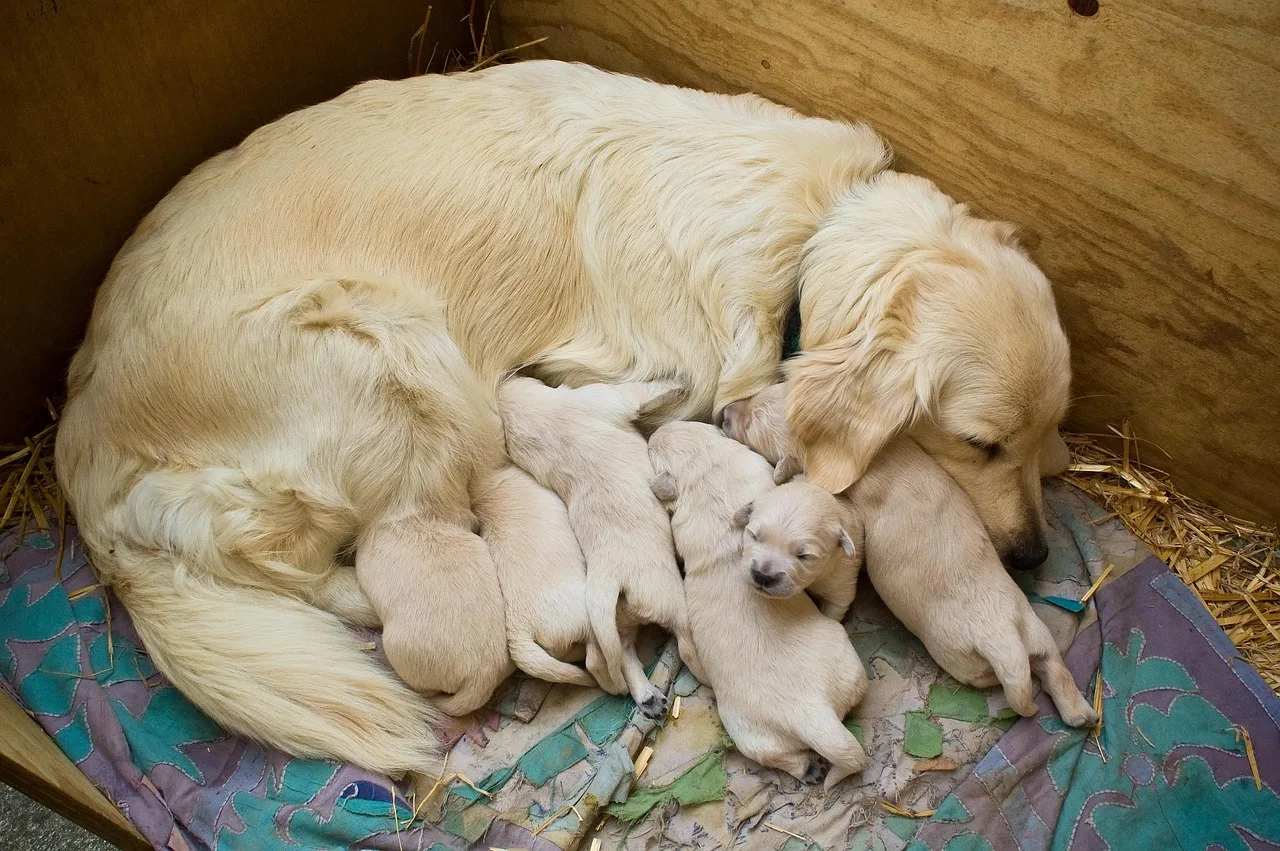
“I sat on the floor and held Liberty’s head for eight hours, until the first puppy came,” Betty Ford said. That was September 1975, and Liberty, the Fords’ Golden Retriever, had nine puppies at the White House.
The Fords kept one, Misty. Seven were sold for $300 each or given to family and friends. The ninth, Jerry, went to the Leader Dog School for the Blind in Rochester, Michigan. The Ford Library still holds the photo of Susan, Mrs. Ford and President Ford with Liberty and the puppies, dated September 16, 1975.
The breed caught up a few years later. In the 1980s, the Golden broke into the top ten for the first time, at #5. Its 2025 rank is #3.
The downside is a hard one. The breed’s own club estimates that about 60 percent of Golden Retrievers die from cancer. Dr. April Lynch adds that Goldens commonly get cancer, especially splenic tumors, meaning tumors of the spleen.
When you talk to a breeder, ask how old the puppy’s grandparents lived to be, and what they died of.
#3 The Labrador’s climb to a 31-year reign
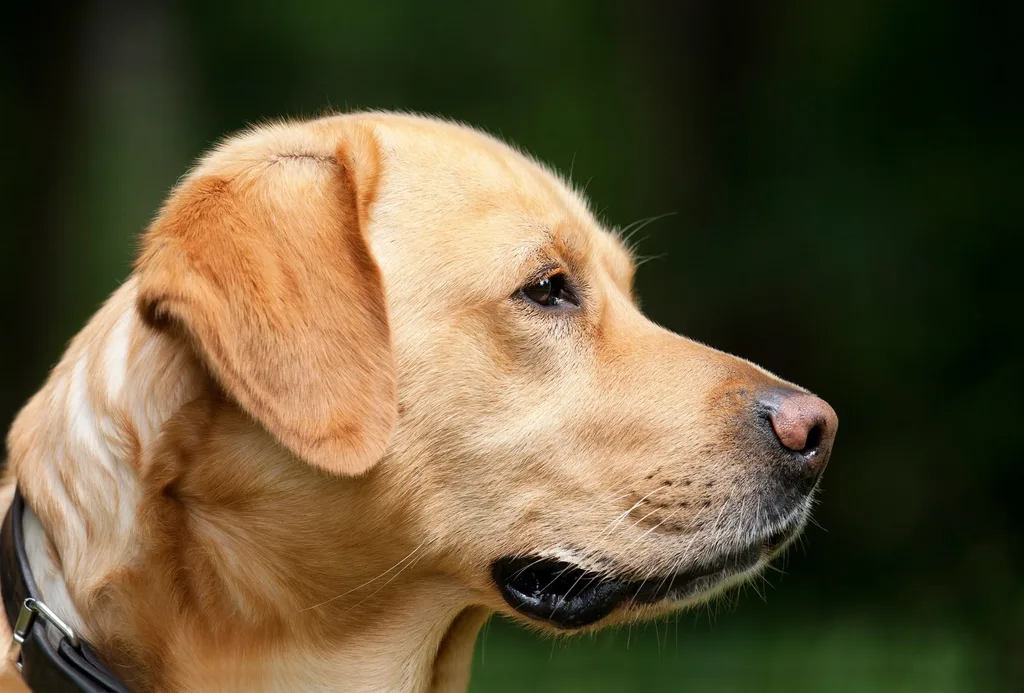
Everybody knows a Lab that ate a sock. Maybe a dozen socks.
The Lab was a latecomer, though. It wasn’t in the 1960s top ten, and it made its first top-ten appearance at #9 among the popular dog breeds of the 1970s. By the ’80s it was #3. In 1991 it took #1 and held it for 31 years, until 2022. Its 2025 rank is #2, behind the French Bulldog.
Now, the socks. Dr. April Lynch says Labs and Goldens are among the breeds her emergency team most often operates on for swallowed balls and socks. But when Nationwide pet insurance analyzed more than 22 million claims in 2024, the breeds most likely to file claims for swallowed objects as grown adults were the English Bull Terrier, the Bernese Mountain Dog and the American Bulldog. Labs didn’t make the top three.
Both can be true. There are so many Labs that the emergency room sees plenty of them, even if any one Lab isn’t the worst offender. Dr. Jules Benson, Nationwide’s chief veterinary officer, says some breeds keep claiming for “‘silly puppy’ conditions… well into their mature and even senior life stages.”
The things to actually watch with a Lab are ears and joints. In the Dog Aging Project, Labs were more likely than other purebreds to be reported with ear infections, arthritis and torn knee ligaments. Still, keep the socks off the floor.
#2 The Dachshund and the no-jumping rule
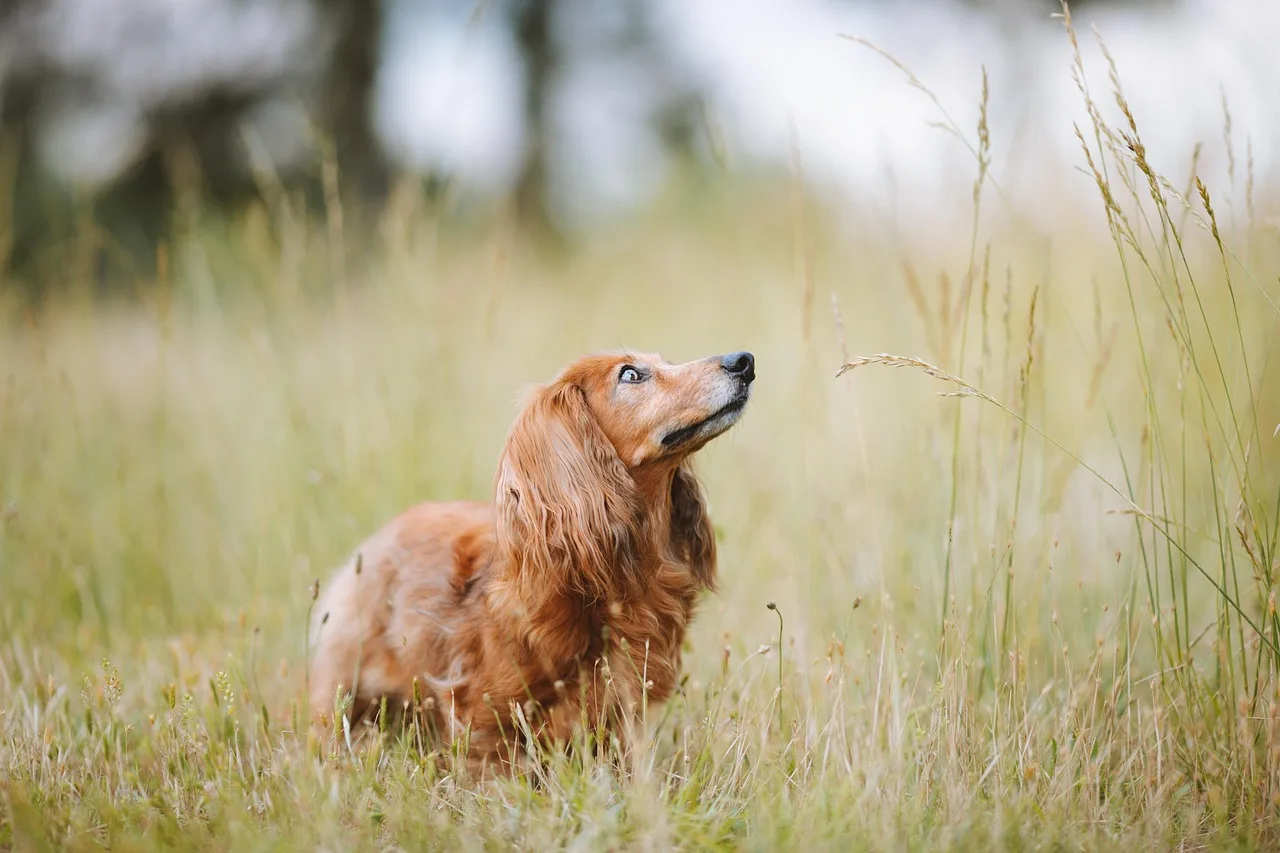
“They’re also very expressive dogs, they let you know what they’re thinking… They make you laugh every day.” That’s Trudy Kawami, who has owned and bred Dachshunds since the 1980s, talking to the Associated Press.
The wiener dog has never really left. It was #5 in the 1950s, #4 in the ’60s, #5 in the ’70s and #9 in the ’80s. The AKC’s 1960s and 1970s rankings count all three coats (long, smooth and wire) together. Its 2025 rank is #5, the first time it has held that spot since 2003.
Then there’s the rule every Dachshund owner hears: don’t let it jump. Dr. Rachel, the Texas veterinarian, explains why: the breed’s long back makes it really prone to intervertebral disc disease, a condition where the cushions between the spine’s bones fail, so owners need to be careful it isn’t jumping off high places. Cornell’s vet school recommends steps or ramps and a lean dog.
But the biggest owner survey of the breed found something people don’t expect. The DachsLife study looked at 2,031 Dachshunds, mostly in Britain, and found that dogs not allowed to jump on and off furniture had higher odds of disc disease, not lower. Dogs exercised more than an hour a day had lower odds, and dogs exercised under 30 minutes had higher ones.
Coat mattered, too. About one in four Standard Smooth Dachshunds had disc disease, compared with about one in fourteen Standard Wires.
None of this proves jumping is good for a long back. It’s a link in a survey, and the dogs kept off the furniture may differ in other ways. What it does suggest is that a fit, busy Dachshund beats a coddled one. Keep the ramps, keep the weight down, keep the walks long, and if you see wobbly back legs, a dragging paw or signs of back pain, get to the vet quickly; Cornell says early treatment gives the best outcome.
And give that brain a job. Bill Balatsos, the Illinois trainer, points out that Dachshunds were bred as hunters, made to think independently. With no clear rules, the Dachshund makes some.
#1 The mutt no registry ever counted

It was half something and half something else, and nobody was ever quite sure which halves. It came from a neighbor’s surprise litter, or a farm, or a hand-lettered sign at the feed store. If that was your childhood dog, you were in very large company.
You won’t find it on any list above. The AKC calls itself “the world’s largest registry of purebred dogs” and ranks only its own registered breeds. Mixed breeds and doodles never get counted.
Yet estimates put mixed breeds at somewhere between 44 and 53 percent of US household dogs. Every ranking from the 1950s to today leaves out the kind of dog that now makes up close to half of America’s pet dogs.
Are mutts healthier? Plenty of people on Reddit are sure they are, and Dr. April Lynch says she generally sees fewer health problems in mixed breeds, though she calls that a general rule rather than a guarantee. The biggest US survey is more mixed than the folk wisdom. In the Dog Aging Project’s 27,541 dogs, purebreds were actually slightly more likely to have no reported conditions, 22.3 percent versus 20.7 percent. Of 53 conditions, 14 were more common in purebreds and 13 in mixed breeds.
So a mutt isn’t a health guarantee. It’s just a dog, with its own odds, the way every dog is.
Even a president with two famous Beagles fell for one. LBJ’s favorite late in his presidency was Yuki, a mixed-breed dog his daughter Luci found at a gas station in Texas on Thanksgiving Day 1966.
Keep reading
 20 Prices That Show What a Dog Cost in 1970 vs. TodaySee all 20 →
More you’ll enjoy
 16 Things the Family Dog Ate in the 1960s, and What We Do Today
 23 Pieces of Old-School Dog Training Advice That Trainers Now Cringe At
 27 Dogs That Were a Status Symbol in Their Decade, and What They Are Now
The bottom line
Before you look at a single litter, ask yourself one question. Was it the breed you loved, or that one dog?
If it was the breed, the odds are good it’s still easy to find. Go meet a grown one, three or four years old, through a breed club or a rescue, and see whether the feeling comes back. A puppy will charm you no matter what. An adult shows you the next ten years.
If it was that one dog, the scruffy one nobody could quite identify, no registry can help you. A shelter can.
Bonus: Four dog facts to win the next argument
- Timmy never fell down a well. Jon Provost, who played him, titled his autobiography Timmy’s in the Well! because a well was “the one place Timmy never fell into.”
- The Saint Bernard’s brandy barrel is a later addition. Barry, the rescue dog credited with saving more than 40 people between 1800 and 1812, only got a barrel when one was added to his preserved body at the Natural History Museum in Bern in 1923.
- Lady of Lady and the Tramp started as a Springer. Story artist Joe Grant based the idea on his own English Springer Spaniel, also named Lady.
- A Boxer held a show-ring record for decades. When CH Bang Away of Sirrah Crest won Best in Show at Westminster in 1951, he became a national celebrity, and his 121 Best in Show wins stood as the record until a female named Wilma broke it in 2020.
Questions people also ask
What was the most popular dog breed in the 1960s, 1970s and 1980s?
By AKC registrations, the Poodle was the most popular breed of both the 1960s and the 1970s, and the American Cocker Spaniel was the most popular of the 1980s. The Cocker held the top spot every year from 1983 to 1990. Before the Poodle, the Beagle had been #1 for the 1950s. (AKC, 1960s; AKC, 1980s)
What is the most popular dog breed today?
The French Bulldog is #1 in the AKC’s 2025 rankings, released in March 2026, with the Labrador Retriever at #2 and the Golden Retriever at #3. The Lab’s 31-year run at #1 ended in 2022. French Bulldog registrations have dropped to about 54,000, half as many as in 2023, according to the Associated Press. (AKC; AP via ABC30)
Why don’t you see collies anymore?
Collies haven’t disappeared; they’ve slipped from the top ten of the 1950s, ’60s and ’70s to #39 in the AKC’s 2025 rankings. The Collie Club of America blames the big coat more than the size, noting that none of the large breeds ranked above the Collie have big coats. The club also points out that rankings count registrations, not dogs in homes, so there may be more collies around than the number suggests. (Collie Club of America)
Are mixed breeds healthier than purebreds?
Not reliably. In the Dog Aging Project’s survey of 27,541 US dogs, purebreds were slightly more likely than mixed breeds to have no owner-reported health conditions, 22.3 percent versus 20.7 percent. Of 53 conditions studied, 14 were more common in purebreds and 13 in mixed breeds, so the answer depends on the condition and the dog. (Frontiers in Veterinary Science)
Do AKC rankings count mixed breeds or doodles?
No. The AKC ranks only its own registered purebred breeds, so mixed breeds and doodles never appear on its popularity lists. That leaves out a lot of dogs: estimates put mixed breeds at roughly 44 to 53 percent of US household dogs. (AKC; PLOS ONE)
Are doodles hypoallergenic, and do they shed?
There’s no guarantee either way, because shedding varies from one doodle to the next. A groomer, a rescue worker and a doodle owner in one Reddit discussion all describe these crosses as a genetic coin flip, with shedding and temperament able to go either way. If allergies matter in your home, spend time with the specific dog before you commit. (Reddit discussion)


