Fifteen of the easiest dogs to train, from a Rottweiler to the Border Collie who learned 1,022 toy names, each with the habit that still tests owners.
You say “sit” once, with a cube of cheese pinched between two fingers, and the dog folds onto the kitchen mat before you finish the word. Good dog. Then you set the cheese down by the toaster and turn on the tap. Quick learners learn everything, including the lessons you never meant to give. Every dog below can be a good training partner, and every one comes with a catch.
The best-known obedience ranking comes from Stanley Coren, a psychology professor emeritus at the University of British Columbia, who ranked breeds in the early 1990s and again in 2006.
How Coren measured “easy” – He collected ratings from more than 200 professional obedience judges. – The top breeds learned a new command in fewer than 5 repetitions and obeyed 95% of the time or better. – The bottom breeds needed 80 to 100 or more repetitions and obeyed 25% of the time or less. – His own warning: “Smart doesn’t mean easy.”
The order below is our own judgment. We weighed Coren’s ranks against what trainers, breed clubs and rescues say about living with each dog. We also looked up each purebred’s 2025 rank in the AKC’s popularity list, which covers 202 breeds.
Table of Contents
#15 Rottweiler, quick learner with real strength
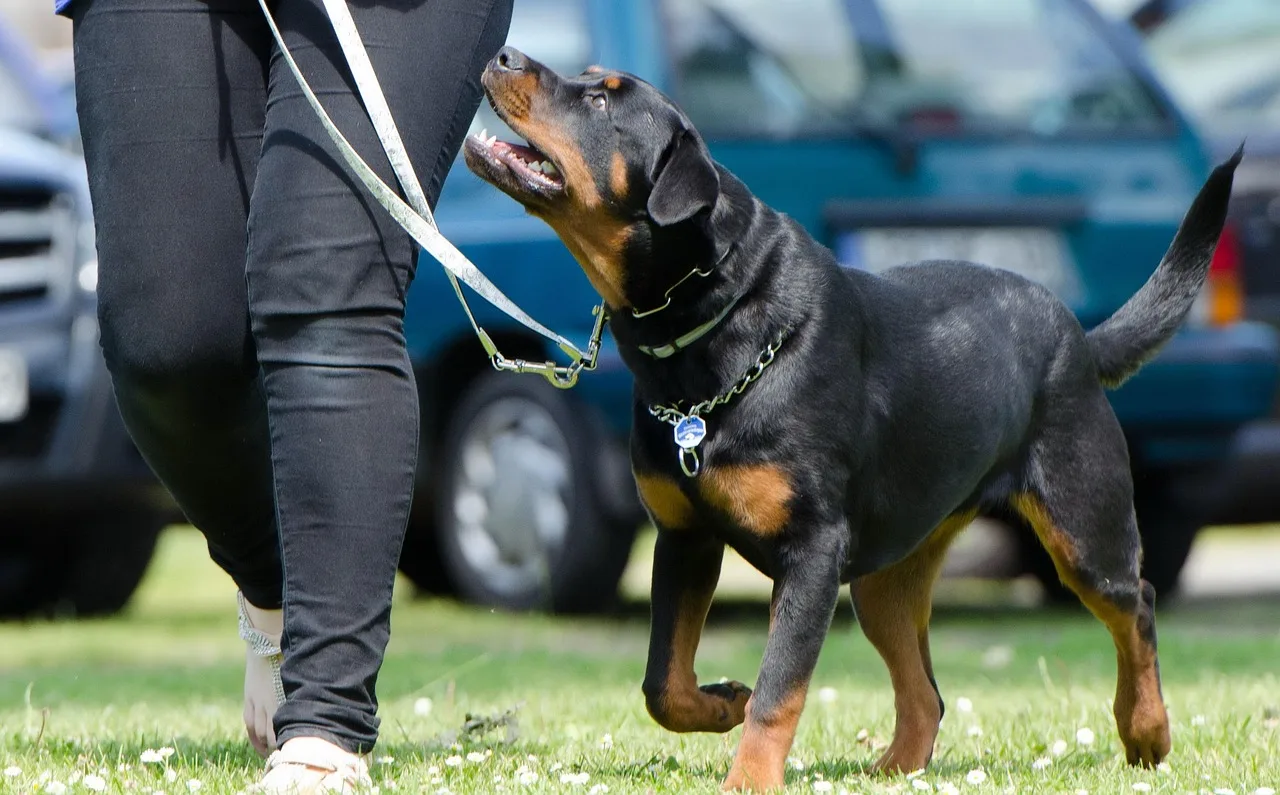
AKC describes the Rottweiler as “a robust working breed of great strength,” and all that strength is on the other end of the leash.
It’s ninth on Coren’s list and eighth in AKC’s 2025 popularity ranking, so plenty of people have found this out firsthand.
The trainers at Bark Busters add that Rottweilers “can be independent and headstrong.” On a walk it looks like a dog that knows “heel” perfectly well and has decided the fire hydrant comes first.
Leash manners matter with any dog, big or small. Penn Medicine researchers found that fractures linked to walking leashed dogs among people 65 and over rose from 1,671 in 2004 to 4,396 in 2017, and that count covers every breed.
A well-trained Rottweiler can be a big, steady, settled house dog. The question to weigh before you bring one home is who walks it during the months when leash training is still a work in progress, and how they feel about being steered toward every squirrel in the county.
#14 Doberman, obedient but hates being left alone
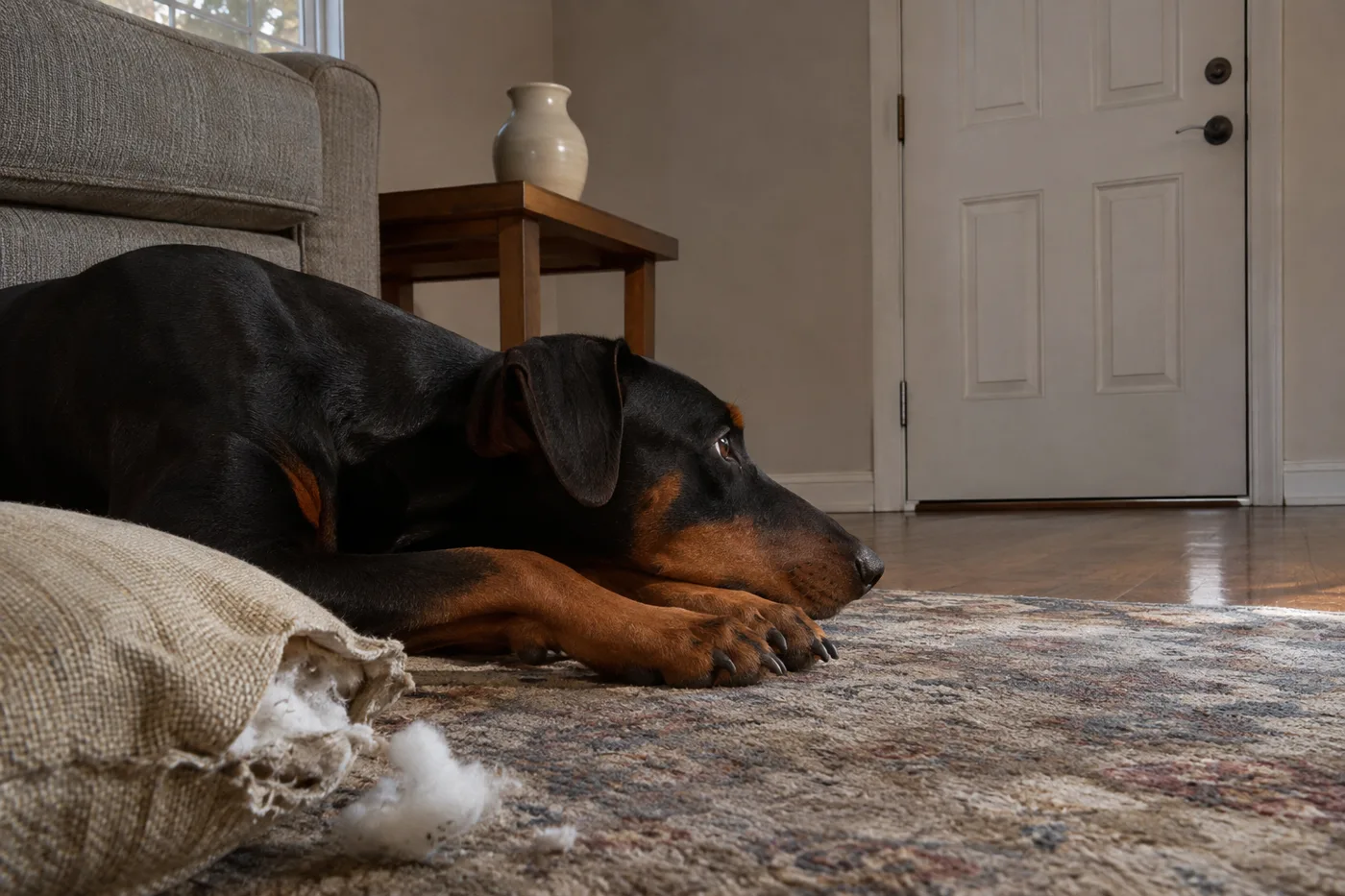
Coren warns that a Doberman left alone all day “is going to get bored and destroy your sofa and vase collection.” That’s the catch with a dog he ranks fifth for obedience. It learns fast, and it wants company and something to do.
The people who rescue them say the same. Doberman Underground Rescue, which follows the national breed club’s code of ethics, calls Dobermans “very easy to train” and says they “tend to be very energetic and have great stamina.” It also says plainly that the Doberman is “not the type of dog to add to a household where the dog will often be alone.”
So the honest test is your calendar. If you’re out for long stretches most days, training won’t fix the mismatch. If you’re home most of the time and like a dog that follows you from room to room, a Doberman makes a quick, devoted student.
Puppies are a separate question. In Reddit threads about hard first puppies, Dobermans turn up right beside doodles, and one owner called a Doberman puppy the most draining thing they had ever done. That makes a decent case for an adult from a breed rescue, a dog whose chewing phase happened on somebody else’s sofa.
#13 Pembroke Welsh Corgi, small legs, big brain
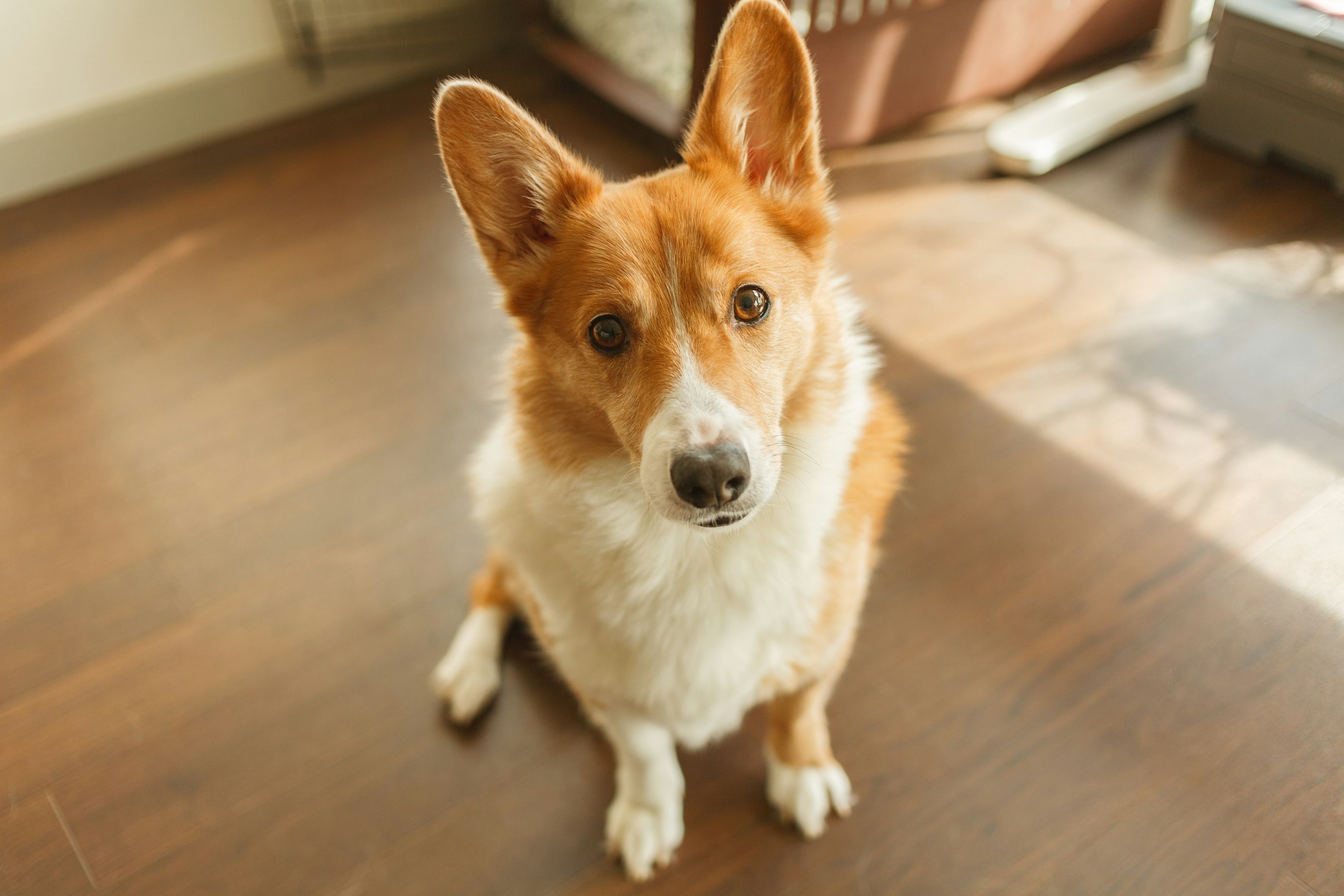
You get up from the recliner, the Corgi barks, and you toss a biscuit to buy some quiet. By Thursday, the Corgi barks every time you get up.
Petful’s Pembroke profile puts it exactly: “Pembrokes learn patterns fast, including patterns people did not intend to teach.” The speed that gets your house rules learned in a week also locks in the mistakes.
The Pembroke is a herding dog, and at home the herding shows up as “staring, stalking, circling, chasing, barking, or nipping at moving heels.” Your ankles, heading for the coffee pot, look a lot like a calf that wandered off. Petful also notes that “intelligence does not equal automatic obedience,” which every Corgi owner suspected already.
The fix is to watch what you reward. Before a treat leaves your hand, think about what the dog did in the two seconds before it. If the answer is “barked at me,” you’ve just booked the next bark.
Petful’s other advice is plainer still: “Keep the dog lean,” because that long back carries every extra ounce. A Corgi learns to beg exactly as fast as it learned to sit.
#12 Papillon, and the small dogs that resist house-training
If you’re choosing a small dog because it ought to be easier, know this first: in one survey, small dogs were less likely to be fully house-trained.
In an online survey of owners of 735 dogs, 67% of small dogs were fully house-trained, against 95% of large dogs. The researchers suggested smaller bladders, faster metabolisms, apartment living, owners who shrug off a little puddle, and less training. The owners came mostly from social media, so read the exact numbers loosely. Breed sources tell the same story.
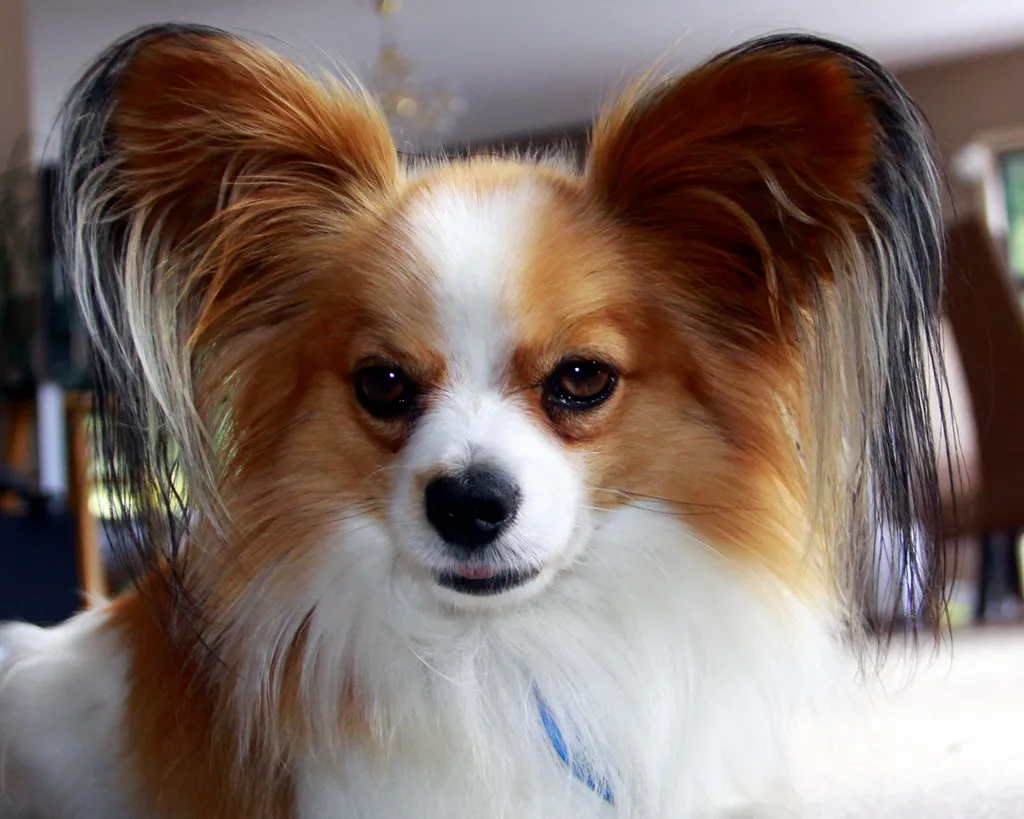
Coren ranks the Papillon eighth, and its club credits the breed’s “keen intelligence and desire to please.” Even so, the Papillon Club of America says that “as with other small breeds, house-training may take longer than for a larger dog.”
Other popular small breeds get plainer warnings from the people who love them most:
- Dachshund, AKC’s fifth most popular breed in 2025: the Dallas-Fort Worth Dachshund Club calls it “notoriously difficult to housebreak” and says, “They’re slow to catch on.”
- Bichon Frise: the Bichon Frise Club of America Charitable Trust’s rescue says Bichons are “slow to mature,” and that the trouble housebreaking them is “the number one reason why Bichons go into rescue.”
- Havanese: Vetstreet calls it easy to train, then adds that Havanese “aren’t always easy to housetrain, but consistency and strict supervision will win the day.”
The hopeful finding in that survey helps first-time dog owners and old hands alike: small dogs with formal training were more likely to be fully house-trained. At home, treat potty training as a real project, with the puppy either where you can see it or somewhere it can’t make a mistake, instead of quietly mopping up behind the recliner and hoping.
An owner of a mini Dachshund who grew up with a Border Collie summed it up on Reddit’s r/puppy101: “training my border collie was SUBSTANTIALLY EASIER than training this little hot dog.”
#11 Border Terrier, the terrier that cooperates
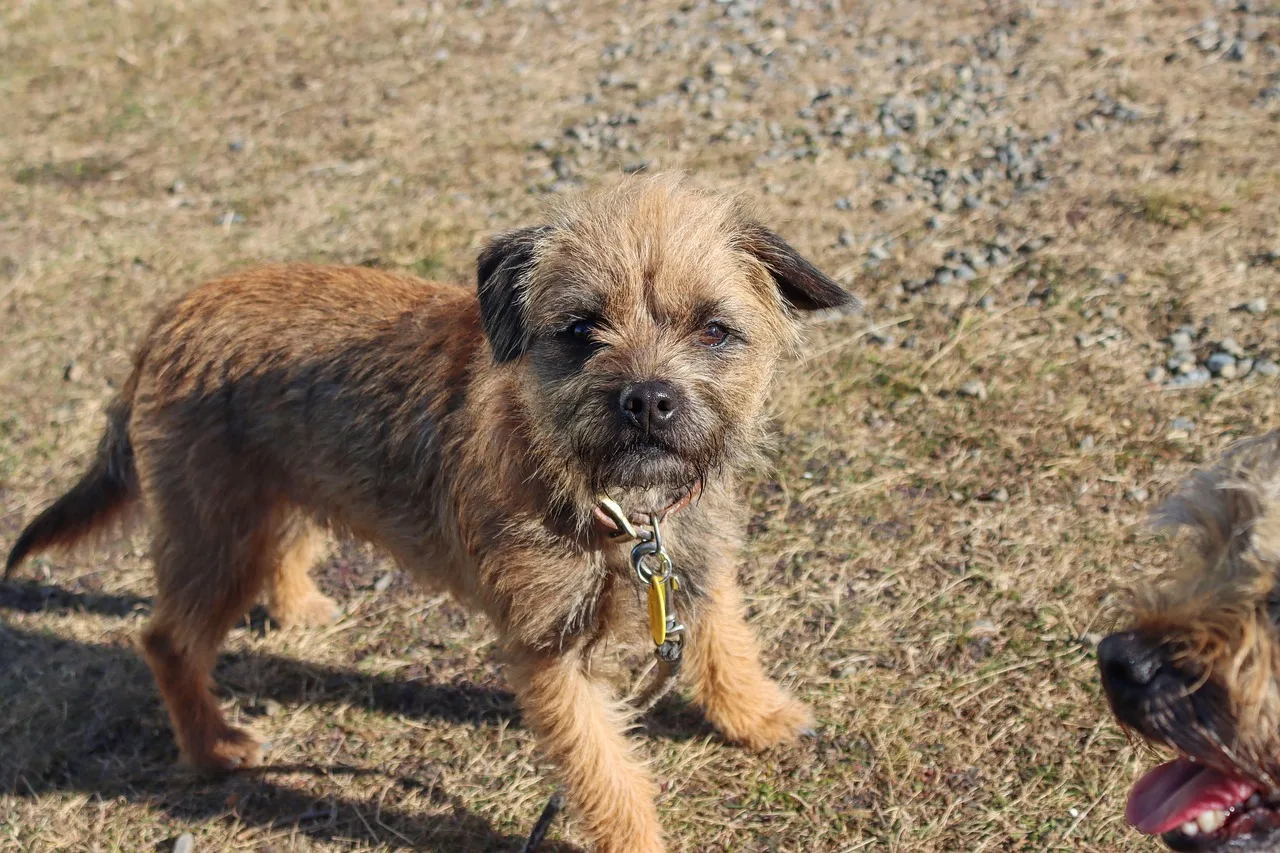
The Border Terrier is the easy-to-train dog most people have never lived with. It came 91st of 202 breeds with AKC in 2025, yet its breed standard calls it “affectionate, obedient, and easily trained.”
That surprises anyone who has chased a terrier around a yard. Tom Davis is a professional trainer who runs the Upstate Canine Academy in New York. In one of his videos, he says terriers will work for almost any reward and make their owners look good.
The catch is what a Border sees when it looks at someone else’s pet. Lynn Looper, a Border Terrier breeder who writes for AKC’s Gazette, puts it cheerfully: “A Border Terrier can be raised with a family cat, but a neighbor’s feline is fair game!” She adds that “even the nicest Border Terrier might deem a toy breed as prey.”
So the lessons that take patience happen on the sidewalk, walking calmly past the porch where the neighbor’s tabby suns itself. If the people next door have a Yorkie, introduce yourselves before you introduce the dogs.
 You might also like25 Classic Movie and TV Dogs, and What Really Happened to Them
#10 The Springer Spaniel, and which Cocker to choose
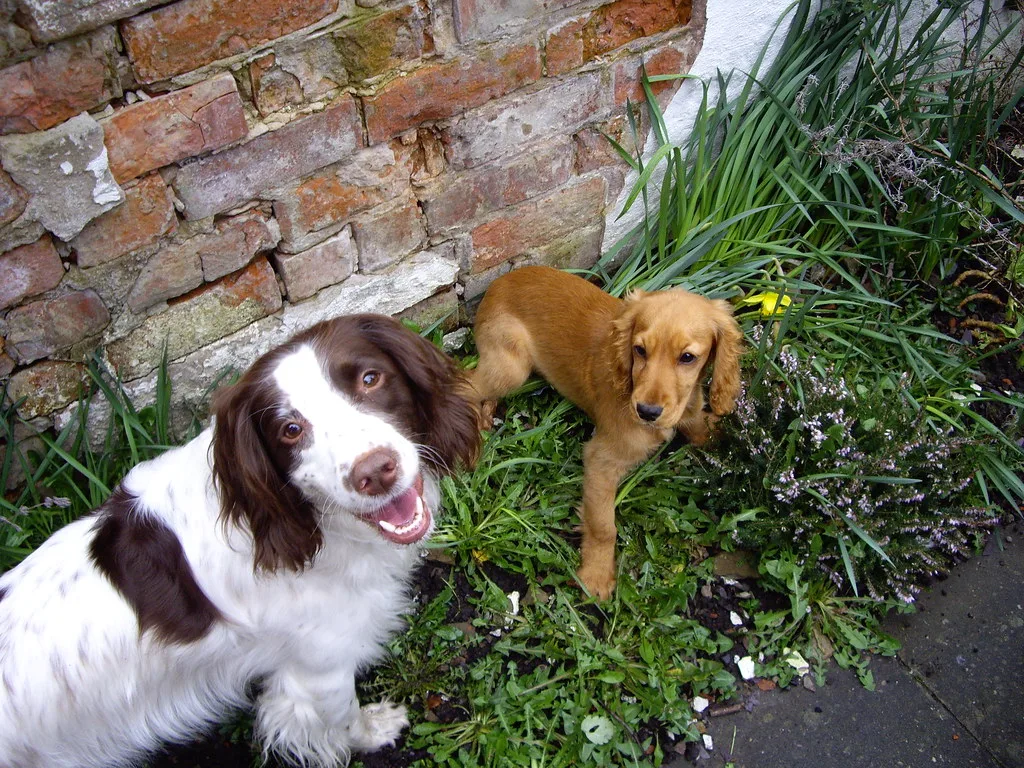
If you’re deciding between a Springer and a Cocker, the bigger decision is which Cocker. AKC registers the American Cocker (listed simply as “Cocker Spaniel”) and the English Cocker as two separate breeds, and they can make very different housemates.
| Dog | AKC rank, 2025 | What to know |
|---|---|---|
| English Springer Spaniel | 27 | Rank only; no breed-specific catch found in our sources |
| American Cocker | 33 | Often companion-focused |
| English Cocker | 35 | Working lines can be a lot for a quiet home |
Spaniel people used to rank them on training. Shooting UK quotes an older writer who thought Cockers “are not so easy to train as the springers,” then adds: “Today cockers are not considered hard to train because the modern breed is more biddable.” Shooting UK’s piece names no particular habit Springers are still working on, so the choice in this pair comes down to which Cocker.
The difference shows up at the problem end. Will Atherton, a UK behaviorist who runs a training facility, says in his breed video that Cocker Spaniels often arrive at his place with behavior problems. Owners in Reddit threads about calm dogs say the show-type Cockers are the calmer ones.
That’s the working line vs. show line question in miniature. Petful says “American Cockers are often companion-focused, but many remain energetic, athletic and eager to work,” and warns that “English working lines may overwhelm a low-activity household.”
When a breeder says “Cocker,” ask two follow-ups: American or English, and working or show parents.
#9 Shetland Sheepdog, the people-pleaser that barks
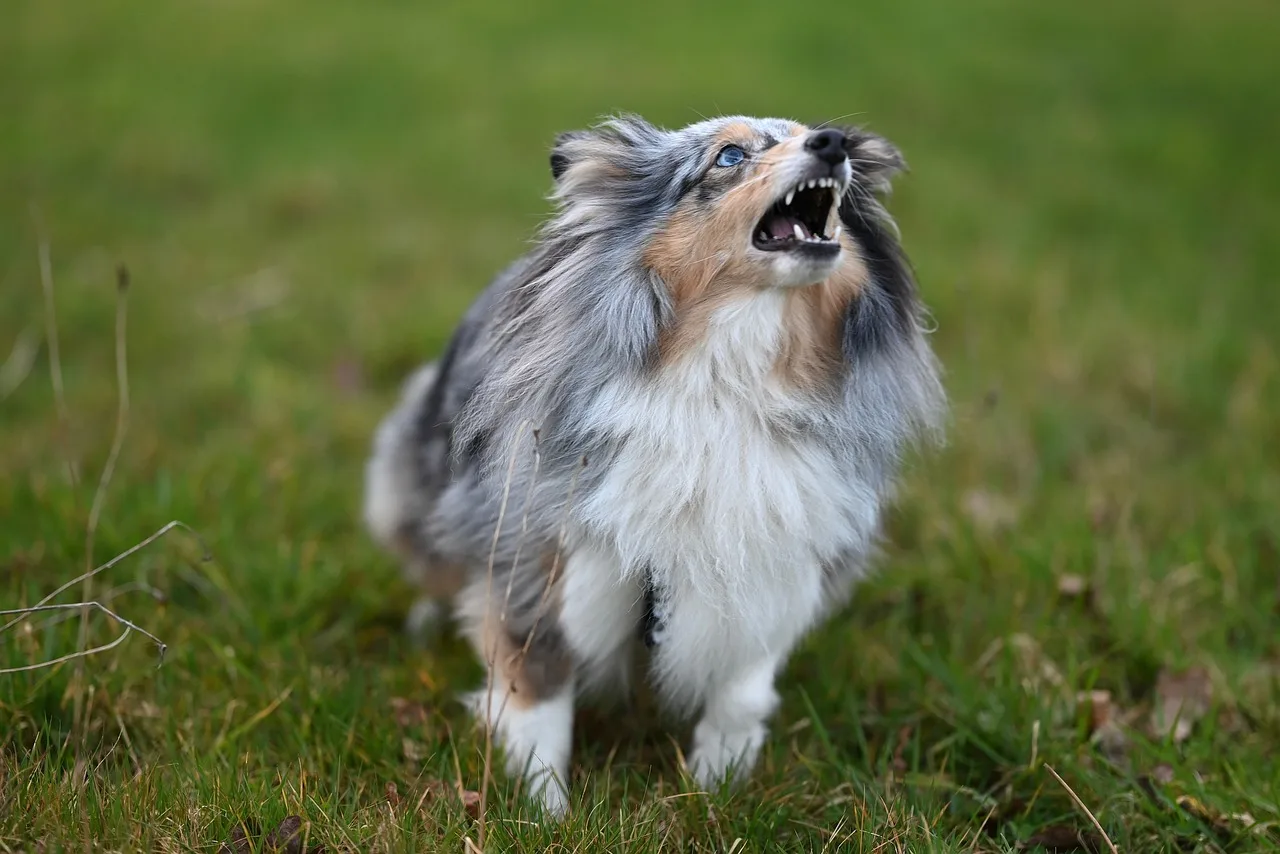
Will a Sheltie bark? Yes, often, and some at a pitch you’ll hear from the basement. KC Sheltie Rescue says “Shelties tend to be barkers, and some have high-pitched, piercing voices.”
That’s the whole catch with one of the quickest learners around. Coren ranks the Sheltie sixth, and AKC calls Shelties “star students when it comes to intelligence and trainability.” At 13 to 16 inches and 15 to 25 pounds, a Sheltie fits a smaller home, and the rescue says they “do not require a lot of exercise… usually a daily walk or two.”
AKC says Shelties “can be taught to keep excessive barking to a minimum.” The rescue lists barking at the mailman, squirrels and other dogs, and says Shelties are “easy to train if one has a steady voice and a light hand on the leash.”
For a household that walks once or twice a day and wants a dog that learns fast, the Sheltie is one of the best fits in the countdown. The mail carrier will still be announced every day the mail comes.
#8 Retired racing Greyhound, crate-ready but never off leash in unfenced areas

The first evening, a retired racer may stop at the bottom of your stairs and look up at them like a ladder to the attic. Buffalo Greyhound Adoption explains that ex-racers have never seen a house, stairs, children or cats.
What they have seen is a crate. The group says Greyhounds “are quite at home in” them, and owners on Reddit add that the dogs arrive used to a leash. On house-training the advice is honest: expect some accidents at first.
Finding one can take patience too. At the Wheeling Island track’s adoption kennel, the adoption coordinator says, “We don’t have enough greyhounds to meet the adoption demand.” Most of its dogs go to adoption groups, and the fee there is $300, which covers spay or neuter, updated shots and blood testing.
People on Reddit who ask for an “easy to train” dog are often told they really want a calm one, and retired Greyhounds and Whippets come up. Calm and trainable are two different gifts, and sighthound owners say so bluntly. An owner of two Spanish Greyhounds wrote on r/AskDogOwners: “Training depends on their mood… even food doesn’t motivate them enough some days to sit for me…”
The catch that never goes away is recall, a dog coming back when you call it. Asked whether a Greyhound can be off leash in an unfenced area, the adoption group answers “NEVER!” because greyhounds “have no understanding of cars.” They do enjoy a run off leash in an enclosed, safe area, so off-leash running happens behind a fence.
The Whippet, a smaller cousin, follows the same rules. VCA Animal Hospitals calls most Whippets “quiet, gentle, and well-behaved inside the house” and says they “love to join their people on the couch.” Outside, they belong “on leash or in a fenced area,” because “his prey drive supersedes any and all human attachments.” Read that sentence twice before you unclip a leash.
For the Whippet, VCA recommends “Short, positive sessions.” If you don’t have a fenced yard, find the nearest fenced dog park before the dog comes home.
#7 Shelter mixed breed you can meet first
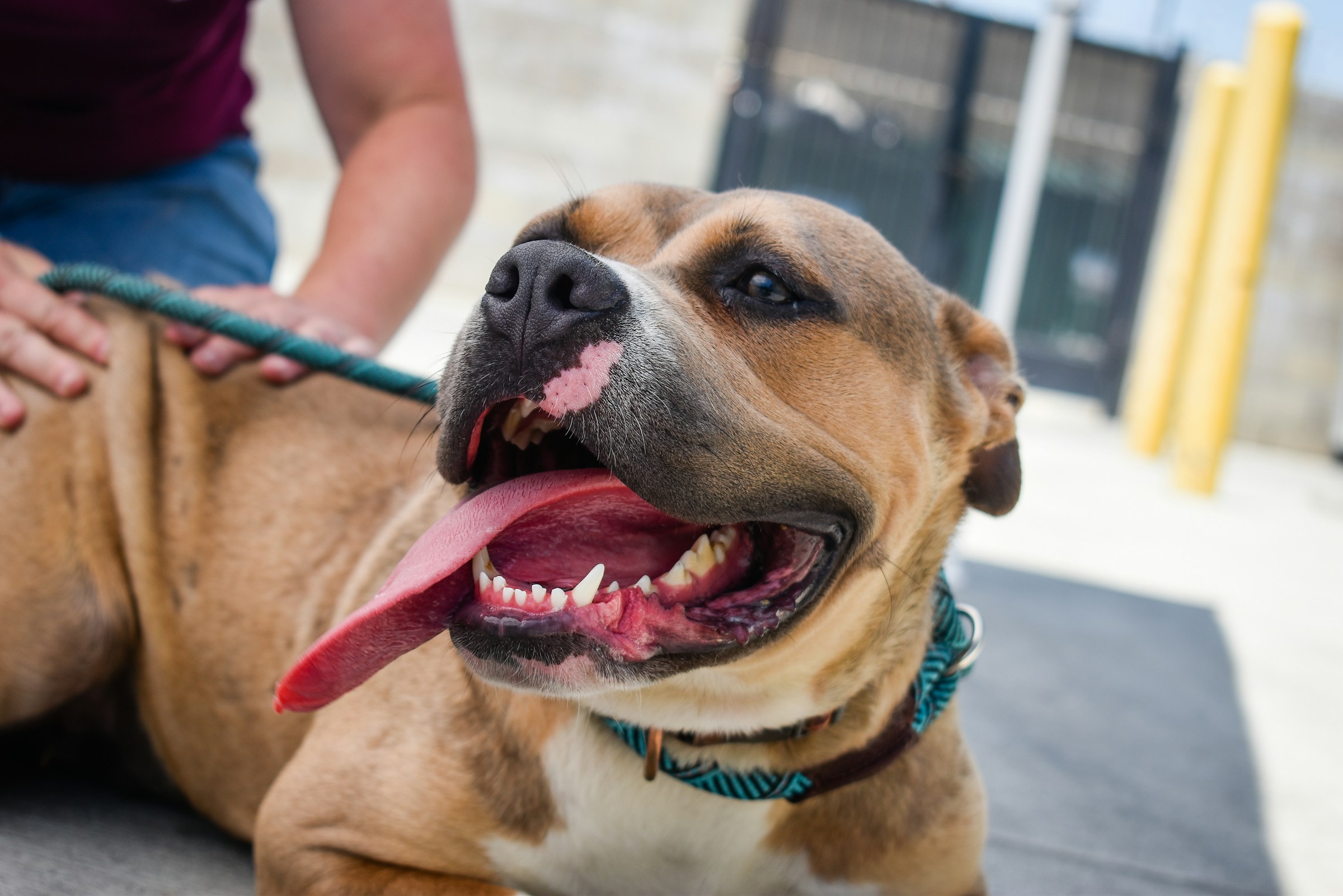
For a quieter household, the easiest dog to train may be an adult you’ve already met, whatever its kennel card says.
San Diego staff got both main breeds right only 10.4% of the time when researchers DNA-tested 919 dogs at shelters in Phoenix and San Diego. Only 4.9% turned out to be purebred, and most carried about three breeds. The breeds that turned up most were American Staffordshire Terrier, Chihuahua and Poodle, a mix nobody would guess from across the kennel.
So skip the breed research on the “shepherd mix” in run 12 and go meet the dog.
Mixed breeds may also be better students than their reputation. In a German owner survey of about 15,000 dogs, mixed breeds were rated more trainable once differences between owners were accounted for, but also less calm, with more problem behavior. The twist is that mixed-breed owners had less dog experience and did less training.
The surest way to know a personality before you sign is a foster home. On Reddit, people asked about easy dogs keep pointing to foster groups, because the dogs live in real houses and somebody already knows how they behave there. They also suggest volunteering at a shelter before you adopt.
A foster can tell you what the dog does at six in the morning, which is more than any breed book can.
#6 Cavalier King Charles Spaniel, the easygoing lap learner
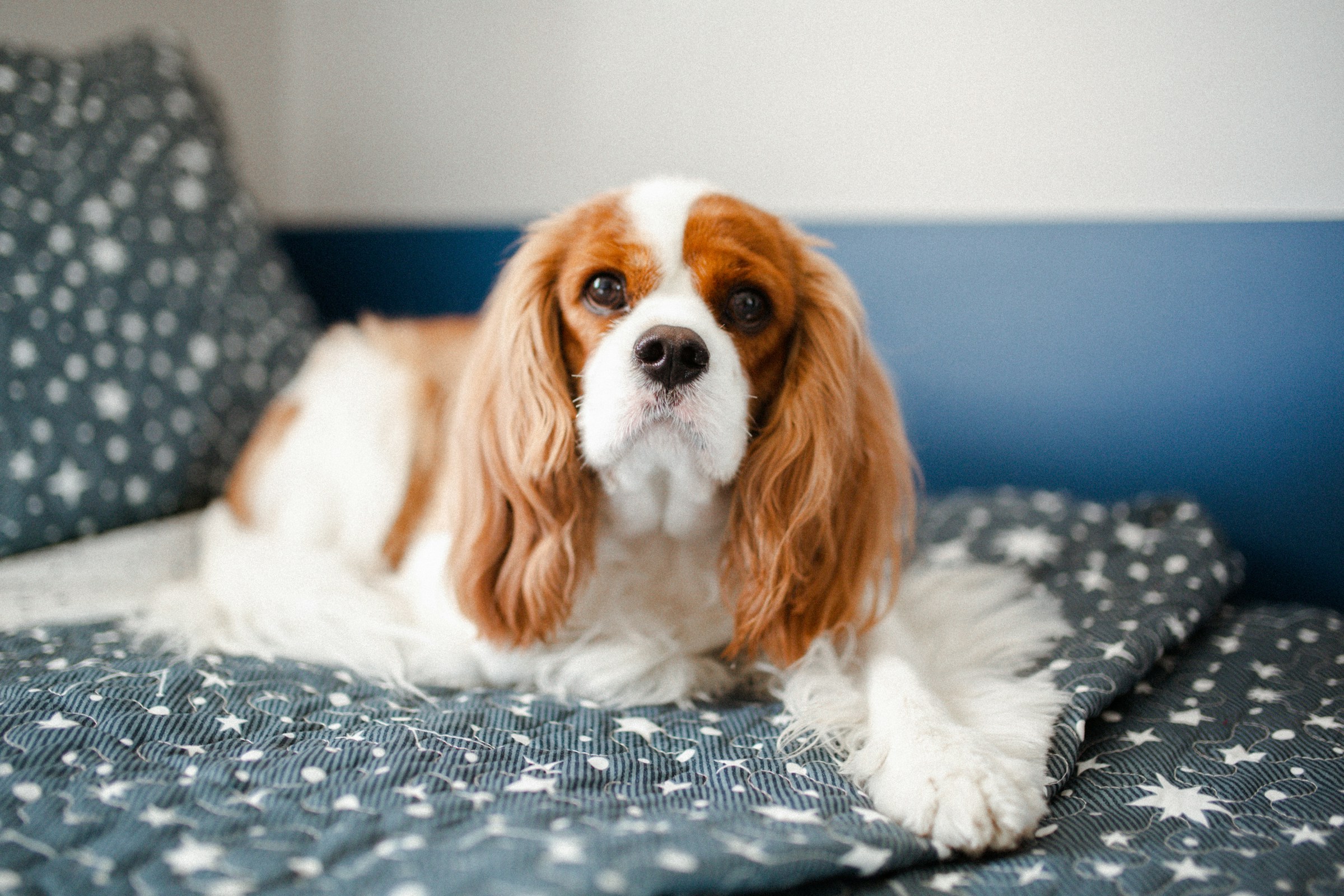
Training a Cavalier is the easy part. The homework is its heart.
AKC puts the Cavalier on its list of good breeds for seniors and says it “was bred to be a comforting, non-aggressive, and gentle pet.” Will Atherton, the UK behaviorist from #10, says in the same video that Cavaliers hardly ever turn up at his facility with behavior problems. Cavalier owners on Reddit and TikTok describe quick, easy learners too.
The doubt those owners keep raising is health. Cavaliers are prone to mitral valve disease, a disease of one of the heart’s valves, and a 2025 research review says “Nearly all Cavaliers develop this condition by the age of ten.” It can start “even at 1 year of age.”
What you can choose is the parents. Denmark made heart screening part of its Cavalier breeding rules, and by 2010 and 2011, dogs from approved parents had 73% lower odds of a heart murmur than the dogs examined in 2002 and 2003.
Ask the breeder for clear-heart certificates signed by a board-certified cardiologist for both parents. For a rescue Cavalier, ask about a cardiologist’s heart exam at 2½ years or older.
For first-time dog owners and calm households, few dogs here are a better lifestyle fit.
 You might also like20 Prices That Show What a Dog Cost in 1970 vs. Today
#5 German Shepherd, where the line decides everything
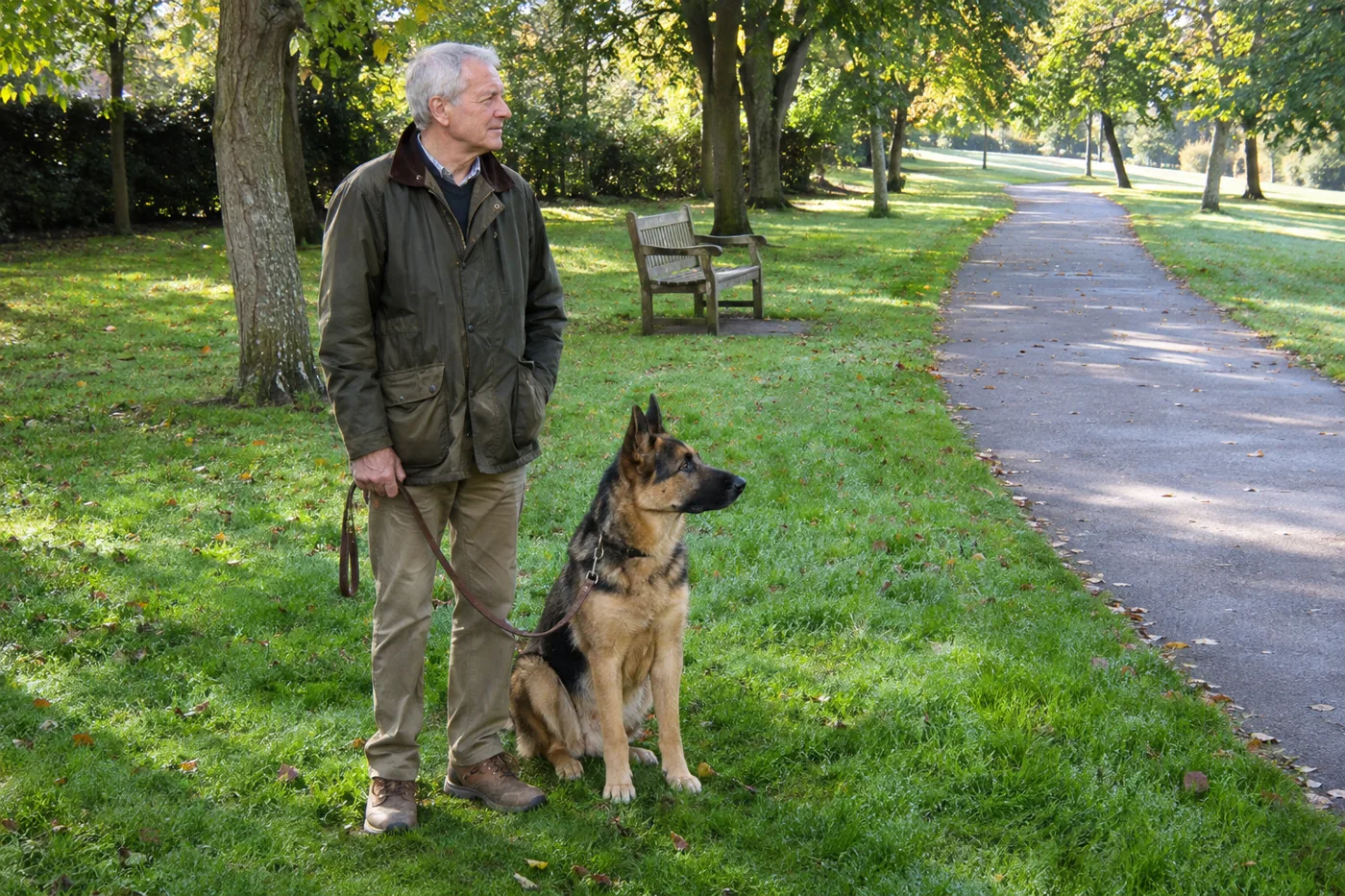
Two German Shepherds can share a breed name and very little else, depending on whether their parents came from working or show lines. Trainer Tom Davis says the Shepherd is the breed he sees most for reactivity and aggression, and in one of his videos he blames part of that on buyers who don’t know the lines differ.
Science backs the split. Researchers at Uppsala University and the Swedish University of Agricultural Sciences gave a temperament test to 373 Swedish German Shepherds and sorted them by DNA into working and show types. The working-type dogs scored higher on almost everything: more playful, more curious, quicker to chase toys, less fearful, and more interested in strangers. Aggressiveness was the one measure where they didn’t. Senior author Kerstin Lindblad-Toh: “Breeders of working dogs have selected and bred the ones that really enjoy working.”
That test measured temperament, so it can’t tell you which line learns faster. It does tell you a working-line puppy arrives wanting a job.
Guide-dog data adds a caution. In a study at The Seeing Eye, a US guide-dog school, German Shepherds had the lowest graduation rate of the four breeds and were the most likely to be sent back for extra training. Coren still ranks the breed third, and both things can be true. A German Shepherd owner on r/dogs put it best: “Smart dogs can be smart asses.”
Before you fall for a puppy, ask what its parents do all day.
Easy and popular – Five of AKC’s 2025 top 10 breeds are also in Coren’s top 10: the Lab, Golden, German Shepherd, Poodle and Rottweiler. – America’s No. 1 breed, the French Bulldog, isn’t in Coren’s top 10. – AKC’s ranking counts registrations, so it measures what people buy, and nothing about how they train.
#4 Golden Retriever, gentle, eager, a little slower
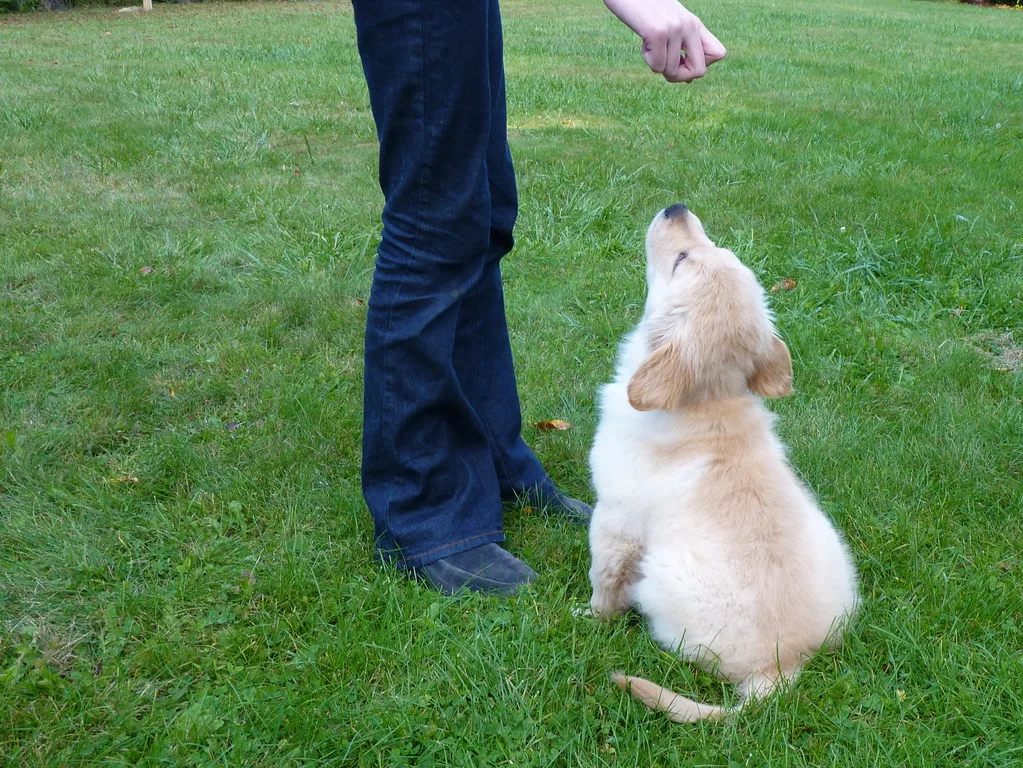
A Golden may take a bit longer than a Lab to learn something new, and that’s the whole catch. Charlie Thorburn, who runs Mordor Gundogs, a UK gundog training school, finds Goldens sweet but a little slower to learn than a working Lab, as he explains in this video.
The same Seeing Eye study followed 2,003 dogs trained from 2000 to 2005, and 56% graduated as guide dogs. Lab and Golden crosses had the highest graduation rate, and straight Goldens did better than Labs when they were given extra training time.
The Golden ranks fourth on Coren’s list, so it’s hardly a slow dog. It’s eager to please on its own schedule.
That schedule runs long. The Golden Retriever Club of America says Golden puppies naturally chase, jump and bite, and keep maturing for their first 24 months. A Golden past its second birthday has done most of its growing up.
#3 Labrador Retriever, learns fast, eats anything

“People who live with Labradors often say they are obsessed by food.” Dr. Eleanor Raffan, University of Cambridge
A 2016 Cambridge study of 310 Labradors estimated that about 23% of Labradors carry at least one copy of a gene variant linked to weight and appetite. Her colleague Dr. Giles Yeo said carrying it “may make dogs more motivated to work for a titbit.” A food-motivated dog may work harder for a treat, and it may also notice the treat you left on the counter.
Charlie Thorburn, the trainer from #4, agrees in his video with the old saying that working-type Labradors are born half trained. Owners have their own evidence. One whose first dog was a Lab wrote in a TikTok comment: “she learned to sit in an afternoon and in contrast my fat pug hasn’t learned to sit in her 7 years of life.”
Counter-surfing is what you’ll still be working on. AKC trainer Stephanie Gibeault calls it “self-rewarding,” because every stolen sandwich pays the dog. Her fix:
- Prevention first. “If your dog never finds food on the counter, they’ll never think of it as a source of food.”
- Airtight storage for anything a nose can find.
- A “place” cue, a spot like a mat where the dog learns to go and stay while you cook.
She adds that dogs who steal from counters are more likely to eat something harmful, such as grapes or garlic. The bread bag goes in the bread box, starting tonight.
#2 Poodle, quick to learn, light on exercise
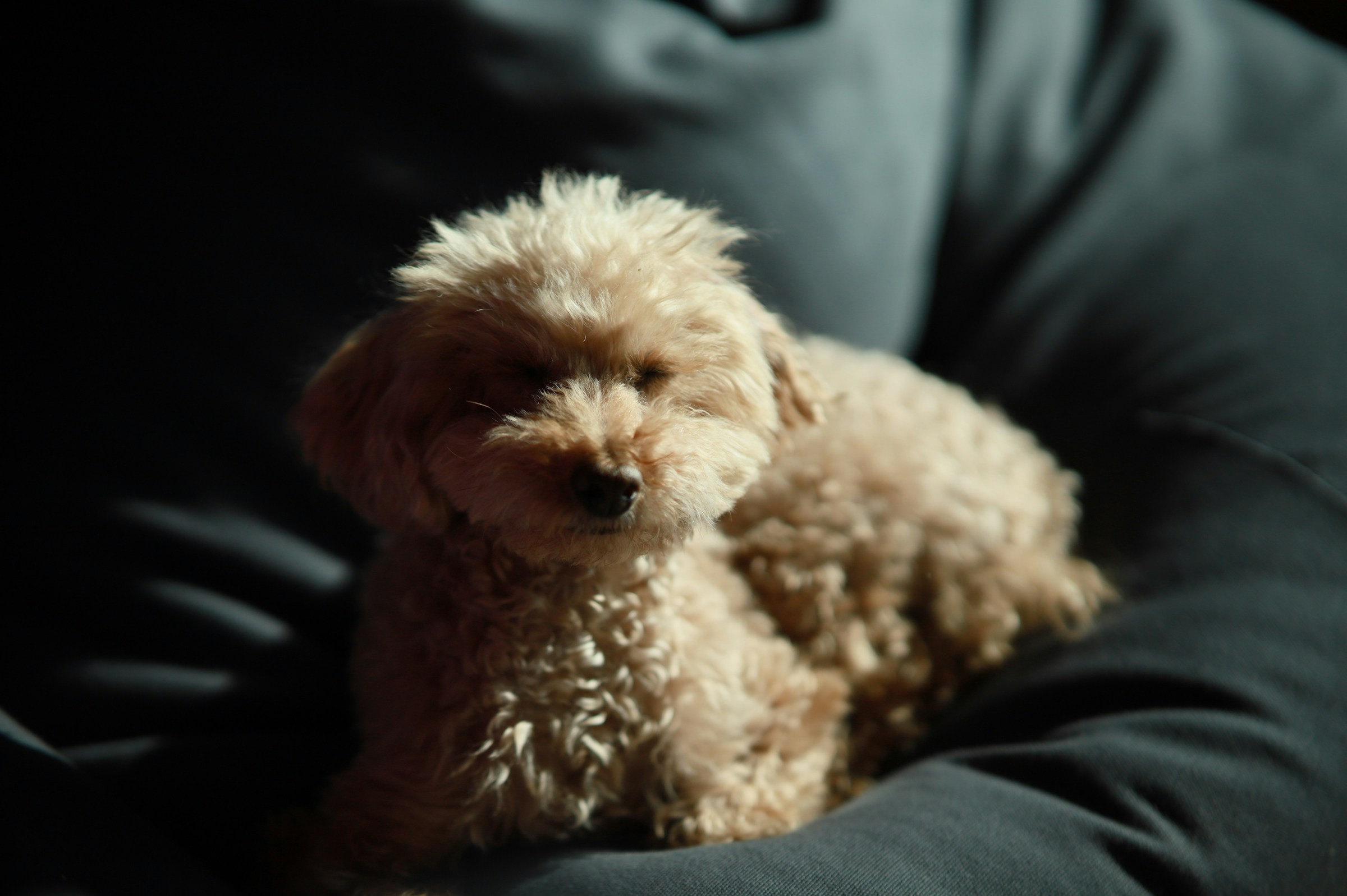
The Toy Poodle fits one of the brightest brains in dogdom into a body no more than 10 inches tall and 4 to 6 pounds. PetMD’s vets call Toys “exceptionally intelligent and eager to please, making them easy to train,” with “lower exercise needs than many other dog breeds.”
The Poodle sits second on Coren’s list. If you want the smartest dog breed that fits on a lap, start here. The details below are for the Toy. Miniatures and Standards are different-sized dogs with their own notes.
For health, PetMD lists slipping kneecaps and Legg-Calvé-Perthes disease, which mainly affects puppies under 18 months. Ask the breeder for the parents’ kneecap evaluation, one of the Toy tests on the Poodle Club of America’s health page, and ask about Legg-Calvé-Perthes as an extra.
Toys typically live 10 to 18 years, which means a long run of a small dog learning your house rules faster than you can write them down.
#1 Border Collie, the quickest learner who needs a job
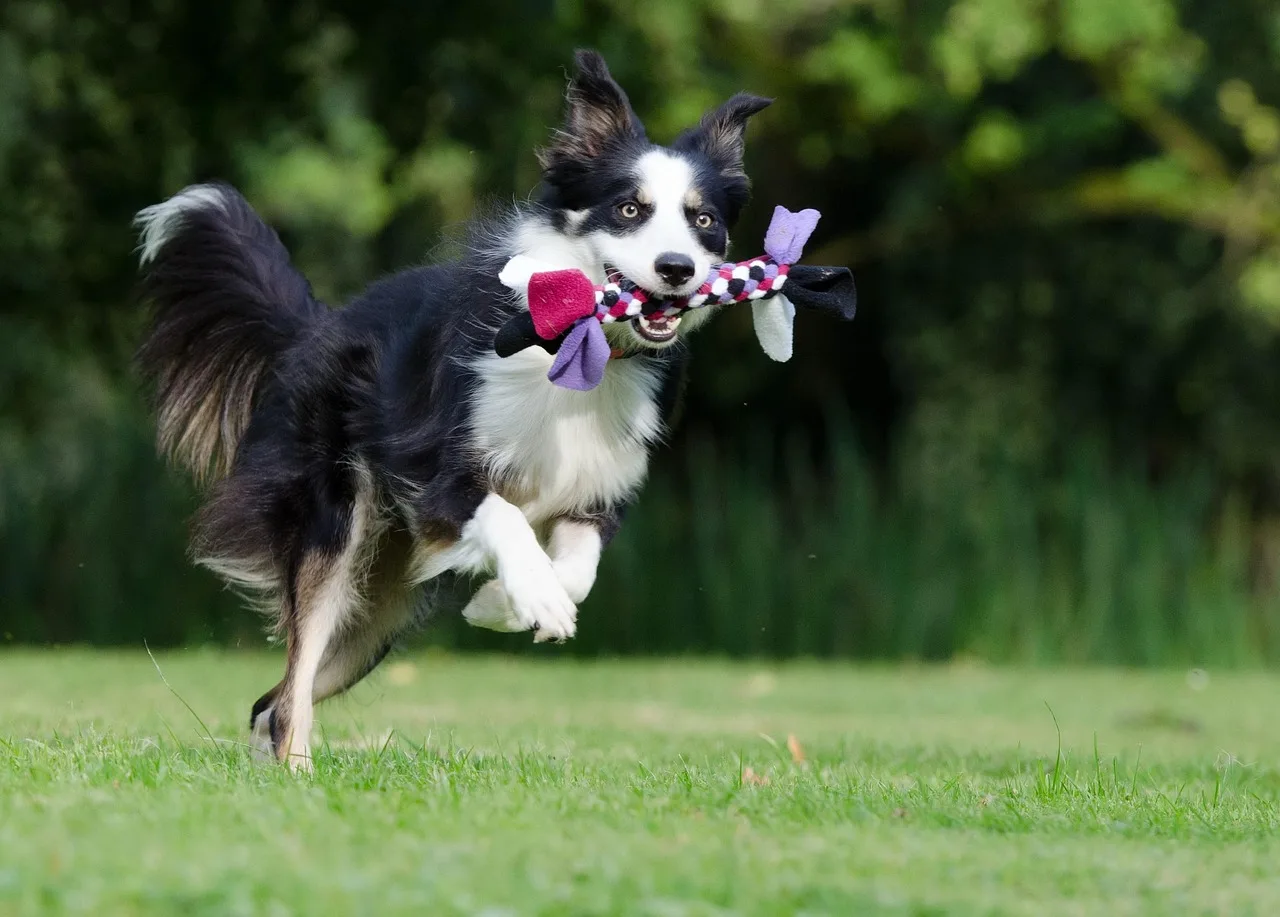
Picture a living room floor covered in stuffed toys, more than a thousand of them, and a black-and-white dog who can bring you any one by name.
That was Chaser. In 2011, Wofford College researchers John Pilley and Alliston Reid reported that she had learned the names of 1,022 toys. Her training started at five months and ran about three years, four to five hours a day. If she trained every day, that is roughly 4,000 hours or more. Reid said of her reward: “It is much more rewarding for her than a morsel of food.”
Pilley died in 2018. Chaser died in 2019, at 15.
So the answer to “who learns fastest” is the dog at the top of Coren’s list. Popularity is creeping up too: in AKC’s 2025 ranking, the Border Collie rose from 30th to 26th while the Siberian Husky fell from 26th to 30th, so the two swapped places.
The Border Collie Society of America’s rescue committee is the voice to hear before you call a breeder:
“They are not the best choice for most people.” Border Collie Society of America
The club calls for “DAILY exercise” of “running, off leash until the dog is panting and tired.” Owners on Reddit describe what happens without it: bored quick learners turning nippy, restless and crafty.
If that sounds like your life, the club notes that a good number of dogs in rescue are 1 year or older. And the club’s description of the dog it loves comes down to one sentence: “This is a dog who needs a job to thrive and be happy.”
Not on the list? The hard end – Dr. Nicholas Dodman, former head of the Tufts University animal behavior clinic, on scent hounds: “They are difficult to train because they are not really looking up, they are looking down.” – The Siberian Husky Club of America urges “that no Siberian Husky ever be allowed unrestrained freedom.” – Hill’s Pet says Husky “recall training is more of a negotiation than a command.” – Dr. Brian Hare of Duke University: “I do not really think there is such a thing as ‘smart’ dogs and ‘dumb’ dogs.”
Keep reading
 30 Things Your Dog Is Trying to Tell YouSee all 30 →
More you’ll enjoy
 25 Subtle Signs of Dog Stress Most Owners Walk Right Past
 17 Dog Breeds That Bite the Most, Including a Lap Dog That Out-Bites German Shepherds
 28 Things Dog Owners Did in the ’60s and ’70s That Would Raise Eyebrows Today
The bottom line
Breed tells you less than it seems about the dog on your couch. In a US study that combined owner surveys on 18,385 dogs with DNA from 2,155, breed explained about 9% of the differences in behavior from one dog to the next.
So here’s a question worth an evening: what has your dog learned from you that neither of you planned? The bark when you pick up your keys. The sit that only happens within three feet of the refrigerator.
Tonight, notice one of them, and decide whether it stays.
Bonus: Five checks before you say yes to a dog
- Call a groomer for a price before you bring home a Bichon, since its club says Bichons need professional grooming every 4 to 6 weeks.
- Count the hours the dog would be alone on your busiest weekday, because Vetstreet says of the Havanese, “don’t expect him to spend a lot of time alone.”
- If children often run around your house or yard, skip the Australian Shepherd or plan for it, because AKC warns “Aussies will try to herd them!”
- If a Miniature Schnauzer tempts you, ask how your neighbors feel about noise, since Vetstreet calls it easy to train and says “barking is a preferred hobby.”
- Before an Australian Cattle Dog, Coren’s No. 10, check your schedule against Orvis’s advice that it “should not be left alone for more than an hour or two.”
Questions people also ask
What is the easiest dog to start with?
Some people may prefer “an adult dog that’s already housebroken and leash trained,” as AKC’s guide for seniors notes. Among breeds, the Toy Poodle pairs quick learning with “lower exercise needs than many other dog breeds,” and AKC calls the Havanese “a cheerful, quiet little dog” that doesn’t “require much exercise.” AKC also says the Cavalier was bred to be gentle. If you choose a Havanese, plan on patient house-training.
What is the hardest dog breed to train?
On Stanley Coren’s ranking from obedience judges, the Afghan Hound comes last, with the Basenji, Bulldog, Chow Chow and Borzoi just above it. Breeds at that end needed 80 to 100 or more repetitions to learn a new command and obeyed 25% of the time or less. Many were bred to work on their own instead of taking direction.
Is it easier to train an adult dog than a puppy?
The ASPCA says adult dogs “won’t have teething issues,” that “many are already house-trained and have already mastered basic commands,” and that their personalities are “fully-formed, which makes them more predictable.” How easy it is depends on what the dog learned before you, so ask the rescue or foster about its history.
Which small dog is easiest to potty train?
No study ranks small breeds for potty training, so there’s no proven winner. In one owner survey, only 67% of small dogs were fully house-trained against 95% of large dogs, and small dogs with formal training did better. Breed clubs flag the Dachshund and Bichon as slow, and even the Papillon Club says house-training “may take longer than for a larger dog.”
Are mixed breed dogs easier to train?
They may be, according to a German owner survey of about 15,000 dogs. Mixed breeds were rated more trainable once differences between owners were accounted for, but also less calm, with more problem behavior. Those were owners’ ratings from one country, so meet the individual dog before you decide.
How long should dog training sessions be?
Keep them short and frequent. RSPCA Victoria, an Australian animal welfare group, says “Training is most effective when it is carried out in several short sessions.”


