Nine little doodles lined up by grown weight, from a Mini Goldendoodle that can reach 35 pounds to a Toy Poodle-cross Maltipoo of 4 to 6 pounds, with what each asks of your arms, your brush and your day.
Stay for #1: the one question that decides whether a Maltipoo tops out at 6 pounds or 12.
The puppy in the breeder’s photo is curled inside a fleece slipper, and the listing under it says “mini” in a cheerful font. You picture her riding in the crook of your arm to the mailbox a year from now. Then you read what owners of mini doodle breeds actually ended up with, and the word starts to look like a guess. The smallest doodle breed is the one with small parents, and the label on the listing can’t promise you that.
Here they are by the top of each grown-weight range, heaviest first. We pulled the numbers from breed clubs, vet-reviewed pet guides, Wikipedia and breeders’ own pages, and checked several against the parent breeds’ weights on the American Kennel Club’s charts.
| Doodle | Adult weight | Height at the shoulder |
|---|---|---|
| #9 Mini Goldendoodle | 26-35 lb (typical) | Over 14 to under 17 in |
| #8 Mini Labradoodle | 16-25 lb | 14-16 in |
| #7 Cavapoo | 8.8-22 lb (one vet says 15-25) | 9.1-13 in |
| #6 Toy / mini Cockapoo | Toy under 12 lb, mini 13-20 lb (ideal) | Toy 10 in or less, mini 11-14 in |
| #5 Havapoo | Under 15 lb | Not listed |
| #4 Yorkipoo | 3-15 lb | 7-15 in |
| #3 Chi-poo | 4-15 lb | Not listed |
| #2 Micro Goldendoodle | Under 15 lb (breeder label) | Usually under 12-13 in |
| #1 Maltipoo | 4-6 lb or 8-12 lb, by Poodle parent | 8-10 in or 11-15 in |
Table of Contents
#9 Mini Goldendoodle
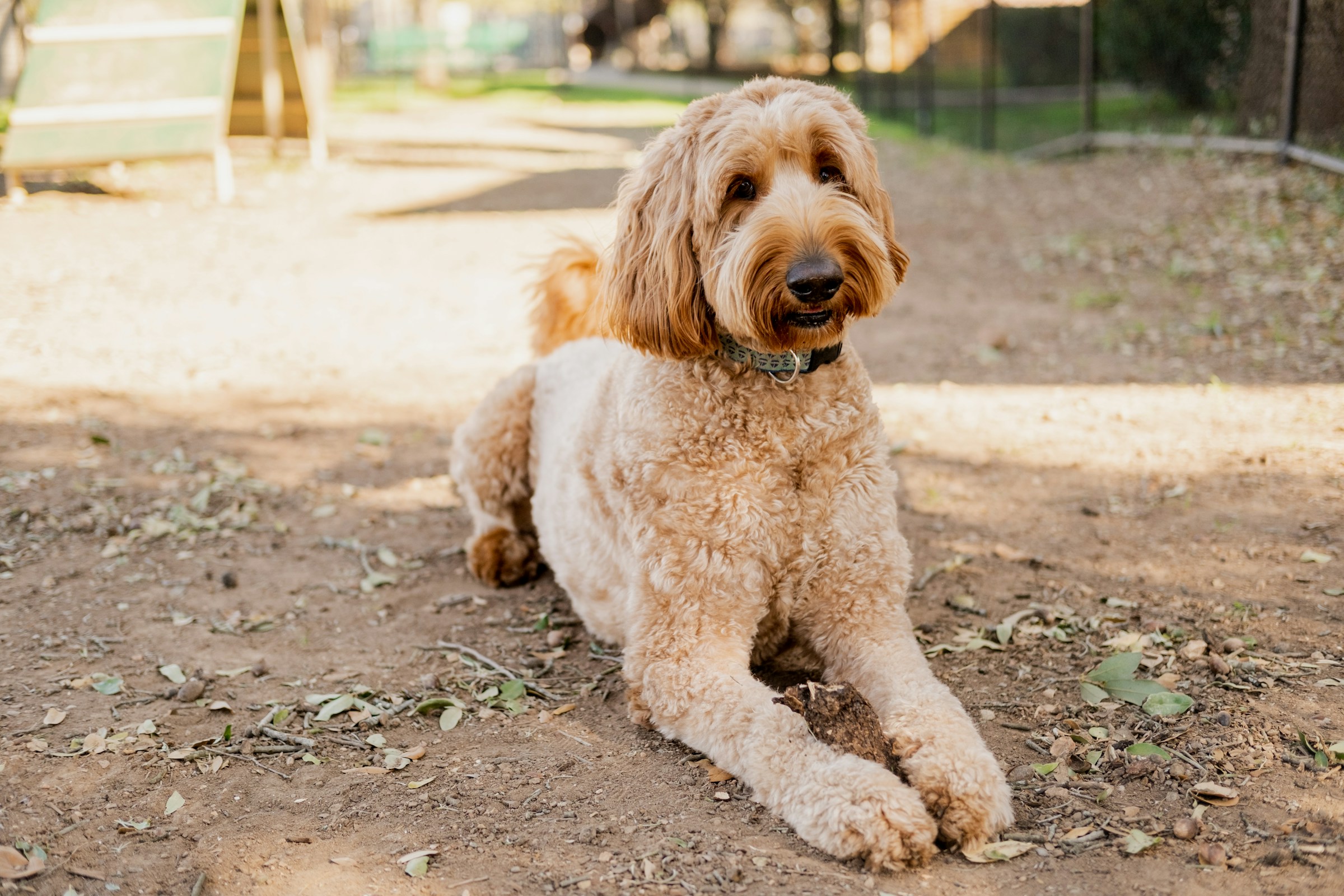
“I have a mini goldendoodle. I was told to expect her to be 30-40 lbs. She is now 2 years old and 12.5 lbs haha.” A mini goldendoodle owner on r/Goldendoodles
That “haha” belongs to someone whose surprise went the lucky way. Plenty of owners get the other kind.
Adult weight: typically 26 to 35 lb in the breed association’s Mini class; one breeder says 15 to 35. Height at the shoulder: over 14 to under 17 in.
How big a full grown mini doodle gets depends on who’s doing the selling. The Goldendoodle Association of North America (GANA) sorts dogs by height. Under 14 inches is a Petite Mini, typically 25 pounds or less. Over 14 inches but under 17 is a Mini, typically 26 to 35. The club is blunt about why: “Height will be the determining factor for accurate size since weights can fluctuate.” It counts the inches, and the pounds land wherever they land.
The breeder behind Doodles of NC, a family breeding program in Burlington, North Carolina, draws her own line: “For us, for minis 30 lbs and under.” Of her smallest puppies, she says, “They are 15 to 25 lbs.”
Then the dog gets a vote. Minna, who writes the Substack A Cabinet of Curiosities, was given an estimate of 25 to 30 pounds for her mini. At nine months she weighed 47.
You’ll also hear that F1B puppies stay smaller. One breeder says first crosses “often” grow bigger, even in the same litter, but shows no data. Another says flatly that “parent size matters more than generation alone.” Ask what the parents weigh before you ask about generations.
Carry yardsticks – JetBlue’s under-seat pet carrier can’t be bigger than 17 x 12.5 x 8.5 inches. There’s no weight limit on the page. The box does the limiting. – Delta suggests soft-sided kennels no bigger than 18 x 11 x 11 inches, fully under the seat. – A Florida realtor says many condo buildings cap pets at 25 pounds. GANA’s Mini class starts at 26. – Single-family HOAs, he says, tend toward 50 to 80 pounds or no cap at all.
One more test has nothing to do with a scale. A bigger doodle stands closer to the floor than your hand, and the Doodles of NC breeder says in her video: “You might have to think about your Mobility if you can’t reach down.”
#8 Mini Labradoodle, the original doodle made smaller

In 1989, Wally Conron was breeding manager for the Royal Guide Dogs Association of Australia, and he wanted, in his words, “a dog with the working ability of the Labrador and the coat of the poodle.” He got the Labradoodle. Thirty years later he looked at what followed and didn’t love it.
“I opened a Pandora’s box and released a Frankenstein’s monster.” Wally Conron, who developed the Labradoodle, speaking to RTÉ in 2019
Adult weight: 16 to 25 lb. Height at the shoulder: 14 to 16 in by the breed club, 14 to 17 in by one seller. Coat care: brush two to three times a week. Life span: 12 to 15 years, per the seller.
Set the two sources side by side and the difference is small but telling. The Australian Labradoodle Club of America’s miniature standard gives an ideal height of 14 to 16 inches and says, “The weight range tends to be 16 to 25 pounds.”
Lone Star Pups, a Texas seller, says its adult minis typically weigh 16 to 25 pounds and stand 14 to 17 inches. Same pounds, one extra inch, and not a word about what happens if your pup keeps going.
Notice who hedges. The club that adopted the standard says “tends to be.” The seller says “typically” and leaves it there.
So when a breeder says “mini Labradoodle,” ask whether they breed to the club’s 14-to-16-inch standard, and how tall the parents measured at the shoulder.
#7 Cavapoo, the little doodle that needs a lot
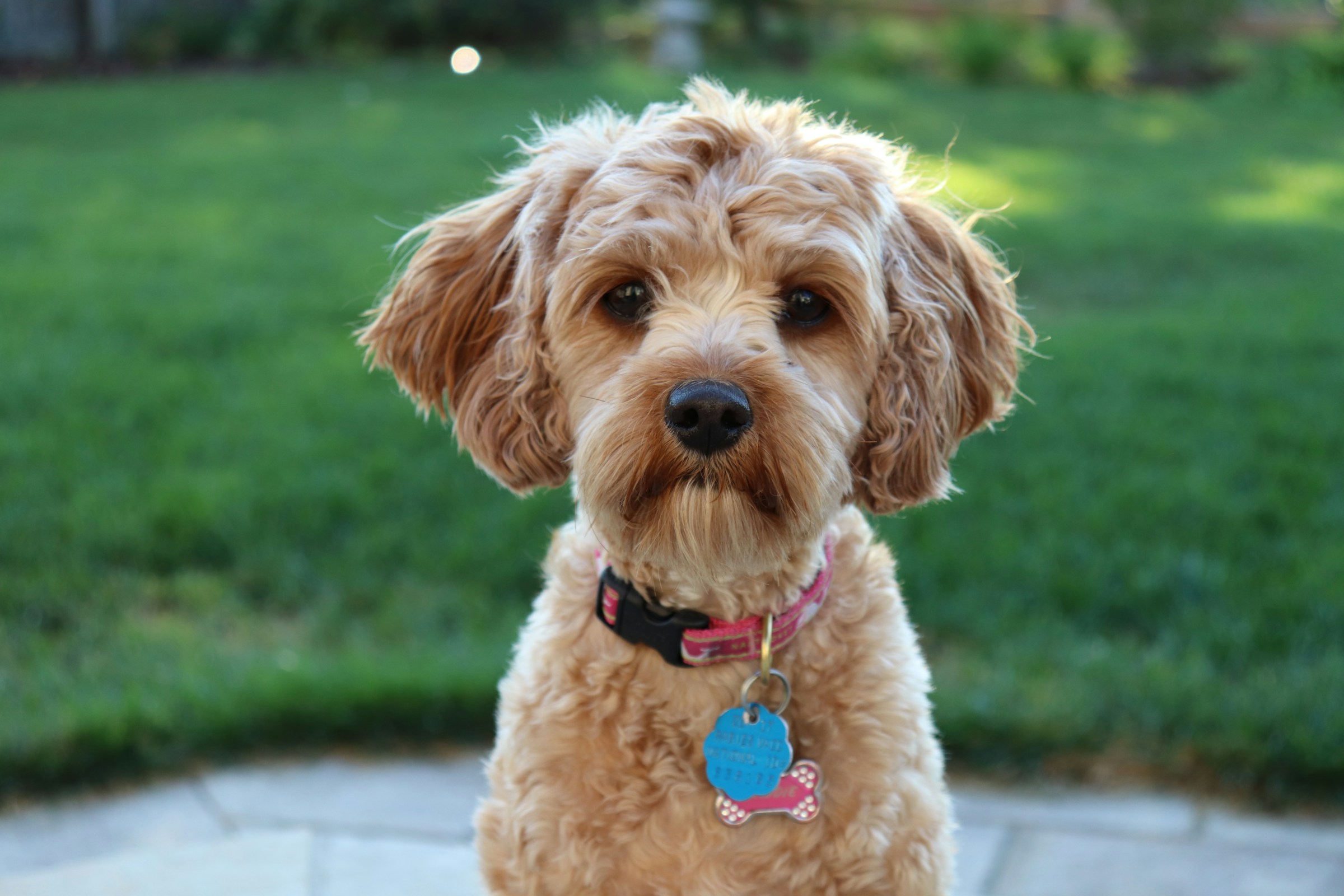
Dr. Lindsay Butzer is a small animal vet at Clintmore Animal Hospital in South Florida who sees “a ton of doodles,” and she puts the Cavapoo at the small end: “So they weigh 15 to 25 lbs. And they are considered the smaller type of doodle.”
Other reports run lighter. Wikipedia gives 8.8 to 22 pounds and 9.1 to 13 inches at the shoulder, with a “silky or curled double coat.” The Cavalier King Charles Spaniel parent weighs 13 to 18 pounds.
The size isn’t the part Dr. Butzer warns about.
“Don’t be fooled by the Cavapoo size. They still need a lot of attention.” Dr. Lindsay Butzer, DVM, on YouTube
A survey of UK owners points the same way. Royal Veterinary College researchers compared 985 young Cavapoos with their parent breeds and found more separation-related problems, fear and excitability than in Cavaliers, though the Cavapoos were easier to train. That’s owners’ reports about groups, not a forecast for one puppy. If you’re out at the Thursday card game, or anywhere else for hours, plan for separation anxiety from the start.
Then there’s the heart. Mitral valve disease is the most common heart disease dogs develop with age, affecting over a third of dogs past 10. Cavaliers get it younger because it runs in the breed. Their parent club recommends a yearly exam by a board-certified veterinary cardiologist, and no breeding before age two.
Screening was linked to fewer murmurs in purebred Cavaliers. In Denmark, Cavaliers whose parents were both approved had 73% lower odds of a mitral murmur in 2010-2011 than in 2002-2003. The Danish data are for purebred Cavaliers, not Cavapoos, but it’s the best clue you’ve got.
Ask the breeder when the Cavalier parent last saw a cardiologist, and ask for the paperwork with the date on it.
 You might also like25 Classic Movie and TV Dogs, and What Really Happened to Them
#6 Toy and mini Cockapoo, two sizes under one name

The American Cockapoo Club standard gives separate toy and mini sizes, and it’s specific.
Toy: 10 in or less at the shoulder, ideally under 12 lb. Mini: 11 to 14 in, ideally 13 to 20 lb.
Like GANA, the American Cockapoo Club judges size by height at the shoulder, so “ideally” is doing real work in those weights. The Cocker Spaniel parent runs 20 to 30 pounds, which tells you where the extra comes from when a Cockapoo grows past the plan.
Here’s the comparison nobody hands you at the breeder’s door. An ideal mini Cockapoo tops out around 20 pounds. The Mini Goldendoodle class at #9 starts at 26. The same word, “mini,” describes two quite different dogs.
Those famous ears are worth a look before you fall for them. The club’s standard calls for well-feathered ears hanging well below eye level. In a UK study of dogs under a vet’s care, hanging ears carried 1.76 times the odds of outer-ear inflammation (otitis externa) compared with upright ones, and “designer” breeds as a group ran higher than ordinary mixed breeds.
The club’s standard also says Cockapoos shouldn’t be left alone for long periods. And in that same survey of UK owners, Cockapoos differed from their parent breeds in 16 of 24 comparisons and scored worse in all 16, the most undesirable profile of the three crosses studied. Plenty of individual Cockapoos are delights. Pick yours by meeting the parents, and ask how they act when the doorbell rings.
#5 Havapoo, the daily-brushing doodle

Keep the slicker brush on the kitchen counter where you’ll see it, because a Havapoo’s coat needs attention every single day.
Adult weight: typically under 15 lb. Coat care: daily.
PetMD lists the parents as the Havanese at 7 to 13 pounds and either a Toy Poodle at 4 to 6 or a Miniature Poodle at 10 to 15. Every pairing stays small, which is why this one sits comfortably in carry range.
The catch is the coat. PetMD says a Havapoo needs daily care to prevent matting, the tight tangles that trap moisture and irritants against the skin. A shorter cut cuts the daily work, so it’s worth asking your groomer about one.
PetMD also notes that Havapoos are prone to ear infections and do poorly when left alone for long.
Instructor Steve of McCann Dogs, a Canadian training school that sees plenty of doodle puppies in class, says to start handling from the first week home, because a doodle will be groomed, nail-trimmed and examined at the vet for its whole life. His list, put simply:
- Hold the collar.
- Handle the ears.
- Hold each paw.
- Touch the tail.
For a dog you’ll pick up again and again, every lift is handling too. A puppy who’s used to hands everywhere is a dog who doesn’t squirm when you scoop her off the couch to answer the door.
#4 Yorkipoo, the barker in a small body
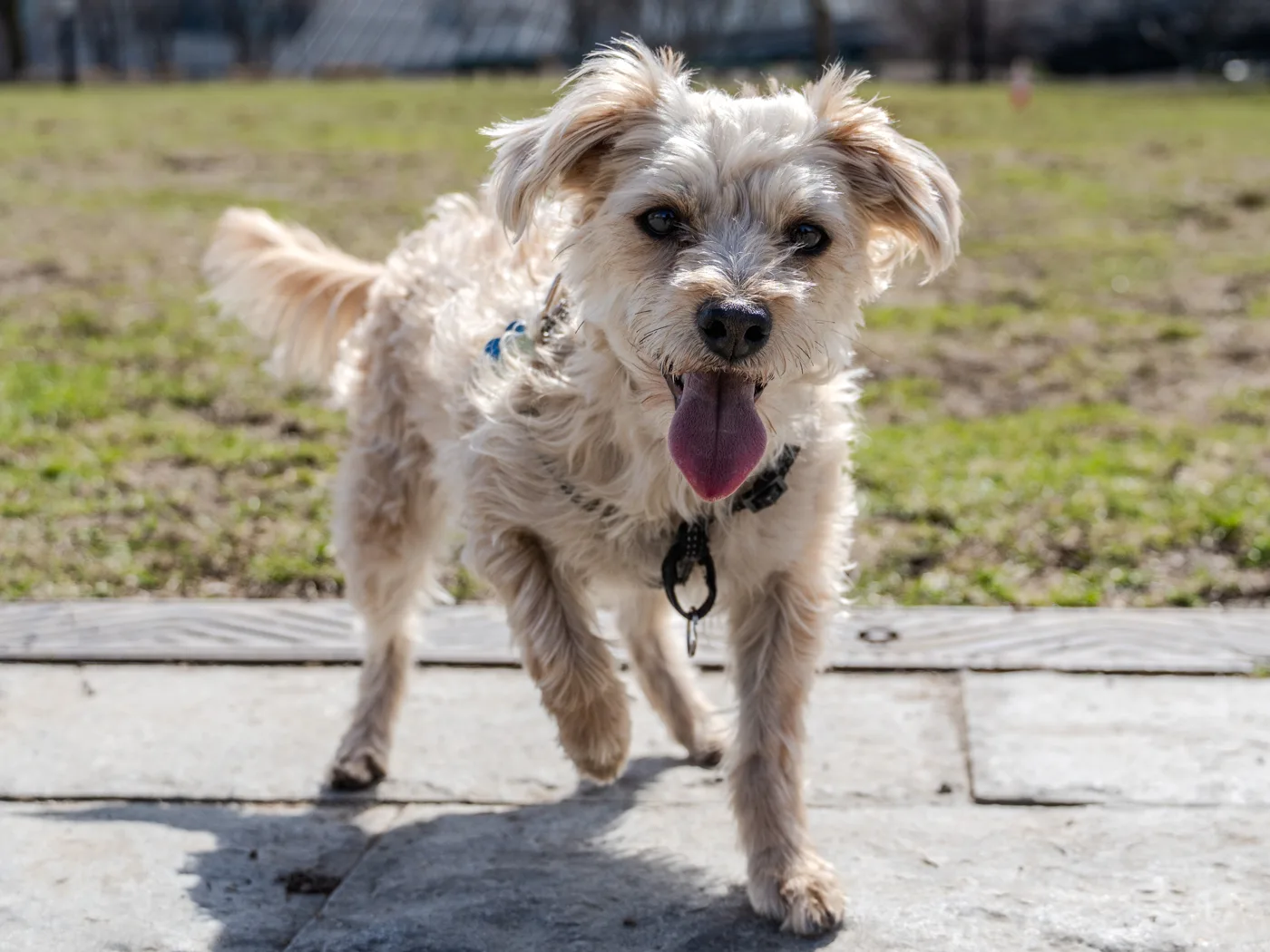
If you’ve lived with a Yorkie, you know the routine: one sharp yap at the mail carrier, then several more to make sure he heard. The Yorkipoo may bark at strangers or animals until it warms up.
Adult weight: 3 to 15 lb. Height at the shoulder: 7 to 15 in. Coat care: daily brushing plus a professional groom every 4 to 6 weeks. Life span: about 12 to 16 years.
Chewy’s breed guide says a Yorkipoo can pick up excessive barking without consistent training. If the Yorkie parent is close to the breed’s 7 pounds, you get a lot of opinion in a small package.
The same guide lists the health issues to know about: dental disease, allergies, kneecaps that slip, and tracheal collapse. Use a harness instead of a collar. It’s the easiest change on this whole list.
In English vet records, Yorkshire Terriers, one parent breed, had 5.5 times the odds of diagnosed patellar luxation (loose kneecaps) compared with mixed breeds. That’s the purebred parent, not the cross, but it’s a good reason to ask about the parents’ knees.
And if a seller offers you a “teacup” Yorkipoo, Chewy’s guide says to pass, because such dogs “are often the result of poor breeding practices that jeopardize the dog’s health in favor of tiny proportions.”
 You might also like20 Prices That Show What a Dog Cost in 1970 vs. Today
#3 Chi-poo, the tiny one you handle with care
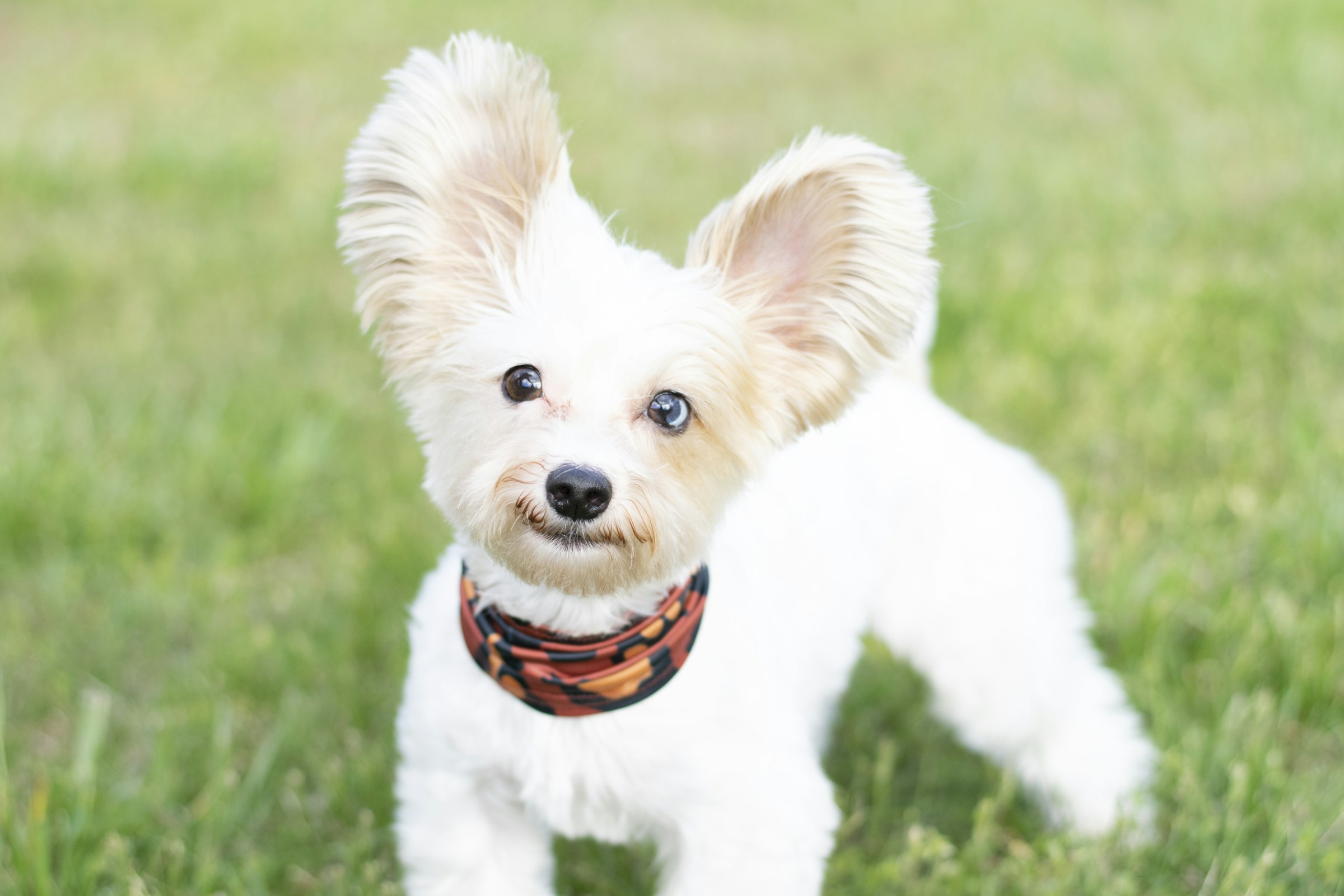
A 5-pound dog weighs so little that you stop thinking about how you pick her up. That’s the habit to break first with a Chi-poo.
Adult weight: typically 4 to 15 lb. Life span: PetMD gives 14 to 16 years for the Chihuahua parent and 10 to 18 for the Poodle parent.
PetMD’s guide is frank that this dog can get hurt. Very small children and very large dogs can injure a Chi-poo by accident, so if little visitors come by or the neighbor’s Lab drops in, someone should be watching. It also says to use a harness rather than a neck collar.
Puppies need three or four meals a day to keep their blood sugar from dropping. That’s breakfast, lunch, supper and a small bedtime bowl, so a long day out means a plan for who feeds the puppy.
PetMD lists dental disease, tracheal collapse, loose kneecaps and Legg-Calvé-Perthes disease, a hip-joint problem in small breeds. The Chihuahua parent had 5.9 times the odds of kneecap trouble of mixed breeds in English vet records. Again, that’s the parent, not the cross.
How you lift matters for both of you. Dr. Christopher Good, a spine surgeon at Virginia Spine Institute, says to “bend at your hips while lifting with your knees, not your back,” carry the dog across your body with both arms, and skip lifting one that’s excited and squirming.
Wait for the wiggle to stop. Then lift.
#2 Micro Goldendoodle, a label more than a size
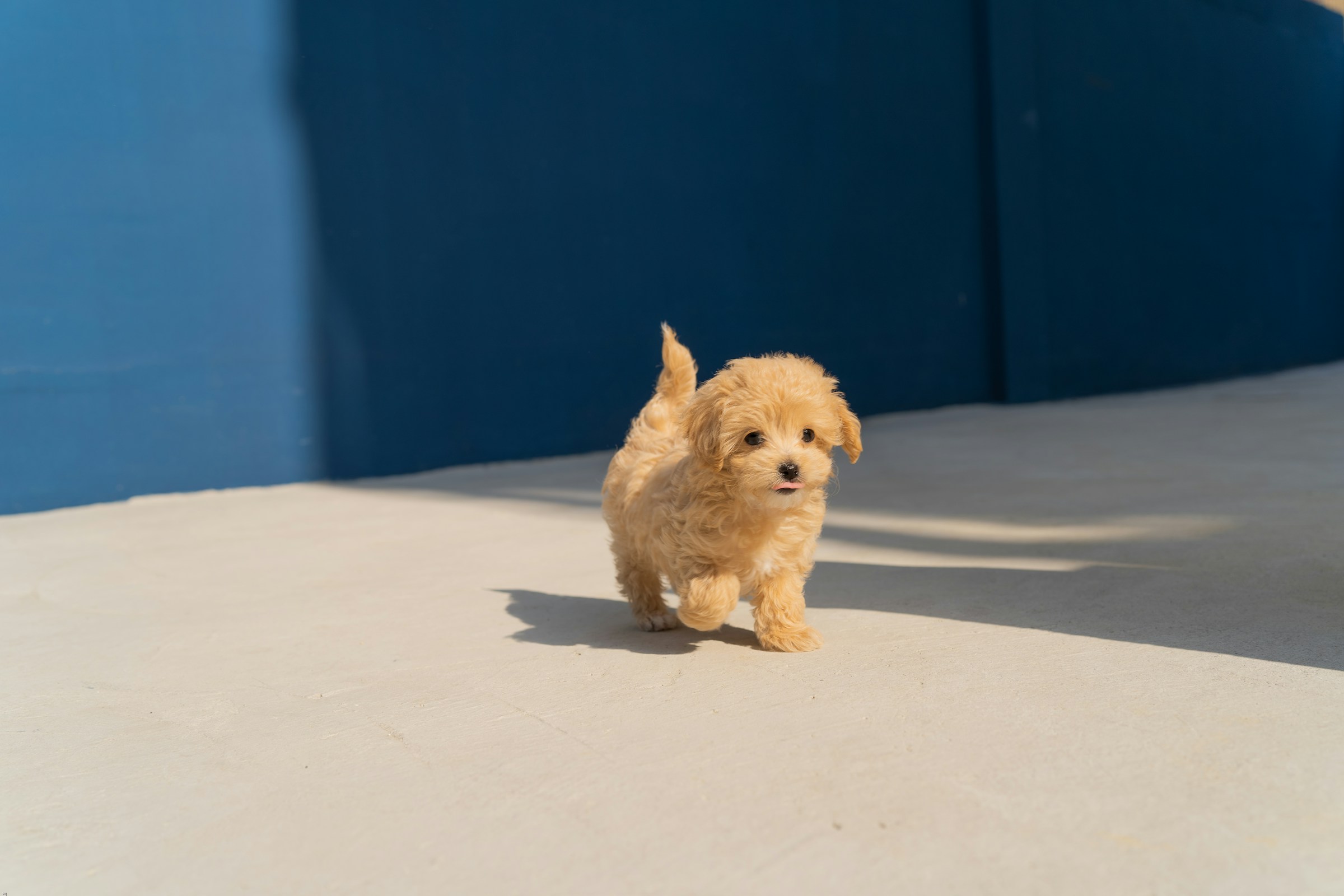
“Micro” and “toy” Goldendoodle aren’t official sizes. Oregon’s Legendary Goldendoodles, a breeder, says plainly that GANA doesn’t recognize them and that the words are a descriptive label.
Adult weight: under 15 lb, by that breeder’s label. Height at the shoulder: usually under 12 to 13 in.
Here’s the part that tells you something. That same breeder lists its own micros as “Coming Soon.”
Some owners get a micro mini goldendoodle without ordering one. On r/Goldendoodles, several describe adults that came in around 9.5 to 13 pounds, and one paid for a DNA test because they doubted the dog was a Goldendoodle at all. Another put it this way: “He was classified as a mini but I think he is more like a toy or micro. They are perpetual puppies.”
Toy Poodles, one possible parent, are among the breeds the AKC lists as most susceptible to patellar luxation. Dr. Jerry Klein, the AKC’s chief veterinarian, says “a luxating patella in dogs is not going to improve on its own.”
The Orthopedic Foundation for Animals (OFA), a health registry, says the medial type can show up as early as 8 weeks. It only certifies dogs at 12 months or older, and recommends re-checks because “some luxations will not be evident until later in life.” In English vet records, dogs lighter than average for their breed had 1.4 times the odds. Ask for the parents’ kneecap results, and have your own dog’s knees checked at yearly visits.
Ask the breeder first – Both parents’ grown weights. A Poodle parent can be anywhere from 4 to 15 pounds, while a big parent such as a male Bernese Mountain Dog runs 80 to 115. Those two numbers set the range, whatever the litter is called. – What earlier litters from the same pair weighed grown, and whether you can meet one. PetMD’s puppy math for small breeds (weight at 6 weeks times 4) is a rough guess, not a promise. – Health-test records for both parents, on paper. – Why it’s worth asking: a toy Bernedoodle owner commented on TikTok, “He got to be 25lbs,” and someone who searched for a doodle breeder wrote on Reddit, “A ‘mini’ doodle can get as big as 60 lbs or more.”
#1 Maltipoo, the true lap dog of the doodles
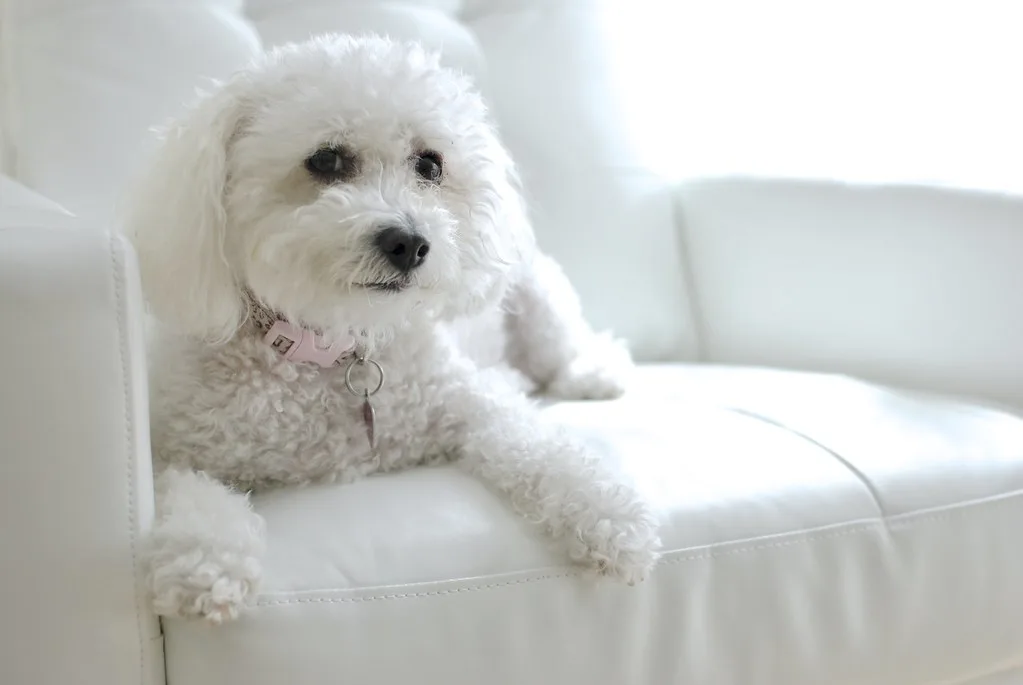
Which Poodle? Those two words decide whether your Maltipoo is a 5-pound lap dog or a 12-pound one.
Start with the Maltese side. Its official standard calls for a dog “under 7 pounds,” with 4 to 6 preferred, and describes it as “gentle in manner, yet lively and playful, too.” That half of the pairing hardly varies.
The Poodle half is where the range comes from. A Toy Poodle is “10 inches or under” at the shoulder and weighs about 4 to 6 pounds. A Miniature Poodle stands over 10 inches and up to 15, and weighs about 10 to 15. The Toy Poodle is as small as an official Poodle gets, which puts a Maltese and Toy Poodle pairing among the smallest parent pairings in our sources.
Adopt-a-Pet lays out what each pairing gives you:
| Pairing | Adult weight | Height |
|---|---|---|
| Maltese x Toy Poodle | 4-6 lb | 8-10 in |
| Maltese x Miniature Poodle | 8-12 lb | 11-15 in |
That’s the lowest top weight of any small doodle in our sources, and it’s yours only if you ask. Ask whether the Poodle parent is a Toy or a Miniature. Then ask to hold it. A Toy Poodle in your arms answers the question faster than any listing.
What a Maltipoo asks of you is mostly company and grooming. Expect 10 to 16 years together. Adopt-a-Pet notes they tend to bark and that long stretches alone can bring on separation anxiety, and the AKC says Poodles are watchful and more likely than some breeds to sound off.
For the coat, budget professional grooming every 6 to 8 weeks to keep a close cut. “Low-shedding” is the honest phrase. Adopt-a-Pet says, “Yes, Maltipoo shed, but they are a low-shedding breed,” and Dr. Butzer agrees.
“They will still shed minimally. So, don’t be fooled by the whole doodle thing.” Dr. Lindsay Butzer, DVM, on YouTube
Some groomers on TikTok and Reddit say owners believe the breeder’s coat-care claims over the groomer’s. If allergies are your worry, no doodle is proven hypoallergenic, so spend time with the actual dog before you bring one home.
Get the right pairing, though, and you have a dog who fits in one arm and curls up in the warm dip of your lap during the evening news.
Keep reading
 30 Things Your Dog Is Trying to Tell YouSee all 30 →
More you’ll enjoy
 25 Subtle Signs of Dog Stress Most Owners Walk Right Past
 17 Dog Breeds That Bite the Most, Including a Lap Dog That Out-Bites German Shepherds
 28 Things Dog Owners Did in the ’60s and ’70s That Would Raise Eyebrows Today
The bottom line
If all this guessing wears on you, there’s a quieter option. A PetMD vet notes that a mixed breed’s grown size is harder to predict than a purebred’s, and a Miniature Poodle’s 10 to 15 pounds comes with a standard behind it.
Health doesn’t tip the scale toward the cross, either. In a UK survey of 9,402 dogs, Cavapoos, Cockapoos and Labradoodles didn’t differ from their purebred parents in 86.6% of health comparisons. Some commenters in one Reddit thread point doodle shoppers toward a Maltese, Havanese, Bichon or Shih Tzu, or toward a shelter.
Whatever you choose, write down your own number before you look at a single puppy. Maybe it’s a condo rule, an airline carrier, or the weight you’d happily lift into the car on a rainy Tuesday. Then make every breeder answer to that number.
Bonus: Five checks the listing won’t mention
- Buying a condo? Ask for the full CC&Rs (the community’s binding rules) and any pet addendum before you make an offer, not after the puppy’s home.
- One Goldendoodle breeder says to double a mini’s weight at 5 months to estimate its adult weight, and calls the method “not a guarantee.”
- If a Golden Retriever or Goldendoodle is one of the parents, ask for its heart clearance. GANA requires one for those parents, though not for Poodles.
- Ask whether the Poodle parent had its yearly eye exam with a board-certified veterinary eye specialist, which the Poodle Club of America lists for Toys and Minis.
- Look for a mini doodle rescue or check your local shelter. An adult dog’s weight is already on the scale, so the guessing is over before you meet. Doodle rescues set their own adoption rules, so read them before you apply.
Questions people also ask
What kinds of small doodles are there?
The small doodles include toy and mini Cockapoos, Maltipoos, Yorkipoos, Chi-poos, Havapoos and Cavapoos, plus petite and mini Goldendoodles and mini Labradoodles. Grown weights run from about 3 pounds for the smallest Yorkipoos up to about 35 for a Mini Goldendoodle. Only some sizes are set by a club: the American Cockapoo Club defines toy and mini, and GANA defines Petite Mini and Mini Goldendoodles.
How big will a mini doodle get full grown?
There’s no single answer, because “mini” has no common standard and owners report grown minis anywhere from under 10 pounds to 60 or more. One Goldendoodle breeder says minis finish gaining weight at about 11 to 13 months. Your best clue is both parents’ adult weights, which is also what vets use for a mix, according to PetMD.
Do small doodles shed?
Yes, most small doodles shed, just less than many breeds, and none is proven hypoallergenic. A Dutch study found that “hypoallergenic” breeds, Labradoodles included, carried more of the main dog allergen in their hair and coats than other dogs. If allergies matter, spend time with the actual dog before committing.
Is a small doodle a good dog for a senior?
It can be, if the grown size fits what you can comfortably reach, lift and groom. In CDC emergency-room data from 2001 to 2006, nearly a third of dog-related falls involved tripping over the dog. The data do not break falls down by dog size. Several small crosses, including the Havapoo and Maltipoo, also do poorly when left alone for long.
How do I find a doodle breeder who health tests?
Ask to see both parents’ records: Orthopedic Foundation for Animals results for hips, elbows, eyes and kneecaps, plus DNA tests such as prcd-PRA, which screens for an inherited eye disease that leads to blindness. Those are what GANA requires of its breeders. For a Cavapoo, also ask whether the Cavalier parent has had yearly heart exams by a cardiologist.
Is a small doodle less work than a big one?
Not necessarily, because a small doodle’s coat still needs regular brushing and grooming, and some small crosses need more company than you’d expect. A vet who sees many doodles says of Cavapoos, “They still need a lot of attention.” In a US survey, more than twice as many doodle owners as other owners said upkeep, grooming included, was more demanding than they expected.


